REVIEW · CARTAGENA
Tour cultural to san Basilio de Palenque from cartagena
Book on Viator →Operated by Fancy tours · Bookable on Viator
Palenque feels real from the first minute. This day trip from Cartagena is built around ancestral stops and stories you can’t get from a guidebook, with highlights like Casa de Tambores and the explanation of how palenque sweets and the ñeque drink are made. If you’re lucky, your guide will bring serious community perspective—people have mentioned names like Moises Abraham and Royman—and you’ll hear the culture from the inside. The main thing to keep in mind is the schedule: you’re trading a lot of your time for that 1-hour ride each way.
The good news is the tour keeps the pace friendly, with short visits at each point and a small maximum group size of 15. You’ll also get lunch, bottled water, and a traditional music and dance show to close the day, not just a photo walk. One possible drawback: Wi‑Fi on board isn’t included, so plan on using your phone offline.
In This Review
- Key takeaways before you go
- Getting to Palenque from Cartagena: the 9:00 AM rhythm
- Casa de Tambores and Casa del Arte: sound and craft, up close
- Panque replica village: seeing daily life more than 600 years ago
- Palenque sweets and ñeque: artisan process in plain language
- Kid Pambele statue: community pride without the script
- Lunch at the palenqueros’ central restaurant, then back to Cartagena
- Surprise typical dance show: music that keeps you present
- Price and value: what $99 buys you in real terms
- Who this Palenque day trip fits best
- Small-group comfort and practical tips for your morning
- Should you book this San Basilio de Palenque tour from Cartagena?
- FAQ
- What time does the tour start?
- How long is the San Basilio de Palenque cultural tour?
- What is included in the $99 price?
- Is lunch included?
- Are admission tickets included?
- Can I cancel for a full refund?
Key takeaways before you go
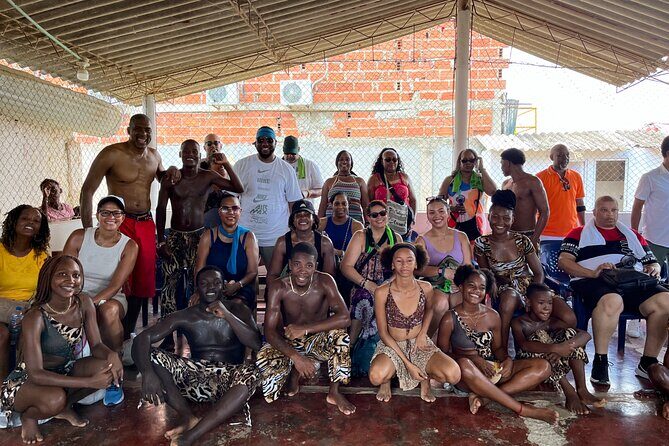
- Small group size (max 15) means you’re more likely to get your questions answered.
- 1-hour transfer each way shapes the day, so bring a calm mindset for the ride.
- Casa de Tambores and Casa del Arte are cultural stops, not just quick photo stops.
- Panque replica village shows what daily life was like more than 600 years ago.
- Palenque sweets and ñeque turn crafts and tradition into something you can follow step by step.
- A surprise typical dance show closes the trip with music and momentum.
Getting to Palenque from Cartagena: the 9:00 AM rhythm
This tour starts at 9:00 am, and it quickly shifts you from Cartagena’s pace into Palenque’s world. The transfer from your hotel to Palenque takes about 1 hour, which matters because it sets the tone: this isn’t a quick in-and-out stop, it’s a real half-day cultural outing.
With a total duration of about 4 to 5 hours, you’ll want to treat the morning like the main event. Plan to be ready for pickup and give yourself a little buffer on your side—morning tours can feel tighter than they look on paper. Since bottled water is included and the group is capped at 15, you’re not stuck feeling crowded or under-prepared.
If you’re sensitive to long car time, this is the part to think about first. On the flip side, that drive gives you a natural reset before you enter the village areas—so by the time you reach the stops, you’re not rushing.
You can also read our reviews of more tours and experiences in Cartagena.


Casa de Tambores and Casa del Arte: sound and craft, up close

Your first village time focuses on ancestral places, especially Casa de Tambores and Casa del Arte. This is the kind of visit where you don’t just look; you listen and ask questions. The point is to understand how culture is carried—through music, rhythm, and creative work passed down over generations.
What I like about this stop structure is that it’s early in the day, when you’ll still have energy to pay attention. The tour doesn’t overload you with long lectures either. Instead, you get short, focused time on the key places, with your professional local guide steering the explanations.
People have also highlighted how much difference it makes when your guide is from Palenque. Names that have come up include Royman and Roiman, and the consistent theme is lived experience. When someone explains what these spaces mean to daily life—rather than just reciting facts—you feel more respect and less distance.
One consideration: this is a cultural visit, so you’ll get the most out of it if you’re comfortable asking questions. If you prefer silent “walk-and-look” sightseeing, you may want to go in with lower expectations for quiet roaming.
Panque replica village: seeing daily life more than 600 years ago
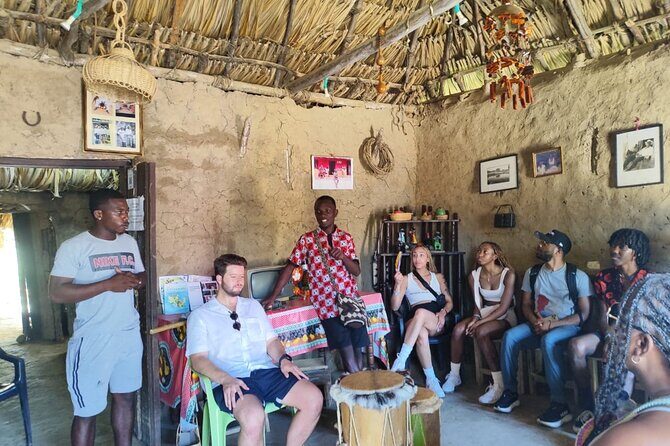
Next comes the village of Panque, described as an exact replica of how enslaved people lived more than 600 years ago. This stop is short—about 30 minutes—but it’s designed to be memorable. The value here isn’t a single monument. It’s the sense of everyday routines, space, and how people organized life under brutal conditions.
Replica settings can be tricky in any country. The key is how the guide frames it. When the explanation is clear, it doesn’t feel like a staged set; it feels like a teaching tool. And when your guide is from the community, you get a tone that’s more personal and less distant.
This stop also pairs well with the rest of the itinerary because it helps connect the dots: later on you’ll hear how artisans work and how traditional food and drinks fit into cultural identity. Panque gives you the “why it matters” before you get to the “how it’s made.”
Palenque sweets and ñeque: artisan process in plain language
After Panque, the tour shifts into food and tradition. You’ll get an explanation of the artisan process for palenque sweets and the elaboration of ñeque, a drink Palenqueros received as a gift from African descendants at that time.
I like this part because it’s practical. Even if you don’t eat everything, you’ll understand the logic behind the work: ingredients, methods, and the meaning of what’s being carried forward. It turns culture into something you can follow step by step.
The Ñeque detail is especially interesting because it ties the story of Palenque directly to African influence through a specific tradition. That’s the kind of connection that makes a day trip feel more than “a quick stop in a village.”
One quick reality check: this is about explanation during your visit, not a full cooking workshop. If you’re hoping for hands-on tasting of everything, the itinerary doesn’t promise that. Still, the guided explanation makes the craft side feel tangible.
Kid Pambele statue: community pride without the script
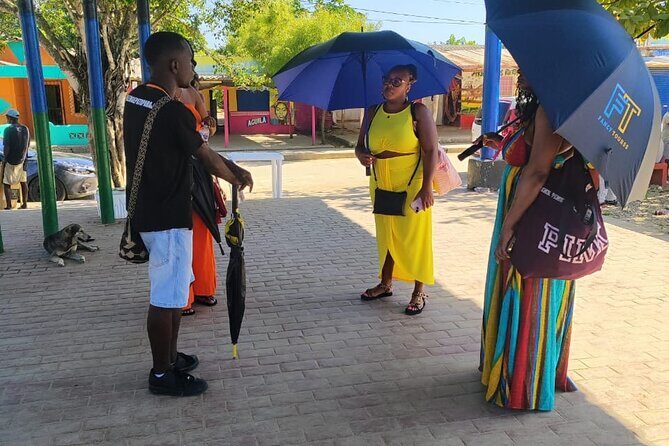
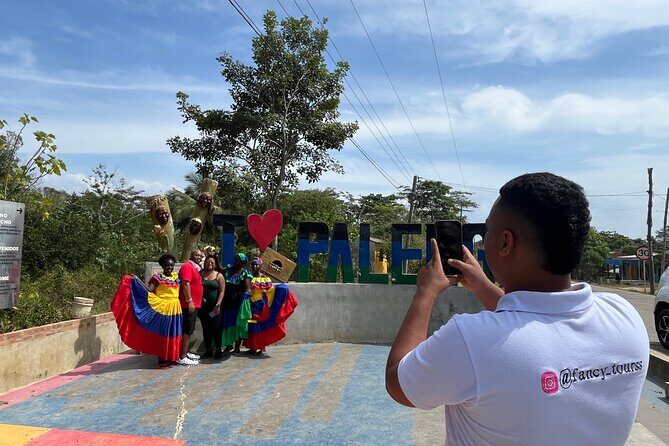
You’ll also visit the statue of the Colombian boxer Kid Pambele. This stop is brief—about 10 minutes—but it adds variety to the day.
Here’s the takeaway: after learning about ancestral spaces, daily life replicas, and traditional artisan processes, it’s refreshing to see how local pride and identity also show up in public landmarks. Even short cultural “break” stops help you avoid fatigue. You’re not stuck in one theme for the entire time.
I’d treat this stop as a moment to reset your focus and ask yourself what kind of legacy you’re seeing—music, craft, survival, and also sports pride. That mix is part of why Palenque tour days can feel so complete.



Lunch at the palenqueros’ central restaurant, then back to Cartagena
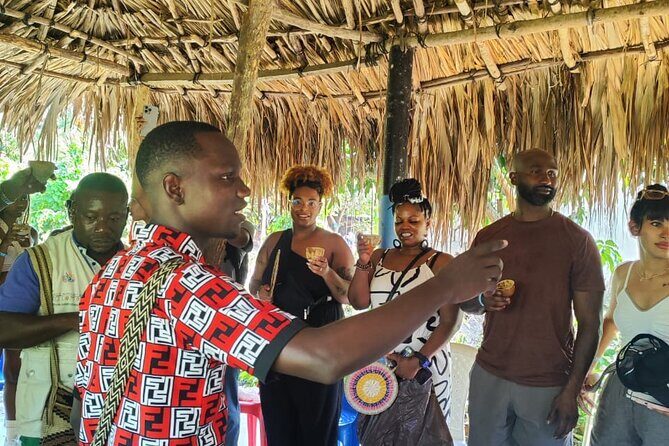
The final main village activity includes a visit to the central restaurant of the palenqueros, and then you head back. The ride back to Cartagena takes about 1 hour, and that’s where the day wraps up.
Lunch is included, and that matters for value. At $99 per person, the tour isn’t just transportation plus entry. You’re also getting a guided cultural flow plus a proper meal. If you’ve done day trips where lunch is optional or costs extra, you’ll appreciate this one.
People have mentioned favorites like food and even natural medicine during the village experience. The itinerary doesn’t spell out every detail of medicine, so don’t count on a specific herbal segment. But your guide may point out traditional practices as part of the cultural explanation.
Practical note: since the tour doesn’t include on-board Wi‑Fi, treat your phone like it’s offline after you leave the city. Save anything important before you go.
Surprise typical dance show: music that keeps you present
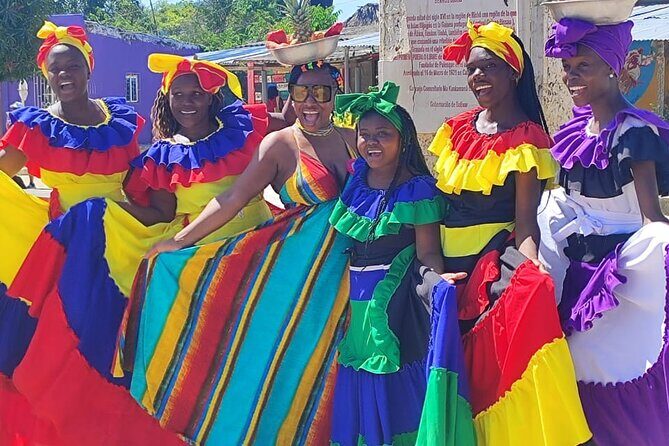
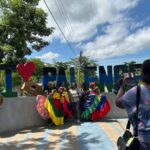
The tour ends with a surprise typical dance show, about 30 minutes of traditional music and movement. This is the best kind of finale because it doesn’t ask you to “interpret” everything in your head. You can just watch and listen.
Dance shows can sometimes feel generic, but the vibe here is tied to the day’s themes: community, memory, and shared identity. People have said guides encouraged participation, and in one case a birthday celebration turned into singing and dancing with the whole group’s energy. Even if your day isn’t a birthday, the goal is the same—make you feel the culture as something living.
If you’re camera-heavy, watch this part with your eyes first. The sound and rhythm are part of the story. Also, it’s a good time to reflect on what you learned earlier in the day—Panque and the artisan explanations land differently once you’ve heard the music.
Price and value: what $99 buys you in real terms

At $99 per person, this tour can feel like a deal or a gamble depending on what you usually pay for in Cartagena. Here’s why I think it’s solid value: the price includes roundtrip transportation to and from your hotel, bottled water, landing and facility fees, a professional local guide, lunch, and the dance show and traditional music.
Also, the itinerary lists admission as free at each stop, which helps you avoid that annoying “surprise ticket” feeling. In other words, you’re paying for a structured cultural day, not nickel-and-diming your way through it.
The maximum group size of 15 matters too. Cheaper tours often run with larger groups where questions get lost. With a smaller setup, guides can actually interact with you, especially when they explain things like the artisan process and the meaning behind traditions.
If your budget is tight, this is still a worthwhile pick because you’re not just buying transport. You’re buying context—guiding you through cultural spaces and letting you understand why Palenque is unique.
Who this Palenque day trip fits best
This is a great choice if you want cultural meaning without spending the whole day in transit. The route is tight, and the stops are short enough that you stay interested instead of worn out.
You’ll likely enjoy it most if you:
- Like learning from a local guide with personal perspective
- Want a mix of culture, craft, and performance (not only museums)
- Are open to interactive moments during music and dance
Language can also be a factor. One guide mentioned in feedback was Romeo, described as bilingual with strong English and Spanish, including translating the language of the Palenque people. Your exact guide may differ, but it’s a strong sign that communication isn’t an afterthought.
If you’re the type who needs very long browsing time at each spot, you might find the timing a touch fast. But if you prefer efficient, guided storytelling, this format works.
Small-group comfort and practical tips for your morning
Because the tour starts at 9:00 am and includes a 1-hour ride, your biggest win is showing up ready to go. Bring a few basics:
- Comfortable shoes for village walking
- Sun protection and a light layer (weather can change)
- Offline entertainment on your phone since Wi‑Fi on board isn’t included
For the best experience, go in curious. Ask about what you’re seeing in Casa de Tambores and Casa del Arte, and don’t be shy about the craft side when you reach the sweets and ñeque explanations. The guide time is your chance to get the story behind the scenes.
And yes, embrace the dance finale. If you treat it like a bonus instead of a finale, you’ll enjoy it more.
Should you book this San Basilio de Palenque tour from Cartagena?
I’d book it if you want a structured, respectful day in Palenque that includes transport, lunch, a professional guide, and a music-and-dance ending—all for a clear price. The small group size helps, and the itinerary balances ancestral spaces (like Casa de Tambores) with practical cultural explanations (sweets and ñeque) and a performance that makes the day feel complete.
Skip it only if you hate early starts or you’re not up for the 1-hour transfer each way. Since the day is built around that schedule, your comfort with morning travel will make or break the experience.
If you’re booking a first Palenque trip from Cartagena, this is one of the easier ways to get it right.
FAQ
What time does the tour start?
The tour starts at 9:00 am.
How long is the San Basilio de Palenque cultural tour?
It runs about 4 to 5 hours, depending on the flow of the day.
What is included in the $99 price?
Roundtrip transportation from your hotel, bottled water, landing and facility fees, a professional local guide, lunch, and the dance show and traditional music.
Is lunch included?
Yes. Lunch is included as part of the tour.
Are admission tickets included?
The itinerary shows admission ticket free for the stops, and landing and facility fees are included in the package.
Can I cancel for a full refund?
Yes, you can cancel for a full refund if you cancel up to 24 hours in advance of the experience start time. If you cancel less than 24 hours before, it won’t be refunded.