REVIEW · CALI
3 Days in Malaga Bay (Pacific Coast)
Book on Viator →Operated by Viajes CHE - Colombia Hiking Experience · Bookable on Viator
Whales and blue water at night drive this trip. You’ll go from Cali’s early-morning roads to Buenaventura and the gateway of Juanchaco, then spend days in Uramba Bay of Málaga chasing whale sightings and finishing with bioluminescent plankton after dark. The pace is active, the scenery is water-heavy, and the guides focus on understanding what you’re seeing.
I especially love how the schedule builds in both daytime magic and night-time wonder, plus how the guides explain the Pacific as you go, not as a lecture at the end. My favorite part was feeling well cared for on the water, with small details that keep the experience calm. One drawback to plan for: you’re up very early and you’ll be on boats and vehicles a lot—great for energy, less great if you hate long travel days.
In This Review
- Key things I’d tell a friend before booking
- Cali to Juanchaco: that early start gets you to the whales fast
- Uramba Bay of Málaga whale watching: what to expect when you’re close
- La Barra sunsets and the bioluminescent plankton night (no photos allowed)
- Day 2 waterfalls and Juan de Dios: timing depends on the tides
- Day 3 recycling workshop, beach cleanup, and the return to Cali
- Guides, comfort, and safety on this private Pacific route
- Price and what’s really behind the $650 per person
- Who should book this Bahía Málaga experience
- Should you book this 3 Days in Malaga Bay trip?
- FAQ
- How long is the experience?
- What is the price per person?
- Where do you meet in Cali?
- What time does the trip depart from Cali?
- When is whale season for Bahía Málaga?
- Are any key activities included in the ticket price?
- Can I cancel, and how much notice is required?
Key things I’d tell a friend before booking
- Whale season timing (July–October) can mean a much higher chance of real whale behavior, not just sightings
- Private tour for your group, with guides who work to reduce stress for wildlife
- No-photo bioluminescent plankton night so you can actually watch the water glow without screens
- Water time every day, from ferry rides to waterfall bathing and tide-driven beach access
- Environment-focused activities on day 3 with a recycling workshop and beach cleanup
- A comfort-first approach to transfers, lodging, and safety, supported by local guiding
Cali to Juanchaco: that early start gets you to the whales fast
This trip begins in Cali with a departure at 4:45 a.m. You’ll stop for breakfast in the Lobo Guerrero sector, which is a smart way to start: it’s not just food, it’s a quick introduction to the ecosystem changes you’ll notice on the road toward the Pacific. Those early hours matter because the best whale-viewing window depends on timing, and the day is already built around boats.
From Cali, you’ll head to Buenaventura, Colombia’s key Pacific port. Once you arrive, you get some history and context about the place before you transition to the water. Then it’s onto the ferry to Juanchaco, a ride of about 45 minutes, followed by a short craft-vehicle transfer to your hotel.
One reason I like this flow is that it reduces the “logistics headache” feeling. You don’t arrive in the region and then spend hours figuring out where to sleep and how to move. You’re moved forward, explained to, and then put into “Pacific mode” quickly.
You can also read our reviews of more tours and experiences in Cali.


Uramba Bay of Málaga whale watching: what to expect when you’re close
On day 1, you’ll head to Parque Nacional Natural Uramba Bahía Málaga by boat until the area where whales can be seen. This is the core of the trip, and it’s scheduled for the morning, when conditions often feel calmer.
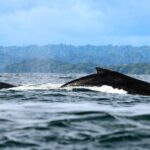
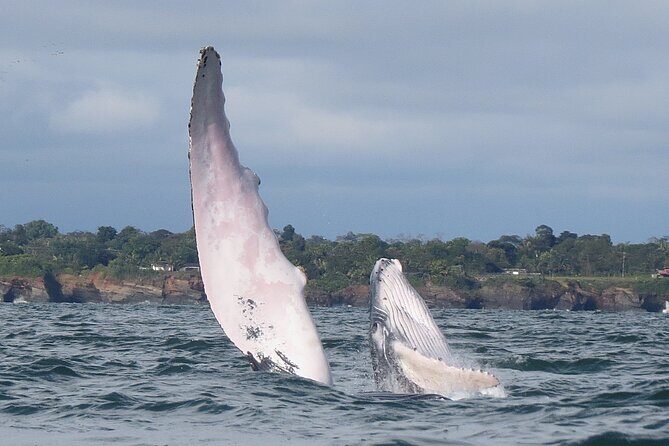
The whales you’re looking for are not just a distant spout. The goal is to witness natural behavior: whales can appear with movements around their mothers—tail flicks, jumps, and showing fins or backs. Adults may perform jumps, and those moments often pull in the “watching the pattern” instincts, because you may see calves doing similar actions.
There’s also a seasonal note that affects your chances: whale season is typically July to October, and during that period the probability of seeing whales is described as high. That means if your dates fall inside that window, you should expect the trip to feel more like a certainty and less like a gamble.
A small but important detail: the guiding approach aims to keep whales from being stressed. I take that seriously because it changes the vibe. If you’re not chasing or crowding the animals, you tend to get better sightings and a more respectful experience—plus you’re more likely to feel comfortable on the water rather than rushed.
La Barra sunsets and the bioluminescent plankton night (no photos allowed)
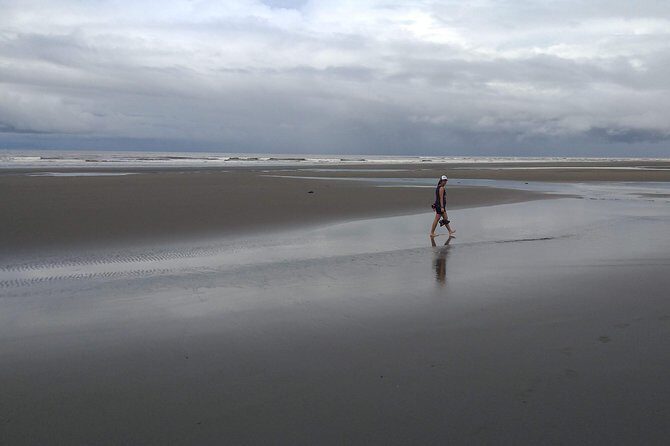
After whale watching, the trip settles into two of the Pacific’s signature moods: golden-hour beach time and a glowing-water night.
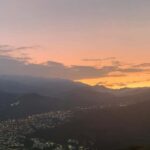
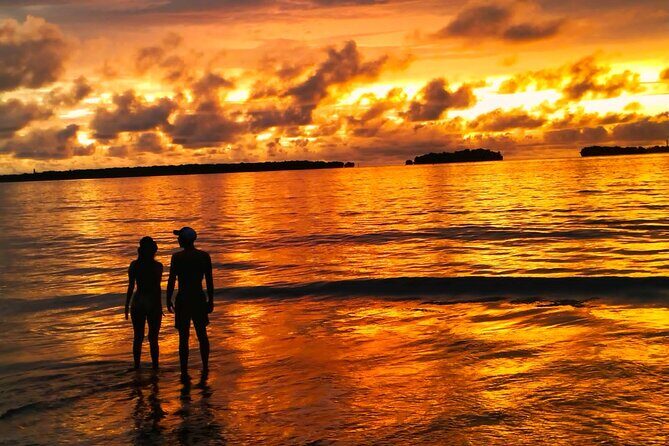
You’ll return to Juanchaco and get recommendations at the hotel, then later enjoy sunset at Playa La Barra. This beach is specifically called out as one of the best for sunset photography in the Colombian Pacific. Even if you’re not a camera person, the key idea is that the timing and location are intentional—so you don’t just stumble into a view, you’re put in front of it at the right moment.
Then comes the night activity: bioluminescent plankton. You’ll do this at sea at night, and the effect is described as water shining or lighting up on contact or movement, producing blue-green colors. One important planning note: this part includes a rule that there will be no photos. That’s actually useful advice. Your eyes need time to adapt, and watching the glow in real life tends to hit harder when you’re not constantly switching from water to screen.
What to do with that information? Bring the mental expectation that the best memories here are sensory, not digital. If you want photos of the trip, focus your camera time earlier in the day at La Barra and during daylight stops.
Day 2 waterfalls and Juan de Dios: timing depends on the tides
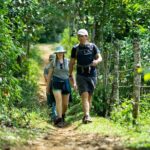
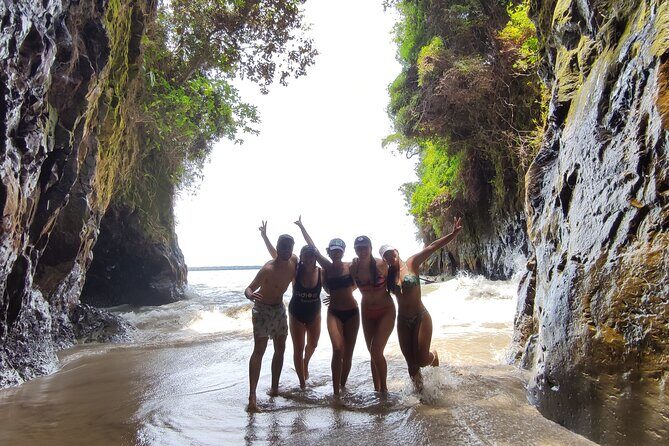
Day 2 starts with breakfast at the hotel and then heads toward Cascada La Sierpe and Ostional waterfalls. This is a more active, nature-walk day. You’ll be able to bathe and enjoy the pools formed when waterfalls join the estuary. If you like experiences where you’re not just viewing from a viewpoint, this is the stretch that turns the trip from sightseeing into hands-on Pacific living.
Your morning has a built-in reason to be structured: waterfalls and estuary pools can be affected by conditions. You don’t need technical knowledge to enjoy it—you just need to come ready to get wet and comfortable in the water.
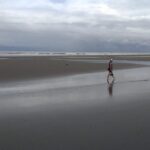
Next is Playa Juan de Dios, where the schedule explicitly notes that the journey duration depends on the tides. This matters because beaches in tidal zones can change quickly. At Juan de Dios, you can swim, sunbathe, visit intertidal caverns, and enjoy a panoramic view of the bay from the chucheros viewpoint. You’ll also have lunch with the area community, which adds a social layer to the day rather than making it a “nature-only” block.
The value here is that this beach visit isn’t just a shoreline moment. It’s a mix of swimming, exploring what’s exposed at low tide (like caverns), and then stepping back to a viewpoint to reconnect with the wider coastline.
Day 3 recycling workshop, beach cleanup, and the return to Cali
The third day is lighter in the morning. You’ll have breakfast and then free time until 11:00 a.m. After that, the trip shifts into something I genuinely appreciate: an environment awareness block with a recycling workshop and a beach cleaning day focused on waste management.
This part matters because it changes how you leave the place mentally. You’re not just consuming the scenery and then moving on. You’re doing something practical that links your visit to the local coastline’s wellbeing.
After the workshop and cleanup, you’ll have lunch and then head back to Juanchaco, Buenaventura, and Cali, with arrival expected around 8:00 p.m. Dinner is planned along the way so you’re not stuck hungry during the last stretch.
It’s a long finish, but it’s also a clear bookend: three days moving through whales, beaches, and waterfalls, then returning with a sense that the trip wasn’t only about photos and checkmarks.
Guides, comfort, and safety on this private Pacific route
This is a private tour, meaning only your group participates. That’s not just a luxury label. It usually translates into a more flexible feel, smoother timing, and fewer awkward moments waiting around while others figure out logistics.
The guiding team can include people like César (noted as the founder) and other guide names such as Julian from Cali, plus a local guide named Alex. In practice, that combination tends to work well: one guide helps coordinate the big-picture plan, while local knowledge supports the water-based parts of the day.
From the way this trip is described, guiding also means comfort. People talk about “100% comfort” and a careful approach around whale behavior. They also mention that the experience is very well organized and feels safe. When you’re out on boats and in the ocean at night, that matters more than it sounds.
One more comfort detail worth noting: the trip includes a hotel base near the harbor, and some descriptions mention rooms that feel clean and pleasant, including air conditioning. You’ll likely want that kind of rest after day 1 and day 2 water time.
Price and what’s really behind the $650 per person
At $650 per person for about 3 days, this trip isn’t “cheap,” but it doesn’t feel overpriced when you look at what’s included in the core experiences.
Some activities list admission as free, while others explicitly include tickets. The most important paid-included pieces are the ones that cost real money and planning elsewhere:
- Whale watching in Uramba Bahía Málaga (ticket included)
- Bioluminescent plankton night activity (ticket included)
- Waterfall stops (ticket included)
- Playa Juan de Dios (ticket included)
- Day 3 return time still includes a ticket-backed park component in the schedule
On top of that, you’re getting multi-day transportation coverage: early Cali departure, ferry to Juanchaco, and water travel by boat. You also have a hotel base and a full schedule of meals at the key times mentioned (breakfast each morning, plus lunch and dinner blocks that keep you from hunting for food mid-activity).
So for value, I’d frame it like this: you’re paying for access. Access to the right waters, access to seasonal whale timing, and access to guided interpretation so the trip feels coherent rather than random.
If you’re the type who plans everything yourself, you might be able to assemble a similar trip piece by piece. But if you want someone to handle timing, tickets, and local coordination while you focus on seeing whales, swimming in natural pools, and watching plankton glow, this price starts to feel fair.
Who should book this Bahía Málaga experience
This is best for you if:
- You want nature-heavy days with water time, not museum-style pacing
- You care about wildlife etiquette and want guides who take stress seriously
- You’re excited by night nature experiences, even if that means accepting rules like no photos
- You like structure, especially when getting in and out of the Pacific region from Cali
It can also work for many travelers because the trip states that most travelers can participate, and it allows service animals. That said, it’s not built for people who hate early wake-ups or boats. If you’re prone to motion sickness, you should consider that before booking.
Finally, if you like learning as you go, this trip has that angle too. Guides like César and others are noted for sharing context about biodiversity and the Pacific’s culture, which makes the scenery feel less random.
Should you book this 3 Days in Malaga Bay trip?
I think you should book if your idea of a great trip is simple: wake up early, get out on the water, watch whales when the season aligns, swim where nature forms pools, catch a sunset at La Barra, and then see the night water glow—without turning it into a constant phone moment.
Skip it if you want a relaxed, slow itinerary. This one is active and travel-based, with a long day 3 return. You’ll also need to be comfortable with the idea that the bioluminescent plankton experience is meant to be watched, not documented.
If your dates fall in July through October, I’d treat that as extra incentive. The trip itself signals higher probability during whale season, and the entire schedule is built around those moments.
In short: this is a well-run Pacific adventure with strong value in its access, guidance, and night nature payoff.
FAQ
How long is the experience?
It runs for about 3 days.
What is the price per person?
The price is $650.00 per person.
Where do you meet in Cali?
You meet at Hotel Intercontinental Cali, Av. Colombia #2-72, Normandia Sebastian de Belalcazar, Cali, Valle del Cauca, Colombia.
What time does the trip depart from Cali?
Departure from Cali is listed at 4:45 a.m.
When is whale season for Bahía Málaga?
Whale season is described as July to October.
Are any key activities included in the ticket price?
Whale watching in Uramba Bahía Málaga and the bioluminescent plankton night activity are listed as included. Waterfall and Playa Juan de Dios admissions are also listed as included.
Can I cancel, and how much notice is required?
You can cancel up to 3 days in advance of the experience for a full refund. If you cancel less than 3 days before the start time, the amount paid is not refunded.