REVIEW · CALI
Admission to Andoke Butterfly Center in Cali with Release Ritual
Book on Viator →Operated by Mariposario Andoke · Bookable on Viator
That calm feeling hits fast. A visit to Mariposario Andoke in Cali turns the butterfly life cycle into something you can actually watch and feel, ending with a butterfly release ritual. I especially like how the experience guides you through real stages of transformation, not just a quick walk past pretty wings.
Two things I kept coming back to are the garden itself and the hands-on moments inside. The grounds are lovingly built with lush plantings plus hanging air plants, mosaics, and metal art, and the tour goes through eggs, caterpillars, chrysalises in motion, and then butterflies in a large enclosure where they may land on you. One consideration: the visit depends on good weather, so if conditions aren’t right you’ll need flexibility with dates.
In This Review
- Key points before you go
- Mariposario Andoke: where the visit starts near Cristo Rey
- The real magic is the butterfly life cycle you can watch
- Before the wings: map, ants, and a butterfly lab vibe
- Eggs, caterpillars, and chrysalis movement you can actually see
- The butterfly garden enclosure: sit still and let it happen
- The release ritual: participating in the moment
- Why a 15-person max and private attention feels worth it
- Price and timing: is $19 for 3 hours good value?
- Who should book this butterfly center experience
- Practical FAQ
- FAQ
- How long is the Andoke Butterfly Center visit?
- Is the admission ticket included in the price?
- Where do we meet for the tour?
- How big is the group?
- Do I need good weather for this experience?
- What’s the cancellation policy?
- Can I bring a service animal?
- Is it near public transportation?
- Should you book the release ritual at Andoke in Cali?
Key points before you go
- Full life-cycle sequence from eggs and caterpillars to chrysalis development with visible movement
- Hands-on interaction during the process, including time where you can hold a caterpillar
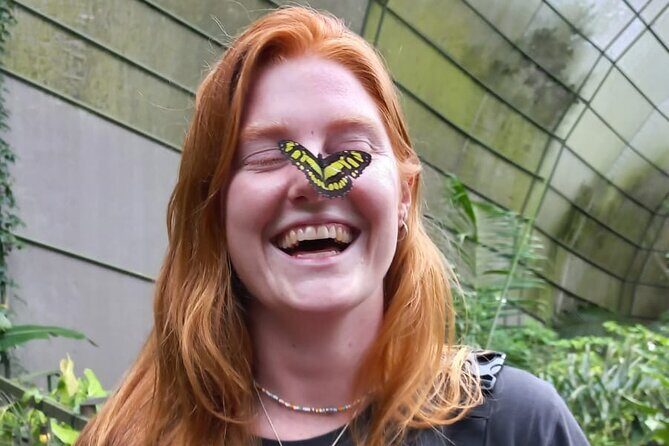
- Butterflies in a big enclosure where they may land on you while you sit quietly
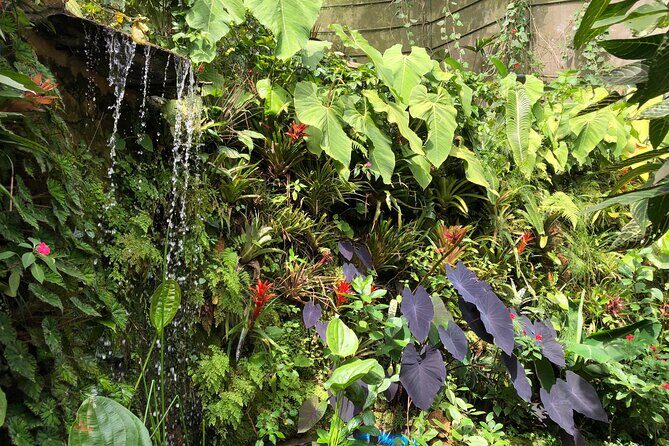
- Garden design details like hanging air plants, mosaics, and metal artwork that make the place feel special
- Release participation at the end, if you’re invited into the ritual
Mariposario Andoke: where the visit starts near Cristo Rey
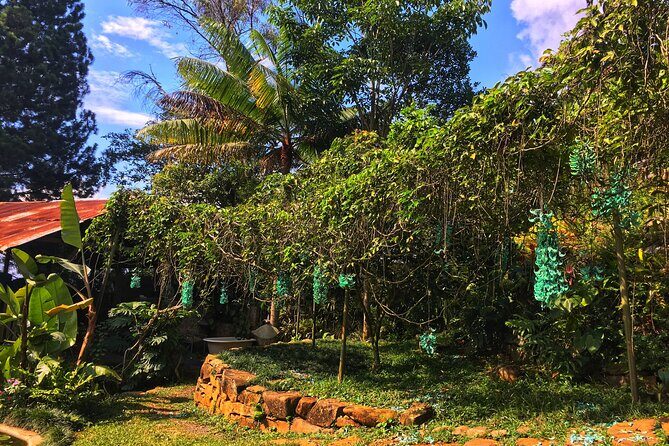
You’ll meet at Mariposario Andoke on the Via a Cristo Rey, around Km 6, in the Los Cristales Tejares area of Cali (Valle del Cauca). The good news for planning is that it ends back at the same meeting point, so you’re not stuck figuring out a second transfer afterward.
This is also a short, focused experience—about 3 hours—which matters if you’re trying to fit nature time into a busy Cali schedule. With a maximum group size of 15, you get room to hear explanations and move at a comfortable pace without feeling rushed.
One more practical note: it’s listed as near public transportation, so you’re not locked into a complicated ride plan. And if you’re traveling with a service animal, service animals are allowed.
You can also read our reviews of more tours and experiences in Cali.



The real magic is the butterfly life cycle you can watch
The heart of this visit is the life cycle, presented in a way that feels clear and step-by-step. Instead of only seeing adult butterflies, you follow the whole process: eggs, then caterpillars, then chrysalises, and finally adult butterflies.
The experience is structured so you’re not just staring at plants. You’re learning what’s happening and why each stage matters. That shift—from pretty photos to understanding the process—is what makes the whole thing stick in your memory.
You’ll also notice how the center uses the space to help you track what you’re seeing. As you move through different areas, you’re basically “reading” the butterfly story in the order it happens in nature.
Before the wings: map, ants, and a butterfly lab vibe
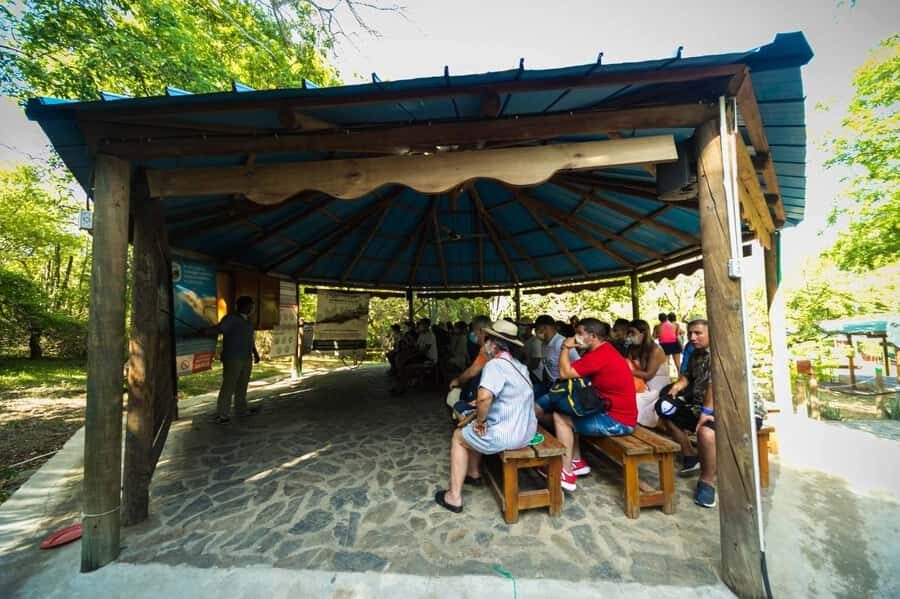
A nice surprise is that the tour often begins with more than just butterflies. You may start with a stone map of Colombia, featuring important aspects of the country. It sets a calm tone and gives you something local to look at before the focus turns to insects.
From there, the visit commonly includes a stop tied to an ant setup and then moves toward the mariposa lab area. This isn’t just “extra stuff.” It helps explain the broader world of insects and how much careful work goes into maintaining living spaces like these.
Even if you’re mainly there for butterflies, I like this approach because it turns the visit into a short learning arc. You end up understanding the environment the butterflies live in, not just the final product.
Eggs, caterpillars, and chrysalis movement you can actually see
This is the part people talk about for good reason. You begin by seeing butterfly eggs, then you go on to watch the next stages more closely.
One of the most memorable moments is when you can hold a caterpillar. It’s a simple action, but it makes the life cycle feel real and immediate. Instead of thinking of a caterpillar as a diagram, you’re literally holding part of the story in your hands.
Then comes the chrysalis stage—where the experience gets genuinely interesting. You’ll see chrysalises and learn what you’re looking for as the transformation progresses. One account describes seeing movement inside as the butterfly works to break out, and that sense of timing makes the process feel less mysterious.
You also learn that adult butterflies may remain attached until their wings dry. That small detail changes how you think about what you’re seeing in the final enclosure, because you’re watching the transition toward full flight, not just finished butterflies.
The butterfly garden enclosure: sit still and let it happen
After the life cycle portion, you move into a very large enclosure where butterflies are everywhere among the plants. This is where the visit changes pace. Instead of “look at this,” it becomes “watch what happens next.”
One of my favorite parts about the enclosure is how quiet it can feel. You might spend time sitting calmly, and then butterflies can land on you. If you’ve ever wanted a gentle nature moment with no performance involved, this is the closest thing—because they really do choose where to land.
If you’re thinking, okay, but what about moving on? You’ll likely have to gently shake butterflies off so you can continue walking. That sounds odd until you realize it’s all part of the same natural flow: they land, they rest, and then you move through.
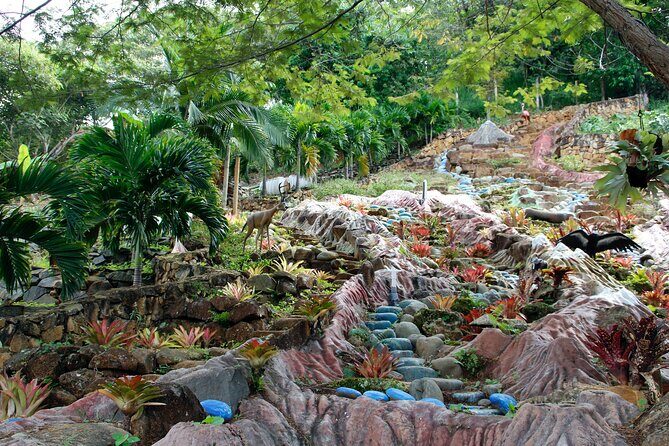
The setting also supports the mood. The grounds are described as lush, with design details like mosaics and metal art, plus hanging air plants that add texture overhead. It’s not only about the insects; the environment makes the whole visit feel like a place someone took time to build.


The release ritual: participating in the moment
At the end, the experience includes a release ritual. Depending on how the visit is paced that day and how many people are participating, you may join the release as butterflies are set free.
One person shared that they participated in releasing three baby butterflies. I can’t promise any exact number for every visit, but I can tell you what the ritual generally offers: a sense of closure and connection. You don’t just leave after watching the process. You complete it by participating in the final step.
Emotionally, that’s a strong ending for families and nature lovers because it turns a lesson into action. Practically, it also gives you something to focus on at the finish, rather than feeling like you walked through and then disappeared.
Why a 15-person max and private attention feels worth it
The experience is designed for small groups, with a maximum of 15 travelers. That size matters more than people expect in places like this. When you’re in a butterfly center, visibility and timing matter: you want to hear explanations, move without crowding, and not miss the moment when something is changing.
You’ll also get the benefit of private guide attention. Even when the pace is relaxed, having someone keep the story coherent helps you make sense of what you’re seeing—especially during the egg and chrysalis stages, which are easy to misunderstand if you’re moving too fast.
There’s also mention that volunteers can speak English. That’s useful if your Spanish is limited, because you’ll get clearer guidance about what’s happening in each stage.
Price and timing: is $19 for 3 hours good value?
At $19 per person for about 3 hours (with the admission ticket included), this feels like solid value compared to typical short tours in a city. The math isn’t only about entry. What you’re paying for is the full guided flow: multiple stages of the life cycle, time in a larger enclosure, and a release ritual component.
It’s also a fairly time-efficient option. In many places, “nature” can mean half a day of wandering. Here, you’re in and out in time for other Cali plans, but you still get structured learning and memorable moments.
If you care about picking a specific date, plan ahead. The experience is described as commonly booked around 22 days in advance. Popular does not always mean worth it, but in this case the small group size and short window make planning early a smart move.
Who should book this butterfly center experience
This one makes the most sense for people who want living-nature learning, not a rushed checklist. It’s especially ideal for nature lovers and families, because the butterfly life cycle is naturally kid-friendly—eggs, caterpillars, chrysalises, and then butterflies arriving into the space.
It’s also a good choice if you’re pressed for time. Three hours is manageable, and the experience feels complete inside that timeframe.
If you’re uncomfortable with insects at very close range, you’ll want to think twice. The whole point of the enclosure is that butterflies can land on you, and you may need to gently shake them off to move.
Practical FAQ
FAQ
How long is the Andoke Butterfly Center visit?
It’s listed at about 3 hours.
Is the admission ticket included in the price?
Yes. Admission is included.
Where do we meet for the tour?
The meeting point is Mariposario Andoke, Km 6, Via a Cristo Rey, Los Cristales Tejares, Cali, Valle del Cauca, Colombia.
How big is the group?
The maximum group size is 15.
Do I need good weather for this experience?
Yes. It requires good weather. If it’s canceled due to poor weather, you’ll be offered another date or a full refund.
What’s the cancellation policy?
Free cancellation is available up to 24 hours in advance for a full refund. If you cancel less than 24 hours before the start time, the amount paid is not refunded.
Can I bring a service animal?
Yes. Service animals are allowed.
Is it near public transportation?
Yes, it’s listed as near public transportation.
Should you book the release ritual at Andoke in Cali?
I’d book it if you want a guided, time-friendly nature experience in Cali with a real payoff at the end. The best reason is the structure: you don’t only see butterflies—you watch the transformation, you get hands-on moments like holding a caterpillar, and you finish with a release ritual.
If you’re traveling with kids, this is one of those rare activities that’s both educational and genuinely fun, because the life cycle unfolds right in front of you. If you hate waiting around for “maybe something will happen,” this works better than most casual nature stops because the visit is built around specific stages.
Only skip it if you know you won’t handle insects landing nearby, or if you can’t be flexible with weather-dependent plans. Otherwise, for $19 and about 3 hours, this is a strong way to spend a slice of Cali.