REVIEW · CARTAGENA
Adventure in Barranquilla and Santa Marta from Cartagena
Book on Viator →Operated by Caribean Ocean · Bookable on Viator
A day that starts before sunrise usually ends with strong opinions. This one strings together Barranquilla and Santa Marta in a single rush, with a mix of quick photo stops, a couple of meaningful landmarks, and a big end-of-day stretch at El Rodadero. I like the straightforward payoff: you cover two coastal cities without planning, and you get free-entry stops that include the Museo del Oro Tairona. The main thing to weigh is the time: it’s an all-day bus ride, and multiple stops are short—so you need the right expectations (and a little patience for early mornings).
Here’s the deal in plain terms. You leave Cartagena at 4:00am, you’ll drive to Barranquilla for a handful of monument/photo moments, then continue to Santa Marta for another set of stops and a brief walk. The day culminates with lunch plus beach/pool time at a hotel on the coast. If you’re after deep history in each city, this won’t be your ideal format. If you want a fun, photo-friendly sampler with a real Caribbean coast finale, it can work.
In This Review
- Key points to know before you go
- A very early start: Cartagena-to-Barranquilla-to-Santa Marta logistics
- Barranquilla in photo stops: Letras and the Window to the World
- Soccer landmarks at Aleta del Tiburón Junior: more than just statues
- Malecón León Caridi: river views plus Caribbean food tastings
- Shakira statue stop: a pop-culture breather
- Santa Marta sampling: statues, the bride-and-groom dome, and Pumarejo
- Museo del Oro Tairona and the Catedral: the best odds for real learning
- El Rodadero finale: lunch, pool-or-beach time, and when it’s worth the heat
- Language, guiding style, and why it can make or break the day
- Price and value: why $65 can feel like a steal or a regret
- Who this tour fits best (and who should skip it)
- Should you book this tour from Cartagena?
- FAQ
- What time does the tour start in Cartagena?
- How long is the day trip?
- Where does the tour end?
- How much does it cost?
- Are there admission fees for the stops?
- What are the main stops along the way?
- How much time do you get at El Rodadero?
- Is this tour in English?
- What’s the group size?
- Can I cancel for a full refund?
Key points to know before you go
- 4:00am start from Cartagena means an early wake-up and a long day on the road.
- Barranquilla is mostly monuments: quick stops like the Barranquilla letters, the Window to the World, and soccer tributes.
- Santa Marta includes real “see it” stops like the Museo del Oro Tairona and the Catedral.
- El Rodadero is the payoff: lunch plus beach time, often the most relaxing part of the itinerary.
- Language can be tricky: some runs are mainly Spanish, so plan accordingly if you need English.
A very early start: Cartagena-to-Barranquilla-to-Santa Marta logistics
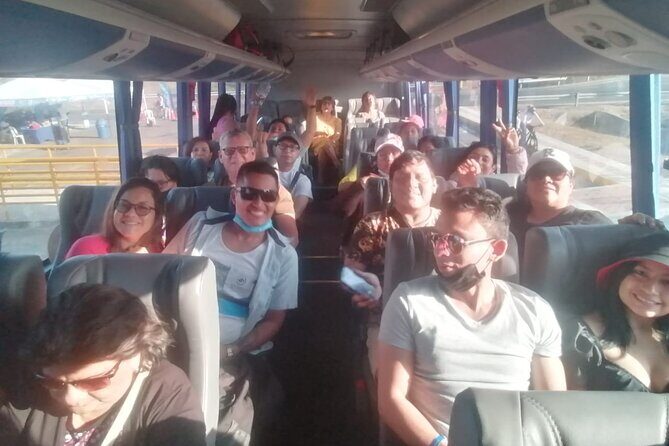
You meet at the Monumento Torre del Reloj at Boca del Puente in Cartagena’s old center area. The start time is listed as 4:00am, and this is the kind of trip where that early departure matters. Even if the “approx.” duration reads as 12 hours, the lived experience can be longer because of long drives, group loading/unloading, and the timing of food and stops.
The route is built around two big legs:
- About a 2-hour drive from Cartagena to the first Barranquilla photo stops.
- About 2 hours from Barranquilla to the Santa Marta portion.
Then you finish with about 5 hours at El Rodadero and a return drive back to Cartagena that can take around 4 hours. Practically, that means you’ll likely be tired at the end. Pack like it’s a full-day hike: water, sunscreen, and something to keep you comfortable on the bus.
Group size is capped at up to 100 travelers, which usually means you’ll move efficiently at stops—but you still won’t get the small-group, slow-travel pace. Expect a schedule that’s designed to fit many quick moments into one day, not a relaxed exploration.
You can also read our reviews of more tours and experiences in Cartagena.
Barranquilla in photo stops: Letras and the Window to the World
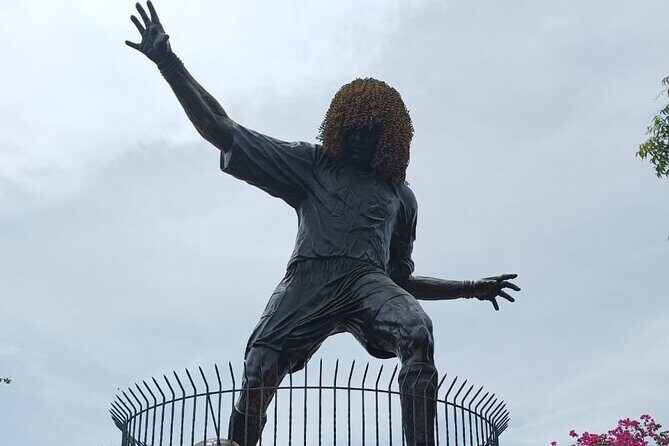
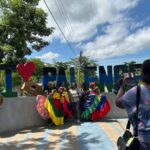
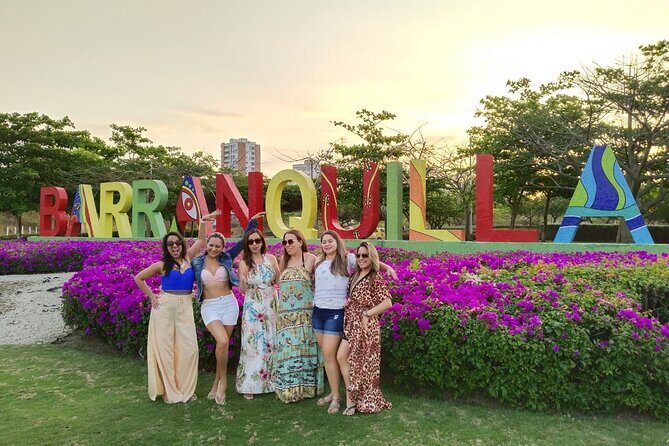
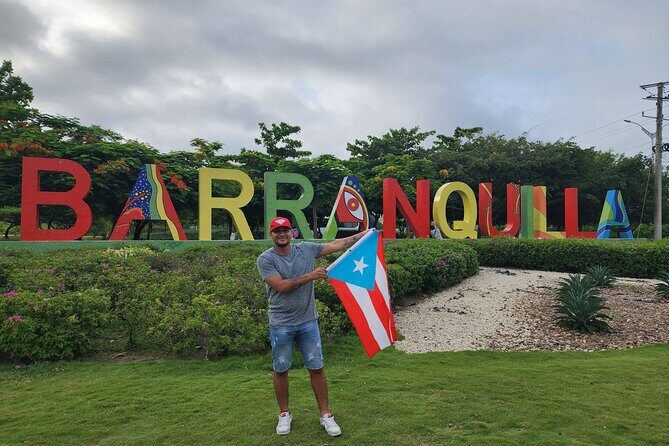
Barranquilla is your first taste of the trip’s rhythm: quick, scenic, and built for photos. The first major stop is Letras Barranquilla—the big letters that locals and visitors use as a classic “I was here” backdrop. You’ll have around 20 minutes there, and the idea is simple: get your bearings, snap a few pictures, and move on.
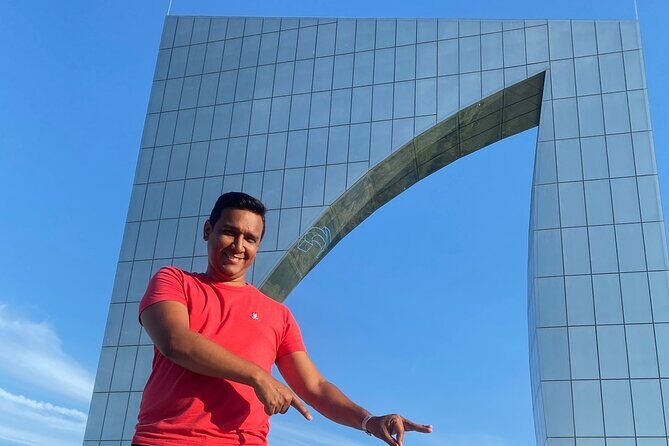
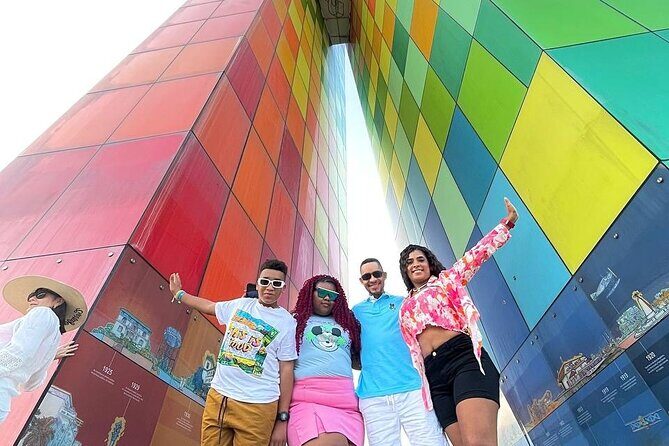
Right after that comes Monumento Ventana Al Mundo (the Window to the World). The guide gives a short historical overview of Barranquilla and what the monument represents, and you’ll have about 20 minutes total. This is one of the moments where the trip hints at more depth, but the clock is still ticking. You’ll leave with a basic story and great photos, not a full walk-through of the city’s culture.
If you like structured highlights, these stops are fast fun. If you want to wander or learn at street level, you’ll probably feel like you’re only skimming the surface.
Soccer landmarks at Aleta del Tiburón Junior: more than just statues
Next up is Aleta del Tiburón Junior de Barranquilla, a monument tied to Colombian soccer and especially Junior de Barranquilla. The guide typically connects the local soccer scene to national and international teams, and there’s a humorous phrase you may hear in that context: Junior, your dad.
You’ll get about 20 minutes to take photos and hear the quick story. This stop is a big clue about who this tour hits best. If soccer is part of how you understand Colombia, you’ll probably enjoy this more than the purely “pose and move” monuments.
If soccer isn’t your thing, treat this as a colorful interlude: a bit of humor, a quick cultural reference point, and a chance to photograph something unusual.
Malecón León Caridi: river views plus Caribbean food tastings
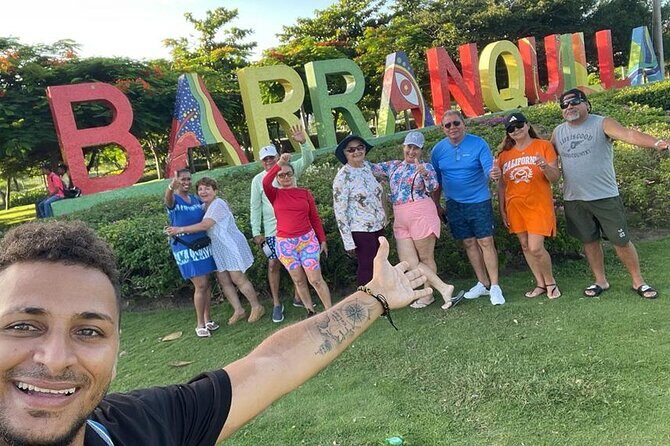
One of the more rewarding stops is Malecón Turístico León Caridi. Here you get a panoramic view of the Magdalena River, which is a real geographic moment in a day that otherwise races from point to point.
You’ll have about 20 minutes, and the best part is that you can also look for places to taste typical Colombian Caribbean cuisine. That’s not the same as a full meal, but it’s a useful sampler—especially if the rest of your day is heavier on monuments and transit.
This stop also works as a “reset.” You’re outside, you can stretch, and the river view helps you connect Barranquilla to the broader story of Colombia’s Caribbean coast. Just don’t expect time for a sit-down culinary experience here; it’s quick.
Shakira statue stop: a pop-culture breather
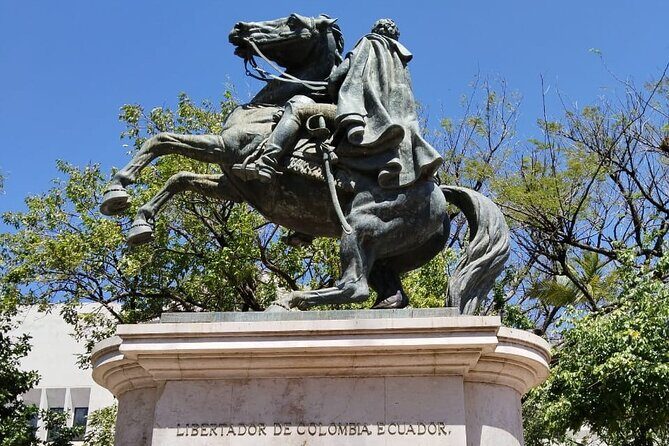
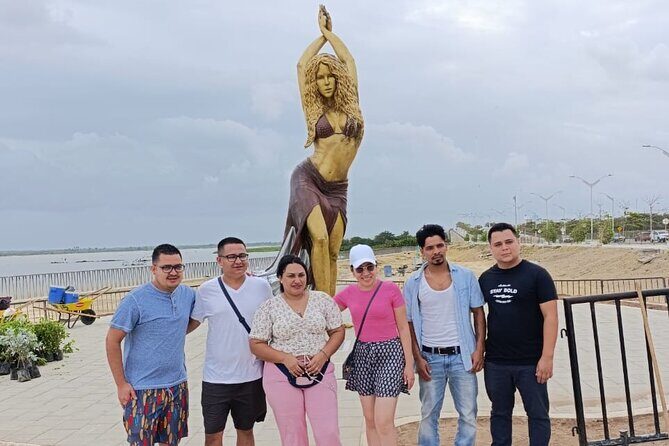
Then you’ll hit the Shakira Statue for another short photo moment—again around 20 minutes. This isn’t a museum stop. It’s a recognition stop, a nod to modern culture, and a good chance to grab a few more pictures before you settle into the long drive toward Santa Marta.
People often underestimate how much these small breaks help on a long bus day. If you handle heat well and you’re fine with quick photo stops, you’ll appreciate how the schedule keeps moving.


Santa Marta sampling: statues, the bride-and-groom dome, and Pumarejo
When you arrive in Santa Marta, the tour keeps its “highlights and photos” structure. You’ll first stop for Carlos El Pibe Valderrama Statue, with about 20 minutes for images and a brief overview of one of Colombia’s most experienced players.
Next is Parque de Los Novios, where you can take photos in the dome of the bride and groom. Another 20 minutes, another quick win. These stops aren’t trying to be full city tours. They’re designed to keep the group moving while still giving you recognizable landmarks.
The tour also includes a brief review of the Pumarejo Bridge without stopping. That’s a common compromise on this kind of itinerary: you get an explanation, but you don’t lose time getting off the bus. The trade-off is you can’t photograph the bridge up close. If pictures matter to you, remember that some landmarks are “seen from the road” moments.
Museo del Oro Tairona and the Catedral: the best odds for real learning
The day becomes more substantive at Museo del Oro Tairona – Casa de la Aduana, where you get a free visit. You’ll have around 20 minutes here. Inside, you should expect pre-Columbian exhibits and information about indigenous peoples.
Even in a short visit, a gold museum can do something a monument never can: it gives you objects you can study closely. If you’ve been craving “actual stuff” after a string of statues, this is where you’ll feel the trip turns a corner.
Then you’ll stop at Catedral de Santa Marta, with about 20 minutes for souvenir photos and a brief review around the basilica. This is mostly a photo-and-look stop, but it’s still one of the most visually satisfying parts of the day because churches tend to frame the place’s identity fast—especially in older city centers.
El Rodadero finale: lunch, pool-or-beach time, and when it’s worth the heat
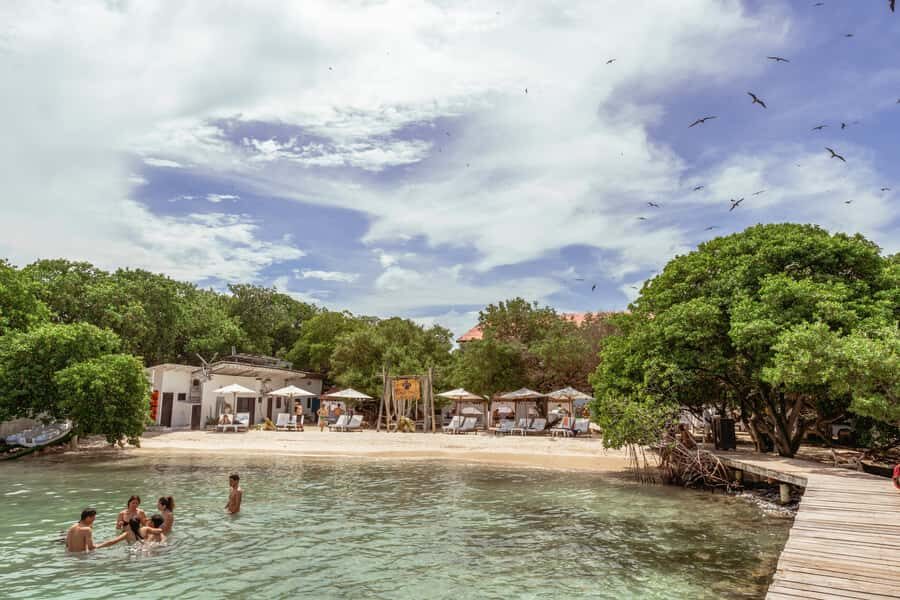
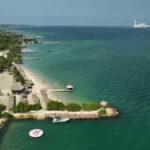
The last major segment is El Rodadero, where you’ll spend about 5 hours, including lunch at a hotel around the bay. This is marketed as one of the most beautiful bays in America, and even if you approach it with realism, El Rodadero’s draw is clear: you finally get downtime, ocean air, and a real chance to cool off.
You’ll be able to choose between pool, beach, or more casual hotel-area time. In practice, this is often the most popular part because it breaks the rhythm of early starts and quick stops.
One practical note: the quality of food and service can vary from run to run. Some days you’ll get an easy, satisfying meal; other days the food can feel average or come out not-so-hot. When you’re spending a big chunk of your day here, the meal matters. I’d treat lunch as part of the plan, not the highlight you’d plan your trip around.
Also, don’t underestimate how long you’ll be in the sun. Bring hat + sunscreen. And if you’re sensitive to motion, the bus ride earlier can already leave you stiff—so build in time to reset after lunch.
Language, guiding style, and why it can make or break the day
Here’s the biggest real-world variable on this trip: language. The tour is frequently described as English-friendly, but multiple experiences indicate guides may speak mostly Spanish. On some runs, English support may be limited or delayed. That’s not a dealbreaker for fluent Spanish speakers—but if you’re not comfortable, you’ll lose context for many stops.
Guides named in real experiences include Maria, Angie, Henderson, and Hans. Some guides are described as attentive and fun, others less prepared, and a few runs are described as not providing much translation at all. The safest approach is to check what you’ll actually get once you book, especially if you need English explanations rather than just a bus ride and photo stops.
You should also assume driving style can vary. Some people mention a guide and driver who felt careful and organized; others describe fast driving or even bus issues on the return. If you’re prone to discomfort, plan for it: sit where you feel most stable, keep water handy, and avoid heavy expectations for a perfectly smooth ride.
Price and value: why $65 can feel like a steal or a regret
At $65 per person, the raw math looks good on paper. You’re paying for:
- a long-distance road trip connecting two cities
- multiple free admission stops (monuments plus the gold museum and cathedral)
- lunch at the end
- a guide to provide short explanations along the way
If your expectation is “a highlight-hopping photo day that still includes at least one meaningful museum stop,” then $65 can feel like a bargain. This is especially true if you’re the type who doesn’t need two hours per neighborhood to enjoy a city.
If your expectation is a deeper cultural immersion—more Barranquilla time, longer Santa Marta stops, more walking, better guided storytelling—then the day can feel thin for the hours you spend in transit. Short stops mean you’ll collect memories, not mastery.
So I’d frame the value like this: you’re buying coverage, not depth. If that matches your travel style, it’s a good price point. If it doesn’t, you may feel shortchanged by the time investment.
Who this tour fits best (and who should skip it)
This trip suits you if:
- you love photo-friendly landmarks
- you’re a soccer fan interested in Junior de Barranquilla and Carlos el Pibe Valderrama
- you want a single day that gives you both Barranquilla and Santa Marta without extra planning
- you’re okay with a long bus day and early wake-up
Skip this (or consider a different format) if:
- you want long, slow exploration with lots of local street time
- you need full English narration throughout—confirm carefully
- you get motion sick or struggle with long periods on a bus
- you expect a top-tier culinary experience as the main event
Should you book this tour from Cartagena?
I’d book if you’re honest with yourself about what you want: a quick, guided road trip with photo stops and a satisfying coastal finish at El Rodadero. The presence of the Museo del Oro Tairona gives you at least one stop with real learning potential, and the overall cost is hard to beat.
I’d think twice if you need deep Barranquilla and Santa Marta time. The schedule is structured for photos and short explanations, and the day is long. Also, if English is a must, double-check what language support looks like for your specific date.
If you do book, go in prepared: bring sun protection, plan your day around the early 4:00am start, and keep your expectations aligned with a “highlights plus beach finale” style trip.
FAQ
What time does the tour start in Cartagena?
The tour start time is 4:00am at the meeting point in Cartagena (Monumento Torre del Reloj, Boca del Puente, El Centro, Cartagena de Indias).
How long is the day trip?
The duration is listed as about 12 hours. The itinerary includes long drives plus a 5-hour period at El Rodadero and then a return drive to Cartagena.
Where does the tour end?
The activity ends back at the meeting point in Cartagena.
How much does it cost?
It costs $65.00 per person.
Are there admission fees for the stops?
The itinerary lists admission ticket free for the stops included.
What are the main stops along the way?
You’ll pass through Barranquilla photo stops (like Letras Barranquilla, Ventana Al Mundo, Aleta del Tiburón Junior, Malecón León Caridi, and a Shakira statue), then reach Santa Marta for stops including Carlos El Pibe Valderrama, Parque de Los Novios, Museo del Oro Tairona – Casa de la Aduana, Catedral de Santa Marta, and finally El Rodadero for lunch and coastal time.
How much time do you get at El Rodadero?
You get about 5 hours at El Rodadero, including lunch, with time to enjoy the beach area and hotel facilities like a pool.
Is this tour in English?
The tour is described as having an English option, but guide language can vary in practice. If English explanations are important to you, confirm before going.
What’s the group size?
The tour has a maximum of 100 travelers.
Can I cancel for a full refund?
Yes. You can cancel up to 24 hours in advance for a full refund.