REVIEW · MEDELLIN
Anti tour Medellin
Book on GetYourGuide →Operated by Tripcol · Bookable on GetYourGuide
Medellín is not one story. This one asks what the city erased, using memory sites and a viche tasting that turns history into something you can feel. The trade-off is simple: it’s not for you if you want a purely pretty, low-stakes sightseeing stroll, and some streets can feel less comfortable on your own.
I like that the tour is built around real places where power, trade, and everyday life collide. You’ll follow a living route from La Alpujarra’s political core toward the Casa de la Memoria, guided in English by someone like Manuel, who connects the city’s progress to what was lost. Wear real shoes and stay close to your guide when the vibe shifts.
In This Review
- Key points to know before you go
- What makes Anti Tour Medellín different: the city’s erased corners
- From Monumento a la Raza to La Alpujarra: power and progress in one start
- Parque de las Luces and the shift from market life to modern poles
- El Hueco and Palacio Nacional: everyday commerce meets former justice
- La Veracruz and Plaza Botero: colonial survival and political art
- Coltejer Building and Junín Street: how prosperity displaced memory
- La Playa Avenue and Casa de la Memoria Museum: turning a walk into reflection
- Viche tasting in La Alpujarra: the flavors of local storytelling
- Price, pacing, and practical prep for a 3-hour anti-tour
- Should you book Anti Tour Medellín?
- FAQ
- Where does the Anti Tour Medellín start?
- How long is the tour?
- Is it a traditional walking tour?
- What language is the tour guide?
- What’s included in the price?
- What does the tour include at La Alpujarra?
- Which museum do you visit?
- Is it suitable for wheelchair users?
- What should I bring?
- What areas will I see during the tour?
Key points to know before you go
- Not a standard walking tour: parts include scenic driving, plus short guided stops rather than endless steps.
- La Alpujarra’s stories come with viche: you get a traditional liquor tasting and a focused workshop.
- Casa de la Memoria Museum time: you’re asked to reflect, not just look.
- Progress vs. memory theme: modern buildings and redeveloped spaces are read next to what disappeared.
- Everyday Medellín in El Hueco: crowds, music, informal trade—no postcard filter.
- Comfort matters: you’re walking outside and you might pass through areas that need extra attention.
What makes Anti Tour Medellín different: the city’s erased corners
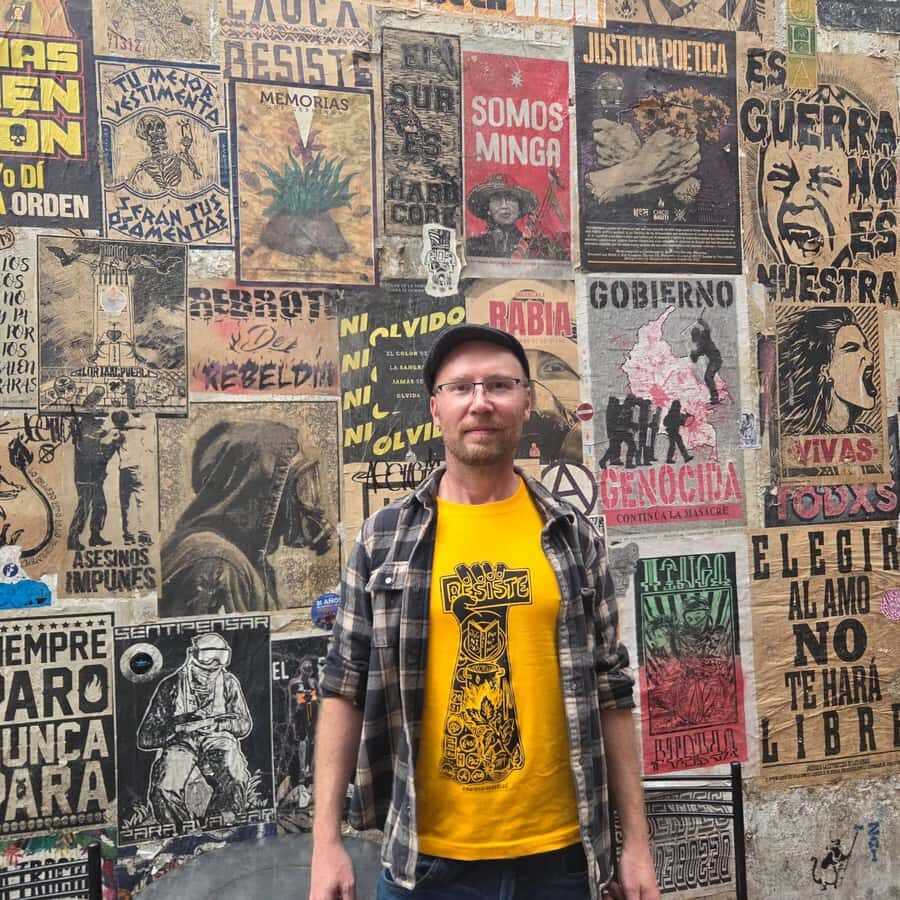
Anti Tour Medellín is designed to flip your usual city-tour instincts. Instead of treating the center as a polished museum, it treats the city like an archive—with missing pages. The big question is uncomfortable: what was demolished, silenced, or deliberately forgotten as Medellín chased progress?
I appreciate how the tour keeps returning to one idea: transformation has a cost. New construction doesn’t automatically equal improvement, and a city can grow while also removing parts of itself. That’s why the stops feel “connected,” even when the route is physically moving from one neighborhood pocket to another.
It also helps that the tone isn’t only academic. You learn through contrast—old vs. new, formal vs. informal, official power vs. everyday survival—and then you end with a space meant for reflection.
You can also read our reviews of more tours and experiences in Medellin.

From Monumento a la Raza to La Alpujarra: power and progress in one start
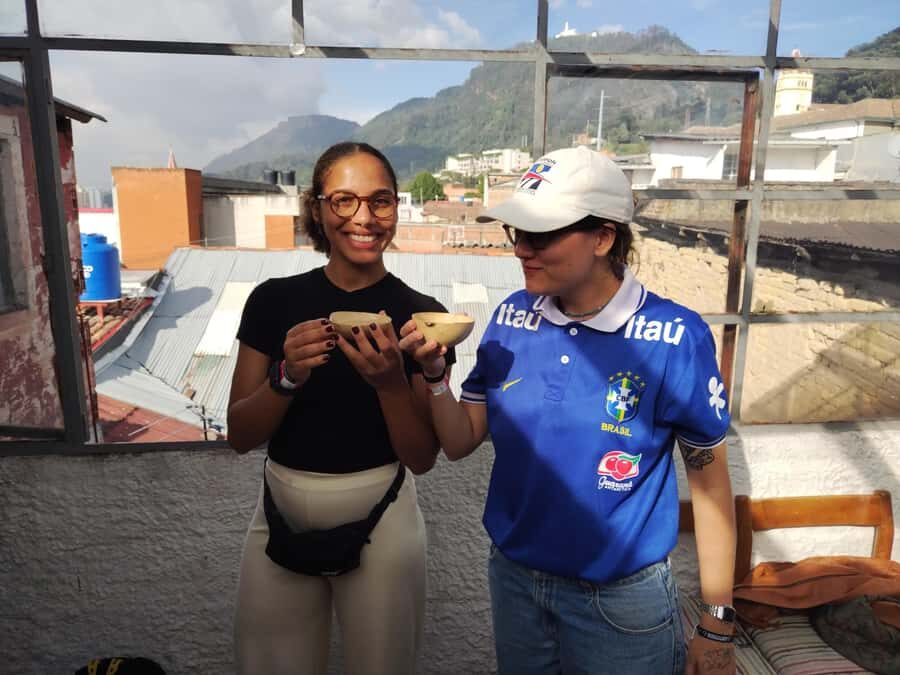
The tour begins at the Monumento a la Raza, a strong symbol tied to identity and power. From there, the early moments set the pattern: you’re not just looking at sights, you’re reading what those sights signal about who controlled Medellín and why.
Right nearby, the old train station enters the story. Industrialization reshaped the city’s direction, and that shift becomes the setup for what comes later: redevelopment plans that changed the historic center. You’ll also feel how the route anchors you in the political and administrative core, so the big theme—progress rewriting the past—doesn’t stay abstract.
This phase is also practical. It’s a quick on-foot opening before the tour widens its scope, so you’ll get your bearings fast and know the style: short guided stops, then movement, then another meaning-laden corner.
Parque de las Luces and the shift from market life to modern poles
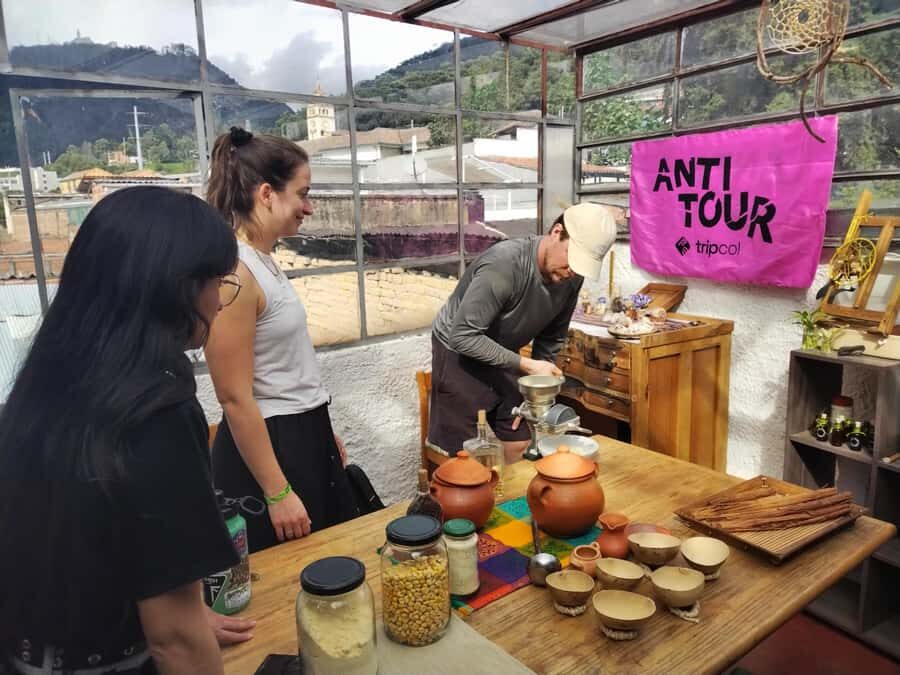
One of the tour’s most striking contrasts happens at Parque de las Luces. It used to be a lively market square. Now it’s filled with light poles, like a modern grid over an earlier rhythm.
You’ll hear how that change affects memory. When a place’s original function disappears, the city can end up lighting the spot while forgetting the life that used to happen there. Around the park, buildings like the Carré and Vásquez structures and the EPM Library reinforce the tension: redevelopment brings institutions and new identity, but it can also bury what once mattered to ordinary people.
This stop is especially good if you like history that’s visible in the street. You’re not only learning dates; you’re learning how cities decide what gets preserved and what gets replaced.
El Hueco and Palacio Nacional: everyday commerce meets former justice
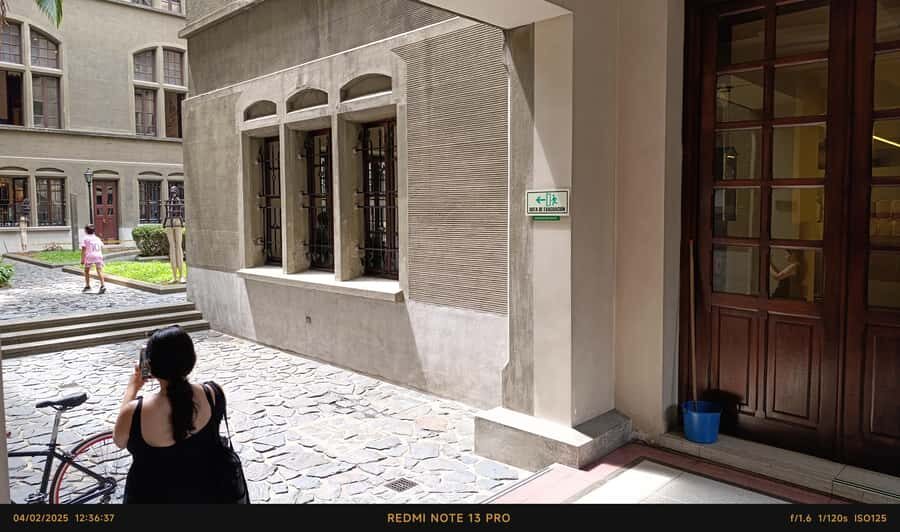
After the reflective, story-heavy start, the tour turns more street-level in El Hueco. This is a chaotic commercial district where crowds, music, and informal trade show you Medellín as it moves right now—not as it’s staged for visitors.
There’s also a key lesson here. Old and new structures can exist side by side without a pause, which can be jarring if you’re expecting a neat travel route. The tour keeps you focused on what that means: memory doesn’t always get polished into monuments. Sometimes it survives in fragments.
Then you head to Palacio Nacional, a former judicial palace now used as a shopping center. That transformation matters. It’s one thing to talk about power; it’s another to stand in a former seat of justice and see how space and purpose change over time. You’ll also visit a gallery related to the Palacio, adding an art-and-identity lens to the same story of authority changing roles.
La Veracruz and Plaza Botero: colonial survival and political art
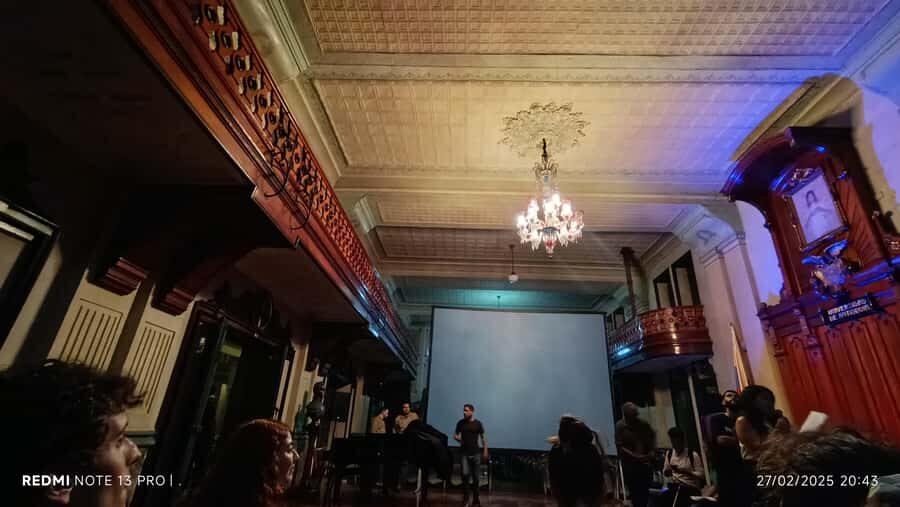
One of the tour’s quieter, stronger moments is the Church of La Veracruz. It’s described as one of the last colonial survivors, and that survival turns it into a kind of counter-argument to relentless modernization. Standing there, you get the sense that some anchors stay while other structures fall away.
Next comes Plaza Botero, where culture becomes political in a very physical way. Around Botero’s sculptures and near the Palacio de la Cultura Rafael Uribe Uribe, you’ll look at how art and civic branding get used to redefine a city’s identity. It’s not just about aesthetics; it’s about messaging—what Medellín wants to project, and how that projection can shift the emotional tone of public space.
This part of the tour works well if you’re the type who notices signage, murals, and public art. The guide helps you connect those details to the broader theme: rebranding can be part of healing, but it can also be part of forgetting.


Coltejer Building and Junín Street: how prosperity displaced memory
Progress has an architectural footprint, and you’ll see it in the Coltejer Building, a symbol of industrial ambition. The city’s economic push shows up in big statements—tall structures, major projects, and the kind of modern scale meant to signal arrival.
Then you trace Junín Street, once described as the heart of more elegant urban life. The tour’s angle is that economic progress slowly displaced collective memory. In other words, the city didn’t just grow; it changed what people associated with “life in the center.”
I like how this section stays grounded. You’re not asked to guess what’s missing. You’re shown how the city’s identity shifted as commerce and status moved, leaving earlier community patterns harder to see.
La Playa Avenue and Casa de la Memoria Museum: turning a walk into reflection
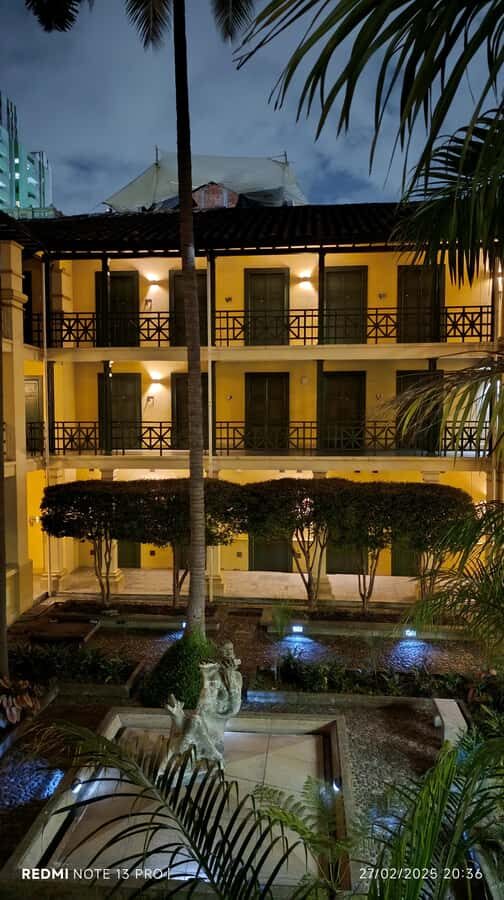
The tour doesn’t end with a view—it ends with meaning. From La Playa Avenue, where you can still sense Medellín’s older aristocratic past through theaters and mansions, you move into the emotional heart of the experience: the Casa de la Memoria Museum (Memory House Museum).
This museum is where the tour’s theme—demolished, silenced, forgotten—gets personal. You reflect on Colombia’s armed conflict and on the people connected to it, including stories from ex-combatants and victims that you don’t typically hear in standard sightseeing routes.
It’s a respectful end point. You’re not told to “solve” history. You’re asked to notice its weight—and to understand resilience without turning it into a trend.
The day closes near Parroquia de San Ignacio de Loyola, which feels like a return to a living neighborhood setting rather than a final tourist platform.
Viche tasting in La Alpujarra: the flavors of local storytelling
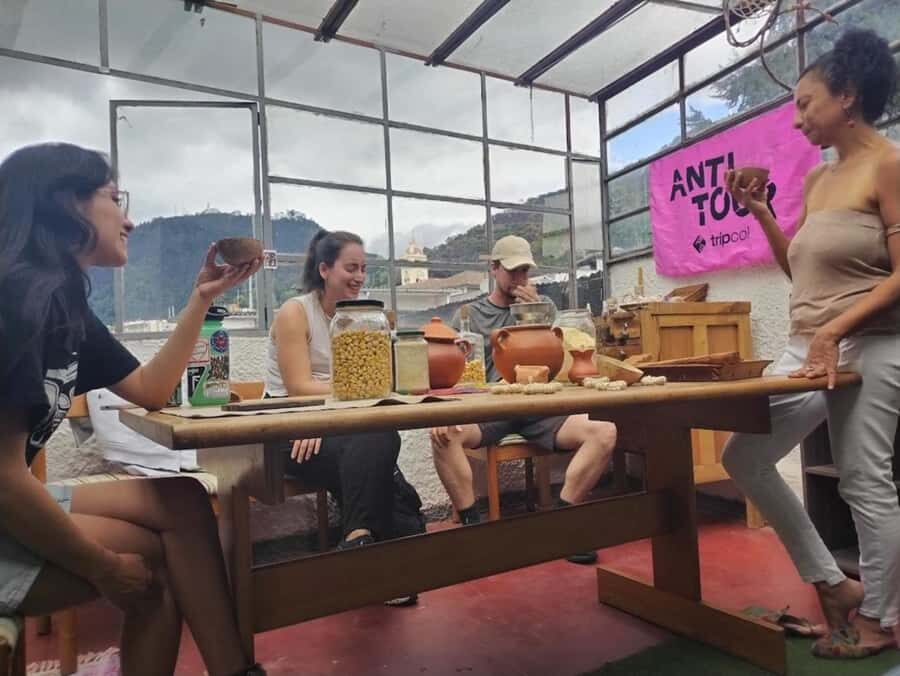
One of the most practical, enjoyable parts is the spirits workshop at La Alpujarra, paired with a viche tasting. It’s traditional liquor tasting, and it gives the tour a sensory rhythm that history-only tours usually lack.
Here’s why it works: taste is a memory trigger. While you’re learning about identity, progress, and erasure, you’re also getting something you can carry with you—an experience that turns the tour from information into bodily recollection.
If you’re cautious about alcohol, you’ll still likely appreciate the storytelling around it. Just keep in mind you’re tasting, not sipping tea, and plan accordingly.
Price, pacing, and practical prep for a 3-hour anti-tour
At $33 per person for about 3 hours, this tour can feel like a fair value if you’re tired of generic “here’s the square, here’s the church” routes. You’re paying for an English live guide, museum access, a viche tasting, and a structured route through sites that many visitors never connect into a single theme.
The pacing is also worth noting. It’s not a grind of constant long-distance walking. The tour includes on-foot segments plus a scenic drive toward El Hueco, so you get a break while still traveling through meaningful places. Still, you should expect a real walk at points, and the sun can be strong.
Practical tips that matter here:
- Wear comfortable walking shoes—you’ll be on sidewalks and uneven city surfaces.
- Bring a hat and sunscreen because parts of the route are exposed.
- Carry water and maybe a snack, since you’re out long enough to feel it.
- Use your camera if you like details; the contrasts are photo-friendly, but don’t let filming distract you from listening.
Also, I’d treat safety like a normal rule of city travel: be alert and follow your guide’s lead. The route can pass through areas that feel a bit more complicated than the postcard center, and that’s part of the point.
Should you book Anti Tour Medellín?
Book it if you want Medellín with teeth. You’ll get stories you won’t hear anywhere else, a museum stop at Casa de la Memoria, and a route that connects urban redevelopment to armed conflict and human loss. You’ll also likely leave with a clearer sense of how a city can change its face while still carrying old wounds.
Skip it if you’re looking for an easy “see it all” tour that avoids heavy themes. This one centers uncomfortable history, and it’s not wheelchair-friendly, so it’s built for people who can handle walking and thoughtful pauses.
If you’re the type who likes to understand a place beyond its highlights, Anti Tour Medellín is a strong pick—and at this price and length, it’s a smart use of a half-day.
FAQ
Where does the Anti Tour Medellín start?
You meet in front of the Monumento a la Raza.
How long is the tour?
The tour lasts 3 hours.
Is it a traditional walking tour?
No. It’s not a standard walking tour and includes parts like a scenic drive.
What language is the tour guide?
The tour has a live English guide.
What’s included in the price?
Included items are the guided tour of Medellín’s old city center, visits to key areas (including La Alpujarra, Parque de las Luces, El Hueco, and Plaza de Botero), viche tasting, exploration of historic and modern structures, insights into the city’s transformation, and tickets for the Memory House Museum.
What does the tour include at La Alpujarra?
You’ll do a spirits workshop with a traditional viche tasting.
Which museum do you visit?
You visit the Casa de la Memoria Museum (Memory House Museum).
Is it suitable for wheelchair users?
No. It’s not suitable for wheelchair users.
What should I bring?
Wear comfortable walking shoes. Bring a hat and sunscreen and consider bringing water and snacks. A camera is recommended.
What areas will I see during the tour?
You’ll see and explore places including Parroquia de la Veracruz, El Hueco, Palacio Nacional, Plaza Botero, Coltejer Building, Junín Street, La Playa Avenue, and the end point near Parroquia de San Ignacio de Loyola.