REVIEW · MEDELLIN
Essential Fruit Experience
Book on GetYourGuide →Operated by Exotic Fruits Tours Medellin · Bookable on GetYourGuide
Fruit market mornings make me happy. In Medellín’s Plaza Minorista, the Essential Fruit Experience is a fast, focused way to meet Colombia’s fruit culture up close with a local guide and a hands-on tasting. What I like most is the 10 exotic fruits you try, plus the stories and practical info that make each bite make sense.
Two other things I really like: you get a private, personal pace (not a cattle-call tour), and you also leave with an exclusive e-book you can use later to identify fruits and even recreate simple traditions. One possible drawback is timing: it starts early, and the market is a walking experience—so if you want a slow, long meal-style outing, this may feel short at 60–90 minutes.
In This Review
- Key points to know before you go
- Plaza Minorista is the right stage for a fruit tour
- Timing that fits Medellín mornings (and your legs)
- The tasting: 10 exotic fruits, not random samples
- What the guide experience feels like in practice
- The e-book: your souvenir is also a study tool
- Pricing and value: $16 USD for a real market lesson
- Where you meet: Metroplús or the main entrance
- What to wear and bring for comfort (and better photos)
- Who this tour fits best (and who might want more time)
- Should you book Essential Fruit Experience?
- FAQ
- What’s the duration of the Essential Fruit Experience in Medellín?
- Where do we meet for the tour?
- How many fruits will we taste?
- What’s included besides fruit tasting?
- What language is the tour offered in?
- How much does it cost and how is payment handled?
Key points to know before you go
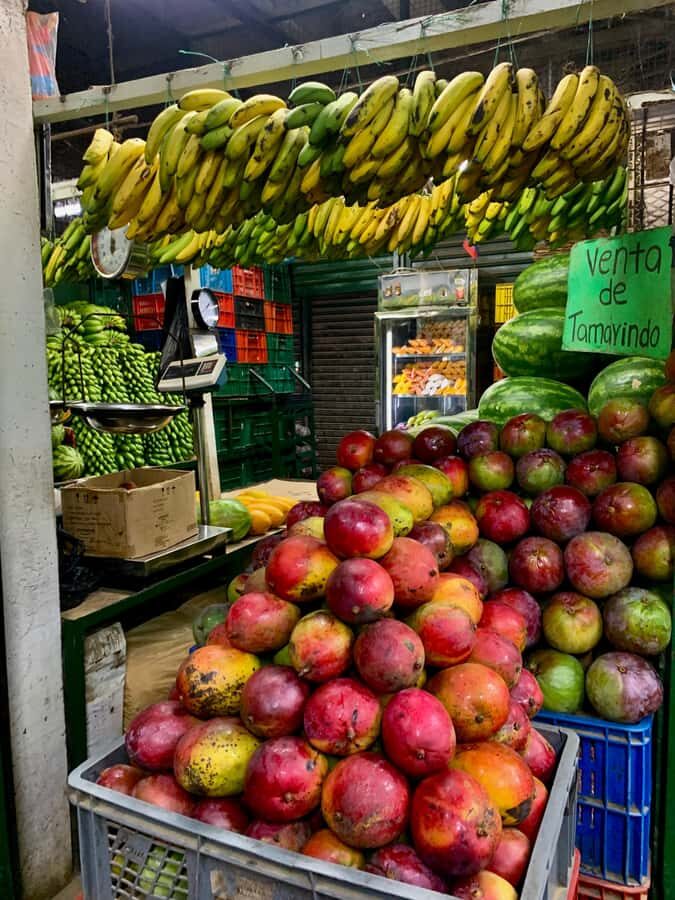
- 10-fruit tasting with flavor notes and learning built into each stop
- Private group feel that lets the guide adjust to your questions
- Exclusive e-book with recipes and cultural facts for after the tour
- Plaza Minorista intro focused on history and daily vendor life
- Early schedule window (Mon–Sun) with weekend hours fixed from 5:00 AM to 3:00 PM
Plaza Minorista is the right stage for a fruit tour
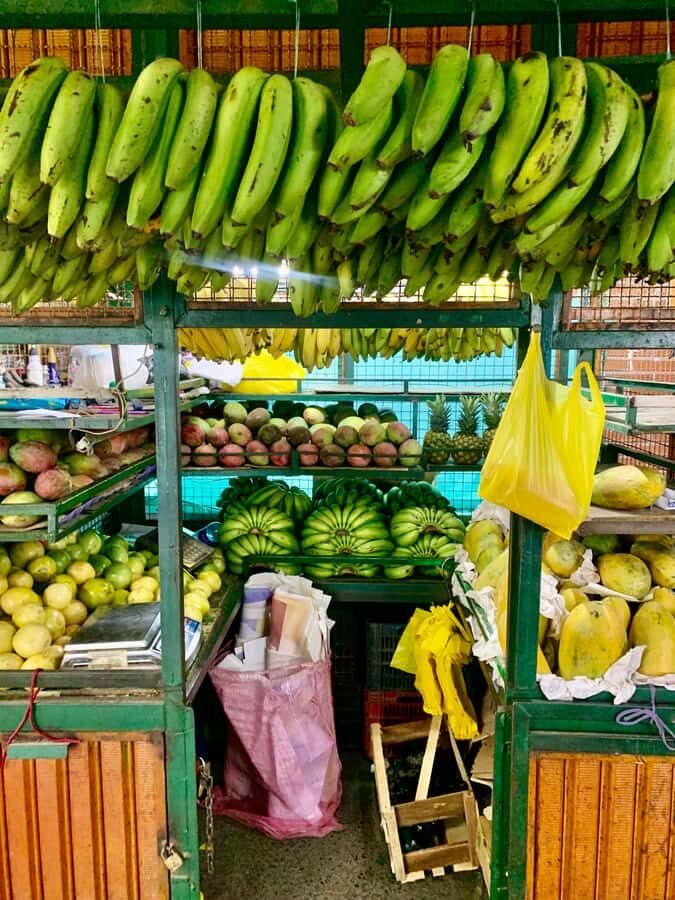
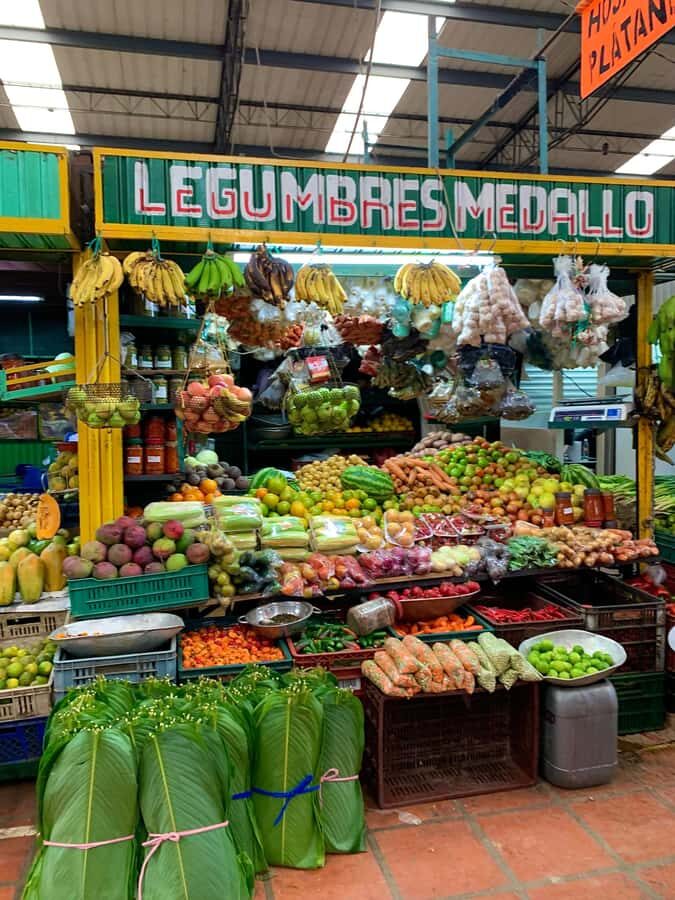
If you love food but hate touristy explanations, this is your kind of outing. The Plaza Minorista José María Villa isn’t just a place to buy fruit—it’s where Medellín’s daily market rhythm shows up. The tour starts with a history and daily life introduction, so you’re not standing there guessing why vendors do what they do.
I like how the guide frames the market as real life. You’ll walk among stalls, watch vendors in action, and learn the cultural significance of common produce. That matters because a fruit isn’t only flavor—it’s how people eat, sell, and think about it day after day. When you taste something unfamiliar, you also get context for why it’s popular and when people choose it.
And you’re not stuck waiting in lines. The experience notes that there’s a ticket-line skip, which is a small thing that adds up when your time is tight.
You can also read our reviews of more tours and experiences in Medellin.



Timing that fits Medellín mornings (and your legs)
This tour is short by design: plan for 60–90 minutes. That’s long enough to feel like a real market walk, but not so long that your day disappears. It’s also offered throughout the day window of 5:00 AM to 3:00 PM, Monday through Sunday.
Two practical notes:
- Weekends have fixed hours (5:00 AM to 3:00 PM), and you’ll need to book ahead from the day before.
- Weekdays can vary due to academic commitments, so you should inquire for your exact date and start time.
There’s also a break built into the flow—about 10 minutes—followed by a longer guided walk, and then a short sightseeing time. That structure helps you keep energy for tasting, not just wandering.
Bring comfortable shoes. The “walk in a market” part is real. And if you’re visiting Medellín and trying to pack in other plans, the 1.5-hour format is a smart match.
The tasting: 10 exotic fruits, not random samples
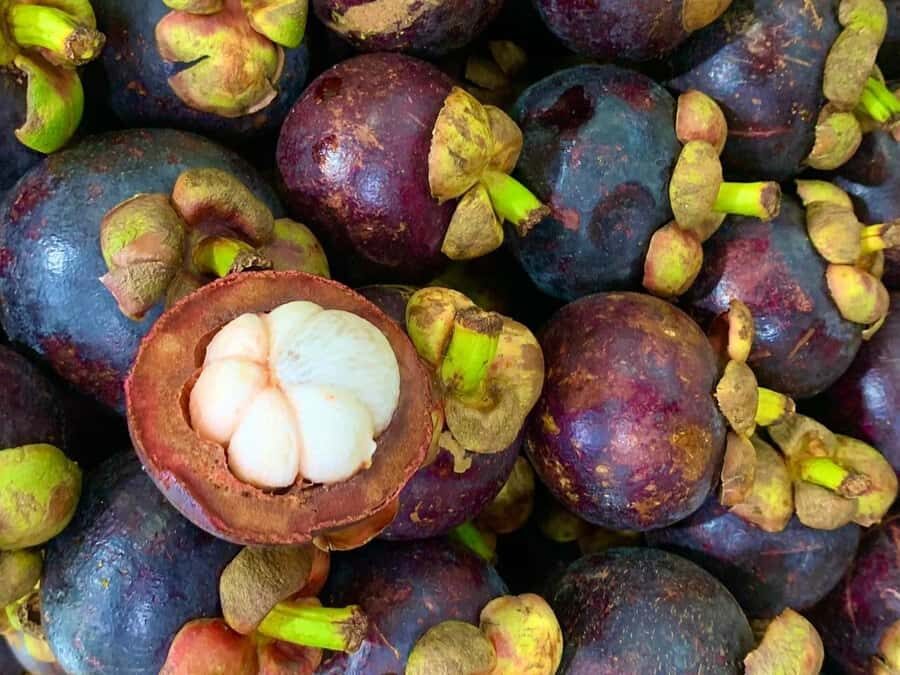
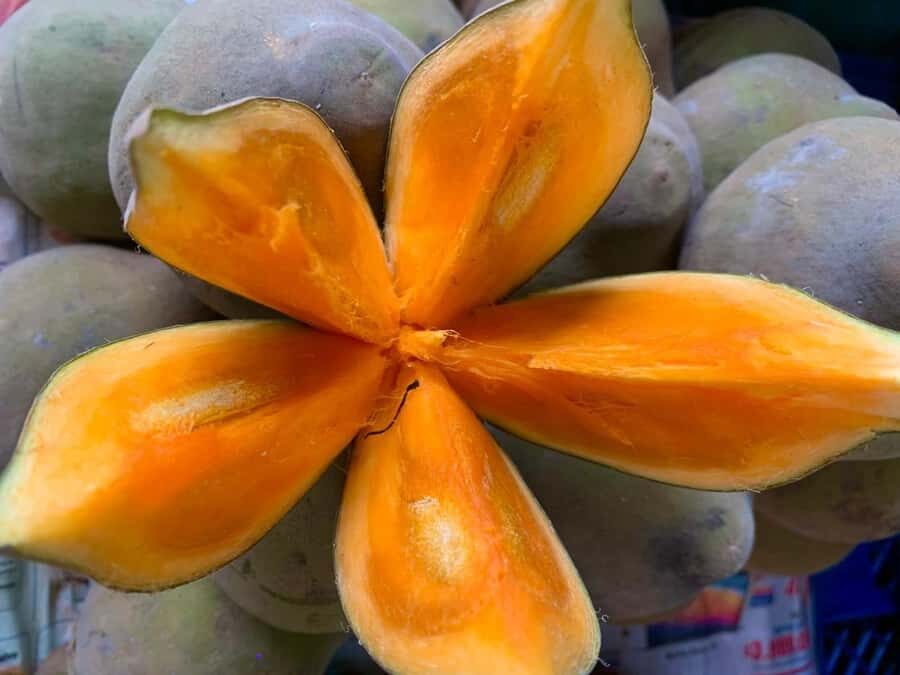
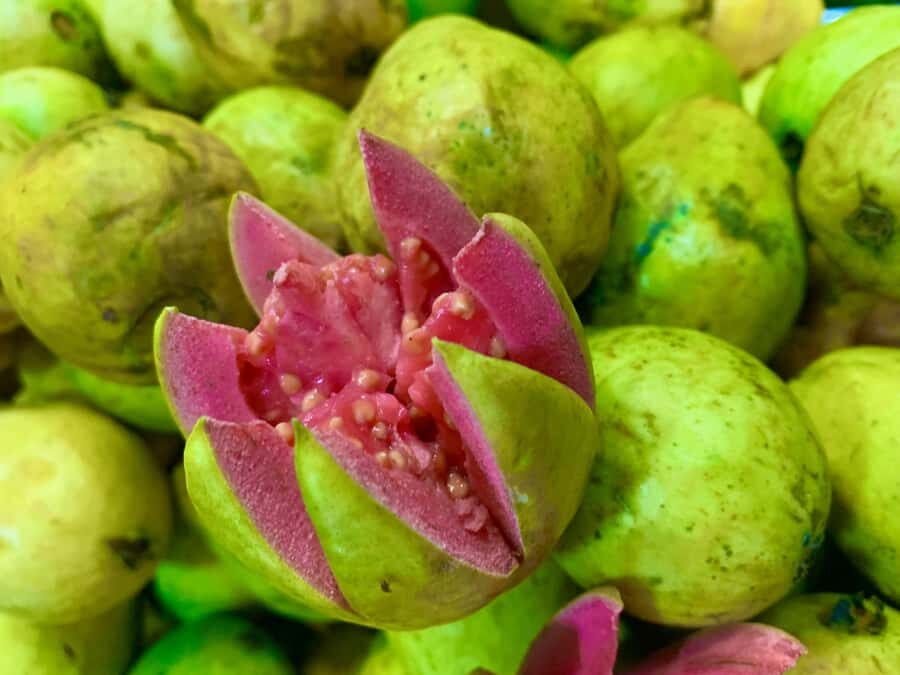
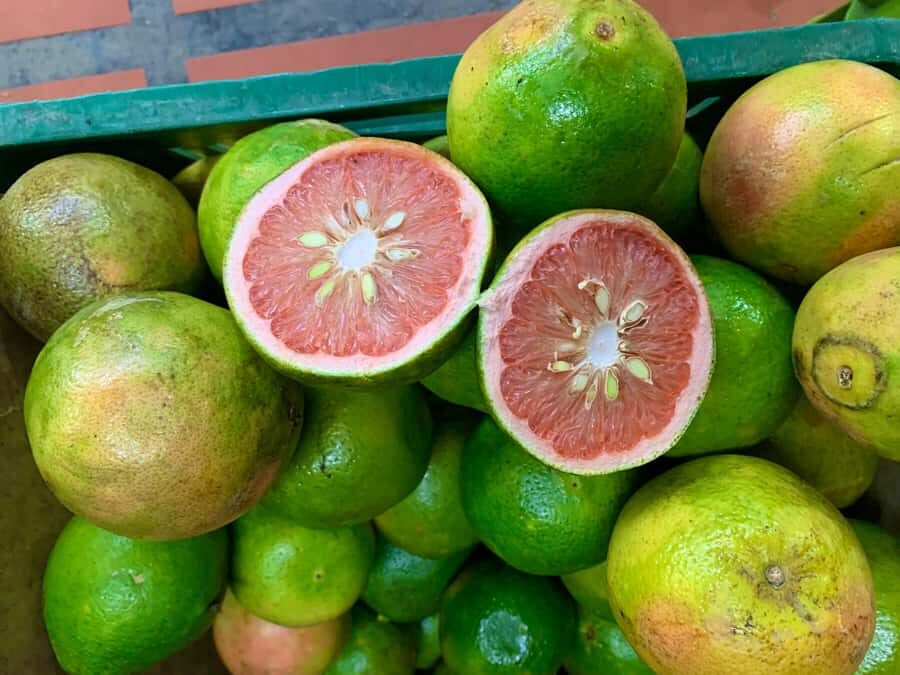
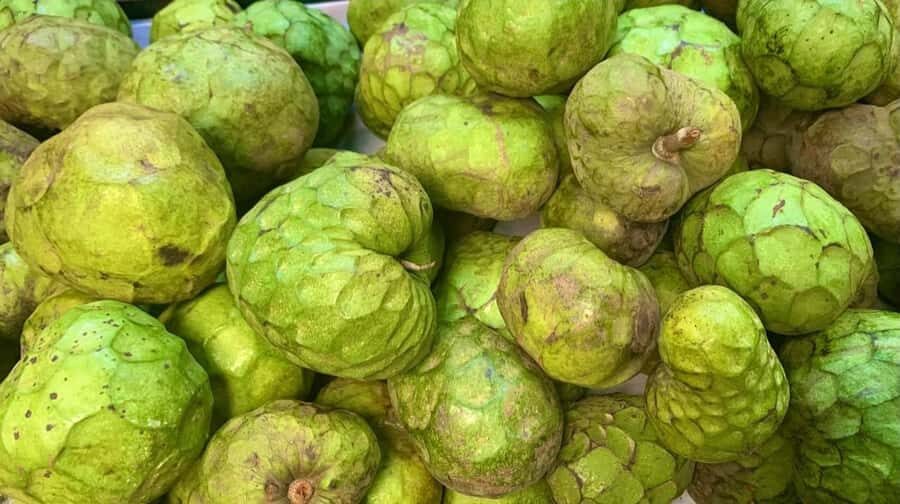
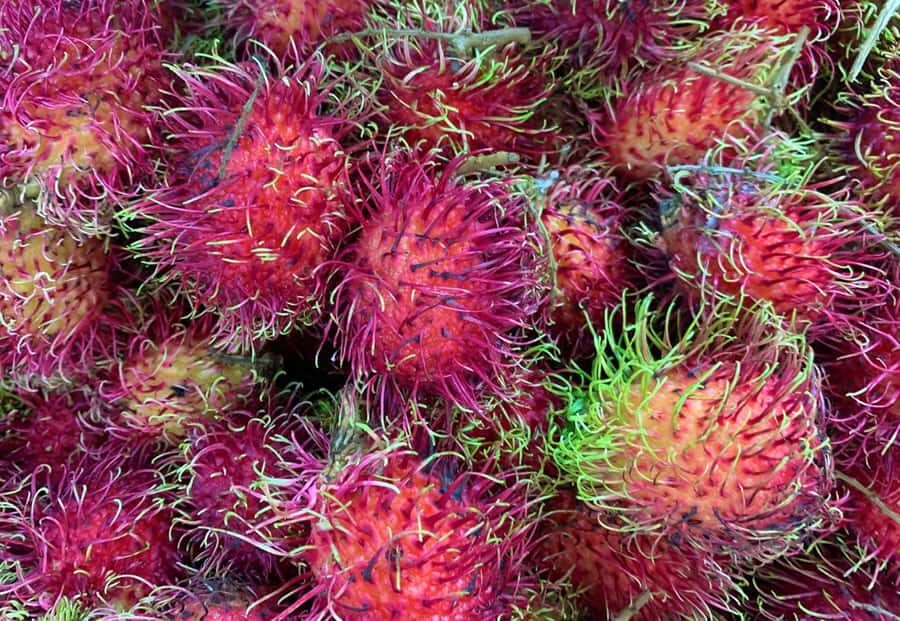
The heart of this experience is the tasting: you’ll sample 10 carefully chosen exotic fruits. The guide doesn’t treat it like a “try everything quickly” sprint. Instead, each fruit comes with information about flavor and its nutritional properties and health benefits.
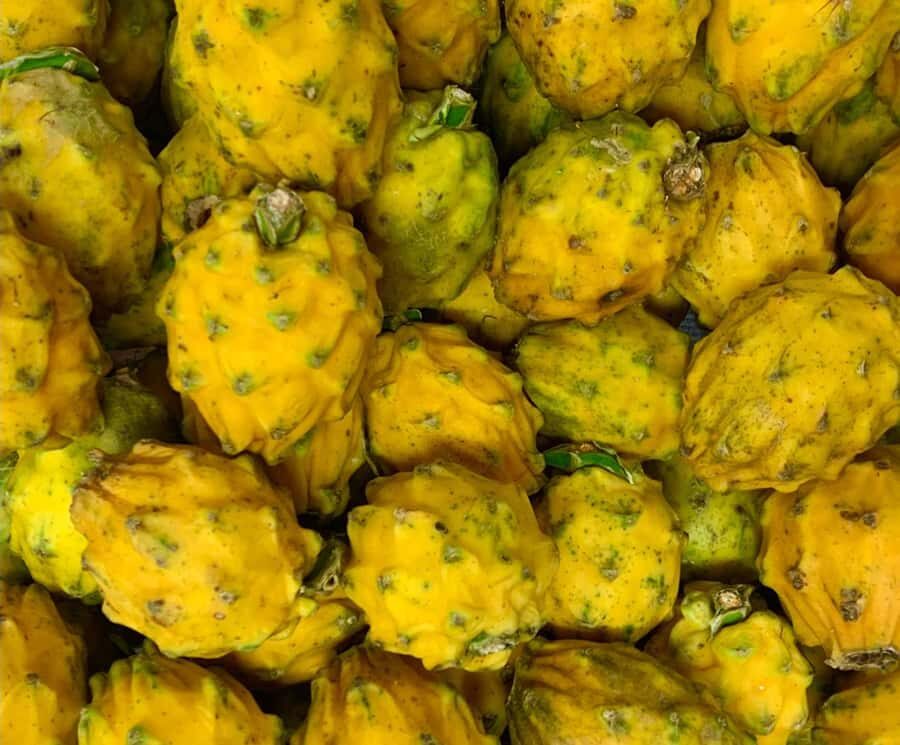
You’ll likely recognize at least one or two from Colombia’s fruit scene. The tour examples include lulo (tangy and refreshing) and pitaya (sweet and juicy). But the point isn’t only to taste familiar names—it’s to learn how to think about new ones.
Here’s what I’d encourage you to do during the tasting:
- Ask how people typically eat each fruit—juice, blended, fresh, or mixed.
- Pay attention to texture as much as taste. Some fruits hit first with aroma, others with acidity, and others with a “wow, that’s floral” finish.
- If you’re unsure what you’re tasting, tell the guide. A good guide will slow down and translate the experience into something you can understand in one bite.
Because this is a private group, you can ask those questions without feeling rushed. That’s the difference between a fruit list and an actual food lesson.
What the guide experience feels like in practice
This tour sells a simple promise: personalized, hands-on fruit learning that larger group tours can’t match. The reviews back that up with consistent details about the guide’s energy and how the pace feels.
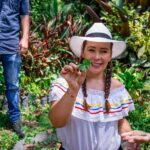
In the feedback I saw, Nicole comes up again and again. People describe her as friendly, thorough, and relaxed, and they highlight that she made sure they could try as much as possible without the chaotic feel you sometimes get in group food tours. One review also notes that the tour was shaped to match the group’s wishes—so if you care about certain fruits more than others, it’s worth telling the guide at the start.
What I like about this approach is that a market can be overwhelming. Lots of color, sounds, smells, and vendors calling out their prices. A guide’s job isn’t just to translate fruit names. It’s to help you navigate attention: which stall matters, what to taste first, and what story connects one fruit to the next.
Also, English is the main language stated, and the activity lists English and Spanish. If you want Spanish support, it’s worth confirming before you go.
The e-book: your souvenir is also a study tool
You don’t just leave with full hands—you also leave with an exclusive e-book you receive at the beginning of the tour. That’s a smart touch for anyone who likes to remember what they learned without relying on memory alone.
The e-book includes:
- detailed information about the fruits you taste
- traditional recipes
- fascinating cultural facts
The best part is that it gives you a second pass at learning. After the market, you can review the fruit names, look up what you liked, and even try a recipe later if you want to keep the momentum going.
If you’re the type who takes pictures of menus and then forgets what half the dishes were, this kind of guide-through-then-follow-up resource is actually valuable. It turns a short tour into longer-lasting knowledge.

Pricing and value: $16 USD for a real market lesson
Let’s talk numbers without pretending it’s magic. The total cost is $16 USD. Here’s the split:
- Reservation fee: $10 USD paid online
- Remaining payment: $6 USD paid in cash or via transfer at the start of the tour
The online reservation is described as non-refundable except if the tour is canceled by the provider or due to force majeure. The experience also offers a reserve-now, pay-later style option, meaning you can hold a spot first.
Is it worth it? For me, it comes down to what you actually get for $16:
- 10 fruit tastings (that alone would cost you more than this if you were buying individually in the market)
- a local expert walking you through the market and translating fruit culture
- a provided water hydration element during the walk
- the e-book with recipes and facts
And because the duration is 60–90 minutes, you’re not paying for hours of wandering. You’re paying for focused fruit education plus actual tasting.
Where you meet: Metroplús or the main entrance
Good tours start before you arrive—they start with easy meeting instructions.
You meet at the main entrance of Plaza Minorista José María Villa, or you can meet at the Metroplús Station (Minorista Station). The guide will be waiting and holding a sign with the tour name.
The coordinates are listed as 6.257643699645996, -75.57347106933594, which is useful if you’re using a map app to confirm you’re at the right spot.
Practical tip: if you’re arriving by public transport and you don’t want to stress about finding the entrance, meet at the Metroplús station. It’s a clean handoff point and easier to coordinate in the early hours.
What to wear and bring for comfort (and better photos)
This tour is all about tasting, walking, and paying attention. So pack for comfort more than style.
Bring:
- comfortable clothing and walking shoes
- extra cash if you want to buy additional fruit after the tasting
- your normal travel essentials (water bottle isn’t required since water is provided during the tour)
Wear shoes you can move in. Market floors can be uneven, and the experience includes both guided walking and a bit of sightseeing time.
Also, the tour notes it’s wheelchair accessible and includes private group format. If you have mobility concerns, this is the kind of short route that can work well—just confirm any personal needs with the provider.
Who this tour fits best (and who might want more time)
This one fits best if:
- you want to try unfamiliar Colombian fruits without spending your whole morning in the market
- you like learning from a local guide while you eat
- you prefer a smaller, more personal experience rather than a long group shuffle
- you’re curious about fruit nutrition and cultural context, not only taste
It also fits families or mixed-age groups more easily than a longer food crawl, since the whole experience is about 1.5 hours and designed as a quick learning loop.
If you’re the type who wants three meals, multiple tastings, and a full-food day, you might feel this is too short. One of the reviews specifically calls out that 1.5 hours felt sufficient compared with fruit tours that run longer. So if you hate short stops, consider pairing this with another food plan after.
Should you book Essential Fruit Experience?
I think this is a strong booking choice if you like food, learning, and getting oriented fast in Medellín. The short duration is a feature, not a flaw. You taste 10 exotic fruits, you get cultural and nutritional context, and you leave with an e-book that keeps the learning going after the market dust settles.
Book it if:
- you want value at a straightforward $16 USD price
- you’d rather have a guide who can answer your questions than sit through a long script
- you’re traveling with limited time and still want something authentic
Skip or rethink it if:
- you’re looking for a long, multi-hour meal experience
- you don’t want to walk in a market setting, even for a short time
FAQ
What’s the duration of the Essential Fruit Experience in Medellín?
The tour runs about 60 to 90 minutes, and it’s described as a 1.5-hour experience.
Where do we meet for the tour?
You can meet at the main entrance of Plaza Minorista José María Villa, or at the Metroplús Station at Minorista Station. The guide will be holding a sign with the tour name.
How many fruits will we taste?
The tour includes tasting 10 exotic fruits, chosen for a guided tasting experience. Examples mentioned include lulo and pitaya.
What’s included besides fruit tasting?
You’ll get a history and daily life introduction to Plaza Minorista, hydration with water provided, and an exclusive e-book with detailed fruit info, traditional recipes, and cultural facts.
What language is the tour offered in?
The experience is listed as available in English and Spanish.
How much does it cost and how is payment handled?
The total cost is $16 USD. A $10 USD reservation fee is paid online, and the remaining $6 USD is paid in cash or via transfer at the start of the tour.