REVIEW · MEDELLIN
MEDELLIN: CITY TOUR MEDELLIN + GRAFFITOUR COMUNA 13
Book on GetYourGuide →Operated by cartagena toures y excursiones · Bookable on GetYourGuide
Street art in Medellín tells real stories. This combo City Tour + Graffitour Comuna 13 mixes classic sights with neighborhood change, starting from Pueblito Paisa for big skyline views. You’ll also hit key art stops like Plaza Botero and then transition into Comuna 13, where the walls do the storytelling.
I especially like the way the day is paced: you get some famous landmarks first, then you use Medellín’s own systems—Metro and Metrocable—to understand the city’s change up close. If your guide happens to be Janeth, the energy matters; one guide profile notes she is very pleasant.
One thing to plan for: the promised 4-hour format can stretch. With traffic and multiple pickup points, it may run longer than you expect, which can be a problem if you’ve locked in afternoon plans.
In This Review
- Key things to know before you go
- Pueblito Paisa: getting oriented with Medellín’s big views
- Plaza Botero: iconic sculptures with guided context
- Parque de los Pies Descalzos and the River Parks: a calmer break in the middle
- Metro and Metrocable: urban transformation you can ride, not just read about
- Comuna 13 Graffitour: street art that focuses on resilience
- Escalators in Comuna 13: the “social innovation” stop you’ll remember
- The “4 hours” question: when the day runs longer
- Price and value: what $50 buys you in Medellín
- Pickup points and Spanish guide: the logistics that make or break the day
- Who should book this Medellín City Tour + Graffitour Comuna 13
- Should you book it?
- FAQ
- How long is the tour?
- What does the tour cost?
- What’s included in the price?
- What is the meeting time at Poblado Station?
- Where are the pickup locations?
- What time are pickups at Poblado Park and Estadio Station?
- What language is the tour guide?
- What should I bring?
- Is the tour suitable for people with mobility impairments?
- Is medical assistance available?
Key things to know before you go
- Pueblito Paisa first: panoramic views set the context for everything that follows
- Botero Square is more than a photo stop: you get guided context for the sculptures
- Metro + Metrocable are built into the tour: it’s a practical way to see urban transformation
- Comuna 13 is focused on street art storytelling: the Graffitour part centers on resilience
- Escalators in Comuna 13: a memorable “social innovation” moment, not just a scenic detour
- Expect walking and timing shifts: this day can run long, depending on pickups and traffic
Pueblito Paisa: getting oriented with Medellín’s big views
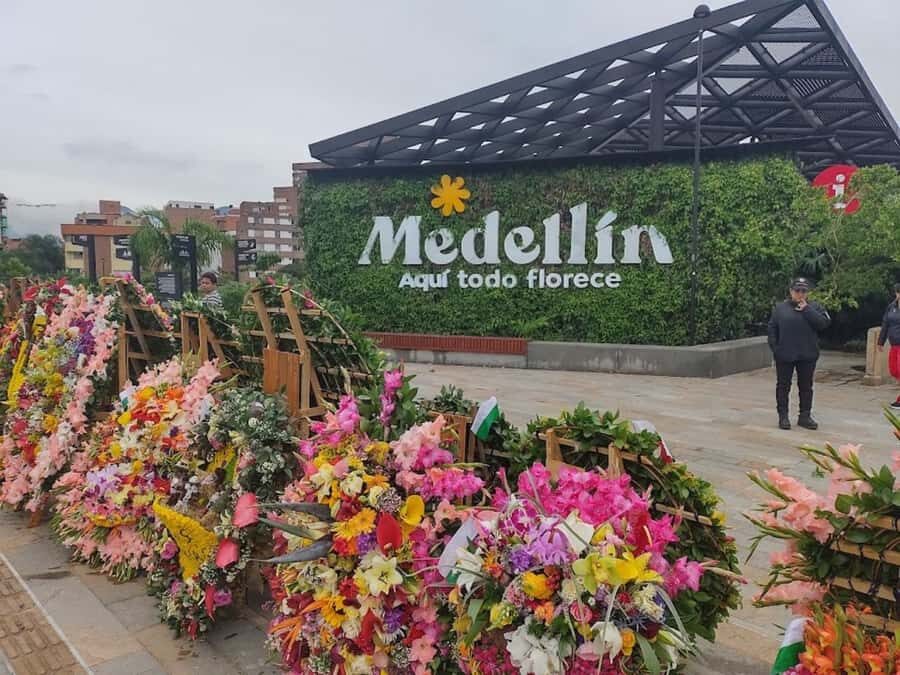
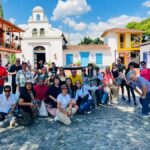
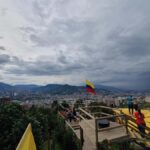
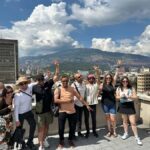
The day kicks off at Pueblito Paisa, a replica of a traditional Antioquian village. The best part is simple: you start up high, with a panoramic look at the city, so the rest of the route makes sense. It’s the kind of start that helps you get your bearings fast, especially if Medellín feels like a maze when you arrive.
You’re not just standing around for a skyline selfie. You get a guided visit there, which matters because the tour is trying to connect places to the wider story of Medellín’s transformation. That guidance turns viewpoints into orientation, not just scenery.
Practical tip: since you’re starting early and then moving into multiple areas, keep your day organized from the first moment. Have your ID ready and keep your essentials easy to grab—this tour includes several guided stops, and you’ll want to stay relaxed instead of digging through bags.
You can also read our reviews of more city tours in Medellin
Plaza Botero: iconic sculptures with guided context
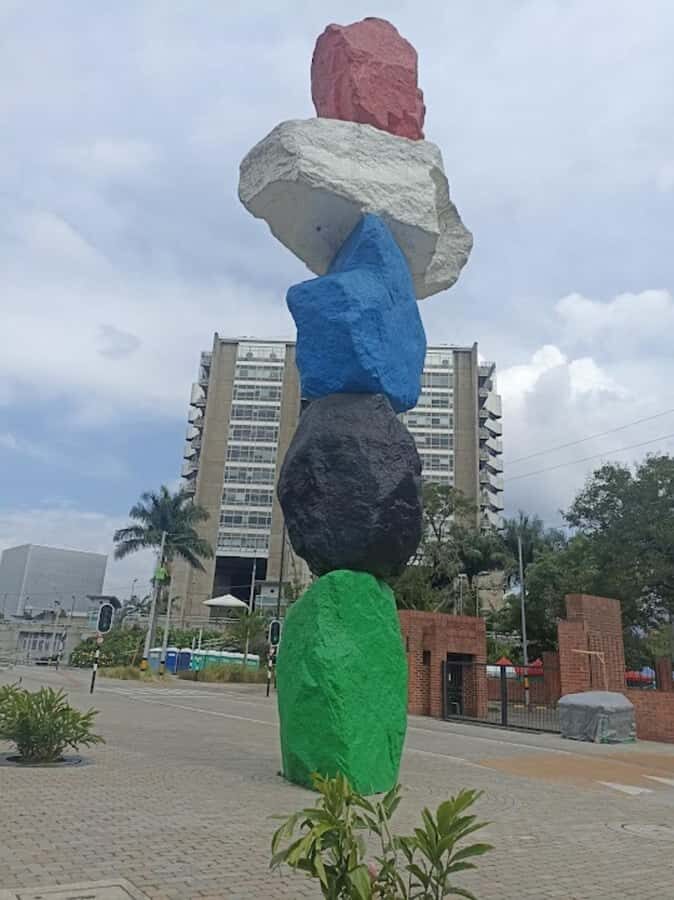
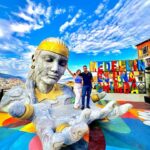
Next comes Plaza Botero, home to the famous sculptures by Fernando Botero. This stop works well for two reasons. First, it’s visually memorable—there’s no need to be an art expert to enjoy the shapes and scale. Second, guided info helps you read the works instead of treating them like random statues.
If you’ve only seen Botero’s art in books or on social media, seeing the sculptures in a real public square feels different. The setting also makes the tour easier to follow: you move from one landmark “anchor” to the next, so you’re not guessing where you are or why it matters.
The drawback here is also predictable: plazas attract photos, and some time can feel like it’s split between listening and looking. If you’re someone who wants slow, detailed museum-style art time, this will feel like a guided highlight. But if you want the city tour portion to stay efficient, it fits well.
Parque de los Pies Descalzos and the River Parks: a calmer break in the middle
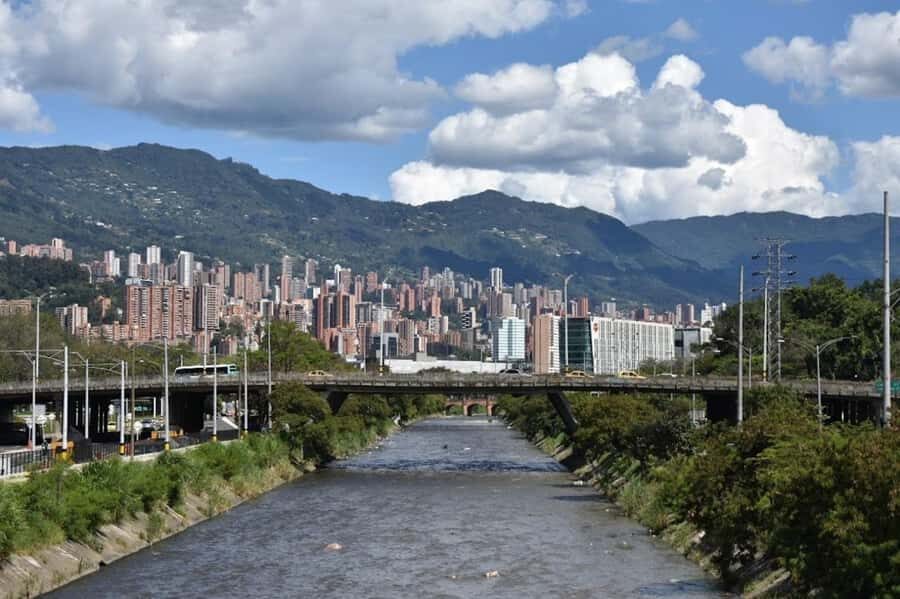
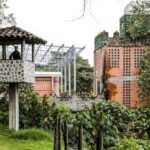
Between city-center landmarks and neighborhood change, you get a nature and pause moment. You’ll visit Parque de los Pies Descalzos, described as an oasis where nature and peace meet in the middle of the city. The “barefoot” name is part of the identity here, so go with the mindset that this is meant to be a sensory reset, not a quick stop for a stamp and move on.
After that, you continue to the modern Parques del Rio, green spaces that connect Medellín. This sequence is smart for your energy. It gives you a visual contrast right before Comuna 13, so the street art section feels more like a shift in the city’s story, not a sudden jump.
Real talk: this part of the day can feel like a “treat and pass.” Some people prefer to spend longer in parks on their own. If you’re the type who wants to linger in gardens and take unhurried breaks, you may wish you had extra time here. Still, as part of a combined tour, it does its job—resetting you and keeping the day varied.
Metro and Metrocable: urban transformation you can ride, not just read about
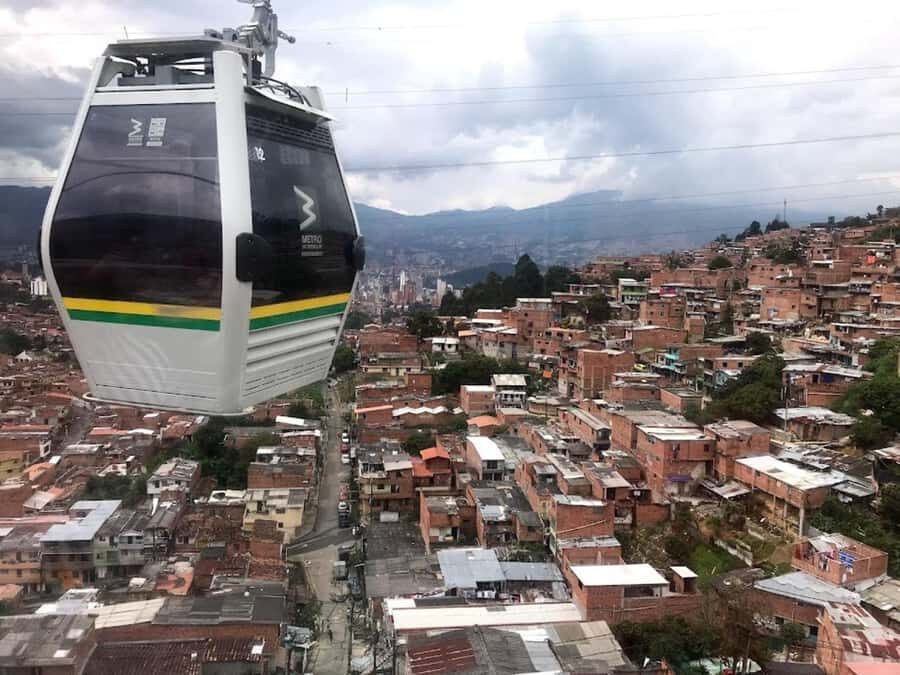
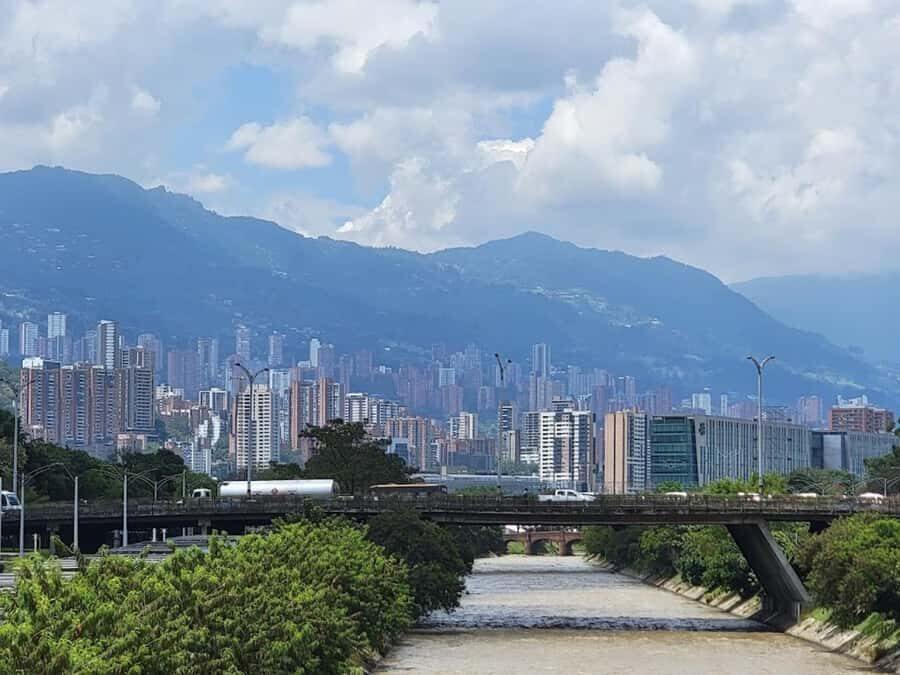
This is one of the most valuable pieces of the itinerary: you ride the Metro and Metrocable. These lines are presented as symbols of urban transformation, which is a different angle than you get from a walking-only day. Sitting on local transit turns the theme into something physical—you’re part of the city system, not just observing it.
The practical benefit is big. You get help with navigation and timing between areas without having to figure out routes from scratch. And because you’re in a guided context, the ride isn’t just transport. It becomes part of the story the tour is telling.
One thing to keep in mind: because this is part of a day that includes pickups and guided stops, transit timing can affect the pace. If the group hits delays, you’ll feel it here. But that’s also why this inclusion is worth it: you’re not paying extra for separate transit arrangements, and you’re not guessing how to connect everything on your own.
Comuna 13 Graffitour: street art that focuses on resilience
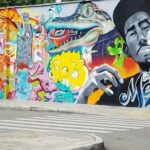
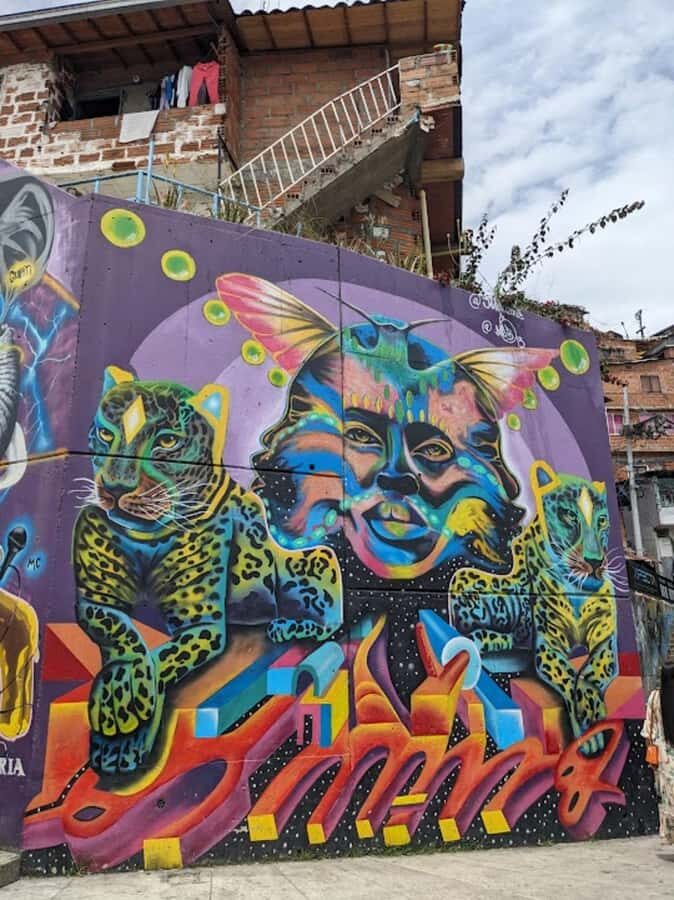
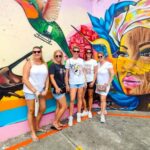
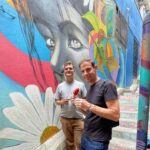
Then you reach Comuna 13 and the Graffitour section. This is the heart of the experience: street art that tells stories of resilience. Instead of treating murals like decoration, the tour frames them as communication—messages connected to the neighborhood’s lived reality and recovery.
This is also where the tour becomes less “checklist sightseeing” and more “how the city expresses itself.” If you like art, you’ll appreciate how the walls can feel like a public archive. If you’re more into culture than art, you’ll still get something out of it because the murals are being interpreted as story.
What I think is especially important for you to know: this Graffitour is part of a larger combined schedule. If you want an extended, slow, all-day immersion into Comuna 13, this may feel like it’s giving you a slice rather than a full deep dive. The value is in seeing it in context with the rest of Medellín, but the tradeoff is time.


Escalators in Comuna 13: the “social innovation” stop you’ll remember
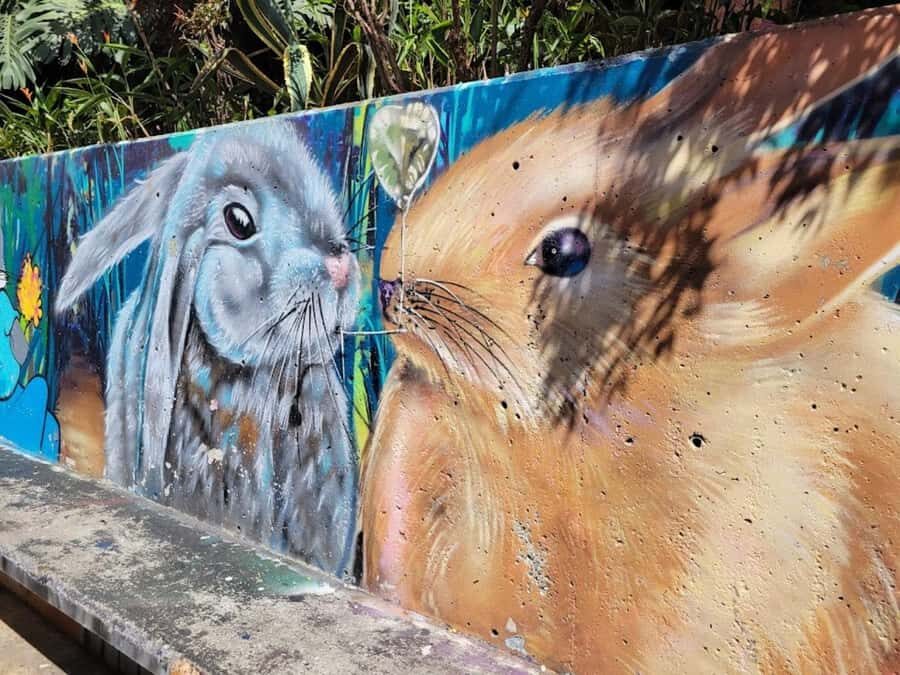
One of the most memorable moments here is riding the famous escalators in Comuna 13. They’re highlighted as an example of social innovation, and in a tour format like this, that label matters. You’re meant to notice the escalator as a real solution—something built into daily movement—rather than as a novelty photo line.
The escalators also change your perspective physically. Even if you’ve already seen streets at street level, using escalators helps you experience vertical city movement in a way that feels practical. That’s a different kind of understanding than you get from photos or from viewpoints alone.
If you’re short on time, this is one of the stops that feels worth it. It’s a clear “wow” moment, but it also ties back to the tour’s bigger theme: how Medellín’s systems and community choices contribute to change.
The “4 hours” question: when the day runs longer
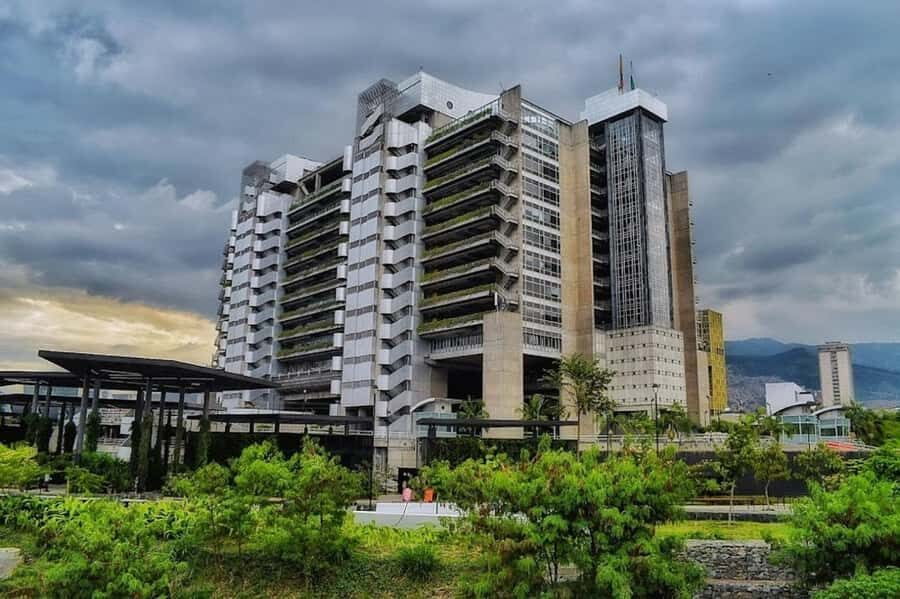
Here’s the key caution for your planning: the tour is labeled as 4 hours, but it can stretch into most of the day. Delays can happen due to traffic and because there are multiple pickup locations. That mismatch is not a minor detail. If you’ve planned a tight afternoon, you may lose the chance to do it.
So how should you protect yourself? Build in buffer time after the tour. If you’re planning anything important—dinner reservations, a museum timed entry, or travel connections—don’t schedule it immediately after. Instead, keep your afternoon flexible.
Also, be ready for the mental rhythm of a longer day. You’ll have guided time at multiple stops, then transit segments, then another guided section in Comuna 13. The tour is structured, but it’s still one continuous flow.
If you prefer a strict schedule, treat this more like a half-day to full-day experience than a compact 4-hour outing.
Price and value: what $50 buys you in Medellín
At about $50 per person, this tour is aiming at good value because it bundles multiple cost categories into one package. You’re not just paying for a guide walking you around the center. You also get round trip transportation, guided visits to several specific stops, and the inclusion of Metro and Metrocable rides.
That matters because transit in cities can add up when you do it alone, and it can eat time when you’re figuring out connections. Here, the structure is meant to remove that friction. Add Comuna 13 Graffitour and the escalators stop, and the day becomes a themed, guided experience rather than scattered sightseeing.
Is it always worth it? It is if you want both halves of Medellín’s story in one day: classic landmarks (Pueblito Paisa, Botero Square) plus change and expression in Comuna 13. If you only care about one side, you might feel the other half is extra. But for first-timers who want a guided “Medellín overview with a statement neighborhood,” the package is a strong deal.
Pickup points and Spanish guide: the logistics that make or break the day
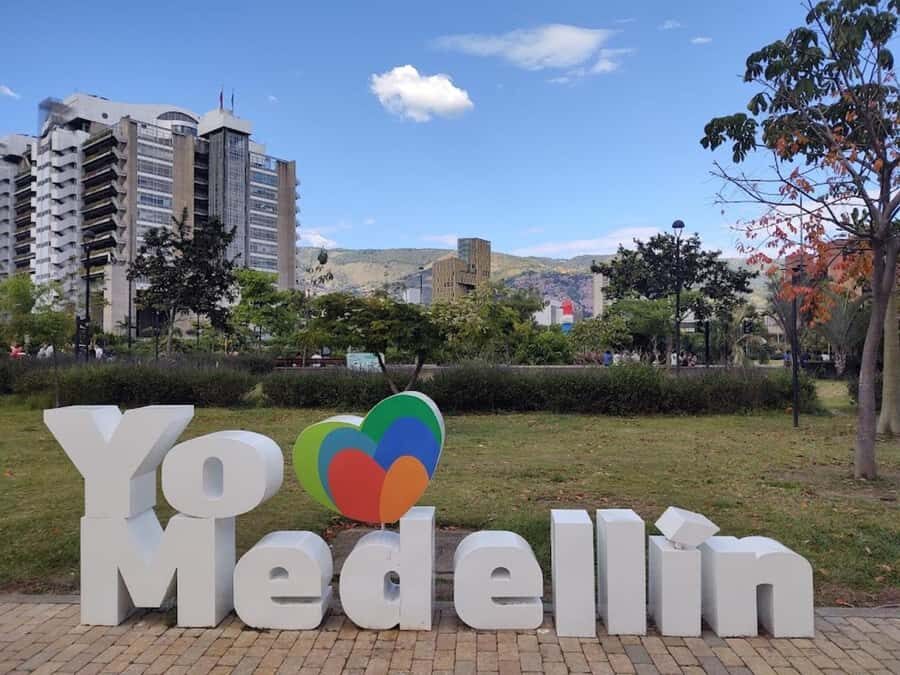
Pickups are offered at several spots, with at least these listed start times: Poblado Station at 7:50 am, Poblado Park at 8:10 am, and Estadio Station at 8:50 am. There are also pickup options such as Terminal del Norte, Estadio station, Estación poblado del metro, and Parque El Poblado.
Plan to arrive early. The tour guide meets you at the designated location and asks for your names, and you’ll want that first interaction to be smooth rather than stressful. If you’re late, you can end up waiting longer or missing your slot.
Language is Spanish for the live guide. If your Spanish is basic, you’ll still likely follow the flow because these stops are structured visually and thematically. Still, it’s smart to prepare for the fact that you may miss some nuance in the explanations.
One more practical note: this experience isn’t suitable for people with mobility impairments. The day includes transit and active movement through different areas.
Who should book this Medellín City Tour + Graffitour Comuna 13
This tour is a good match if you:
- Want a guided introduction to Medellín’s landmarks and a specific neighborhood art experience in one day
- Like street art with context tied to resilience and community stories
- Prefer having transportation and transit logistics handled, including Metro and Metrocable rides
- Can handle the possibility that the schedule runs long compared to the 4-hour label
It’s not ideal if you:
- Need a guaranteed short, clock-perfect 4-hour block
- Want only Comuna 13, with lots of time to linger and explore without moving onward
- Have mobility limitations that make switching areas and navigating different spaces difficult
Should you book it?
If you’re booking your first Medellín day and you want both the headline sights and the human story side—street art in Comuna 13 paired with views, art landmarks, and public transit—this is a solid choice. The package value is real because it combines guided stops plus Metro/Metrocable and transportation.
Just book it with your eyes open on timing. Treat it like a longer morning-to-afternoon experience, not a tight 4-hour sprint. If you can give it that flexibility, you’ll likely leave with a fuller picture of Medellín than you’d get from landmarks alone.
FAQ
How long is the tour?
The duration is listed as 4 hours, though your day may run longer depending on timing and traffic.
What does the tour cost?
The price is $50 per person.
What’s included in the price?
Round trip transportation, an accompanying guide, visits to Pueblito Paisa, Plaza Botero, Barefoot Park, River Parks, Subway and Metrocable, Graffiti in Comuna 13, and Escalators in Comuna 13, plus a medical assistance card.
What is the meeting time at Poblado Station?
The meeting time listed for Poblado Station is 7:50 am.
Where are the pickup locations?
Pickup options include Terminal del Norte, Estadio station, Estación poblado del metro, and Parque El Poblado.
What time are pickups at Poblado Park and Estadio Station?
Poblado Park pickup is listed for 8:10 am, and Estadio Station pickup is listed for 8:50 am.
What language is the tour guide?
The live tour guide language is Spanish.
What should I bring?
Bring your passport or ID card.
Is the tour suitable for people with mobility impairments?
No, it is not suitable for people with mobility impairments.
Is medical assistance available?
Yes. The tour includes a medical assistance card.