REVIEW · MEDELLIN
Birding Medellin with expert bird-watcher (Private)
Book on GetYourGuide →Operated by Birding Medellin Tours · Bookable on GetYourGuide
Birds start singing the moment you arrive. This six-hour private birding day from Medellín takes you into nearby mountains for 150+ species and the kind of field guidance that turns random calls into names. I love how the guide helps you learn on the move with the bird list app (sound, images, and descriptions), and I love the patient pacing that keeps your eyes on behavior, not just checklists.
The main catch is the walking: the reserve trails around La Romera are hilly, so bring good shoes and plan for a bit of effort even though it feels like a nature escape.
In This Review
- Key things you should know
- Why birding around Medellín feels different
- Your guide on the trail: ornithologist biologist, real spotting skills
- Meeting at La Estrella Metro: easiest start for most visitors
- Parque Ecológico La Romera: how the 6-hour experience really plays out
- The trail time is slow on purpose
- You’ll use the bird list app in the field
- You’ll likely hit a mix of bird types
- Wet weather is not the end of the fun
- Food, water, and the small comfort details that matter
- Gear checklist: what to bring so you enjoy the uphill parts
- Price and value: $197 for a private birding morning
- Who this tour suits best (beginners through experts)
- Practical travel notes before you go
- Should you book this birding day from Medellín?
Key things you should know
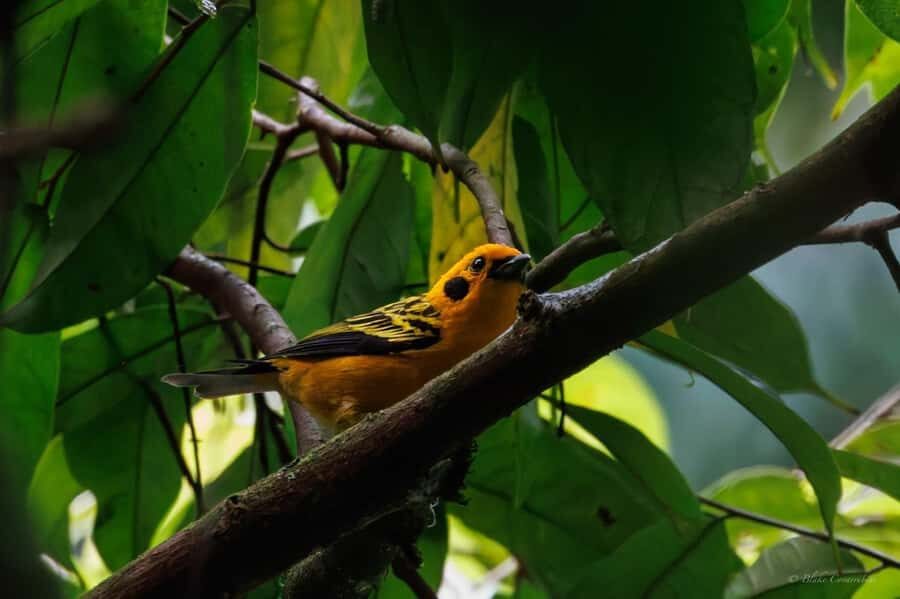
- 150+ species close to Medellín in the Sabaneta-Parque Ecológico La Romera reserve area
- App-based bird ID with sound, images, and descriptions to help you learn fast
- Expert ornithologist biologist guidance (English and Spanish, private group)
- Food included early with takeaway breakfast plus snacks and water
- Binoculars are not included but you can rent them if you need them
- Rain is part of the deal—pack rain gear and expect the outing to continue in wet weather
Why birding around Medellín feels different
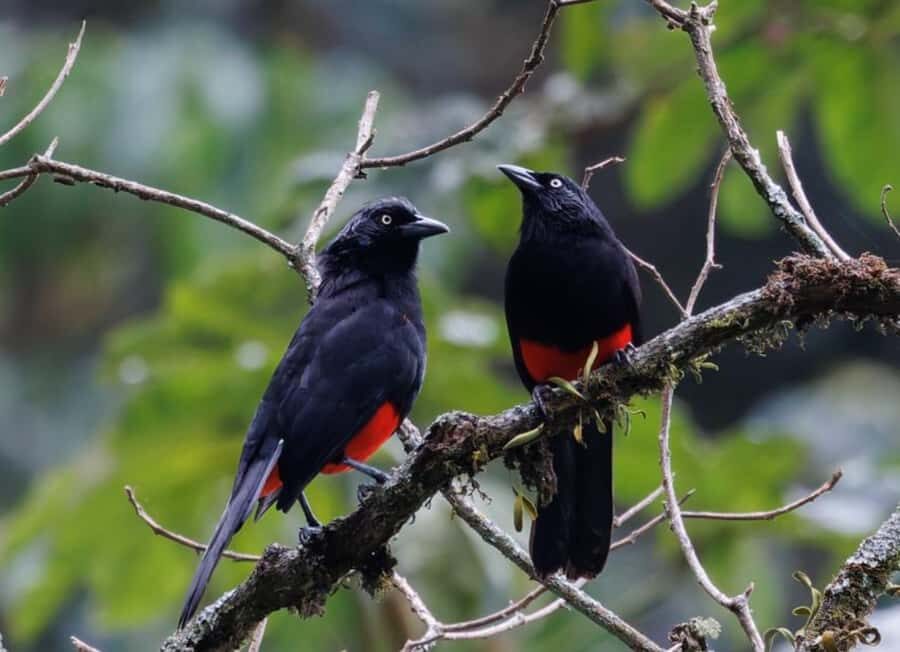
Medellín gets called a City of Eternal Spring, but the real bird show starts when you leave the urban noise and head into the mountain reserve air. In this area, birds don’t just appear on a lucky day. The guide works the conditions, the timing, and the micro-habitats—so you’re not standing around hoping.
Colombia is famous for birds for a reason. It’s a mix of habitats stacked close together, plus lots of endemic species in the Andes region. When you spend a few hours in the right green pockets near Medellín, that global reputation turns into something practical: recognizable calls, birds showing up near the trail, and the feeling that you’re finally hearing what you were missing back in the city.
You also get a strong “learning” angle. This isn’t only about seeing birds; it’s about understanding why they’re where they are and how to read them without needing years of experience. If you’re brand-new, that matters. If you’re advanced, it still helps because the field work gets structured.
You can also read our reviews of more private tours in Medellin

Your guide on the trail: ornithologist biologist, real spotting skills
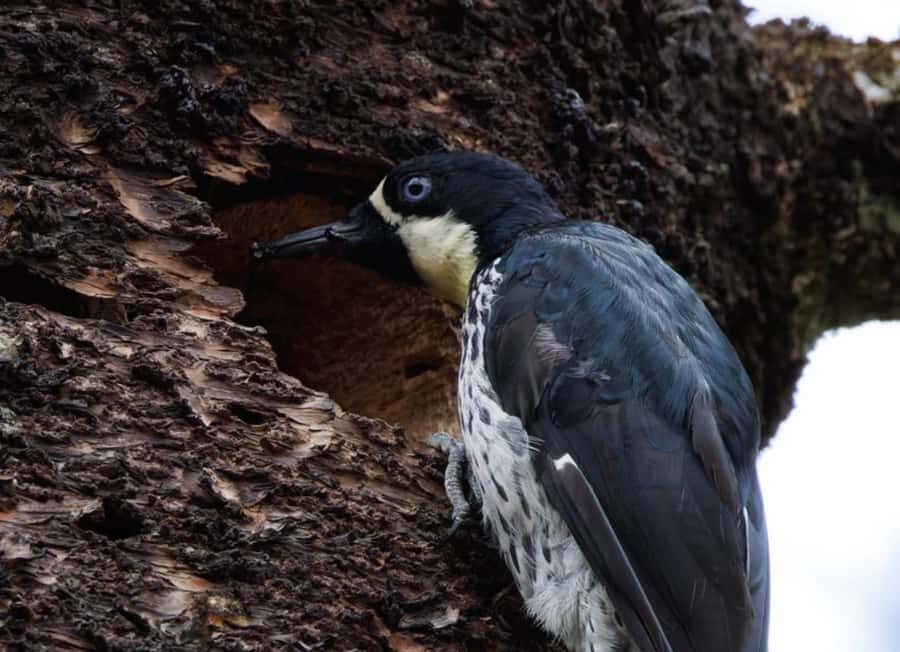
You’ll be with a local biologist specialized in ornithology, leading a private group. In the field, the difference shows fast: good birding is half patience and half pattern-reading. The guides point out what to look for—song vs. call, movement in the canopy, and behavior like feeding, hopping along edges, or pausing in a way that gives you a better look.
Some groups get guided support from names like Sebastien, and there can also be Alejandro or Ana as part of the team. That matters because it often means smoother scanning and identification support. One guide can focus on the next bird sign while the other locks in on identification cues.
A standout detail from the experience style: the guides use digital tools as part of spotting and identification, and in some cases they may use calling techniques to help get birds closer for viewing—always with a respectful approach. For you, that means less time guessing and more time actually observing.
Meeting at La Estrella Metro: easiest start for most visitors
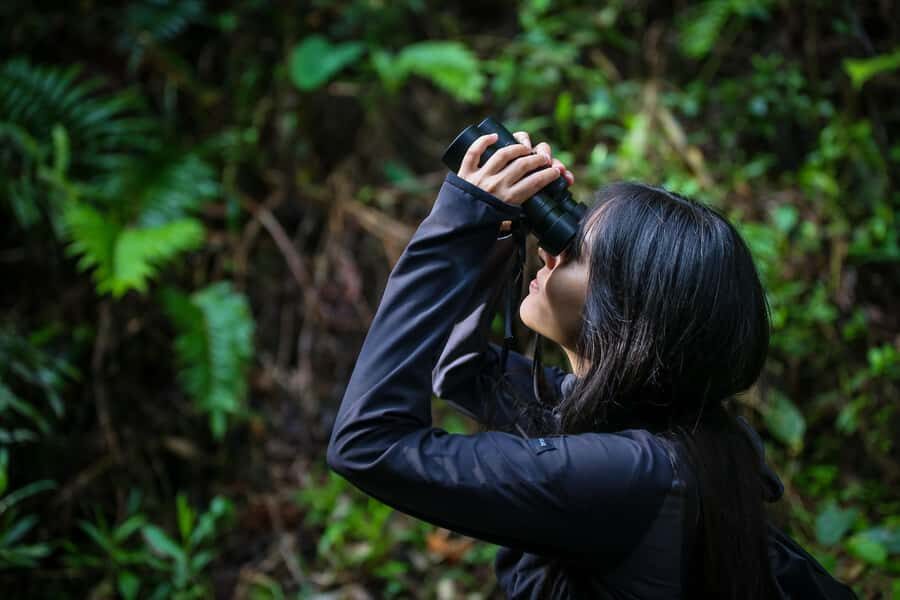
The tour begins at the Típicas Empanadas store with a purple slogan at the entrance of La Estrella Metro Station, just before the turnstiles. The guide waits there, so you’re not playing hide-and-seek.
How you get there depends on where you’re staying:
- If you’re in El Poblado, take the metro from Poblado on Line A toward La Estrella.
- If you’re in Laureles (or nearby), go to Estadio, ride until San Antonio, then transfer to Line A toward La Estrella.
- If you prefer Uber, ask the driver to go to Estación Estrella.
This is one of those practical setups that keeps the trip feeling local. You start with public transit, you meet the guide at a real spot, and you head into the reserve area from there. If you’re short on time or traveling with extra luggage, the optional private transport can take the edge off—more on that below.
Parque Ecológico La Romera: how the 6-hour experience really plays out
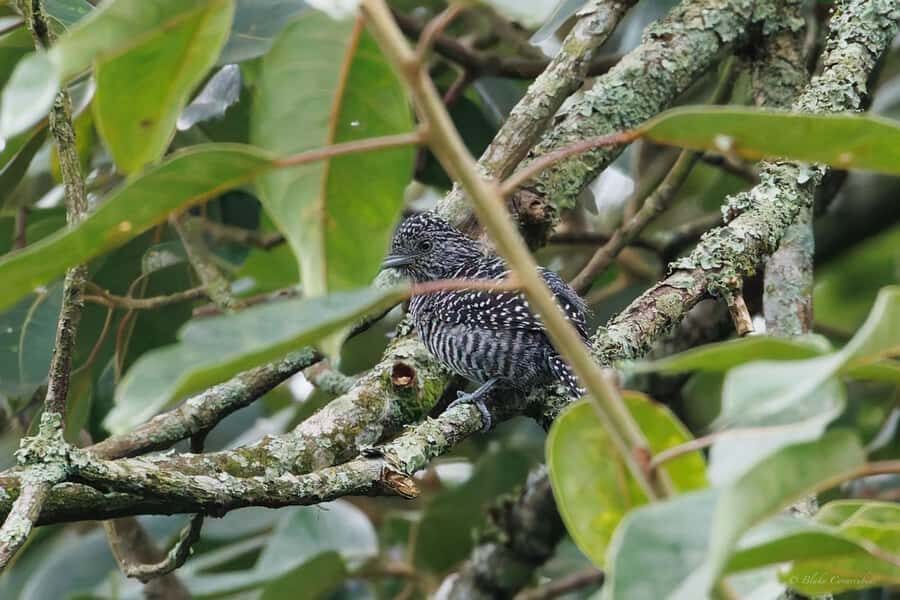
Once you’re in the reserve area (Sabaneta–Parque Ecológico La Romera), your day becomes a long sequence of short, focused birding stops. The itinerary lists sightseeing in a self-guided style for the bulk of the time, but in practice it’s best to think of it as guide-led spotting with room for you to learn the system.
Here’s what that typically means for your experience:
The trail time is slow on purpose
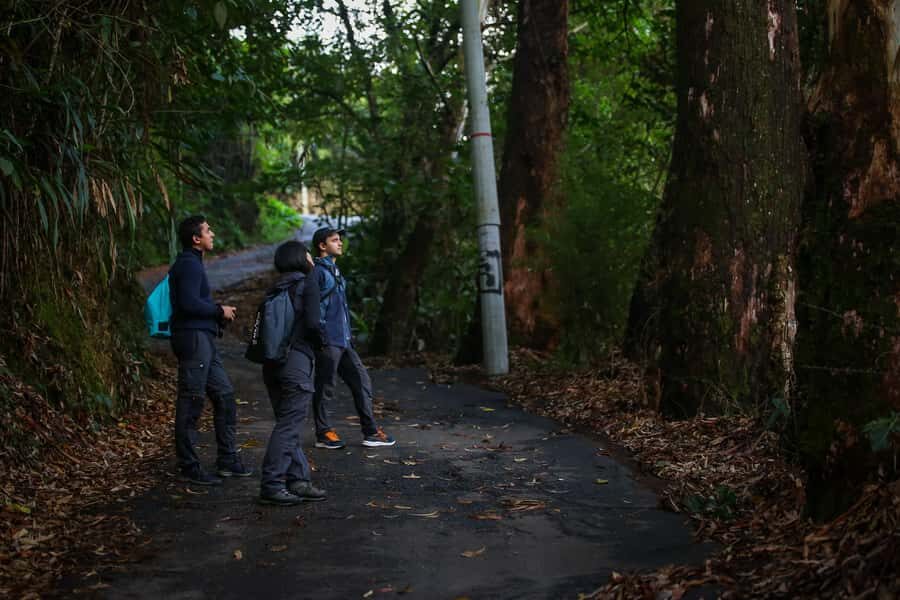
Birds don’t cooperate with a fast walking pace. The best birding moments come when you stop. You’ll likely spend more time watching than marching—scanning canopy movement, listening for songs, and checking likely perches along edges and vegetation gaps.
The upside: you’ll catch birds you’d walk right past on your own. The downside: the walking can be uneven and uphill, especially in mountain reserve terrain. Review after review highlights that the guides take it at your pace and stop often, but you should still go in with realistic expectations.




You’ll use the bird list app in the field
One of the most useful included items is the bird list (APP) with sound, images, and descriptions. This isn’t just a fancy souvenir. In the mountains, identification gets easier when you can match what you hear and what you see to a reference guide immediately.
For you, that means:
- you can confirm a call while you’re still in the spot where it was heard
- you can learn key features visually (shape, posture, color patterns)
- you can build recognition faster than waiting until you get back to town
If you’ve ever felt frustrated in birding—seeing movement but not knowing what it is—this part helps fix that.
You’ll likely hit a mix of bird types
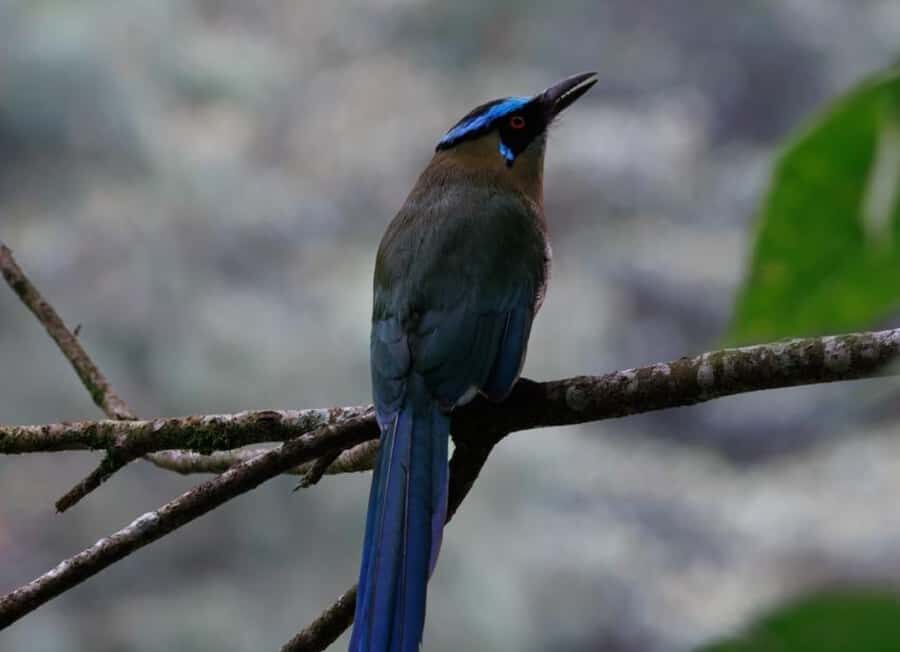
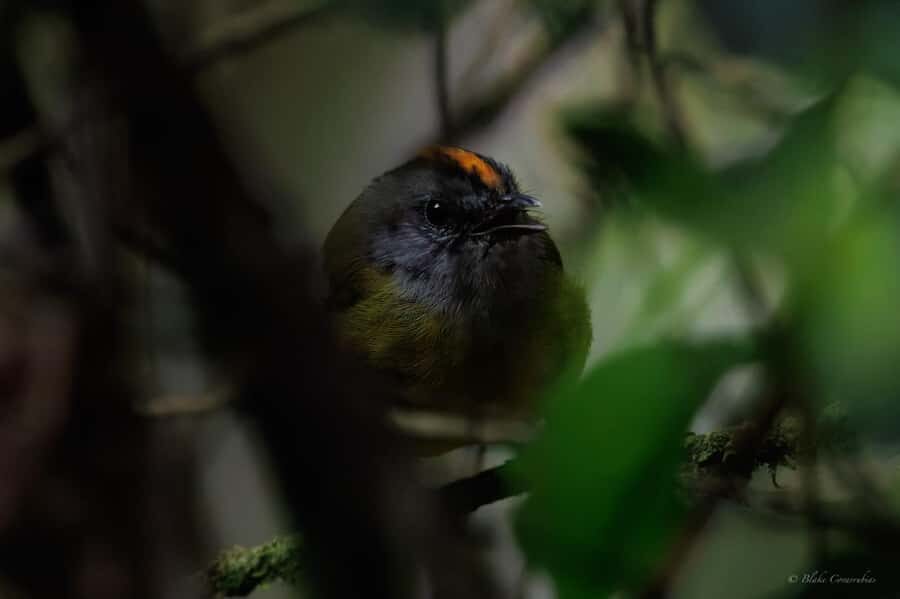
The tour is designed to show lots of species in one outing. People often report about 36–40 species in the time window, and the experience headline is 150+ species available in the area and across possible sightings. Translation: you’re not guaranteed a single exact number, but the area has the density to support a strong species list if conditions cooperate.
You may encounter a blend of songbirds, hummingbirds, and other colorful mountain birds, plus raptors and larger species depending on what’s active. One memorable highlight mentioned by previous participants: seeing young birds leaving nests and taking early flights, which is the kind of moment you can’t really plan—but you can be ready for.
Wet weather is not the end of the fun
Some outings happen in rain, and the tour runs for a six-hour window with reserve access. If it’s wet, expect the guides to adapt: still scanning, still using cues, and still stopping where birds keep moving and calling.
This is why rain gear is listed as a must. If you show up dry, you’ll enjoy the spotting more, because your focus stays on the birds instead of on staying comfortable.
Food, water, and the small comfort details that matter
This tour includes:
- bottles of water
- takeaway breakfast
- snacks
- entrance to the reserve
That combo is practical for mountain birding. You’re up early or at least moving steadily in cooler air, and you’ll be stopping and starting for long stretches. Having food ready reduces the temptation to cut your birding time short.
Some groups also mention the breakfast style as something like breakfast sandwiches and coffee. Even if that’s not the exact setup on every day, the included breakfast and snacks are a consistent baseline. The takeaway format is also smart: you can eat without losing momentum.
Gear checklist: what to bring so you enjoy the uphill parts
You only need a daypack and rain gear listed, but I’d treat the tour like a light hike with birding stops. That means you’ll be happier with:
- comfortable shoes with good grip (the terrain can be uneven)
- a rain layer you can move in
- your daypack for water/snacks and your phone/app
Binoculars are not included, but binocular rental is available. If you already own a pair, bring them. If you don’t, rental is the clean way to avoid buying gear just for one trip.
Also, if you’re newer to birding, consider using your first minutes to get your bearings: learn how the guide positions you, how they interpret sounds, and where they stop to scan. After that, the app becomes much more useful.
Price and value: $197 for a private birding morning
The price is $197 per group up to 2 for a six-hour private outing.
On the surface, that sounds like you’re paying for a guide. But in birding, you’re also paying for:
- a specialized ornithologist-biologist leader
- reserve entrance
- bird ID app with sound and images
- water + takeaway breakfast + snacks
- a private format that lets you go at a pace that works for you
If you split that across two people, it often feels reasonable for an expert-led nature experience that’s hard to replicate on your own without local knowledge. And because it’s private, you’re not stuck listening to a one-size-fits-all group rhythm.
Optional add-on: private transportation with air conditioning is available with 24 hours notice. It’s listed at:
- $70 per group for 1–4 participants
- $100 per group for 4–6 participants
If you hate transit transfers, this is a simple upgrade. If you’re comfortable taking metro and meeting at La Estrella, you can save that money and keep the day straightforward.
Who this tour suits best (beginners through experts)
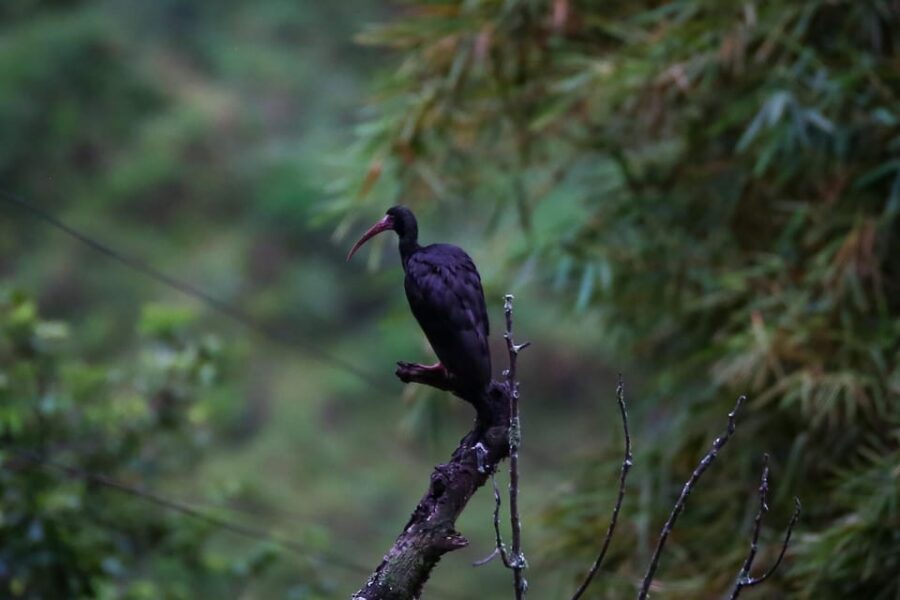
The tour explicitly works for beginners to experts, with no prior birdwatching experience required. That’s a big deal. Many birding trips start with gear skills and birding jargon and then wonder why you feel lost. Here, the guide’s job includes teaching you how to start and how to recognize birds in the field.
For beginners, you’ll get:
- a structured way to learn bird names via the app
- time to observe behavior and compare visual cues
- a pace that lets you absorb what you’re seeing
For more advanced birders, you’ll still benefit because:
- identification support uses sound and visual cues
- the guides use field tools (including digital aids) to help narrow IDs
- you’ll likely get opportunities to see species you wouldn’t find on your own quickly
Even older guests have described the guides as patient and able to adjust pace. That doesn’t remove the fact that the area is hilly, but it does mean you won’t feel rushed into a hard pace.
Practical travel notes before you go
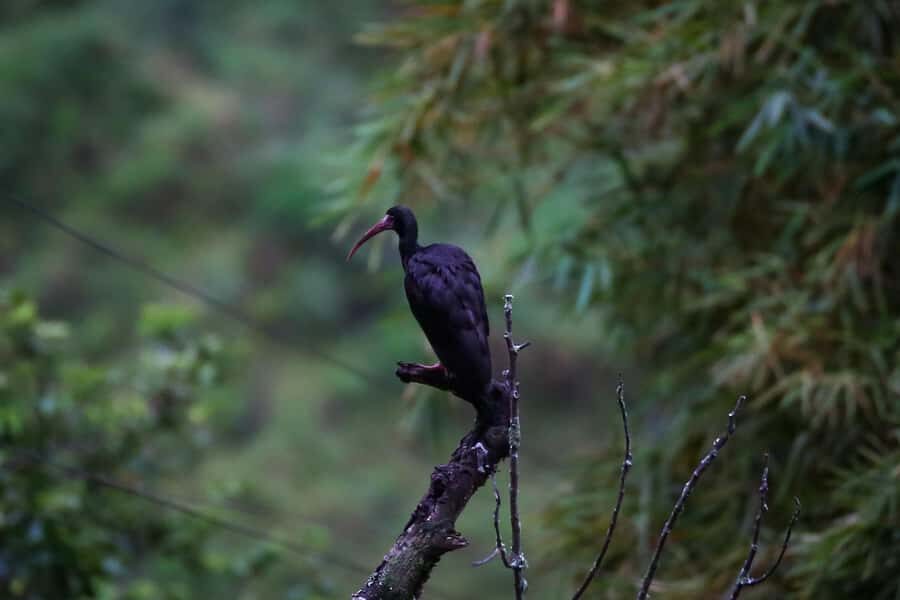
- Wear rain-ready clothing: the reserve experience can include wet conditions.
- Keep expectations flexible: bird sightings depend on weather and activity, but the experience is designed to maximize chances in that six-hour window.
- Plan for a workout: uphill walking is part of the deal; the guides can go slower, but you should still dress for mountain terrain.
- Language support: guides operate in English and Spanish, which helps a lot if you want to ask questions instead of just stare at birds.
Should you book this birding day from Medellín?
If you want a morning in the mountains with real expert guidance—and you like the idea of learning bird calls and IDs as you go—this is a strong pick. The combination of a private ornithologist-biologist guide, reserve entry, and an app that includes sound + images + descriptions is what makes it more than a casual walk.
I’d book it especially if:
- you’re new to birding and want to get started correctly
- you want to leave Medellín for true mountain nature without long, complicated logistics
- you’re traveling with someone who loves wildlife and you want a shared experience that feels genuinely different
Skip it if you don’t want any uphill walking at all, since the terrain around La Romera can be challenging.
If you’re ready to trade city noise for bird sounds and a guided learning day, this one is worth it.