REVIEW · CALI
Cali: Comuna 20 Siloé Street Art Tour
Book on GetYourGuide →Operated by Carlos Arturo Torres Salguero · Bookable on GetYourGuide
Street art here comes with real neighborhood stories. On this Comuna 20 Siloé tour in Cali, you’ll follow mural-filled streets up toward big city views, with a short cable car ride from Terminal Cañaveralejo. The guide also explains how the artwork became a voice for residents rebuilding their community.
I love two things most. First, the colorful murals are everywhere: walls, alleys, and even staircases. Second, the viewpoint stop gives you Cali spread out below in a way photos never fully capture. One thing to keep in mind: this is a mountain walk and it’s not for people who get uncomfortable with heights or who need step-free access.
In This Review
- Key highlights at a glance
- Why Comuna 20 Siloé street art hits harder than Instagram
- The meeting point at Terminal Cañaveralejo and the cable car start
- Murals along the way: walls, alleys, and staircases
- The high spot viewpoint: Cali spreads out below
- Carlos Arturo Torres Salguero and the resident-centered storytelling
- Where food fits in: local flavors without a meal package
- What to pack and what the walk feels like in real terms
- Price and value: what $32 buys you for 2.5 hours
- Who should book this Cali street art tour
- Quick check before you go
- Should you book the Comuna 20 Siloé Street Art Tour?
- FAQ
- Where does the tour start and end?
- How long is the Comuna 20 Siloé Street Art Tour?
- How much does the tour cost?
- Do I need to speak Spanish to join?
- Is the cable car ride included?
- Are meals included in the price?
- What should I bring?
- Is this tour suitable for wheelchair users or mobility impairments?
- What if I’m afraid of heights?
- Is there free cancellation?
Key highlights at a glance
- Comuna 20 Siloé murals on walls, alleys, and staircases
- A 10-minute cable car ride from Terminal Cañaveralejo
- Panoramic Cali views from a high spot on the route
- Local stories about transformation led by your guide
- Stops for neighborhood food flavors (meals not included)
Why Comuna 20 Siloé street art hits harder than Instagram
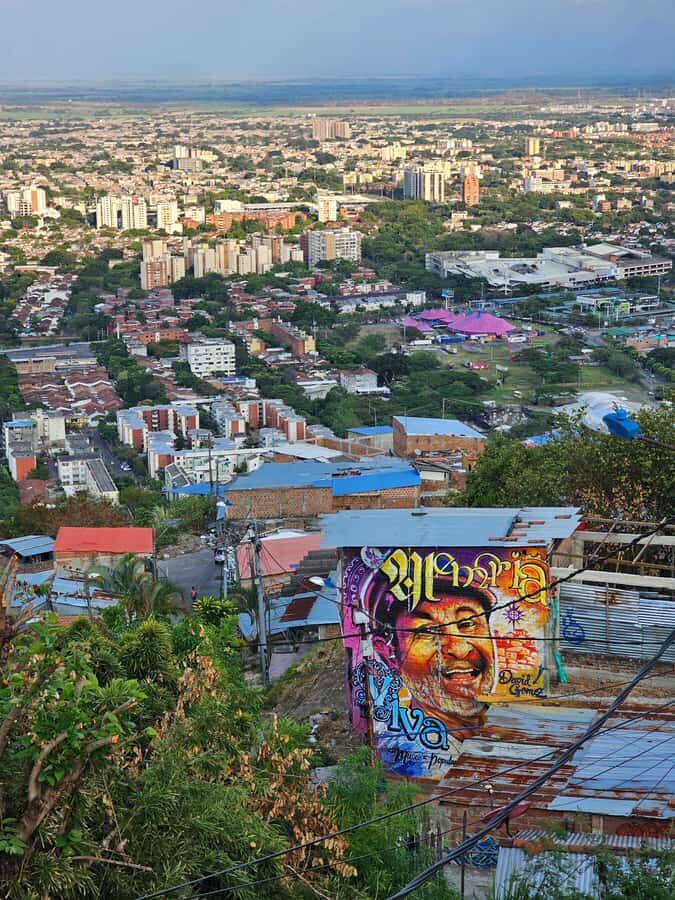
This tour works because it treats street art like communication, not decoration. In Comuna 20 Siloé, murals don’t just add color. They mark a shift in how residents see their neighborhood, and how they want the rest of Cali to see it too.
You’ll walk through an open-air gallery where artists used murals to express resilience and hopes for a better future. What makes it feel real is how often your guide brings you back to people: why they wanted to change the area, what it took to reclaim community pride, and what safer community life means on the ground.
I also like the pace. You’re not rushing from photo spot to photo spot. You’re moving street by street, with time to look closely at details on buildings and along stairways. That’s where the art often becomes most personal.
You can also read our reviews of more tours and experiences in Cali.

The meeting point at Terminal Cañaveralejo and the cable car start
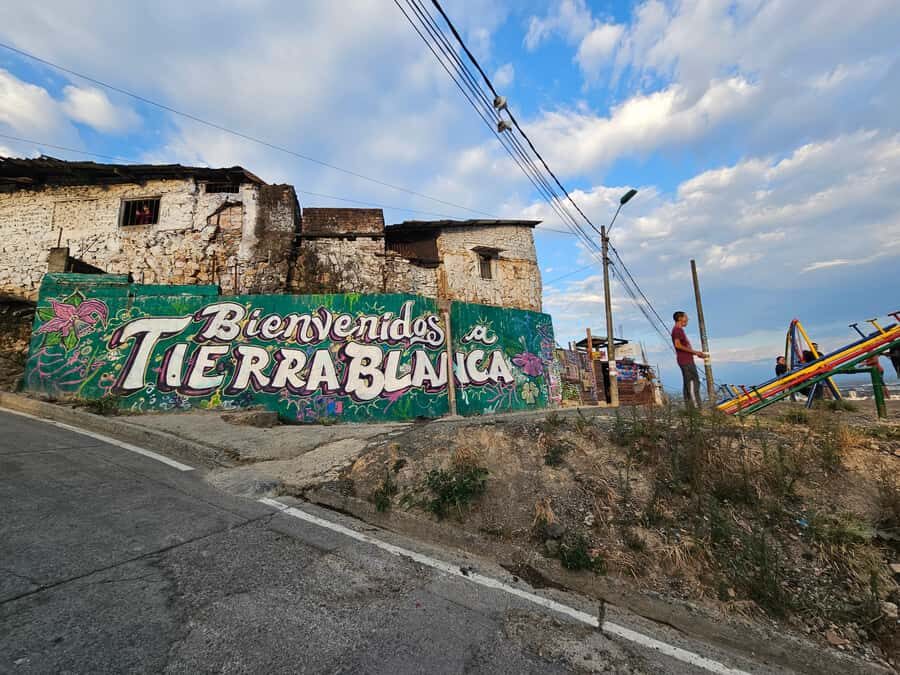
Your tour begins at Terminal Cañaveralejo (specifically the MIO station area), and the schedule you’ll typically see is a 3:00 pm start. This matters because afternoon light can make the murals and city views look even better, and the whole route includes a chunk of uphill walking.
The first real ride is the cable car segment (about 10 minutes). It’s short, but it changes your perspective fast. You’re getting height quickly, and you’re also easing into the geography of the area—mountain streets, steep climbs, and those stair-connected blocks you’ll be navigating later on foot.
One small practical bonus: your ticket process includes skipping the ticket line. That’s not a life-changing feature, but in a place where you might be on someone else’s timetable, it helps you start the walk without wasting time.
Murals along the way: walls, alleys, and staircases
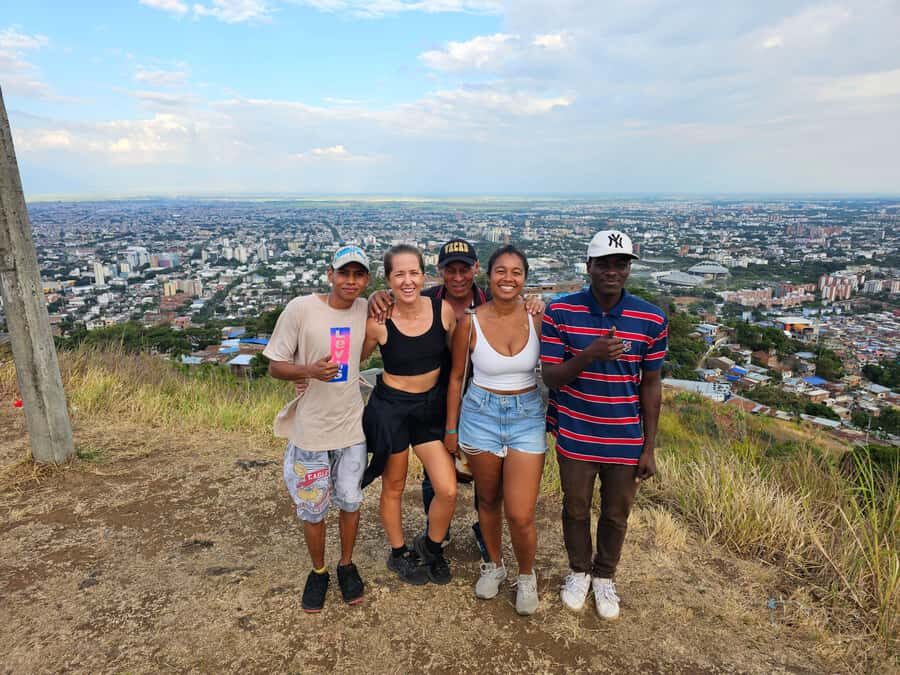
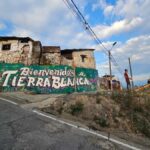
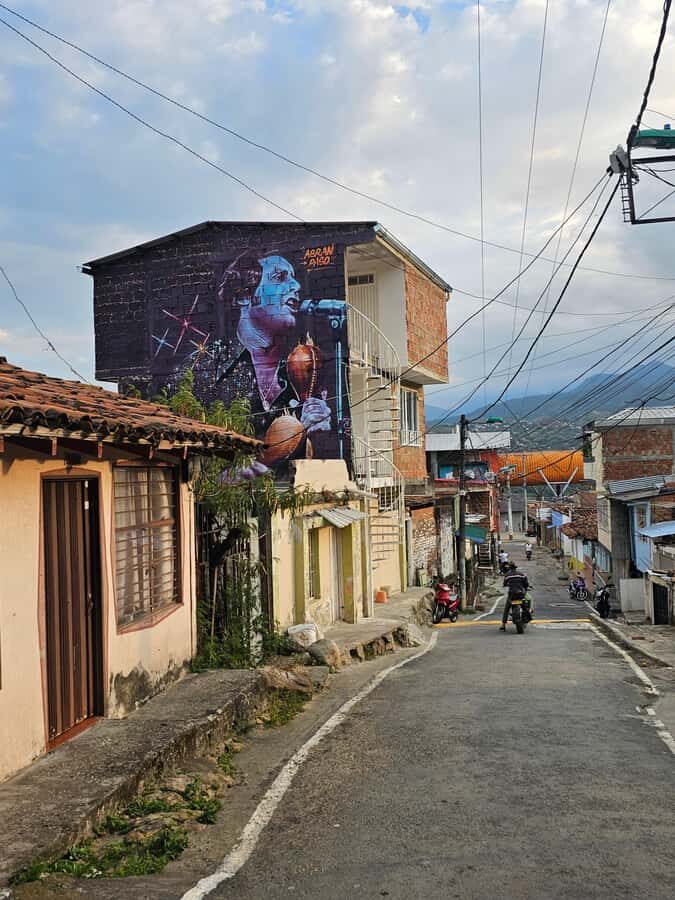
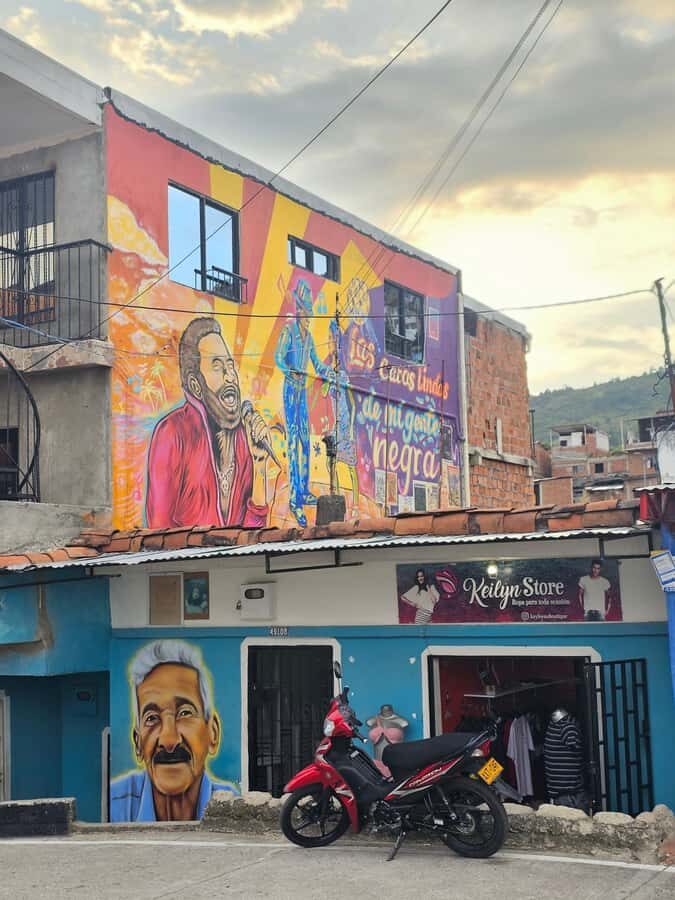
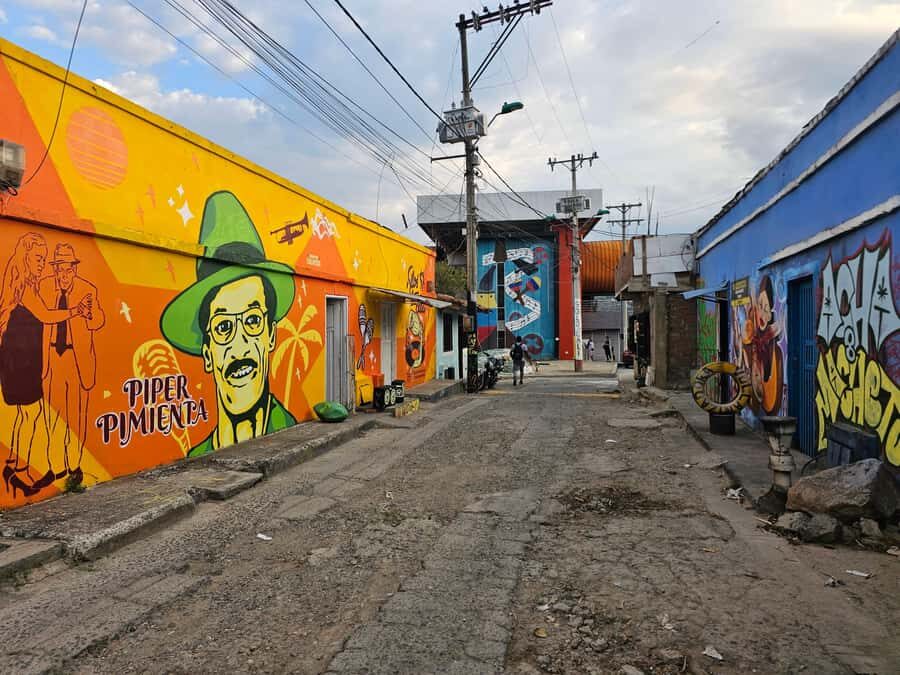
The heart of the tour is the walking route through Comuna 20 Siloé’s art. You’ll see murals on building walls, on alley sides, and on staircases. Yes, staircases. That detail matters for how you experience the art.
When art is placed on stairs, you don’t just view it—you climb through it. Your eyes keep catching new sections at different angles. It turns the walk into a moving exhibition, and it also helps you understand how local life is shaped by steep terrain.
Your guide will point out how local artists used graffiti-style murals to communicate emotions and ideas. Some murals connect to resilience—what residents went through and how they refused to be defined by the worst of their past. Other pieces lean toward aspirations for the future.
And as you go, you’ll also hear how the community came together. The story isn’t only about art being painted. It’s about residents uniting, taking initiatives to improve safety and belonging, and turning the neighborhood into a place people can be proud to show off.
The high spot viewpoint: Cali spreads out below
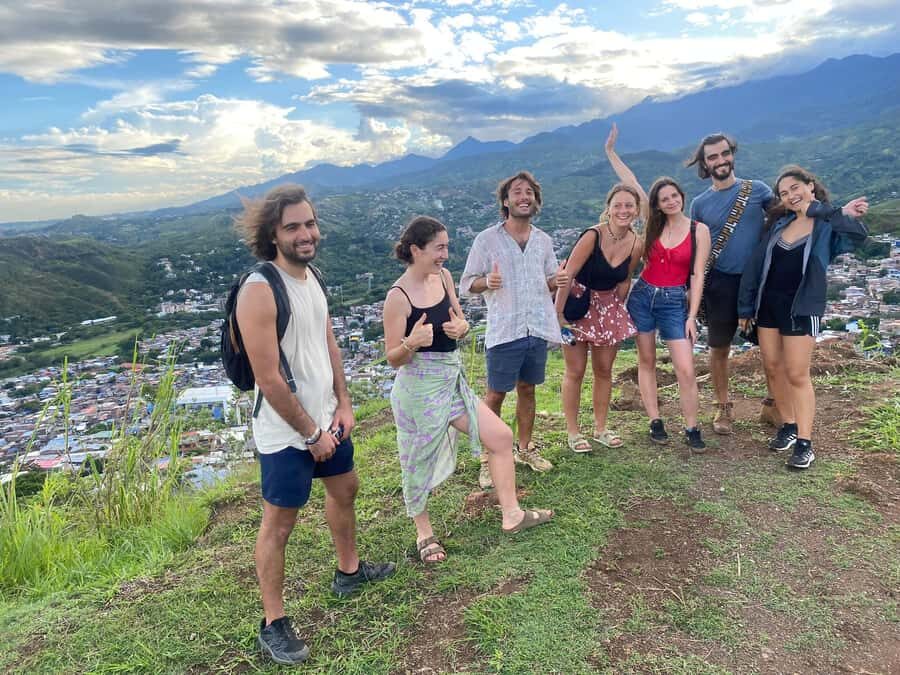
Half the fun is the climb, and the other half is the payoff: a panoramic view of Cali from an elevated spot along the route. This is the moment where the tour stops feeling like a neighborhood walk and starts feeling like a city viewpoint.
If you like skyline moments, you’ll enjoy this. From up there, you get a clearer sense of how Cali stretches out below the hills, and you can better connect what you’ve been walking through to the wider city.
Two practical tips help you get more out of the viewpoint:
- Bring your camera, but also look without it for a minute. The view lands better when you slow down.
- If you get wind or strong sun, use your hat and water. The walking plus open air can dry you out faster than you expect.
The one caution is simple: this part of the experience isn’t ideal for people who are uncomfortable with heights. Even if you’re fine on stairs, the combination of elevation and open viewpoints can be a lot.
Carlos Arturo Torres Salguero and the resident-centered storytelling
One of the standout details from the experience is the guide: Carlos Arturo Torres Salguero. The tour leans hard into storytelling, and his role is to connect what you’re seeing to what it cost and what it changed.
You’ll hear how residents united to reclaim their community, and you’ll also learn about the kinds of initiatives they undertook to support safety and create a stronger sense of belonging. That’s important because street art can be misunderstood as only aesthetic. Here, the murals are part of a broader neighborhood effort.
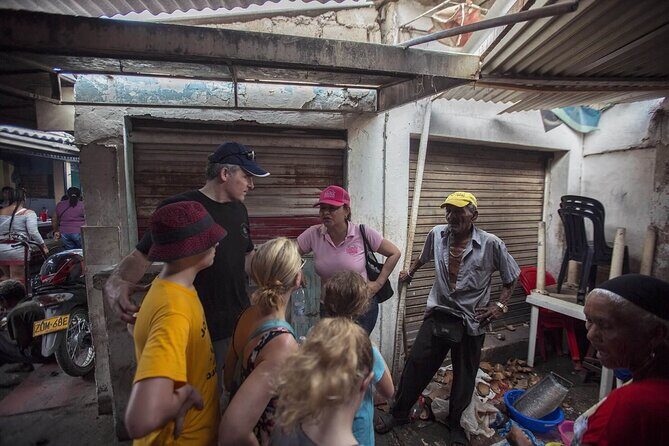
You’ll also get chances to meet and interact with locals along the way. Even when the conversation is brief, it adds something a museum label can’t: personal tales of struggle and triumph. That human angle is what makes the tour linger in your head after the photos are uploaded.

Where food fits in: local flavors without a meal package
Meals aren’t included, but you will have opportunities to savor local food during the walk. The idea is more like: you get exposed to neighborhood eateries so you can try what feels right in the moment, rather than being herded into a single restaurant.
This is a nice style of travel because it keeps your evening flexible. If you’re hungry, you can pick a snack. If you’re not, you can keep your energy for the uphill sections and save appetite for later.
What you’ll want to do is think of food as optional fuel, not a required stop. Since meals and drinks aren’t part of the price, treat each cafe stop like a chance to sample the area’s diverse heritage—then decide what to order based on your budget and comfort level.
What to pack and what the walk feels like in real terms
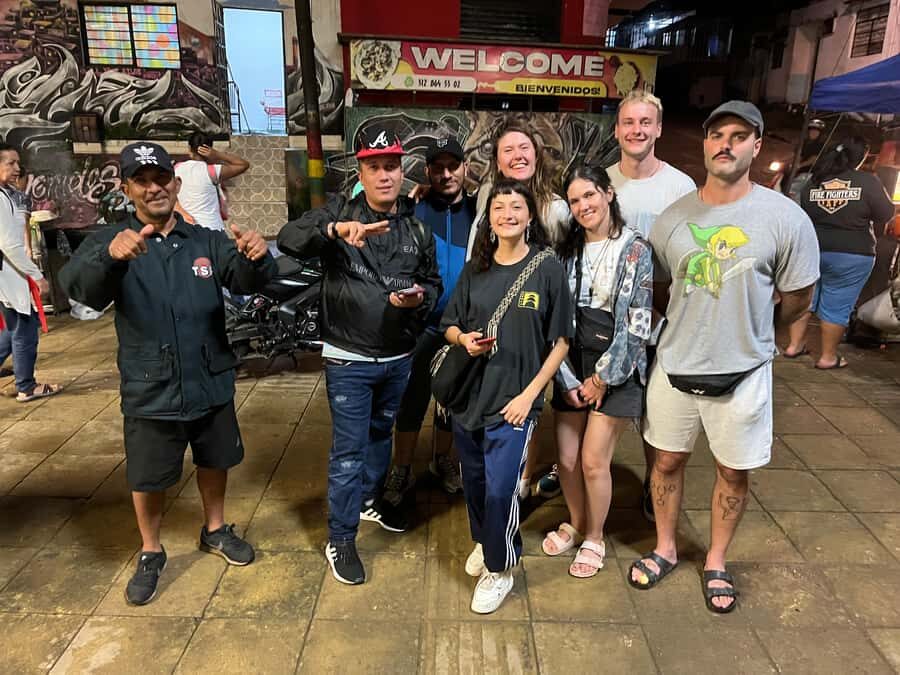
This is a walking tour with terrain. The basics you should bring are clearly stated: comfortable shoes, a hat, sunscreen, water, and your camera. I agree with all of it.
Comfortable shoes are non-negotiable because you’ll be moving through staircases and steep sections. If you wear shoes with poor grip, you’ll feel it. If you wear shoes you already trust, you’ll enjoy the route more and stress less.
Weather can vary, so plan for changing conditions. Even if the morning looks calm, midday sun and evening breeze can both happen in hilly areas. Sunscreen and a hat protect you from the predictable part of that equation.
Also keep the vibe respectful. The tour is about local artwork and community life, so it’s not the time for climbing on walls or getting too close to pieces in a way that interrupts the neighborhood.
Smoking isn’t allowed. It’s a small rule, but it helps keep the tour experience and the public spaces more pleasant for everyone.
Price and value: what $32 buys you for 2.5 hours
The price is $32 per person, and the duration is about 2.5 hours. For that time, you’re getting more than “a guide with a route.”
You’re paying for:
- A guided walking tour focused on neighborhood transformation and street art
- Time with locals and their stories
- The cable car ride (10 minutes)
- A viewpoint experience that gives you panoramic Cali views
That’s good value if you’re trying to understand a side of Cali that you’d likely miss on your own. Without local context, street murals can look like random decoration. With the guide’s explanations—how residents used art alongside community initiatives to improve safety and belonging—you walk away with meaning, not just images.
If you’re the type of traveler who only wants a viewpoint and hates walking, this price might feel steep. But if you enjoy slow exploration and want context, it’s the kind of deal that pays off in understanding.
Who should book this Cali street art tour
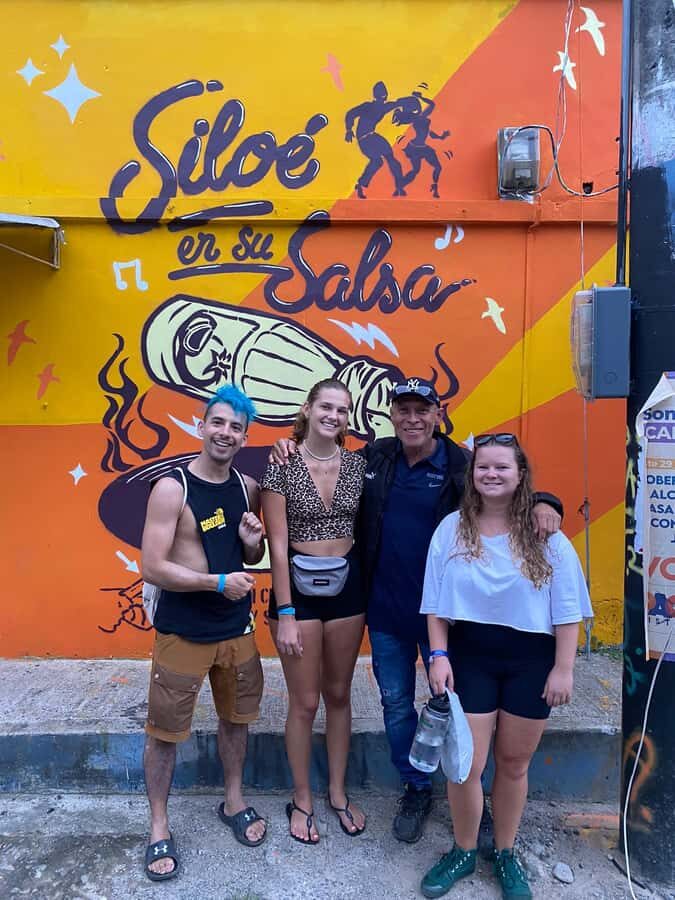
This tour fits best if you:
- Enjoy street art with real-world context
- Want a guided introduction to Comuna 20 Siloé and its transformation story
- Like city views and don’t mind a hike-style walking route
- Prefer learning from people, not just signs
You should think twice if you have mobility limitations or if you use a wheelchair, since it’s not suitable for wheelchair users and isn’t designed for step-free access. Also avoid it if you’re afraid of heights, because the route includes elevation and a cable car plus a viewpoint.
It also helps if you’re okay with the idea that you might spend time looking closely at murals and hearing stories, rather than covering maximum distance.
Quick check before you go
A few things to line up in your head:
- Start time is typically 3:00 pm at Terminal Cañaveralejo (check availability for other times)
- You’ll be walking and climbing for the majority of the tour
- Languages are English and Spanish, so you can follow the story
- Bring water and plan for sun and weather changes
- Meals aren’t included, but you can try neighborhood food on your own
Also, this one is about respectful viewing. The artwork is tied to community identity. Treat it like that.
Should you book the Comuna 20 Siloé Street Art Tour?
Yes, I think it’s worth booking if you want a meaningful Cali experience and you enjoy walking. The combination of murals plus resident-centered transformation stories is the real draw, and the cable car plus panoramic viewpoint makes it feel like a complete half-day plan.
Skip it if stairs and elevation make you uncomfortable, or if you need fully accessible routes. For everyone else, this is the kind of tour that gives you more than photos. You get a clearer sense of how art, safety efforts, and community pride can change a place over time.
FAQ
Where does the tour start and end?
The tour starts at Terminal Cañaveralejo and ends back at the same meeting point.
How long is the Comuna 20 Siloé Street Art Tour?
The tour lasts about 2.5 hours.
How much does the tour cost?
The price is $32 per person.
Do I need to speak Spanish to join?
No. The live tour guide offers English and Spanish.
Is the cable car ride included?
Yes. The tour includes a cable car ride (10 minutes).
Are meals included in the price?
No. Meals and drinks are not included, though you’ll have chances to visit local eateries during the tour.
What should I bring?
Bring comfortable shoes, a hat, sunscreen, a camera, and water.
Is this tour suitable for wheelchair users or mobility impairments?
No. It is not suitable for people with mobility impairments or wheelchair users.
What if I’m afraid of heights?
This tour is not suitable for people afraid of heights.
Is there free cancellation?
Yes. You can cancel up to 24 hours in advance for a full refund.