REVIEW · CARTAGENA
Cartagena Tasting Mezcal & Tequila
Book on GetYourGuide →Operated by Boho Experiences · Bookable on GetYourGuide
Mezcal and tequila can sound similar, until you taste and learn the differences. This Cartagena tasting is built like a guided mini-class, starting with where the spirits come from and then moving into structured tastings with pairings that match what you’re drinking.
I especially like that you get real context, not just sips. You’ll also get the Mexico-feel details at Rosa Mezcal, from traditional salsas to handmade tortillas, so the food isn’t an afterthought.
One drawback to plan for: it’s a short experience (about 1 hour), so you won’t have a lot of time for deep, slow comparisons if you’re hoping for an extended tasting marathon.
In This Review
- Key takeaways before you go
- Rosa Mezcal in Cartagena: the setting that makes the tasting make sense
- What the 1-hour flow really feels like
- Tequila segment: origin, tasting formats, and pairings you can actually notice
- Mezcal segment: composition first, then tasting with purpose
- Food pairings at Rosa Mezcal: why the snacks matter
- Small-group format (up to 10): how it helps you learn
- Price and value: is $39 worth it in Cartagena?
- Who should book this mezcal and tequila tasting
- Practical planning tips (so the hour feels smooth)
- Should you book Cartagena Tasting Mezcal & Tequila?
- FAQ
- Where does the tasting take place?
- What is the meeting point in Cartagena?
- How long is the Cartagena mezcal and tequila tasting?
- How much does it cost?
- What’s included in the tasting?
- Is transportation included?
- What languages are available?
- How big is the group?
- Is it wheelchair accessible?
Key takeaways before you go
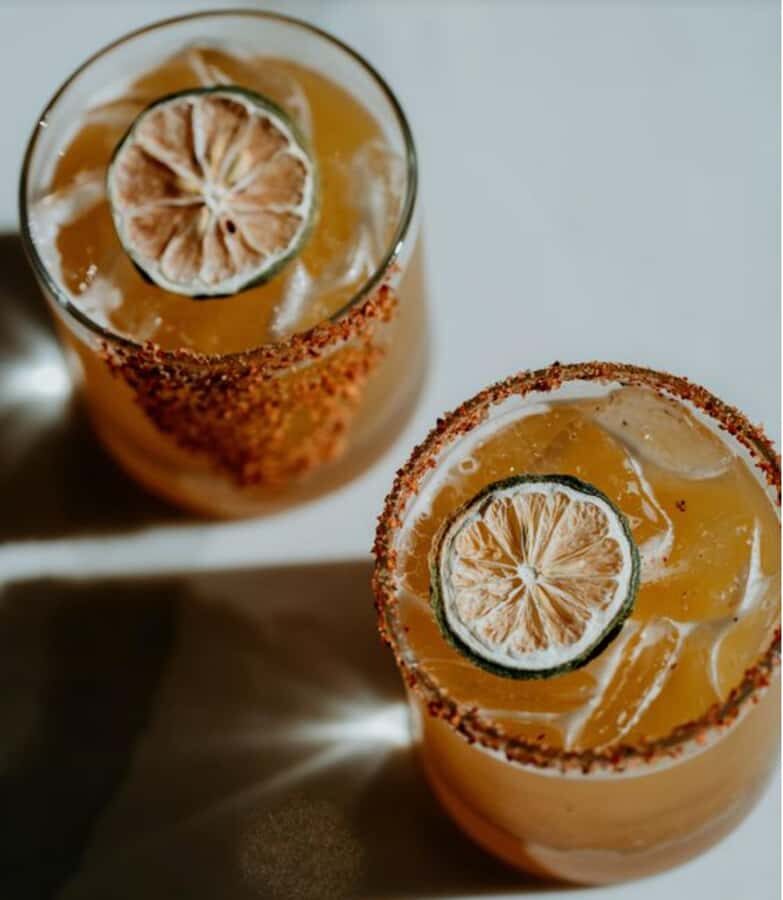
- Origins first: You start by learning where tequila and mezcal come from, including how their names connect to their roots.
- Tasting by type: Tequila is presented in tasting formats with notes on characteristics, then paired accordingly.
- Mezcal with composition context: Mezcal comes with an explanation of what it’s made from, plus the data you need to notice differences.
- Food pairing as part of the lesson: Traditional salsas and handmade tortillas are part of the experience, not a separate meal.
- Small group, up to 10: This format helps keep the talk understandable and interactive.
- Bilingual instruction: You can choose English or Spanish during the informative talk.
Rosa Mezcal in Cartagena: the setting that makes the tasting make sense
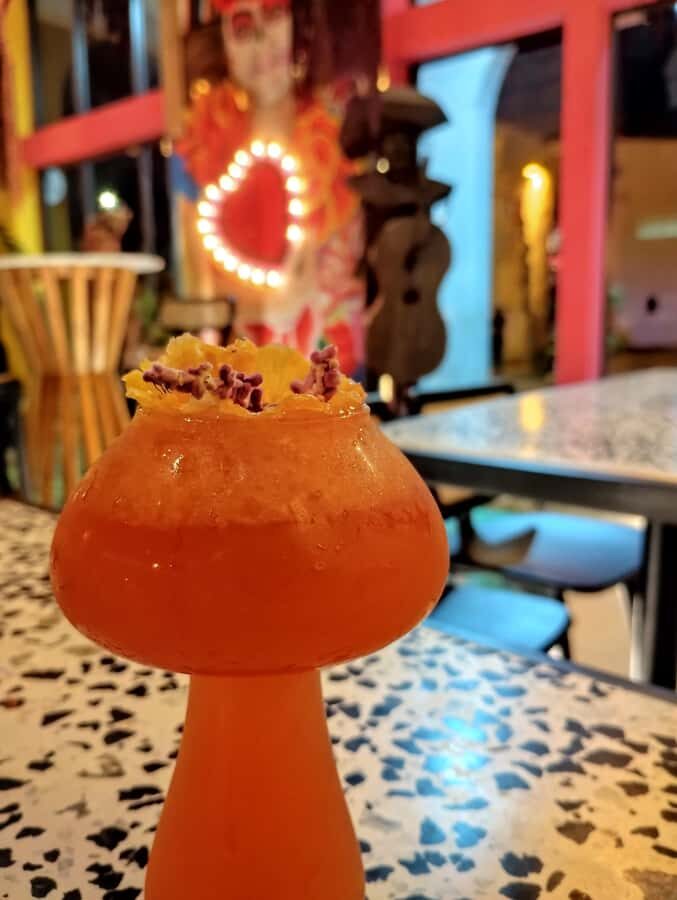
The tasting happens at Rosa Mezcal, a Mexican restaurant setting in Cartagena (Bolívar). That matters more than you might think. When the room feels right—food, salsas, tortillas, and the overall vibe—you taste more actively, not passively. You’re not just trying alcohol; you’re pairing flavors the way people actually do.
I like that the atmosphere is described as very detail-focused, with elements that help you picture the culture behind the drinks. That connection supports what the guide is doing: explaining origin, then pairing what you taste with what complements it. It’s easier to remember a lesson when your plate and glass are part of the same storyline.
You also have a clear meeting picture. The starting point is listed as Plaza de la Aduana, and the tasting itself takes place at Rosa Mezcal. So when you arrive in Cartagena, you’re not guessing where the class begins and ends.
You can also read our reviews of more food & drink experiences in Cartagena


What the 1-hour flow really feels like
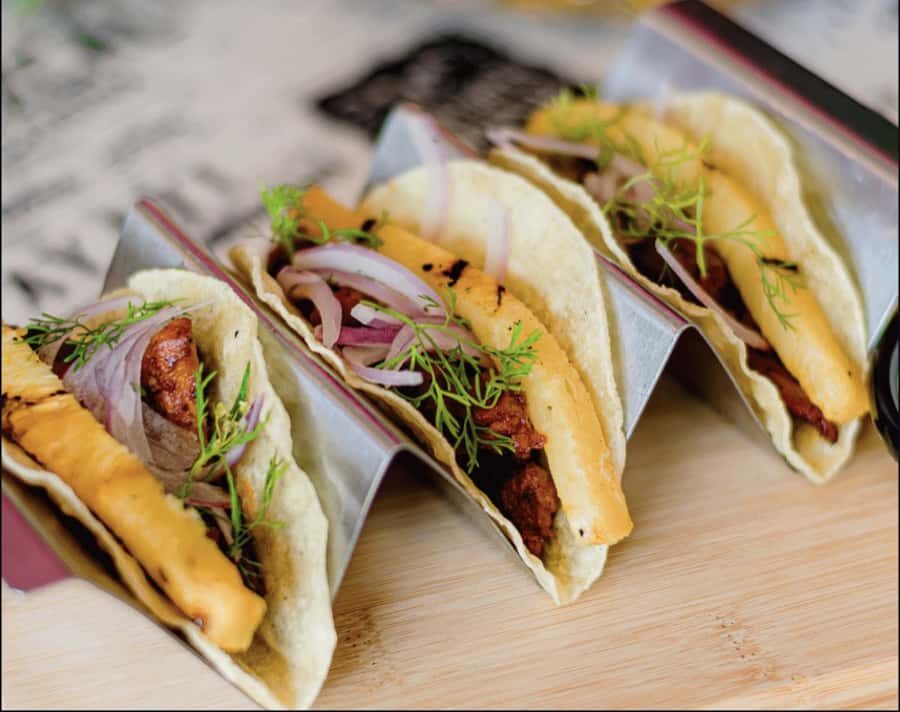
This is a short, structured activity. It’s listed as 1 hour, and the run-of-show is designed to keep your attention high while still giving you two distinct parts: tequila first, then mezcal.
In practice, the experience moves through three key modes:
1) a guided explanation (origin and definitions),
2) tequila tasting with notes and matchups,
3) mezcal tasting with its own explanation and matchups.
If you’re the type who likes to understand what you’re doing, this timing works well. If you want unlimited sampling or a long hangout where you can sip without structure, you may feel it’s too brief.
Tequila segment: origin, tasting formats, and pairings you can actually notice
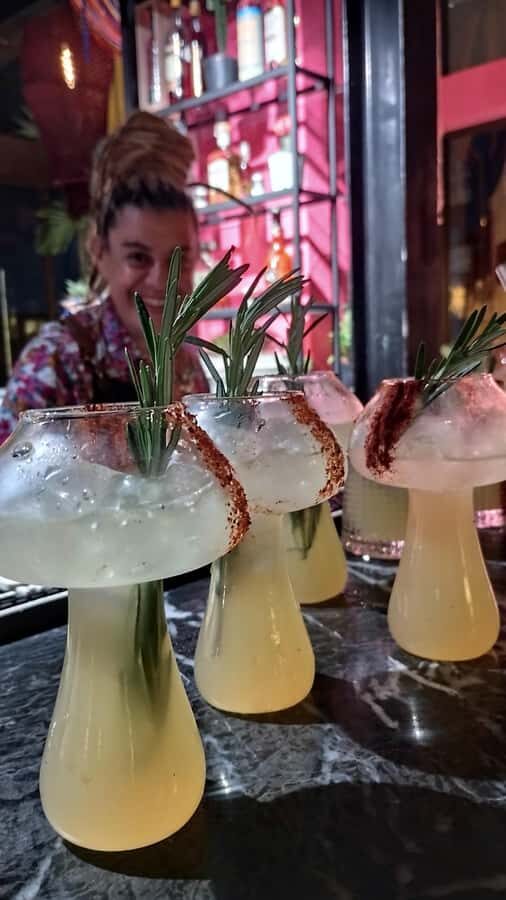
The guide starts by framing tequila and mezcal from the beginning. You’ll hear about origins tied to their names and natural origin. Even if you already know tequila is made from agave, the point here is to build a mental map so later tasting notes mean something.
Then it’s time for tequila. The tasting isn’t random pouring; it’s organized by tequila presentation for tastings, with a description of each tequila type’s characteristics. The important part for your experience is the matching pairings, which vary depending on the type of tequila you’re tasting.
This is where you’ll likely get the most value. Tequila can feel like one thing if you only drink it in cocktails. But when you taste it alongside food designed to complement it, you start noticing details you’d otherwise miss—how the flavors shift with each type, and how pairing changes what you perceive as sweet, herbal, or sharp.
What I find useful: the talk gives you language for the sensory experience. That turns the tasting into a skill you can carry forward, not just a one-time event.
Mezcal segment: composition first, then tasting with purpose
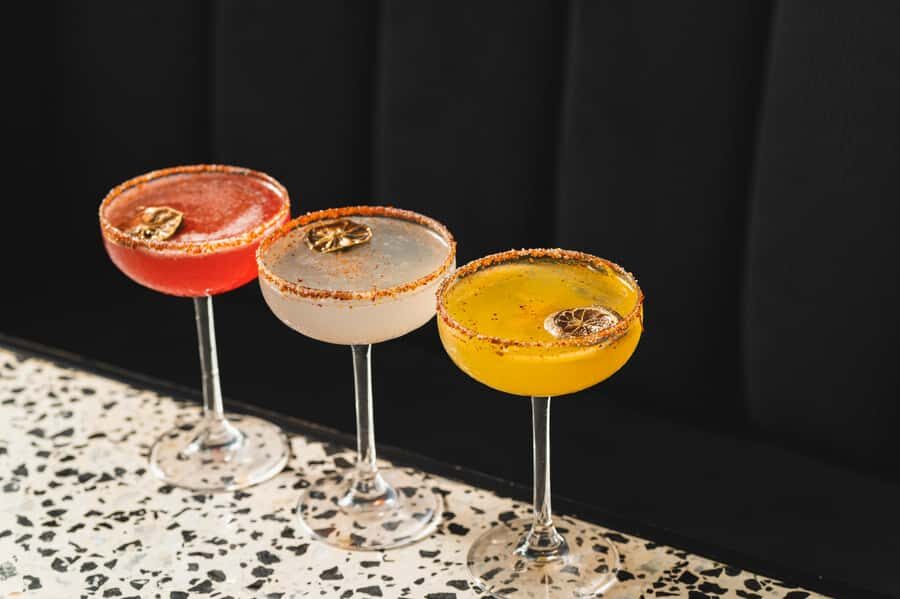
After tequila, you move into mezcal. The guide opens with explanation—mezcal composition and other characteristic data—so you’re not guessing what you’re smelling or tasting.
Then each type of mezcal you taste comes with its own pairings. The structure mirrors the tequila portion, which is helpful. Your brain doesn’t have to reset from scratch; it can compare the two spirits using a similar method.
Also, the Mexico-style food element helps. Rosa Mezcal’s described details—traditional salsas and handmade tortillas—make this pairing part feel grounded. You aren’t eating bland filler while you drink. The pairing is part of the teaching rhythm.
One more practical note: if you’re sensitive to stronger spirits, keep your pace slow and sip between bites. This type of structured tasting tends to be educational, but you still want to enjoy it, not just complete it.
Food pairings at Rosa Mezcal: why the snacks matter
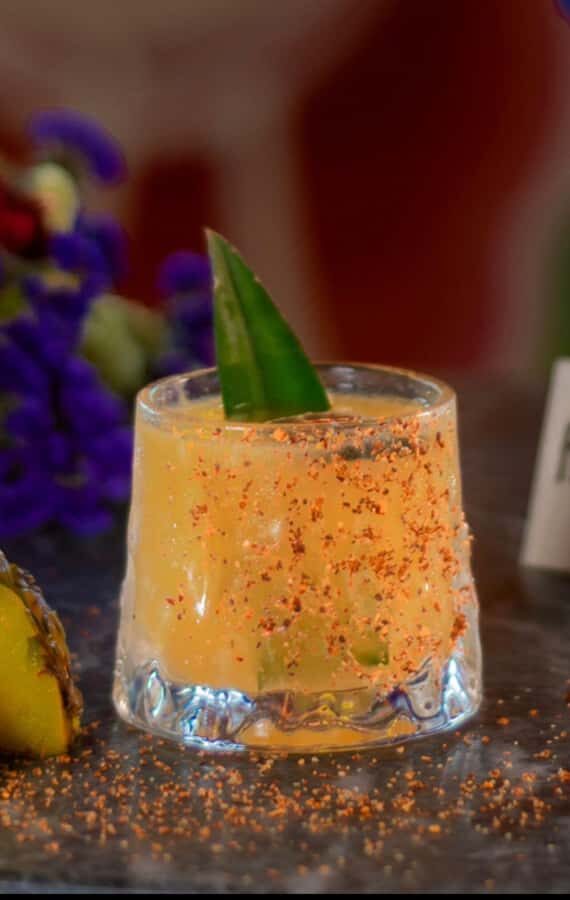
This experience includes food tasting and pairings, and the restaurant details are a big deal. Traditional salsas and handmade tortillas give you a flavor baseline. That matters because you’re not only tasting alcohol—you’re tasting combinations.
Pairings are doing three jobs:
- they help you identify flavor direction (spice, tang, savory depth),
- they can soften rough edges so you notice subtler notes,
- they keep the experience from turning into a straight shot competition.
If you’re thinking about value, this is a key piece. A $39 price tag can feel small or big depending on what’s included. Here, the food pairing is part of the core design, meaning you’re not paying extra for a separate meal.





Small-group format (up to 10): how it helps you learn
This is for small groups, limited to 10 participants. In a tasting class, that number matters. Smaller groups mean it’s easier for the instructor to keep the explanations clear, pace the tastings, and answer questions without the room turning into a noisy blur.
The tour’s also offered in English and Spanish, and the instructor is trained to teach the subject. You get a guided talk with a level of structure that usually makes people feel confident about what they’re tasting.
If you travel with friends, this format still works well because you can compare notes together afterward. If you’re traveling solo, it’s a friendlier size than big group bus tours. You’ll still feel part of the learning moment.
Price and value: is $39 worth it in Cartagena?
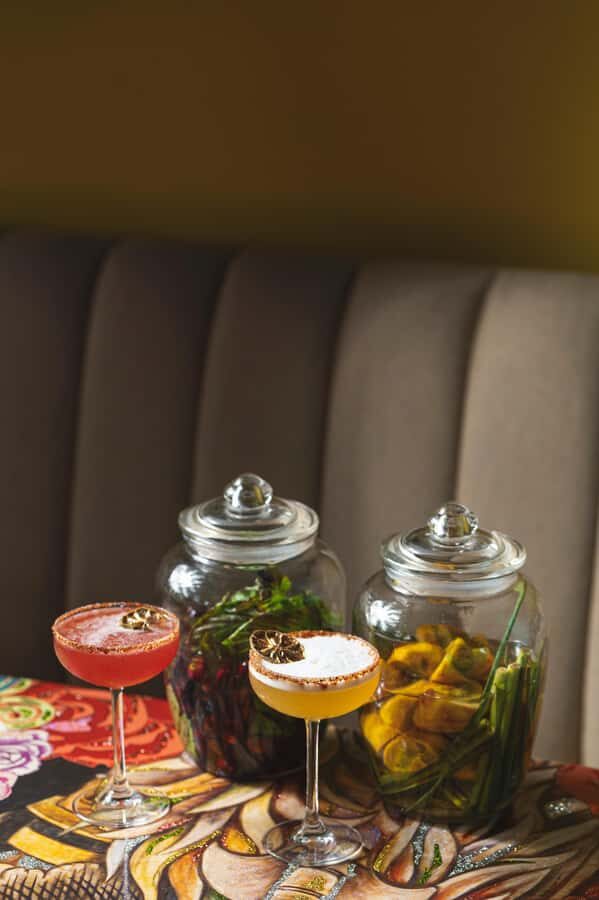
At $39 per person for a ~1-hour class-style tasting, you’re paying for three things: instruction, curated tastings, and included pairings/lickeurs. The description also says the tasting includes the liqueurs and the pairings you taste.
So the real question isn’t whether it’s cheap. It’s whether you’re getting more than a quick pour.
Here’s why it can feel like good value:
- you get a structured explanation (origin → tequila → mezcal),
- the tasting is paired, which improves learning and enjoyment,
- the group size stays small, which tends to make instruction more practical,
- the setting includes Mexico-style details and food tasting that round out the experience.
One practical consideration: transportation isn’t included. If you’re already near the old-city area around Plaza de la Aduana, this is easy. If you’re staying farther out, factor in local taxi or rideshare time.
Who should book this mezcal and tequila tasting
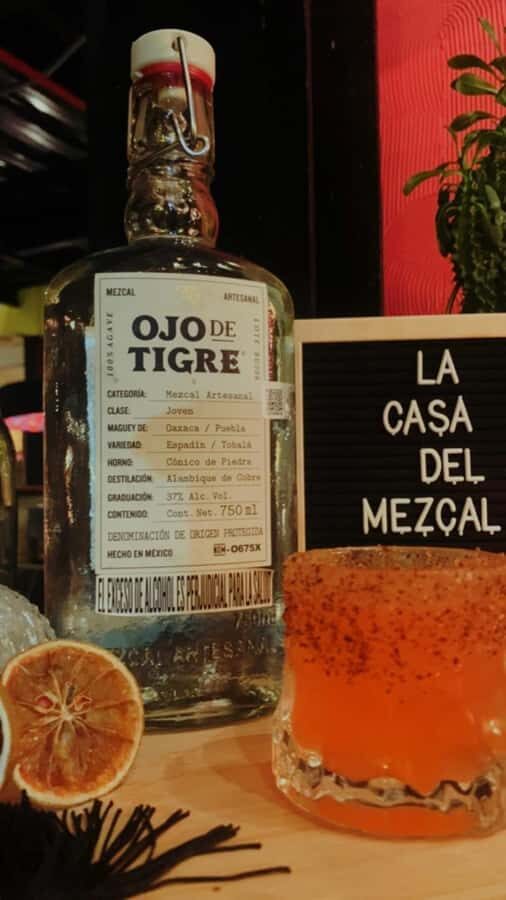
This works best if you fall into one of these categories:
- You want tequila and mezcal knowledge without needing to read a book first.
- You like guided tastings with a method, not just drinking.
- You’re curious about how pairing changes what you perceive.
- You prefer a small group experience where the talk stays understandable.
It may not be the best fit if you want a full evening of food and drinks, or if you’re looking for a super long tasting that leaves room for lots of repeated pours. At 1 hour, the pace is designed for learning, not lingering.
Practical planning tips (so the hour feels smooth)
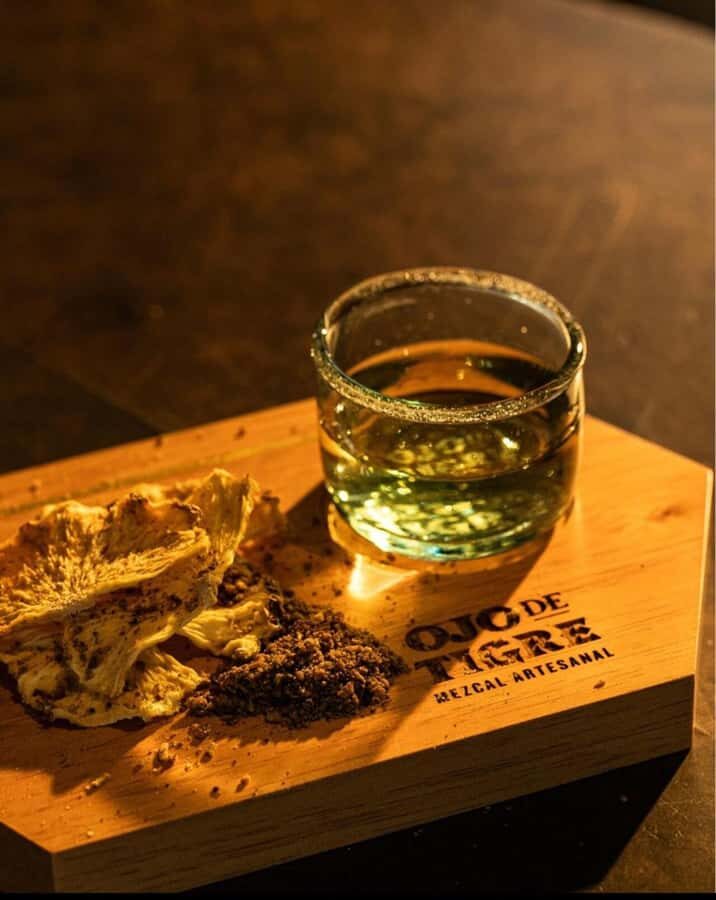
Here are a few simple things that can make your session more enjoyable:
- Eat something earlier if you know you get lightheaded with spirits, but don’t fill up. The pairing includes food tasting, so you’ll want room for it.
- Plan to arrive at Plaza de la Aduana so you’re oriented, then head to Rosa Mezcal for the tasting itself.
- If you’re bilingual, choose the language you’ll be most comfortable with for the explanation portion. That’s where most of the value is.
- Keep expectations realistic: this is a guided tasting with included pairings, not a deep multi-hour cellar tour.
Should you book Cartagena Tasting Mezcal & Tequila?
Yes, I’d book it if you want a compact, structured way to learn the basics of tequila and mezcal while enjoying real pairings. The strongest reasons to choose it are the teaching approach (origins, then tequila, then mezcal), the quality of the drinks described as original and excellent, and the Mexico-style food details that make the tasting feel like more than a sip session.
Skip it if you’re after a long, leisurely dining experience or if you hate tight schedules. Also double-check your route since transportation to the tasting spot isn’t included.
If you’re in Cartagena and want something small-group, educational, and genuinely tied to flavor—not just alcohol—this one fits the bill.
FAQ
Where does the tasting take place?
The tasting takes place at the Mexican restaurant Rosa Mezcal.
What is the meeting point in Cartagena?
The starting location is Plaza de la Aduana.
How long is the Cartagena mezcal and tequila tasting?
The experience duration is 1 hour.
How much does it cost?
The price is $39 per person.
What’s included in the tasting?
The tasting includes the liqueurs and the pairings you’ll taste, plus an informative talk.
Is transportation included?
No. Transportation to the place where the tasting takes place is not included.
What languages are available?
The instructor and talk are available in English and Spanish.
How big is the group?
The group is limited to 10 participants.
Is it wheelchair accessible?
Yes, the activity is wheelchair accessible.