REVIEW · CARTAGENA
Cartagena: Walled City & Getsemani Private Tour
Book on GetYourGuide →Operated by Gran Colombia Tours · Bookable on GetYourGuide
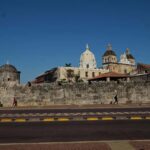
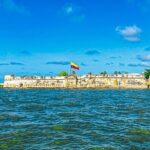
Cartagena’s walls feel like time travel. Starting at Plaza de Bolívar, you get guided stories that make the city’s 16th- and 17th-century fortifications feel real, not textbook. I especially love how the Walled City walls and bastions are explained with a clear sense of purpose: protecting the territory when threats came by sea.
The other win is the mix of old streets and modern neighborhood life. After colonial lanes and stops like San Pedro Claver Square, you’ll taste local Caribbean Colombian favorites, including arepa with egg and raspao, then head into Getsemaní to see daily culture up close. One consideration: it’s a walking tour rain or shine, and lunch isn’t included—so bring water, plan for warm or wet conditions, and wear shoes you trust.
In This Review
- Key things I’d plan around
- Plaza de Bolívar sets the tone for the whole afternoon
- San Pedro Claver Square and Church: colonial detail without the museum feeling
- Cartagena’s sea walls and bastions: understanding defense in the 16th–17th centuries
- Colonial lanes and heritage houses: walking through Cartagena like a local
- Snack tasting in Getsemaní: two local bites, zero confusion
- Getsemaní: street culture after you’ve seen the walls
- Price and value at $69 per person: what you’re buying
- Logistics that matter: pickup, pace, and what to bring
- Guides and storytelling: why the tour feels personal
- Should you book this Cartagena Walled City and Getsemaní tour?
- FAQ
- How long is the Cartagena Walled City & Getsemani private tour?
- Where does the tour start?
- Is pickup and drop-off included?
- Is lunch included?
- What food do you taste during the tour?
- Is the tour private?
- What languages are the guides?
- Does the tour run in bad weather?
Key things I’d plan around
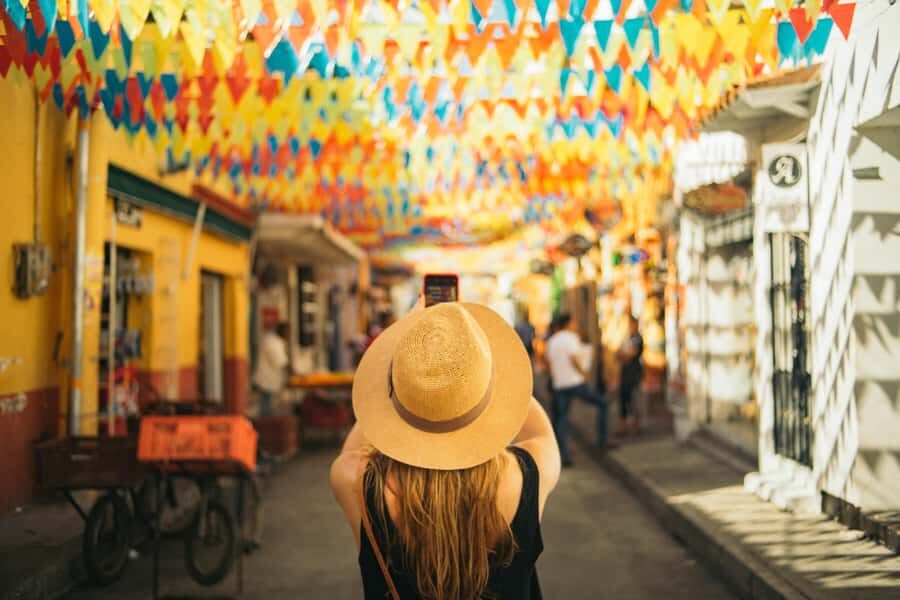
- Plaza de Bolívar to Getsemaní: two different sides of Cartagena in one smooth walk
- Walls and sea-facing fortifications: why they mattered in the 1500s and 1600s
- San Pedro Claver Church area: Spanish Colonial architecture in a focused stop
- Two snack tastings: arepa with egg plus raspao, easy and local
- Private format: you set the pace with a guide who can answer questions in English or Spanish
- Optional San Felipe Castle: only if you choose it with lodging pickup
Plaza de Bolívar sets the tone for the whole afternoon
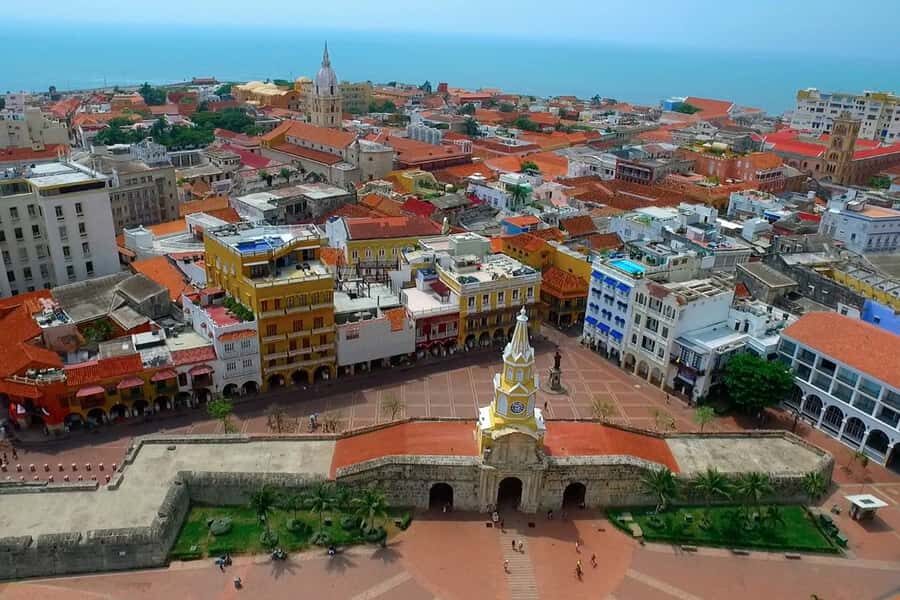
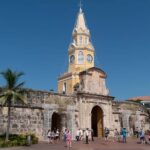
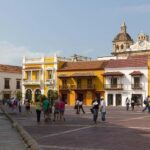
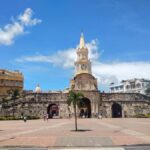
I like how this tour starts where Cartagena’s story gets written in stone. You meet in the Plaza de Bolívar, also known as Peace Square, by the clock tower. It’s a smart opener because it instantly gives you landmarks to orient around—so later, when you’re weaving through narrow lanes, everything still feels connected.
From there, your guide helps you “read” the city. The Walled City isn’t just pretty walls. It’s a system—built to control movement, protect wealth, and defend against enemy troops arriving from the sea. As you walk, you’ll hear the kind of explanations that turn a few stops into a real timeline: the 16th and 17th centuries aren’t a random date range; they’re the reason specific structures were built the way they were.
Two practical notes matter here. First, this is a walking tour with a total 4-hour timeframe, so comfortable shoes are non-negotiable. Second, the itinerary runs rain or shine—so bring sunscreen and water even on cloudy days, and be ready for slick sidewalks if the weather turns.
You can also read our reviews of more city tours in Cartagena
San Pedro Claver Square and Church: colonial detail without the museum feeling
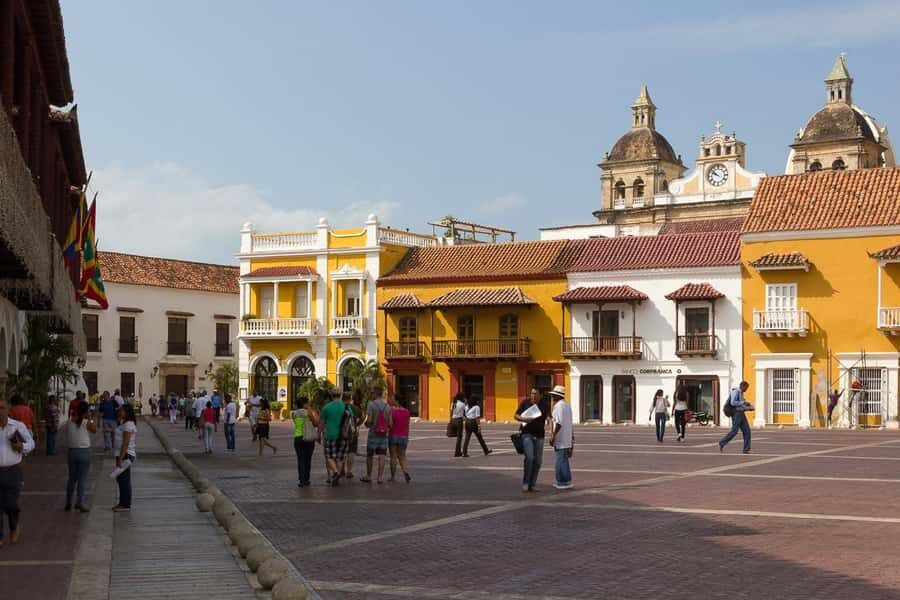
Once you leave the main square, you head toward San Pedro Claver Square, where you’ll spend time absorbing the atmosphere and architecture. This stop works because it’s not only about what you see; it’s about how it fits into the city’s layout. The area gives you a strong sense of Spanish Colonial styling, and your guide helps you notice the details instead of treating the church as just another photo spot.
If you like history explained in plain language, this is usually where the tour clicks. Guides such as Fabian are specifically praised for storytelling that connects the past with daily life nearby, so the church and square don’t feel isolated. They become part of why people lived, worked, and prayed in the old center.
There’s also a subtle benefit: you’re not rushing through. The pacing is suited to a private format, which means you can ask follow-up questions and still keep moving. Just know that this part is outdoors and walking-based, so if you’re someone who prefers long sit-down breaks, you’ll want to plan for fewer rests than a bus tour would offer.
Cartagena’s sea walls and bastions: understanding defense in the 16th–17th centuries
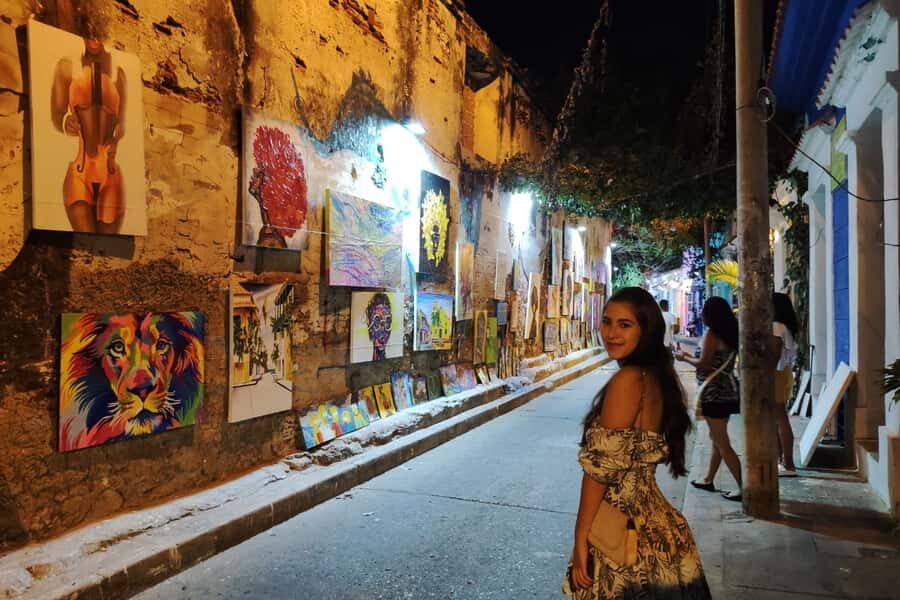
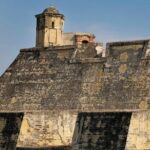
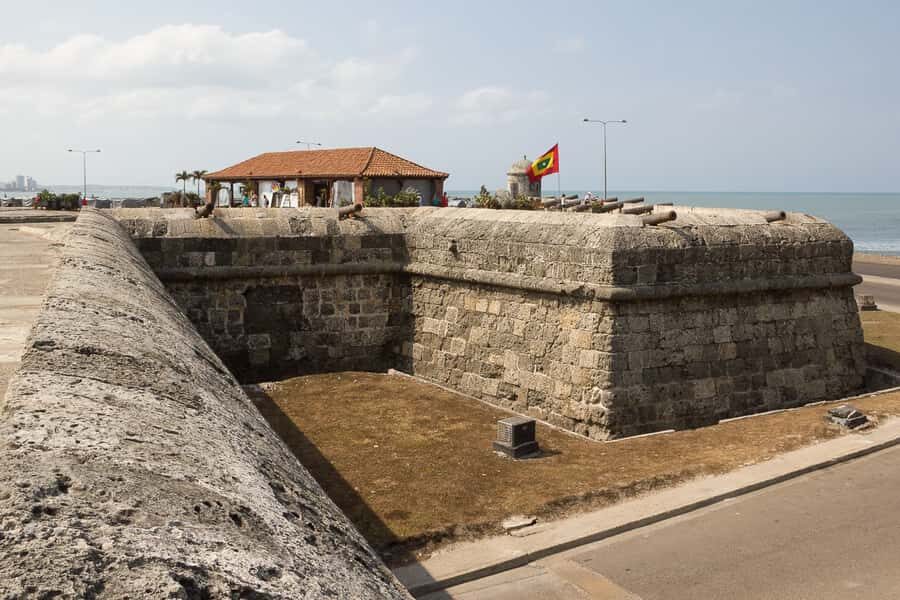
This tour’s big “wow” is the fortress logic. You’ll see the historic walls and bastions that border the sea, and your guide explains why these fortifications mattered during the 16th and 17th centuries—especially when enemy troops posed a real threat. The key is how it’s explained: not as vague “they were strong,” but as a functioning defensive system built for a particular kind of risk.
This is the part where you’ll likely start noticing how the city was engineered. Why certain angles matter. Why locations near the water were so important. How walls and bastions shaped travel, safety, and control. It’s the kind of learning that sticks because it’s tied to what you’re standing next to.
I also appreciate how the tour gives context without turning into a lecture. You walk, you look, you listen, and then you keep moving. If you’re worried that a historical wall tour will feel repetitive, this one avoids that by building from the main square area into the fortification story with clear links.
One more practical detail: weather can affect the pace. In one rainy experience, Carlos was praised for avoiding flooded streets, which matters a lot in Cartagena when downpours change the ground reality. So if it rains, expect your route to adjust and be grateful for it.
Colonial lanes and heritage houses: walking through Cartagena like a local
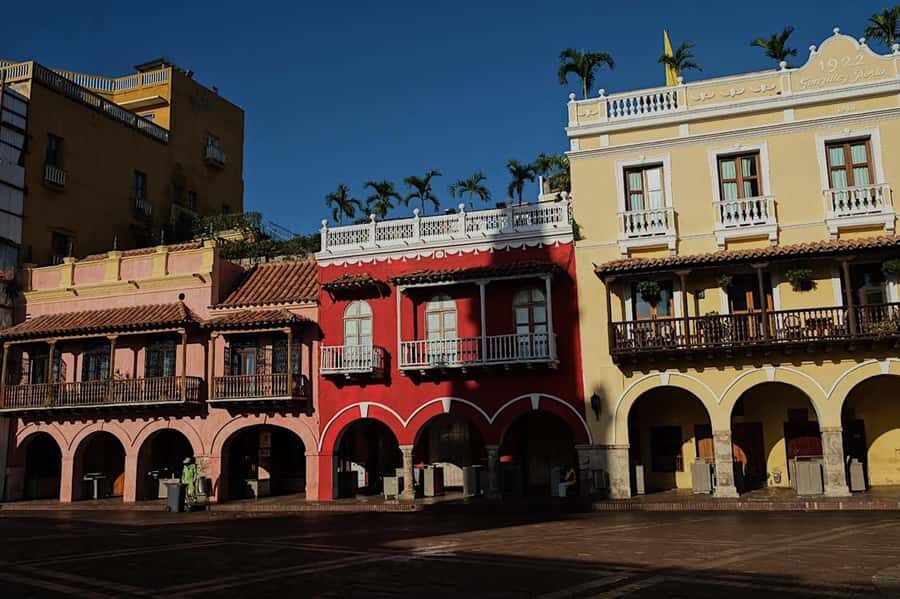
After the fortification-focused areas, the tour shifts into the softer side of Cartagena: narrow streets and colonial heritage houses. This is where you get to slow down just enough to notice textures and proportions—the kind of things that make Cartagena feel like a film set until you realize it’s real and lived in.
The best part here is that you’re not just sightseeing. You’re learning how the old city is put together spatially. Your guide helps you connect the streets you’re walking with the landmark stops you already saw, so you’re less likely to feel turned around.
This is also a good moment to ask practical questions. If you’re interested in where to return later for coffee, snacks, or a quick look at side streets, guides in this program are known for pointing out good spots for after the tour. Jhon Serrato, for example, is highlighted for answering questions and tailoring stops to what you care about—history, landmarks, and even food interests.
The drawback is simple: the sidewalks are uneven and the streets can be hot or wet. You’ll get a better experience if you:
- wear shoes with grip
- take your water seriously
- keep an eye on the ground in rain
Snack tasting in Getsemaní: two local bites, zero confusion
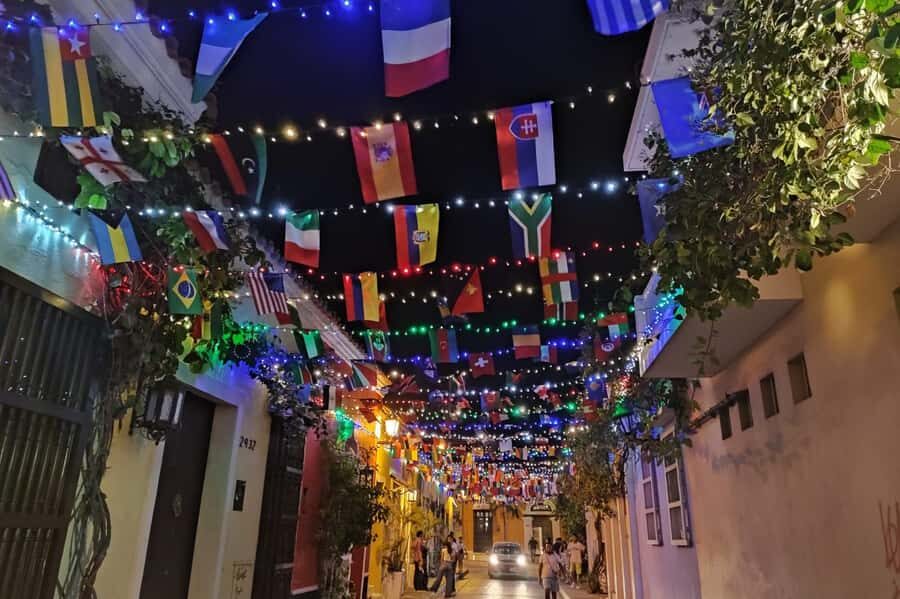
Food is built into the route in a way that feels casual and Caribbean Colombian. You’ll have the chance to try two traditional snacks:
- Arepa with egg (a fried corn-based tortilla with an egg inside)
- Raspao (shaved ice in a cup with fruity syrup)
This is a smart inclusion for a few reasons. First, you’re tasting local flavors without getting stuck in a sit-down meal during limited tour time. Second, the snacks are easy to understand and share, which keeps the tour moving while still giving you something genuinely local.
I also like that the tasting supports the tour’s bigger theme. The day starts in defensive architecture, then moves through colonial life, and then you hit the food and neighborhood rhythm in Getsemaní. By the time you try raspao, you’re switching modes from “historic Cartagena” to “today in Cartagena,” and the contrast makes the city feel bigger than any single viewpoint.
If you have dietary restrictions, the tour data here doesn’t list alternatives, so it’s worth checking directly with the provider ahead of time. But for most people, these two bites are a low-stress way to sample Caribbean street food.
You can also read our reviews of more private tours in Cartagena

Getsemaní: street culture after you’ve seen the walls
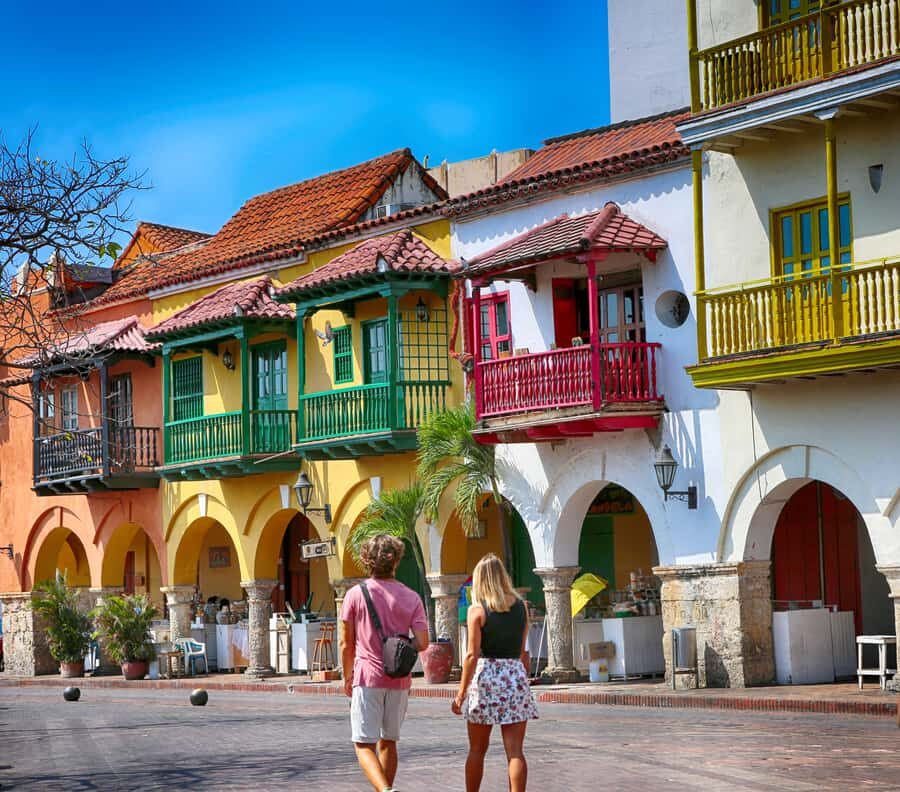
Then comes the neighborhood shift that makes this tour feel complete. You’ll move into Getsemaní, where you’ll catch up with modern-day culture through walking and guided context. This part is about everyday life—how people use the streets, how the neighborhood feels, and how local identity shows up beyond postcards.
One reason I think Getsemaní works so well on this schedule is sequencing. After seeing fortifications and colonial landmarks, you’re ready to understand what all that old infrastructure eventually supported: communities that kept growing and changing. Guides such as Fabian are praised for connecting past and present through stories about local culture and street art, so the neighborhood doesn’t feel like an afterthought.
You’ll also notice the pace changes. Instead of being boxed into landmark stops, you’re walking through areas where you can feel how locals live day to day. In a private format, you can slow down if you want more photos, or keep moving if you’d rather focus on conversation and recommendations.
And again, weather matters. Rain can change what streets look like and how comfortable it is to keep walking, but the private guide approach helps. In rainy conditions, Carlos was noted for steering around flooded streets and arranging convenient return to near your hotel. That’s not just comfort; it keeps your afternoon from turning into a logistical headache.
Price and value at $69 per person: what you’re buying
At $69 per person for a 4-hour private tour, you’re paying for four main things:
- Hotel pickup and drop-off, plus a guided route that gets you around efficiently
- A live tour guide in English or Spanish
- Entrance coverage included for San Felipe Castle only if chosen
- Food tastings (two snacks)
The value logic is pretty solid. If you did this alone, you’d likely spend time figuring out routes, paying for transportation between areas, and piecing together a food plan. Here, the tour bundles the essentials into a single afternoon: you get the historical “why,” the walkable sights, and the quick local bites that make it feel real.
The private element is also part of the value. People specifically praise how guides tailor the tour, answer questions, and keep the group feeling safe and guided. For example, Andreas/Pipe is noted for adapting to interests, and Jhon is praised for both storytelling and practical safety awareness—like helping you avoid scams and theft later.
One more value note: there’s more than one schedule option depending on where you’re picked up. If you want San Felipe Castle, there’s a longer option that includes it, and it’s only available with lodging pickup (not cruise terminal pickup). So the $69 price is best understood as the base private walk-and-tasting experience; add-ons depend on your choice.
Logistics that matter: pickup, pace, and what to bring
Here’s the stuff that will make or break your experience more than you’d think.
Pickup and meeting
- Pickup is included from Cartagena lodging, and also from points of interest like the cruise terminal.
- You should be ready about 10 minutes before pickup so you don’t miss your window.
Duration and pacing
- The standard tour runs about 4 hours.
- If you choose the San Felipe Castle option, it’s 5 hours instead.
What to bring
- Comfortable shoes (seriously)
- Camera
- Sunscreen
- Water
- Weather-appropriate clothing
Weather
The tour runs rain or shine. Cartagena weather can change fast, and rain can make streets slick or flooded. The good news: the private guide approach means routes can be adjusted, and that’s one reason people call out guides for handling rainy days well.
Also, remember: lunch is not included. The two snack tastings are great, but they’re not a full meal plan. If you’ll get hungry, consider eating before the tour or planning a meal right after.
Guides and storytelling: why the tour feels personal
A private walking tour lives or dies by the guide. This one has the advantage of being led by different guides who are praised for different strengths.
- Jhon Serrato is praised for friendliness and being an excellent guide.
- Carlos stands out for knowledge plus handling rainy conditions, including avoiding flooded streets.
- Fabian is described as a storyteller who connects the past to Getsemaní’s everyday culture without making it feel like a boring lecture.
- Andreas/Pipe is noted for tailoring the tour to interests and requests.
Even when guides differ, a theme shows up: you’re not just walking from point to point. You’re getting context, answers, and direction on where to go next.
If you like the idea of asking questions and getting straight answers, this format makes that easy. And if you’d rather keep things relaxed, private pacing lets you do that too.
Should you book this Cartagena Walled City and Getsemaní tour?
I’d book it if you want a focused walking experience that covers both major moods of Cartagena: fortified old streets and the modern neighborhood energy of Getsemaní. The fortifications plus snack tasting plus neighborhood walk is a strong combination for first-timers who don’t want to spend hours planning.
Skip it or choose a different option if:
- you really dislike walking in heat or wet conditions
- you need a full meal included (lunch isn’t provided)
- you want San Felipe Castle but you’re starting from the cruise terminal (that castle option depends on the pickup source)
If you’re flexible, wear good shoes, bring water, and choose the option that matches your pickup plan, this tour looks like a solid use of a half-day in Cartagena.
FAQ
How long is the Cartagena Walled City & Getsemani private tour?
It’s 4 hours. There’s also a 5-hour option if you choose San Felipe Castle.
Where does the tour start?
The tour starts in Cartagena at Plaza de Bolívar, also called Peace Square, by the clock tower.
Is pickup and drop-off included?
Yes. Pickup and drop-off are included from Cartagena hotels, hostels, Airbnbs, vacation rentals, or points of interest.
Is lunch included?
No. Lunch isn’t included.
What food do you taste during the tour?
You’ll have food tastings of two Caribbean Colombian snacks: arepa with egg and raspao.
Is the tour private?
Yes. It’s a private group tour.
What languages are the guides?
The live guide speaks Spanish and English.
Does the tour run in bad weather?
Yes. It takes place rain or shine.