REVIEW · MEDELLIN
Medellín: Comuna 13 Tour with Spray Painting and ice cream
Book on Viator →Operated by Medellin Memories Tours · Bookable on Viator
Street art here means more than decoration. This Comuna 13 tour pairs murals and history with a hands-on graffiti moment and a fun local treat, all in about three hours. It’s a focused way to understand how this Medellín neighborhood shifted from fear to creativity.
I especially like the storytelling guides bring to each wall, alley, and viewpoint, turning “pretty street art” into real context about survival and change. I also like the practical fun built into the route: you’ll ride the electric escalators, then get a sweet ice-cream/popsicle stop that keeps the energy up.
One consideration: the walk includes steep inclines and steps, so it’s not recommended for people with mobile disabilities or anyone who struggles with frequent uphill sections.
In This Review
- Key Points to Know Before You Go
- Why Comuna 13 Street Art Hits Different
- Meeting Point and the Simple Logistics That Matter
- Stop 1 at Cra. 109 #38a-11: Murals, Alleys, Music, and a Viewpoint That Changes Everything
- The spray-painting / graffiti moment
- Stop 2: The Electric Escalators of Comuna 13 (South America’s Famous Stairs)
- Ice Cream and Sweet Stops: The Taste of a Day Well-Timed
- What the Guides Do Well (It’s Not Just the Route)
- Pace and Terrain: The Part You Should Plan Around
- Price and Value: Why $12 Makes Sense Here
- Who Should Book This Tour
- Should You Book This Comuna 13 Spray-Painting and Ice Cream Tour?
- FAQ
- How long is the Medellín Comuna 13 tour?
- Where does the tour start?
- Where does the tour stop 1 take place?
- How long do you spend at the electric escalators?
- Is the admission ticket required for these stops?
- Is the tour a large group or small group?
- Can service animals join the tour?
- Is this tour suitable for people with mobility issues?
- How far in advance should I book?
- What is the cancellation policy?
Key Points to Know Before You Go

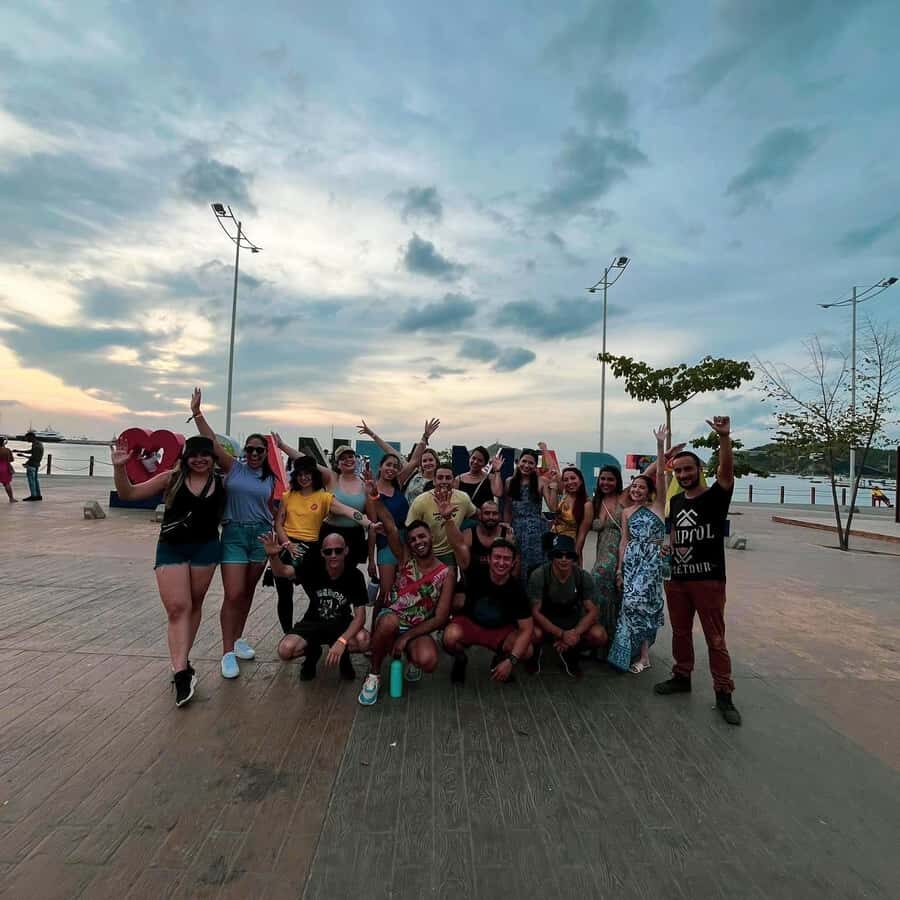
- Small group size (max 15) helps you get answers and time for photos.
- Two major sights in one route: mural walk plus the electric escalators.
- Hands-on graffiti moment at a viewpoint is part of the experience, not just observation.
- Local guides with strong English and Spanish support are a common highlight.
- Ice cream/popsicle stop gives you a tasty break mid-tour.
- Admission is free for the main stops you visit.
Why Comuna 13 Street Art Hits Different
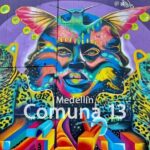
Comuna 13 is one of those places where you quickly realize the art isn’t just decoration. The murals, graffiti, music, and street performances are tied to how people rebuilt life after violence—so every corner has meaning.
I love that the tour doesn’t feel like a “look, photos, done” loop. Instead, you get explanations that help you read what you’re seeing: who made it, why it’s there, and what changed in the neighborhood. With guides like Diego, Ari, Greys, Enrique, Majo, and Chispa leading groups, you’re likely to hear stories that connect art to daily life—plus enough time to actually take in the details.
This tour also has a clear rhythm. You’ll walk, stop, learn, walk again. It keeps momentum without trying to cram everything into too little time.
A few more Medellin tours and experiences worth a look

Meeting Point and the Simple Logistics That Matter

You’ll start at Cra. 108 #38-12, Veinte De Julio, Medellín (San Javier), and the tour returns you to the same place. Expect a small group capped at 15 people, which is a big deal here. It means fewer delays, easier conversation, and a better chance your guide can keep track of pace and questions.
The meeting area is near public transportation, which makes the day easier if you’re bouncing around Medellín neighborhoods. Also note this tour works for most people, but if you have mobility limitations, the steep routes can be a real issue.
Stop 1 at Cra. 109 #38a-11: Murals, Alleys, Music, and a Viewpoint That Changes Everything
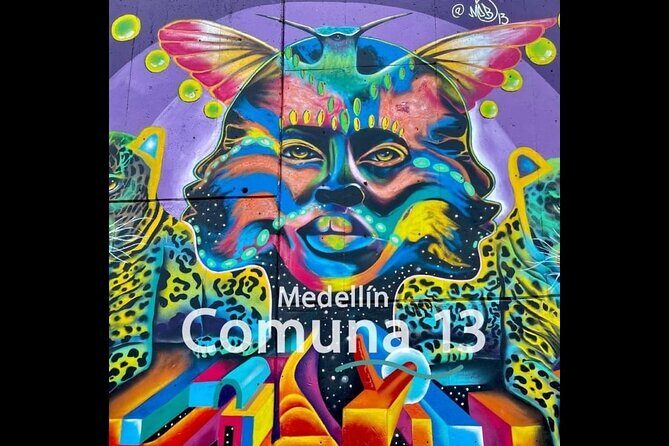
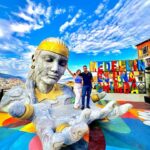
Stop 1 is where the neighborhood’s transformation becomes your main storyline. The tour focuses on street art—murals and graffiti—but you’ll also see street-level life through performances, colors, and carefully chosen viewpoints.
What makes this stop special is how the guide frames it. You’re not just walking past painted walls; you’re being taught how to read them. Guides explain the shift from a past shaped by violence to the present where the area is used as a cultural space. You’ll hear the idea that each wall has a story, and each alley holds some “hidden” chapter of what happened before the murals appeared.
You’ll also visit local art galleries along the way. That matters because it adds context: street art here connects to community creativity, not just street-level decoration. It helps you understand how people use art to reclaim identity.
A standout moment built into this stop is the performance element. Many guides include music and dance, and you may see rap or break-dance style performances during the walk. It’s one of the reasons this tour doesn’t feel like a lecture—it feels like you’re in the neighborhood’s creative energy, not outside it.
The spray-painting / graffiti moment
Near the end of Stop 1, you reach a viewpoint and get the chance to leave your own mark in the form of graffiti. This is the hands-on part that matches the tour’s name.
Here’s why I think it works so well for most people: you’re given a structured moment to participate, and it connects directly to what you just learned. You’re not drawing randomly—you’re marking the place with the same spirit as the walls around you, which turns learning into a real memory.
Practical note: go in with a mindset of doing a small piece rather than “producing art.” The value is in the experience and the connection to the theme of resilience.
Stop 2: The Electric Escalators of Comuna 13 (South America’s Famous Stairs)
Stop 2 is the Escaleras Eléctricas de la Comuna 13—the electric escalators. This is a big deal for two reasons.
First, they’re famous for being the only public escalators in South America. You’ll see a section of Medellín’s innovation in a neighborhood context, not an airport-style attraction. Second, the guide uses the escalators to tell you about construction history—how the stairs changed movement through a steep area.
The escalators are also a visual show. You’ll pass through colorful areas and get a sense of why people talk about this neighborhood’s “movement” when they explain its change. It’s not just about architecture; it’s about access. In areas with difficult terrain, transportation isn’t a small detail—it affects daily life.
The tour keeps this stop at about one hour, which is a smart length: long enough to get context and take photos, but not so long that you feel stuck in one spot.




Ice Cream and Sweet Stops: The Taste of a Day Well-Timed
If you’re expecting a tour that’s all grit and no fun, this is a pleasant surprise. The experience includes an ice-cream or popsicle stop, and that sweet moment acts like a reset button after uphill walking.
In past tours, guides have brought people to a Medellín specialty popsicle, and some routes include additional snacks or coffee stops. One hint that came up: look out for a candy coconut treat around the halfway point where there are lots of bikes parked. Even if that exact stop varies by guide and day, it’s a good sign of the kind of food detours guides like Diego add to keep the tour grounded in local life.
I like that the sweet stop isn’t just random. It makes the tour feel human-scale. You’re taking in history, then you’re also eating something local at the right moment—so you leave with both stories and taste memories.
What the Guides Do Well (It’s Not Just the Route)

The tour’s success depends heavily on the guide, and the names that stand out—Diego, Ari, Greys, Enrique, Majo, and Chispa—show a pattern: these guides focus on clarity, timing, and respect for the neighborhood.
A few recurring strengths:
- You’ll get enough time at each stop to explore and take photos.
- Guides often explain the history behind what you’re seeing, including the changes from the past to today.
- English support can be strong, with guides repeating information if needed.
- Some guides are also patient if you want to practice Spanish, which can make the experience feel more personal.
This matters because Comuna 13 can be easy to misunderstand if you only “consume the murals.” With good guiding, you’ll leave with a better sense of what people built, what they overcame, and why the art keeps growing.
Pace and Terrain: The Part You Should Plan Around
This is where you should be honest with yourself. The route includes steps, steep inclines, and declines. One common concern is fall risk and overexertion, especially for older adults or anyone who doesn’t handle uneven terrain well.
That’s also why the tour is not recommended for travelers with mobile disabilities. It isn’t a “cautionary fine print” issue—it’s a practical reality of how the area is built and how the route is paced.
If you’re comfortable with walking hills and stairs, you’ll probably find the pacing manageable because it stays close to the 3-hour total. If you’re not, consider an alternative that’s flatter or less stop-and-go.
Price and Value: Why $12 Makes Sense Here
The price is $12 per person for about three hours, and the main stops have free admission. For many people, this is one of the best bargains you’ll find in Medellín for a guided, context-heavy experience.
What makes it good value isn’t only the low cost. It’s that you’re getting:
- a guided mural and art-graffiti narrative,
- the famous electric escalators stop,
- a hands-on graffiti moment,
- and an ice cream/popsicle treat.
In other words, you’re paying for time, local knowledge, and a route that feels intentional—not just transport from point A to point B. With a maximum of 15 travelers, the small-group format also boosts value: you’re more likely to have real interaction rather than passive listening.
If you want one activity that helps you understand Medellín beyond the usual city highlights, this is a smart buy.
Who Should Book This Tour
You’ll probably love this if you:
- want street art with real context,
- enjoy walking with a guide who explains meaning, not just locations,
- like cultural experiences with music, dance, and local energy,
- are comfortable with hilly terrain and stairs.
You might want to think twice if you:
- use mobility aids or need a more accessible route,
- have trouble with steep inclines and uneven steps,
- prefer fully seated attractions or minimal walking.
This tour is also a great choice for couples, friends, and families who want a shared “story walk” with a fun finale and a sweet stop.
Should You Book This Comuna 13 Spray-Painting and Ice Cream Tour?
If your goal is to understand Comuna 13 through art, movement, and personal participation, I’d book it. The combination of mural storytelling, electric escalators, and the chance to leave your own mark turns a simple sightseeing trip into something more memorable.
Just match the tour to your body. If stairs and steep terrain are no problem for you, the format works well. If mobility is a challenge, skip it and look for a different option in Medellín that’s easier on your legs.
Given the strong 5/5 rating and the consistently positive feedback around guides and the overall experience, this is one of those “small cost, big meaning” tours.
FAQ
How long is the Medellín Comuna 13 tour?
It’s about 3 hours total.
Where does the tour start?
You meet at Cra. 108 #38-12, Veinte De Julio, Medellín, San Javier, Antioquia, Colombia.
Where does the tour stop 1 take place?
Stop 1 is at Cra. 109 #38a-11.
How long do you spend at the electric escalators?
Stop 2 is about 1 hour at the Escaleras Eléctricas de la Comuna 13.
Is the admission ticket required for these stops?
Admission tickets are listed as free for both the main stops.
Is the tour a large group or small group?
It has a maximum of 15 travelers.
Can service animals join the tour?
Yes, service animals are allowed.
Is this tour suitable for people with mobility issues?
It is not recommended for travelers with mobile disabilities.
How far in advance should I book?
On average, this tour is booked about 24 days in advance.
What is the cancellation policy?
You can cancel for a full refund if you do it at least 24 hours in advance of the start time. Cancellation less than 24 hours before the start time isn’t refundable.