REVIEW · SALENTO COLOMBIA
Coffee Tour Salento-Ocaso Farm- English Tour
Book on GetYourGuide →Operated by FINCA EL OCASO SALENTO · Bookable on GetYourGuide
Coffee on a working farm beats coffee on a brochure. At Finca El Ocaso in Tolima, you’ll follow Colombian coffee from early growth to processing and roasting, with a hands-on feel that’s more practical than a classroom lecture. I love the traditional farm setup and how the guide connects the why behind each step, from composting to extraction. I also like that you don’t just watch—you get to harvest and do farm tasks like the people who work these rows every day. One thing to consider: transportation is not included, and the final stretch from Salento is a rougher road.
This is a focused 1.5-hour English tour that’s built for learning, not rushing. Guides such as Nicolas or Johnathan are often praised for strong English and for making the experience lively, even when they talk a bit fast. If you’re the type who likes long tastings or a full meal, plan for that gap—food and drinks aren’t included.
In This Review
- Key Points You’ll Actually Care About
- Entering Finca El Ocaso: A Traditional Farm Tour Near Salento
- What You Learn in 1.5 Hours: From Coffee Varieties to Quality Extraction
- Walking the Plantations: Harvesting, Sowing, Composting, and Fertilization
- Inside the Processing: Hopper, Pulper, Drying, Storage, and Marketing
- Roasting Types and Extraction Basics: How You Connect Farm to Cup
- The Traditional Cloth Strainer Brew: A Simple Finale That Teaches
- Coffee House Value and the Real Meaning of Traditional Here
- Price and Logistics: What Makes This Deal Work or Not
- Getting to the Farm: Willys Jeep Options From Salento
- Who Should Book This Coffee Tour?
- Should You Book This English Coffee Tour at Finca El Ocaso?
- FAQ
- How long is the coffee tour at Coffee Tour Salento-Ocaso Farm?
- Is transportation included in the ticket price?
- What language is the tour guide?
- Is food or drinks included?
- What should I bring?
- Is alcohol allowed during the tour?
Key Points You’ll Actually Care About
- Hands-on harvesting and sowing rather than a purely visual walk-through
- Processing plant visit covering hopper, pulper, mechanical drying, and traditional drying
- Sustainability with real stations like composting and crop fertilization, plus fauna and flora discussion
- Roasting and extraction basics tied to how quality shows up in your cup
- Traditional cloth strainer preparation using a pot, for a grounded, tactile ending
Entering Finca El Ocaso: A Traditional Farm Tour Near Salento
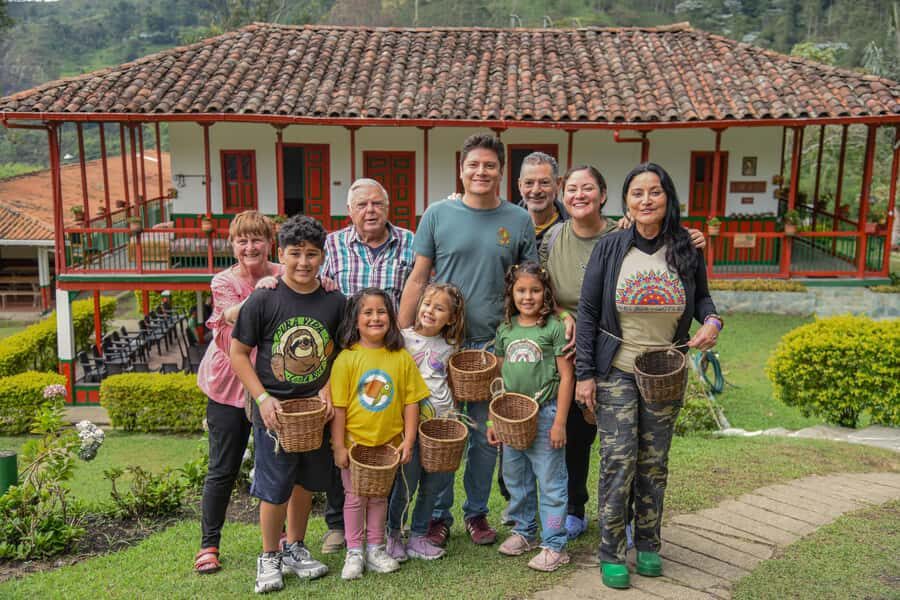
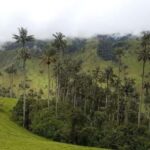
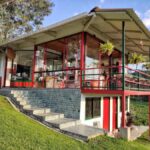
This coffee tour starts right on the farm, not at some distant viewpoint. You’ll spend your time at Finca El Ocaso in Salento-area countryside, where the operation is set up for learning—paths through plantations, and clear stops for the process. For $14 per person and about 1.5 hours, it’s a tight format: you’ll cover the full chain without needing a half-day to do it.
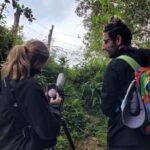
I like that it’s an English tour led by a live guide, so questions don’t have to wait. You can also expect a mix of history and hands-on work: coffee history, predominant species, planting and growth, plus farm activities that make the whole thing feel real.
The farm setting also matters because coffee isn’t just coffee beans. You’re looking at a living system—trees, soil choices, drying methods, and decisions that affect flavor later. And since the tour is built around sustainability certifications and explanations, it isn’t only about flavor; it’s about responsible production.
A few more Salento Colombia tours and experiences worth a look
What You Learn in 1.5 Hours: From Coffee Varieties to Quality Extraction
The tour is structured around the life of coffee. You’ll start with foundational context: the history of coffee and the predominant species you’re likely to see in Colombian production. Then the guide brings it forward to planting and growth, so you understand what you’re looking at when you walk the gardens and plantations.
From there, you move into the practical parts that actually determine quality:
- how harvesting works (and what matters about it),
- how and why sowing and ongoing care continue the cycle,
- and how composting and fertilization support the trees.
Later, the tour shifts from the farm to the factory side. You’ll hear how the processing steps connect to quality—especially drying and storage—then you’ll learn roasting types and why they matter for the cup. The tour doesn’t stop at roasting theory; it also covers the bases for correct coffee extraction, so you leave with a better sense of what changes flavor when you brew.
This is a great format for people who love coffee but don’t know where to start. You get a mental map of the whole process fast, and you’ll be able to talk about quality without sounding like you’re quoting a label.
Walking the Plantations: Harvesting, Sowing, Composting, and Fertilization
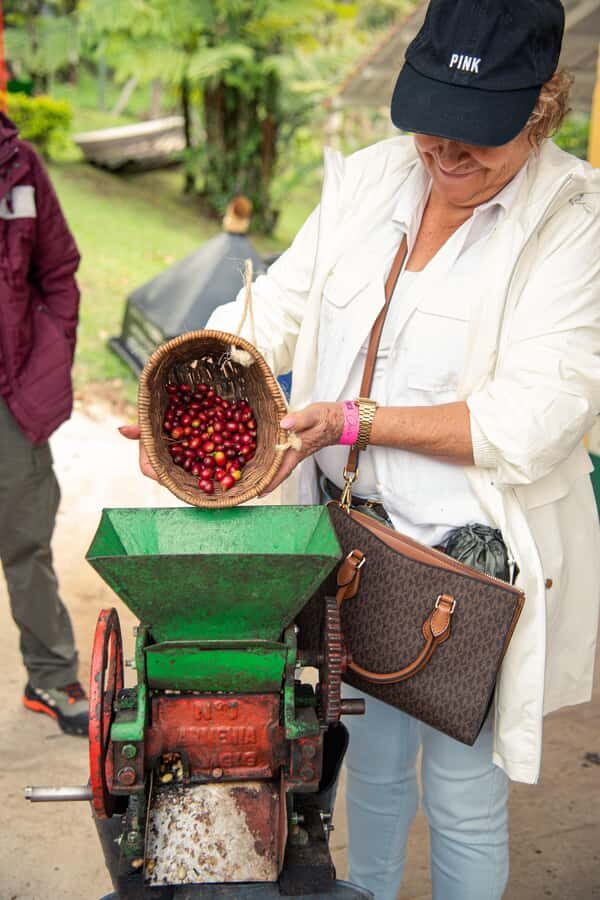
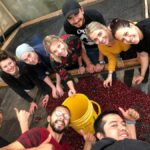
One of the strongest parts of this experience is the farm work element. You’re not just taking photos. The tour is described as allowing you to harvest like an authentic Colombian harvester, plus you’ll take part in sowing activities. That matters because harvesting teaches you timing and care—coffee cherries aren’t treated like a casual crop.
On the way, you’ll tour gardens and coffee plantations, and the guide explains the growth process of the coffee tree. You’ll also hit the farm stations designed to show soil work up close:
- a composting and crop fertilization station,
- and sustainability explanations tied to the farm’s approach.
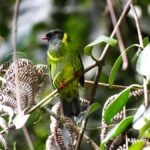
The sustainability piece isn’t only a slogan here. Since the farm has certifications in sustainable production, you can expect the guide to connect the practical steps to the bigger idea—how production choices affect the surrounding ecosystem, including a discussion of fauna and flora you might notice on-site.
If you’re someone who enjoys agriculture or wants to understand coffee as food—grown, processed, and handled with care—this portion is where the tour earns its value. It turns coffee from a product into a process.
Inside the Processing: Hopper, Pulper, Drying, Storage, and Marketing
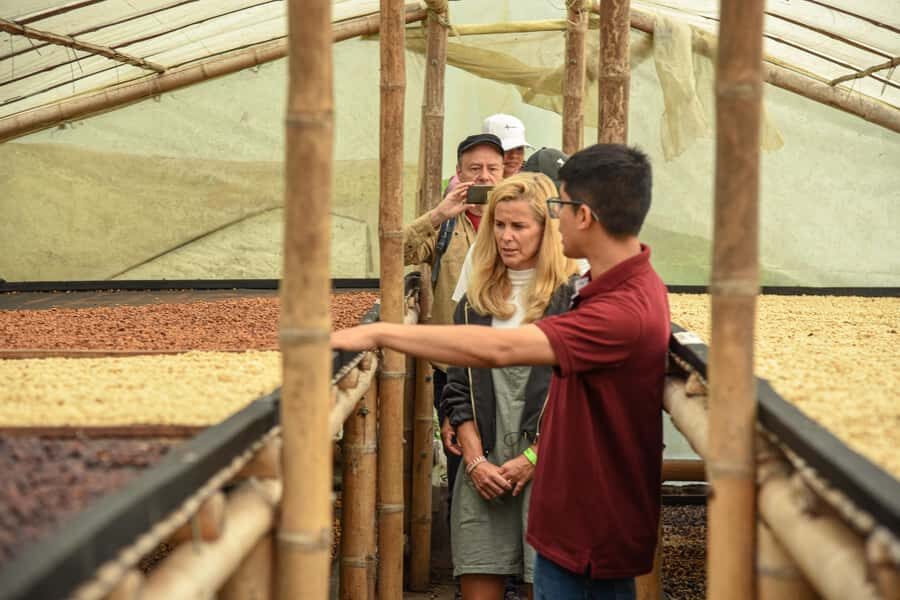
After walking the plantations, the tour moves into the processing plant. This is where a lot of coffee tours get boring. Not this one—at least on paper, it’s very step-by-step.
Here’s what you should expect to learn during the plant visit:
- hopper and pulper, the early processing steps,
- mechanical drying and traditional drying,
- storage warehouse and threshing,
- and how the coffee reaches marketing.
Why these steps are valuable: drying is one of the biggest quality levers, and the difference between mechanical and traditional drying influences the pace, conditions, and final results. The same idea shows up later with storage and handling, where correct timing helps preserve what’s been developed.
You don’t have to be a coffee chemistry person to get it. The tour’s strength is that it stays practical and ties each stage to the end product. If you like knowing why something works, this section gives you a coherent story: what happens to the coffee after harvest, and how it stays on track.
Roasting Types and Extraction Basics: How You Connect Farm to Cup
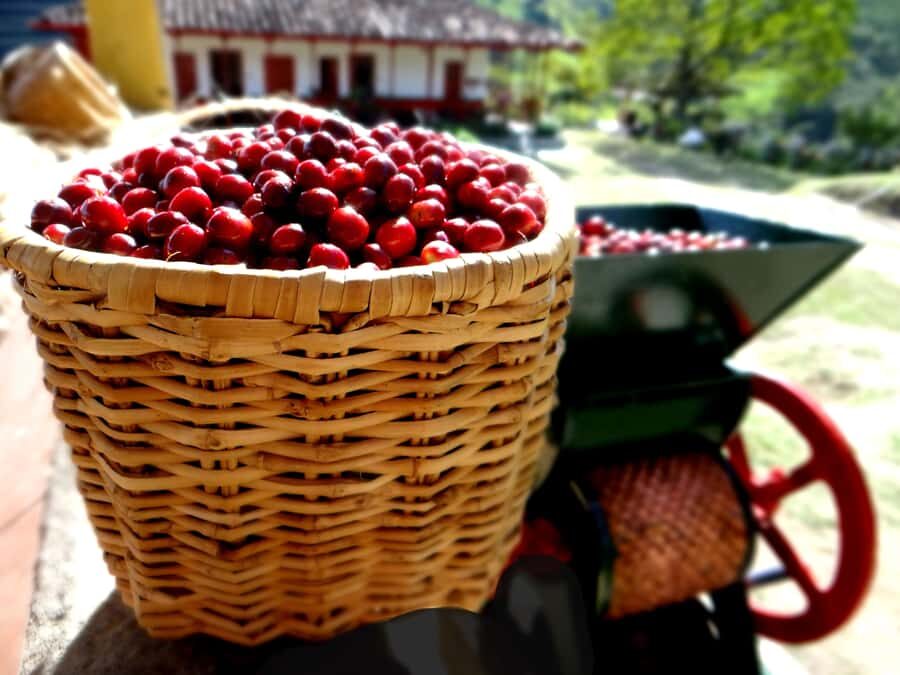
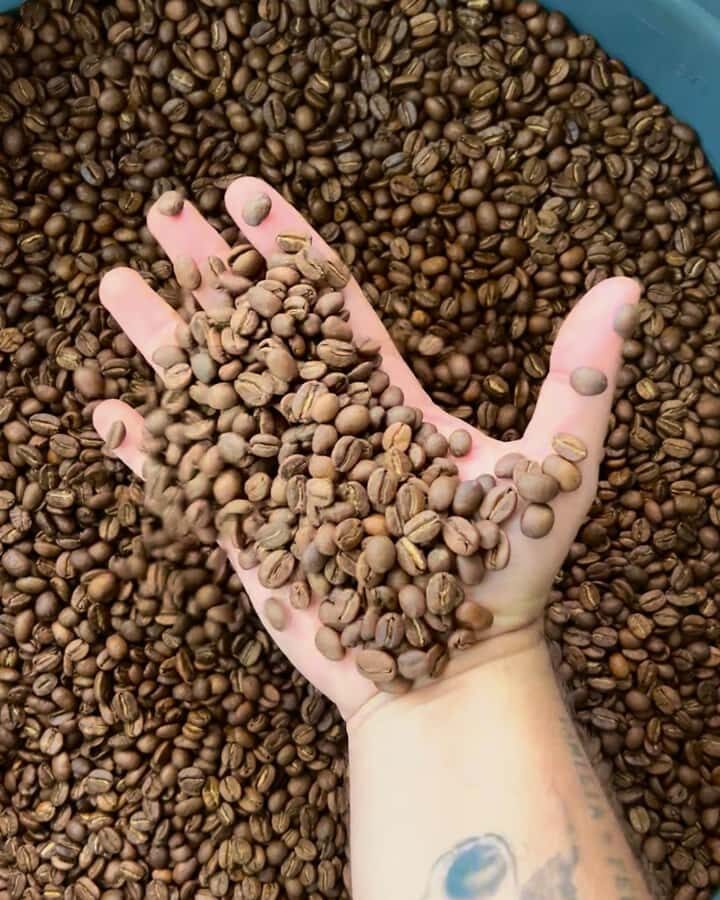
Roasting might be the part people think they already understand. But the tour treats it seriously, explaining types of roasting and why they’re important for coffee quality. The goal is to show how roasting decisions can bring out (or flatten) the flavors created earlier in growing and processing.
Then comes one of the most useful parts for everyday coffee drinkers: the bases for a correct coffee extraction. This is where you shift from farm viewing to brew logic. You’ll get a better grasp of what extraction means in normal terms—why your brew tastes the way it does and why the same coffee won’t perform the same if brewing is off.
This is also a good section for asking questions. If you brew at home and you’ve been frustrated by bitterness or weak flavor, you’ll likely be able to connect your issues to what you learned about processing and roasting.
A few more Salento Colombia tours and experiences worth a look
The Traditional Cloth Strainer Brew: A Simple Finale That Teaches
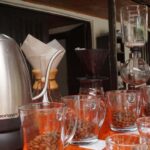
At the end, you’ll see how Colombian coffee is prepared traditionally, using a cloth strainer and pot. The process is described as traditional preparation, which is exactly the kind of hands-on finish that makes a short tour feel complete.
This final step matters because it brings everything together. The trees, the harvest, the drying method, the roasting type—those aren’t abstract once you watch the brew method used for the final cup.
If you prefer learning that leads to action, this is the payoff. You’ll leave with a mental checklist for what to pay attention to next time you choose coffee or adjust how you brew.
And if the farm’s coffee house is open during your visit, it gives you another place to keep the connection going with an extra cup outside the guided format. (Just treat it as a bonus, not a guarantee.)
Coffee House Value and the Real Meaning of Traditional Here
Finca El Ocaso positions itself as a traditional farm and includes sustainability certifications in the story. That blend—old-school methods paired with responsible production—can be hard to find. Here, the tour is designed so you can see where the tradition lives: harvesting and farm stations, traditional drying, and the cloth strainer brewing.
The pricing also feels honest. At $14 for 1.5 hours, you’re paying for access to working areas: plantation walks, processing steps, and a guide who explains everything in English. Since food and drinks aren’t included, the value is really in the experience and knowledge, not in a bundled meal.
One more practical point: the farm experience includes rules—no alcohol and no drugs—which is typical for places that want a safe, family-friendly working environment. It also keeps the tour focused and helps you pay attention to the process.
Price and Logistics: What Makes This Deal Work or Not
Let’s talk straight about the math.
What you get for $14:
- an English-guided visit (live guide),
- tours of gardens and coffee plantations,
- harvest-style activity,
- composting/fertilization station explanations,
- visit to the processing plant (multiple steps),
- roasting and extraction basics,
- and traditional cloth strainer coffee prep.
What you don’t get: transportation, plus no food or drinks.
So this is a strong value if you can handle the travel time and you’re fine planning your own water and snacks. It’s less ideal if you want a hassle-free, all-in-one experience from your hotel door. The experience provider is the farm itself, and you’ll need to handle getting there.
Getting to the Farm: Willys Jeep Options From Salento
Transportation isn’t included in the ticket price, and the farm is about 4 km from Salento. The road is described as tertiary and not completely paved, so expect the last stretch to be bumpier than city streets.
Here’s a helpful practical option: it’s possible to take a Willys Jeep from the square in Salento to reach the farm, but that ride isn’t included. For the return, one practical tip is that getting back to Salento by Jeep can cost around 4,000 pesos per person, and it may be cheaper than taking a taxi.
A normal taxi can work too, but since the farm access is on a rougher road, your driver may choose the route based on comfort and timing. If you’re visiting in wet conditions or you’re sensitive to uneven roads, give yourself some buffer.
Also, keep in mind the basic timing: the tour is 1.5 hours, but the start time depends on availability. That’s not something you should ignore—plan your day so you’re not sprinting to make the session.
Who Should Book This Coffee Tour?
This tour is a great fit if:
- you want a full coffee process overview in a short time window,
- you like hands-on learning like harvesting and sowing,
- you enjoy sustainability and want it tied to farm practices,
- and you like a traditional brewing ending instead of a generic souvenir stop.
It’s also a good choice if English is important to you. The guide is live and the experience is designed for English speakers.
Consider skipping it (or pairing it with something else) if you want:
- a long, sit-down coffee tasting with lots of additional samples,
- a food-focused experience,
- or a tour that handles transport for you end-to-end.
Should You Book This English Coffee Tour at Finca El Ocaso?
I’d book this one if you value practical learning and want to see coffee as a real working system—from the trees to processing. The combination of plantation time, a processing plant visit, roasting context, and the cloth strainer brew is exactly what makes the tour feel worth your attention.
The biggest reason to hesitate is logistics. Since transportation isn’t included and the road is not fully paved, make sure you’re comfortable arranging the ride from Salento and you’re not depending on last-minute changes.
If you show up prepared—bring insect repellent, skip alcohol, and wear shoes that handle farm grounds—this is the kind of tour that makes coffee taste more meaningful afterward. You won’t just know what coffee is; you’ll understand how it gets made.
FAQ
How long is the coffee tour at Coffee Tour Salento-Ocaso Farm?
The tour lasts about 1.5 hours. Check availability to see starting times.
Is transportation included in the ticket price?
No. Transportation is not included, and the farm is about 4 km from Salento.
What language is the tour guide?
The tour includes a guided tour in English with a live guide.
Is food or drinks included?
No. Food and drinks are not included.
What should I bring?
Bring insect repellent.
Is alcohol allowed during the tour?
No. Alcohol and drugs are not allowed.