REVIEW · SALENTO COLOMBIA
Coffee Tour at Finca El Ocaso Salento: Traditional Spanish Farm
Book on GetYourGuide →Operated by FINCA EL OCASO SALENTO · Bookable on GetYourGuide
Coffee starts long before the first sip. This Finca El Ocaso tour in rural Salento shows you coffee as a working farm, not a slideshow, from trees and compost to the mill steps that shape flavor. I really like how the visit keeps a plant-to-cup thread, so you leave understanding why each stage matters.
You’ll also get a human, Spanish-guided experience that feels both professional and relaxed. In one recent group, the guide named Nicolás brought plenty of energy and made the process fun to follow. One catch: you’re responsible for getting to the farm on your own, and the road isn’t fully paved, plus the tour doesn’t include food.
In This Review
- Quick hits before you go
- Coffee in Salento’s countryside: what this 90-minute farm tour feels like
- Getting to the farm: roads, Willys Jeeps, and rain reality
- The farm starts the story: coffee history, species, and how trees grow
- Composting and crop fertilization: why soil work shows up in your cup
- Harvesting and sowing: the rhythm behind a coffee harvest
- Mill tour time: hopper, pulper, mechanical drying, and traditional drying
- Storage, threshing, and commercialization: from processed coffee to market
- Roasting types and why they affect quality
- Traditional brew with a cloth strainer and pot
- Price and value: is $19 worth it?
- Who should book this tour (and who might skip it)
- Should you book Finca El Ocaso’s coffee tour?
- FAQ
- FAQ
- How long is the Coffee Tour at Finca El Ocaso Salento?
- What is the price per person?
- Where do I need to meet for the tour?
- Is transportation included in the ticket price?
- What language is the live tour guide?
- What does the tour include?
- What is not included?
- What should I bring to the farm?
- What happens if it rains?
- Are alcohol or drugs allowed during the tour?
Quick hits before you go
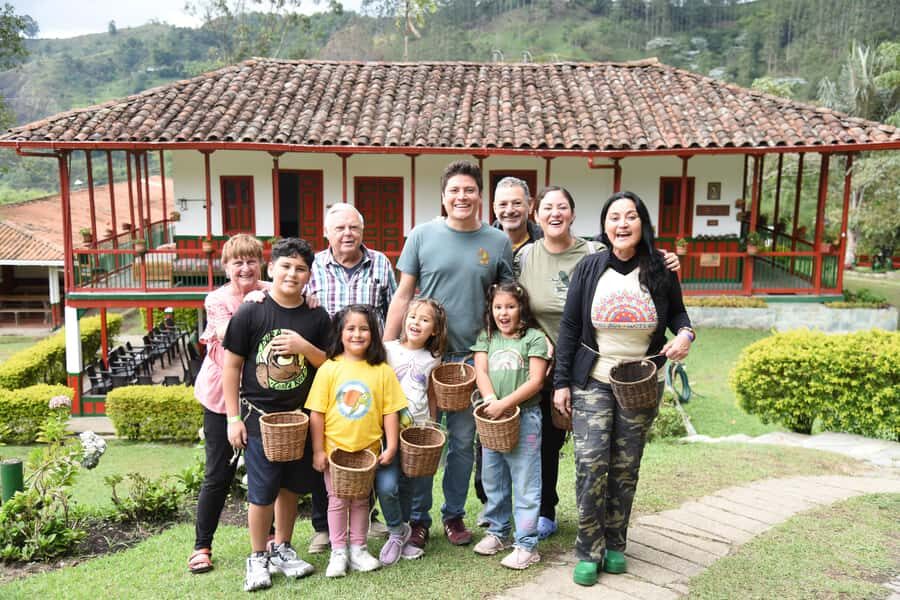
- Sustainability certified: the farm explains sustainable production and how it connects to the coffee you taste.
- Farm work you can see: gardens and plantations, including harvesting and sowing.
- Compost and fertilization station: you’ll see how they feed the soil, not just the plants.
- Mill walkthrough: hopper, pulper, mechanical drying, plus traditional drying.
- Roast, brew, taste: types of roasting, then a cloth strainer and pot brew with a tasting.
Coffee in Salento’s countryside: what this 90-minute farm tour feels like
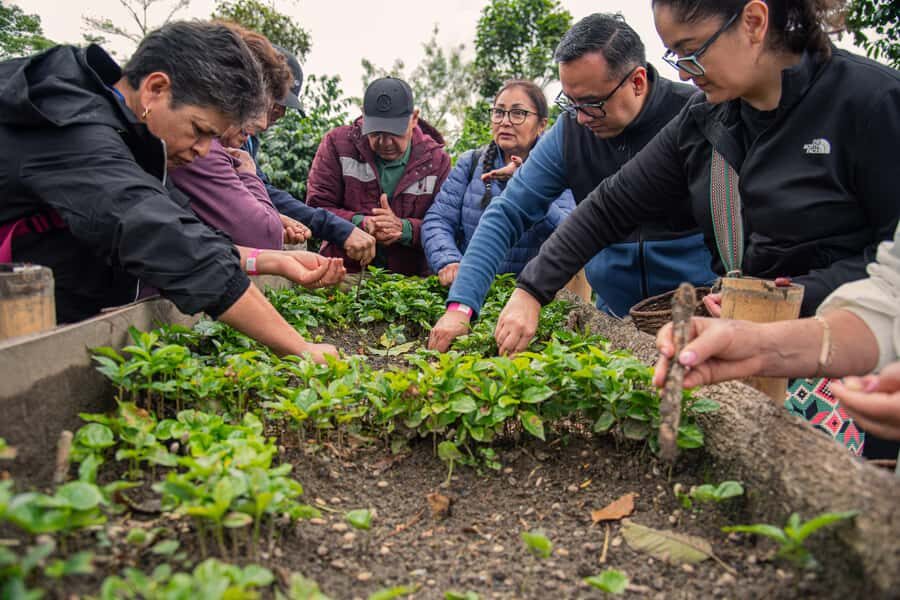
This is a straight-up coffee-process tour, done at Finca El Ocaso Salento in the rural area of Salento, Colombia (Tolima). The vibe is practical and hands-on. You’re there for ninety minutes, so you won’t get bored with empty talk, and you also won’t feel rushed through the whole chain from farm to cup.
What I like best is the way the tour builds your coffee sense in order. You start with coffee basics—history, the predominant species, and how coffee trees are planted and grow. Then you move outward to real farm tasks: harvesting and sowing, and what happens when they manage soil and nutrients. By the time you reach the mill, you already understand what you’re looking at.
If you’re a true coffee lover, you’ll likely enjoy how much attention they give to the steps that many tours skip. This one isn’t just about tasting. It’s about seeing why the tasting part makes sense.
A few more Salento Colombia tours and experiences worth a look
Getting to the farm: roads, Willys Jeeps, and rain reality
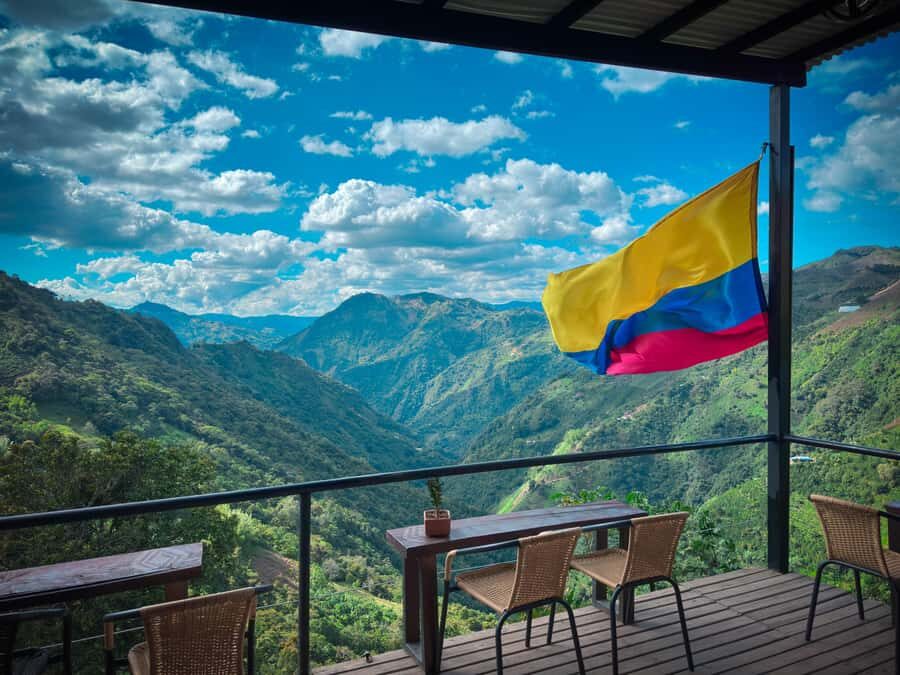
Your ticket doesn’t include transportation. You must arrive directly to the farm. That means you need a plan before you go—especially because the farm sits in the countryside and the road isn’t completely paved. If you’re driving, it’s not recommended to come in low cars.
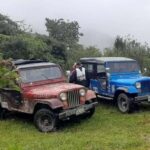
The good news: you can reach the area using public transport. Willys Jeeps leave every hour from 8:30 am to 4:30 pm, and you can also return to Salento in a Willys from the farm. The value of that transport isn’t included in your ticket, so budget for it.
Rain also matters here, but not in a stressful way. The activity won’t be cancelled for rain. If you get caught out, rain ponchos can be purchased at the farm. I’d still pack insect repellent (more on that later), because rural areas plus damp weather can be a bad combo for bites.
The farm starts the story: coffee history, species, and how trees grow
The tour begins with the foundations: the history of coffee and the predominant coffee species they work with. Then you’ll learn how coffee trees are planted and how they grow on the farm. This matters because it’s easy to think coffee quality only depends on roasting. Watching the tree stage makes it clear quality starts way earlier.
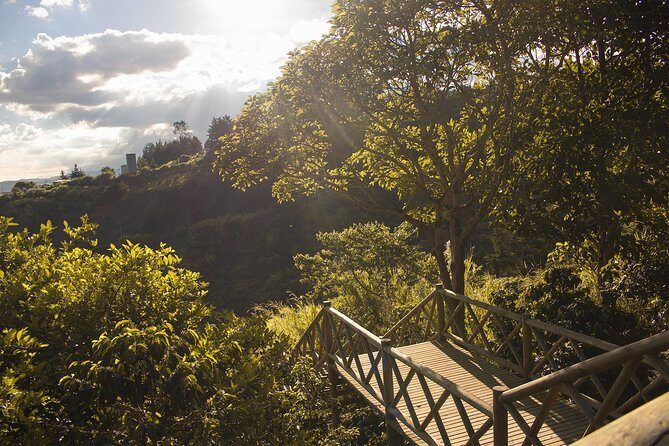
They also tour the gardens and coffee plantations, which gives you context for how the farm is organized. You’ll hear about harvesting and sowing as part of how they keep the production cycle going. Even if you’ve seen coffee farms before, the way this one connects the timeline of growth to what you’ll later see in the mill helps it click.
Practical tip: wear comfortable clothes you can move in. You’ll likely be walking around outdoor areas while the guide explains the process. Light layers are smart too, because temperatures can change as you move through rural settings.
Composting and crop fertilization: why soil work shows up in your cup
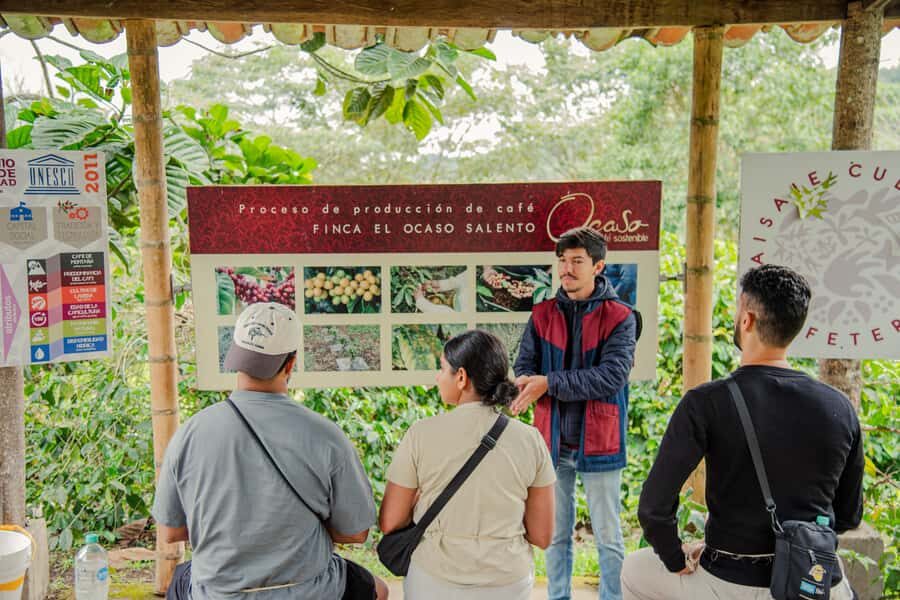
One of the most valuable parts of this tour is the composting station and the explanation of crop fertilization. You’re not just shown plants. You’re shown how they manage what goes into those plants and why.
This is where the tour’s “traditional Spanish farm” theme becomes more than marketing. Composting is slow work, and it takes patience. Seeing a composting station on-site makes it easier to understand the farm’s approach to maintaining soil health over time, instead of thinking only about quick fixes.
Then they connect this to sustainability. The guide explains sustainability on the farm and talks about fauna and flora. That piece can be surprisingly practical. It helps you understand that “sustainable production” isn’t a buzzword; it’s a set of choices that can affect how land supports life around the coffee.
If you’re the type who likes cause-and-effect (I am), this section will probably be the moment you start noticing the logic behind the whole process.
Harvesting and sowing: the rhythm behind a coffee harvest
You’ll hear about harvesting and sowing as part of how the farm keeps production moving. Even though ninety minutes doesn’t allow for a full farming day, the tour gives you enough of the rhythm to grasp what happens before coffee reaches any machine.
In plain terms: harvesting determines what raw coffee ends up at the mill, and sowing relates to what the farm is building for the future. When the guide explains growth and planting earlier, the harvesting and sowing parts feel like a continuation, not random extra facts.
If you care about coffee beyond taste—if you like knowing where things come from—this section gives you that grounding. You can taste the final product later, but you also understand the “why” behind what you’re tasting.
A few more Salento Colombia tours and experiences worth a look
Mill tour time: hopper, pulper, mechanical drying, and traditional drying
Then you get the tour of the mill stages: hopper, pulper, mechanical drying, and traditional drying. This is often the part people find most interesting, because you can actually see how the coffee moves from harvested material into processed coffee.
Here’s what makes this worth your time. Each stage has a role, and the guide explains what those roles are. You’ll learn how the equipment works at a high level and how that work supports quality. The hopper and pulper steps, for example, are about moving material through processing so it can be prepared for drying.
Drying is the big one. You’ll see both mechanical drying and traditional drying. Even if you don’t know the technical details, the explanation helps you understand why drying matters for the final outcome. The tour doesn’t treat drying as an afterthought. It treats it like a key link in the chain.
A practical note: expect more uneven ground or outdoor surfaces around the farm spaces. Comfortable footwear helps.
Storage, threshing, and commercialization: from processed coffee to market
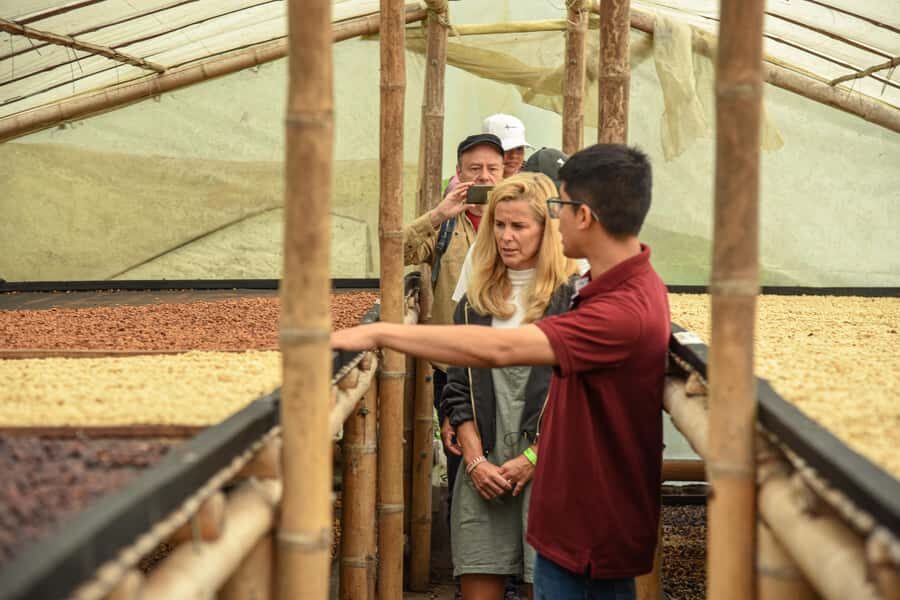
After the drying stages, you’ll visit storage, then threshing and commercialization. This part is valuable because it closes the loop.
A lot of coffee tours stop at drying or roasting. This one pushes past it. You’ll learn how coffee is handled after processing, how it’s prepared for the next steps, and how it gets positioned for sale. It’s the part that helps you stop imagining coffee as a mysterious product that appears in a bag.
I also like that this section makes the farm feel like a real business, not a hobby. It’s production with an end goal: getting coffee to people to drink.
Roasting types and why they affect quality
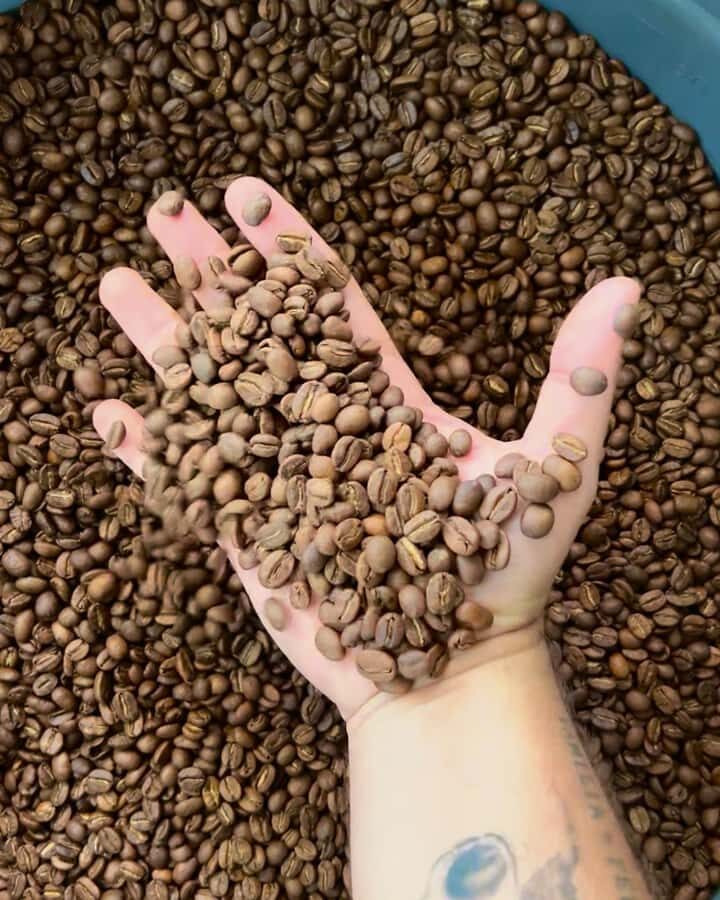
Once you’re back toward the tasting side, the guide explains types of roasting and why roast level matters for coffee quality. Even if you already know some basics about roasting, the farm context makes it more meaningful. You’re linking what happened earlier—species, growing, drying—to what ultimately happens when coffee is roasted.
Roasting is where many flavors get locked into place. The guide’s focus on why roasting matters gives you a framework for tasting instead of guessing. You’re not just drinking. You’re comparing what you feel in the cup to the processing story you saw on the farm.
Traditional brew with a cloth strainer and pot
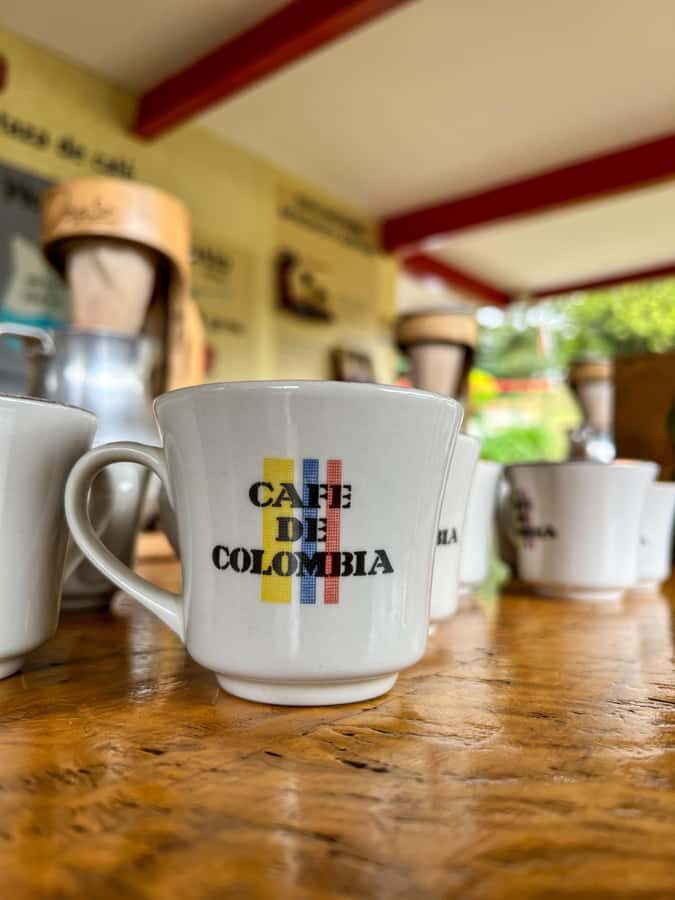
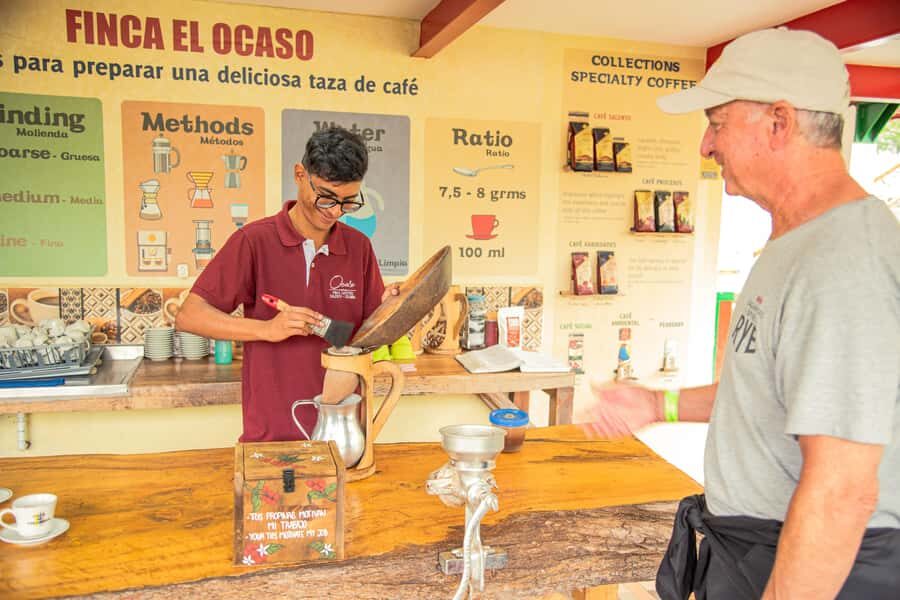
The tour includes traditional preparation of coffee using a cloth strainer and pot. This is one of those steps that feels simple but takes care. It’s also a great way to taste coffee in a style that highlights aroma and clarity.
You’ll use the cloth strainer method as part of the tour experience, then enjoy a tasting included with the tour. If you love coffee, don’t treat this as an afterthought. The tasting is your chance to connect all the earlier details to something you can actually perceive.
And it’s a nice contrast: industrial processing at the mill, then a more traditional brewing method at the end. That back-and-forth makes the story feel complete.
Price and value: is $19 worth it?
At $19 per person for about ninety minutes, this tour is priced in a way that makes sense if you’re paying for information and access, not just a quick snack-and-stroll. The value comes from the scope: coffee history, tree growth, compost and fertilization, sustainability and wildlife/flora discussion, mill stages from hopper to drying, then roast education and a tasting.
Also, you get a guided walkthrough that stays in Spanish. That’s important. If you’re comfortable with Spanish, the experience becomes smoother and more rewarding, because you can follow the explanations about each processing step.
What could make it feel expensive? If you don’t care about the process and only want a quick coffee sip, you might prefer a shorter tasting-focused stop. But if you like understanding how farm decisions become cup flavors, the price is fair for what you see.
Just factor in what isn’t included: transportation to the farm, and no food on the tour. If you need a meal, plan it before or after.
Who should book this tour (and who might skip it)
You should book this coffee tour if:
- you’re a true coffee lover who enjoys process and not just taste
- you want sustainability explained in practical farm terms
- you like seeing real production steps like drying methods and milling stages
- you prefer a 90-minute plan that covers a lot without eating your whole day
You might skip it if:
- you hate rural travel and you don’t want to deal with an unpaved road approach
- you need an experience that includes food or transportation
- you’re looking for something more casual, like a simple tasting with no processing detail
Should you book Finca El Ocaso’s coffee tour?
If you care about coffee beyond the final cup, this is a strong yes. The tour is structured to make the logic of coffee visible: how trees are grown, how compost and fertilization fit in, how drying choices matter, and how roasting and brew method guide what you taste. The guide style also seems to land well—clear, professional, and not stiff. And hearing that Nicolás can bring an upbeat, friendly energy is a good sign that the explanations aren’t delivered like a lecture.
The decision hinges on logistics. You’ll need to get yourself to a rural farm and come prepared with insect repellent. If you can handle that, the ninety minutes can feel like a shortcut to real coffee understanding.
FAQ
FAQ
How long is the Coffee Tour at Finca El Ocaso Salento?
The tour lasts 90 minutes.
What is the price per person?
The price is $19 per person.
Where do I need to meet for the tour?
You must arrive directly to the farm. The tour does not include transfers.
Is transportation included in the ticket price?
No. Transportation is not included.
What language is the live tour guide?
The tour is guided live in Spanish.
What does the tour include?
It includes coffee history and plant education, a tour of gardens and plantations, composting and fertilization explanation, a mill visit (including hopper, pulper, mechanical drying, and traditional drying), storage, threshing, commercialization, types of roasting, traditional preparation using a cloth strainer and pot, and a tasting.
What is not included?
The tour does not include transportation, food, mosquito repellent, or sun block.
What should I bring to the farm?
Bring comfortable clothes and insect repellent.
What happens if it rains?
Rain will not cancel the activity. You can purchase rain ponchos at the farm.
Are alcohol or drugs allowed during the tour?
No. Alcohol and drugs are not allowed.