REVIEW · SALENTO COLOMBIA
Coffee Farm Tour at Finca El Ocaso from Salento
Book on GetYourGuide →Operated by Impulse Travel · Bookable on GetYourGuide
Coffee lessons come with coffee smells. This Coffee Farm Tour at Finca El Ocaso is a small-group trip from Salento focused on how Colombia’s coffee is grown, processed, and brewed. You’ll be picked up, drive into the Tolima coffee country, walk the plantations, and finish with a guided tasting that actually teaches you how to notice flavors.
What I like most is the balance: you get both hands-on farm time and a clear explanation of the production process. I also like that the walk isn’t just scenery—your guide points out the working farm, the steps from harvesting to roasting and grinding, and what makes Colombian coffee taste the way it does.
One thing to plan for: the day starts with pickup (8:30 a.m. for Spanish tours), so mornings can feel like a slow start. If you’re scheduling something right after you get back to Salento, give yourself breathing room.
In This Review
- Key highlights you shouldn’t miss
- Coffee Country Pickup: Salento to Finca El Ocaso
- Entering Colombia’s Coffee Culture on a Working Farm
- The Bean-to-Brew Lesson: Harvesting, Roasting, and Grinding
- Coffee Tasting With a Real Flavor-Spotting Method
- Price and Logistics: Is $93 Good Value?
- Who This Tour Suits Best (and Who Should Skip It)
- Should You Book Coffee Farm Tour at Finca El Ocaso from Salento?
- FAQ
- Where is the coffee farm tour from?
- How long is the coffee farm tour?
- How much does it cost?
- What’s included in the tour price?
- Do I need to pay for lunch?
- How big is the group?
- When is the tour in Spanish vs English?
- Where are the pickup and drop-off locations?
- What should I bring with me?
- Is the tour suitable for mobility impairments?
- How does the 19% VAT work for foreigners?
Key highlights you shouldn’t miss
- Small group (max 8): more questions, less rushing.
- Sustainable coffee farm setting in Tolima: you’ll see traditional practices in real production land.
- Guided plantation walk: native plants, birds, and nearby water streams are part of the story.
- Bean-to-brew workflow: harvesting/selection, roasting, and grinding are explained step by step.
- Guided tasting: learn to identify aromas and flavors and how brewing methods change the cup.
Coffee Country Pickup: Salento to Finca El Ocaso
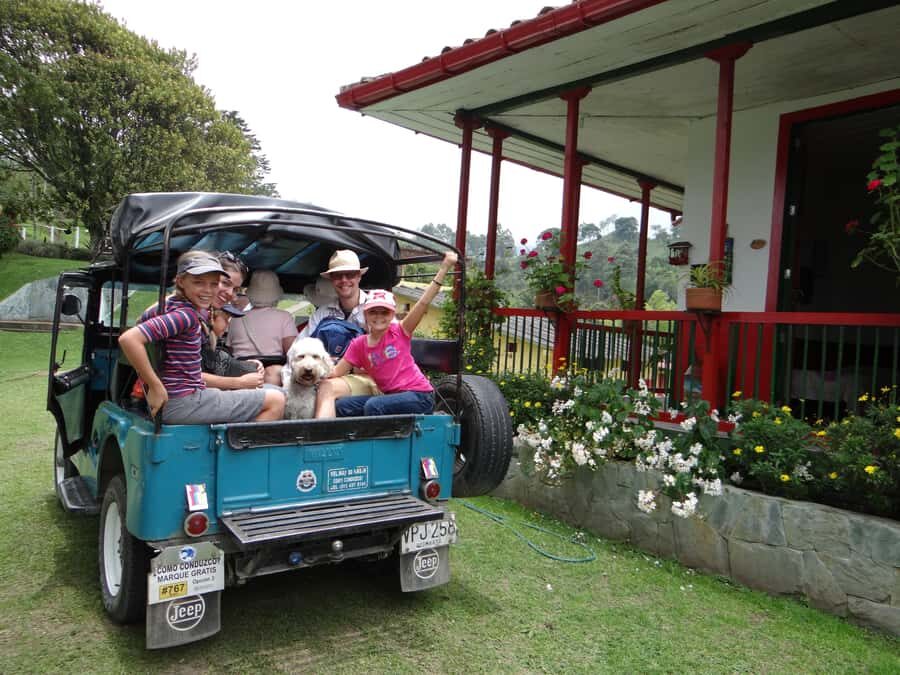
Your tour starts with hotel pickup in the Salento area, with two pickup options: Salento or Finca El Recreo. From there, you’ll take a short scenic drive to Finca El Ocaso, which sits right in Colombia’s coffee-growing country in Tolima. It’s one of those trips where the drive matters—your guide uses the ride to set context before you ever reach the fields.
The tour is small group travel, limited to 8 participants, which is a big deal for a coffee-focused experience. If you’ve ever been stuck behind a crowd during a tasting, you’ll appreciate this format: you can hear the explanations and ask follow-ups without shouting.
Language timing is straightforward. Morning tours at 8:30 a.m. are guided in Spanish, while afternoon tours at 1:30 p.m. are guided in English. If language comfort is a priority, pick the departure time that matches it.
Before you go, pack the basics: bring your passport or ID card and wear comfortable shoes and clothes suited to outdoor walking. This is not a museum stop. You’ll be moving through farm paths, and comfort helps you focus on what the guide is teaching.
A few more Salento Colombia tours and experiences worth a look
Entering Colombia’s Coffee Culture on a Working Farm

Once you reach Finca El Ocaso, you don’t just get a pretty photo stop. You start with an overview of the Coffee Region and how deeply coffee farming is tied to Colombian culture. The goal is to help you understand why coffee is more than a drink here—it’s work, identity, and an entire way of life.
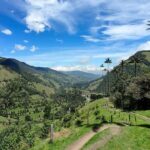
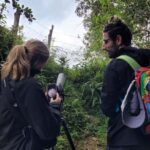
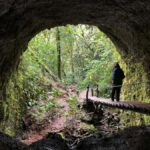
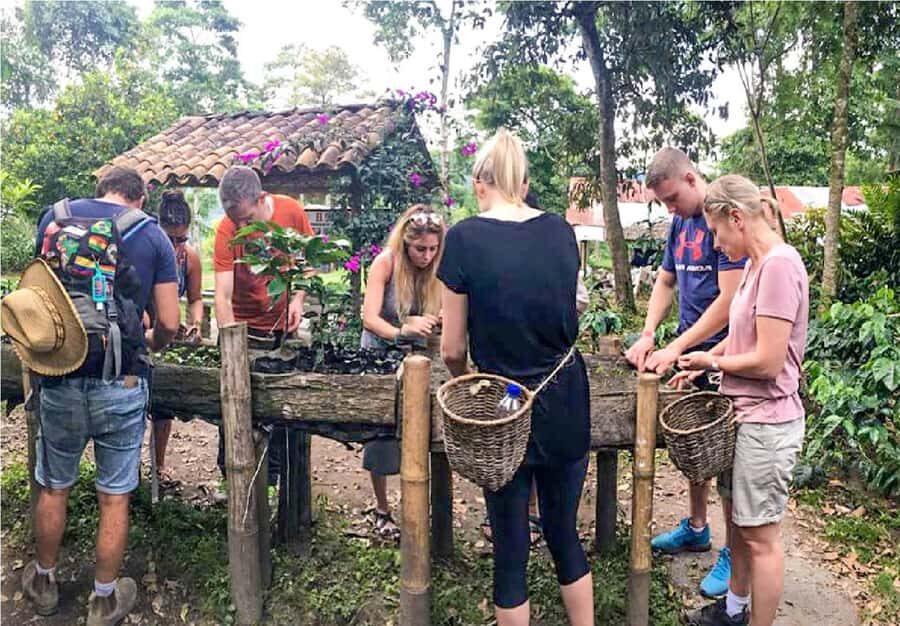
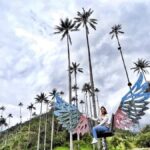
Then comes the plantation walk. You’ll stroll through the coffee growing areas while your guide points out the farm’s connection to its natural surroundings. Expect to see native flora and colorful birds, plus pristine water streams along the route. It’s the kind of environment where coffee farming and conservation are meant to coexist, not compete.
Sustainability is part of the message throughout the tour. You’ll hear about sustainable farming practices as part of how the farm operates, not just as a slogan. The best moments are when the guide ties those practices to what you actually taste later—because coffee quality isn’t random. It’s shaped by decisions made on the farm long before you hold the cup.
One detail worth keeping in mind: this is typically a calm, slow-paced farm visit. That can be great if you enjoy learning at an even tempo. But if you hate waiting around, plan your energy accordingly.
The Bean-to-Brew Lesson: Harvesting, Roasting, and Grinding
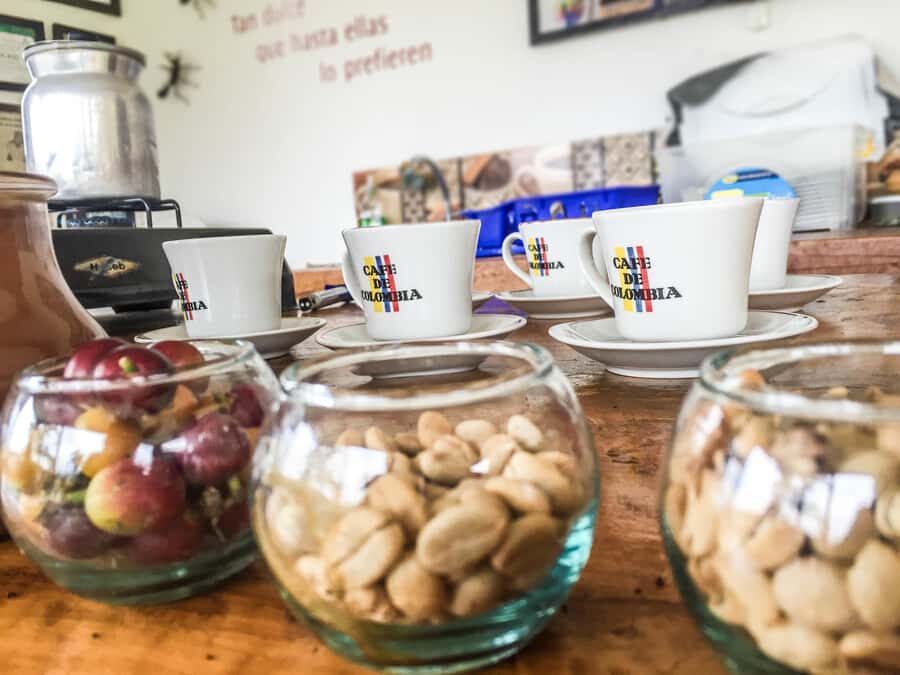
The heart of the experience is the coffee production walkthrough. Your guide explains the process from harvesting to processing, including hand selection of beans and then the steps that lead to the final brew.
Here’s what stands out in this part of the tour: you’re not just told there’s a process. You’re shown how the process affects quality. The tour covers:
- Harvesting and hand selection of coffee beans
- Roasting and grinding as key steps in flavor development
- How guides think about building coffee blends
You’ll also hear practical points about sustainable farming practices while the production lesson is happening. That connection matters. If you only learn the technical steps, you miss the why. If you only hear about sustainability, you miss the taste outcome. This tour tries to do both in one session.
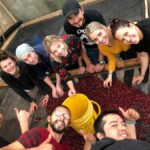
And yes, there can be a bit of hands-on energy here. A strong highlight from past experiences is the chance for coffee bean picking, which matches the emphasis on hand selection. Even if your role is brief, it’s a satisfying way to understand what workers do before anything gets roasted.
One small caution: the tour runs about 3 hours total, so this is a guided overview rather than a full multi-day deep workshop. If you’re hoping for an advanced “explain fermentation for 90 minutes” class, you’ll still get a useful foundation. Just know it’s designed as a visitor-friendly, structured introduction.
Coffee Tasting With a Real Flavor-Spotting Method
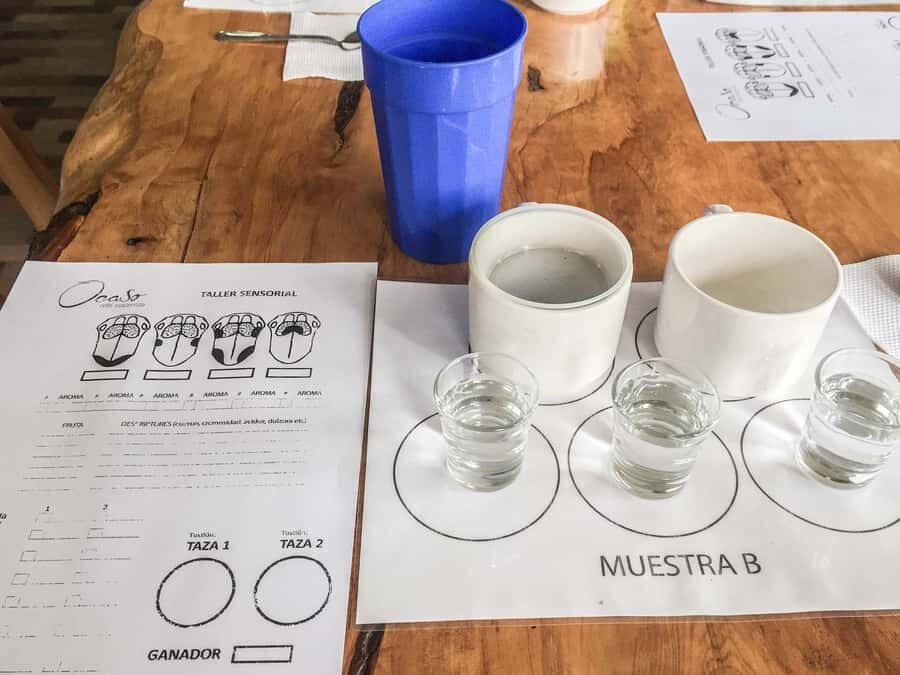
The tour ends with a guided tasting, and this is where the experience clicks for many people. Instead of handing you small cups and hoping you get it, the guide walks you through how to notice differences in flavor and aroma.
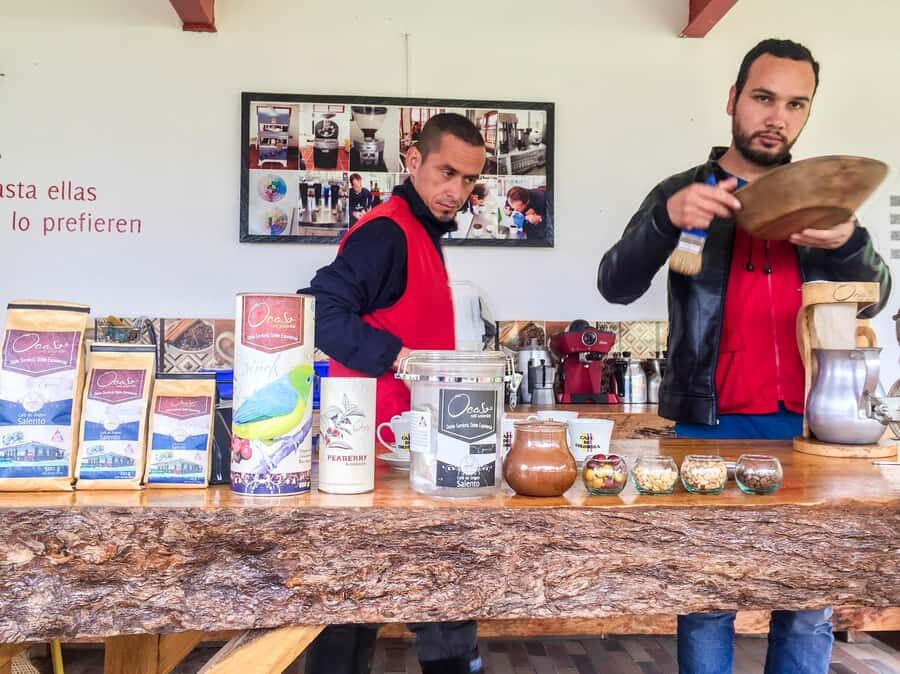
You’ll learn how to identify what you’re tasting—things like which smells show up first, how the aroma changes as you sip, and what types of flavors to look for in the cup. It’s an intentionally guided session, built to help you go beyond calling everything “strong” or “sweet.”
The other big tasting lesson is brewing method. You’ll hear how different brewing methods can change the taste of Colombian coffee. That’s incredibly practical at home. After you come back from Salento, you can apply what you learned to whatever you brew in your kitchen.
One more thing: tasting sessions can sometimes feel rushed. Here, the emphasis on a guided approach fits the small group format. When you’re with fewer people, the guide can adapt the pace and keep the conversation moving in a way that actually helps you learn.
If you’re a coffee person, you’ll probably start paying attention to details you ignored before—especially aroma. And if you’re not a coffee person, this is still a smart way to build basic “coffee literacy” without making it complicated.
Price and Logistics: Is $93 Good Value?
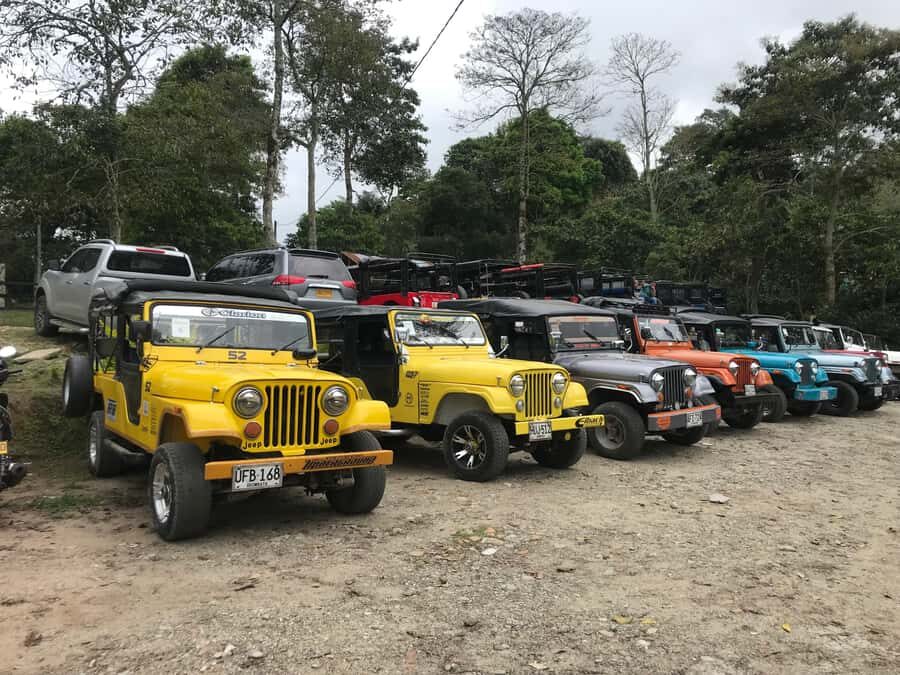
At $93 per person, the price is for a short, structured visit with more than a casual photo stop. You’re paying for:
- Hotel pickup and drop-off in the Salento area
- A Spanish and English-speaking guide
- Access to a working coffee farm
- A guided coffee tasting session
That’s the value story: you’re not just going somewhere, you’re being taught. And because the group is capped at 8 participants, it’s less likely you’ll feel lost in the crowd.
Two practical notes about the final cost. First, the price you see doesn’t include 19% VAT, and there’s a specific process for foreigners entering as tourists. You may need to send proof—a copy of your passport and a photo of your entry stamp—to qualify for the VAT benefit according to local tax authority requirements. If you’re coming from abroad, make sure you understand how you’ll handle that before your tour day.
Second, lunch isn’t included. The tour is only about 3 hours, so you’ll likely be fine if you plan meals around it, but don’t assume food is part of the visit.
Finally, the timing can matter more than you’d think because the experience begins with pickup. If you have a tight schedule in Salento (a later ride, a reservation, a return flight plan), give yourself buffer time. Mornings in particular can mean an early start.
A few more Salento Colombia tours and experiences worth a look
Who This Tour Suits Best (and Who Should Skip It)
This coffee farm tour is a strong fit if you want:
- A small-group coffee experience with real guidance
- A clear explanation of production steps like harvesting, roasting, and grinding
- A guided tasting that teaches you how to pick out aromas and flavors
- A chance to connect coffee to Colombian life and local farm sustainability
If you enjoy nature, the plantation walk adds extra interest with native plants, birds, and water streams. It’s not a wildlife safari, but it’s a pleasant reminder that coffee farms exist inside ecosystems, not outside them.
If you want a super long, ultra-specialized coffee workshop, this may feel short. But for most people, a 3-hour format is ideal: you learn the basics, taste the result, and still have time to enjoy Salento afterward.
One clear limitation: it is not suitable for people with mobility impairments. The farm setting involves walking on paths, and the tour description doesn’t indicate accommodations for mobility needs.
Also choose the right language slot. Spanish mornings and English afternoons aren’t interchangeable, so pick the time that matches how comfortable you are.
Should You Book Coffee Farm Tour at Finca El Ocaso from Salento?
If you like coffee and you want more than a casual “here’s a farm” visit, I’d book it. The combination of production education + guided tasting is exactly what turns a coffee tour from entertainment into something you can use later at home.
I’d especially lean toward booking if you value a small group and a guide who can slow down and explain clearly. Past experiences also highlight the guide Jonathan as a standout for making the tour feel genuinely educational.
Skip or reconsider only if you:
- Need a more accessible route (this tour isn’t listed as suitable for mobility impairments)
- Don’t handle early pickups well
- Want a full-day, deep technical training course rather than a 3-hour visitor-friendly experience
If those don’t apply, this is a solid way to experience Colombia’s coffee culture from the inside, not just from a cup.
FAQ
Where is the coffee farm tour from?
It takes place at Finca El Ocaso in Tolima, Colombia, with pickup from the Salento area.
How long is the coffee farm tour?
The experience lasts about 3 hours.
How much does it cost?
The price is $93 per person. The tour information also notes that 19% VAT isn’t included in the service price.
What’s included in the tour price?
You get hotel pickup and drop-off in Salento, a Spanish and English-speaking guide, and a guided coffee tasting session.
Do I need to pay for lunch?
No—lunch isn’t included. You’ll need to plan your own meal.
How big is the group?
It’s a small group limited to 8 participants.
When is the tour in Spanish vs English?
Morning at 8:30 a.m. is guided in Spanish. Afternoon at 1:30 p.m. is guided in English.
Where are the pickup and drop-off locations?
Pickup and drop-off are available at Salento and Finca El Recreo.
What should I bring with me?
Bring your passport or ID card, plus comfortable shoes and comfortable clothes for walking outdoors.
Is the tour suitable for mobility impairments?
No. The activity is listed as not suitable for people with mobility impairments.
How does the 19% VAT work for foreigners?
The price you pay for the service does not include 19% VAT. For foreigners entering as tourists, there is a VAT benefit that requires sending proof, including a copy of your passport and a photo of your entry stamp.