REVIEW · SALENTO COLOMBIA
Salento: Coffee Master Roasting, Brewing and Tasting Tour
Book on GetYourGuide →Operated by Coffee Cupping Micro Roasters · Bookable on GetYourGuide
Coffee starts making sense when you’re in the machine room. This short, small-group tour in Tolima walks you from green beans to drum roasting and then into hands-on brewing and tasting of specialty coffee. You’ll learn by doing, not by watching.
Two things I really like: you get to roast a 2 kg batch under expert supervision, and you practice brewing across multiple pour-over setups so the differences actually stick. One possible drawback: this experience is very scent- and food-sensitive, so go hungry only in the sense of being ready to eat first, and skip strong perfume, lotions, and anything that could mess with your nose.
In This Review
- Key Coffee-to-Cup Highlights You’ll Actually Use
- Inside the Drum Roaster: From Heat Transfer to Roast Color
- Roasting Your Own 2 kg: The Part That Makes Everything Click
- Brewing After Roasting: Four Pour-Over Methods, Real Hands-On Practice
- The Tasting Session That Teaches You How to Describe Coffee
- Why the Tour Price Feels Fair (and What’s Not Included)
- What to Expect on Arrival: Rules That Protect Your Sense of Smell
- Language, Group Size, and How You’ll Learn Faster
- Who This Tour Suits Best (And Who Should Skip)
- Should You Book This Coffee Roasting and Brewing Tour?
- FAQ
- How long is the Salento coffee roasting, brewing, and tasting tour?
- What is included in the $52 per person price?
- Are meals included?
- Do I need to bring transportation to the plantation?
- What languages is the tour offered in?
- Is the tour suitable for children?
- Are there any rules during the experience?
Key Coffee-to-Cup Highlights You’ll Actually Use
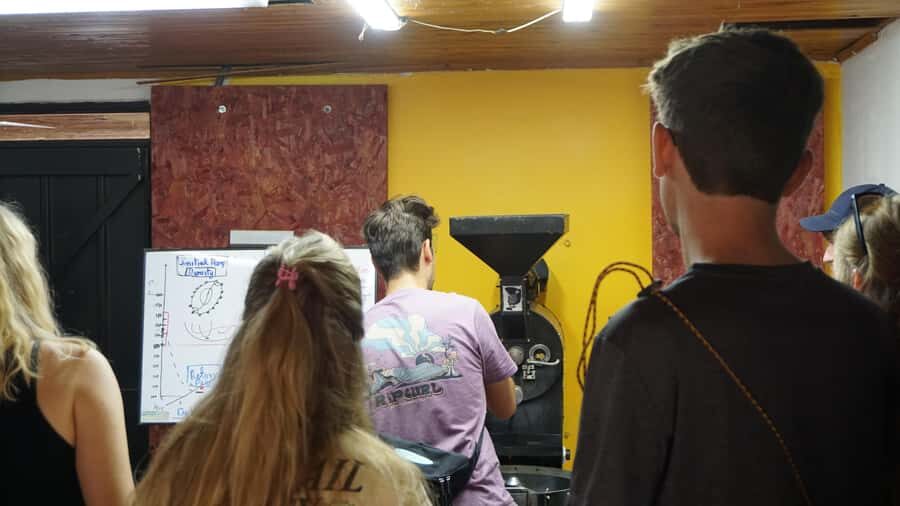
- Drum roaster basics that connect heat and results (conduction and convection explained in plain language)
- Roast your own 2 kg batch with guidance, not just a demo
- Four different pour-over methods so you learn how technique changes the cup
- Five coffees tasted side by side to practice reading flavor
- Processing-method tasting skills for full washed, extended fermentation, and natural coffees
- Small group size (up to 10) for more hands-on time and easier questions
Inside the Drum Roaster: From Heat Transfer to Roast Color
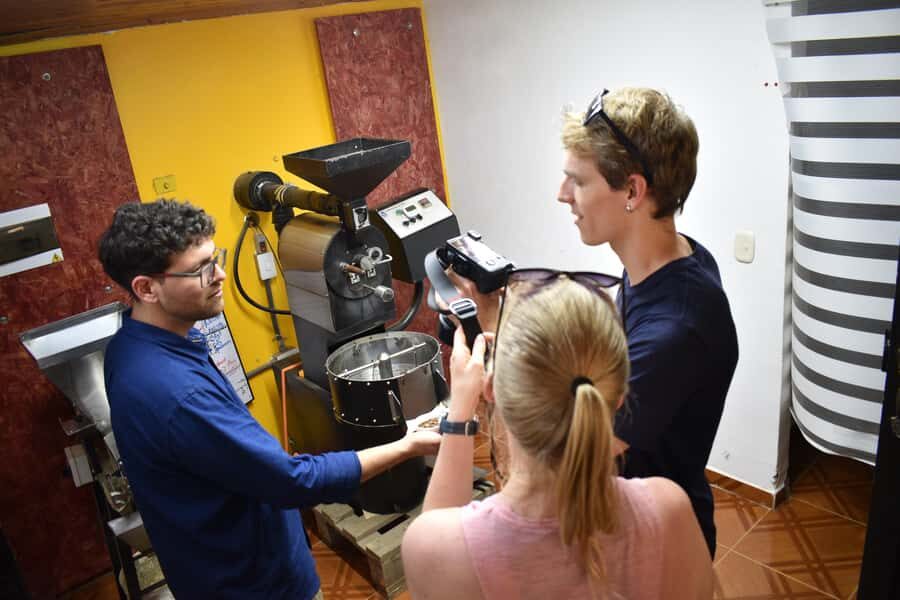
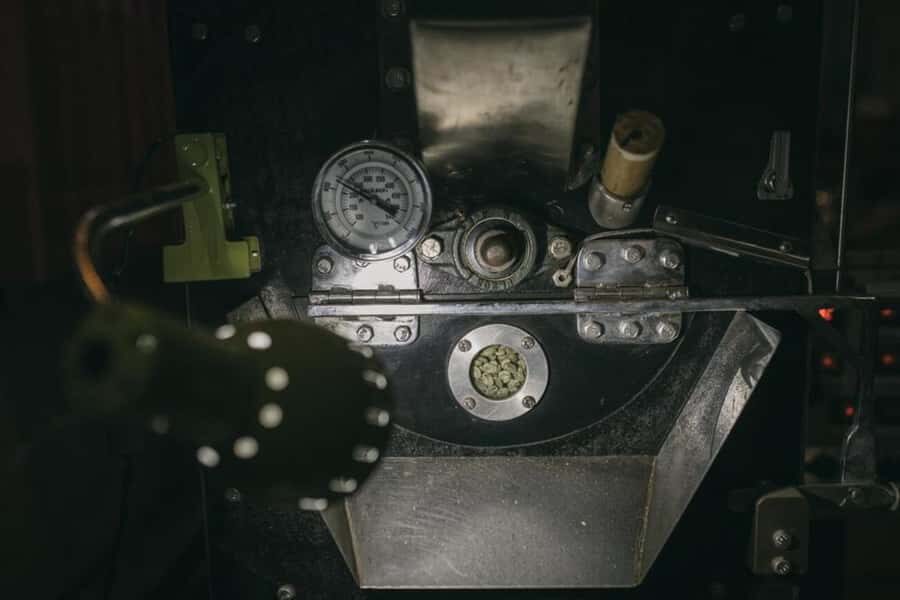
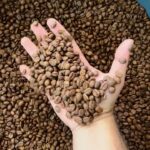
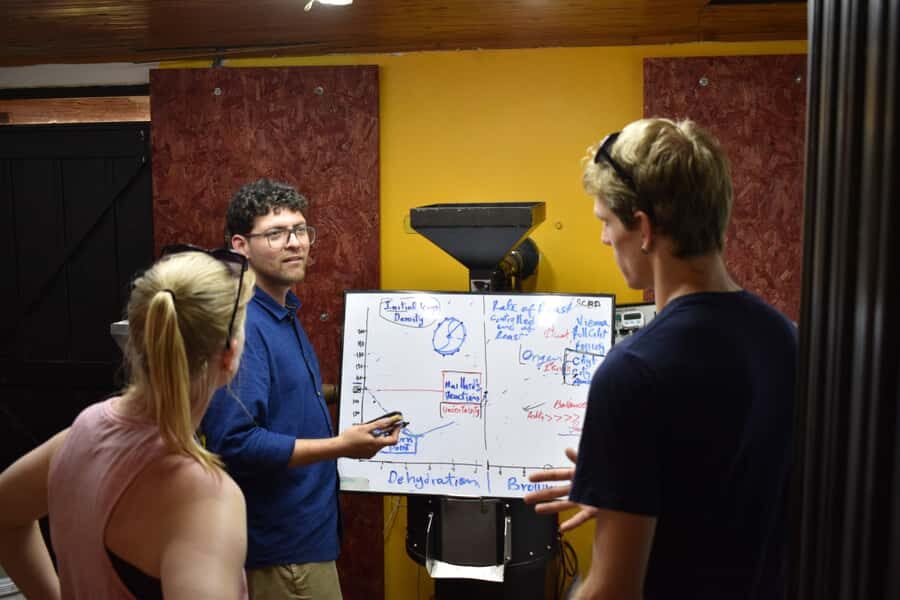
The tour’s first act is all about how roasting works, not just what coffee tastes like. You start with the drum coffee roaster, and an expert technician helps you connect the physics to what ends up in your cup. You’ll hear about key energy-transfer ideas like conduction and convection, and how heat drives physical and chemical changes in green coffee beans.
This part matters because most coffee confusion comes from guessing. You might think you’re tasting “the coffee,” when really you’re tasting a roast that happened under specific heat conditions. When you understand what the drum is doing and why, you can start making sense of roast flavors and acidity instead of treating them as mysterious luck.
You’ll also learn about roasting profiles—how the roast isn’t one single moment, but a sequence—and how origin plays into what you notice after roasting. Origin isn’t a magic spell, but it gives you context for why the same roast style can behave differently with different beans.
You can also read our reviews of more food & drink experiences in Salento Colombia
Roasting Your Own 2 kg: The Part That Makes Everything Click
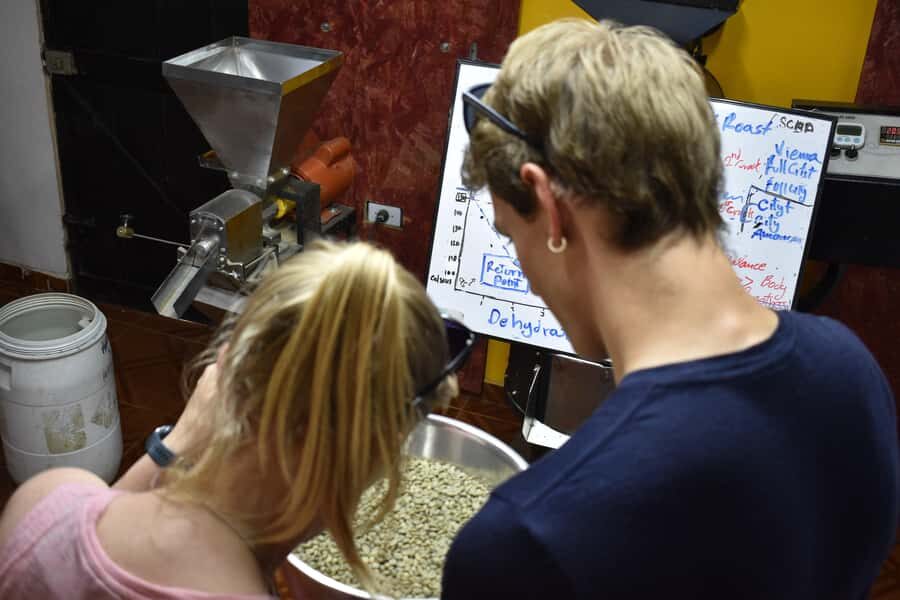
Then you do the thing people usually only talk about: you roast. Under supervision, you’ll roast a 2 kg batch of specialty coffee. That hands-on role is the difference between a casual tasting and real learning.
As you roast, pay attention to the small signals you’ll be taught to notice—smell shifts, visual changes, and how the process evolves. Even if you don’t remember every technical term, you’ll start building an internal checklist for what “worked” versus what needs adjustment next time.
One practical benefit: once you’ve personally run the batch, you’re better equipped to understand what changes when you taste different cups later. The tasting session stops being theoretical. You’ll recognize the effects of roasting decisions because you helped make them.
Also, since you’re roasting specialty coffee, you’re not just burning beans to the edge and hoping for the best. The whole point is to experience how roast development alters flavor, aroma, and structure in the cup.
Brewing After Roasting: Four Pour-Over Methods, Real Hands-On Practice
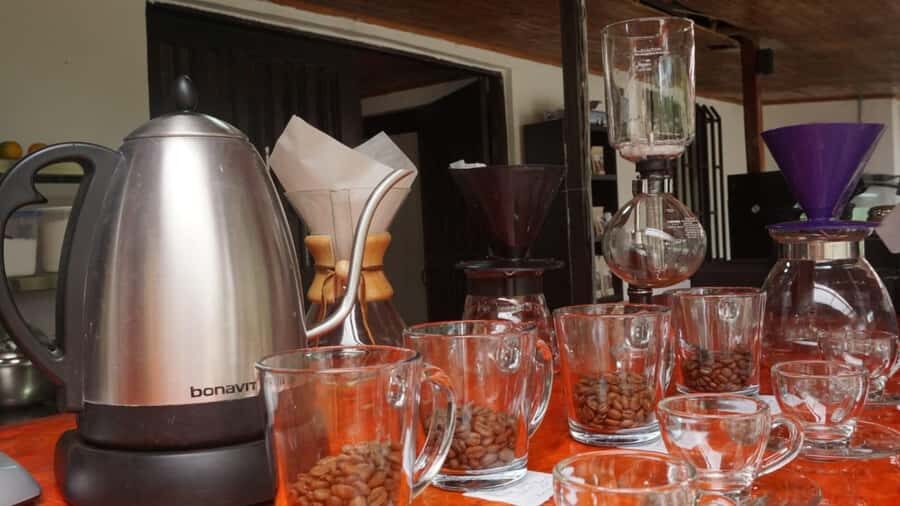
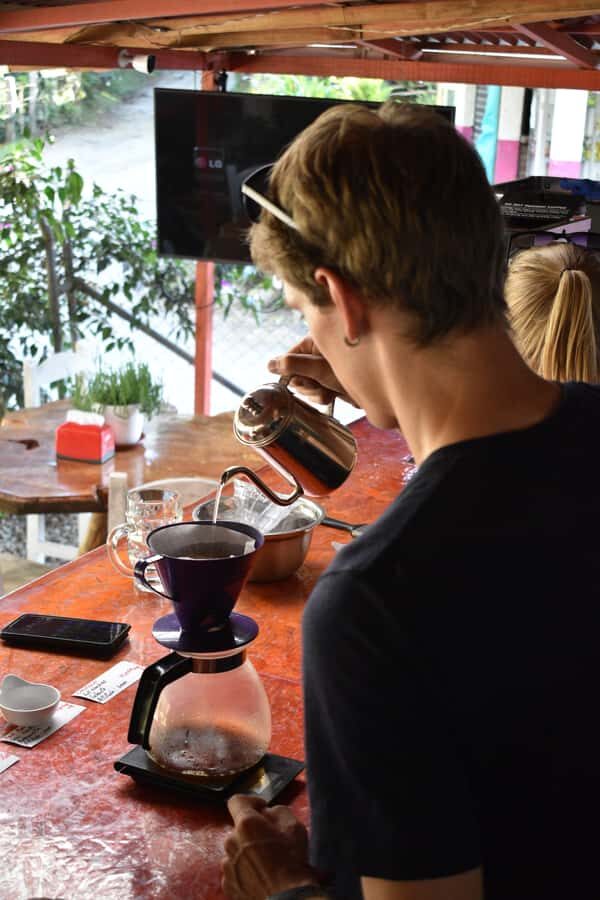
After roasting, you switch gears to brewing. You’ll explore the fundamentals with four different pour-over coffee makers, which is a smart approach because pour-over isn’t one technique—it’s a system.
The tour isn’t just you watching someone else brew. You’ll have full hands-on time, preparing five exotic coffees for a sampling session. That number is key. Brewing technique becomes obvious when you repeat it enough to feel the differences, not just once or twice.
Here’s what you’ll learn to focus on while brewing:
- how your pour-over choice affects extraction
- how the coffee behaves from one cup to the next
- how to connect what you taste to what you did with the brew
Even if you’re new to pour-over, you’ll leave with a sense of cause and effect. And if you already brew at home, this is still valuable because it pushes you to compare methods instead of defaulting to the one you know.
The Tasting Session That Teaches You How to Describe Coffee
Next comes the guided tasting session. You’ll sample specialty coffees and learn how to identify essential traits like acidity, sweetness, body, and aftertaste. The goal isn’t fancy vocabulary. The goal is usable descriptions you can repeat next time you’re shopping or brewing.
To make that work, the tour pairs tasting with what you learned earlier. You’re not tasting in a vacuum. You’re tasting with a framework:
- Acidity: how bright or lively the cup feels
- Sweetness: the impression of sugar-like balance (even when coffee has no added sugar)
- Body: how heavy or light the coffee feels in your mouth
- Aftertaste: what lingers and how it evolves
This is also where processing-method differences come into play. You’ll learn about processing styles including full washed, extended fermentation, and natural. You’re not just collecting trivia. You’re training your senses to spot pattern changes that come from how the coffee was processed before roasting.
One smart part of the setup: you’ll compare coffees within the same session. That makes it easier to notice differences in aroma and structure, instead of remembering flavors days later with nothing to compare.
Why the Tour Price Feels Fair (and What’s Not Included)
At $52 per person for about 2 hours, this isn’t priced like a “walk around and taste one cup” activity. You’re paying for a lot of instruction and equipment time:
- master-style roasting demonstration
- roasting supervision while you roast your own 2 kg batch
- hands-on brewing workshop across four pour-over makers
- guided tasting session of five coffees
- insurance plus beverages
You should also note what’s not included. Meals and transportation to the plantation aren’t part of the price. That’s important for budgeting, but it also keeps the experience tightly focused on coffee. If you plan ahead and eat before you go, you won’t feel like you’re spending extra time hunting for food during a sensory-focused session.
One more value point: the group size is limited to 10 participants, which usually means more time for questions and fewer people sharing the same tools. And you can keep language needs in mind too, since instruction is in English and Spanish.

What to Expect on Arrival: Rules That Protect Your Sense of Smell
This tour takes aromas seriously. You’re being asked to taste accurately, so you’ll want to treat the setup like a “clean nose” experience.
Before you come:
- don’t do it on an empty stomach; have a good meal first
- avoid strong deodorants or perfumes
- avoid skin lotions or strong mosquito repellents
- try not to smoke or drink alcohol beforehand, since they interfere with smell
During the experience, a few things are explicitly not allowed: smoking, alcohol and drugs, chewing gum, and bare feet. None of these are surprising, but they’re worth respecting so you can actually get the most from the tasting.
In practical terms, wear comfortable shoes and something you won’t have to re-scent at the last minute. If you’re sensitive to smells, this is a good sign of how carefully they run the session.
And since transportation isn’t included, you’ll need to handle getting there on your own. The good news is that access from Salento is straightforward enough that you don’t have to assume you’ll get hit with an expensive added transfer cost, so you can keep this experience close to its advertised value.
Language, Group Size, and How You’ll Learn Faster
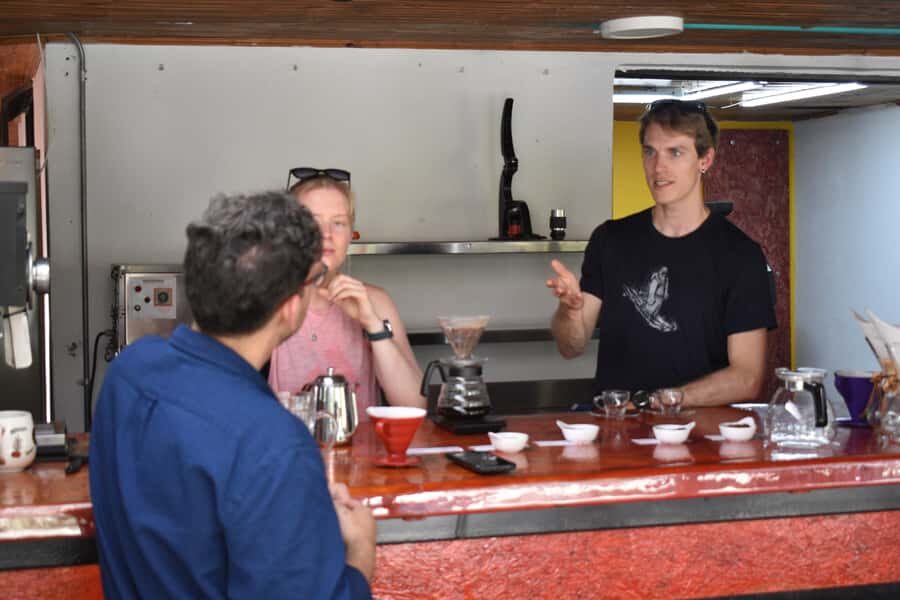
The tour runs in English and Spanish, and the group stays small. That matters because coffee instruction is hands-on. When you can hear the explanations clearly and ask follow-ups without waiting, learning speeds up.
You’ll likely get more individualized attention than you’d expect from larger group formats. Even in a small group, different people notice different things first. That’s normal. The best learning comes when the guide helps you connect what you notice to what you’re tasting—especially during roasting and during the tasting comparisons.
If you’ve got a coffee machine at home, this kind of place is also where questions become practical. The best coffee teachers don’t just tell you what to like; they help you troubleshoot what you’re doing and why you’re seeing certain results.
Who This Tour Suits Best (And Who Should Skip)
This experience is a strong match for:
- people who want hands-on coffee learning, not just a tasting flight
- coffee lovers who want to understand roast and brewing as linked choices
- anyone interested in processing styles like full washed, extended fermentation, and natural
- travelers who appreciate small-group instruction with real equipment time
It may not be the right fit if:
- you’re traveling with children under 15
- you have back problems
- you use a wheelchair: the information includes wheelchair accessibility, but it also states the activity isn’t suitable for wheelchair users. That mismatch is a reason to check directly before you book.
Also, if you’re expecting a relaxed stroll without rules, this is more structured than that. Between the food requirements and no strong scents, it’s designed to protect the tasting quality.
Should You Book This Coffee Roasting and Brewing Tour?
I’d book it if you want coffee you can explain. This is one of those rare short tours where you leave with a cause-and-effect understanding: how roasting decisions lead into brewing results, and how tasting traits connect back to what you practiced.
Skip it if you’re not willing to follow the smell-and-food rules or if you’re dealing with physical limits that make standing or handling equipment uncomfortable. Also, since meals aren’t included, make sure you truly eat before you arrive so the tasting session feels enjoyable rather than tough.
If your dream is to taste coffee and then know what to adjust next time, this tour is built for that.
FAQ
How long is the Salento coffee roasting, brewing, and tasting tour?
It lasts 2 hours.
What is included in the $52 per person price?
You get a guided coffee tasting session, a hands-on brewing techniques workshop, a roasting demonstration by master roasters, and insurance plus beverages.
Are meals included?
No. Meals aren’t included, so it’s important to eat beforehand.
Do I need to bring transportation to the plantation?
Transportation to the plantation is not included, so you’ll need to arrange your own way there.
What languages is the tour offered in?
The instructor provides the experience in English and Spanish.
Is the tour suitable for children?
It isn’t suitable for children under 15.
Are there any rules during the experience?
Yes: smoking, alcohol and drugs, chewing gum, and bare feet are not allowed. You’re also advised not to do the experience on an empty stomach and to avoid strong deodorants, perfumes, lotions, and strong mosquito repellents.