REVIEW · SALENTO COLOMBIA
Salento: Private Cocora Valley, Salento & Coffee Farm Tour
Book on GetYourGuide →Operated by Gran Colombia Tours · Bookable on GetYourGuide
Wax palms and coffee in one long day. What makes Salento’s Cocora Valley and Coffee Farm Tour special is how it strings together two very different sides of Colombia: misty, high-mountain views and the hands-on craft of making coffee. I also like that you go with a real guide from the start, and on my kind of day it can mean an early push to keep the valley from feeling crowded, with guides like Juan Camilo known for setting the tone. Early arrival helps, and the private pacing means you’re not stuck marching with a large group.
My second big win is the coffee part: you get a step-by-step walk through the process, not just a sit-and-watch demo. On rainy days, guides like Pedro may swap the order so the day still feels smooth, then you finish with a proper tasting lesson and a fresh cup. One consideration: lunch isn’t included, and you should expect up-and-down hiking on rugged trails, so comfortable shoes and water matter more than you’d think.
Key things I’d zero in on
- Wax palms at the Cocora Valley entrance: The national tree is the visual anchor of the morning.
- UNESCO Coffee Cultural Landscape: You’ll connect the scenery to Colombia’s coffee story.
- Coffee farm process, in sequence: Plantation, cherry picking, bean removal, washing, roasting, grinding.
- Tasting with a lesson: Learn what to look for in higher-quality Colombian coffee.
- Flexible routing for weather: Guides may adjust the order when conditions get wet.
- 8–10 hours with real walking: Rugged trail time is the core of the day.
In This Review
- First Stop: Getting to the Cocora Valley entrance with a private guide
- Cocora Valley hike: wax palms, misty ridges, and Los Nevados proximity
- UNESCO-level context: why coffee culture fits these mountains
- Coffee farm tour: from plantation to roasting, in clear steps
- The coffee tasting lesson: learn what good coffee tastes like
- Pacing, comfort, and the stuff you should bring
- Price and value: is $157 per person worth it?
- Who this tour fits best
- Should you book Salento: Private Cocora Valley, Salento & Coffee Farm Tour?
- FAQ
- Where does the tour depart from?
- How long is the tour?
- Is lunch included?
- Is coffee tasting included?
- What language is the guide available in?
- What’s the hiking like in Cocora Valley?
- Does the tour run in bad weather?
- What should I bring?
First Stop: Getting to the Cocora Valley entrance with a private guide
This is a full-day tour designed for people who want the highlights without feeling rushed. You meet your guide and driver at one of the main departure areas—Armenia, Salento, or Filandia—then you head out with pickup and drop-off included. If you’re staying in Filandia, pickup can work anywhere within the town limits, which is a small detail that actually makes a big difference when you’re trying to keep your travel day efficient.
Timing is part of the value here. Cocora Valley gets busy, and an early start lets you enjoy the wax palms and viewpoints with more breathing room. I like that this tour is set up for that style of day: start in the morning, hike in daylight, and then shift gears to coffee when the weather or energy level calls for it.
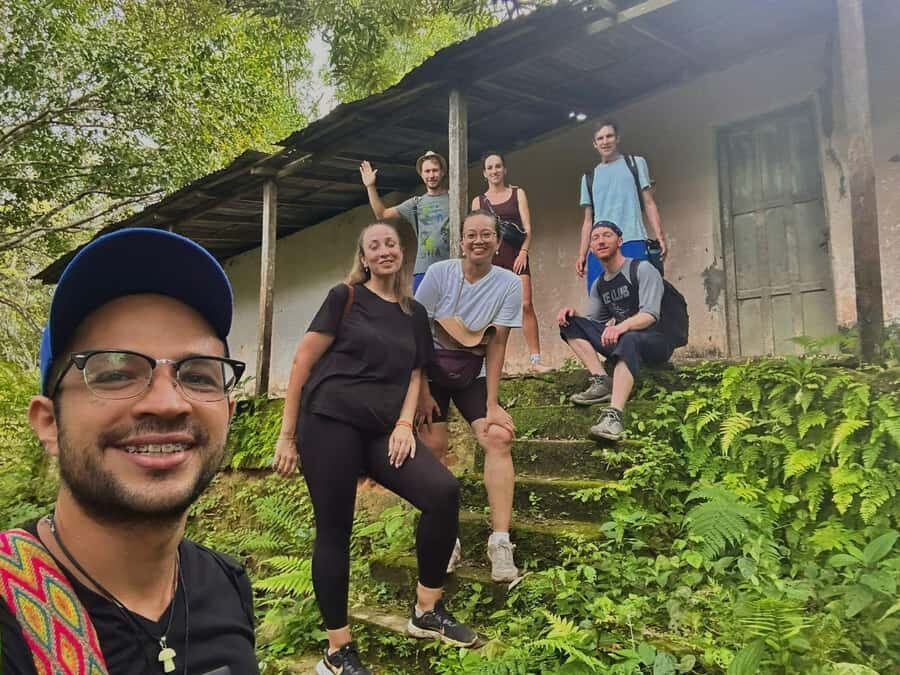
Language options are English and Spanish, and because it’s a private group, your guide can tailor explanations to what you care about—birds and plant life, coffee techniques, or the cultural side of the region.
Quick reality check for your planning: the tour runs 8–10 hours, and that’s long enough that you’ll want to treat it like a full outing, not a half-day add-on.
Cocora Valley hike: wax palms, misty ridges, and Los Nevados proximity
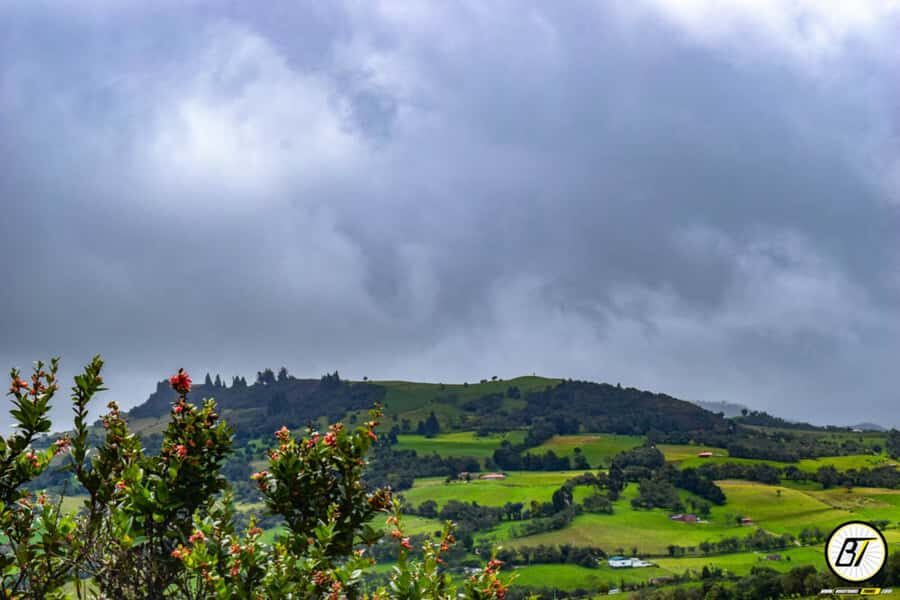
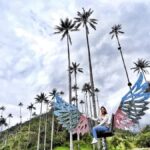
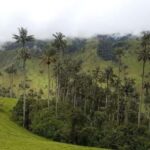
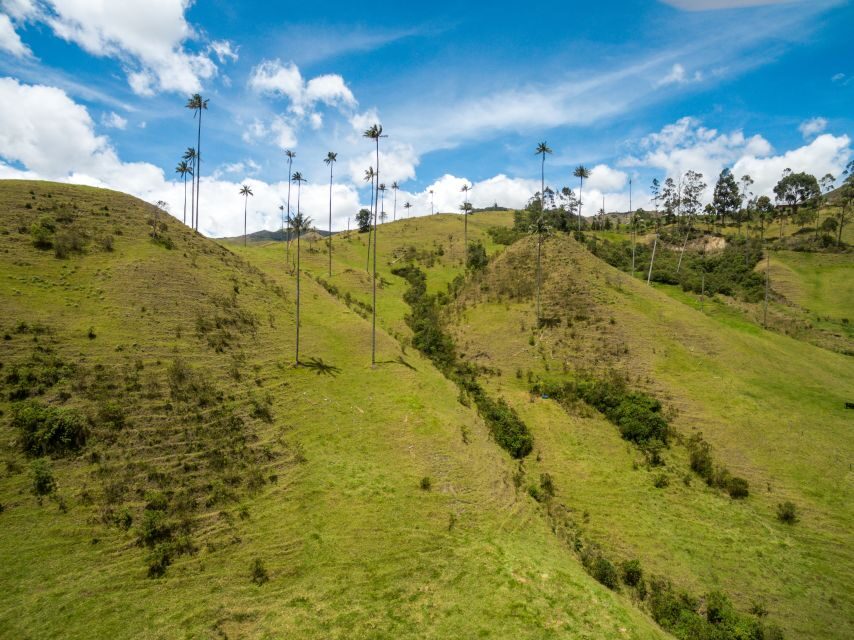
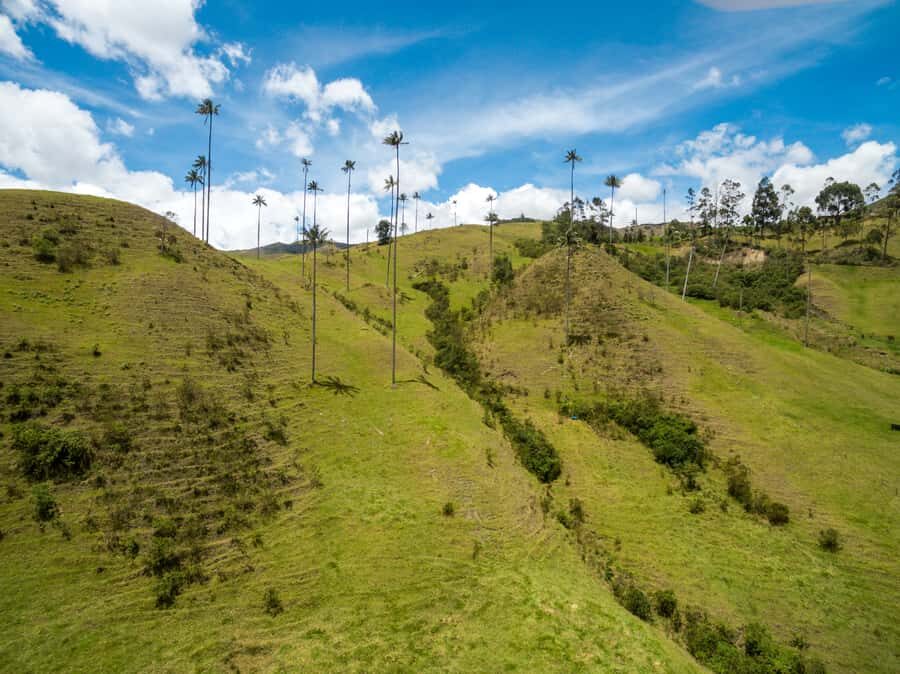
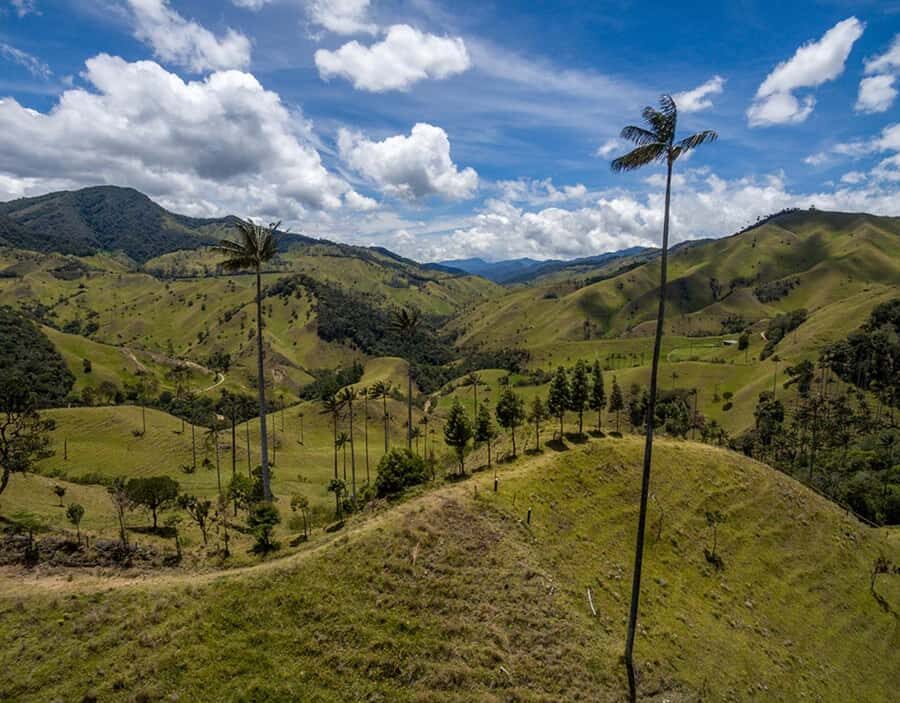
The day’s scenery begins right away. At the entrance to Cocora Valley, you’ll see the towering wax palm trees—the national tree of Colombia and an environmentally important species. This is one of those places where the first few minutes matter: the palms aren’t just a pretty photo backdrop. They’re part of why the area’s ecosystem is worth protecting.
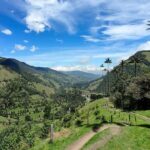
From there, you move into the valley. Cocora Valley is tied to Los Nevados National Natural Park, a protected area associated with snowy peaks in the broader region. You won’t be climbing to snowline in this day trip, but you will feel like you’re living in the edge zone of a big, protected mountain world.
I like the way this tour frames the hike as both an experience and an education. Cocora Valley is also recognized as part of the UNESCO Coffee Cultural Landscape of Colombia, which means your guide can connect what you’re seeing—altitude, weather, land use—to how coffee culture became part of Colombia’s identity.
Expect a hike that goes up and down hills on rugged trails. If you’re the type who’s fine on uneven paths but dislikes long, steep slogs, plan to take it at your pace. Some people bring a cane if they need extra support; the tour description basically sets you up for that kind of reality, not a flat walking tour. If it’s misty or windy, you’ll still have a good chance at dramatic views. In fact, fog can make the valley look more layered and theatrical than bright-blue conditions.
Photo tip that’s practical: bring water and keep your hands free when you’re on uneven ground. The wax palms can tempt you to stop constantly, but the best balance is to pause safely, shoot quick, and keep moving.
You can also read our reviews of more private tours in Salento Colombia
UNESCO-level context: why coffee culture fits these mountains
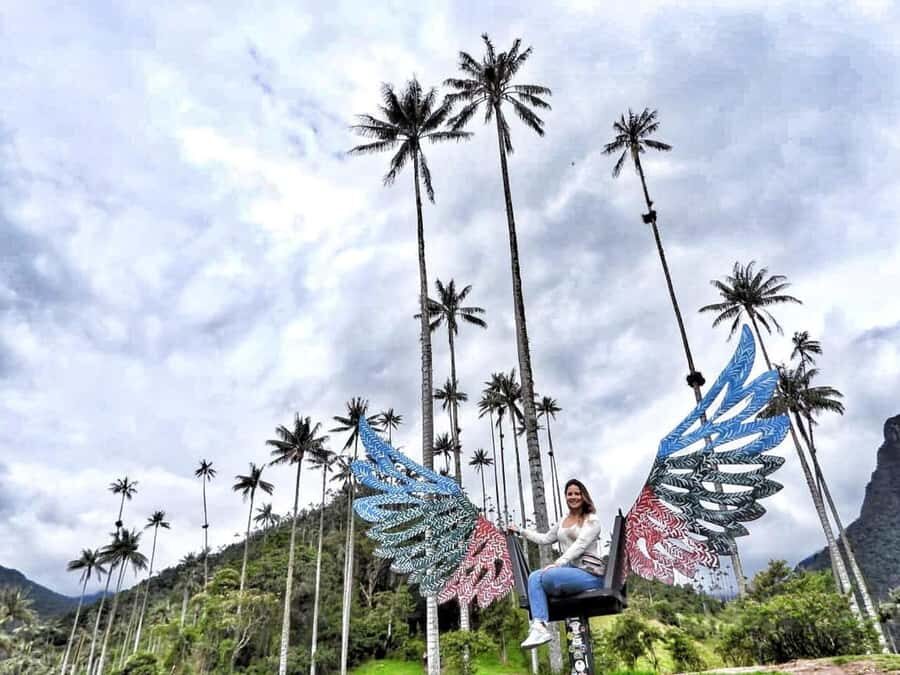
Here’s the piece that makes the day feel more than two separate activities. The coffee part isn’t tacked on as a souvenir stop. The valley hike and the farm tour connect through Colombia’s coffee landscape—how the land, the climate, and the people all shaped a working tradition.
Your guide may point out how the environmental importance of wax palms connects to the broader conservation mindset around the region. You’ll also hear how the coffee economy and culture shaped towns like Salento and the Quindío area.
In plain terms: this is the type of tour where you end up understanding why coffee belongs in the same conversation as national symbols and mountain protection. That’s also why the day doesn’t end right after the farm visit. It finishes with an appreciation of coffee’s role in the country’s life, not just how it tastes.
Coffee farm tour: from plantation to roasting, in clear steps
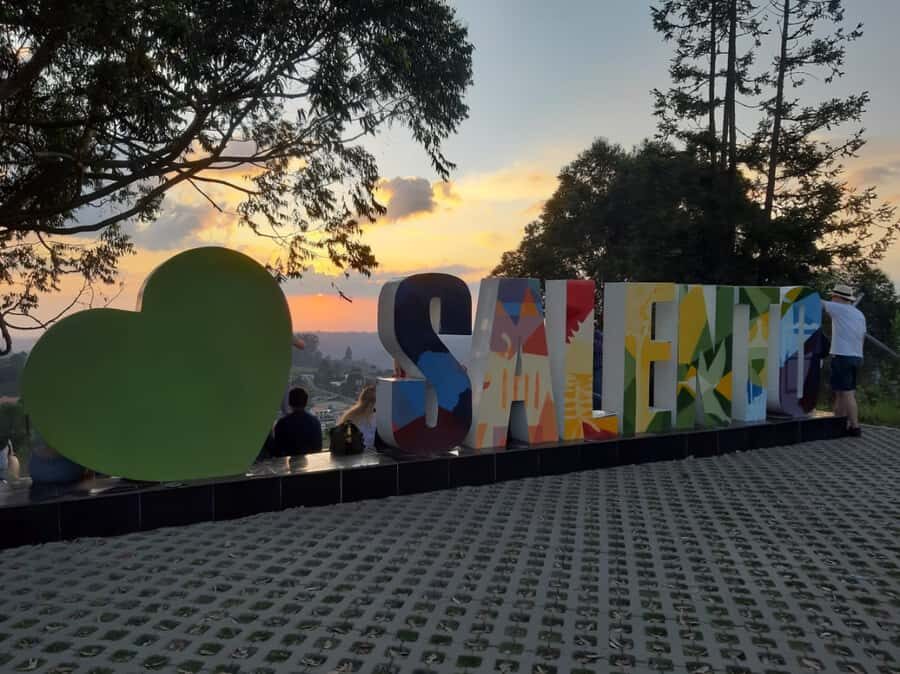
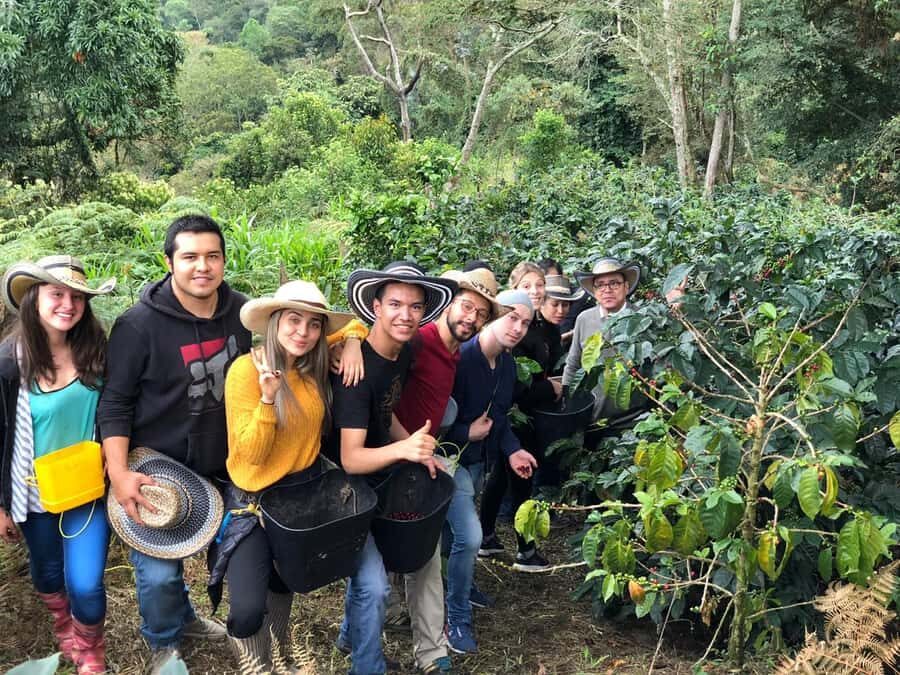
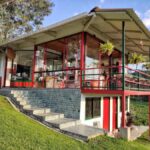
Then the day shifts from hike mode to coffee-farm mode. You’ll visit a typical Colombian coffee farm and plantation with a coffee expert who leads you through the process step by step.
What I like about this structure is that it gives you a mental map for what you’re tasting later. The tour walks through the sequence:
- Plantation and where the coffee grows
- Picking the coffee cherries
- Removing the bean from the cherry
- Washing (so the flavor quality can develop properly)
- Roasting
- Grinding the coffee
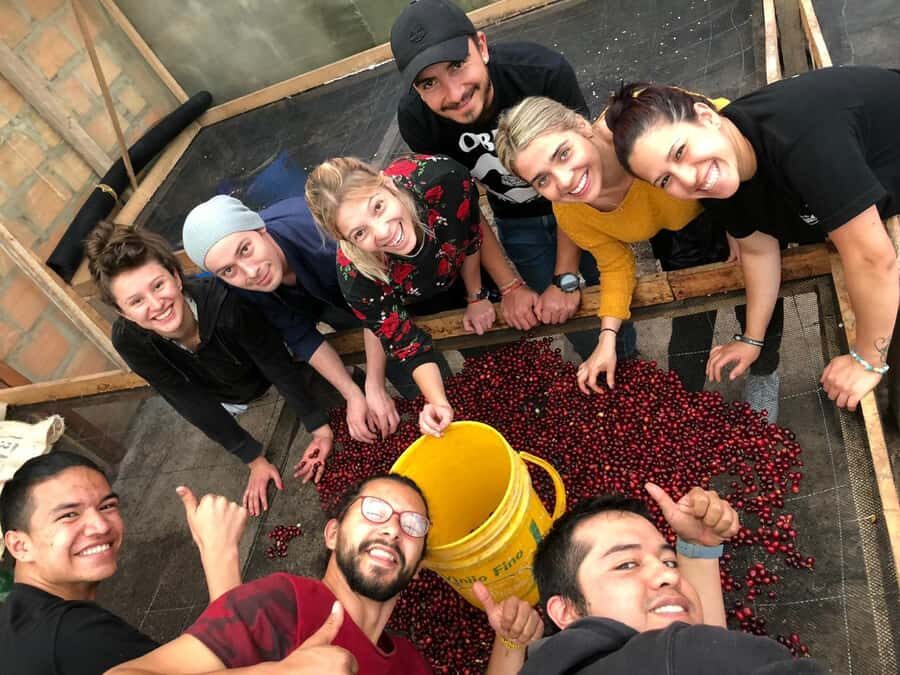
Some guides also add small, memorable touches. In my reading of how these days run, people have described moments like planting little palm tree seeds—basically a reminder that this region isn’t just about production; it’s tied to long-term stewardship.
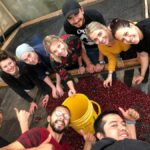
And yes, you’ll likely get a hands-on feel. One big theme in guide feedback is that the day doesn’t get stuck in classroom mode. People talk about doing things like harvesting or peeling, then seeing how that work turns into a cup. Even if your specific farm visit leans more visual than hands-on, the day is built around a full process run-through.
A small note for your expectations: different farms can vary in the exact flavor of participation. The core sequence above stays the anchor, but the degree of involvement can shift a bit depending on conditions at the finca.
The coffee tasting lesson: learn what good coffee tastes like
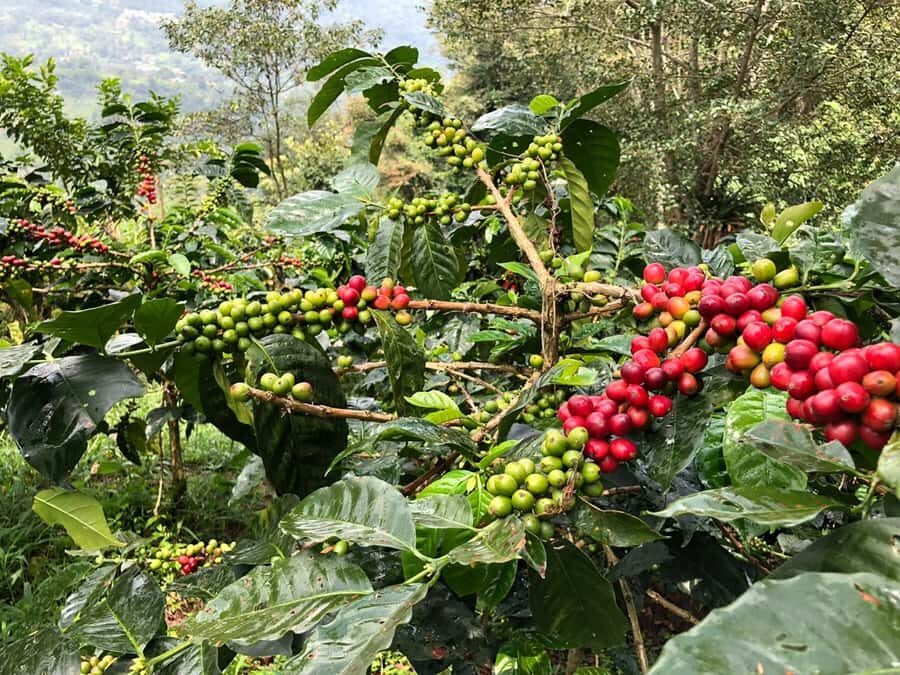
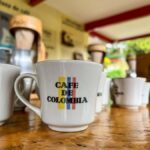
After the farm work, you don’t just get coffee. You get a tasting lesson led by baristas. The goal is to teach you how to recognize qualities associated with high-quality Colombian coffee—and to answer your questions while you’re tasting fresh coffee.
This part matters because it turns your experience into something you can carry home. Once you know what to pay attention to—aroma, balance, and the general style of what you’re drinking—you stop treating coffee as a mystery. It becomes a skill you can practice when you visit cafés later, or when you buy beans for your kitchen.
You’ll also come away with a better sense of why Colombian coffee can taste so different depending on the farming and processing steps you just saw. The tour does a good job connecting cause and effect: what happens in the farm stages shows up in the cup.
Pacing, comfort, and the stuff you should bring
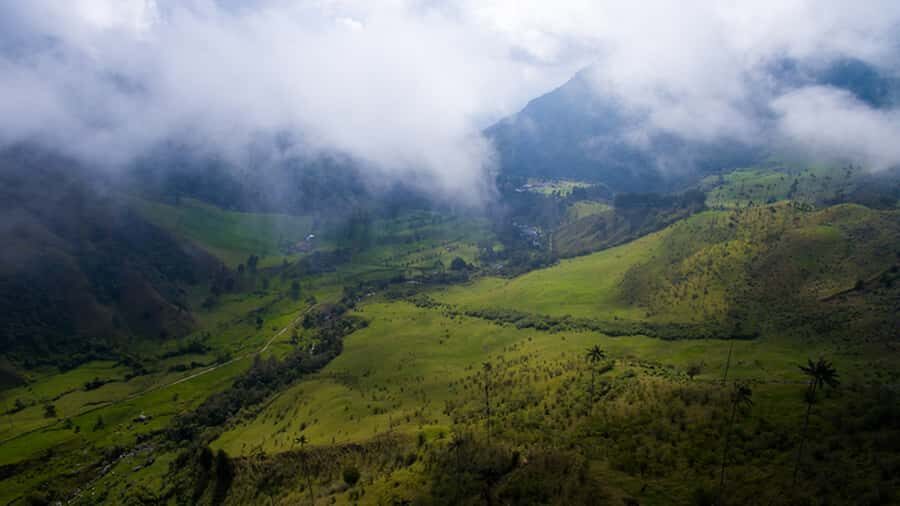
This isn’t a stroll. It’s an all-weather, full-day outing that involves real walking on hills and rugged trails. The tour is designed to run in all weather conditions, so plan your clothing around that. Mists in the mountains are common; rain can happen without drama, which is exactly why a good guide adjusts the day as needed.
A practical packing list:
- Hiking shoes with grip
- Water
- Weather-appropriate clothing
- Sunscreen
- Comfortable layers (conditions can shift)
If you need a cane for balance or knee support, consider bringing one. The tour is honest about the up-and-down terrain, and that honesty helps you show up prepared.
Food note: lunch is not included. That doesn’t mean you’ll go hungry, but it does mean you should plan for it as part of the day’s cost and timing.
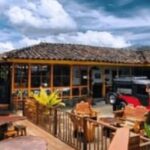
Some days include lunch at a local spot in Salento; guides also tend to recommend places. Still, build slack into your schedule because weather and hiking time can affect when lunch fits best.
A few more Salento Colombia tours and experiences worth a look

Price and value: is $157 per person worth it?
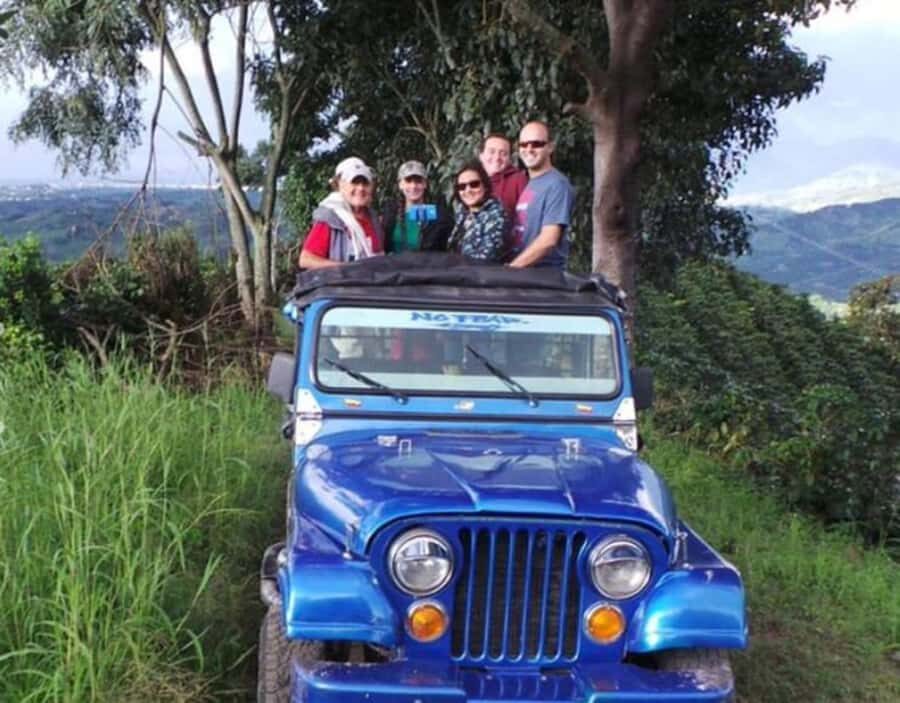
At $157 per person for an 8–10 hour private tour, the biggest question is what you’re paying for beyond the two headline stops.
Here’s the value math that makes sense:
- A tour guide who can explain both Cocora Valley and coffee farming in context
- Pickup and drop-off
- Cocora Valley entry
- Coffee tasting
- Private group flexibility (your pace, your questions, your timing)
For people who want to do Cocora Valley and a coffee farm in one day, the convenience is real. You save time coordinating transport and timing between sites, and you’re not guessing your way through which viewpoints are worth the effort. Add the fact that the tour can adjust for weather (with guides known to reorder stops when rain hits), and the day feels smoother than a do-it-yourself plan.
That said, there’s a genuine consideration: it can feel pricey if your budget is tight, especially because lunch isn’t included. One person even compared the tour cost to other parts of their trip, which tells me this is a “value by experience” purchase, not a “low-cost day out.”
My advice: if you’re the type who wants a guided explanation for both nature and coffee, and you’d otherwise pay for entry, transport, and multiple tickets, this tends to pencil out. If you’re happy to hike on your own and do coffee with a less guided visit, the price might sting.
Who this tour fits best
This tour is especially good for you if:
- You want Cocora Valley but also care about what you’re seeing, not only the photos
- You like coffee and want the process from cherry to cup
- You prefer a private day where your guide can answer questions and adjust to conditions
- You’re comfortable with a long day and rugged trail walking
It’s less ideal if you:
- Have limited mobility or struggle with hills and uneven paths
- Need a very relaxed schedule with minimal walking
- Want lunch and snacks fully covered (since lunch is not included)
If you’re visiting Salento and you only have one day to spare, this combination is a strong way to make that day count.
Should you book Salento: Private Cocora Valley, Salento & Coffee Farm Tour?
I’d book it if you’re after a guided day that connects the dots—wax palms, protected mountain ecosystems, and a coffee culture tied to the land. The private format helps, and the coffee farm portion is structured enough that you’ll leave with real understanding, not just a full stomach and a souvenir bag.
Don’t book it on autopilot if you hate hiking or you’re expecting lunch to be handled. Bring good shoes, plan for a meal, and treat it as an active day. If you do that, you’re set up for a memorable mix: mountain views in the morning, a farm process lesson in the afternoon, and coffee you can actually describe afterward.
FAQ
Where does the tour depart from?
The tour can depart from Armenia, Salento, or Filandia, where your guide meets you.
How long is the tour?
The duration is listed as 8 to 10 hours.
Is lunch included?
No. Lunch is not included.
Is coffee tasting included?
Yes. Coffee tasting is included, and there is also a coffee tasting lesson.
What language is the guide available in?
The tour includes a live guide in English and Spanish.
What’s the hiking like in Cocora Valley?
The hike includes going up and down hills and rugged trails, so comfortable hiking shoes are important.
Does the tour run in bad weather?
Yes. It operates in all weather conditions, so dress appropriately for rain or mist.
What should I bring?
Bring hiking shoes, water, weather-appropriate clothing, and sunscreen. A cane can help if you need extra support.