REVIEW · MEDELLIN
Comuna 4 Walking Tour Medellin
Book on Viator →Operated by Real City Tours · Bookable on Viator
This is a Medellín story with an edge. In about 3.5 hours in Barrio Moravia, you’ll hear how the city’s famous transformation has another side, from illegal origins in the 60s to today’s community pushback. I especially love the local voices, including Gladys, and how the tour keeps the focus on real people and real trade-offs, not postcard scenes. One thing to consider: this walk deals with heavy topics like poverty, housing plans, and resistance, so it’s emotional and not the kind of tour you do when you want pure comfort.
You’ll also get a practical look at how daily life works here: health care access, street vending, football culture, and how education and the Strata system show up on the ground. The pace is manageable for most people, with a small group size (max 8), and the guide mix of bilingual storytelling plus community leadership makes it easy to follow. If you’re expecting a typical city sightseeing loop, you might find this tour more focused and more confrontational than that.
In This Review
- Key things that make the Comuna 4 tour worth your time
- Entering Barrio Moravia via Metro Caribe
- Morro de Moravia and La Resistencia de Moravia
- Centro de Salud Moravia El Bosque: health care and everyday gaps
- Graffiti at cigarreria la plaquita and the meaning of soccer
- Fundación Oasis Urbano: education and the Strata system
- Escuela Fe y Alegría – Luis Amigó: the tiny empanadas stop
- The neighborhood football pitch and a resilience story
- Moravia Cultural Center: community-built infrastructure
- Price, group size, and why it feels like real value
- Logistics that actually matter on this walk
- Who should book this Comuna 4 walking tour
- Should you book the Comuna 4 Walking Tour?
- FAQ
- FAQ
- How long is the Comuna 4 Walking Tour Medellín?
- What does the tour cost?
- Where do I meet for the tour?
- Is hotel pickup or drop-off included?
- How large is the group?
- What’s included in the price?
- Are any admission tickets required for the stops?
- Is the meeting point near public transportation?
- What’s the cancellation policy?
Key things that make the Comuna 4 tour worth your time
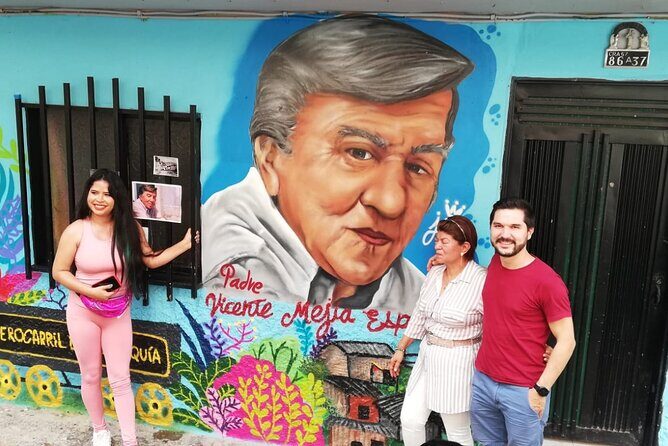
- Gladys-style firsthand history: you hear what transformation felt like from someone who lived through it
- La Resistencia de Moravia: learn why families resisted the government reallocation plan for more than a decade
- Health care and welfare reality check: why street vending still happens even with a system in place
- Football as culture: graffiti for major teams, and what soccer means day-to-day
- Small snack moment, big payoff: the tiniest, most delicious street empanadas you’re likely to taste in the city
Entering Barrio Moravia via Metro Caribe
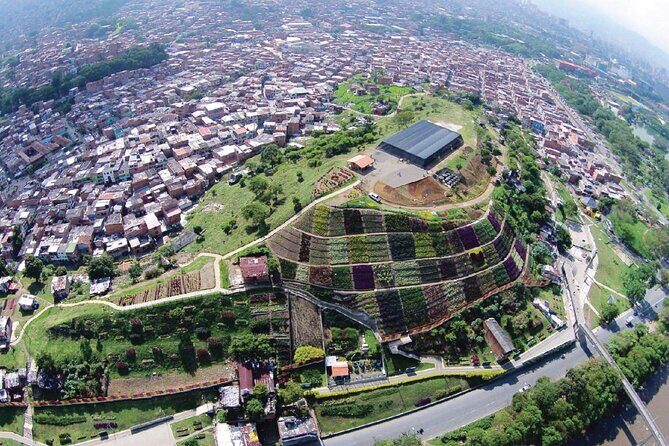
Most tours start with a skyline. This one starts with a neighborhood beat. You meet at the Barrio Transformation Tour meeting point on Av. Regional near Calle 78 in Castilla, and then you move from there into Moravia, with the group guided at walking speed.
Stop 1 is at Estación Metro Caribe, where your guide and the community ambassador set the scene. You get the historical context for Barrio Moravia: how it began in the 1960s as an illegal settlement, and how one version of Medellín’s transformation gets told. This part matters because it gives you a timeline before you see the details on the street.
If you’re short on patience for setup, you might wish the walking started sooner. But the payoff is that later stops land with more meaning, not just names and dates.
You can also read our reviews of more walking tours in Medellin
Morro de Moravia and La Resistencia de Moravia
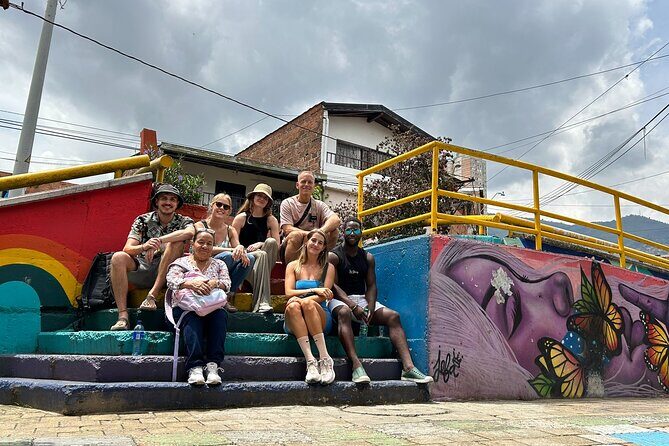
Then you head up to Morro de Moravia, where the tour turns from general history to something more specific and harder to ignore. You visit La Resistencia de Moravia, and you’ll learn the other side of the transformation story, including why hundreds of families resisted the government reallocation plan for over a decade.
This is the part of the tour that feels most grounded in lived stakes. It’s one thing to hear that cities change. It’s another to understand that change can mean displacement, broken promises, or uncertainty for families who built community life with what they had.
A practical note: you’ll be walking in a real neighborhood, not a controlled tourist zone. Wear comfortable shoes and plan to keep your phone put away when the guide is talking and the community ambassador is explaining.
Centro de Salud Moravia El Bosque: health care and everyday gaps
Next comes Centro de Salud Moravia El Bosque, deep enough into Moravia that you can feel the neighborhood quiet for a moment. Here you sit and talk about the Colombian health care and welfare system, and why so many street vendors exist even when a welfare structure exists.
The most useful concept from this stop is the gap between systems on paper and access in practice. You’ll hear that almost half of Colombians do not have access to the support they’re supposed to, and the tour helps you connect that to what you see: informal work, constant adaptation, and the way people patch together support when institutions don’t reach everyone.
If you get uncomfortable with policy talk, don’t worry. The guide keeps it human and ties it back to visible street life. Just be ready for numbers and social realities to show up in a very non-academic setting.
Graffiti at cigarreria la plaquita and the meaning of soccer
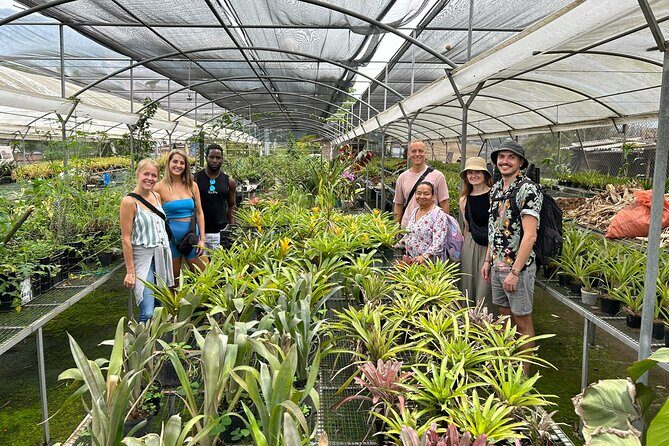
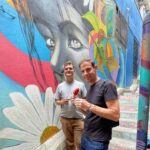
A quick stop follows at cigarreria la plaquita, where you’ll see graffiti dedicated to the city’s most important football teams. This is not a random photo stop. The guide explains the cultural implications behind soccer in Colombian society, and why those images matter in a place where community identity is often carried through everyday symbols.
Even if you’re not a soccer superfan, you’ll probably catch what the guide is pointing at: sport here isn’t only entertainment. It’s belonging, rivalry, storytelling, and social memory.
The timing is short (around 10 minutes), so you’ll want to keep your eyes open and listen closely. The best parts are the small explanations that connect what you see on a wall to what people feel.
Fundación Oasis Urbano: education and the Strata system
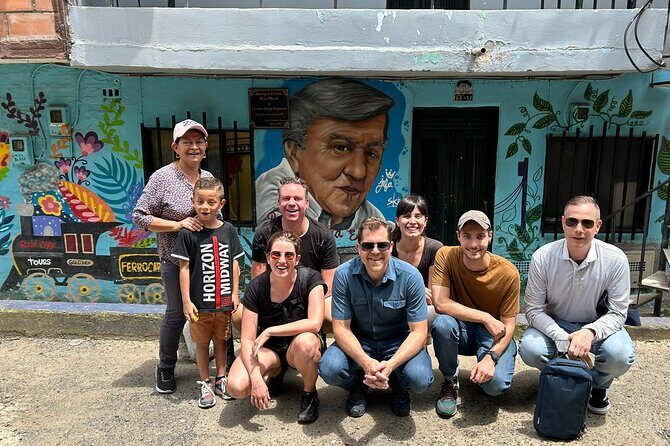
After the football stop, you take shade time in front of Fundación Oasis Urbano. This pause is more than a break. It sets you up for a key theme: education and the Strata system in Colombia.
The Strata system is one of those topics that can sound abstract until you watch how it affects real lives. Here, the guide links the concept to how resources and support can vary, and how people navigate opportunities in a city with sharp differences between neighborhoods.
If you tend to tune out when something gets administrative, resist that impulse here. This is one of the places where the tour becomes practical. You start connecting why certain investments happen where they happen, and how that shows up in schooling and community programs.
Escuela Fe y Alegría – Luis Amigó: the tiny empanadas stop
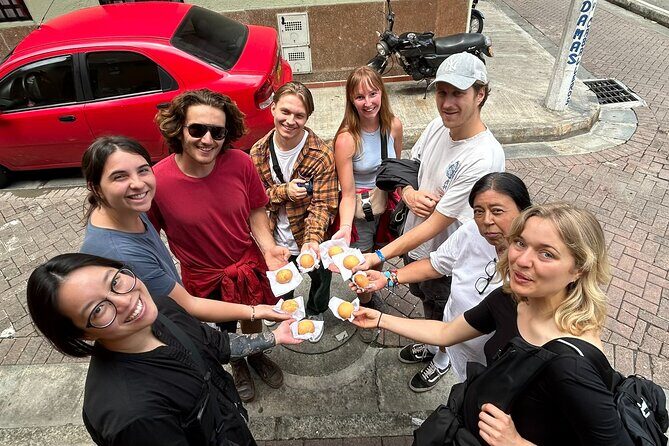
Next you reach E.I. Fe y Alegría – Luis Amigó, and you get one of the most memorable food moments of the day. You’ll enjoy the tiniest yet most delicious street empanadas in the city, served as a snack included in the tour.
Food is a simple thing, but it works well in this kind of tour. It gives you a reset while you’re still learning. And because you’re eating with the group near the neighborhood’s everyday rhythm, it feels less staged than a restaurant lunch.
Keep it flexible: street food means timing depends on how things are running. That’s part of the authenticity, even if you’re the type who likes everything to be perfectly scheduled.
The neighborhood football pitch and a resilience story
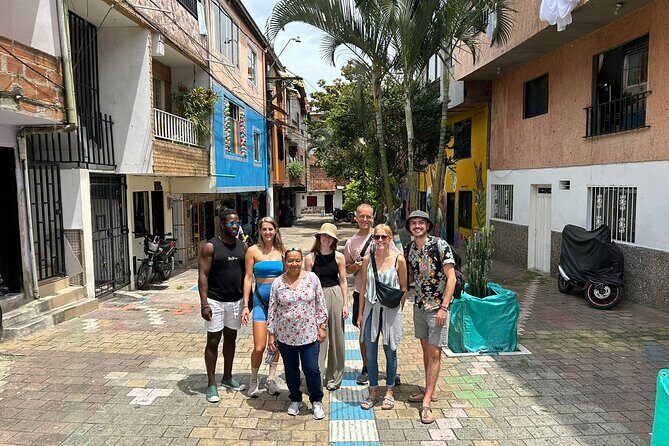
A short walk brings you to the synthetic pitch in Moravia. Here you meet the local ambassador again and learn her story of resilience, resistance, and hope. The stop is only about 10 minutes, but the emotional center of gravity often lands there.
This is where you understand that the tour isn’t only about problems. It’s also about how people build stability and meaning with what they can control: community sports, shared spaces, and leadership that comes from inside the neighborhood.
If you’re traveling with kids or you’re a bit sporty yourself, this stop can be a welcome reset. Even if you’re not, it’s often the moment that makes the history feel personal.
Moravia Cultural Center: community-built infrastructure
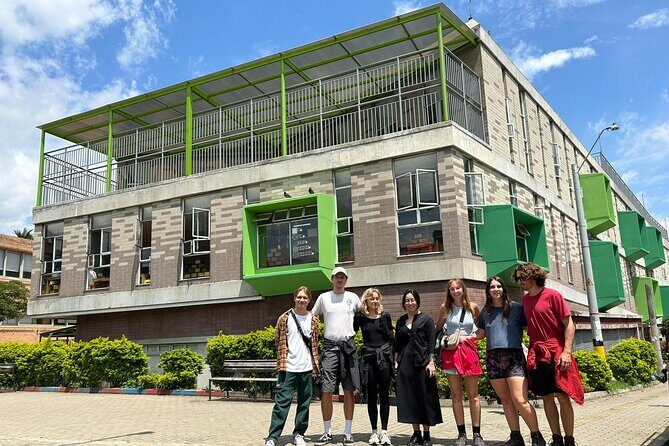
You finish at the Moravia Cultural Center. Together with the community ambassador, you visit the cultural center and learn the powerful story of how this community built infrastructure for itself.
This is where the tour shifts from explanation to evidence. You’re not just hearing about hope; you’re seeing the physical results of organizing, creativity, and persistence. The center helps show how transformation doesn’t only arrive from government programs. It grows from people doing the work, then inviting others to understand what it cost.
This last section is also a good place to reflect on the earlier themes: the origins, the resistance, the access gaps, and the systems of education and strata. By the time you stand in front of the cultural center, the tour’s message clicks into place.
Price, group size, and why it feels like real value
At $35 per person for about 3 hours 30 minutes, this is priced like a serious community-focused experience, not like a sightseeing add-on. The value is strongest in three parts: you get a snack included, you go with a professional bilingual tour guide, and you also get a local community leader who knows what the story costs.
The group size is capped at 8 travelers, which is a big deal in a walking tour. Smaller groups usually mean you ask questions, hear explanations clearly, and don’t get stuck behind a line of phones.
Also, admission is free for the stops listed. That helps keep your budget tight, since you’re not stacking entry fees on top of the tour price.
Logistics that actually matter on this walk
This tour has no hotel pickup or drop-off. So you’ll want to plan your own way to the meeting point near Av. Regional and Calle 78 in Castilla. The tour is also near public transportation, which helps if you’re staying elsewhere in Medellín.
You’ll be on your feet for the full 3.5 hours. If you’re sensitive to steep stretches, go slow and let the group set the pace. The stops include short sits and shade time, but the day is still a walk-through.
Finally, it’s designed for most travelers, and service animals are allowed. In other words: it’s not a backwoods trek. It’s a real neighborhood experience with real voices.
Who should book this Comuna 4 walking tour
Book it if you want Medellín beyond the usual tourist loop. This is a strong match if you care about how cities change, who benefits, who pays, and what happens when community members push back instead of waiting quietly.
You’ll also love it if you want a tour that feels human. The names that come up for this experience—Toto and Gladys—show up because the storytelling is personal and clear, not scripted.
Skip it if you’re looking for purely light entertainment or panoramic views. This walk has tension and it asks you to pay attention to inequality and displacement.
Should you book the Comuna 4 Walking Tour?
Yes, if you want a tour that treats Medellín like a living place, not a theme park. The combination of a bilingual guide plus community leadership makes it easy to understand complicated topics without losing the human side. And at $35, the snack, small group size, and the chance to hear firsthand histories from people like Gladys make the math work.
If you’re sensitive to emotional topics, schedule this for a time when you have energy to process what you’ll learn. This tour doesn’t just show you Moravia. It explains why the neighborhood fights for dignity, and why that fight matters to Medellín’s future.
FAQ
FAQ
How long is the Comuna 4 Walking Tour Medellín?
It lasts about 3 hours 30 minutes.
What does the tour cost?
The price is $35.00 per person.
Where do I meet for the tour?
You start at the Barrio Transformation Tour meeting point on Av. Regional #Calle 78, Castilla, Medellín.
Is hotel pickup or drop-off included?
No. Hotel pickup and drop-off are not included.
How large is the group?
The tour has a maximum of 8 travelers.
What’s included in the price?
Included are a local community leader, a professional bilingual tour guide, and a snack.
Are any admission tickets required for the stops?
Admission tickets are free for the listed stops.
Is the meeting point near public transportation?
Yes, it’s near public transportation.
What’s the cancellation policy?
You can cancel for a full refund up to 24 hours before the experience starts. If you cancel less than 24 hours before, the amount paid is not refunded.