REVIEW · MEDELLIN
Commune 13, Graffitour street food. History.All inclusive
Book on Viator →Operated by comuna 13 graffitour · Bookable on Viator
Graffiti with a view you can’t fake. This 3-hour Commune 13 Graffitour in Medellín pairs a ride on the cable car with street-level art, history, and real neighborhood stories you can actually see. It’s built for people who want meaning, not just photos.
I love the way the tour points you toward landmark projects like the electric escalators, and I love the food side too, including mango ice cream plus street-food-style treats. The guides also bring the neighborhood’s culture into the walk so it feels like more than a checklist.
One drawback to plan for: the route includes walking up stairs and hills, and it’s not recommended if you have chronic knee problems.
In This Review
- Key things you’ll notice on this Graffitour
- Where the story starts: cable car views over Comuna 13
- Getting oriented fast on the ride and the way back
- Escaleras Electricas de la Comuna 13: the moving landmark
- Independence neighborhood: galleries, shops, viewpoints, and color
- The street-food angle: mango ice cream and sweet tastings
- Guide impact: why the same tour feels different with each host
- Who this tour suits best (and who should rethink it)
- Price and value: why $25 can make sense here
- What to do before you go: simple prep that helps
- Should you book the Commune 13 Graffitour?
- FAQ
- How long is the Commune 13 Graffitour?
- How much does the tour cost?
- Where does the tour start and end?
- What does the tour include?
- Is there a group size limit?
- Is the tour suitable for everyone?
- Does the tour run in any weather?
- Are service animals allowed?
- What is the cancellation policy?
Key things you’ll notice on this Graffitour
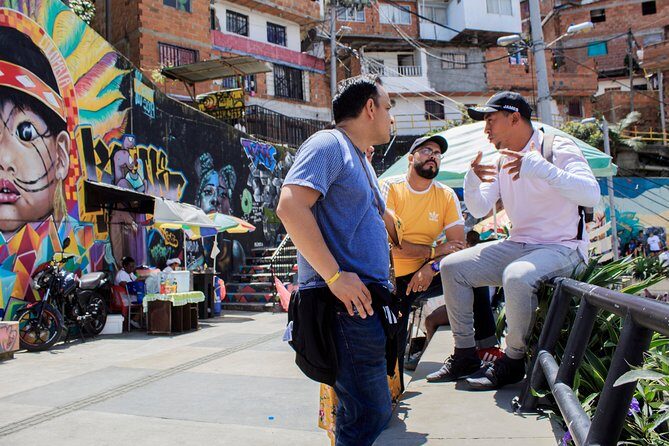
- Cable car start: you get overhead views first, then you understand the streets below
- Escalators of Comuna 13: a public-project story told right at the site
- Street-food tasting: the tour is planned around food breaks, not just art stops
- Independencia area stops: art galleries, shops, and viewpoints show up during the walk
- Small group size: capped at 20 travelers, so it stays more personal
- Local guide energy: multiple guides named Sebastián, Daniel, Manuela, Luis, Andres, and Leidy bring insider context
Where the story starts: cable car views over Comuna 13
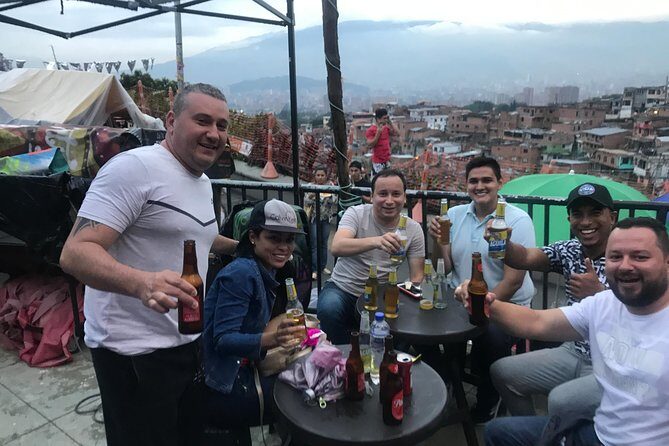
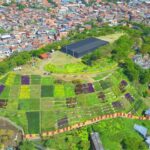
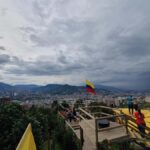
Comuna 13 can look confusing from the ground, especially if you arrive with just a map. The cable car fixes that. Starting at Estación metro San Javier (Cra. 95 #96-29, San Javier II), you rise above the neighborhood so you can connect the dots fast.
From up in the air, you get that quick mental model: the hills, the buildings, the way the community is built upward. Then you come back down and the graffiti and landmarks start making sense in the right order. It turns the tour into a “see it, then understand it” experience.
You can also read our reviews of more food & drink experiences in Medellin
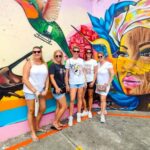
Getting oriented fast on the ride and the way back
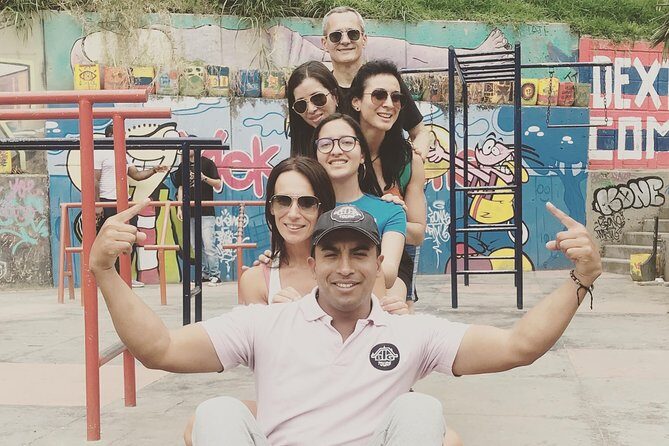
Here’s how the pacing works. You ride the cable car from the meeting point to get the big-picture views, then you return to the meeting point area and travel by public bus to the Independence neighborhood area for the main walk.
That matters because it saves you from doing everything by foot. You still walk—there are stairs and hills—but you’re not forced to start from zero with no orientation. It’s also a practical way to move through Medellín without guessing your route for hours.
At the end, the activity finishes back at the meeting point, so you’re not left stranded somewhere far from your next plan. If you want to stay in the neighborhood longer, you can—but the tour gives you an easy “get back to base” option.
Escaleras Electricas de la Comuna 13: the moving landmark
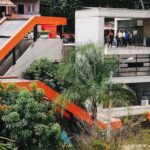
One of the strongest reasons to book this specific route is the stop at the Escaleras Electricas de la Comuna 13 project. The tour doesn’t treat it like a random photo spot. It frames the escalators as a neighborhood transformation tool—and explains why that kind of infrastructure matters in everyday life.
You’ll also get context that this escalators project is rare in the region. The guide points out how the design links people to places they need, while the surrounding graffiti and public art keep the story visible.
Practical note: even if you’re used to city walking, this is still a “think about your legs” part of the tour. If you’ve had knee issues in the past, take the warning seriously. People with chronic knee problems are told it’s not recommended.
Independence neighborhood: galleries, shops, viewpoints, and color
After the escalator stop focus, you head into the Independence neighborhood area. This is where the tour shifts from landmark explanation to street-level texture: graffiti tour routes, art galleries, shops, and viewpoints.
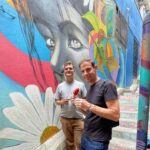
This is also where the neighborhood’s creative culture takes center stage. The graffiti isn’t presented like decoration. It’s presented like a visual language—often tied to community resilience, music, and identity. Some guides explicitly connect street art and hip hop culture as part of the meaning behind the walls, which is a powerful way to understand the community’s voice.
Viewpoints are included, so don’t just think of the walk as “looking at walls.” You’ll have chances to pause, look out over the area, and connect what you see back to what you heard.
The street-food angle: mango ice cream and sweet tastings
This tour is labeled as a street food Graffitour, and you’ll feel that in the timing. There’s a planned food moment that’s easy to remember: mango ice cream.
Food is more than a break here. When you stop to eat in the neighborhood, it changes the tempo. You’re no longer just moving through a curated path; you’re taking a breath and experiencing local flavors during the story.
Also, several guides bring dessert-style tastings into the tour flow. One review mentioned trying different desserts. So if you’re the kind of traveler who wants a trip to include something you can taste, not only something you can photograph, this part delivers.
A few more Medellin tours and experiences worth a look




Guide impact: why the same tour feels different with each host
With tours like this, the guide is half the value. The experience is shaped by local storytelling and the ability to explain symbolism in the graffiti. Multiple guides are named in feedback, including Sebastián, Daniel, Manuela, Luis, Andres, and Leidy, and the common thread is that they connect you to the neighborhood from a human angle.
You’ll likely notice:
- clear explanations of the neighborhood’s history and why graffiti looks the way it does
- a friendly, easy-going approach from guides who grew up there or live nearby
- the confidence to answer questions (English is mentioned as strong in multiple notes)
I’d treat this like a conversation, not a lecture. Ask what a specific mural is referencing. Ask how daily life connects to what you’re seeing on the walls. That’s where the tour becomes memorable instead of simply scenic.
Who this tour suits best (and who should rethink it)
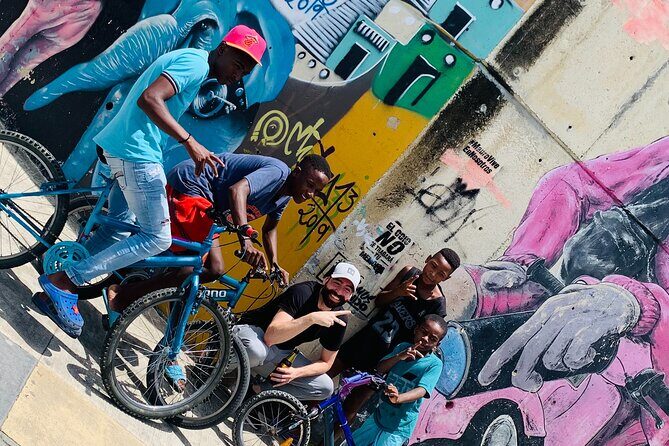
This is designed for most travelers, and it’s also set up with small-group control (maximum 20 travelers). If you’re comfortable walking a couple hours with some hills and stairs, you’ll probably love it.
You should think twice if:
- you have chronic knee problems (this is explicitly called out)
- you need low-impact walking the whole way
The walk is part of the story, and the escalators/hills are real. Even if you’re fit, wear comfy clothing and plan for uneven city walking.
Good to know: service animals are allowed, and the meeting point is near public transportation. So you’re not dependent on a private driver to make the day work.
Price and value: why $25 can make sense here
The price is $25.00 per person for about 3 hours, and admission is included. For some tours, admission mostly means a museum ticket. Here, it ties into the structured access and the planned route that includes key neighborhood components like the cable car experience and the escalator project stop.
You also get food in the mix, including mango ice cream, plus street-food-style tastings. When a tour bundles transport, a guided walk, and a food stop, it’s usually better value than paying for each piece separately.
Another practical value point: it’s often booked about 17 days in advance on average. That doesn’t guarantee sell-outs, but it’s a sign the tour is popular enough that you should reserve sooner rather than later if you’re traveling during peak weeks.
What to do before you go: simple prep that helps
This tour needs good weather. If the weather isn’t right, the experience can be canceled and you’ll be offered a different date or a refund. So check the forecast before you head out, and don’t wait until the last minute to make decisions.
Bring:
- comfy shoes for stairs and hills
- a light plan for staying comfortable in changing outdoor conditions (since you’ll be walking)
- your curiosity for stories tied to hip hop and community resilience
If you’re a photo person, do yourself a favor and move slow at the viewpoints. The cable car gives you the overview, but the street-level viewpoints and art stops are where your photos stop looking random and start telling the right story.
Should you book the Commune 13 Graffitour?
I recommend booking if you want Medellín history with a built-in “why” and “how.” This is not only street art for decoration. It’s a route that explains community change through visible places, including the electric escalators project, and then backs it up with street-level culture and food.
Skip it (or choose something gentler) if knee issues are a real problem for you. The walking is part of the experience, and the tour explicitly isn’t recommended for chronic knee problems.
If you’re on the fence, this is my quick decision rule: if you can handle stairs and hills for about a few hours, you’ll likely leave with more context than you started with—and you’ll have tasted something local along the way.
FAQ
How long is the Commune 13 Graffitour?
It lasts about 3 hours (approx.).
How much does the tour cost?
The price is $25.00 per person.
Where does the tour start and end?
It starts at Estación metro San Javier (Cra. 95 #96-29, San Javier II, Medellín) and ends back at the same meeting point.
What does the tour include?
An admission ticket is included, and the tour includes street food, including mango ice cream.
Is there a group size limit?
Yes. This tour/activity has a maximum of 20 travelers.
Is the tour suitable for everyone?
Most travelers can participate. It is not recommended for people with chronic knee problems.
Does the tour run in any weather?
This experience requires good weather. If it’s canceled due to poor weather, you’ll be offered a different date or a full refund.
Are service animals allowed?
Yes, service animals are allowed.
What is the cancellation policy?
You can cancel for free up to 24 hours in advance for a full refund.