REVIEW · MEDELLIN
Post-conflict Shared Tour (Paul) and Violence Medellin
Book on Viator →Operated by Beyond Colombia Free, Group & Private Tours · Bookable on Viator
Medellín can feel like a moving lesson. This 3-hour shared tour connects the city’s recent past to the everyday places where people now learn, create, and rebuild. I like how it turns regular streets into a story you can follow, and I especially like that the focus stays on why Medellín changed, not just what the buildings look like.
Two big things make it work: the stops are mostly free to enter and the guides are praised for clear, honest storytelling (I’ve seen names like Miguel, Daniel, Alejandro, Manuel, Paul, and Sebastian tied to that kind of delivery). One possible drawback: parts of the route aren’t flashy in the usual sightseeing sense, so if you want nonstop photo ops, you may find you have to lean into the narratives to get your value.
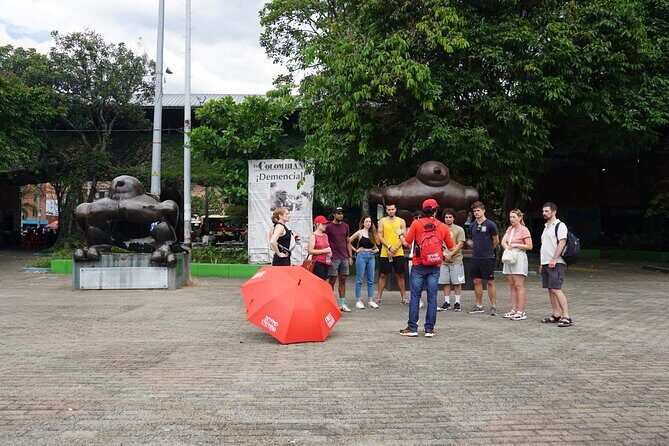
This is a good fit if you like history that’s tied to real public space. You’ll walk for about 3 hours, stay with a small group (max 10), and you’ll end in a newer, future-looking area after taking in the city’s memory and repair work.
In This Review
- Key highlights you should care about
- Price and logistics: what $14 buys in Medellín
- What the pace is like and who this suits
- Parque San Antonio: Medellín’s memory in a public park
- Plazuela San Ignacio: why education matters after violence
- Comfama San Ignacio: art, culture, and community programs
- Torres de Bomboná: modern architecture as urban transformation
- Pasaje Cervantes: murals that translate messages on the street
- Parque de Boston: a breather for real reflection
- Simona Duque Park: human rights given a name and a legacy
- Bicentenario Park: ending with the future instead of only the past
- Guides make or break this tour: names you’ll hear in the crowd
- Emotion, safety, and how to handle heavy topics on foot
- Price value check: why this feels worth it for the right traveler
- Should you book this Medellín violence and post-conflict walking tour?
- FAQ
- How long is the Violence Medellin and post-conflict tour?
- What does the tour cost?
- What’s included in the price?
- What is not included?
- Is admission included for all stops?
- How many people are in the group?
- Where does the tour start and end?
- What time does the tour begin?
- What if I need to cancel?
Key highlights you should care about
- Post-conflict themes, told through everyday Medellín spaces, not museums and lectures
- Guides who explain the conflict and the social dynamics clearly, with strong Q&A in English (Miguel, Alejandro, Daniel)
- Education + art as peacebuilding, shown at Plazuela San Ignacio, Comfama San Ignacio, and Pasaje Cervantes
- A human-rights stop honoring Simona Duque, which keeps the emotional weight grounded in a real story
- A modern finish at Bicentenario Park, where the tour shifts from the past to the road ahead
- Small group size (up to 10) for a more direct conversation with your guide
Price and logistics: what $14 buys in Medellín
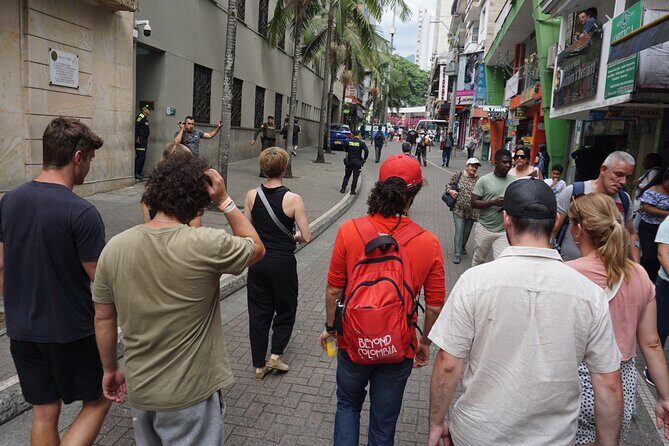
At $14 per person for about 3 hours, this feels like strong value for a guided walk that connects multiple parts of central Medellín. You get a certified guide and you’re not paying for a long bus ride or museum entry as the core of the experience.
A key detail: you’ll see that many stops are listed as free admission, but two of the later stops may require an admission ticket you don’t include in the price (Simona Duque Park and Bicentenario Park). So budget a little extra if you know you’ll want to go all the way inside.
This tour also operates in the style of a shared walking experience where what you pay through Viator corresponds to the suggested tip per person for the guide’s work (with a commission kept by Viator). In plain terms: if you do the tour, plan to tip thoughtfully through the system you booked, and you won’t feel weird about it later.
You can also read our reviews of more tours and experiences in Medellin.

What the pace is like and who this suits
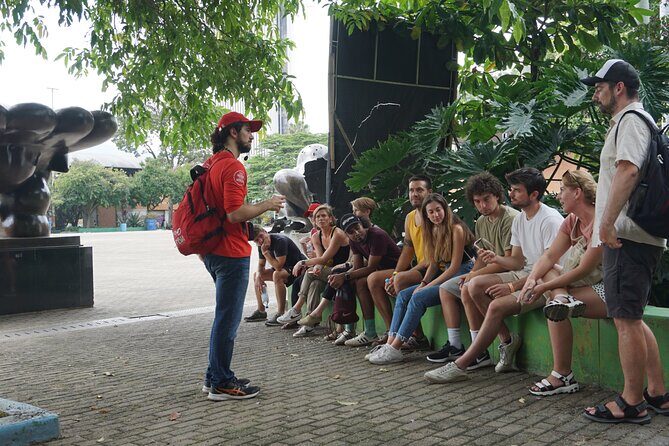
This is a walking tour with stops that last roughly the same amount of time at each site. The pace is steady, and the physical requirement is listed as needing strong fitness. That doesn’t mean it’s a race, but it does mean you should be comfortable walking and standing in the kind of urban terrain Medellín is known for.
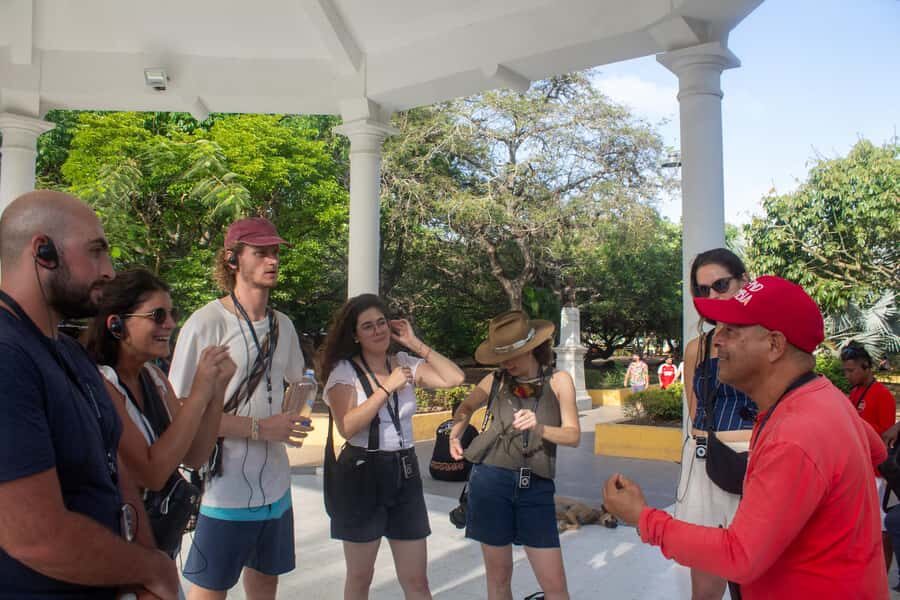
The group size is capped at 10 travelers, which matters. Smaller groups usually mean more chances for your questions to land. And your guide can steer the discussion based on what you’re curious about, which is a big part of what makes this one stand out in the reviews.
If you’re the type who enjoys walking history—especially the kind tied to education, human rights, and art—this fits well. If you want a purely visual tour with minimal talk, you might find some stops less visually intense than you hoped, unless you’re ready to treat the guide’s explanations as the main attraction.
Parque San Antonio: Medellín’s memory in a public park
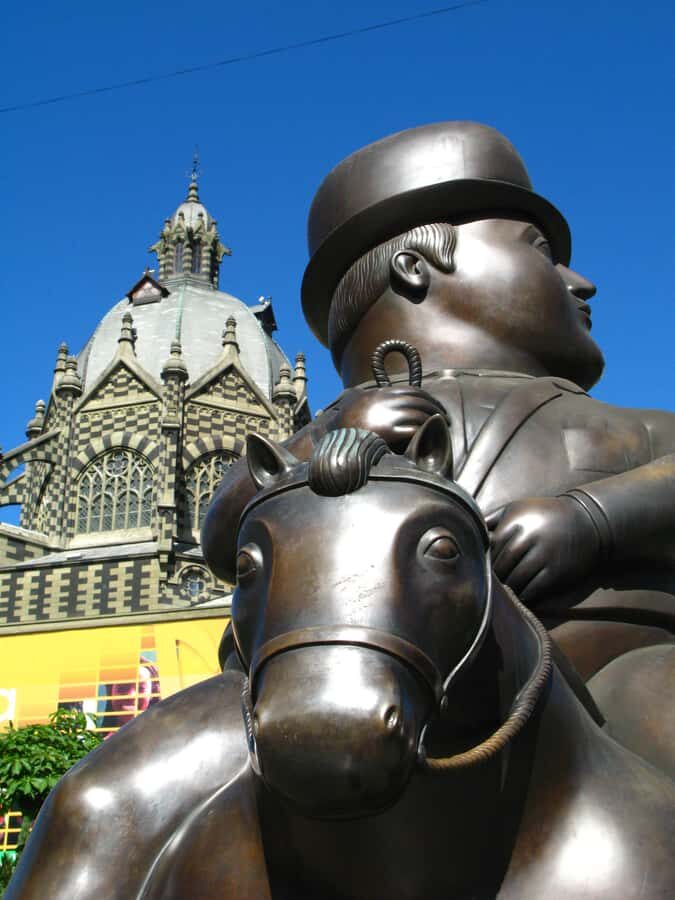
The tour starts at Parque San Antonio, a place that feels central to how the neighborhood tells its story. Here, the guide frames the park as more than a pretty meeting point. It becomes a snapshot of Medellín’s life over time—how public space changes as the city changes.
This is where you get the tone of the day: the tour doesn’t treat conflict as a distant chapter. Instead, it looks at how everyday places reflect shifts in the community’s priorities. You’ll also notice the contrast between how a park used to function and how it functions now, which sets you up to understand why later stops focus on schools, culture, and human rights.
One practical note: because the early part of the route sets context, it helps to arrive a little alert. If you show up scattered, you might miss the “map” your guide is building for the rest of the walk.
Plazuela San Ignacio: why education matters after violence
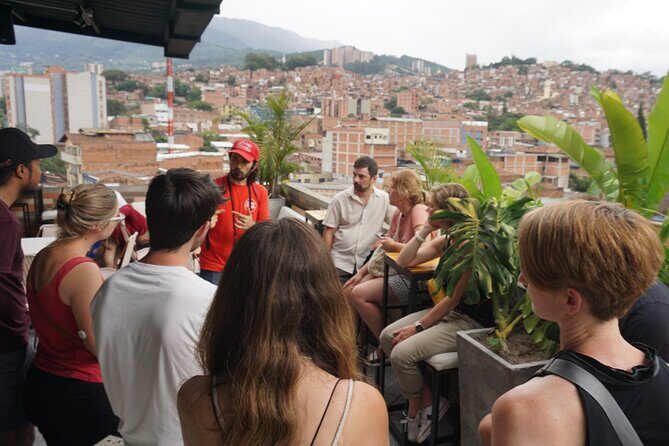
Next up is Plazuela San Ignacio, where the theme turns toward education as a peacebuilding tool. This stop is a good reminder that rebuilding is not only about security or big government moves. It’s also about giving kids and communities ways to learn, organize, and plan beyond immediate survival.
You’ll walk the square and hear how education has played a role in changing Medellín’s social fabric. It’s the kind of stop that can feel a bit abstract at first—until the guide ties it back to the city’s wider shift toward peace.
If you like tours that help you connect policy and everyday life, this one hits the sweet spot. If you mostly care about architecture or street photography, keep an open mind: the value here is in the explanation.
Comfama San Ignacio: art, culture, and community programs
Then you head to Comfama San Ignacio, a cultural center designed around art, culture, and education. This isn’t just a one-off “look at art” stop. The framing is about how programs can strengthen the social fabric and support peaceful coexistence.
In the reviews, guides are praised for making these connections feel human instead of theoretical. That matters here, because a cultural center could easily turn into a generic stop. Instead, you get a storyline about why culture and education show up in post-conflict rebuilding.
I’d treat this stop like a pause button. You’re moving through heavy themes, and this is where the tour shows constructive choices people are making now.
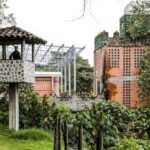

Torres de Bomboná: modern architecture as urban transformation
At Torres de Bomboná, the tour shifts toward architecture and what it represents. You’ll hear about the towers as a symbol of modern building in Medellín and why they became a reference point for the city.
This is a smart inclusion because it balances the emotional weight of the earlier stops with something tangible you can still look at. You can stand there and think about how skylines signal confidence, investment, and changing urban priorities.
Just don’t expect this to be a long technical lecture about design. The point is connection: buildings as part of the city’s shift, not just objects for photos.
Pasaje Cervantes: murals that translate messages on the street
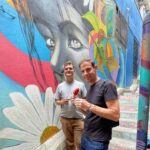
Pasaje Cervantes is where the tour becomes more colorful, literally and emotionally. This passage is known as an example of how urban art can transform public space.
You’ll admire the murals and learn about the artists and the messages behind the work. The value isn’t only the visuals—it’s the explanation of what public art communicates when it’s used like a language for memory, identity, and change.
This stop also helps you understand the theme of the day: Medellín’s rebuilding is shown through what people paint on walls and how they repurpose shared spaces for community expression.
Parque de Boston: a breather for real reflection
Before the tour gets to the human-rights ending, you stop at Parque de Boston. It’s described as a place to rest and reflect, and that’s exactly how it lands if your guide is doing the storytelling well.
This break is important. Post-conflict history can hit fast. If your guide is telling the story with honesty, you’ll need a moment where you can let it settle without rushing.
If you tend to keep moving through tours, use this stop to jot down what you want to remember later—education, culture, architecture, public art, and the human-rights thread that comes next.
Simona Duque Park: human rights given a name and a legacy
The tour then honors Simona Duque at Simona Duque Park, described as a tribute to her human-rights work and legacy. This is the emotionally direct stop on the route, even though it’s still done through place-based storytelling.
If you’ve been wondering how peacebuilding becomes personal, this is where the tour makes it specific. You’re not only learning about conflict in general terms; you’re hearing about a person whose life is used as a moral anchor for the story.
Because the admission ticket here is listed as not included, you might want to be ready for that additional step if you want to fully participate. It’s also one of those stops where being respectful with attention really matters.
Bicentenario Park: ending with the future instead of only the past
Finally, the tour ends at Bicentenario Park and the area around the Memory House Museum. The tour framing is future-focused: a modern and sustainable space, used here as a symbol of where Medellín is heading and what challenges and opportunities remain on the road to peace.
This ending works because it doesn’t treat history like something finished. You get a sense that post-conflict rebuilding is ongoing, and the city’s future is part of the same story.
You’ll leave with a clearer sense of how the tour’s themes connect:
- public memory in parks,
- education and programs,
- art and murals,
- architecture and urban change,
- human rights through a named legacy,
- and a modern finish that looks forward.
Guides make or break this tour: names you’ll hear in the crowd
What really stands out is how much the success seems tied to the guide and their storytelling. In reviews, several guides get called out for doing more than reciting facts.
- Miguel gets praise for explaining social dynamics and historic development clearly, with strong English.
- Daniel is described as honest and authentic, and the tour is called eye-opening.
- Alejandro is praised for giving a lot of context on the conflict’s history and answering questions. One review notes some places aren’t visually exciting, but the story makes them worth it.
- Manuel gets credit for making a complex topic feel both informative and fun.
- Paul is highlighted for handling a detailed, complex history and for taking people to spots they might not find on their own.
- Sebastian is praised for the vibe of the story delivery and how much you learn.
So here’s my practical advice: if your guide asks what you’re curious about, speak up early. Ask something small like how education and culture connect to peacebuilding in Medellín. Guides who are already good at clear answers tend to open the whole tour up.
Emotion, safety, and how to handle heavy topics on foot
This is a post-conflict themed walk, so some of what you hear will feel heavy. The route still keeps it grounded in normal city movement—parks, squares, cultural spaces—so it doesn’t become a gloomy crawl.
A key thing to remember: the tour isn’t presented as shock value. It’s structured as an explanation of how a city turns pain into systems—education, human-rights advocacy, and community spaces for art and learning.
That said, there is one caution from the reviews: there are mentions of a guide not showing up with no communication. That’s not the norm in the rating pattern, but it’s still worth taking seriously. I’d suggest confirming details close to the start time so you’re not waiting around with no guide.
Price value check: why this feels worth it for the right traveler
At $14, you’re not paying for attractions you only see on a postcard. You’re paying for:
- a certified guide,
- a structured walk through meaningful public spaces,
- and clear connections between Medellín’s history and how the city rebuilds.
For the right traveler, that’s better value than paying for a single-ticket site, because you get multiple themes in one route. For the traveler who wants constant visuals and minimal context, it may feel like less value, because you’ll need to buy in to the stories.
A good way to think about it: if you enjoy turning street scenes into understanding, you’ll feel like you got your money’s worth fast. If you’re mostly chasing photos, you might need to adjust your expectations.
Should you book this Medellín violence and post-conflict walking tour?
Book it if:
- you want a 3-hour introduction to Medellín’s transformation,
- you’re drawn to education, art, architecture, and human-rights themes,
- and you like guides who answer questions and explain the social logic behind the city’s changes.
Skip it or consider another option if:
- you want a mostly visual tour with light commentary,
- you don’t handle heavy topics comfortably and prefer something gentler,
- or you’re worried about the possibility of a no-show issue—rare, but real enough to be cautious about.
If you do book it, come with a curious mindset. Bring water, wear shoes for walking, and give the tour time to do its job. The route starts with memory and ends with the future, and that arc is the point.
FAQ
How long is the Violence Medellin and post-conflict tour?
It lasts about 3 hours.
What does the tour cost?
The price is $14.00 per person.
What’s included in the price?
A certified guide is included.
What is not included?
Snacks, lunch, and tips are not included.
Is admission included for all stops?
Many stops list free admission. Simona Duque Park and Bicentenario Park list admission tickets as not included.
How many people are in the group?
The maximum group size is 10 travelers.
Where does the tour start and end?
It starts at San Antonio Park (Cl 44 #50, La Candelaria) and ends at Memory House Museum, Parque Bicentenario (Cl. 51 #36-66, La Candelaria).
What time does the tour begin?
The start time is 2:00 pm.
What if I need to cancel?
Free cancellation is available up to 24 hours before the experience starts for a full refund. If you cancel less than 24 hours before, the amount paid will not be refunded.