REVIEW · MEDELLIN
We Don’t Talk About Pablo: Untold Narcos Story and Transformation
Book on Viator →Operated by Impulse Travel · Bookable on Viator
Pablo Escobar, retold from the neighborhood’s scars. This 4-hour Medellín tour uses Comuna 8 cable-car views and museum stops to explain the narco era’s ripple effects, not just the TV drama.
Two things I really like. First, the stories are bilingual and aimed at understanding the full context of the narco phenomenon, including the social and environmental impacts that still shape Medellín today. Second, the route is built around movement—minivan pickup, then cable car, then tram—so you actually start to grasp the city’s geography instead of getting lost in headlines.
One thing to consider: this isn’t a checklist of famous Escobar photos. If you’re only after a basic Pablo hits-and-graves tour, you might feel the emphasis on victims and transformation is more than you expected. Also, the subject matter can be heavy.
In This Review
- Key points you’ll care about
- Stop 1 in Medellín: context before you ride
- Stop 2: Museo Casa de la Memoria in Comuna 8
- Stop 3: Parque Memorial Inflexión and the El Pinal to Ayacucho walk
- Transportation and timing: how the tour actually feels in 4 hours
- Bilingual guidance and the storytelling style that sticks
- Price and value: why $95 can make sense (or not)
- What to ask your guide before you start walking
- Practical tips so you enjoy it more
- Should you book this Medellín tour?
- FAQ
- How long is the tour?
- How much does it cost?
- Where does the tour take place?
- What stops are included?
- How do we travel during the tour?
- What’s included in the price?
- Is food included?
- Is this a private tour?
- Can I get a full refund if I cancel?
Key points you’ll care about
- Victim-first storytelling that connects the 80s/90s narco violence to what Medellín is dealing with now
- Cable car + tram route that makes Comuna 8’s geography easier to understand
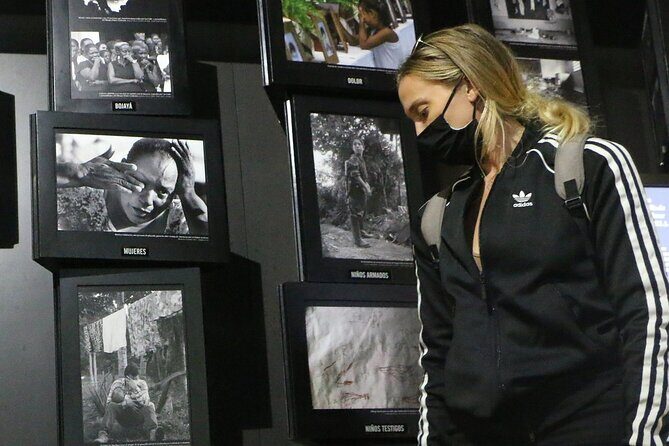
- Museo Casa de la Memoria with interactive exhibits and multiple voices
- Parque Memorial Inflexión as a memorial to the narco-war victims
- Comfortable, air-conditioned minivan with hotel pickup and drop-off
- Inclusions that add up: tickets, snacks, entrance fees, and a bilingual guide
Stop 1 in Medellín: context before you ride
You start with a hotel pickup in an air-conditioned minivan. The pace is calm, and it’s a smart way to begin because the tour doesn’t jump straight into celebrity criminal lore. Instead, it sets you up to understand how the narco era formed, why it spread, and how the consequences still show up in daily life.
This first stretch is also where your guide frames the big idea: this story isn’t meant to turn Escobar into a leader figure. The goal is education—how Medellín and Colombia got shaped by narcotrafficking, and how people pushed back with social transformation and resilience.
What I like here is that you’re given context before you see specific places. That order matters. In Medellín, geography and community details can be easy to miss if you’re rushing, and this tour gives you a mental map before you start moving around.
Potential drawback: if you’re hoping for lots of dramatic “only-in-Medellín” landmarks right away, Stop 1 can feel more like orientation. It’s not empty time—it’s what makes the later stops land harder.
You can also read our reviews of more tours and experiences in Medellin.


Stop 2: Museo Casa de la Memoria in Comuna 8
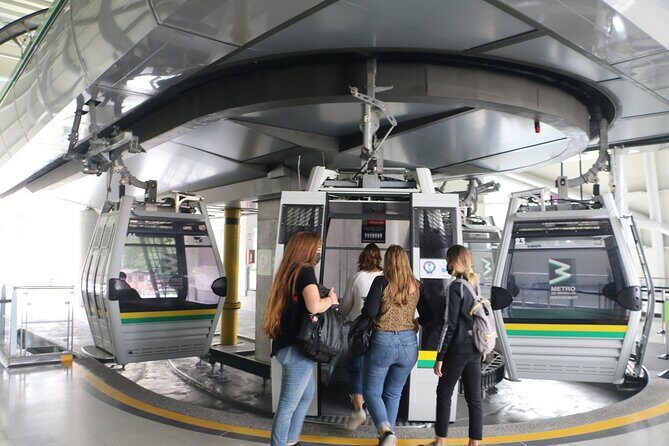
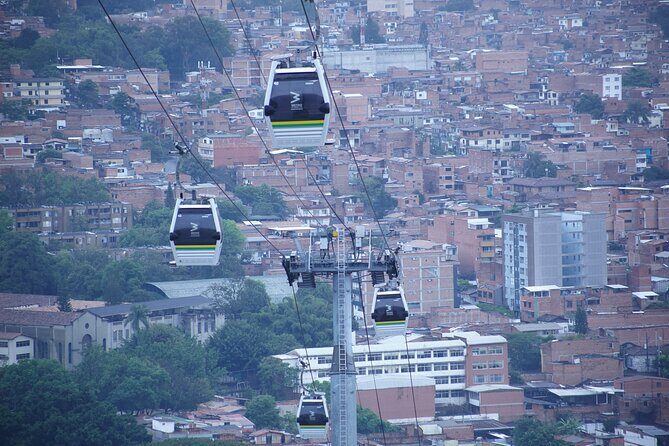
Then comes the route that makes this tour feel different: you head to Comuna 8 by cable car, and you continue by tram toward the Museo Casa de la Memoria. The practical value is huge. Those rides help you read the city vertically—how neighborhoods sit on hillsides and how distance can shape daily life.
At the museum, the tone shifts from background to lived experience. This institution is part of how the tour’s narrative and research are shaped, and the exhibits are interactive. You’re not just looking at static displays; you’re seeing impacts described through multiple voices, with emphasis on struggle and resilience.
This is where the tour quietly does one of its best jobs: it helps you separate the myth from the human cost. Pablo Escobar is part of Colombia’s story, but the museum space keeps pulling the focus back to what the violence did to ordinary people.
Things to keep in mind:
- If you like museums where you can walk around at your own pace and go deep on one topic, you might want to ask your guide how to prioritize what to see inside.
- The subject matter can be emotional. That’s not a flaw; it’s the point.
Comfort note: museum time plus transit time means you’ll be standing and walking a fair bit. Wear shoes you trust.
Stop 3: Parque Memorial Inflexión and the El Pinal to Ayacucho walk
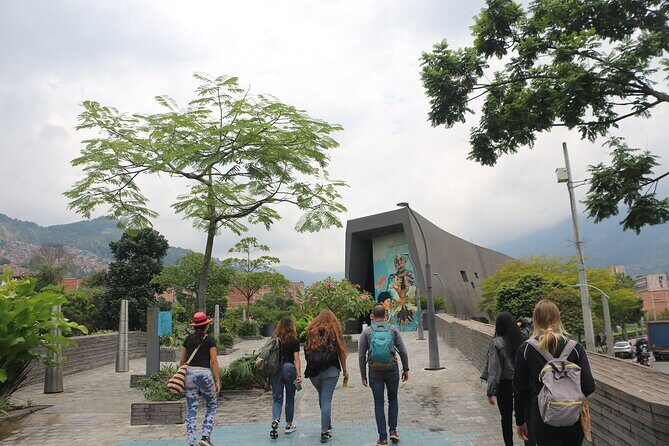
After the museum, you move into the memorial landscape of the narco wars at Parque Memorial Inflexión. This park is a public reminder of victims. It’s not built for spectatorship; it’s built for memory.
From there, the tour adds a neighborhood walk with stops across an area often described through connections like El Pinal and Ayacucho. This is where the “transformation” part becomes visible in a way that doesn’t rely on slogans. You’re seeing the city reworking itself over time—how communities rebuild, how public spaces carry meaning, and how the scars of violence coexist with ongoing efforts for stability.
I also like the walking component here because it slows you down. Medellín’s streets can be visually busy, but at human walking speed you notice patterns: where people gather, what routes make sense, and what the neighborhoods emphasize now compared with how they were described during the height of cartel conflict.
Possible drawback: if your expectation is that this stop will be packed with major museum-style exhibits, it’s more about place-based reflection and street-level context. One reason is simple: the city itself is part of the lesson.
Transportation and timing: how the tour actually feels in 4 hours
A lot of Medellín tours advertise great routes and then cram everything into the final hour. This one is more balanced. You get about four hours total, and the structure is purposeful: minivan pickup, then cable car and tram, then walking.
Because it’s private—only your group—your guide can pace you. That matters for two reasons. First, you can ask questions without feeling like you’re interrupting a packed crowd. Second, timing can be adjusted if you’ve already seen a related neighborhood area the day before. In the past, guides have even helped swap in a nearby landmark like La Catedral when schedule conditions allowed, usually with any extra stop cost handled separately.
One more practical win: you don’t have to figure out ticketing and transit between neighborhoods. Cable-car and tram tickets are included, along with entry tickets and snacks.
Group size is small by default since it’s private, so the tour feels more like guided orientation with conversation than a hard lecture.
Bilingual guidance and the storytelling style that sticks
A bilingual guide is included (English and Spanish). That’s not just a convenience. It changes how you absorb the history because you can track the story’s nuance instead of losing the plot while translating in your head.
I’ve found that the best versions of this kind of tour come down to the guide’s perspective. Some guides share firsthand or professional framing from the era, which can make the narrative feel grounded. Others focus on neutrality and multiple angles so you come away with more than one kind of understanding.
Guides I’ve heard praised in this context include names like Carlos and Juan Carlos. People also mention Juan, Nicolas, Wilson, Luis Ospina, Hector, and John William. Even when the guide changes, the thread is consistent: explain the narco phenomenon without turning it into hero worship, and connect the past to the present through impact on neighborhoods and institutions.
If you love asking questions, this is your kind of tour. Bring curiosity and treat the guide like a local explainer, not a walking brochure.


Price and value: why $95 can make sense (or not)
At $95 per person for about four hours, the price is best understood as a bundle. You’re paying for:
- Hotel pickup and drop-off by air-conditioned minivan
- Cable car and tram tickets
- Entrance fees for the museum and memorial sites
- A bilingual guide
- Snacks
If you try to do this on your own, you’d still spend time coordinating transport, figuring out museum entry, and timing cable car/tram rides. The tour removes that stress. You also get an interpretive layer that helps you understand what you’re looking at—especially at the museum and memorial park.
That said, value depends on your goal. If you want an efficient Pablo Escobar photo stop circuit, you may find the contextual storytelling less satisfying for the cost. If you want a Medellín-focused history route that explains how violence reshaped society—and how the city keeps rebuilding—this price starts to feel fair quickly.
A good rule: decide what kind of Escobar fan you are. If you’re a fact-and-context person, this tour fits. If you’re chasing quick thrills, you might want a different style.
What to ask your guide before you start walking
Once you’re in the air-conditioned van, ask one or two questions. It pays off later at the museum and the memorial park. Helpful questions include:
- How does the narco era’s impact show up in Medellín today?
- Why is the tour route built around Comuna 8 and how it connects to the city?
- What part of the story is easiest to misunderstand if you only watch Narcos-style pop culture?
And one practical prompt: if there’s a place you’ve already seen, tell your guide early. The tour can sometimes be adjusted within the flow of the day, so you don’t waste time repeating areas.
Practical tips so you enjoy it more
Wear comfortable clothes and shoes. You’ll do transit plus walking at multiple points.
Bring water if you tend to get thirsty, even though snacks are included. The tour doesn’t spell out full meals or beverage plans, so it’s smart to eat something beforehand or plan for something after.
If you’re sensitive to heavy topics, go in with that awareness. The tour is built around victims and the effects of narco wars, so some moments may feel intense.
Lastly, don’t expect a theme park version of Medellín history. This is real place-based context. That’s why it lasts.
Should you book this Medellín tour?
Book it if you want history with context, and you’re excited by the idea of seeing Medellín through Comuna 8, the Museo Casa de la Memoria, and Parque Memorial Inflexión. It’s also a strong choice if you like guides who answer questions and connect past events to present-day resilience.
Skip it if your main goal is a fast, classic Escobar sightseeing circuit with lots of famous stops and minimal interpretation. This tour aims for completeness of context, not just Pablo highlights.
If you’re on a first trip to Medellín and you want a foundation that makes the rest of your days easier to understand, this is a solid place to start.
FAQ
How long is the tour?
The tour lasts about 4 hours.
How much does it cost?
It costs $95.00 per person.
Where does the tour take place?
It takes place in Medellín, Colombia, mainly in the center-east area of the city.
What stops are included?
You’ll visit Medellín to start, Museo Casa de la Memoria, and Parque Memorial Inflexión, with walking around key neighborhood points such as El Pinal and Ayacucho.
How do we travel during the tour?
The day starts and ends with hotel pickup and drop-off by minivan. During the tour you’ll also use the cable car system and then a tram.
What’s included in the price?
Included are a bilingual guide (English and Spanish), hotel pickup and drop-off in public transportation, cable car and tram tickets, snacks, and entry tickets.
Is food included?
Snacks are included, but unspecified food and beverages are not included.
Is this a private tour?
Yes. It’s a private tour/activity, and only your group participates.
Can I get a full refund if I cancel?
Yes. You can cancel for a full refund if you cancel at least 24 hours before the experience’s start time.