REVIEW · CALI COLOMBIA
Cali: Bird Watching in The San Antonio Fog Forest
Book on GetYourGuide →Operated by Be Pacific Tours · Bookable on GetYourGuide
Fog and birds. That is the point of this tour. Cali’s San Antonio Fog Forest is a cool, misty cloud-forest setting where you come for hummingbirds and stay for the sheer variety of Colombian wildlife. I love that the experience is built around repeated watch-and-photograph moments, so you get more chances than a quick walk. I also like the small group size, which makes it easier to get your bearings and ask questions as you go.
The main consideration is simple: it runs rain or shine, so comfort depends on dressing for damp Andes weather and doing some light walking. If you want lots of science-heavy commentary during the drive, you may find you need to prompt your guide with questions rather than expect a lecture.
Key things to know before you go
- Hummingbird focus in the Bosque de Niebla cloud forest, with multiple observation stops for quick changes in bird activity
- Small group (up to 10), which helps with sightlines and less rushing
- Six areas for observation and photography, plus a roadside stretch near Km18 for extra odds
- Checklist at the end of the day, so you can track what you actually saw (not just what you hoped for)
- Snack and coffee included, handy in the Andes when you do not want to leave the hunt mid-morning
In This Review
- San Antonio Fog Forest: What Makes This Birding So Special
- Price and Value: Is $190 Worth a Cloud-Forest Morning?
- From Intercontinental Cali to the Forest: Getting There Without Stress
- Bosque de Niebla Birding & Nature: The 4.5 Hours That Do the Heavy Lifting
- Six Observation and Photography Areas Plus the Km18 Stop
- The Bird Checklist: Why It’s More Than a Souvenir
- What You’ll See: Hummingbirds, Flora, and More
- Weather Reality: Rain or Shine, So Dress Like a Local Bird
- Guide Quality: The Difference Between Seeing Birds and Searching
- Who This Tour Suits Best (and Who Might Struggle)
- When to Go: Best Birding Windows in Cali’s Dry Seasons
- Should You Book This San Antonio Fog Forest Birding Tour?
- FAQ
- How long is the bird-watching tour in the San Antonio Fog Forest?
- Where do we meet the guide?
- What is included in the price?
- Is breakfast or lunch included?
- What group size is this tour?
- What languages are available for the guide?
- Will the tour run if it is raining?
- What should I bring for the tour?
- Is the tour suitable for wheelchair users?
- What is the best time of year to go?
- What is the cancellation policy?
San Antonio Fog Forest: What Makes This Birding So Special
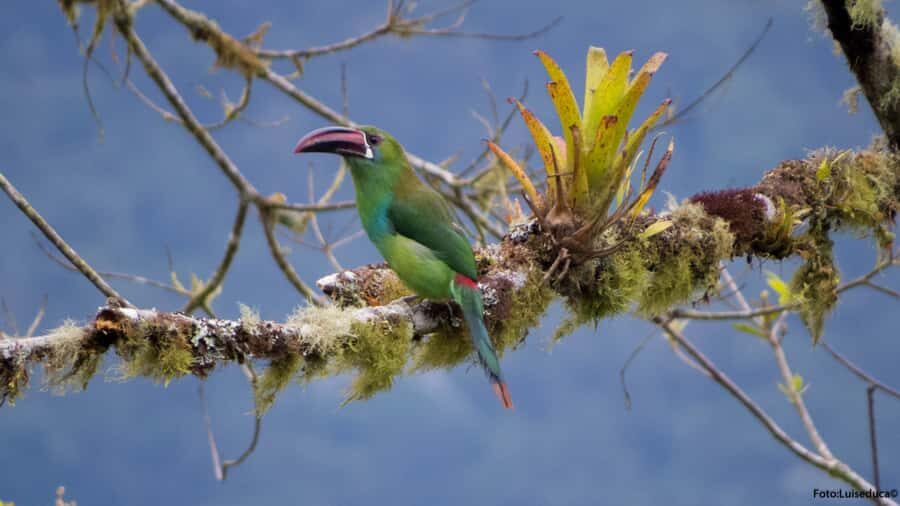
If you have ever seen hummingbirds up close, you already know the magic. If you have not, this is the kind of place that can make you a believer fast. The San Antonio Fog Forest (Bosque de Niebla San Antonio) sits in the western Andes near Cali, wrapped in cloud and mist that creates a cool microclimate. That matters because hummingbirds and many other forest birds depend on stable, humid conditions to feed and move.
Colombia is famous for birds in general (this tour highlights the idea of 300+ bird types in the country), but this forest is about density and access. You are not just passing through a scenic area; you are visiting a cloud-forest farm setting with multiple spots designed for spotting and photographing. I like the way the tour keeps you focused on what changes your results: movement, sound, canopy height, and the timing of when the birds actually show up.
And yes, the tour leans hard into hummingbirds. The forest is known as a hummingbird cradle, with 20+ hummingbird species reported in the area. That does not guarantee you will see every one, but it does tell you why the guide’s job is so dialed in: they are working in a place where these birds really do live.
Price and Value: Is $190 Worth a Cloud-Forest Morning?
At $190 per person for a 6-hour outing, you are paying for more than a walk in the woods. You are buying logistics, entry access, and specialized guidance in a location that is not right in central Cali.
Here is what you get that usually costs extra when you DIY it:
- Hotel pickup and drop-off (meeting point at Hotel Intercontinental Cali)
- Entry tickets to the farm in the cloud forest
- Guidance in English and Spanish
- Time in multiple observation and photography areas (six spots)
- A bird checklist, so you leave with something concrete
- Snack and coffee during the day
When you compare that to the hidden costs of going on your own—transport, entry fees, and paying someone to know where to look—this pricing makes more sense. The small group size (up to 10) also helps you feel less like you are chasing your own bird list in the dark.
My one value note: this tour is built for watching. If what you want is a long museum-style explanation, or deep technical bird ID right from the road, you might end up doing more Q&A than passive listening.
You can also read our reviews of more tours and experiences in Cali Colombia.


From Intercontinental Cali to the Forest: Getting There Without Stress
You start at the main entrance of Hotel Intercontinental Cali. Your guide wears a white shirt with the Be Pacific logo, so you can spot them quickly and avoid the usual start-of-tour scramble.
That hotel pickup matters more than it sounds. Birding tours live or die by timing—small changes in daylight and bird activity can mean a better (or worse) look at hummingbirds. With pickup and return already handled, you can focus on the practical stuff: getting your binoculars ready, settling into the rhythm of moving from one observation spot to another, and keeping your clothing plan simple for damp weather.
The ride and early minutes also set your expectations. One past guest praised how responsive and communicative the guide was prior to departure, and I agree that proactive communication is a big deal when you are trying to show up prepared. If you want extra stories or bird science during the drive, ask. Guides often adjust when you show interest.
Bosque de Niebla Birding & Nature: The 4.5 Hours That Do the Heavy Lifting
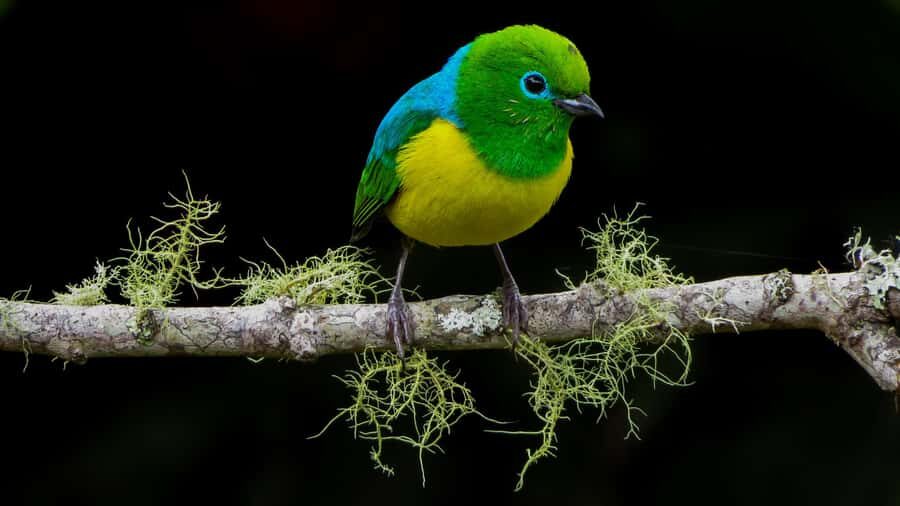
The core of the tour is the Bosque de Niebla birding and nature time, listed as about 4.5 hours of wildlife viewing. This is where the fog forest becomes more than scenery. You will spend time moving through or between observation points where birds feed, pause, and call.
In a cloud forest, your best results come from staying patient and using multiple senses. Sometimes the bird is not immediately visible, but you hear it first. Sometimes you see movement before you confirm the species shape. A good hummingbird spot often depends on noticing the tiny details—small wing flicks, hover behavior, and the quick dart between flowers or canopy edges.
The tour’s structure supports that. Instead of one long stretch in a single area, you are taken to multiple watch points. That matters because birds rarely perform on a schedule you control. By revisiting different angles and micro-habitats, you improve your chance of a good view.
Also: the environment is cool and misty. You will want long sleeves and layers, not just because it feels better, but because comfort helps you stay focused. If your fingers are cold, your binoculars get harder to use.
Six Observation and Photography Areas Plus the Km18 Stop
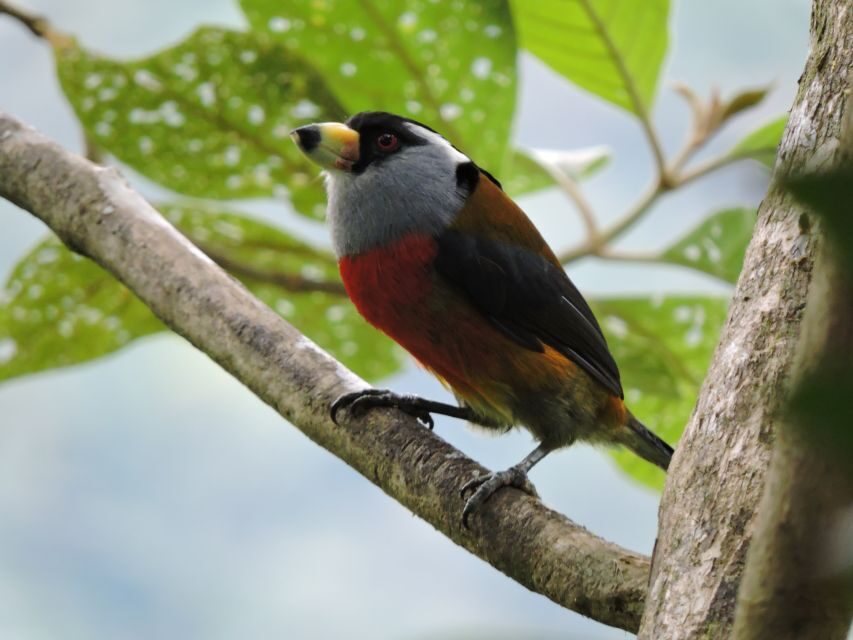
One detail I really like is that you do not just get one viewpoint. The tour includes a tour at 6 areas to observation and photography. Think of these as deliberate chances to reposition your view—different angles, different sightlines, and different likely behaviors as birds move through the forest.
That is the practical side of birding. Even if two people are looking at the same species, they can have totally different luck depending on where they stand. Six areas increases your odds without turning the day into a nonstop hike.
Then there is an added twist: a tour to the side of the road of Km18. Roadside stretches can sound less magical than “inside the forest,” but in birding they can offer quick viewing opportunities and different habitat edges. Birds often use corridors and edges to move between feeding spots, and that roadside section may give you another angle for sightings.
If you care about photos, the stop variety helps you avoid the common mistake: taking the same shot from the same place until the birds decide to vanish.
The Bird Checklist: Why It’s More Than a Souvenir
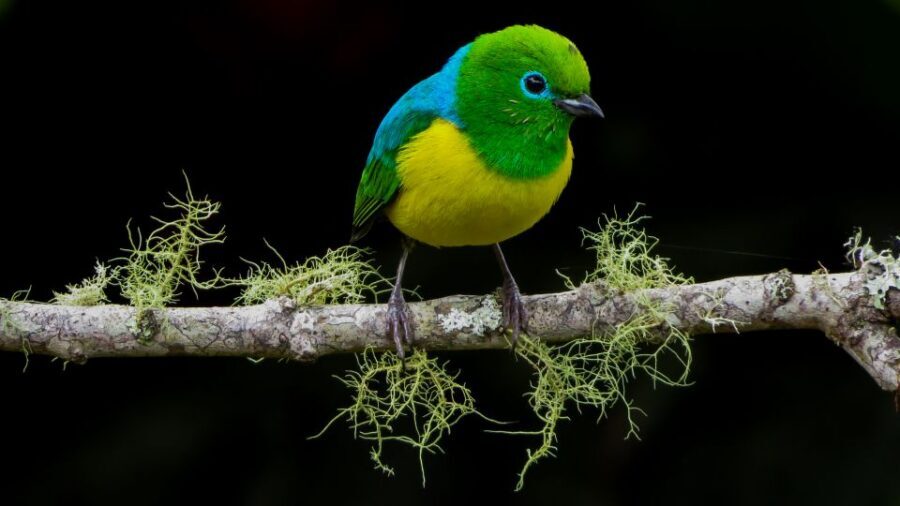
Included with the tour is a checklist of birds watched during the day. This is small, but it is one of the most valuable parts for your long-term enjoyment.
Why? Because birding is not always like flipping a light switch where everything is obvious. You might hear a call, see a shape for two seconds, or spot a hummingbird that looks similar to one you have seen before. A checklist helps you anchor the day: what you actually saw, what stood out, and what you might want to study later.
It also makes the tour feel purposeful. Instead of wandering with vague hope, you are tracking results. That tracking is especially useful when you get back home and want to remember the names, colors, or behaviors you saw.
If you are newer to birding, use the checklist to build confidence. Ask your guide to point out quick ID cues you can learn (bill shape, tail pattern, wing bars, or where the bird is feeding). You’ll get more out of the day when you treat the checklist as a learning tool, not just paperwork.
What You’ll See: Hummingbirds, Flora, and More
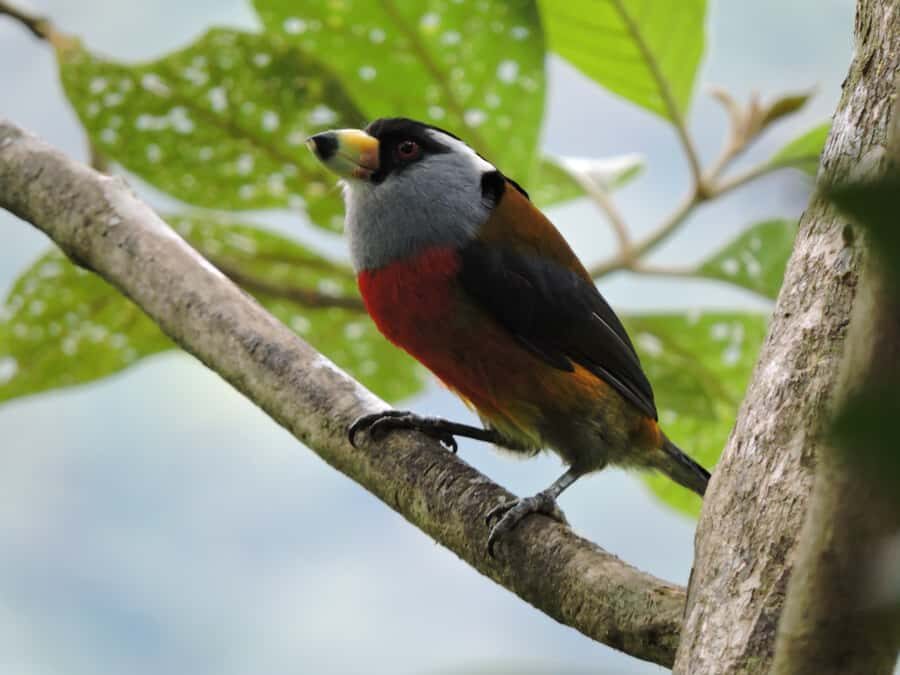
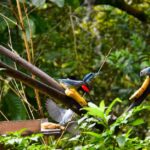
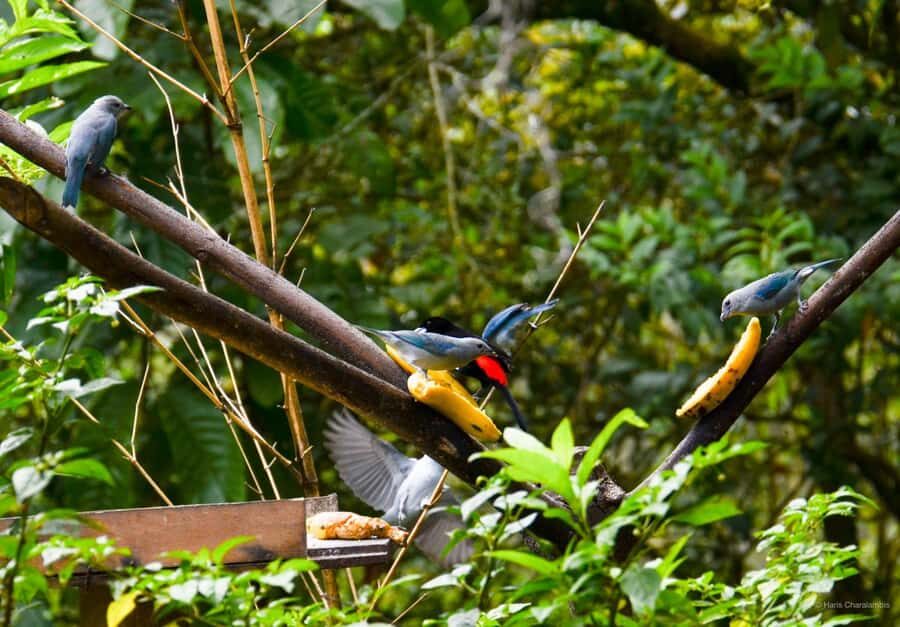
The tour highlights hummingbirds as a centerpiece—San Antonio is known for its high hummingbird diversity, including 20+ species in the region. What that means for you, practically, is that the guide is likely scanning for the behaviors hummingbirds do best: hovering, short bursts of movement, and quick returns to favored perches.
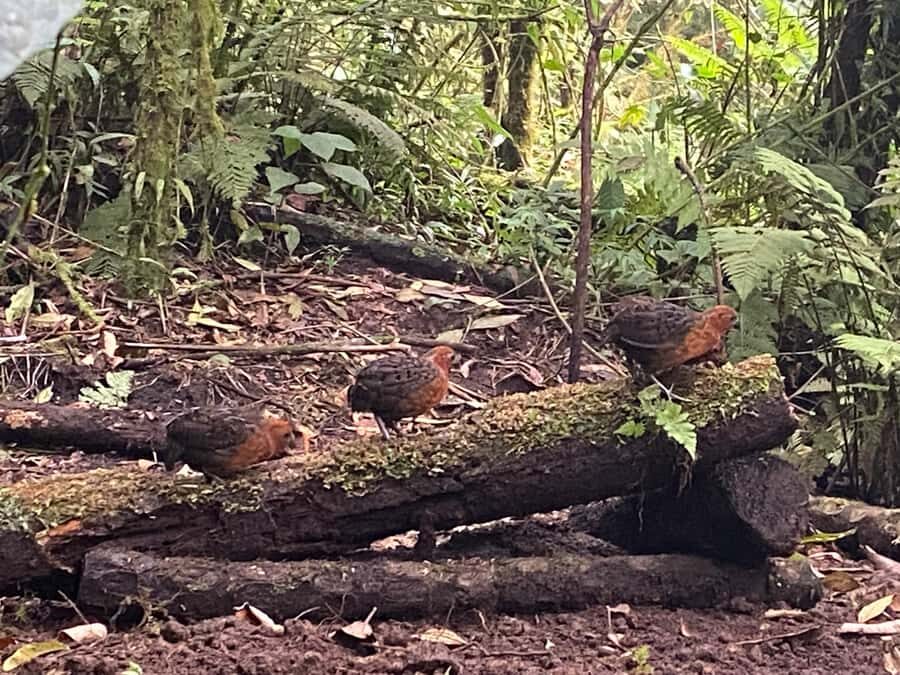
But the fog forest is not only about hummingbirds. The highlights promise you will admire Colombia’s flora and fauna, and you should expect that the day’s sightings include a mix of bird life that fits cloud-forest conditions. In other words, you are not choosing between hummingbirds and everything else. You are choosing a place where both are part of the pattern.
Also, do not underestimate the surroundings. Even if you are not chasing species numbers, the misty setting and plant life are part of why people keep coming back. You start noticing how birds relate to flowers, canopy cover, and edges of light.
One guest specifically noted that they saw plenty of birds, which is the point of booking a guided, stop-based day rather than trying to guess where wildlife might appear on your own.
Weather Reality: Rain or Shine, So Dress Like a Local Bird
This tour runs rain or shine, and that is not a throwaway line. In the cloud forest, mist can feel like it is always on its way. Your comfort level will decide how long you stay alert with binoculars and how quickly you adapt when visibility shifts.
Here is the clothing advice that matters:
- Wear long and dark colors (grey or military green are recommended)
- Bring comfortable shoes
- Wear comfortable clothes that can handle damp weather
- Consider your binoculars a must-bring item
Dark, long clothing is likely about blending in and staying practical in a forest environment. Either way, it prevents distraction and keeps you from freezing when fog rolls in.
For rain: pack a plan. The tour does not mention rain gear explicitly, but if you know wet conditions bother you, bring what you need to stay warm and able to walk. The goal is simple: you want your eyes and hands to stay ready for the next bird movement.
Guide Quality: The Difference Between Seeing Birds and Searching
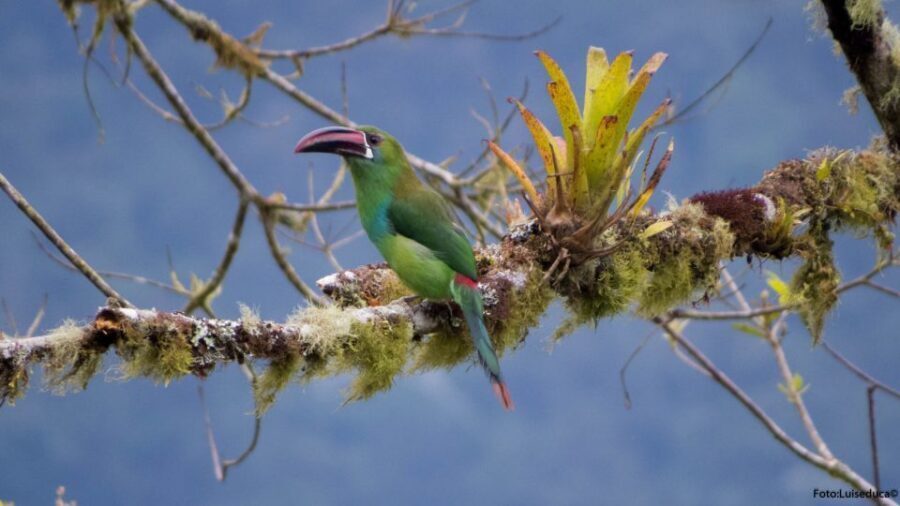
This tour’s format depends on a skilled guide who can read the forest. One strongly positive review praised a guide named Juan for being responsive ahead of time, prompt with pickup, and personable and helpful during the outing. That kind of setup matters because you show up prepared and you spend more time watching than waiting.
There was also a constructive note from another guest who wanted more storytelling or scientific context, especially during the drive. That tells me the tour is likely more focused on spotting and moving than on extended lectures.
So here is my practical advice: come with curiosity, and ask questions early. If you want ID tips, ask for them. If you want more science, ask where it fits naturally. Guides can often tailor their explanations when you show interest.
Who This Tour Suits Best (and Who Might Struggle)
This outing is ideal if you:
- Love birds and want a targeted day in a cloud forest
- Want the best shot at hummingbirds without trying to navigate on your own
- Prefer a small group experience (up to 10)
- Like structured spotting with repeated observation and photo areas
It is less ideal if you:
- Need wheelchair accessibility (it is noted as not suitable for wheelchair users)
- Want a fully seated, low-walking experience
- Are expecting a long, classroom-style science talk with minimal time outdoors
You should also consider your comfort with wet, cool air and standing/walking for several hours. The tour is not described as extreme, but it is still birding in real conditions, not a boardwalk show.
When to Go: Best Birding Windows in Cali’s Dry Seasons
The region can be visited year-round, but the tour points to the best time for birdwatching during the dry season:
- June to September
- December to March
Dry-season birdwatching often lines up with more predictable weather and clearer opportunities for spotting. In a fog forest, conditions can change fast, but “best chance” planning helps you avoid arriving at peak rain with less visibility.
If your schedule only works outside those windows, you still can go. Just be realistic: mist and damp conditions are part of the cloud-forest experience, and that can affect sightlines.
Should You Book This San Antonio Fog Forest Birding Tour?
If your goal is hummingbirds plus a well-run guided birding day near Cali, I think this is a strong booking choice. The value is in the access (cloud-forest farm entry), the structure (six observation and photo areas plus Km18), and the support (English/Spanish guidance, bird checklist, and included snack and coffee). The high rating trend also lines up with the most important outcome: you get plenty of birds and a beautiful environment outside the city.
Book it if you want a focused nature morning with minimal hassle. Skip it or manage expectations if you need wheelchair access or if you want a heavy science lecture as the main event.
FAQ
How long is the bird-watching tour in the San Antonio Fog Forest?
The tour duration is 6 hours, with about 4.5 hours spent on wildlife viewing at the Bosque de Niebla.
Where do we meet the guide?
You meet at the main entrance of Hotel Intercontinental Cali.
What is included in the price?
Included are hotel pickup and drop-off, entry tickets to a farm in the cloud forest, specialized guidance in English/Spanish, birding in multiple observation and photography areas, a Km18 roadside tour, a bird checklist, and a snack and coffee.
Is breakfast or lunch included?
No. Breakfast and lunch are not included.
What group size is this tour?
The group is limited to 10 participants.
What languages are available for the guide?
The tour guide provides Spanish and English.
Will the tour run if it is raining?
Yes, it takes place rain or shine.
What should I bring for the tour?
Bring comfortable shoes, comfortable clothes, and binoculars.
Is the tour suitable for wheelchair users?
No, it is not suitable for wheelchair users.
What is the best time of year to go?
The tour notes the best birdwatching is during the dry seasons: June to September and December to March, though the area can be visited year-round.
What is the cancellation policy?
Free cancellation is available up to 24 hours in advance for a full refund.