REVIEW · CALI COLOMBIA
Cali: Walking Tour of the 11 Neighborhoods of Commune 20
Book on GetYourGuide →Operated by Be Pacific Tours · Bookable on GetYourGuide
Cali feels different from the MIO cable car. You start with skyline views, then drop into Commune 20 for a guided walk that turns street scenes into stories about community change. What I like most is the mix of neighborhood life and themed MIO stops, plus the chance to understand why people here organized for better futures.
One thing to weigh: this is rain-or-shine walking with inclines, and the tour covers about 3 km, so comfy shoes and a steady pace matter.
You’ll also get a real sense of the neighborhood’s creative energy. Street art and graffiti show up along the way, and guides like Miguel and Jorge (and other friendly team members) are praised for making the history feel human, not textbook-stiff. The typical local drink stop is small, but it’s a nice way to slow down and taste Cali as you go.
My only caution is the fit level: this experience isn’t for kids under 10, pregnant women, or people with mobility impairments—and if steep spots make you nervous, plan accordingly.
In This Review
- Key Highlights You’ll Actually Feel
- From Terminal Cañaveralejo to the Sky: Starting With the MIO Cable Car
- Commune 20 and Siloe: Understanding Community Change Through Daily Life
- The Thematic Stations on the Route: More Than a Ride Between Stops
- Cañaveralejo: History of Transportation
- Tierra Blanca: Salsa Tradition
- Lleras Camargo: Green Spaces
- Brisas de Mayo: Myths and Legends
- Siloe on Foot: Street Art, Graffiti, and the Meaning Behind the Walls
- The Included Typical Cali Drink: A Small Pause That Works
- Timing, Distance, and What to Bring (So You Don’t Hate the Last Hour)
- Price and Value: Is $65 a Good Deal for This Mix?
- Who Should Book This Walking Tour of Commune 20?
- Should You Book? My Practical Take
- FAQ
- Where is the meeting point?
- How long is the tour?
- What’s included in the price?
- Does the tour run in rain?
- How much walking is involved?
- What should I bring?
Key Highlights You’ll Actually Feel
- MIO cable car views that help you understand Cali’s layout fast, even before the walking starts
- Commune 20 community action stories that explain the positive change behind the murals and daily life
- Street art and graffiti by diverse artists, with your guide helping you read the meaning
- Thematic MIO stations (transport history, salsa tradition, green spaces, and myths) that add context to the ride
- A typical Cali drink included, so you’re not hunting for snacks on an active afternoon
- Guides with local energy often named in feedback, especially Miguel and Jorge
From Terminal Cañaveralejo to the Sky: Starting With the MIO Cable Car
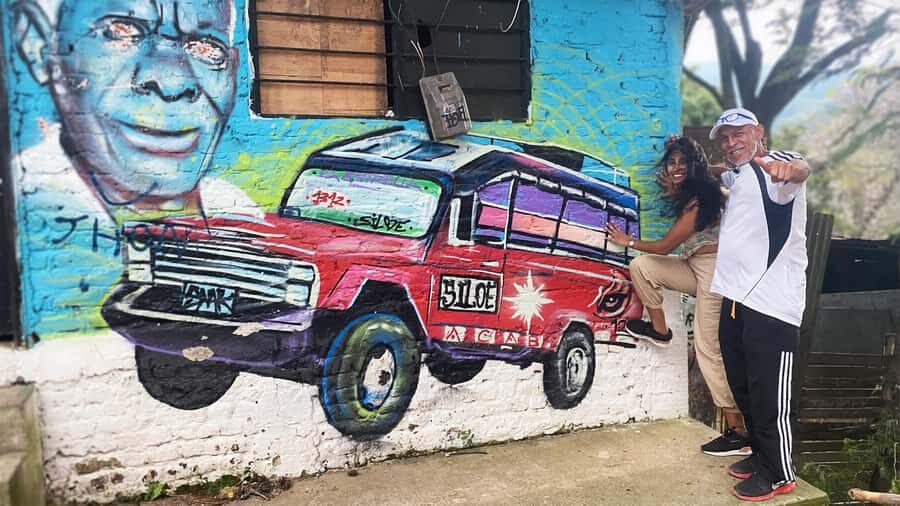
This tour starts at Terminal Mio Cañaveralejo, with your guide meeting you at the main door of the station over 5th Street. Even if you’ve never used the MIO cable system before, you’ll get oriented quickly. The first cable segment takes about an hour, and the payoff is instant: you’re up, you can see the city, and suddenly the walk ahead makes more sense.
I like this approach because it fixes one of the hardest parts of city touring: the feeling of wandering without a map. From above, you start noticing the geography—hills, neighborhoods, and the way different zones sit relative to each other. When you later walk through Commune 20, you’re not just looking at streets. You’re placing them.
And yes, you’ll take photos. But the smarter move is to look for patterns—where routes seem to connect, where green spaces show up, and how the city’s shape affects daily movement. Your guide also plans stops at thematic stations, so you’re not just riding for views.
Practical tip: dress for a mix of sun and breeze. Cable car rides can feel cooler than street level, and Commune 20 walking can heat you up fast. Comfortable clothes win here.
You can also read our reviews of more walking tours in Cali Colombia


Commune 20 and Siloe: Understanding Community Change Through Daily Life
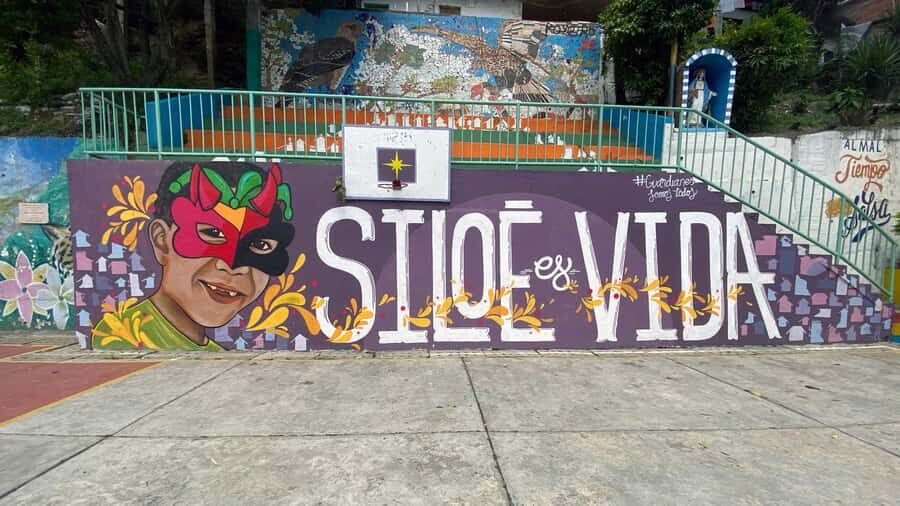
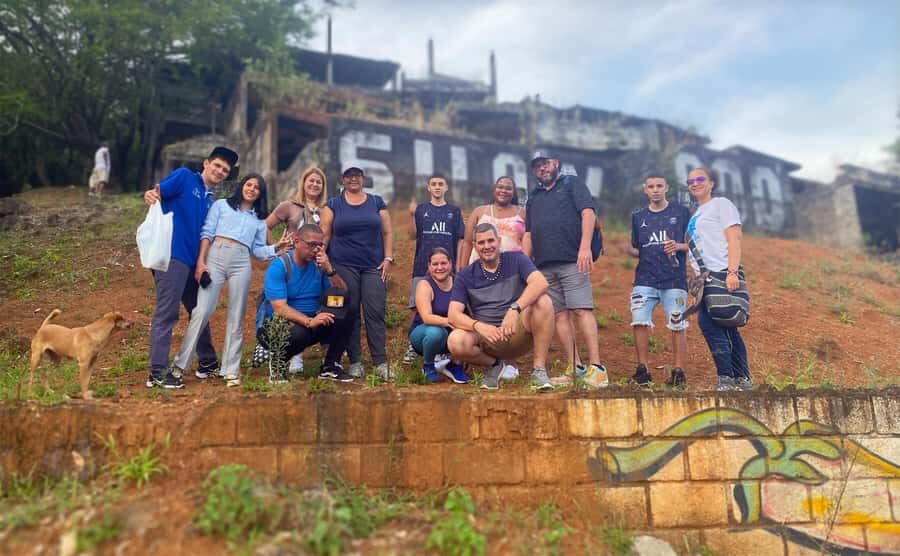
After the cable car, the tour focuses on Siloe with a guided walk that lasts about three hours. This is where the experience earns its name. You’re not only seeing a neighborhood—you’re learning how residents sought positive change, and how that effort shows up in what you’ll notice on the streets.
Commune 20 is made up of 11 neighborhoods, and this tour spends time in some of them with Siloe as a central stop. Expect a guide-driven story line: why people organized, what they improved, and how culture and creativity grew alongside those changes. That context matters. It transforms what could have been just photos of murals into something more grounded.
I also think this is one of the best ways to learn a neighborhood without turning it into a performance. The guide’s job isn’t to wow you with big speeches. It’s to connect the visible details—street art, public spaces, everyday routines—to a deeper reason the area developed the way it did.
You’ll also walk around roughly 3 km total. That doesn’t sound huge, but the terrain and inclines are real. One practical takeaway from past participants: don’t assume you can coast. If your legs get cranky on steep stretches, pace yourself early and take short breaks.
The Thematic Stations on the Route: More Than a Ride Between Stops
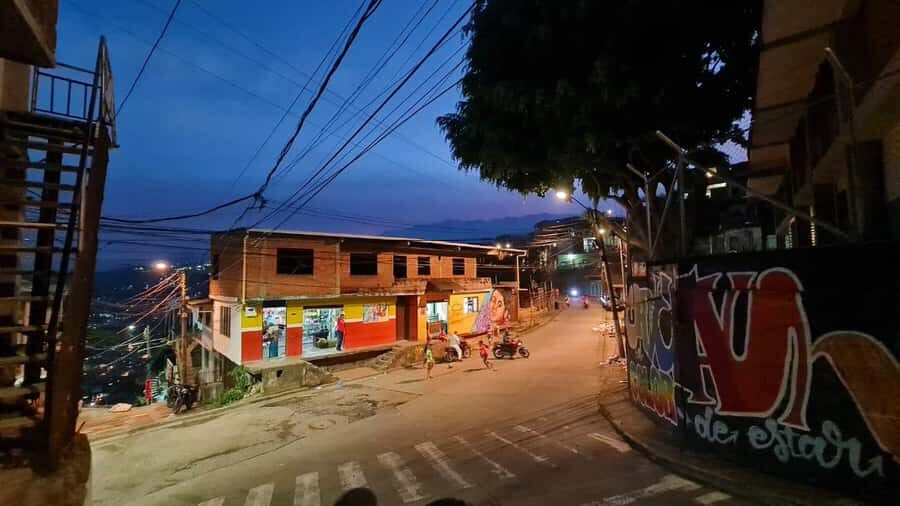
One of the clever parts of the tour is that the cable car includes themed stations along the way—four of them. You’ll start with Cañaveralejo, then continue to Tierra Blanca, Lleras Camargo, and Brisas de Mayo. Each stop adds a different lens on Cali, so the ride becomes a living mini-lesson.
Cañaveralejo: History of Transportation
Cañaveralejo is first, and the theme is transportation history. This is useful because Cali’s modern movement systems connect to how neighborhoods have grown and how people reach jobs, schools, and services. When your guide explains what came before, you’ll start spotting why the cable car exists and what problems it helps solve.
If you’re the kind of person who likes learning how cities work, this station is a satisfying start. It’s also a good moment to gather yourself before the walking ramps up.
Tierra Blanca: Salsa Tradition
Next is Tierra Blanca, tied to the local salsa tradition. Salsa in Cali isn’t just a soundtrack—it’s part of social life and identity. Hearing the story here helps you understand why music shows up so often in neighborhoods, not only in theaters.
This stop also sets the tone for the rest of Commune 20. When you later see murals and hear community stories, salsa becomes part of the cultural fabric rather than a random fun fact.




Lleras Camargo: Green Spaces
Then comes Lleras Camargo, with a focus on green spaces. That matters more than it sounds. Public greenery isn’t only about aesthetics—it affects daily comfort, community gathering, and the ability to breathe in a dense city.
If you’ve spent time in big cities where everything feels locked into concrete, this station gives you a small but meaningful contrast.
Brisas de Mayo: Myths and Legends
Finally, Brisas de Mayo brings myths and legends into the mix. I like this one because it reminds you that culture isn’t always explained through official plaques. Stories—shared over time—shape how people interpret places.
If you enjoy local folklore, this is where your guide’s storytelling style can really shine.
Siloe on Foot: Street Art, Graffiti, and the Meaning Behind the Walls
Once you’re walking in and around Siloe, you’ll notice street art and graffiti by diverse artists. The big difference on this tour is that you’re not left to guess. Your guide connects the art to the community action theme, so it feels like part of a conversation—not a random photo stop.
Here’s the practical value: murals can look chaotic until you understand the context. On this tour, you learn what to look for—how style, location, and themes can signal messages about identity, resilience, and hope.
Also, the tone stays grounded. The goal isn’t to make you feel guilty or sentimental. It’s to show you how creativity can grow out of real effort. That’s why the community stories matter. They make the art feel earned.
Photo tip: don’t stand in the middle of sidewalks trying to frame perfect shots. Look for wide angles first, then step aside for detail photos when the flow of foot traffic allows it.
The Included Typical Cali Drink: A Small Pause That Works
Some walking tours give you a snack. This one gives you a typical local drink along the way. It’s included, which is great because it reduces the hassle of finding something affordable mid-tour.
I like included food and drink stops when they’re timed well. Here, it works as a reset during a tour that otherwise moves through views, history, and walking. You’ll be able to sit for a moment, taste something local, and check in with your energy level.
Since the exact drink isn’t specified in the tour details you provided, be ready to accept what’s served that day. Bring cash anyway—having it in your pocket is helpful in Cali for small extras that pop up.
Timing, Distance, and What to Bring (So You Don’t Hate the Last Hour)
The full experience runs about four hours and ends back at Terminal Mio Cañaveralejo. The return time listed is 7:00 PM, and the schedule uses a mix of cable car and walking: an hour on the cable car, about three hours in the Siloe walking segment, then another hour by cable car.
You’ll walk around 3 km and it happens rain or shine. That means you should plan like it might be wet. Comfortable shoes are not optional here. Choose something with grip if you’re traveling in rainy conditions.
What to bring:
- Comfortable shoes
- Comfortable clothes
- Cash
If you get cold easily, consider a light layer for the cable ride. If you overheat easily, dress in breathable layers for the walking portion.
Price and Value: Is $65 a Good Deal for This Mix?
At $65 per person for about four hours, this tour sits in the mid-range. The value comes from what’s included rather than the sticker price.
Included items:
- A local guide
- Entrance to the MIO cable
- A typical local drink
- Medical assistance insurance
Not included:
- Hotel pickup and drop-off
- Dinner
For me, the price feels reasonable because you’re paying for more than movement. You’re paying for interpretation: the guide connects the cable car route themes (transport, salsa, green spaces, myths) to what you’ll experience on foot in Commune 20.
Also, the MIO cable entrance is a tangible cost. If you were to do the cable car plus a separate walking guide, you’d likely pay more and lose the tight storyline that makes the tour cohesive.
If you’re trying to keep your day organized and avoid extra ticket hunts, the bundle makes the whole thing easier.
Who Should Book This Walking Tour of Commune 20?
This is a strong fit if you want:
- A cultural walking experience grounded in community stories
- Street art viewing with real context
- A cable car intro that helps you understand the city quickly
- A tour with English or Spanish guiding (English, Spanish are listed)
It’s also a good option if you like variety: one part skyline, one part neighborhood walk, then a thematic cable ride back.
Skip it (or reconsider) if:
- You’re traveling with children under 10
- You’re pregnant
- You have mobility impairments
- You know you struggle with steep inclines on foot
- You hate walking in the rain
This is not a lounge-and-snack afternoon. It’s a living neighborhood walk with a real pace.
Should You Book? My Practical Take
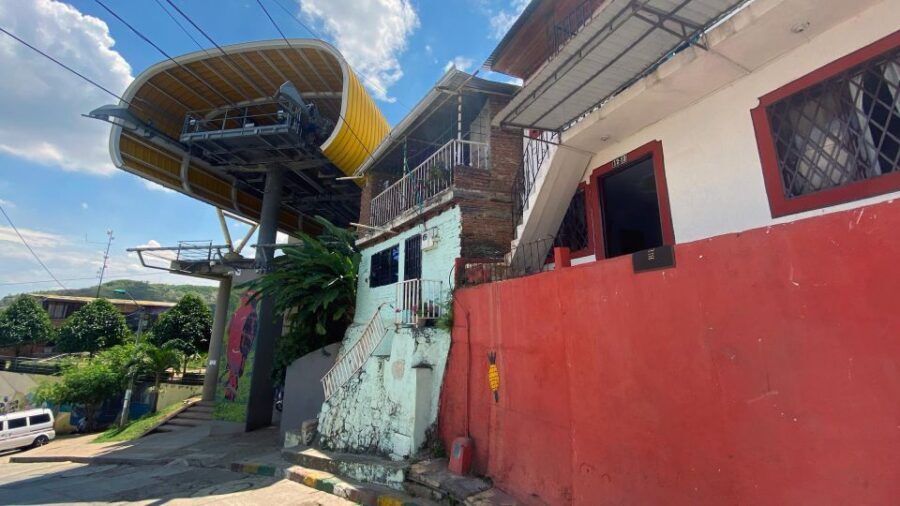
If you want Cali with meaning—views plus stories plus art—book this tour. The combination of MIO cable car themes and the Siloe walk is what makes it worth your time. You’ll leave with more than photos of murals. You’ll understand why community action and culture show up where they do.
If you’re physically cautious, plan around it. Wear the right shoes, bring cash, and set a steady pace early. And if walking inclines is a problem for you, don’t gamble on willpower.
Overall: this is a thoughtful, local-feeling tour that uses public transport in a smart way, then turns the neighborhood into a clear narrative you can actually follow.
FAQ
Where is the meeting point?
Your guide meets you at the main door of the Terminal Mio Cañaveralejo station, on 5th Street.
How long is the tour?
The tour lasts about 4 hours.
What’s included in the price?
It includes a local guide, entrance to the MIO cable car, a typical local drink, and medical assistance insurance.
Does the tour run in rain?
Yes. The tour takes place rain or shine.
How much walking is involved?
You’ll walk around 3 km during the experience.
What should I bring?
Bring comfortable shoes, comfortable clothes, and cash.