REVIEW · CALI COLOMBIA
Cali: Cristo Rey, Tertulia Museum & Downtown Cali City Tour
Book on GetYourGuide →Operated by Gran Colombia Tours · Bookable on GetYourGuide
Cristo Rey makes you slow down. This 6-hour Cali outing strings together city views, downtown walking, modern art, and tastings with a local guide who explains what you’re seeing. You’ll cover more ground than you could on your own in a short day, and you’ll do it at a human pace with planned stops.
I especially like the mix of panoramic sights and hands-on culture, from the viewpoint at Cristo Rey to the fruit-market tastings that let you smell and taste local favorites. I also love that the day isn’t just photo stops: the downtown walk brings in real context on colonization, religion, and the issues the city faces today.
One thing to consider: it includes some walking and a museum stop that depends on the day. If the Tertulia Museum is closed (it’s closed on Mondays), your guide will pivot to another option that fits your interests, but you’ll need a little flexibility.
In This Review
- Key Things to Know Before You Go
- Getting Your Bearings at Cristo Rey, the Cali Viewpoint
- San Antonio and Downtown Cali on Foot: Plazas, Religion, and City Challenges
- Tertulia Museum: Modern Art and a Famous Paper Collection
- Coffee Shop Stop: How Colombian Coffee Shows Up in Daily Life
- Plaza de Mercado Alameda Fruit Tastings: Local Flavors You Can’t Fake
- What Makes This Tour Feel Personal: Guides, Humor, and Weather Flexibility
- Price and Value: Is $91 for 6 Hours Fair?
- Logistics, Pace, and What to Pack for a Comfortable Day
- Should You Book the Cali: Cristo Rey, Tertulia Museum & Downtown Tour?
- FAQ
- How long is the Cali city tour?
- Do I need to speak Spanish to join?
- Is this tour private?
- What stops are included during the day?
- Is the Tertulia Museum open every day?
- Are meals included?
- What should I bring?
Key Things to Know Before You Go

- Cristo Rey panoramic views that help you understand Cali’s geography fast
- San Antonio and downtown walking with explanations of colonization and religion
- Tertulia Museum as Cali’s modern art stop, including a notable paper-based collection
- Coffee shop stop where you learn how Colombian coffee is prepared and taste it
- Plaza de mercado Alameda fruit tastings focused on endemic fruits
- Private group with hotel pickup for a smoother, more personal day
Getting Your Bearings at Cristo Rey, the Cali Viewpoint
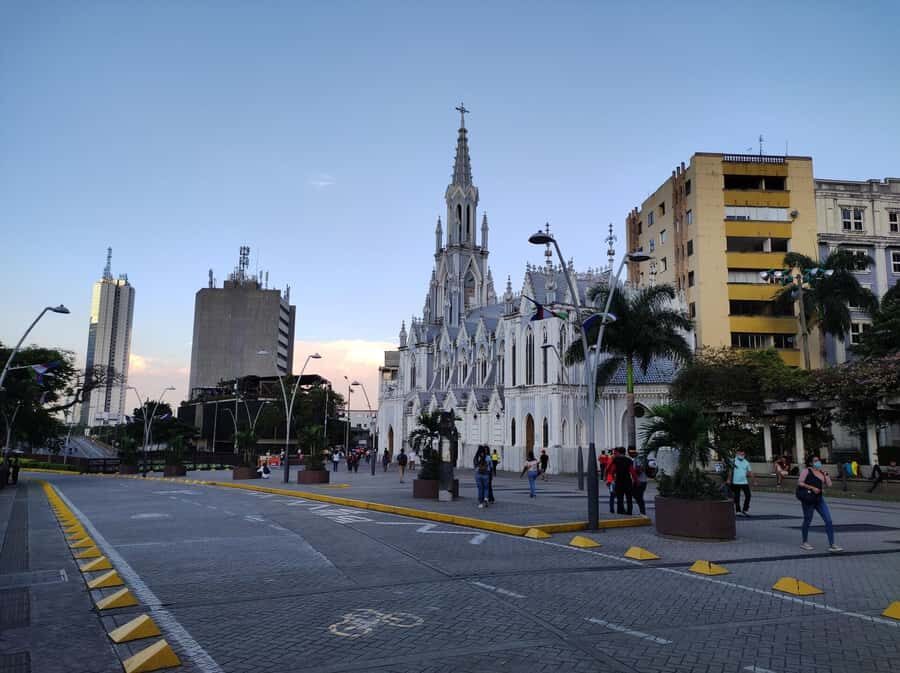
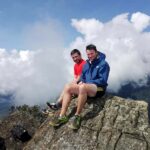
If you’re only in Cali for a short window, this part is a smart way to get oriented. Your day starts with hotel pickup, then you head to Cristo Rey, a historic viewpoint that gives you a clean, above-the-city perspective. From up there, Cali makes more sense. Neighborhoods, hills, and the way the city spreads out start to click into place, and suddenly the downtown streets you’ll walk later don’t feel random.
This stop is also built for photos. Bring your camera, but also take a moment to just look. A viewpoint like Cristo Rey isn’t just a postcard moment. It helps you connect the stories your guide tells later—especially when you’re walking through older areas and key plazas.
The other big benefit: it sets the tone. After this, you’re not guessing what you’re seeing. You’ve already found the “big picture,” so the rest of the tour feels purposeful.
You can also read our reviews of more city tours in Cali Colombia
San Antonio and Downtown Cali on Foot: Plazas, Religion, and City Challenges
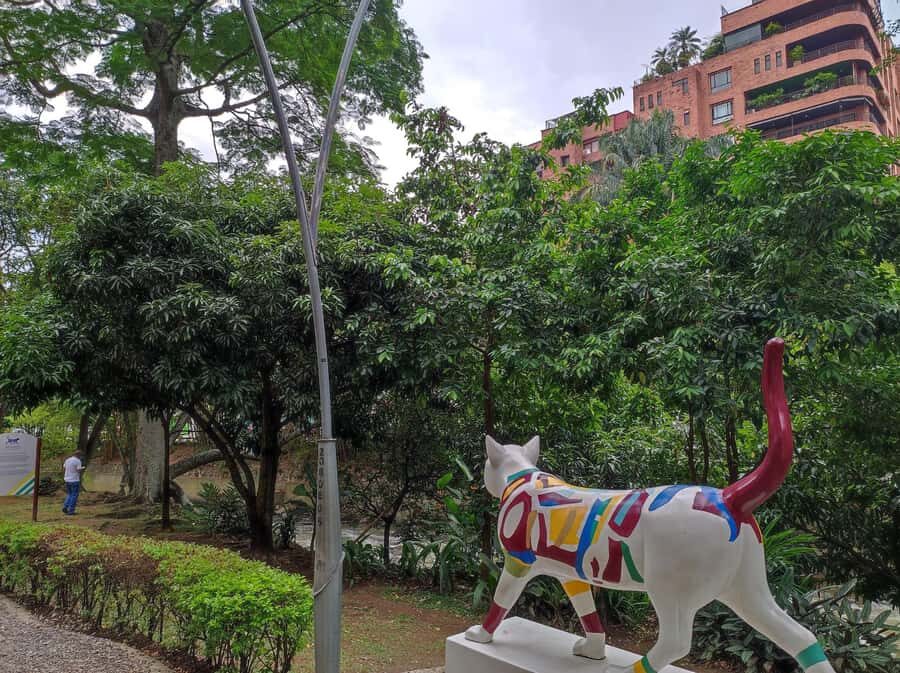
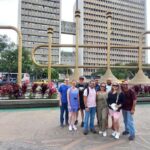
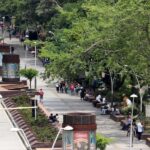
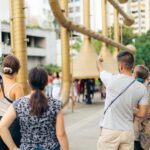
After the heights, the tour moves into walking mode around San Antonio and the downtown area. Expect a guided stroll that goes beyond landmarks and into meaning—colonization, religion, and how the city is dealing with present-day issues.
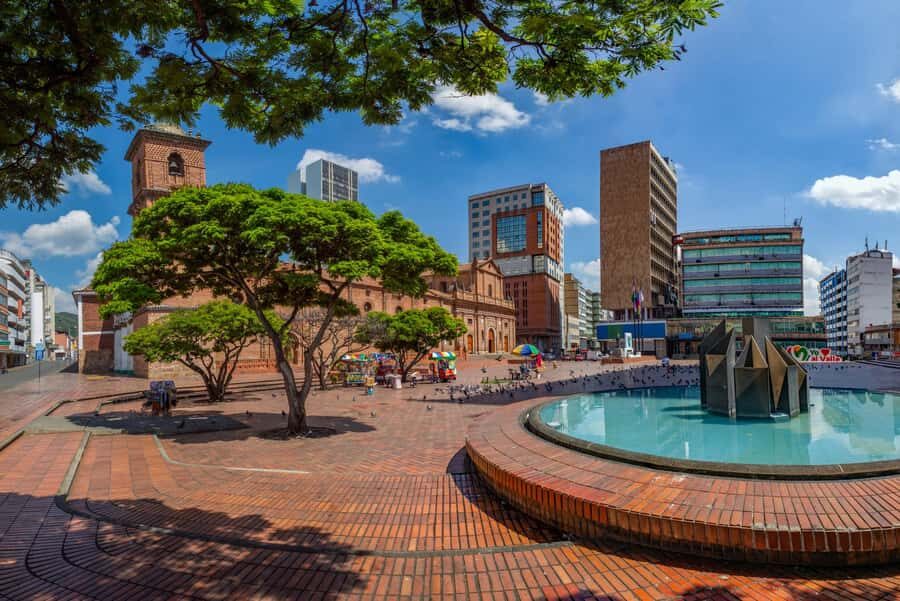
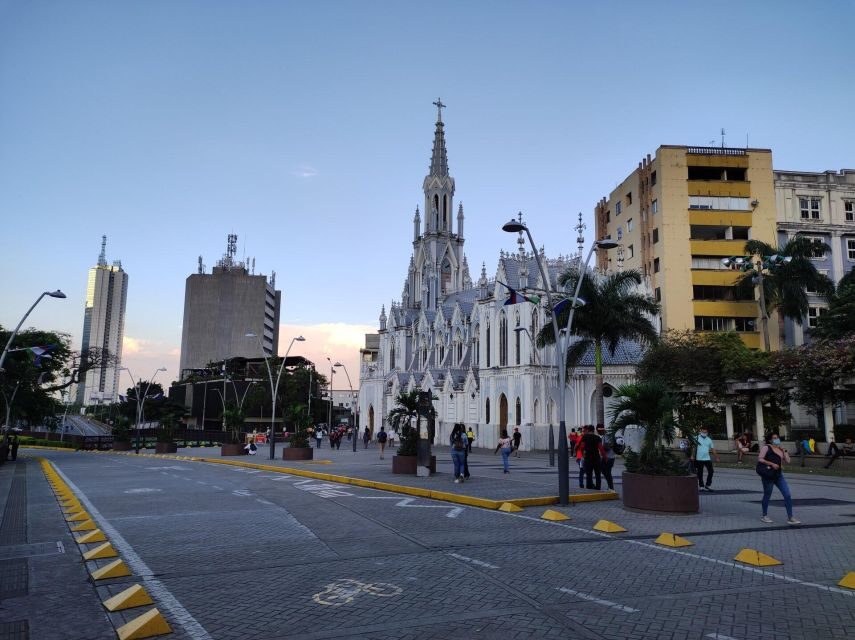
You’ll visit places such as Plaza Caycedo and San Francisco, and your guide weaves historical context into what you see on the street. That matters because downtown architecture and plazas in Colombia weren’t built for decoration alone. They reflect power, belief systems, and how people organized life in earlier periods. When your guide ties that context to today’s city, the walk stops feeling like a checklist.
A practical note: this is where your comfortable shoes matter. The tour includes several walking segments, and downtown streets can add up even when the pace feels steady. If you want crisp photos, wear shoes that let you move without slowing your rhythm.
Also, this walk works best if you like to ask questions or just listen closely. The tour is designed for a conversational, interpretive style—not speed-walking through sites.
Tertulia Museum: Modern Art and a Famous Paper Collection
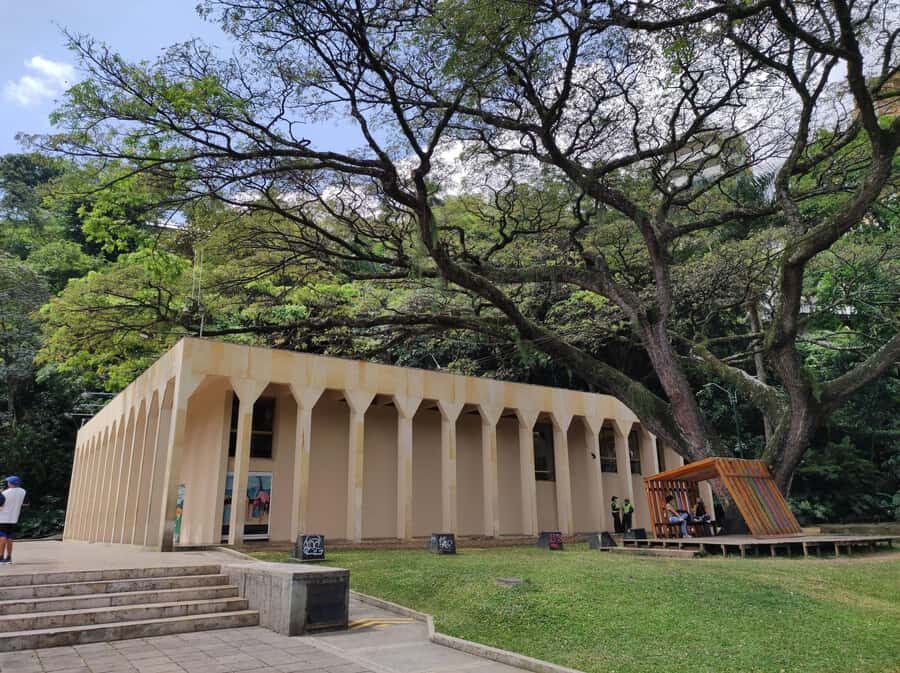
Next comes La Tertulia Museum, described as the first modern art museum in the city. It’s also highlighted for having the biggest collection of artworks collected in paper in the country. Even if modern art isn’t always your thing, this stop has two advantages.
First, the museum gives you a break from the outdoor pace. You’ve already done the viewpoints and walking, so an indoor cultural stop resets your energy.
Second, the museum’s theme helps the day feel balanced. You’ll be learning city history and culture outside, then you shift into a more modern lens inside, where art expresses ideas in another language—form, texture, and medium. In this case, the focus on paper-based works adds a practical curiosity factor. You can actually look at technique and material choices, not just subject matter.
Plan for about an hour here. That’s long enough to see the highlights without feeling like you have to marathon. If you’re the type who likes to read every label, you might want to spend a bit more time outside the strict tour pacing—but the guided structure keeps it efficient.
Monday heads-up: the Tertulia Museum is closed on Mondays. Your guide will provide options for another museum that matches your interests, so your day still has shape even when the calendar throws a curveball.
Coffee Shop Stop: How Colombian Coffee Shows Up in Daily Life
After the museum, the tour takes you to a coffee shop area for a Colombia coffee lesson. You’ll learn about the importance of coffee and how it’s prepared, then you’ll taste it.
This is one of those stops that feels small on paper, but it tends to land well because it connects culture to something you can actually experience. It’s not just a lecture. You get a sensory payoff: aroma, flavor, and the basic idea of what makes coffee preparation matter.
It’s also a good timing choice. Coffee tends to wake you up for the next walking segment, and the tour has another food-focused moment coming soon with fruit tastings.
If you drink coffee regularly, don’t worry about it being redundant. This isn’t just sampling coffee—it’s learning why Colombian coffee has such a strong reputation and how preparation creates differences in taste.
Plaza de Mercado Alameda Fruit Tastings: Local Flavors You Can’t Fake
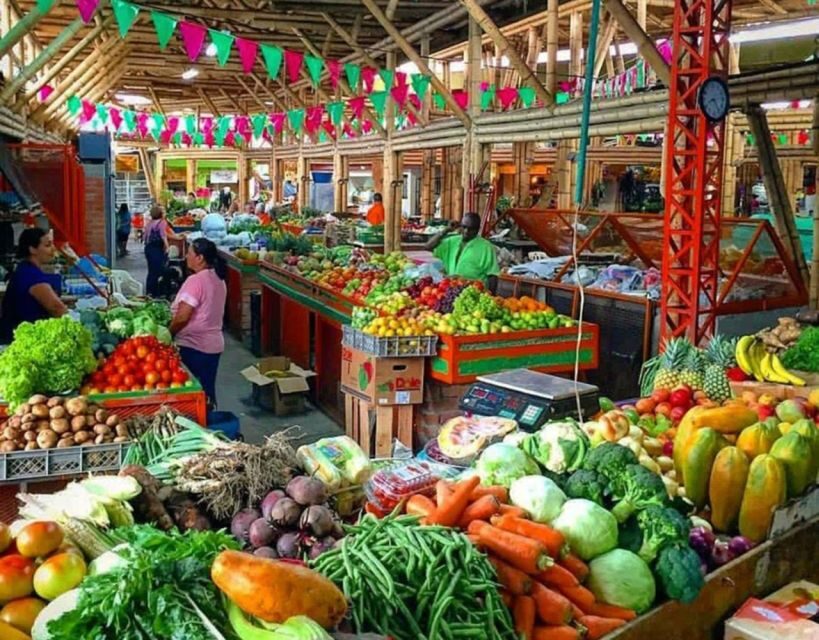
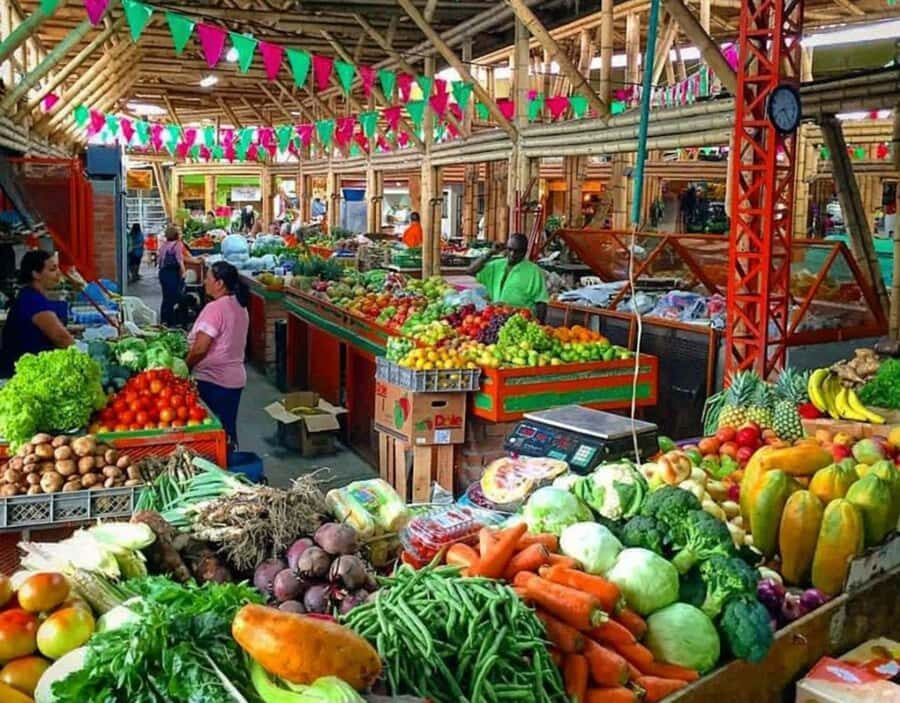
Then comes one of the best parts of the day: the fruit market stop at Plaza de mercado Alameda. This is where the tour turns from seeing to tasting, with a focus on endemic fruits.
The idea is simple but powerful: smell and flavors help you remember places better than photos alone. Even if you’re not sure which fruit is which, your guide’s explanations make it easier to connect flavor with origin and local use. You’ll end up with a mental map of Cali that includes taste—sweet, sour, fragrant, juicy—rather than just geography.
This stop is also a refreshing reset in the middle of a full day. It breaks up the cultural and historical segments with something immediate and easy to enjoy. And because it’s tied to endemic fruits, it feels more specific to the region than generic tourist shopping.
Practical advice: if you’re prone to getting sticky around fruit tastings, consider bringing a small napkin or wet wipes. The tour includes water to keep you comfortable, but personal cleanup habits still help.



What Makes This Tour Feel Personal: Guides, Humor, and Weather Flexibility
This isn’t a “run, point, go” city tour. You’re in a private group with a live guide, and the tone you get from the guide makes a big difference in how the day feels.
Names like Viviana, Juan, and Juan Camilo show up in feedback, and the common thread is that guides balance information with personality. You’ll also notice a theme of patience and accommodation—whether you want more time for photos or you’re adjusting how you experience each stop.
Weather can be a real factor in Colombia, and this tour is designed to operate in all weather conditions. On at least one rainy day, the guide adjusted the plan quickly when some excursions were closed due to thunderstorms, then filled the day with alternatives so it didn’t collapse into downtime. That’s a big deal for a 6-hour schedule. You’re not just hoping the weather cooperates—you’re traveling with someone who knows how to respond.
Price and Value: Is $91 for 6 Hours Fair?
At $91 per person for a 6-hour private tour, the price makes sense when you look at what’s included.
You’re getting:
- hotel pickup and drop-off
- a guide
- car or van transportation
- entry to Cristo Rey
- entry to Tertulia Museum
- fruit market tasting
- insurance
That bundle matters because two of the biggest “cost sinks” on short trips are transport and paid entry. Add in a guide who can connect history, culture, and what you’re walking past, and the cost stops feeling like you’re paying just to be moved around.
Meals and drinks are not included, so you should budget for lunch or snacks on your own. That’s the one gap you’ll need to plan for. If you eat lightly, you can make the day work without stress. If you’re a bigger eater, consider doing one full meal off-tour and grabbing only small things at stops where possible.
Overall, I’d call this good value if you want a structured Cali day with tastings and museum time, and you don’t want to organize transport, admissions, and a coherent route yourself.
Logistics, Pace, and What to Pack for a Comfortable Day
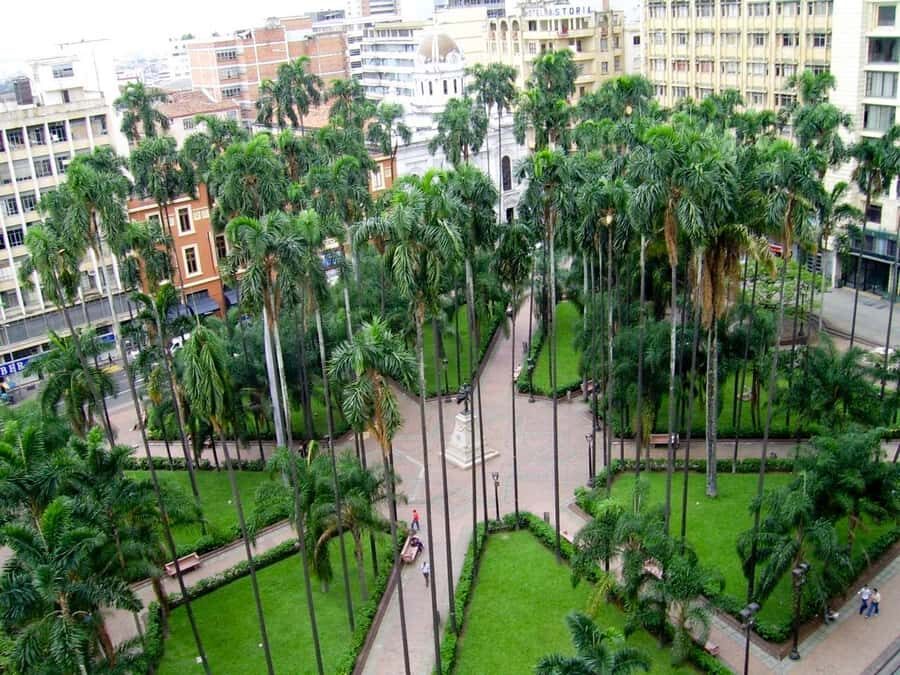
This tour is 6 hours, and it includes multiple walking segments plus a museum visit. That means your comfort matters more than your fitness level.
Bring:
- comfortable shoes
- water
- sunscreen
- a camera
- weather-appropriate clothing
Why those matter:
- shoes let you keep the pace without hurting your legs during downtown walking
- water helps during fruit tastings and outdoor parts
- sunscreen is non-negotiable when you’re in open areas around plazas and viewpoints
- camera is a must for Cristo Rey and the downtown architecture
- weather clothing matters because the tour runs in all weather
Also, the tour languages include Spanish and English, so you can expect your guide to explain the context clearly without you needing to guess at what you’re seeing.
Should You Book the Cali: Cristo Rey, Tertulia Museum & Downtown Tour?
Book it if you want a compact, well-paced Cali day that mixes views, history, modern art, and food tastings. It’s a great fit if you’re short on time but still want your visit to feel grounded—walking through downtown with context instead of only taking photos.
Skip it or adjust expectations if you don’t like guided walking. This is not a sit-and-watch tour. You’ll be on your feet enough that comfortable shoes really do change the experience.
My practical take: if you’re curious about how Cali connects religion, history, and today’s city issues—and you also want to taste endemic fruits and learn about Colombian coffee—this is one of the more efficient ways to do it in half a day’s worth of time.
FAQ
How long is the Cali city tour?
It lasts 6 hours, including hotel pickup and drop-off, guided visits, and walking.
Do I need to speak Spanish to join?
No. The live tour guide works in Spanish and English.
Is this tour private?
Yes, it is a private group tour.
What stops are included during the day?
You’ll include Cristo Rey entry, Tertulia Museum entry, a fruit market tasting at Plaza de mercado Alameda, and guided walking around San Antonio and downtown areas.
Is the Tertulia Museum open every day?
The Tertulia Museum is closed on Mondays. Your guide will give options for another museum that fits your interests.
Are meals included?
No. Meals and drinks are not included.
What should I bring?
Wear comfortable shoes, and bring a camera, sunscreen, water, and weather-appropriate clothing.