REVIEW · CALI COLOMBIA
The Cali Salsa Tour
Book on GetYourGuide →Operated by Cali Cultural Tours · Bookable on GetYourGuide
Cali salsa has a way of grabbing you fast. This tour strings together music history and hands-on dancing across two museums and a real salsa club, all in one long, fun day. I especially like how the tour starts at the public Jairo Varela trumpet spot and turns it into a mini history lesson you can actually point to.
I also like the food tasting—Cali classics like fritanga, lulada, champús, and cholado keep your energy up between stops. One thing to consider: the day runs about 5.5 hours and includes museum time plus a 2-hour nightclub class, so it’s best if you’re ready to move (and not just watch).
Key points I’d plan around
- Plazoleta Jairo Varela starts with the Niche trumpet monument and quick sightseeing you can’t get from a poster.
- A guided stop at Museo Jairo Varela focuses on Grupo Niche and their music impact in Cali.
- Museo de la Salsa (Barrio Obrero) is the world’s oldest salsa museum, and it’s built around how the Cali style formed.
- A real Cali food break includes fritanga plus cooling drinks like lulada, champús, and cholado.
- You finish with an intense dance class at La Topa Tolondra, designed for all levels.
- No stress on photos outside, but no photography inside the museums.
In This Review
- Cali’s Salsa Map Starts at the Golden Trumpet Plazoleta
- Niche Trumpet Monument: Sightseeing With a Story You Can Repeat
- Museo Jairo Varela: Grupo Niche Meets the Stuff You Can Actually See
- Museo de la Salsa (Barrio Obrero): The Oldest Salsa Museum in the World
- The Cali Food Break: Fritanga, Lulada, Champús, Cholado (Plus Beer and Water)
- La Topa Tolondra Nightclub: The Dance Class That Turns Learning Into Muscle Memory
- Price and Logistics: What You Get for $77 (and What You Should Double-Check)
- Who This Tour Fits Best (and Who Might Prefer Another Plan)
- Meet the Guides and Expect a More Personal Feel
- Should You Book the Cali Salsa Tour?
- FAQ
- Where is the meeting point?
- How long is the tour?
- How much does it cost?
- What languages is the tour offered in?
- What’s included in the price?
- Is hotel pickup and drop-off included?
- Are photos allowed inside the museums?
- What should I wear?
- Is the tour wheelchair accessible?
- Can I cancel for a full refund?
- Is this tour good for beginners?
Cali’s Salsa Map Starts at the Golden Trumpet Plazoleta
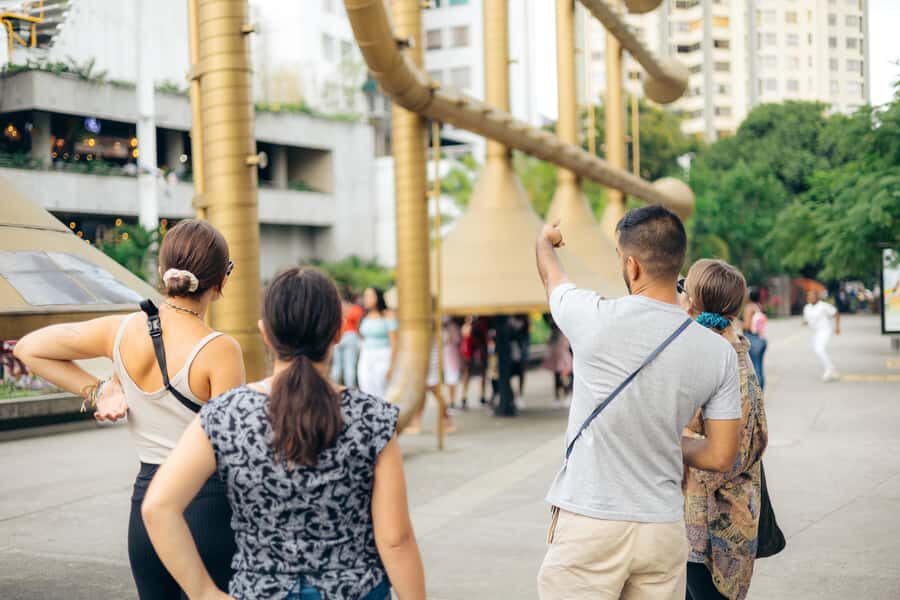
The day begins in the right place: Plazoleta Jairo Varela (also known as La Caleñidad). If you show up near the big golden trumpet monument, you’re already oriented. It’s a simple meet-up spot that feels like part of the neighborhood’s everyday rhythm.
From there, the tour kicks off with a short workshop/class and a lot of attention to how salsa grew in Cali. The guide’s job is not just to explain what you’re seeing. It’s to connect the symbols—like the trumpet monument—to the sounds and dance steps you’ll practice later.
Two practical reasons this start works. First, you get context early. Second, you’re not staring at a museum label wondering what it all means.
Niche Trumpet Monument: Sightseeing With a Story You Can Repeat
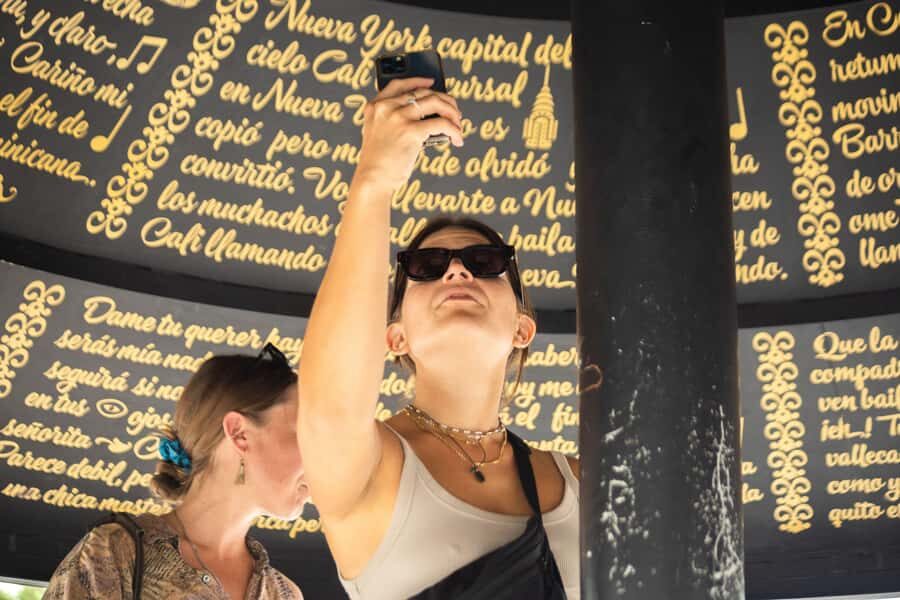
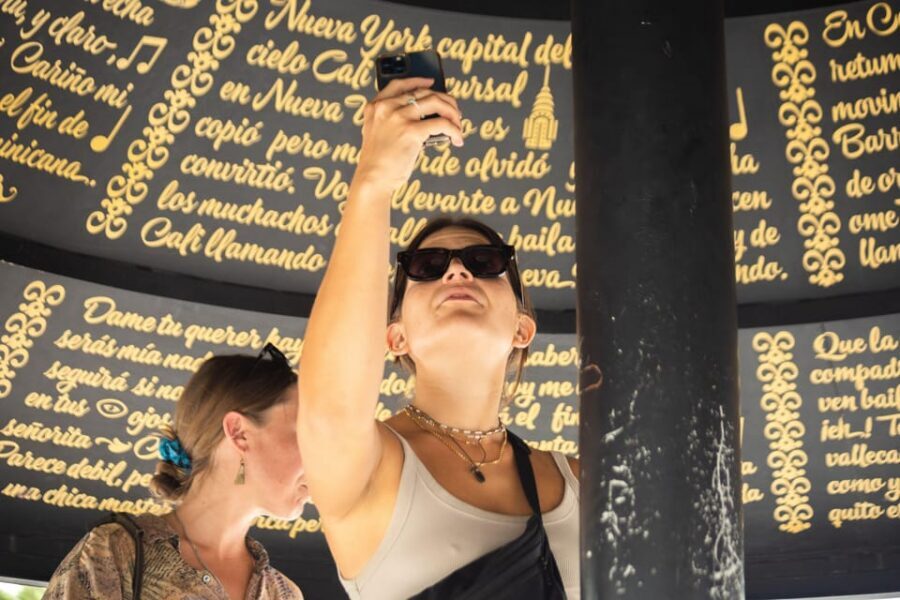
At the trumpet of Niche monument, you get a quick photo stop and a guided explanation that makes the place feel physical. One of the coolest details is the mention of a second instrument painted over the street—something you can look for while you’re standing right there.
This is the kind of stop that helps on a rainy day too, because it isn’t only about walking or weather. It’s about noticing. And if you’re the type who loves meaning behind local symbols, you’ll get a kick out of how the guide turns it into a fast primer on salsa culture.
Photo note: taking pictures at the monument area is fine. The restriction comes later for the inside museum rooms.
You can also read our reviews of more tours and experiences in Cali Colombia.


Museo Jairo Varela: Grupo Niche Meets the Stuff You Can Actually See
Next comes Museo Jairo Varela, with a guided visit focused on Grupo Niche and their influence in Colombian music and salsa in Cali. If you like music history but hate museum lectures that feel endless, this stop hits a better balance. You get context and also see memorabilia that makes the story feel real.
The museum includes items such as original recording equipment and multiple awards. That’s a big deal because it shifts the conversation from general “salsa was important” to concrete proof of how big the group became and why their sound landed in Cali the way it did.
You’ll also likely feel the human side of the story here—because the tour keeps the guide’s explanations tied to why Cali listeners and dancers cared. Even if your Spanish is limited, the tour runs in English and Spanish, and the guide support can make the museum feel less academic and more like a guided conversation.
Museo de la Salsa (Barrio Obrero): The Oldest Salsa Museum in the World
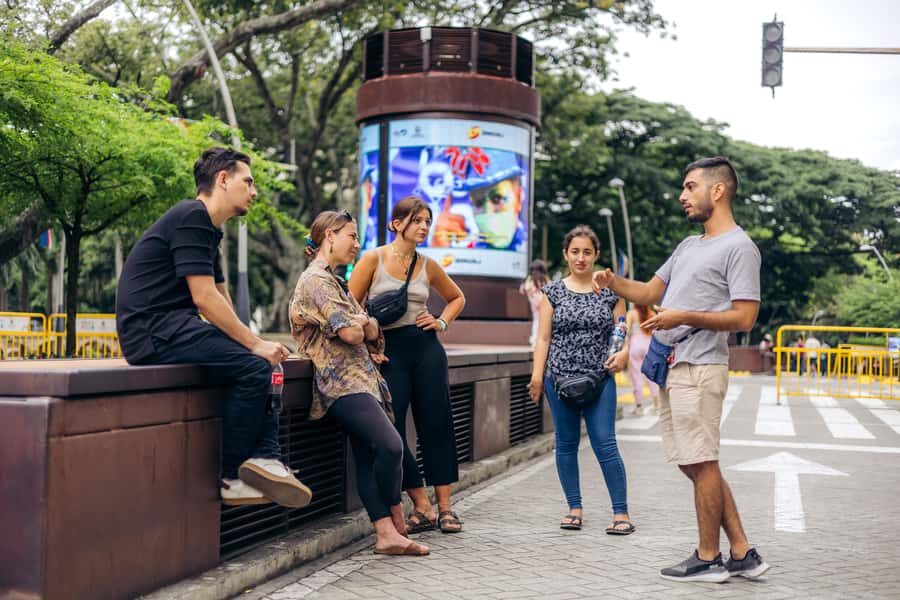
Then you head to Museo de la Salsa – Barrio Obrero Cali, and this is the big museum time: about 2 hours with a guided visit. This is where the tour earns its name, because the museum is described as the oldest salsa museum in the world.
The value isn’t only the title. It’s the local story behind why Cali salsa developed its own feel. The museum is set in the neighborhood where Cuban music first touched Cali, helping give birth to the Cali style of dancing. If you’ve ever wondered why different salsa scenes feel different, you’ll get a clearer answer here.
A detail worth knowing: the museum experience is family-friendly and led by the neighborhood’s younger generation now. That matters because it often changes the tone. You’re less likely to feel like you’re in a locked-off, silent archive and more like you’re part of a living community that still talks about the music.
One caution: photography inside is not allowed. Plan to use your eyes, not your camera. If you rely on photos to remember details, consider taking notes on your phone before you enter the museum halls.
The Cali Food Break: Fritanga, Lulada, Champús, Cholado (Plus Beer and Water)
Between museums, you get a proper break with a tastings-style menu. This is one of the best reasons to do the tour as a package instead of trying to improvise. You get several Cali staples in a single stop.
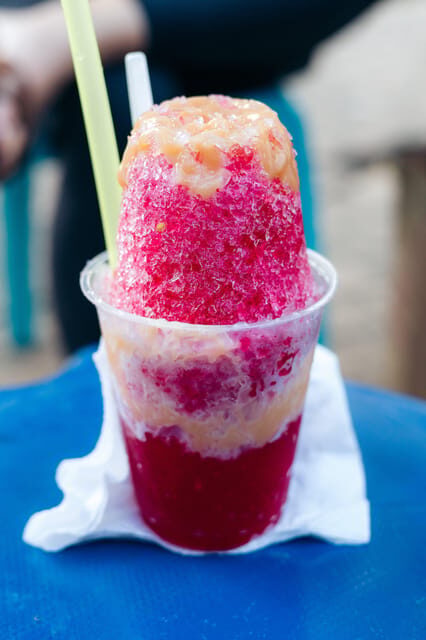
The food list includes fritanga, with items such as empanadas, marranitas, and aborrajado. You’ll also see cooling drinks like lulada, champús, and cholado. If you’ve never had these before, that’s part of the fun: you’re not just “eating lunch,” you’re sampling the flavors that show up around Cali’s street-food culture.
And yes, hydration is included. You’re provided a bottle of water and beer. One review note adds color: the beer may come with a view over San Antonio at sunset. Even if your exact moment differs, the point is the same—this tour understands that dancing requires fuel.
Food timing tip: since the day includes a long dance session later, don’t treat the tasting like a buffet where you totally ignore dinner. Eat enough to keep you going, then pace yourself for the class.
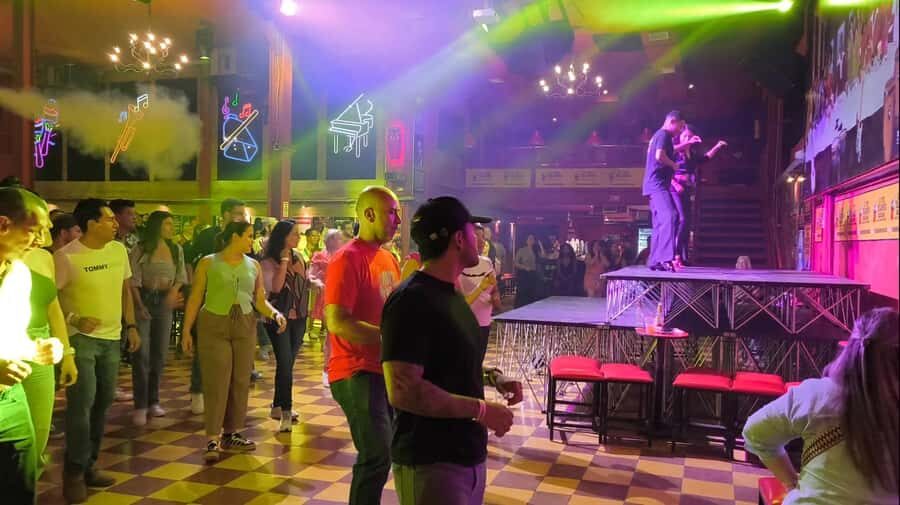
La Topa Tolondra Nightclub: The Dance Class That Turns Learning Into Muscle Memory
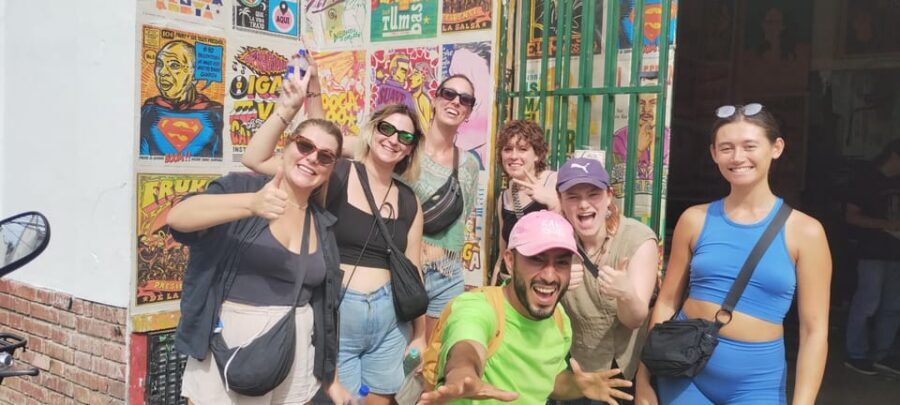
The final activity is at La Topa Tolondra Nightclub, with a 2-hour salsa class. This is the “put it all together” part of the day, and it’s described as intense—good news if you learn by doing.
The class is said to work for all levels, which matters because not every dance tour truly adapts. A 2-hour session can feel intimidating if you’re a total beginner, but the tour positioning here is that you’re not thrown into the deep end with no support.
Why end here? Because a nightclub setting keeps salsa practical. You practice rhythm, footwork, and partner-style awareness (as much as the class format allows) in a place built for the music. Even if you’re nervous at first, the room energy tends to push you forward.
Also: this is where you’ll meet other people—locals and travelers—because it’s a club environment. If your favorite travel moments are the ones where you connect with people while doing something simple (like stepping to the beat), you’ll probably enjoy this part a lot.

Price and Logistics: What You Get for $77 (and What You Should Double-Check)
At $77 per group (up to 1), this is not a bare-bones museum ticket. You’re paying for a bundle: guided museum time, an introductory dance class/workshop, a second dance session at a club, and food tasting. You also get water plus beer.
The value is strongest if you want:
- guided explanations in English or Spanish
- a structured salsa day instead of hunting down museums and class options on your own
- a food stop that covers several signature items, not just one meal
A few logistics notes to keep you comfortable. The tour doesn’t include hotel pickup/drop-off, so plan on getting to the start point: Plazoleta Jairo Varela / the Trumpet Plaza. Transportation is included only for a specific transfer—from Museo Jairo Varela to the salsa museum—so you may still do some walking and moving between other stops.
Also, the day is about 330 minutes. That’s long enough that you should wear comfortable clothes and shoes. If you show up in fashion sneakers that hate stairs or uneven ground, you’ll pay for it later in the dance class.
If you’re sensitive to fatigue, the museum portion plus nightclub class can feel like a lot back-to-back. On the flip side, that’s exactly why it works: you learn the story, then you train your body.
Who This Tour Fits Best (and Who Might Prefer Another Plan)
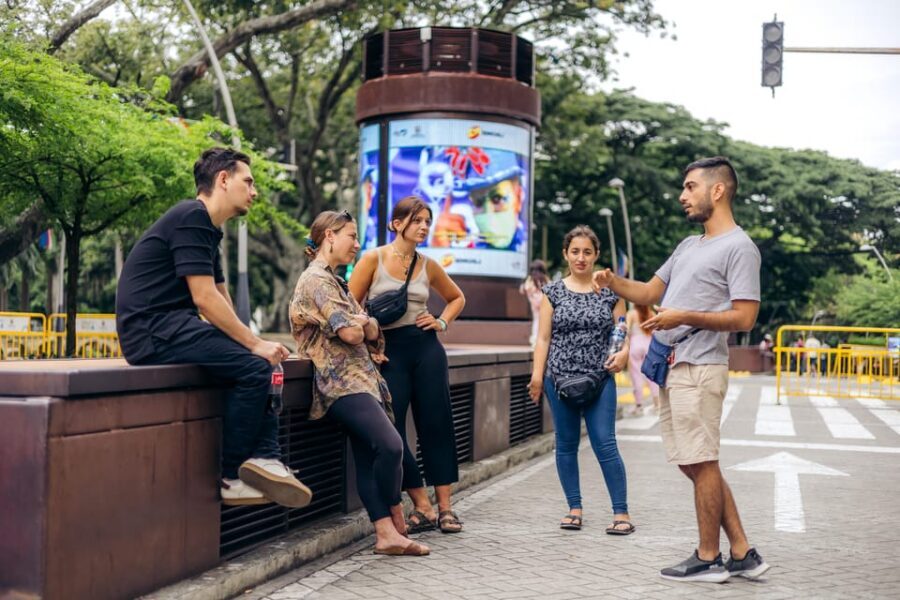
This tour is a great match if you:
- want Cali salsa history connected to dance, not taught like a textbook
- like a day with multiple parts (museum + food + class), where you’re never stuck waiting
- enjoy learning from guides who can explain music culture in a clear way
- don’t mind an intense class at the end
It’s less ideal if you want something slow and quiet. Two museums plus a nightclub class means there’s limited downtime. And if you strongly prefer taking lots of photos, remember: no photography inside the salsa museums.
A smart approach for many people: treat the food tasting as your “don’t get hangry” moment, then show up for the class with the right shoes and a calm attitude. Salsa looks easy until your feet start arguing with the rhythm.
Meet the Guides and Expect a More Personal Feel
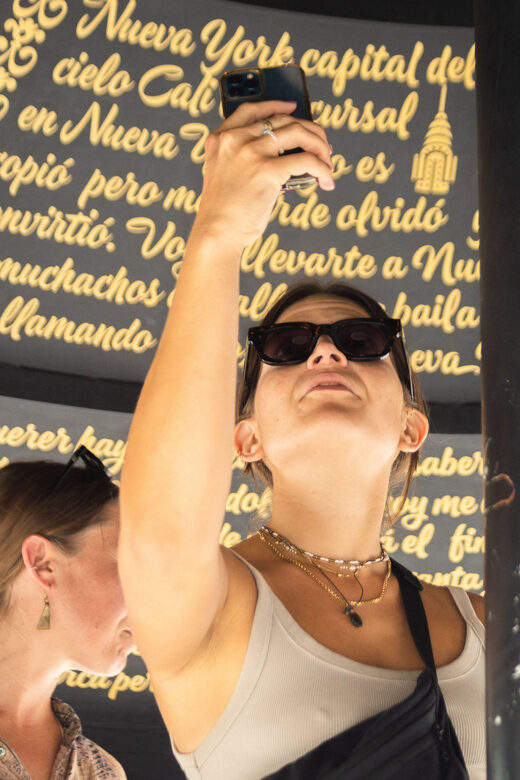
The human side matters here. One guide name that shows up strongly is Juan Camilo, praised as exceptional. There are also mentions of guides like Vivia being wonderful. That pattern suggests the experience isn’t just a conveyor belt.
Also, there’s a clue that the day can feel more tailored than standard group tours. Some descriptions mention personalization from the start and flexibility in how the day unfolds. That can be a big deal if you want to balance energy, timing, and comfort.
If you’re booking solo or want a small-group feel, the “up to 1” group size on the price listing suggests this could be a better match than you’d get from huge tours.
Should You Book the Cali Salsa Tour?
Yes—if you want a true Cali salsa day that mixes history, hands-on dancing, and local food. The museums are doing real cultural work here, and the dance class at La Topa Tolondra is the payoff that turns what you learn into something you can feel.
Consider skipping or choosing a lighter option if you:
- hate long sessions with little downtime
- can’t do intensive dancing at the end of the day
- really depend on taking photos inside museums
If you’re unsure, ask yourself one question: do I want salsa to stay a story, or do I want it in my body for the rest of the trip? If you want the second option, this tour is a strong bet.
FAQ
Where is the meeting point?
The meeting point is Plazoleta Jairo Varela (or La Caleñidad) near the big golden trumpet monument.
How long is the tour?
The duration is 330 minutes (about 5.5 hours).
How much does it cost?
The price is $77 per group (up to 1).
What languages is the tour offered in?
The live tour guide speaks English and Spanish.
What’s included in the price?
Included are an introductory salsa class, Museo Jairo Varela visit, entry to the world’s oldest salsa museum, food tasting of local delicacies, hydration (bottle of water and beer), and transportation only from Museo Jairo Varela to the salsa museum.
Is hotel pickup and drop-off included?
No. Hotel pickup and drop-off are not included.
Are photos allowed inside the museums?
No. Photography inside is not allowed.
What should I wear?
Wear comfortable clothing and shoes for dancing.
Is the tour wheelchair accessible?
Yes, it is wheelchair accessible.
Can I cancel for a full refund?
Yes. You can cancel up to 24 hours in advance for a full refund.
Is this tour good for beginners?
The introductory salsa class and the overall dancing experience are described as for all levels, including beginners and advanced dancers.