REVIEW · CALI COLOMBIA
Cali: Pico de Loro Trekking Adventure – Farallones de Cali
Book on GetYourGuide →Operated by Valley Adventours · Bookable on GetYourGuide
Pico de Loro humbles you fast. This 10-hour trekking adventure in Farallones de Cali pulls you into Colombia’s protected mountain world—thick jungle, steep ground, and serious lookout moments—while you learn about the park’s wildlife and ecosystems. I especially love how the route is tied to birdlife and conservation, not just a workout.
One catch: this is not a casual hike. Expect steep sections (up to 75°) and a hard final push, so if your fitness isn’t strong or you have health limitations, you’ll likely struggle.
In This Review
- Key things to know before you go
- Pico de Loro’s steep “class” in the Farallones de Cali
- The hike stats you should actually take seriously
- El Topacio: when the park lesson happens mid-day
- Birdlife, ecosystems, and what makes this park special
- Guides make or break a steep day (and this one aims to deliver)
- What the 10-hour day feels like, from first steps to descent
- Packing list for Colombia rain, steep steps, and sweaty climbs
- Price and value: $49 with guides, entrance, and insurance included
- Who this trek suits best (and who should skip it)
- Should you book this Pico de Loro adventure?
- FAQ
- What’s the duration of the Pico de Loro trekking adventure?
- How far is the trek and what’s the altitude change?
- Is transport included from my hotel?
- What language are the guides?
- What group size should I expect?
- Do I need good fitness to do this hike?
- What should I bring for the hike?
- Will the tour be canceled if the weather is bad?
Key things to know before you go
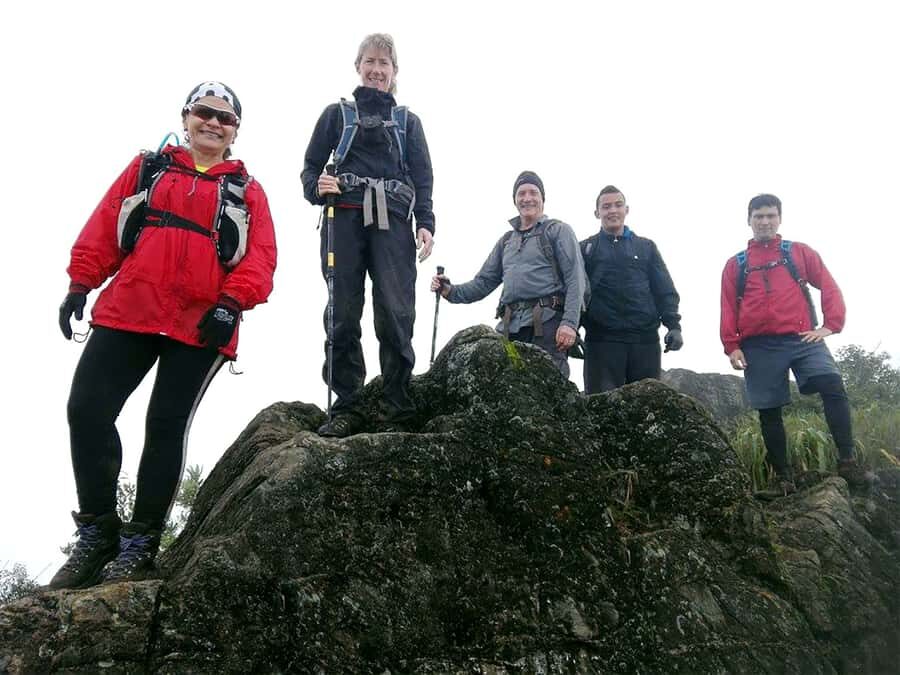
- Small group size (max 7) helps the pace feel manageable on a demanding climb
- Pico de Loro altitude gain: start around 1,600 MASL and reach 2,860 MASL
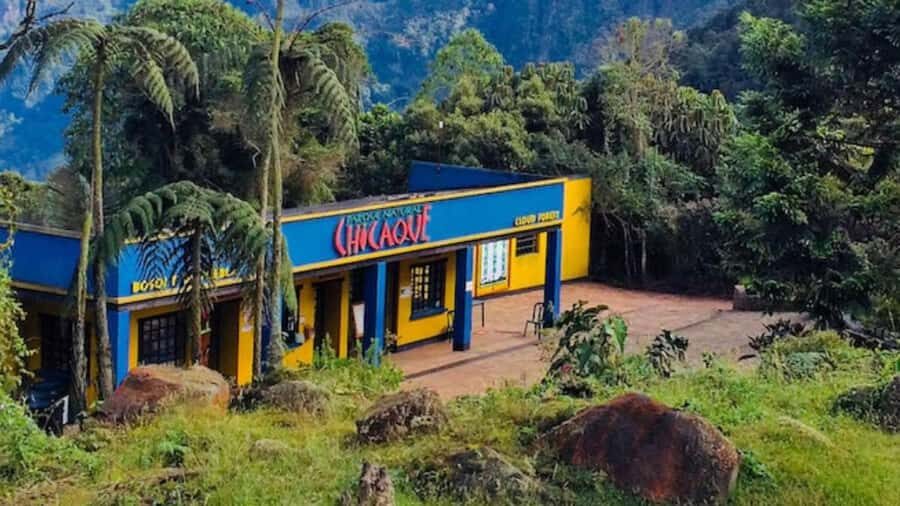
- Real nature education with a stop at the environmental center El Topacio
- Up to 75° slopes and a brutal last stretch that’s worth the work
- Spanish-only guiding plus short breaks for interpretation and acclimatization
Pico de Loro’s steep “class” in the Farallones de Cali
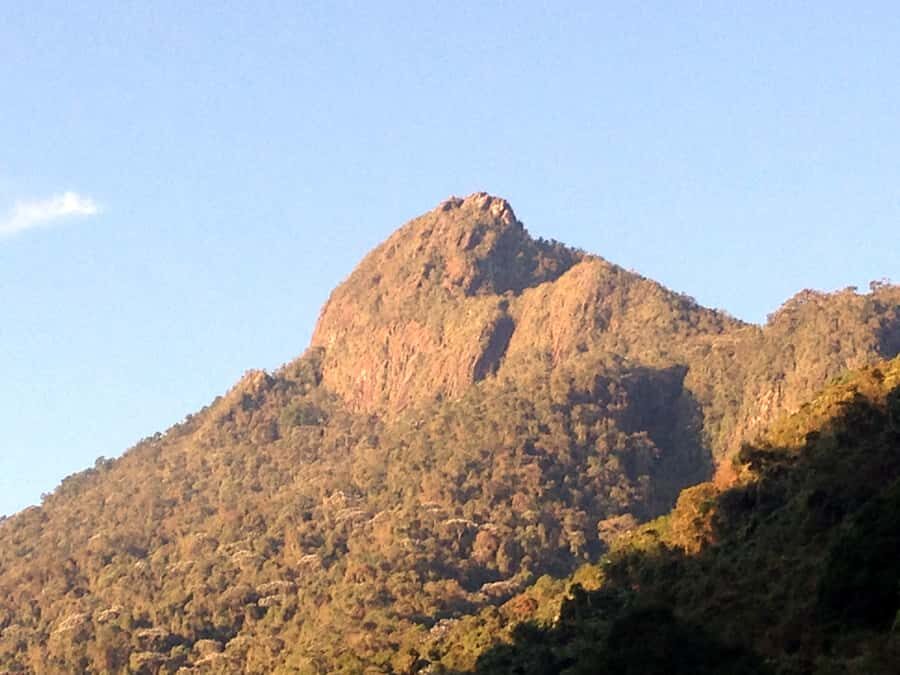
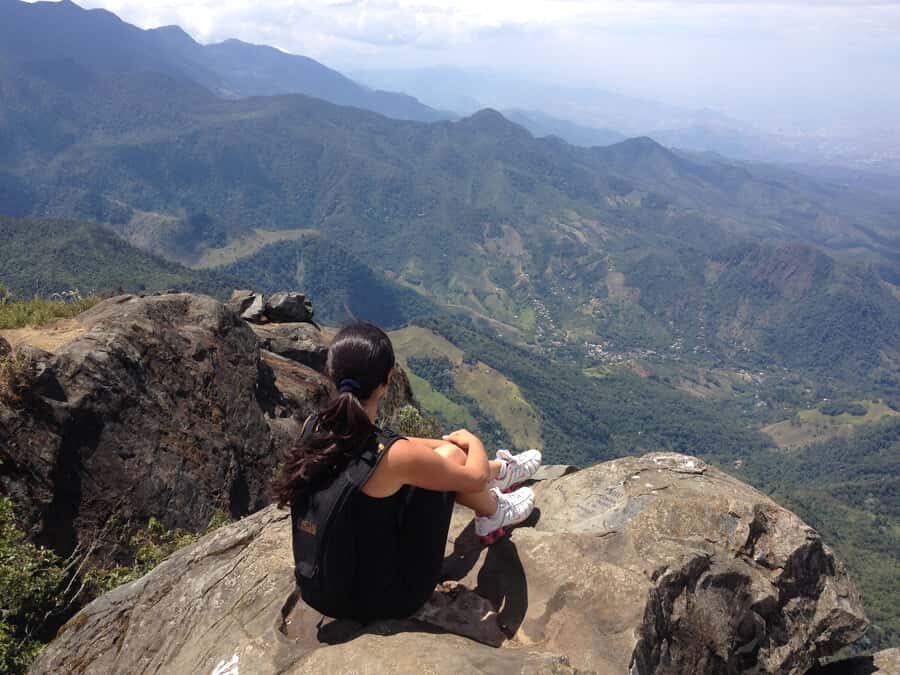
Pico de Loro sits inside the Farallones de Cali National Natural Park, one of Colombia’s older protected areas and among the most diverse. This matters because the trek isn’t only about reaching a summit. It’s about walking through a protected space with layers of life—four ecosystems and four thermal floors, plus indigenous influence and real hydrographic wealth.
I like that the day is built for people who want both effort and meaning. You get a serious physical challenge, but you also get context: you’ll have stops for environmental interpretation and acclimatization, so the mountain doesn’t feel like a random grind. It’s more like a guided lesson where your legs do the talking.
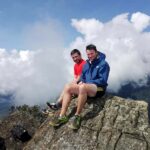
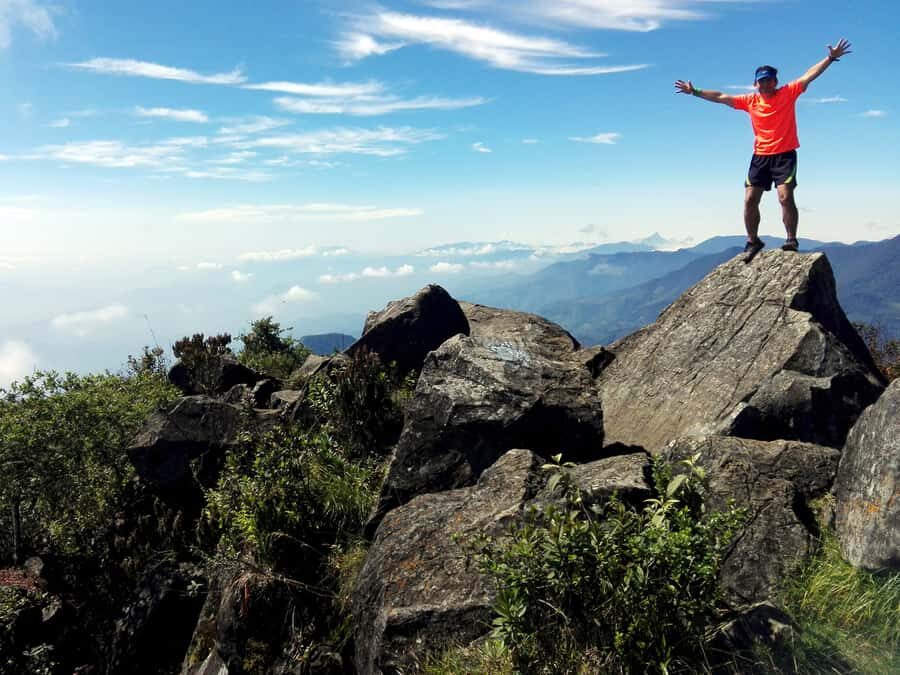
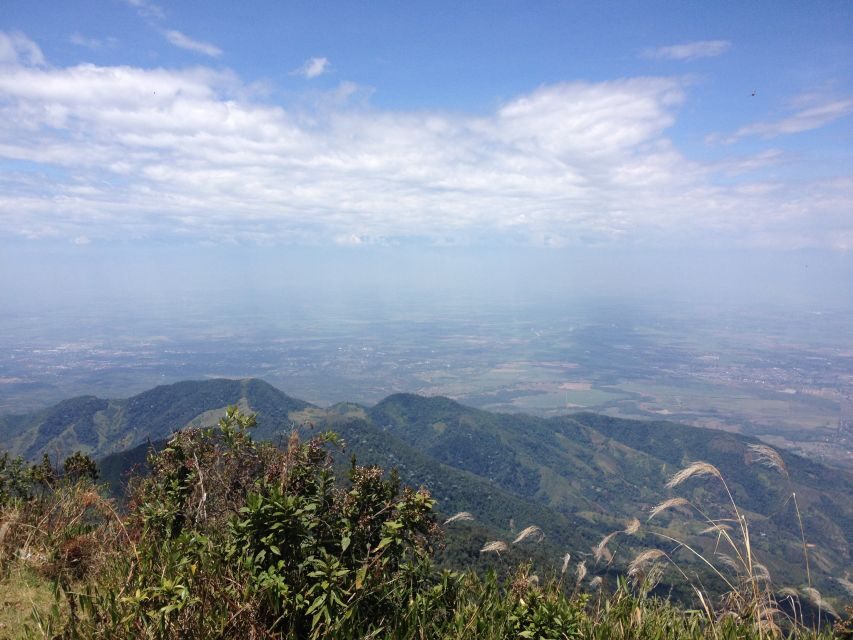
And yes, the views do the convincing. Pico de Loro is known as the park’s most prestigious trail, and the payoff is the kind of scenery that makes you understand why locals protect these mountains so fiercely.
You can also read our reviews of more hiking tours in Cali Colombia
The hike stats you should actually take seriously
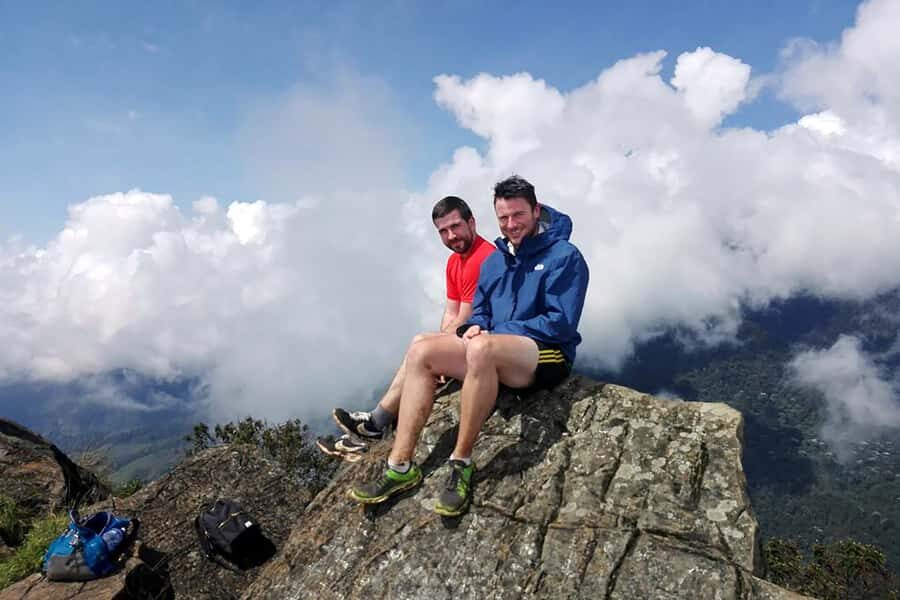
If you’re choosing this trek, don’t focus on the “distance” alone. Focus on the change in elevation and the steepness.
Here’s the hard math of what you’re signing up for:
- Total distance: 9 km (about 4.5 km up, 4.5 km down)
- Starting altitude: ~1,600 MASL
- Highest altitude: ~2,860 MASL
- Final altitude: 2,860 MASL
- Steep grades: changes in level between 45° to 75° in some sectors
- Pace reality: you’ll have short breaks and stops for interpretation and acclimatization
This is why I call it a “strong legs” trek, not a “casual nature walk.” Even if you can handle uphill walking, the steep angles matter. Your quads will feel it on the ascent, and your knees (and calves) will feel it on the descent.
Also, the tour runs Monday to Friday, so plan your trip dates accordingly. That’s a small detail, but it can be the difference between “yes, today” and “now we’re waiting a week.”
El Topacio: when the park lesson happens mid-day
A simple way to think about this trek: the trail tests you, and the education center explains why the trail matters.
You’ll visit the environmental education center El Topacio as part of the experience. Even without fancy theatrics, that kind of stop changes how you see what you’re walking through. Instead of counting steps only, you start noticing patterns—how ecosystems shift, how the mountain environment supports different life zones, and why protected areas are worth the effort to reach.
It’s also a smart pacing tool. Those breaks aren’t just for show. You’re given pauses for environmental interpretation and acclimatization, and El Topacio fits into that rhythm. On a steep climb, any organized reset helps you stay focused and safe.
Birdlife, ecosystems, and what makes this park special
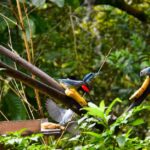
Farallones de Cali isn’t just “pretty jungle.” It’s internationally significant wildlife territory. The park includes 540 bird species, and it also shelters plants and animals that are endangered or unique in the world.
Now, can you spot all 540? Of course not. But the important part is that your guide isn’t leading you through a generic hike. You’re walking inside a place with serious biodiversity density.
You’ll also be moving through four ecosystems and four thermal floors. That’s not just park trivia. It’s why the air, the feel of the ground, and the kind of vegetation you notice can change as you climb. When you understand that the mountain is running multiple “climates” stacked vertically, the climb feels less random.
And this is where good guidance pays off. With Spanish-led interpretation, you’re more likely to connect the dots instead of just collecting photos.
Guides make or break a steep day (and this one aims to deliver)
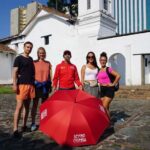
This is a small group trek, limited to 7 participants. That matters on a steep hike because it’s easier for guides to adjust the pace and help people manage the hardest sections.
One review stood out for the guide’s approach: Julián impressed people with his patience and respect for different walking abilities. That’s exactly the kind of support you want when the trail gets steep and personal. In real mountain terrain, not everyone moves at the same speed, and it’s helpful when the guide keeps the group together without rushing the slower walkers.
Also, there are two guides listed: a local guide in Spanish and an expert hiking guide in Spanish. You should expect a day with real attention to trail conditions and safety, not just a casual companion walking ahead.
Finally, a smaller group tends to feel less chaotic during those short stops for interpretation and acclimatization. It can make the whole day feel calmer, even when the ground is not.


What the 10-hour day feels like, from first steps to descent
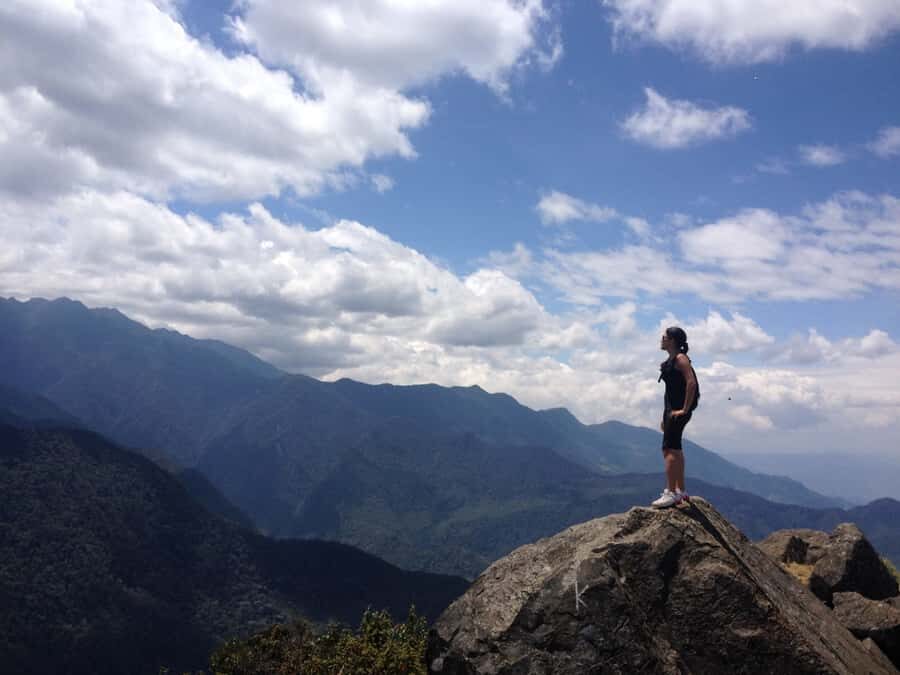
This trek is listed as 10 hours, and that’s believable once you account for:
- steep climbing time
- planned stops for interpretation
- acclimatization breaks
- time for the final ascent sections
- the slower, careful descent
You start around 1,600 MASL and climb to about 2,860 MASL. That altitude change, paired with steep slopes, means you should expect the day to feel like phases:
1) The early climb: steady uphill work while you get into rhythm
2) Interpretation/acclimatization stops: short resets that keep energy controlled
3) The main steep sectors: the parts where angles and footing matter most
4) The summit approach / final push: where many people feel the effort spike
5) Descent: still physical, and often more punishing on legs than people expect
One tip from experience: the last segment can be extremely hard. In reviews, the final 1.5 km was called out as the toughest part—so plan mentally for that. Don’t wait until you’re at the hardest piece to decide how you’ll handle it. Start saving energy earlier than you think you need.
On the descent, keep in mind that “easier” downhill doesn’t mean “easy.” Your feet hit harder, your balance works harder, and your knees do real labor.
Packing list for Colombia rain, steep steps, and sweaty climbs
This trek gives you what you need on the guided side. You still control comfort and safety through your kit.
Bring:
- Passport or ID card
- Sun hat and sunglasses
- Hiking shoes with good grip (sports shoes can work if grip is solid)
- Comfortable clothes (long-sleeved shirt and pants recommended)
- Sunscreen and insect repellent
- Snacks
- Towel
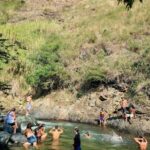
- Swimwear and sandals (listed items—so you’ll want them packed rather than assuming you can skip them)
- Rain gear (waterproof or plastic bag for storing items)
I’d treat this as a “be ready for sudden weather” hike. The tour notes that it’s not canceled in bad weather. That means whatever you carry needs to survive wet conditions. If it rains, protect your clothing layer and anything you’ll want after you finish.
If you can add optional comfort items:
- walking poles and a camelback (water bladder) are listed as optional, and they can make a steep day feel more manageable
Also, do a quick reality check before you leave: the wrong footwear can ruin the day. This trail includes very steep sectors (up to 75°), so grip and traction are not optional.
Price and value: $49 with guides, entrance, and insurance included
At $49 per person, the big question is what you’re actually getting for the money.
Here’s what the tour includes:
- Local guide in Spanish
- Expert hiking guide in Spanish
- Entrance fee to the natural reserve
- Medical insurance and assistance
- Visit to El Topacio
- Ascent to Pico de Loro
That’s meaningful value for a steep day. Entrance fees and reserve access can add up, and medical insurance matters more on harder hikes. You’re also getting true guided labor: two guide roles plus interpretation stops.
What’s not included:
- Transport
- Pick-up and drop-off at your accommodation
- Anything not listed in the plan
So you’ll likely pay extra if you need a taxi to the meeting point or if you’re far from where you need to start. Still, if you’re already in the Cali area and can reach the meeting point on your own, the tour price looks fair for the level of guiding and included protection.
Who this trek suits best (and who should skip it)
This is an activity only for experienced hikers in good physical condition and optimal health. The steep angles, elevation gain, and long day make that clear.
It’s not suitable for:
- pregnant women
- people with back problems
- people with mobility impairments
- wheelchair users
- people with heart problems
You should also be cautious if you have respiratory issues or you’ve had recent fractures. The tour specifically flags respiratory problems and heart problems as disqualifying.
If you’re fit, stable on your feet, and you like the idea of a guided climb with education stops, this can be a great “challenge day.” If you’re hoping for a gentle hike with scenic stroll energy, look elsewhere.
Should you book this Pico de Loro adventure?
Book it if you want:
- a serious hike with a clear endpoint and rewarding views
- small-group guiding (max 7)
- Spanish interpretation tied to conservation and biodiversity
- a tour that includes reserve entrance and medical insurance
Skip it if:
- you’re dealing with heart or respiratory conditions, back issues, or mobility limitations
- you’re not comfortable with steep angles and the mental grind of the final push
- you need included transport, because you’ll have to handle getting to the meeting point yourself
If you’re unsure, ask yourself one blunt question: are you ready for a steep climb where the last 1.5 km can feel like the toughest part of the day? If the honest answer is yes, this trek can be a memorable dose of mountain reality in the Farallones de Cali.
FAQ
What’s the duration of the Pico de Loro trekking adventure?
The tour lasts 10 hours.
How far is the trek and what’s the altitude change?
It’s 9 km total, with about 4.5 km ascent and 4.5 km descent. You start around 1,600 MASL and reach about 2,860 MASL.
Is transport included from my hotel?
No. Transport is not included, and there’s no pick-up or drop-off at your accommodation. You need to arrive at the meeting point on your own.
What language are the guides?
Guiding is in Spanish.
What group size should I expect?
The group is small, limited to 7 participants.
Do I need good fitness to do this hike?
Yes. It’s described as only for experienced hikers in good physical condition and optimal health, with medical conditions like respiratory problems or heart problems noted as not suitable.
What should I bring for the hike?
Bring an ID or passport, sunglasses, sun hat, towel, snacks, hiking shoes, sunscreen, insect repellent, comfortable clothes, and rain gear. Swimwear and sandals are also listed.
Will the tour be canceled if the weather is bad?
The tour is not canceled in case of bad weather, so you should use waterproof gear and keep your items protected.