REVIEW · MEDELLIN
Coffee Experience with roasting show in Comuna 13
Book on GetYourGuide →Operated by The best tours in Medellin SAS · Bookable on GetYourGuide
Coffee and culture in one hour can sound like a pitch. This one actually works because it is hands-on and you follow coffee through real steps, from fruit to roasting to a couple of tastings. I like how the experience is guided and structured, plus you get to see the process behind every cup, not just hear about it.
I also love the pacing: it stays lively, includes a roasting show with a professional roaster, and then turns that lesson into tasting and a little coffee-cream fun. The one thing to consider is it is short, so if you want a long, deep farm visit, you’ll get education more than field time.
In This Review
- Key Things I’d Prioritize Before You Go
- Where You Start at Medallo Coffee (Floor -1 in the Colorful Building)
- What the 1-Hour Experience Actually Feels Like
- The Museum Lesson: Coffee Processes You Learn Before It Roasts
- The Roasting Show: Watching Coffee Change in Real Time
- Coffee Fruit to Your Cup: The Hands-On Stage That Sticks
- Tasting Two Specialty Coffees and Learning How to Evaluate
- Coffee-Cream Exfoliation: Fun, Included, and Worth Knowing About
- Price and Value: Is $20 for One Hour a Good Deal?
- Where This Tour Fits Best in Your Medellín Plan
- The People Factor: Why the Guide Matters Here
- Should You Book This Coffee Museum Experience?
- FAQ
- How long is the coffee experience?
- Where does the tour start?
- How much does it cost?
- What’s included in the experience?
- Which languages are the tours offered in?
- Do you taste coffee during the tour?
- Is the roasting show part of this experience?
- Is it wheelchair accessible?
Key Things I’d Prioritize Before You Go
- Medallo Coffee Museum access in Comuna 13, with a guided 1-hour experience
- Hands-on coffee fruit interaction, so you can physically understand stages of change
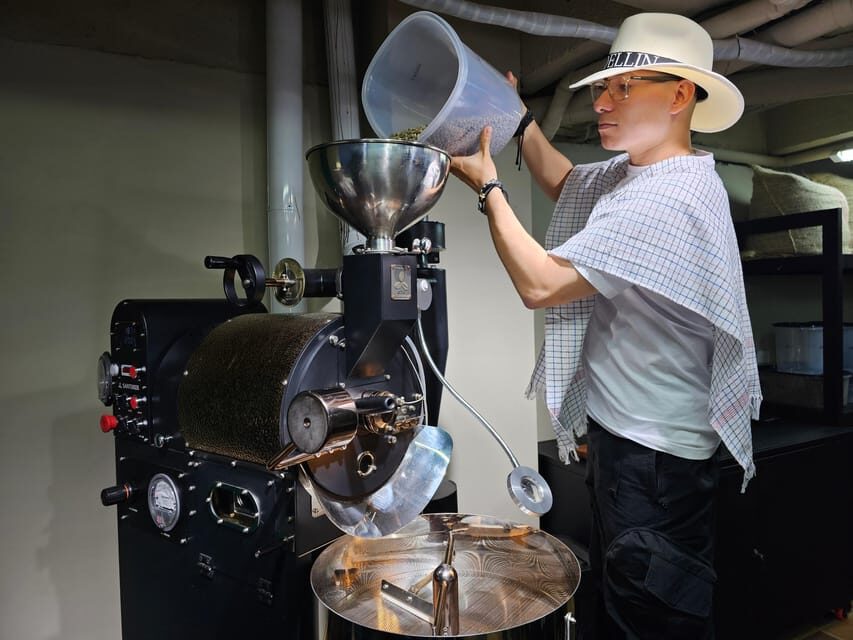
- Roasting show with a professional roaster, showing how transformation happens before your cup
- Two specialty coffee tastings plus guidance on how to evaluate what you’re drinking
- Coffee-cream hand exfoliation, included as part of the sensory learning
- Katherine and her family at the museum, bringing a very personal farm-to-cup focus
Where You Start at Medallo Coffee (Floor -1 in the Colorful Building)
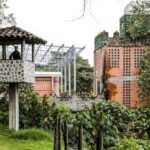
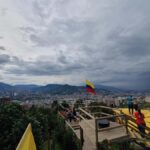
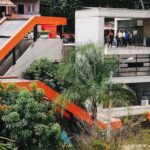
Your coffee experience begins at Medallo Coffee, the museum and shop. You’ll meet at Floor -1 of the high colorful building, and it’s about a block away from where the Graffiti tour in Comuna 13 starts.
This location choice matters. Comuna 13 is exactly the kind of place where you can mix culture with something practical, and you’re not stuck commuting far to get to the coffee portion of your day. If you’re doing more than one activity that area, you can build a smooth schedule without rushing between neighborhoods.
You can also read our reviews of more tours and experiences in Medellin.
What the 1-Hour Experience Actually Feels Like
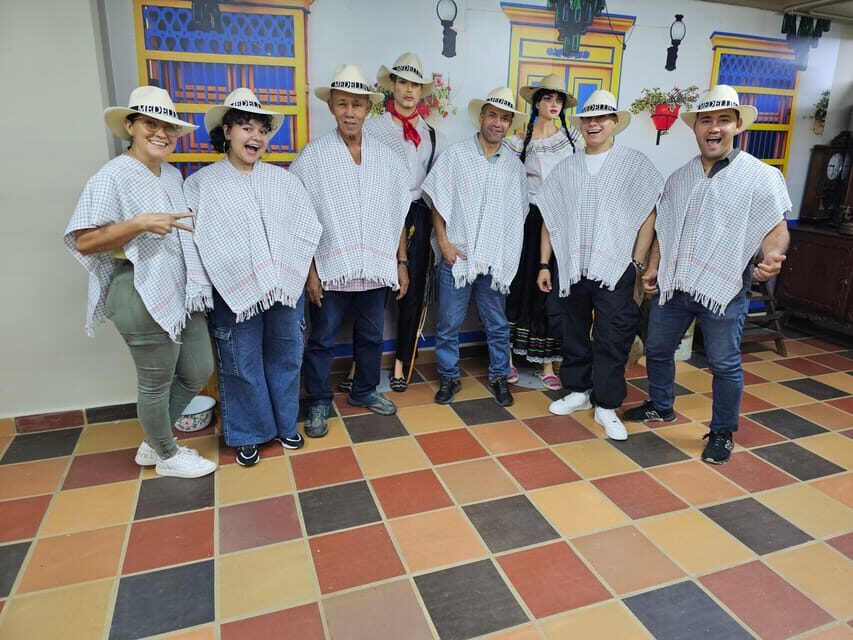
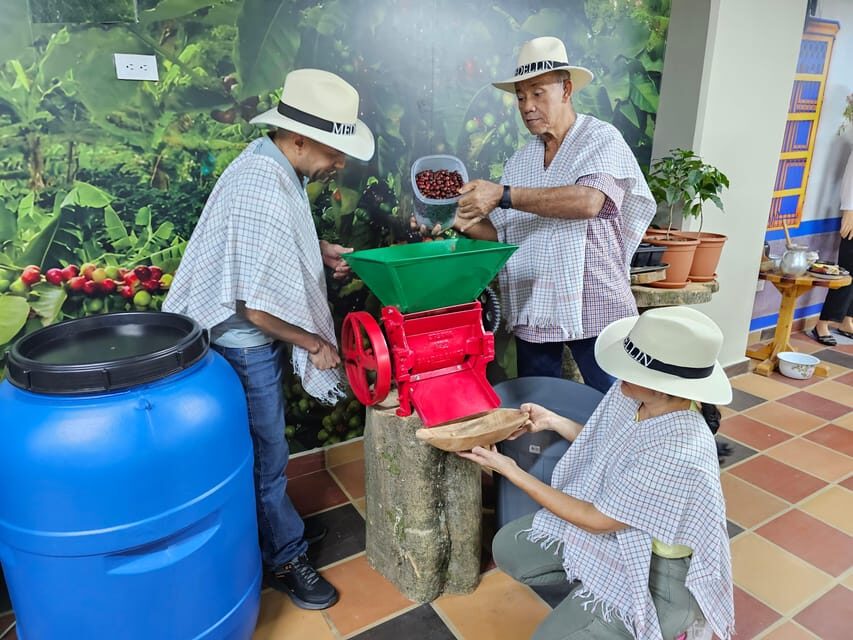
This is an interactive, guided coffee session, not a sit-and-watch lecture. You’ll do more than stand there: you can touch and transform the coffee fruit, and that physical step makes the farm-to-cup story click fast.
At the start, you can also order a drink off their menu, which gives you a moment to settle in before the lesson begins. Once the guide starts explaining, the experience stays hands-on, and you’ll learn the effort behind how coffee gets planted, cared for, harvested, and processed so it can become specialty coffee.
You’re with a local tour guide who speaks Spanish and English. In my mind, that bilingual setup is a big deal in Medellín because it removes the awkward “I think I get it” feeling during a tasting or demonstration.
The Museum Lesson: Coffee Processes You Learn Before It Roasts
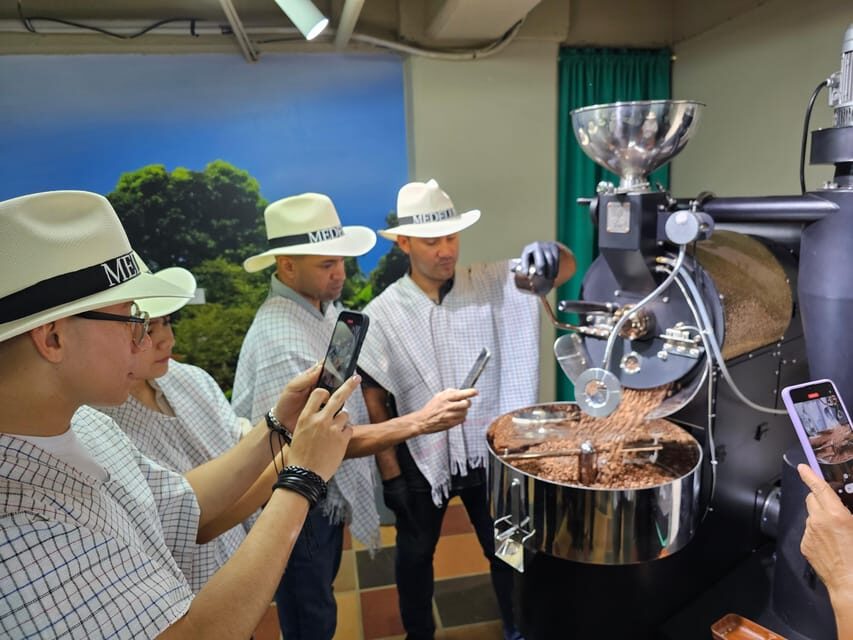
The core of the tour is understanding coffee as a chain of small changes. You’ll hear about the transformation process from coffee planting all the way to how the beans become cup-ready.
They focus on three interesting coffee processes from the farms, and they explain them in a way you can connect to what you later smell and sip. Even without turning every detail into chemistry class, you leave with a clearer sense of why coffee quality isn’t an accident. It depends on careful work across multiple steps, long before roasting ever happens.
You’ll also get a cultural layer: the guide connects the learning to Paisa culture and to the people behind the coffee. And there’s a social impact piece baked into the visit, too. Your ticket supports 30 coffee-growing families in the rural area of Medellín, which makes the museum feel less like entertainment and more like a small community connection.
The Roasting Show: Watching Coffee Change in Real Time
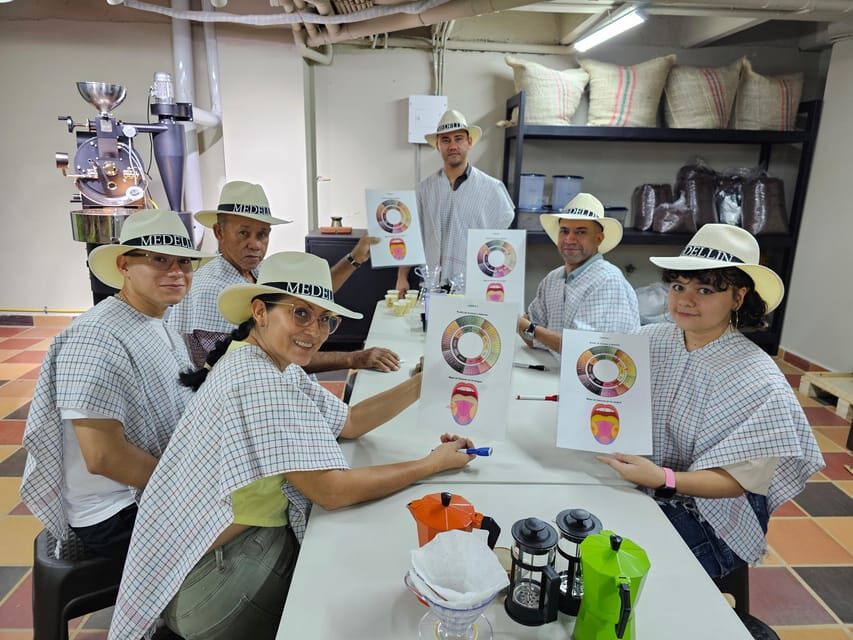
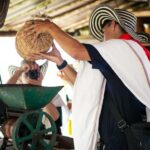
Then comes one of the most satisfying moments: the roasting show. You’ll watch roasting happen using a professional roasting machine, which turns what could be an abstract topic into something you can actually see.
Roasting is where the tour helps you link education to sensation. After you’ve heard about how coffee develops, the roast gives you the “before and after” view, and it sets you up for the tastings that follow. If you’ve ever wondered why two bags labeled specialty can still taste different, roasting is a key piece of that answer.
The show also keeps the energy up. It breaks the hour into distinct chunks, so you stay attentive instead of zoning out during the museum explanations.
Coffee Fruit to Your Cup: The Hands-On Stage That Sticks
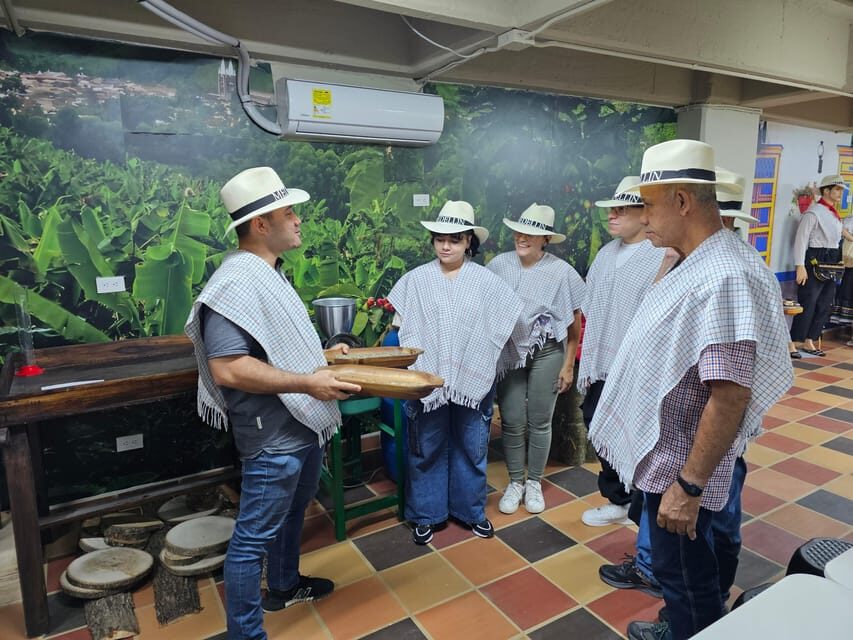
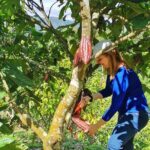
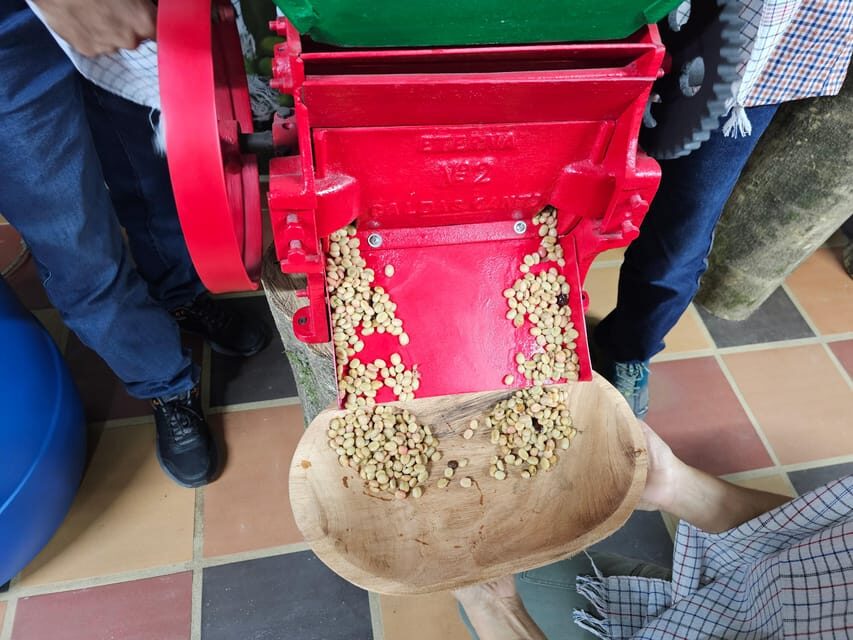
A big reason this experience gets strong marks is the hands-on structure. You aren’t only watching or reading; you’re learning by doing, including the step where you touch and transform the coffee fruit as the stages progress.
That one activity changes how you remember the lesson. After you’ve handled the fruit and understood the idea of change from stage to stage, the farm-to-cup story becomes more than a timeline. It becomes something you can picture with your own senses.
Some experiences like this hand you a token activity and move on. This one gives you enough to understand the logic of the process. And if you’re the type who likes “show me how” learning, you’ll appreciate that the tour leans practical.
A few more Medellin tours and experiences worth a look
Tasting Two Specialty Coffees and Learning How to Evaluate
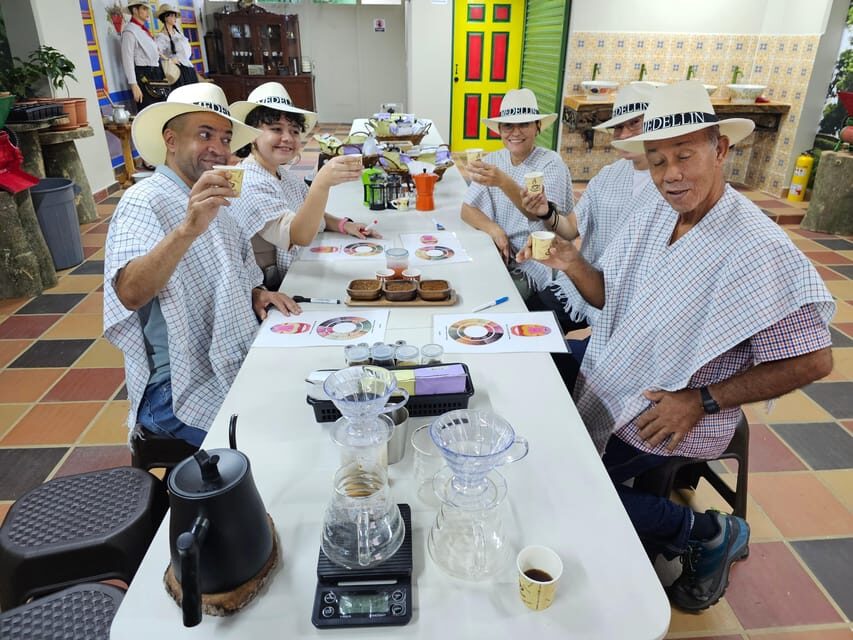
After the roasting portion, you’ll drink and evaluate two specialty coffees. This is where the tour turns your earlier learning into real-world taste.
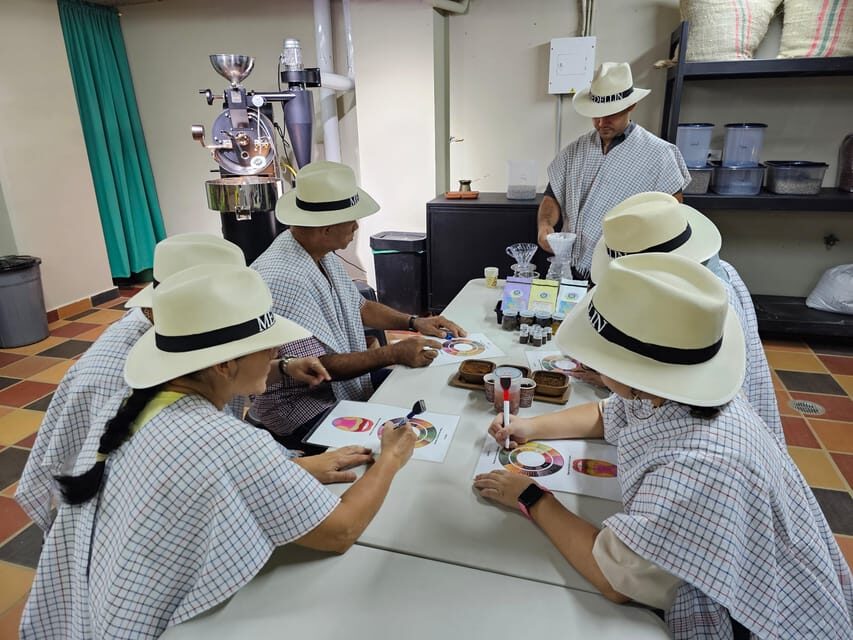
Because evaluation is part of the experience, you’re not just sipping for pleasure (though it is pleasurable). You’ll be guided through assessing what you’re tasting, and the educational materials help you follow along without needing outside research.
For your side of the tasting, focus on a few simple checkpoints as you drink:
- aroma first, before you commit to a sip
- how the coffee feels in your mouth (light versus heavier)
- what lingers after swallowing
You don’t need to be a coffee expert. The goal is to notice. The guide’s job is to help you connect those observations to the processes you learned earlier.
Coffee-Cream Exfoliation: Fun, Included, and Worth Knowing About
One of the more unusual parts is the exfoliation. You’ll exfoliate your hands using a coffee cream, and it’s described as a spectacular coffee cream.
This is both sensory and memorable. It gives you another “coffee connects everywhere” moment that stays with you after you leave the museum.
Practical note: if you have sensitive skin or know you react to scrubs, it’s worth being cautious. The tour data confirms exfoliation is included, but it doesn’t specify skin-sensitivity handling, so trust your instincts and speak up if something feels irritating.
Price and Value: Is $20 for One Hour a Good Deal?
At $20 per person for a 1-hour guided experience, the value is strongest if you care about coffee beyond just buying a cup. You’re getting multiple components bundled together: museum learning, a roasting show with professional equipment, two tastings, and the coffee-cream exfoliation, plus educational materials.
What makes it feel worth it is the balance. Many coffee tours either focus on tasting with limited context or focus on museum-style info with limited interaction. This one keeps giving you a reason to stay engaged: touch the fruit, watch the roast, taste specialty coffees, and then do the hands-on cream step.
In short, you’re paying for instruction plus experiences you can’t easily replicate on your own without taking time to find specialized spots. If you’re building a Medellín itinerary that needs one high-signal activity, this fits.
Where This Tour Fits Best in Your Medellín Plan
This experience works well if you:
- want a short activity that still feels educational
- like interactive museums instead of passive tours
- are doing something in Comuna 13 anyway (the graffiti area is nearby)
- enjoy coffee and want to understand what influences taste
It may feel less ideal if you:
- want a long, farm-based itinerary with extensive travel time
- prefer tasting-only experiences with zero hands-on elements
- don’t enjoy interactive demos (you do have to participate)
For most people, though, it’s a smart compromise: one hour, a clear structure, and multiple senses involved.
The People Factor: Why the Guide Matters Here
One detail that stands out is the personal ownership of the museum. Katherine, mentioned in strong feedback, runs the museum with her family. The big point isn’t that the operation is friendly (lots of places are). It’s that they’re genuinely passionate about education around coffee production and they connect the classroom to local coffee farmers.
You’ll feel that in how the steps are explained and how questions get answered. If you like asking why things work the way they do, you’ll likely get solid attention rather than a rushed script.
And yes, some hands-on learning includes making your own coffee during the experience. That kind of participation turns a lesson into a memory.
Should You Book This Coffee Museum Experience?
Book it if you want a focused, hands-on coffee education that doesn’t require a full day. The mix of museum learning, a roasting show, two specialty tastings, and coffee-cream exfoliation makes the hour feel full, not padded.
Skip it only if you already know a lot about coffee processing and roasting and are looking for something longer or more technical. This experience is structured for learning and enjoyment, not for advanced barista training.
If you’re visiting Medellín and want one activity that ties culture, community, and coffee into a single stop, Medallo Coffee in Comuna 13 is an easy yes.
FAQ
How long is the coffee experience?
It lasts 1 hour.
Where does the tour start?
The meeting point is the Medallo Coffee museum and shop on Floor -1 of the high colorful building, about one block away from the start of the Graffiti tour in Comuna 13.
How much does it cost?
The price is $20 per person.
What’s included in the experience?
You get a 1-hour coffee experience with a local tour guide, 2 coffee tastings, and all educational materials.
Which languages are the tours offered in?
The live tour guide is available in Spanish and English.
Do you taste coffee during the tour?
Yes. You’ll taste and evaluate 2 specialty coffees.
Is the roasting show part of this experience?
Yes. You participate in a roasting show with a professional roaster.
Is it wheelchair accessible?
Yes, the activity is wheelchair accessible.