REVIEW · MEDELLIN
Medellín Coffee Farm Tour with Trolley and Cable Car Ride
Book on GetYourGuide →Operated by Rosilvia del Socorro Eusse Loaiza · Bookable on GetYourGuide
Coffee tastes better when you pick the berries. I love how this tour brings you into Barrio La Sierra and shows the real Medellín behind the viewpoints, and I especially like the hands-on harvesting plus the full seed-to-cup lesson that makes every sip feel earned. Just know there’s a fair amount of uphill walking and steps, so plan for a workout.
I also like the built-in city wow-factor: the electric trolley and cable car rides don’t feel like filler. They give you panoramic glimpses while you move from the metro area toward Comuna 8, then you’re met by the people who actually grow and process the coffee. If you’re lucky, your guide could be someone like Valentina, Carolina, Melissa, or David, and you’ll get that mix of clear translation and local context that keeps things moving.
For the price, about $56 per person for roughly 4.5 hours, the value lands because you’re not just tasting coffee. You’re supporting a local family and community project while doing a genuinely different activity than another scenic walk in town.
In This Review
- Key things I’d prioritize before you go
- San Antonio meeting point: start where the city makes sense
- Tram and cable car: more than just transportation
- Barrio La Sierra walking tour: history you can feel in your legs
- What you should expect on foot
- Casa Finca de La Sierra: turning a coffee story into a place
- Coffee farm visit: harvest berries and feel the real work
- What makes berry picking so memorable
- Seed to cup: the chain reaction from fruit to brew
- Why this lesson is worth the time
- Coffee tasting and snacks: what you’ll actually consume
- The guides: clear stories make the neighborhood click
- Practical value: why $56 feels fair for this day
- Who should book this coffee farm tour (and who should skip it)
- Should you book this Medellín coffee experience?
- FAQ
- Where is the meeting point for the Medellín Coffee Farm Tour?
- What transportation is included on the tour?
- How long does the tour last?
- Is there coffee included, and do you do a tasting?
- What’s not included in the tour price?
- Is the tour suitable for people with mobility impairments?
Key things I’d prioritize before you go
- Tram + cable car route: you see Medellín’s edges while riding a fun, local transport combo.
- Real neighborhood access: Barrio La Sierra feels off the beaten path, not like a staged stop.
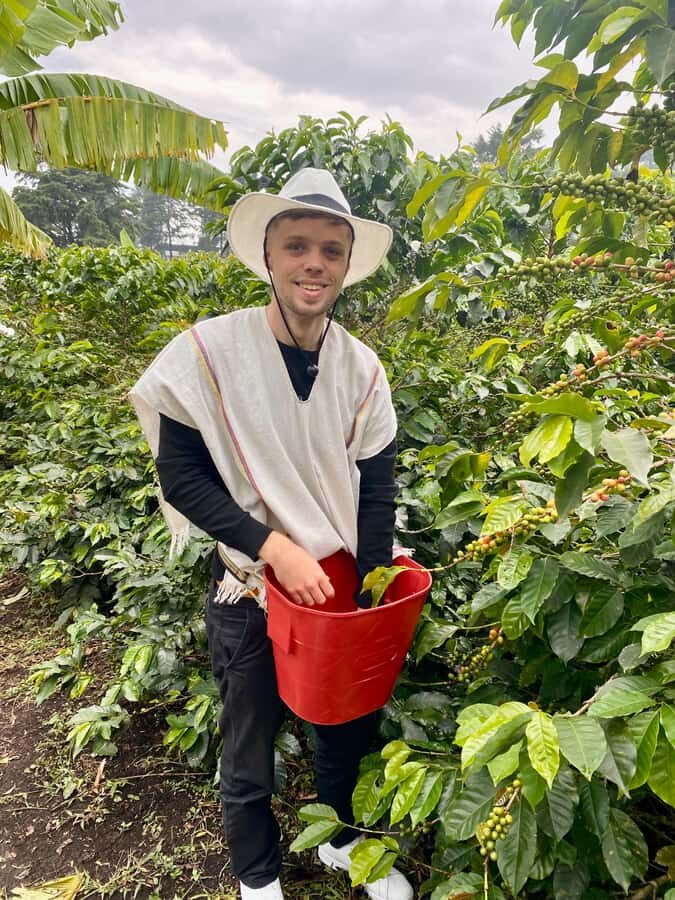
- Harvest time: picking coffee berries yourself is the highlight for most people—and it should be for you too.
- Seed-to-cup education: you learn the full chain, not just how coffee gets brewed at a café.
- Casa Finca de La Sierra museum visit: it ties the coffee story to the family and the place.
- Small-group feel: expect a relaxed pace where questions actually get answered.
San Antonio meeting point: start where the city makes sense
You’ll meet at street level at the San Antonio Tranvía station entrance, under the San Antonio metro station area. It’s an easy anchor point because metro hubs are familiar territory, and having a clear sign helps you get oriented fast.
Look for the station signage and plan to arrive a few minutes early. The tour depends on everyone syncing up before you head into the tram and cable car portion, and when groups miss the start window, it can throw off the rest of the afternoon.
A few more Medellin tours and experiences worth a look
Tram and cable car: more than just transportation
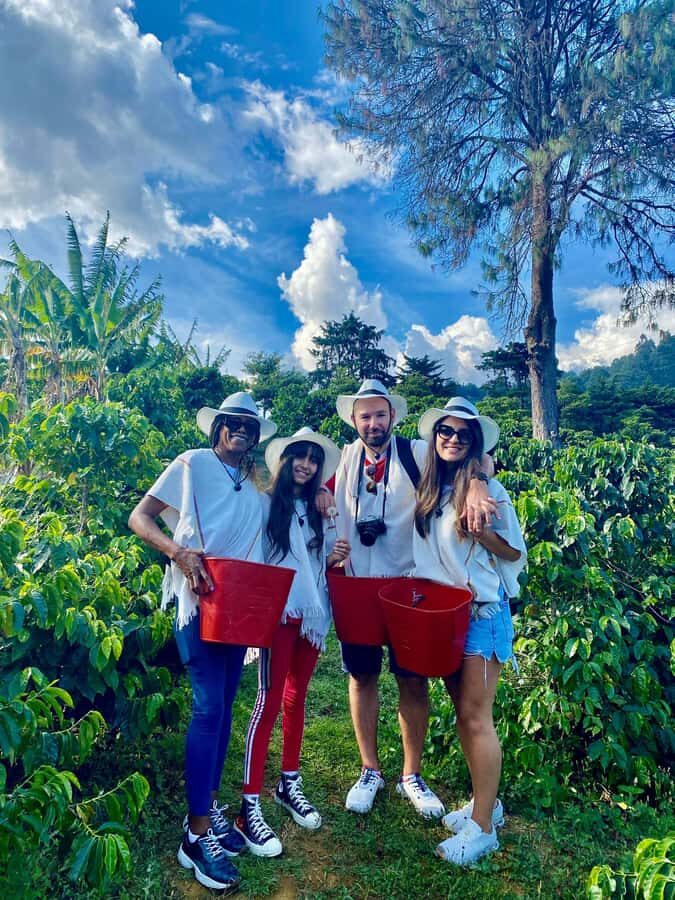
This tour uses two classic Medellín moves—an electric trolley ride and then the cable car. The timing is short for each segment (about half an hour on the trolley, then roughly a dozen minutes by cable car), but the effect is big.
Here’s what I like about this setup: it turns “getting there” into part of the experience. You’re not stuck in a vehicle watching out a window. You’re actually riding local infrastructure that shapes daily life, and that helps you understand what you’re about to see—Barrio La Sierra on a hillside with views that feel built into the city’s rhythm.
Also, the cable car portion tends to be the moment you start noticing Medellín’s scale—how the neighborhoods stack, curve, and climb. It’s one of those details you can’t fully appreciate from street level.
Barrio La Sierra walking tour: history you can feel in your legs
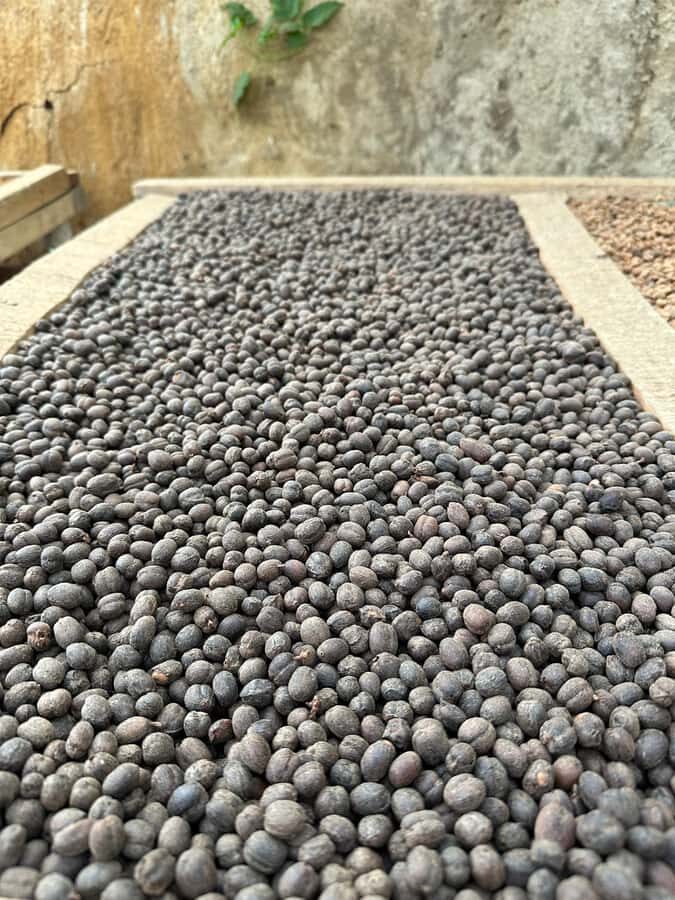
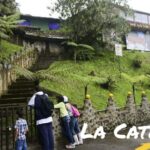
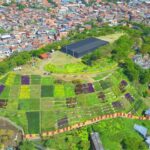
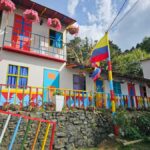
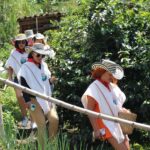
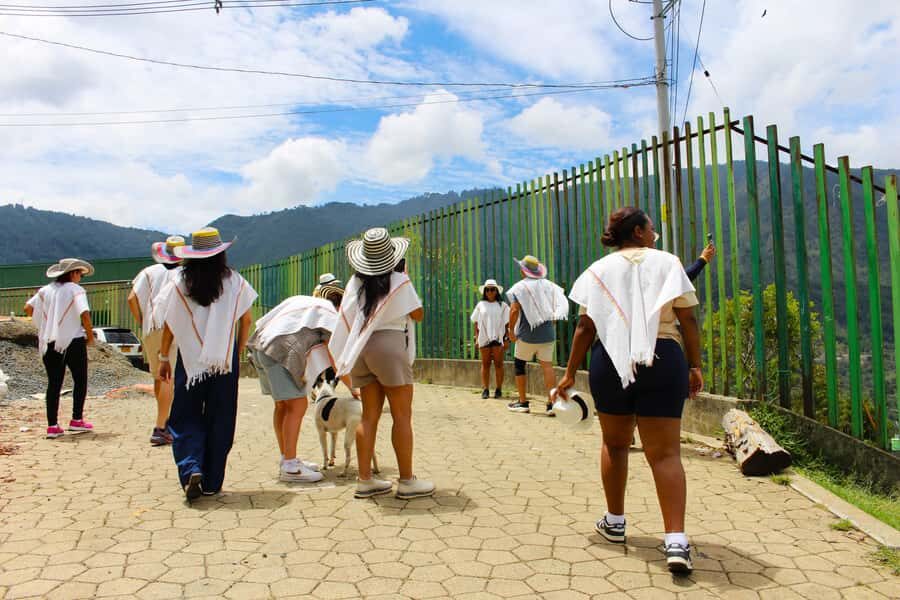
Once you reach Barrio La Sierra, the tour shifts from transport to walking. You’ll go through the neighborhood with a guide, taking in community life while also getting context for how Comuna 8 has transformed over time.
This is the part that makes the experience more meaningful than a typical coffee excursion. You’re not wandering past monuments and souvenir stands. You’re moving through a community where coffee farming and local resilience connect.
What you should expect on foot
- Hills and uneven streets are part of the deal.
- Wear closed shoes. You’ll want grip for steps and paths.
- If you’re using shorts, consider insect repellent when you get near the farm area (it’s an easy, practical hedge).
The upside of the walking is that you experience the viewpoint energy up close—without needing a camera-first mindset.
Casa Finca de La Sierra: turning a coffee story into a place
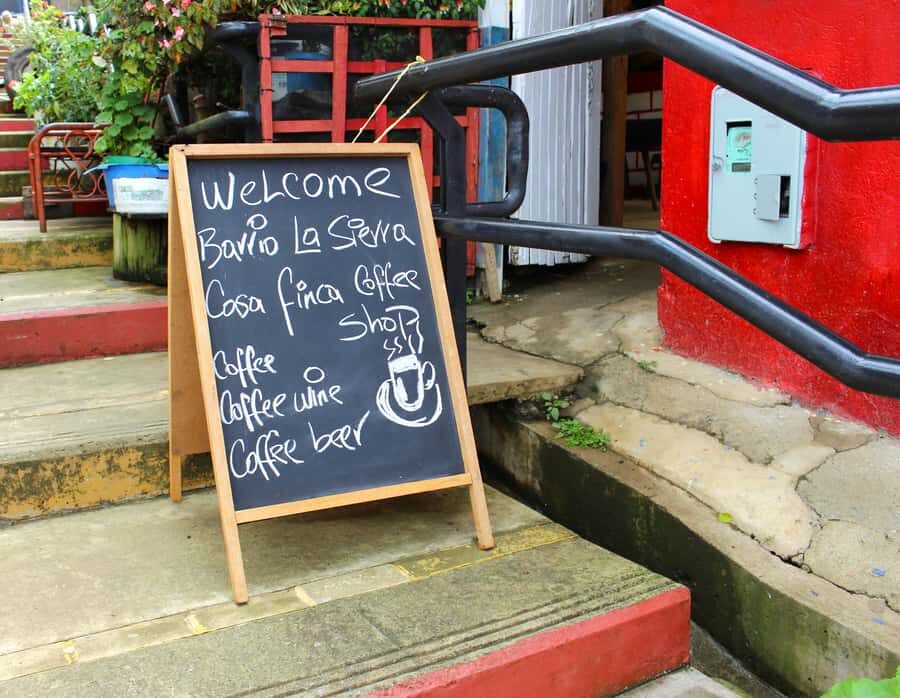
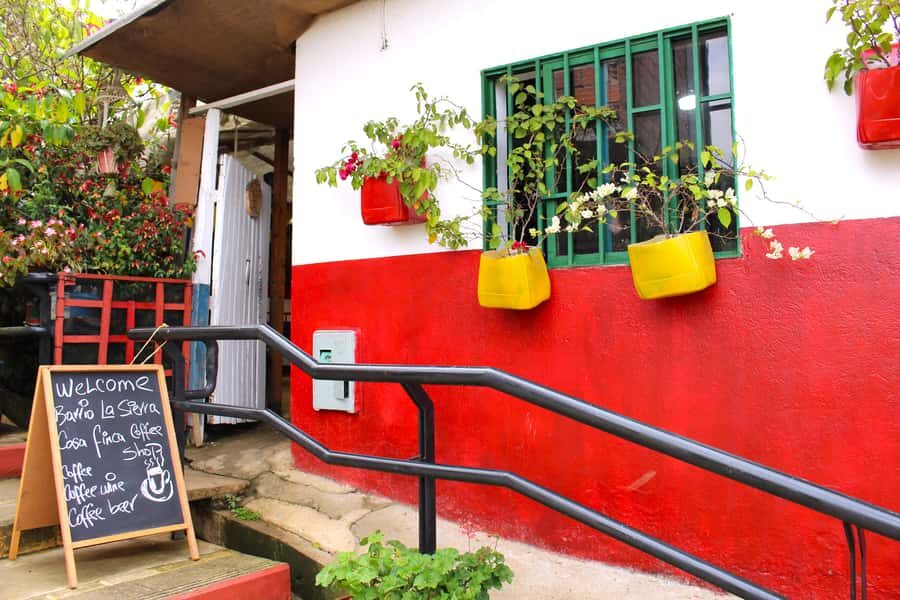
Midway through the neighborhood portion, you visit Casa Finca de La Sierra and its museum. This stop matters because it bridges two things that often get separated: coffee as a beverage and coffee as a local family economy.
In the museum and house setting, you’ll learn about the family and the coffee journey—how the work started, how the community is organized, and why this farm story is tied to renewal in Comuna 8. For many people, this is where the coffee stops feeling like a generic product and starts feeling like a lived process with names, routines, and a mission behind it.
It also gives you a mental map. After you learn the story, the next steps on the farm make more sense because you can connect what you’re doing (and what you’ll see) back to what the family has built.
A few more Medellin tours and experiences worth a look
Coffee farm visit: harvest berries and feel the real work
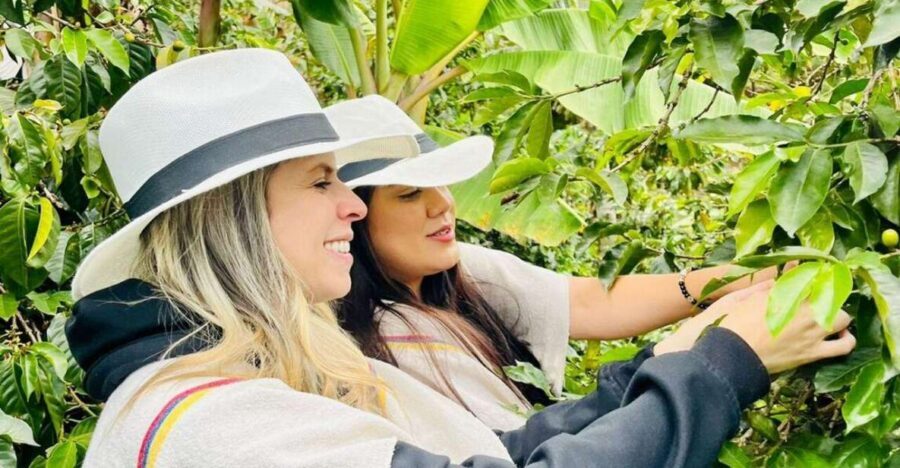
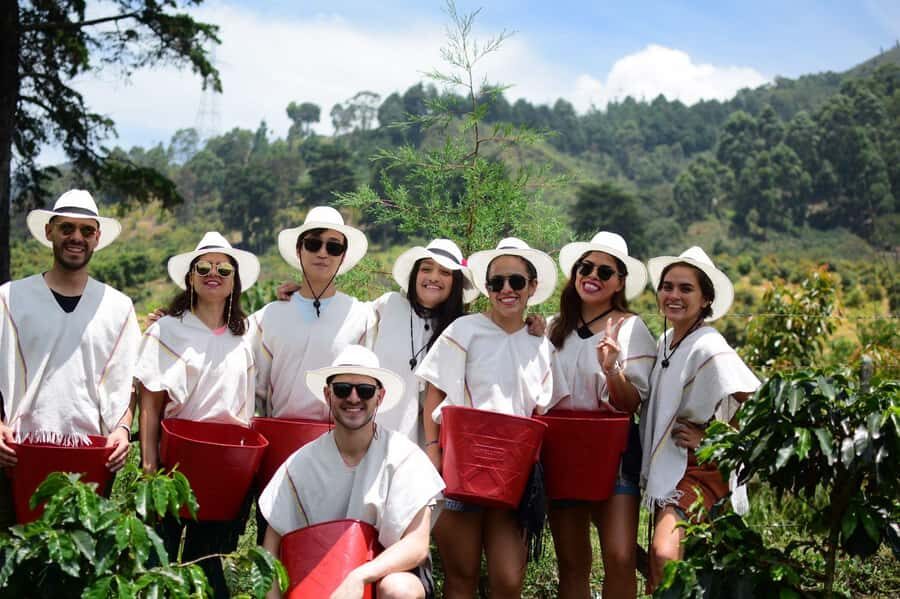
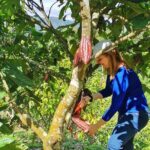
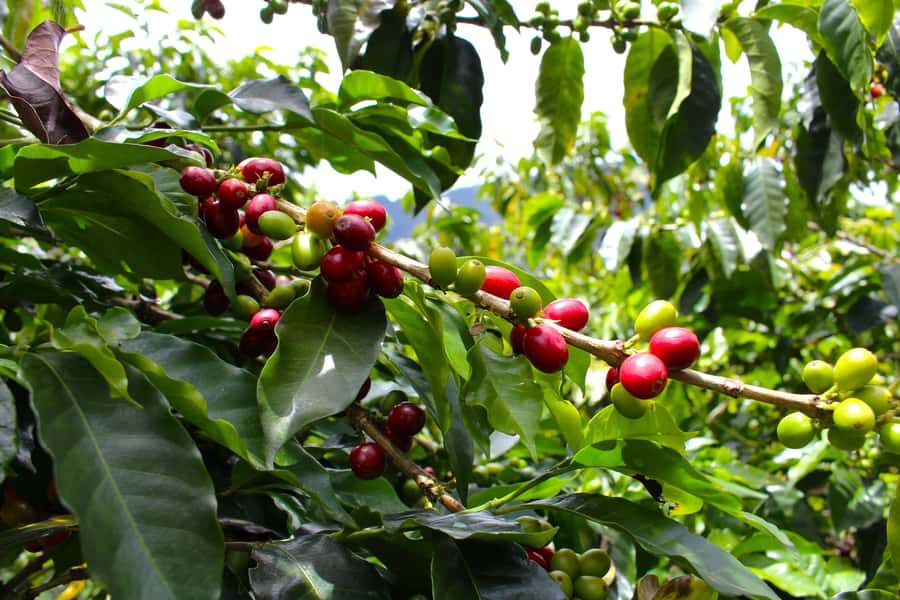
Then comes the hands-on portion: you head into the farm area and harvest coffee berries yourself. This is the part the group usually talks about long after the tour ends, because it’s tactile and a little sweaty—in a good way.
You’ll learn as you go, with the farmer/family guiding the process and your tour guide translating between Spanish and English when needed. Many guides on this tour (people like Carolina and Valentina) are praised for keeping the conversation clear and making sure nothing gets lost in translation, so you’re not just standing there while others explain things.
What makes berry picking so memorable
- You see that coffee begins with fruit, not beans in a bag.
- You understand how much selectivity and repetition is required.
- You get a direct sense of labor—why coffee prices mean something.
Even if you’re not a “coffee person,” this part works because it teaches effort, not just flavor.
Seed to cup: the chain reaction from fruit to brew
After harvesting, you’ll learn the full process from seed to cup. The tour is designed so you don’t just hear about coffee—you watch and understand the steps that happen after picking.
What you’ll cover is the logic behind coffee transformation: how the harvested berries get processed, and how those steps eventually lead to roasting and brewing. The goal is to help you connect the dots between farming choices and what you taste later.
Why this lesson is worth the time
Most coffee tourism is light on mechanics. This one isn’t. I like that you leave with a mental model you can use later—when you’re ordering coffee in Medellín, or comparing beans on your next trip. Once you understand the chain, tasting becomes more than just guessing what’s in a cup.
And yes, you get to drink lots of locally grown coffee during the experience, including a coffee tasting component. It’s not a token sip. It’s the point of the day.
Coffee tasting and snacks: what you’ll actually consume
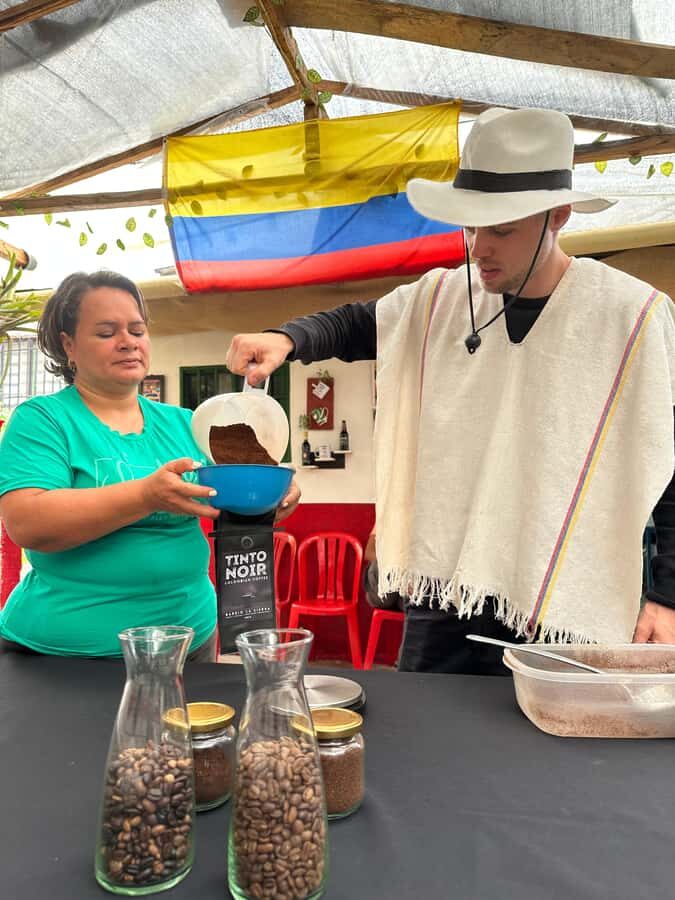
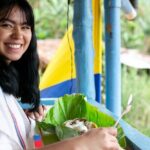
You’ll have coffee tasting as part of the farm experience, plus local snacks and welcome refreshments. The tasting is the payoff for all the earlier steps: you’ll have the chance to compare what you’ve learned with what you’re tasting.
One practical note: you should not plan on finding food for purchase during the tour. If you’re the type who needs a steady stream of snacks, consider eating before you go and treating this tour’s snacks as your main fuel.
As for buying, coffee bags are not included. If you want to bring something home, you may have the chance to purchase coffee on-site (this depends on what’s offered that day), but you should budget for it separately.
The guides: clear stories make the neighborhood click
A big reason this tour consistently gets high praise is the guide quality and the way they connect coffee to place. People like Melissa, Arturo, Christian, Camilo, and David show up in the guide roster, and the pattern is the same: they explain the coffee process and also add the neighborhood layer that gives context to Comuna 8’s story.
If you’re the kind of traveler who likes asking questions, this tour suits you. You’ll have enough time with the family and guide that it doesn’t feel like you’re sprinting through stops with no time to understand what you’re seeing.
Practical value: why $56 feels fair for this day
At $56 per person for about 270 minutes, this tour is not “cheap,” but it’s also not paying for a simple tasting. You’re getting:
- Tram and cable car rides
- Guided walking in Barrio La Sierra
- A museum visit at Casa Finca de La Sierra
- The farm experience, including harvesting
- Seed-to-cup learning
- Lots of locally grown coffee plus snacks/refreshments
I think the value lands because the experience is active and local. This isn’t a big-city photo op with a coffee sample at the end. You’re doing work on a farm, meeting the people connected to it, and learning the full chain behind what you’re drinking.
And because it’s aimed at a community-centered experience, the money supports the family and the project behind the neighborhood’s transformation.
Who should book this coffee farm tour (and who should skip it)
This tour fits best if you:
- Want coffee that connects to people and place, not just flavor notes
- Like hands-on activities (harvesting berries is a standout)
- Enjoy Medellín views and local transport rides, not only street-level sightseeing
- Prefer a smaller-group pace so the guide can answer questions
Skip it if you:
- Have mobility limitations or need a low-step, flat route (the tour is not suitable for people with mobility impairments)
- Don’t want uphill walking and stairs as part of your afternoon
Should you book this Medellín coffee experience?
If your goal is the most authentic coffee day in Medellín—one that includes barrio life, a museum stop, and actual harvesting—then yes, you should book this tour. The combination of tram and cable car gives you a Medellín perspective, and the farm section gives you a coffee perspective you can’t get from a typical café tour.
Just be honest with yourself about the physical side. Wear sturdy shoes, plan for hills, and come ready to walk. If you do that, this is the kind of tour that sticks to your memory for the right reasons: you’ll remember the neighborhood story and the work behind the cup, not just the taste.
FAQ
Where is the meeting point for the Medellín Coffee Farm Tour?
You meet in front of the main entrance to the San Antonio Tranvía station, located on the street level underneath the San Antonio metro station. Look for the San Antonio Tranvía station sign.
What transportation is included on the tour?
You ride an electric trolley and then the cable car as part of the route to and from the Barrio La Sierra area.
How long does the tour last?
The total duration is about 270 minutes (around 4.5 hours).
Is there coffee included, and do you do a tasting?
Yes. You’ll drink lots of locally grown coffee and there’s a coffee tasting during the tour.
What’s not included in the tour price?
Coffee bags are not included.
Is the tour suitable for people with mobility impairments?
No. The tour is not suitable for people with mobility impairments.