REVIEW · MEDELLIN
Comuna 13 & Coffee Farm Private Tour in Medellin | The Best Combo
Book on Viator →Operated by MedellinDayTrips · Bookable on Viator
Graffiti, escalators, and coffee in one day sounds unlikely, but it works. I love the way Comuna 13 street art is taught with real meaning, and I also love the coffee-farm hands-on tastings that go way beyond a quick sample. One possible drawback: this is not a sit-down tour all day, so you’ll want a moderate fitness level for the neighborhood walking and the hills at the farm.
This private experience is built for people who want a full picture of Antioquia in a single outing. You get pickup and drop-off in El Poblado or Laureles in an air-conditioned vehicle, plus lunch included right in the middle so your energy doesn’t crash halfway through.
The day runs about 8 hours and depends on good weather. Plan for time outside, bring comfortable shoes, and treat it as a learning day, not just photo time.
In This Review
- Key things you’ll notice on this combo tour
- Comuna 13 electric escalators and street art with real meaning
- What to expect in the street-art portion
- A balanced note on sensitivity and safety
- Sabaneta coffee farm: lunch, seed planting, berry picking, and four brews
- The coffee lesson you actually use
- Brewing methods and why they’re more than a gimmick
- A reality check on farm work
- Private transportation and timing that keeps the day from dragging
- Breakfast isn’t included
- Guides like Alejandro and Daniel make the difference
- How much walking is involved, and what to pack for comfort
- Price and value for a $150 private day
- Should you book this Medellín combo tour?
- FAQ
- How long is the Comuna 13 & Coffee Farm private tour?
- Where does pickup and drop-off happen?
- Is lunch included?
- Is breakfast included?
- Does the tour include admission for the coffee farm?
- Is the tour private?
- What fitness level do I need?
- What is included in the coffee farm portion?
- Does the tour depend on weather?
- What’s the cancellation window?
Key things you’ll notice on this combo tour
- Comuna 13’s famous electric escalators and the story behind why they were built
- Street art with context, not just murals you pass by
- Sabaneta coffee farm size and scale: about 2 tons of coffee a year from 14,000 plants
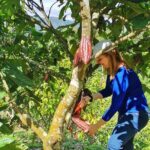
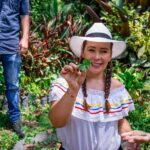
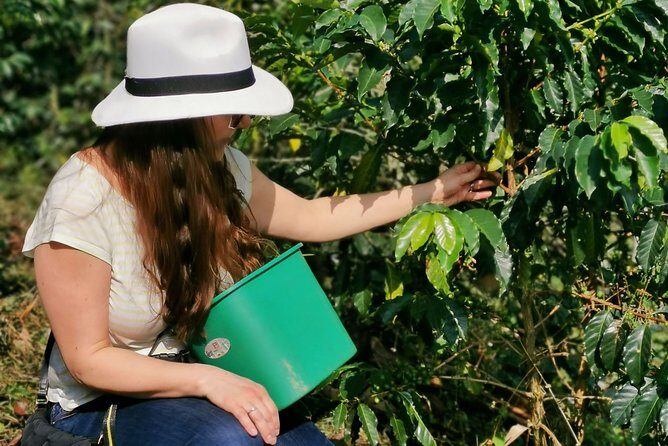
- Hands-on coffee moments like planting a seed, tasting the bean as fruit, and picking berries
- Four brewing methods so you can compare flavors method-by-method
- Guides who add local texture, from meeting graffiti artists to sharing local food stops
Comuna 13 electric escalators and street art with real meaning
Comuna 13 is one of Medellín’s most powerful districts to visit because you see change happening in real time. The area has a violent past, but the present is marked by creativity, community, and hope for the future. When a tour focuses on that shift, street art stops being wallpaper and becomes a kind of public memory.
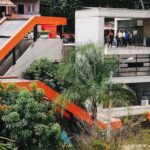
A big early landmark here is the Escaleras Eléctricas de la Comuna 13—the first outdoor electrical escalators in the world. They cost about 3.5 million USD and were built to save more than 350 stairs on an extremely steep hillside. That detail matters. It’s not just an attraction; it’s a statement about access—how people move through a neighborhood that used to be hard to reach on foot.
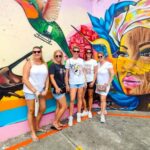
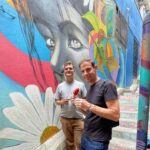
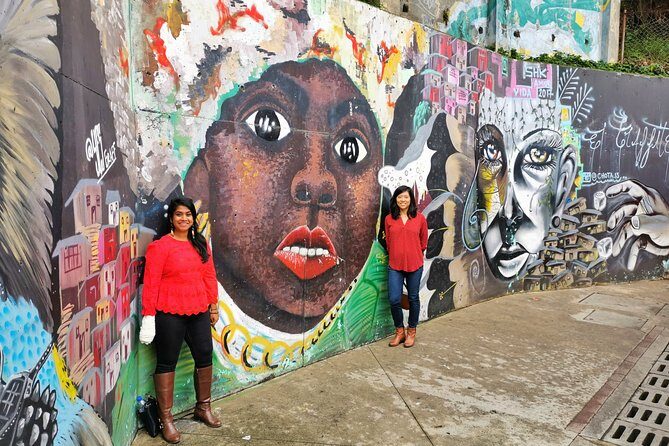
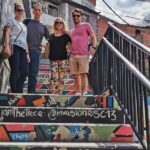
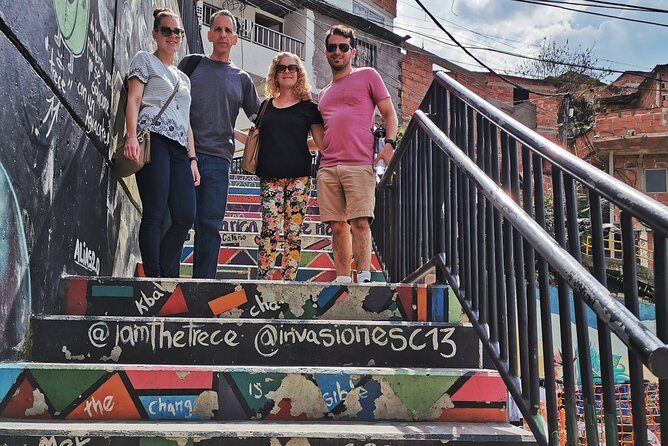
From there, the tour walks the neighborhood with attention on the murals. Much of Comuna 13’s wall art is tied to specific moments in the community’s history. You get the chance to learn what the images represent instead of guessing. A useful thing to know: you’re not simply looking for street art trends—you’re looking for messages. That turns your photos into something you understand later.
You can also read our reviews of more private tours in Medellin
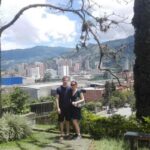
What to expect in the street-art portion
The Comuna 13 part runs about 2 hours and includes the admission ticket. You’ll spend time viewing murals across the neighborhood, and the tour pace is shaped around explaining symbolism and local context. The overall experience works best if you’re curious and willing to listen as you walk.
One practical tip from guide styles you may encounter: starting earlier can make the murals easier to enjoy. In one example, Daniel took a group through Comuna 13 before heavy crowds and before vendors fully set up, so the streets felt calmer and murals were easier to study. You may not always get the exact same conditions, but getting there earlier in the day is almost always a good idea.
A balanced note on sensitivity and safety
This is a neighborhood with real history, not a theme park. A respectful guide keeps the tone grounded and helps you understand why certain scenes exist. You should also treat it as a walking tour. Even with escalators, expect some uphill movement and uneven ground.
Sabaneta coffee farm: lunch, seed planting, berry picking, and four brews
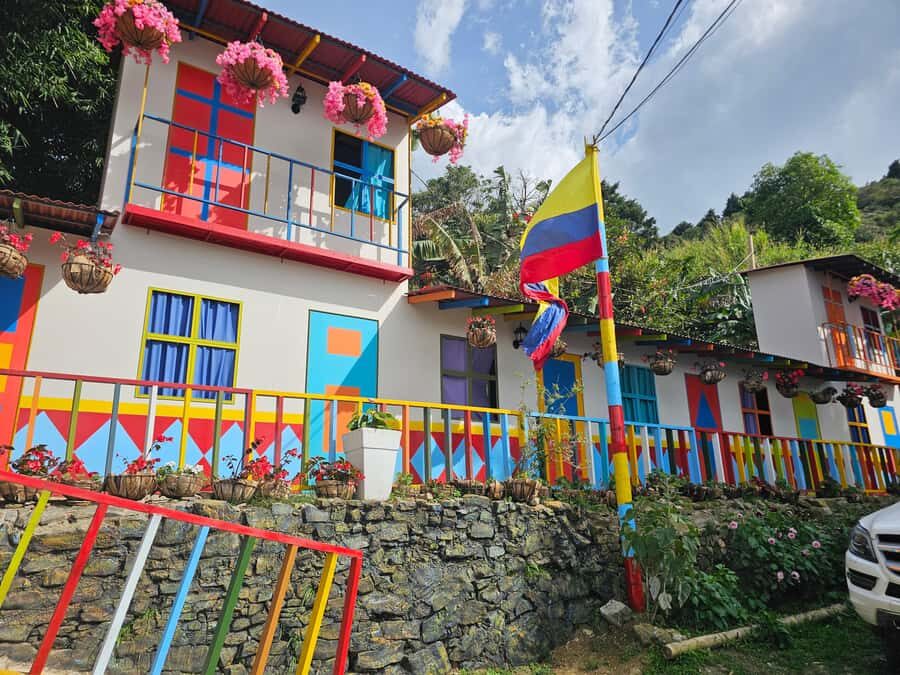
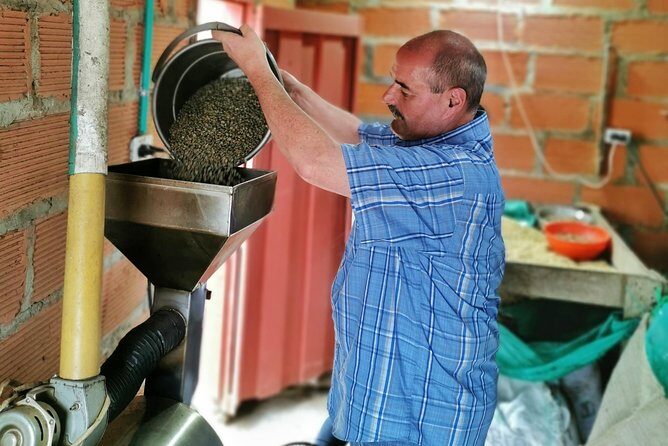
After Comuna 13, the day shifts gears in the best way: Sabaneta’s coffee world. The farm is family-run and operates on a serious scale—about 14,000 coffee plants producing around 2 tons of coffee per year. That size helps the tour feel grounded, because you’re not just visiting a photo prop farm. You’re seeing how coffee life is managed day to day.
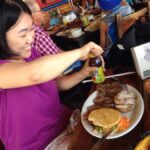
Before any hands-on work, you sit down for a traditional lunch. The tour includes lunch, and in one real group experience it was a bandeja paisa-style meal, with ingredients that came from the farm like avocado, eggs, and the leaves used for wrapping. That lunch timing is smart: you’re moving from a steep art district into a hillside production area. Fuel matters.
The coffee lesson you actually use
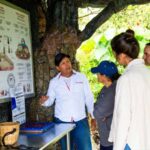
The coffee expert provides context about the coffee industry before you start planting and tasting. That matters because coffee doesn’t taste the same everywhere, and brewing doesn’t either. You get a framework for what you’re seeing—how the coffee plant grows, how processing changes flavor, and how the final cup gets shaped.
A standout for many people is the sequence that goes beyond the cup:
- You plant a coffee seed.
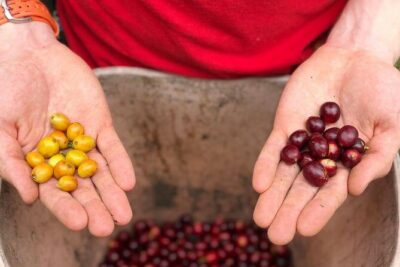
- You try the bean as a fruit, which gives you a different sensory angle than the roasted coffee everyone knows.
- Then you move to the plantation to pick some beans from the trees.
- After that, you go step by step through processing until the coffee is roasted and ground.
You also get to taste coffee using different brewing methods—four in total. The tour explains how to compare flavors and even where to put the coffee in your mouth to catch the notes. It’s not complicated science. It’s tasting technique, and once someone shows you what to notice, you’ll start noticing.
A few more Medellin tours and experiences worth a look
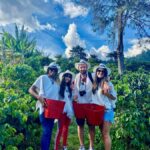
Brewing methods and why they’re more than a gimmick
The four brewing methods are where this tour earns its money if you’re even a moderate coffee fan. A lot of tours give you one sample and call it a day. Here, you can compare how the same coffee changes with the brewing approach. That makes your takeaway practical: you can translate what you learned later when you order coffee back home.
One more small detail that shows the day has local flavor: some guide experiences include a stop for a local popsicle made from green mango and passionfruit, served with lime juice and salt for dipping. It’s the kind of snack that makes a tour feel like Medellín rather than a generic schedule.
A reality check on farm work
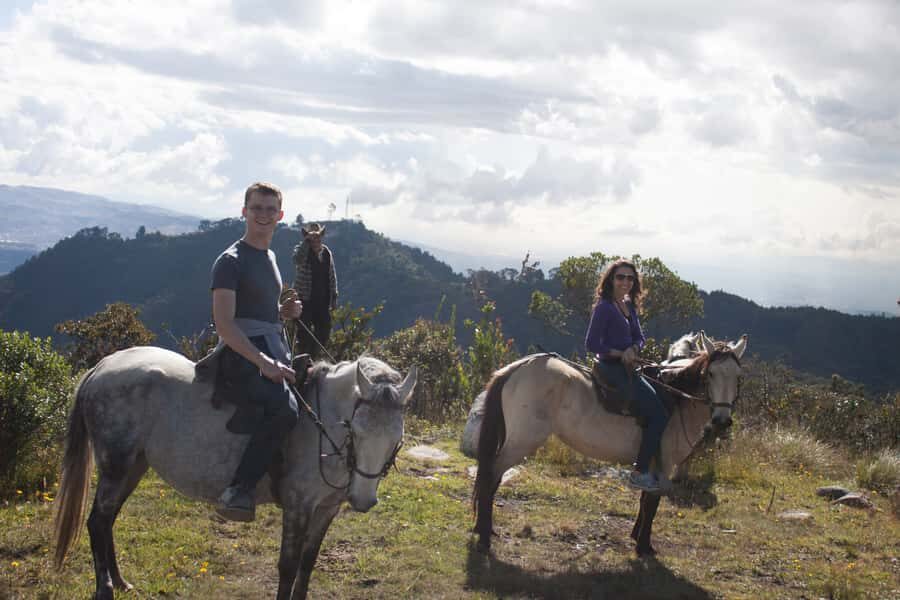
You’ll head into the plantation and handle steps of the process. In one group experience, participants got rubber boots and traditional coffee harvesting gear before picking. Even if gear varies, expect that you’ll be active and in an outdoor setting, so comfortable clothes and closed-toe shoes are a must.
Private transportation and timing that keeps the day from dragging
This is a private outing with only your group, and that changes how the day feels. There’s less waiting, and the guide can pace explanations to your interests. Pickup and drop-off are included for locations in El Poblado or Laureles, which is where most visitors stay.
You travel in an air-conditioned vehicle, which matters in Medellín’s heat and sun. It also makes the day easier if you want to avoid the stress of hailing multiple rides or timing buses while carrying water and snacks.
Timing-wise, you’re looking at roughly 8 hours total, with about 2 hours in Comuna 13 and about 4 hours at the coffee farm. Lunch sits in the middle. That schedule is a big part of why the combo works. It prevents the classic all-day problem of doing something intense, then waiting too long to eat, then getting cranky halfway through the next stop.
Breakfast isn’t included
Breakfast is not part of the package. If you skip breakfast at home or in your hotel, you’ll likely feel it during the morning walking. A simple move: eat before pickup and then treat lunch as a full reset.
Guides like Alejandro and Daniel make the difference
This type of tour lives or dies by the guide. You want someone who can speak clearly, explain meaning without lecturing, and adjust when the group has questions.
In the real-world examples tied to this tour, two guide names come up often: Alejandro and Daniel. One group experienced Alejandro as extremely knowledgeable about the coffee industry and helpful with the full-day flow. Another group had Daniel, who spoke perfect English and brought a friendly, fun energy without losing the facts.
Local connections can also pop up. In one Comuna 13 moment, Daniel introduced the group to one of the neighborhood’s prolific graffiti artists. That kind of interaction adds meaning fast, especially if you’re trying to understand the difference between graffiti as decoration and graffiti as message.
Photography can be part of the value, too. In one example, Daniel took pictures of the group and shared them via AirDrop at the end. That’s not essential, but it removes friction if you don’t want to play photographer all day.
The big takeaway: with a private tour, your guide’s communication style matters. If you get a guide who can translate what you’re seeing—escalators, murals, coffee processing—your day feels like you learned something real, not just visited places.
How much walking is involved, and what to pack for comfort
You should plan for a moderate fitness level. Comuna 13 includes uphill neighborhood walking even with escalators in the mix. The coffee farm includes moving around the hillside and participating in activities tied to picking and processing.
For comfort, pack like you’re doing two active outdoor stops:
- Comfortable closed-toe shoes (the ground can be uneven)
- Light layers for shifting temperatures
- Sunscreen and a hat
- A reusable water bottle
- A small day bag for layers and phone
Rain can change things, too. This experience requires good weather, and the operator notes that if weather forces a change, you’ll be offered a different date or a full refund.
If you’re unsure about your fitness level, be honest with yourself. If you struggle with hills or long walking, this may still be doable with a slower pace, but it won’t be a fully seated day.
Price and value for a $150 private day
At $150 per person for about 8 hours, you’re paying for a well-defined combo rather than two separate bookings. Here’s what that price covers based on what’s included:
- Lunch
- Private transportation in an air-conditioned vehicle
- Admission fees for the coffee farm tour
- Pickup and drop-off within El Poblado or Laureles
It also includes a private group setup, meaning you’re not stuck with strangers and a rigid pace that doesn’t match your interests.
Is it a lot? It can be, depending on your budget. But it’s also not a casual stop-and-shop day. You’re getting two full experiences: a neighborhood transformation story through Comuna 13’s escalators and street art, plus a hands-on coffee production and tasting session with four brewing methods.
For me, the best value angle is that you’re not just watching coffee—you’re participating: planting, tasting the fruit, picking berries, and comparing brews. That kind of payoff makes the price feel easier to justify if coffee is one of your interests.
Should you book this Medellín combo tour?
Book it if you want one day that shows two sides of Antioquia: public art and community change in Comuna 13, then the work behind a cup of coffee in Sabaneta. It’s especially smart if you have limited time and you don’t want to split your schedule into two separate days with separate logistics.
Skip or think twice if you know you’ll struggle with active walking on steep ground, or if your trip is so short that you don’t want a structured 8-hour block.
If you do book, treat it like a learning day. Ask questions during the street art explanations and pay attention to the brewing comparisons. Those are the moments that turn a tour into something you remember after the trip photos fade.
FAQ
How long is the Comuna 13 & Coffee Farm private tour?
It’s about 8 hours total.
Where does pickup and drop-off happen?
Pickup and drop-off are included for places in El Poblado or Laureles districts.
Is lunch included?
Yes, lunch is included.
Is breakfast included?
No, breakfast is not included.
Does the tour include admission for the coffee farm?
Yes, coffee farm tour admission fees are included.
Is the tour private?
Yes, it’s a private tour/activity, and only your group participates.
What fitness level do I need?
The experience notes a moderate physical fitness level, since there is walking and time outdoors.
What is included in the coffee farm portion?
You’ll get an introduction to coffee production, plant a coffee seed, taste the bean as a fruit, pick coffee beans, and learn processing steps up to roasting and grinding. You’ll also taste coffee in different brewing methods.
Does the tour depend on weather?
Yes. The experience requires good weather, and if it’s canceled due to poor weather, you’ll be offered a different date or a full refund.
What’s the cancellation window?
You can cancel for a full refund up to 24 hours before the experience starts. After that window, refunds aren’t available.