REVIEW · BOGOTA
Bogotá´s Barrios: El Paraíso Favela Tour with Cable Car
Book on GetYourGuide →Operated by AUTENTICOS TRAVEL · Bookable on GetYourGuide
Bogotá changes fast when you leave the usual routes. This El Paraíso favela tour mixes a cable car ride, street art, and community conversations so you understand what’s changing in the south of the city, not just what it looks like.
I especially loved two things: the cable car panoramas—houses shrink into patterns and you get real scale fast—and the way guides like Samuel and Jorge explain how the neighborhood works today, including the social projects behind the makeover. It feels less like watching and more like learning with context.
One consideration: El Paraíso sits at about 9,500 feet, roughly 1,600 feet higher than Bogotá, so the air gets thinner. It’s not a big hike, but you should take it slow, hydrate, and skip it if you have vertigo.
In This Review
- Quick hits
- Why El Paraíso Looks Different Than the Bogotá You Know
- Meet at the Gold Museum, Then Let Someone Else Handle the Hassle
- Cable Car Up to El Paraíso: Panoramas That Teach You to Read the City
- A Walking Tour Through Graffiti, Neon Houses, and Narrow Streets
- Meeting Community Leaders: The Real Story of Change
- The Panoramic View Stop: Where Photos Feel Honest
- Snack Time: A Small Break That Helps You Taste the Day
- Safety, Altitude, and What to Do With Your Phone and Camera
- Price and Value: Is $78 Worth It?
- Who Should Book This Tour (and Who Might Skip It)
- Should You Book the El Paraíso Favela Tour?
- FAQ
- Where is the meeting point for the tour?
- Does the tour include pickup from my hotel?
- How long is the tour?
- What’s included besides the guide?
- Is the cable car part of the experience?
- What languages are the guides?
- Is the tour wheelchair accessible?
- What should I bring, and what should I avoid?
- Is this tour suitable if I have vertigo?
Quick hits
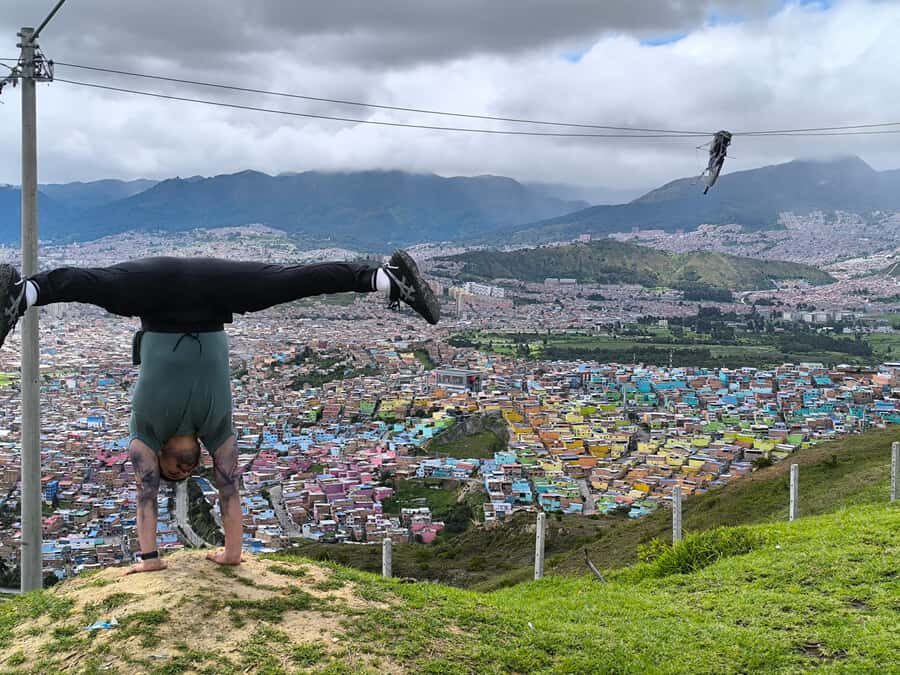
- Cable car views: Fly over colorful houses and narrow streets in minutes, then look back for the big picture.
- Graffiti with meaning: Murals and street art aren’t just decoration; they’re part of how the community tells its story.
- Meet local leaders: You’ll hear how residents organize and what changes are actually happening on the ground.
- Safety structure: A guide and a security guard travel with you, plus clear advice to keep the group cautious.
- Altitude reality check: You’re high enough that water matters more than speed.
- Tour supports education: With each booking, support goes to the community project Biblioteca comunitaria Juan manuel ortiz in Ciudad Bolivar.
Why El Paraíso Looks Different Than the Bogotá You Know
If your mental map of Bogotá is just museums, plazas, and viewpoints, El Paraíso will recalibrate it in the best way. You see how people live in a neighborhood that grew out of need, and you also see how infrastructure and community programs change day-to-day life.
What I like most is the balance you get here. You’re not asked to pretend everything is perfect. Instead, you learn what’s working, what still needs support, and how residents and local organizations are shaping the future. The street art helps you read the place: color on walls, messages in public spaces, and pride that shows up in the details.
This is also one of the rare tours where the focus stays human. You meet community members and hear about organization and improvements directly, rather than getting a one-note “poverty vs. progress” story.
You can also read our reviews of more tours and experiences in Bogota.
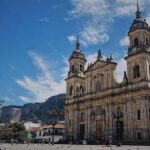
Meet at the Gold Museum, Then Let Someone Else Handle the Hassle
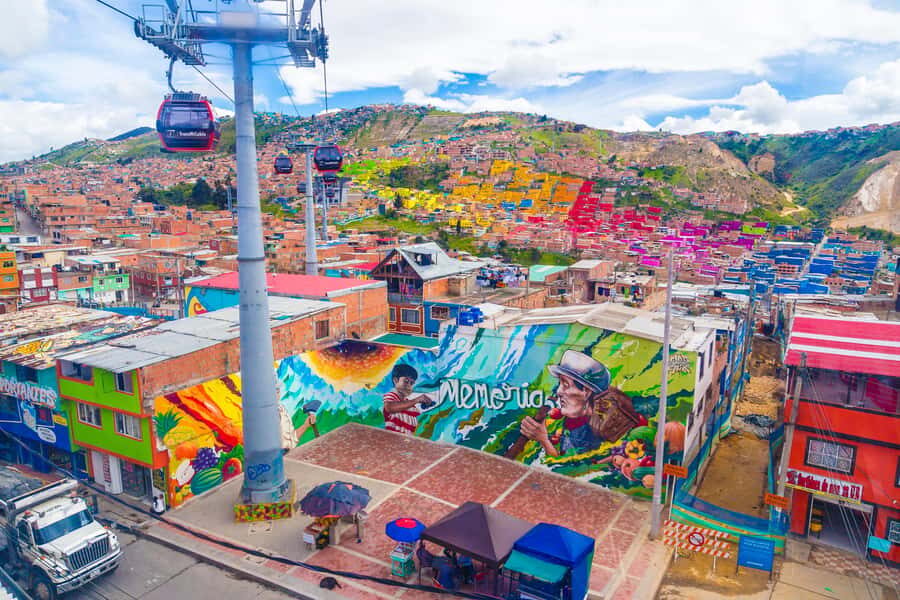
The tour starts at the western entrance of the Gold Museum (Museo del Oro), beside the wooden chairs. If you’re coming with hotel pickup, that’s offered depending on where you’re staying; pickups are not offered from La Candelaria, but you can request pickup from other neighborhoods.
What this means for you: you can treat the day as “transport + guide + tickets + snack” instead of stacking your own plan. Bogotá traffic can be intense, and cable cars are timed. Having it handled beats trying to coordinate in a city where plans can change with the road conditions.
The schedule is about 270 minutes total. That includes travel time in and out. If you’re the type who hates waiting, don’t expect this to feel like a tight two-hour sprint. It’s more like a guided afternoon with some driving baked in.
Cable Car Up to El Paraíso: Panoramas That Teach You to Read the City
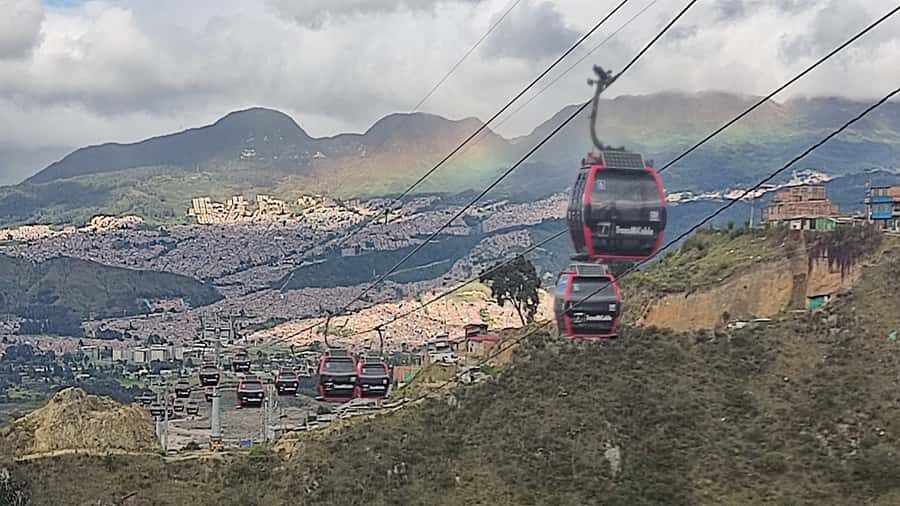
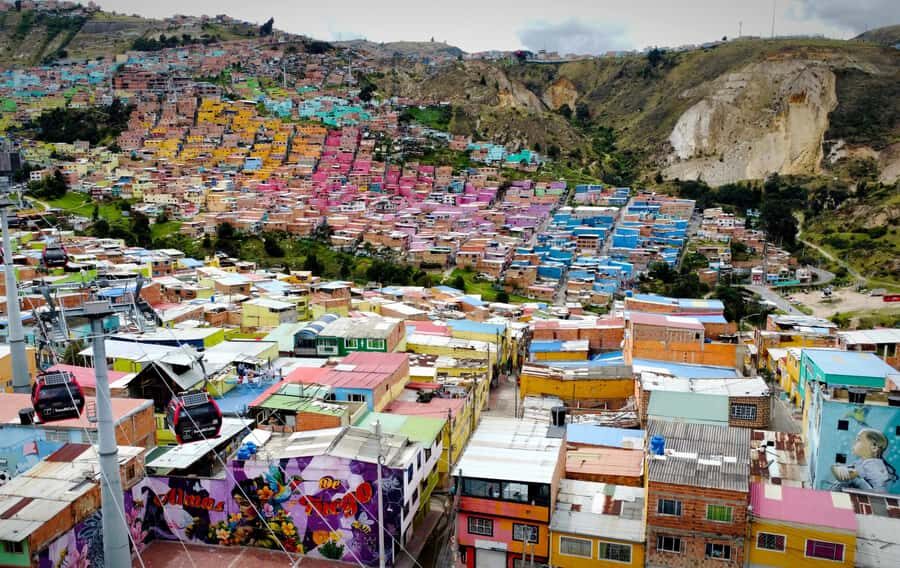
The first big wow moment is the cable car ride. You’ll head up from the station toward El Paraíso while the city unfolds below you. Houses spread out in clusters, rooftops turn into a patchwork, and streets become lines you can finally understand from above.
From ground level, Bogotá can feel like it’s all hills and curves. From the air, you start seeing structure: how neighborhoods relate to one another, how steep terrain shapes daily movement, and why a cable car matters so much as a transit link.
Practical tip: the ride also “sets the mood.” It gets you out of the tourist brain. And once you’re up there, you’ll notice the air feels different. El Paraíso is at 9,500 feet, so drink water and take your time stepping around. If you get lightheaded easily, slow down and let the group pace work for you.
Also, if you have vertigo, this is not the right fit. The cable car and the hill viewpoints put you in height-and-slope situations.
A Walking Tour Through Graffiti, Neon Houses, and Narrow Streets
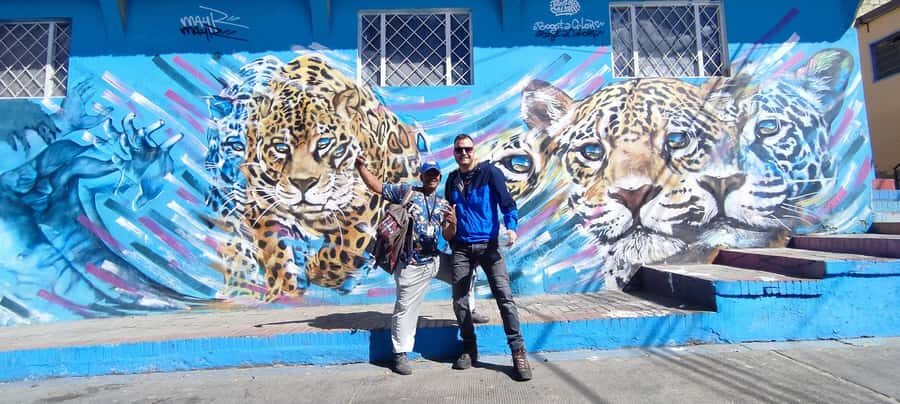
After the ascent, you switch to walking. This part is guided at a pace that’s meant to help you absorb the neighborhood without rushing through it.
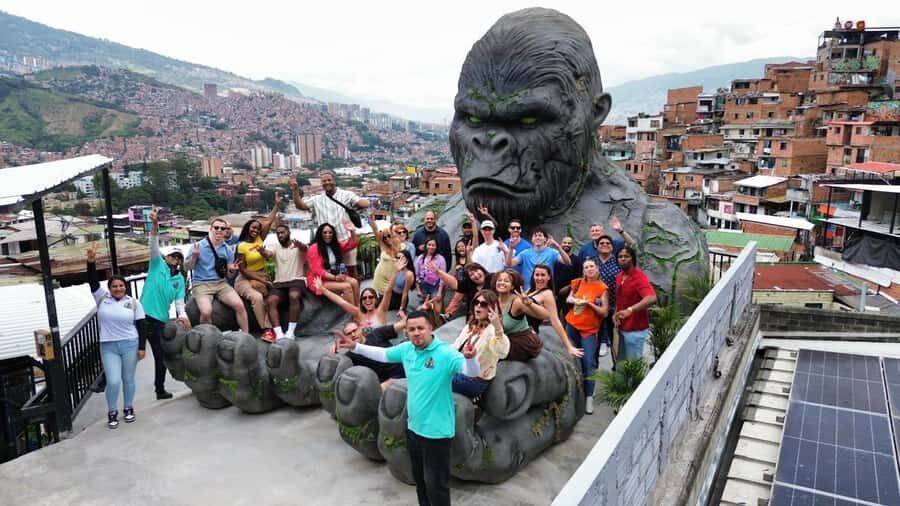
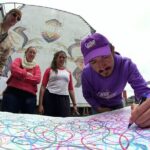
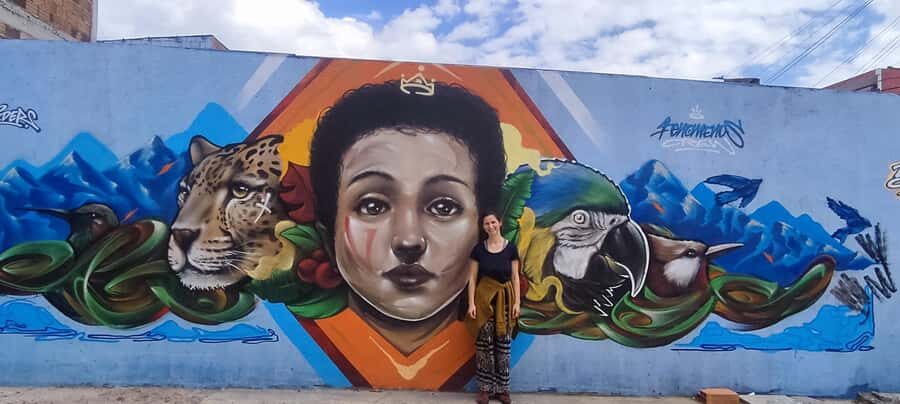
You’ll move through busy avenues, narrow boulevards, and streets where street art shows up in loud color—murals, painted walls, and visuals that feel like public communication, not just decoration. The guide points out what you’re seeing and connects it to the community’s history and present-day life.
What makes this walking time valuable is the order of things. First you get the city’s big structure from above. Then you see the tight street grid, where daily life happens at close range. That combination sticks with you.
One more detail I’d highlight: a local security guard accompanies the group. In practice, that changes the vibe. You don’t spend the whole walk scanning corners and worrying about logistics. You can pay attention to what matters—people, art, and the neighborhood’s changing face.
Meeting Community Leaders: The Real Story of Change
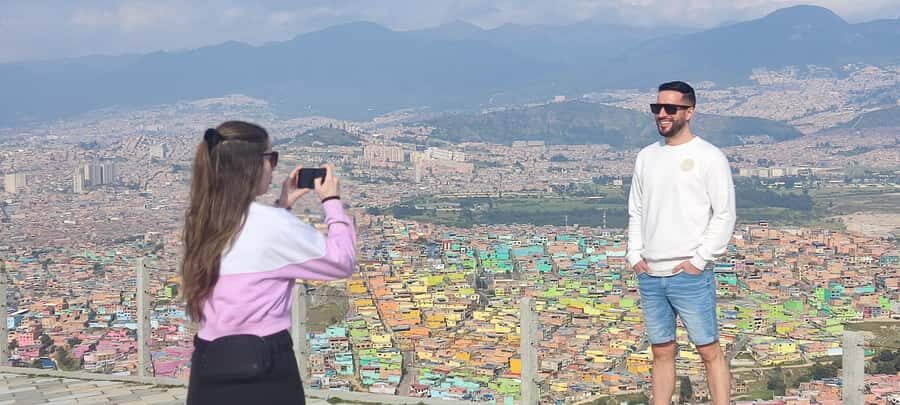
One of the strongest parts of this tour is the stop where you meet with local community leaders. This is where the experience shifts from seeing to understanding.
You learn about positive changes being put in place to help revitalize El Paraíso. That includes how residents organize, how projects support community life, and how improvement shows up in practical ways—especially for education and youth support. You’ll also hear about the neighborhood’s history, including how it formed and how it’s changed over time.
I like that the guides frame this with respect. You get context, not a forced emotional pitch. And because it’s community-based, you hear the “why” behind the “what.”
There’s also an extra layer of meaning because your reservation supports Biblioteca comunitaria Juan manuel ortiz in Ciudad Bolivar. You’re not just touring a place; you’re helping sustain one of the local projects.


The Panoramic View Stop: Where Photos Feel Honest
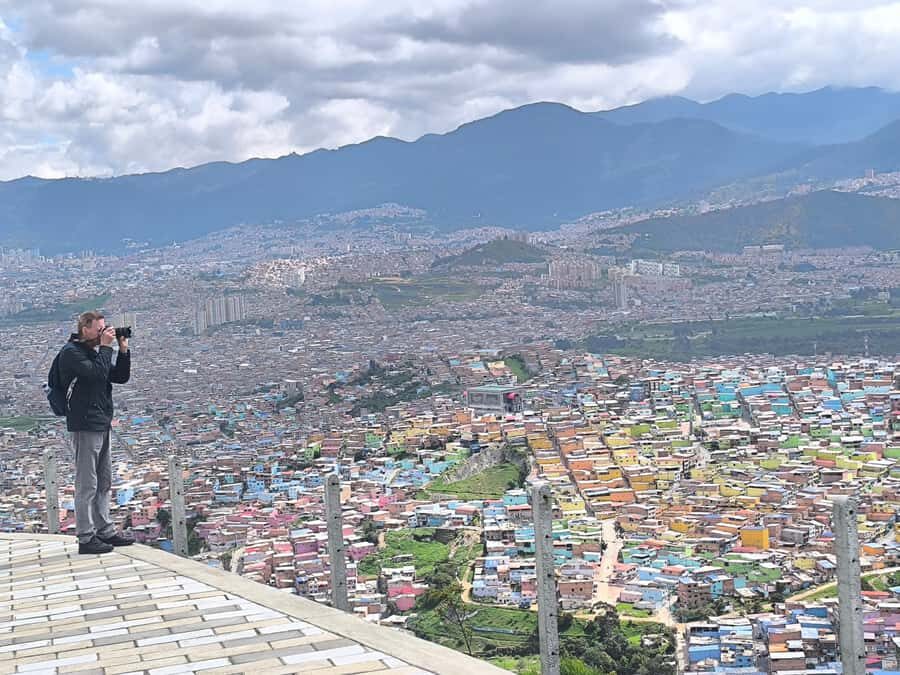
At some point you’ll reach the best panoramic spot for views over Bogotá. This is where your morning cable car perspective returns—but now you get to compare “overhead geometry” to real life down below.
Expect a strong photo moment. Views from El Paraíso can compete with the classic Bogotá viewpoints because you’re seeing wide areas and steep terrain at once. The city looks layered. You can almost trace how neighborhoods spread across the hills.
If you’re taking pictures, keep your camera ready but don’t forget the basics: comfortable clothes, water, and watching your footing. This isn’t a polished tourist terrace. It’s a viewpoint you’re visiting as part of a neighborhood.
Snack Time: A Small Break That Helps You Taste the Day
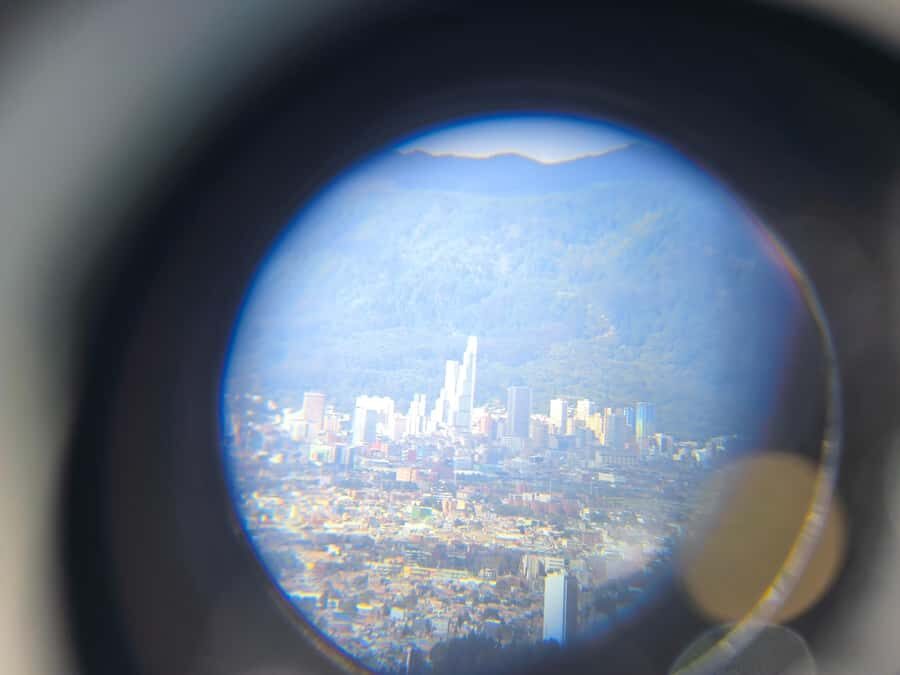
A snack is included in the tour. It’s timed for when you’ve walked and climbed enough to appreciate it.
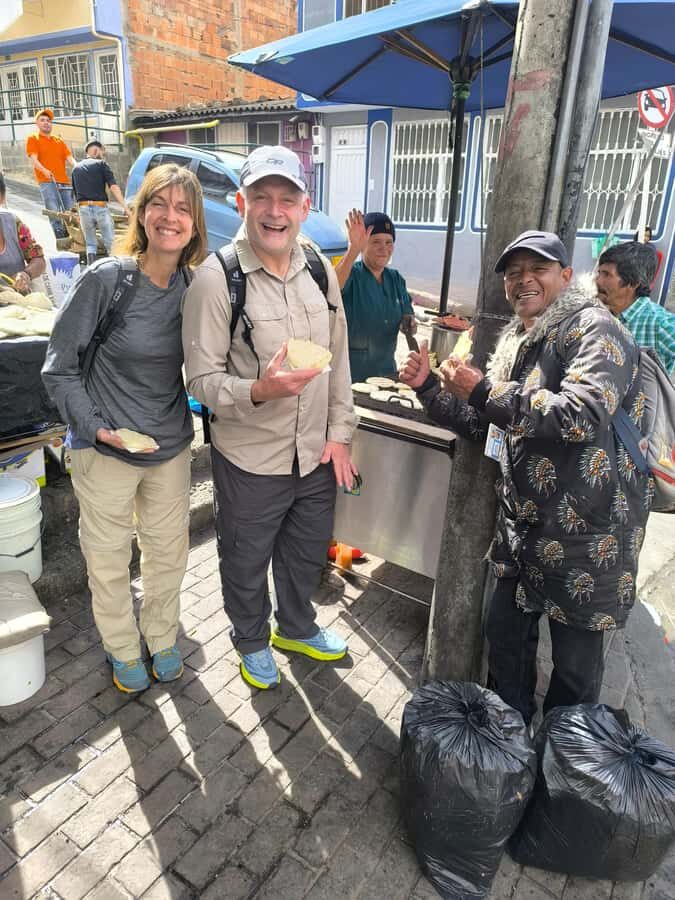
In past outings, snacks have included things like arepas and coffee from local bakery-style stops. You’ll also likely get a chance to reset—especially if you need a bathroom break or you’re simply running on tourist-time adrenaline that suddenly needs food.
This part may seem small compared to cable cars and street art. But it’s one of the best ways to slow down and connect. You’ll taste something familiar, and you’ll feel the neighborhood’s everyday rhythm instead of treating it like a “photo stop.”
Safety, Altitude, and What to Do With Your Phone and Camera
The tour includes a security guard and medical assistance insurance, and that matters. You’ll also get clear guidance on how to behave in crowded areas and how to reduce risk.
Here’s the practical advice I’d follow:
- Avoid valuables and don’t show off phones and cameras for long stretches in public.
- Use awareness as your default, not bravado.
- Bring sunglasses and a camera if you want photos, but keep belongings controlled.
- Wear comfortable clothes. You’ll move more than you think, and thin air adds effort.
Altitude note again, because it’s real: El Paraíso is about 1,600 feet higher than Bogotá. Even if the walk isn’t demanding, you can still feel the change. Drink water and go easy. If you have any respiratory issues, bring what you need and pace yourself.
And yes—people do feel safer on this tour than they expect, largely because you’re never wandering alone. You’re with a guide and guard the whole way.
Price and Value: Is $78 Worth It?
At $78 per person for about 4.5 hours, the value depends on what you’d have to do on your own.
If you tried to replicate it yourself, you’d likely pay separately for:
- transportation into the neighborhood (and the hassle of planning around traffic),
- cable car tickets,
- a guide who can explain what you’re seeing,
- and the kind of local security support that makes you comfortable moving through a less-touristed area.
Here, the price folds in key items: round-trip transportation, cable car tickets, a guide, a security guard, a snack, and medical assistance insurance. That’s a lot for one booking.
You also get something money can’t easily buy: context. Guides explain history and contemporary change, and community leaders add the missing “so what” behind the murals and viewpoints. That’s why this often ends up being a highlight day for people who like real neighborhoods more than checklist attractions.
Finally, there’s the ethical value. Your participation supports Biblioteca comunitaria Juan manuel ortiz. That doesn’t erase the realities of inequality, but it does mean your day has a measurable positive link.
Who Should Book This Tour (and Who Might Skip It)
This tour is a great match if you:
- want to see a side of Bogotá most visitors don’t touch,
- care about street art with context, not just pretty walls,
- enjoy learning how cities grow and adapt,
- like small groups or private-style attention.
It may be a poor match if you:
- have vertigo or strong fear of height,
- feel unsteady at viewpoints,
- plan to spend the day sprinting from landmark to landmark.
If you’re the kind of traveler who loves asking questions and getting grounded explanations, you’ll get a lot out of this.
Should You Book the El Paraíso Favela Tour?
Yes—if you’re prepared for altitude and you want an honest look at how Bogotá is changing beyond the postcard center.
I’d book it if you value guided context, cable car views, and respectful conversations with local leaders. The setup—guide, security guard, included transport and tickets, and a snack—keeps the day manageable so you can focus on the experience, not the logistics.
Skip it if heights make you panic or if you’re not comfortable with the thinner air. Otherwise, this is one of the most memorable ways to understand modern Bogotá in just a few hours.
FAQ
Where is the meeting point for the tour?
You meet your guide by the western entrance of the Gold Museum (Museo del Oro), beside the wooden chairs.
Does the tour include pickup from my hotel?
Hotel pickup is optional, depending on your location. Pickup and drop-off are available from neighborhoods other than La Candelaria.
How long is the tour?
The total duration is 270 minutes (about 4.5 hours).
What’s included besides the guide?
The tour includes round-trip transportation from the meeting point, cable car tickets, a snack, a security guard, and medical assistance insurance.
Is the cable car part of the experience?
Yes. You ride the cable car up to El Paraíso and then take it back down.
What languages are the guides?
The tour is guided in Spanish and English.
Is the tour wheelchair accessible?
Yes, the activity is listed as wheelchair accessible.
What should I bring, and what should I avoid?
Bring sunglasses and a camera, wear comfortable clothes, and plan to drink water because of the higher altitude. Alcohol and drugs aren’t allowed, and you should avoid bringing valuables.
Is this tour suitable if I have vertigo?
No. It is not suitable for people with vertigo.