REVIEW · MEDELLIN
Medellín: Private City Tour and Comuna 13 Tour
Book on GetYourGuide →Operated by ULTRA TOUR MEDELLIN · Bookable on GetYourGuide
Medellín tells two stories in one day. This private 6-hour mix pairs polished city stops with Comuna 13’s complicated past, including what happened after Pablo Escobar and the military operation Orion. I especially liked the two-part structure—easy-to-love landmarks up front, then the neighborhood history that gives you context for what you’re seeing. One thing to consider: the focus on conflict-era history means the Comuna 13 portion can feel heavy, and the tour is not wheelchair-friendly.
My favorite part was how the route ties together Medellín’s transformation over the last 20 years and its push toward becoming resilient and touristic today. You’ll also get a private experience with English and Spanish guidance, which makes it easier to ask questions and keep up without feeling rushed.
In This Review
- Key takeaways before you go
- A 6-hour Medellín loop that connects today to the past
- Plaza Botero: start with art that gives you an instant visual map
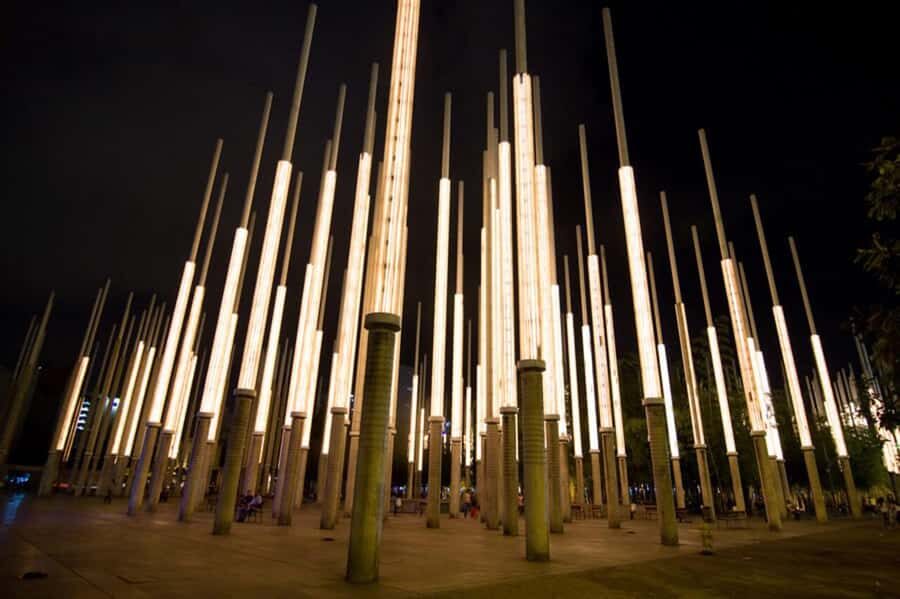
- Parque de las Luces: a light show you can walk through
- Pueblito Paisa: the lookout that helps you understand Medellín’s geography
- Atanasio Girardot Stadium and Laureles: why Medellín’s everyday rhythms matter
- Comuna 13: Operation Orion and the story behind the streets
- The moments that make Comuna 13 worthwhile
- Parques del Río and the “modern Medellín” thread you shouldn’t skip
- What makes this tour feel like value (and what might not)
- A small word of caution
- How guides can change the experience (Felipe Ocampo and Luis)
- Who this tour is best for
- Should you book Medellín: Private City Tour and Comuna 13?
- FAQ
- How long is the Medellín private city and Comuna 13 tour?
- Where does the tour start and end?
- What stops are included during the tour?
- What language is the guide?
- Is this tour private?
- What should I bring?
- Is the tour wheelchair accessible?
Key takeaways before you go
- Private bilingual guide: English/Spanish narration for the city and Comuna 13, with time to ask questions.
- Modern Medellín stops first: Plaza Botero, Parque de las Luces, and the lookout at Pueblito Paisa set the tone.
- Hard-history context in Comuna 13: you’ll learn about armed groups, commune control, and Operation Orion.
- Stadium and neighborhood connections: Atanasio Girardot and Laureles help you understand the city beyond the highlights.
- Hotel pickup from El Poblado: car transport makes the 6 hours feel smoother than doing it on your own.
A 6-hour Medellín loop that connects today to the past
This is the kind of tour that helps you read the city, not just move through it. In a single afternoon, you go from iconic photo stops and public spaces to a neighborhood where Medellín’s recent history still shapes daily life.
What makes it especially useful is the way the story is built. You’re not only shown where things are. You’re told how Medellín changed, why control shifted between armed groups, and how the city’s recovery efforts took hold.
The tour runs about 6 hours and stays centered around El Poblado for pickup and drop-off, which is convenient if you’re staying in that area. Expect a car ride between stops, plus guided time at each place so you’re not left figuring things out alone.
You can also read our reviews of more city tours in Medellin
Plaza Botero: start with art that gives you an instant visual map
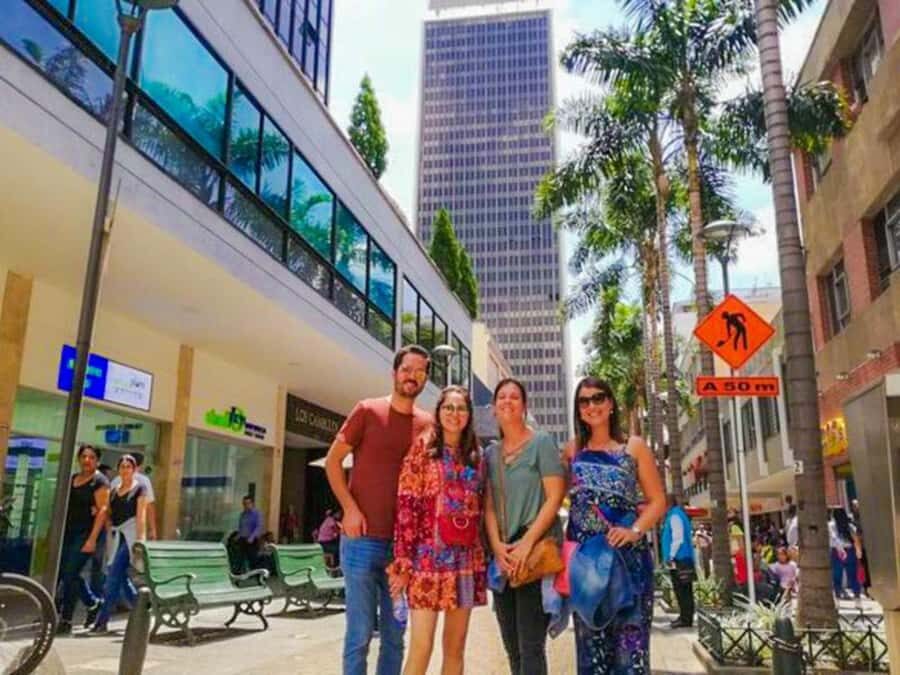
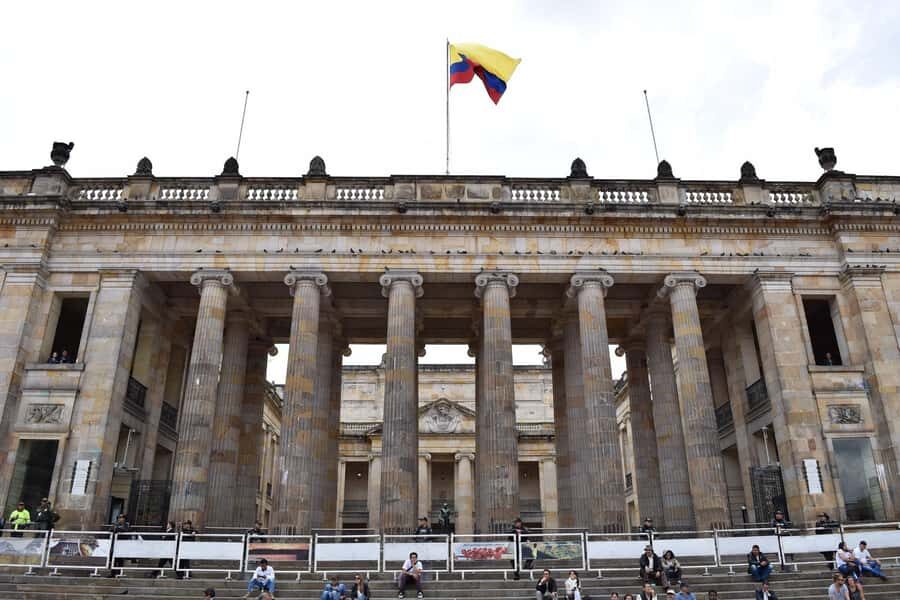
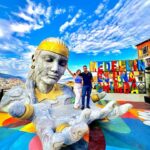
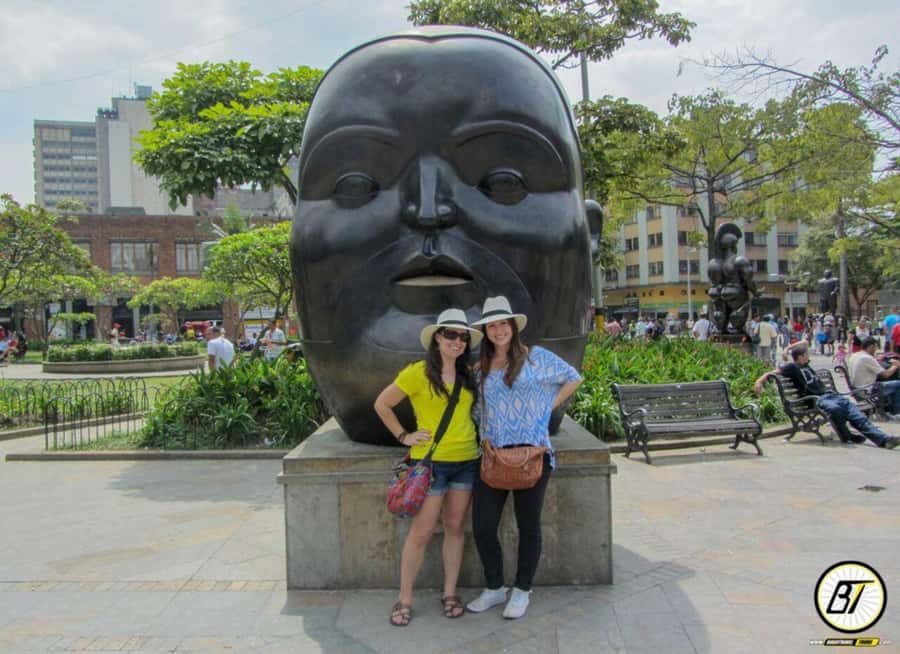
The tour kicks off with hotel pickup in El Poblado, then you head to Plaza Botero for about 30 minutes. This is one of those stops that works even if you don’t think you like museums. The big sculptures are designed for quick recognition, and the square is a simple way to get oriented in Medellín.
I like Plaza Botero because it gives you something to anchor on immediately. Before you get the heavy history, you get a friendly entry point: art in public space, people moving around, and a landmark you’ll remember later when you’re comparing older and newer parts of the city.
If you’re the kind of traveler who likes a clear beginning, this works. You arrive, you get the first guided explanation, and you start building the picture before you even reach the lookouts and the stadium.
Parque de las Luces: a light show you can walk through

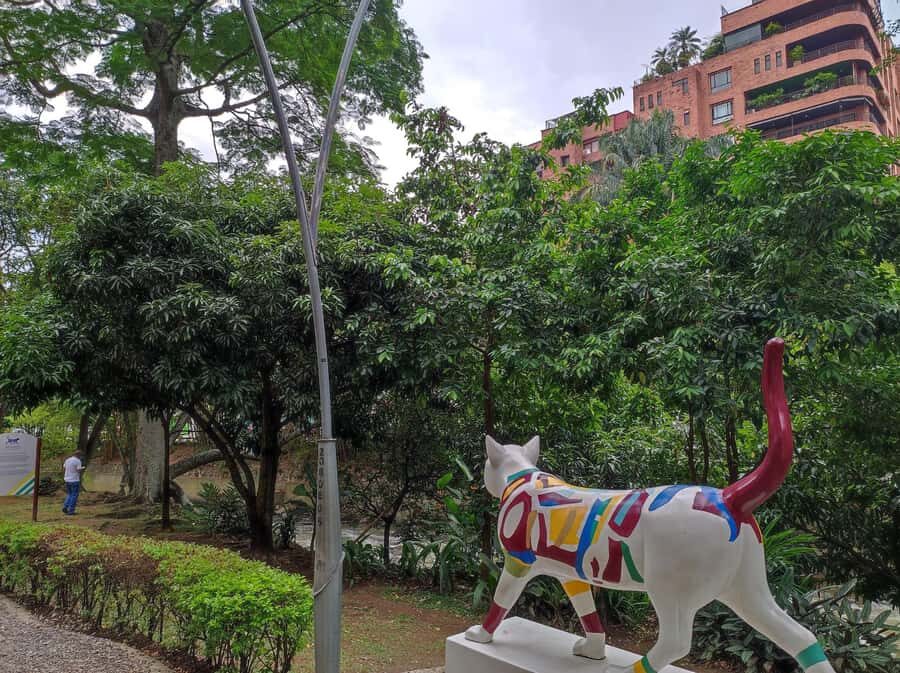
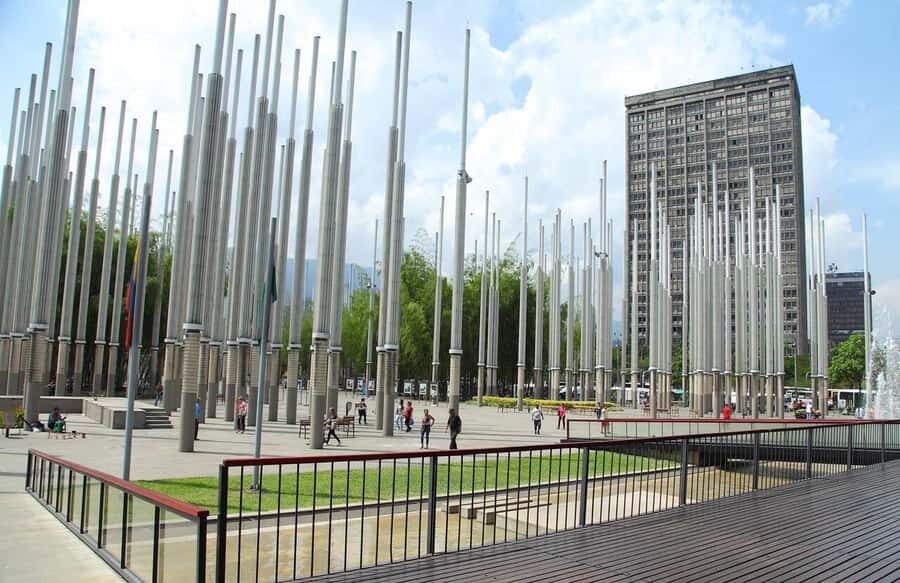
Next up is Parque de las Luces (about 30 minutes). It’s a more atmospheric stop than Plaza Botero—less about big objects and more about the feel of the public space and the city’s modern style.
This is a good breather between destinations. You’re not just looking; you’re walking and listening to a guide explain what you’re seeing and how it fits into Medellín’s shift toward being touristic and resilient.
Practical tip: bring your camera, and wear comfortable shoes. The tour spends multiple segments on foot, and this is one of the places where you’ll want a few photos without rushing.
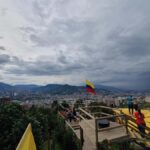
Pueblito Paisa: the lookout that helps you understand Medellín’s geography
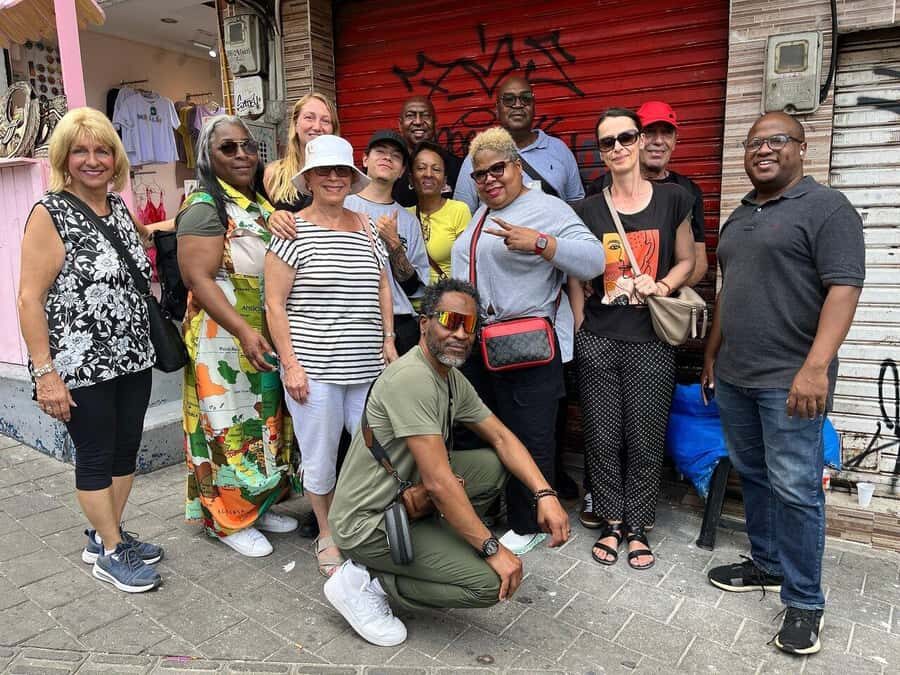
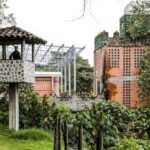
Then comes Pueblito Paisa for about an hour. This stop is all about perspective. A viewpoint like this helps you connect neighborhoods, hillsides, and the city’s layout—so later, when you hear about commune history, you can picture the geography instead of treating it like a story happening somewhere abstract.
I also like that Pueblito Paisa acts like a mental reset. You go from city square and lights to a place where you’re looking out over Medellín, which makes the next part—Comuna 13—feel less like a random detour.
If you’re short on time in Medellín, this is a strong use of it. It’s one of the easiest ways to get a “big picture” in a single day.
Atanasio Girardot Stadium and Laureles: why Medellín’s everyday rhythms matter
After the lookout, you’ll visit Atanasio Girardot Soccer Stadium for about 30 minutes, then continue to Laureles (Estadio area) for another 30 minutes.
These stops are valuable because they keep the tour from becoming only history and viewpoints. Soccer stadiums are often more than sports. In many Latin American cities, they reflect local identity and how people gather.
The Laureles segment also helps you understand Medellín as a living city. Even if your main interest is the harder history in Comuna 13, it’s smart to balance it with an area that feels more “everyday.” You get a sense of how Medellín works now, not just what happened during the difficult years.
You can also read our reviews of more private tours in Medellin
Comuna 13: Operation Orion and the story behind the streets
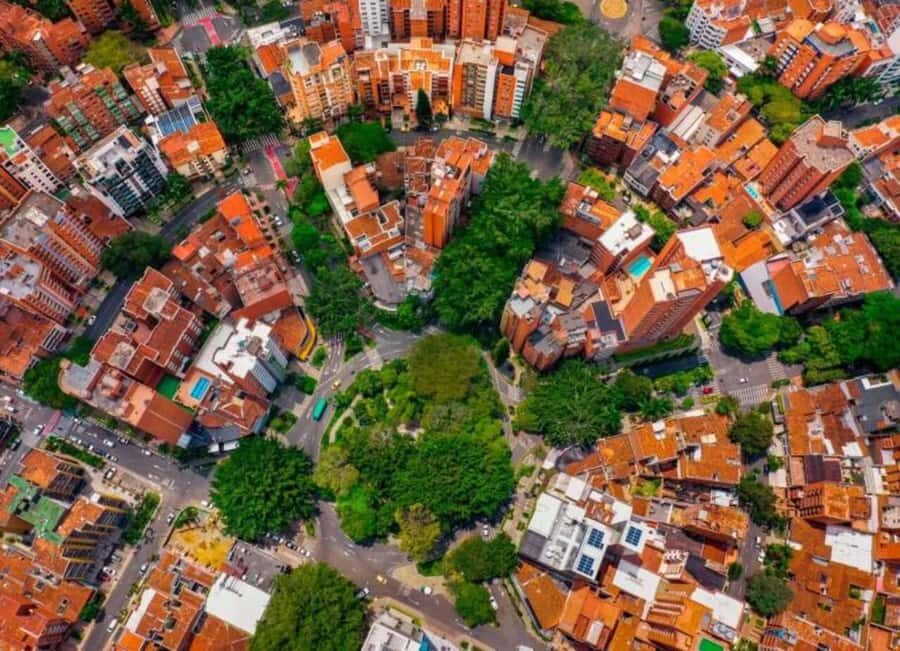
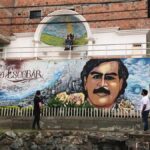
Now for the heart of the tour: Comuna 13, guided for about 2 hours.
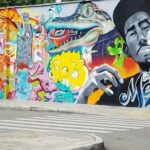
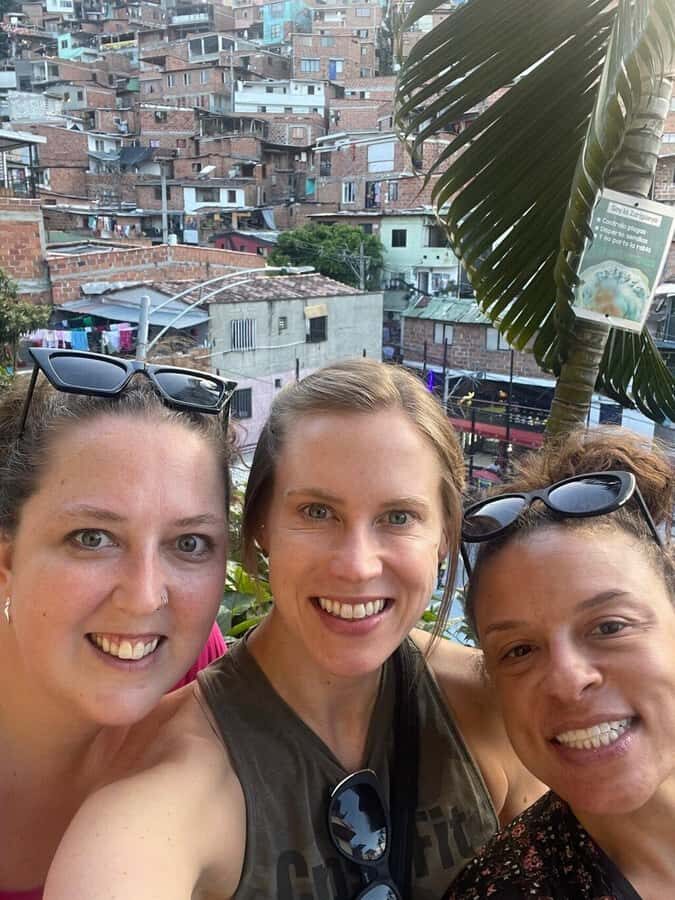
This is where the tour earns its value. You’ll learn how Medellín’s development connects to drug trafficking and armed groups after the death of Pablo Escobar. You’ll also get explanations about control of the communes of Medellín and the famous military operation Orion—where thousands of people died—along with why that shaped what people experienced afterward.
It’s important to say this plainly: this portion focuses on conflict-era history. Even if you’re prepared, it can feel intense. But that intensity is also what makes the tour more than sightseeing. You’re not just seeing a neighborhood. You’re understanding why it became a symbol of Medellín’s turbulence and change.
What I recommend for you here is simple: go with patience, and keep your questions coming. A good guide can connect the story to what you’re seeing right now—street-level details, the layout, and the way the neighborhood has been affected by past control and the city’s later rebuilding efforts.
The moments that make Comuna 13 worthwhile
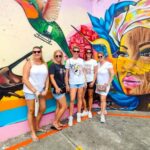
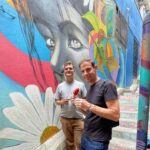
While you’re in Comuna 13, you’ll focus on learning and context, not just photos. And you’ll also likely pass by key streets and viewpoints that make the story land.
Your route also includes Junín Street as part of the broader experience, and you’ll see the contrast between Medellín’s public spaces and the areas shaped by years of violence and recovery. That contrast is exactly the point.
Parques del Río and the “modern Medellín” thread you shouldn’t skip
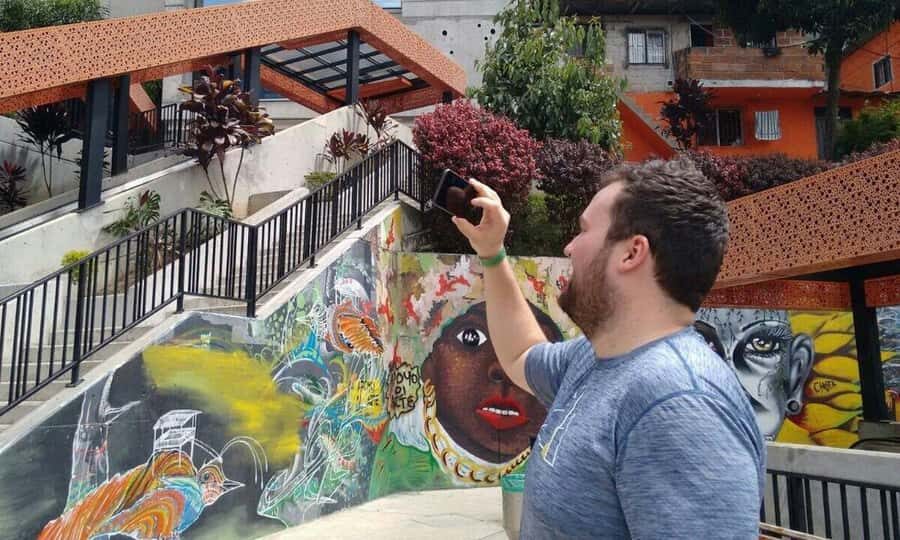
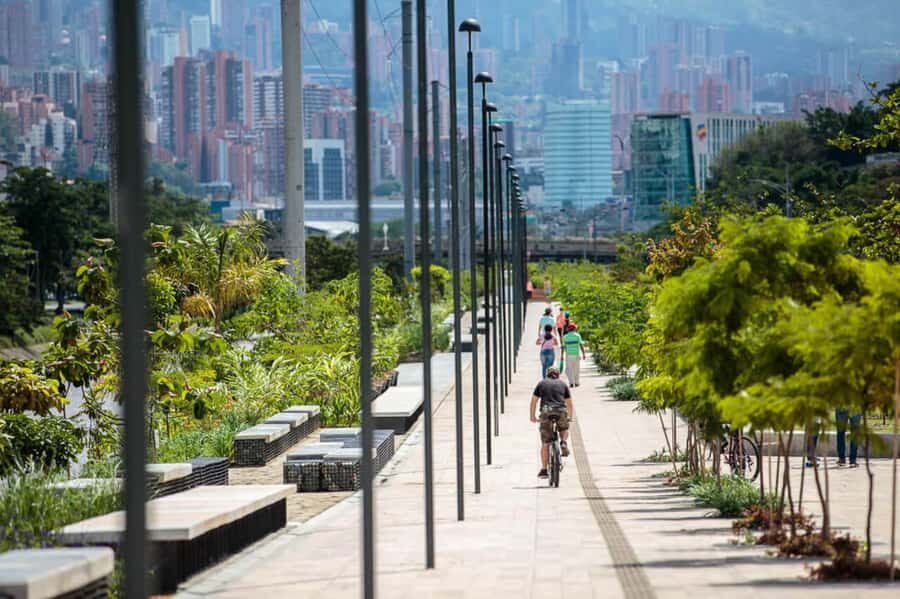
In addition to the major landmarks in the main sequence, this tour also ties in Parques del Rio Medellín as part of the day’s overview of the city. Even if your best memories are the viewpoint and Comuna 13, this kind of modern public-space stop matters.
Why? Because Medellín’s transformation isn’t just a slogan. It shows up in how the city builds places where people move, meet, and spend time. Seeing that thread while you’re still hearing the harder parts of the story helps the big-picture narrative make sense.
So don’t treat Parques del Río or Parque de las Luces as filler. They’re your setup. They help you understand why Medellín today is marketed as innovative and resilient, and why that shift is more than marketing.
What makes this tour feel like value (and what might not)
At $104 per person for about 6 hours, this isn’t the cheapest option in Medellín—but it’s also not trying to be. The value comes from the combination: hotel pickup and drop-off from El Poblado, transportation by car, a professional bilingual guide, and a format that covers both major city highlights and Comuna 13 in one go.
You’re paying for time saved and for narrative value. Doing it alone usually means more planning, separate tickets, and less context for the history you’re seeing. Here, you get a structured day with guided stops and time built in.
A small word of caution
The tour is not suitable for wheelchair users, and it’s built around walking and car movement between areas. If mobility is limited, you may want to look for an itinerary designed specifically for reduced walking.
How guides can change the experience (Felipe Ocampo and Luis)
A tour like this lives or dies by the guide’s tone and clarity. In the standout example from the provider’s guides, Felipe Ocampo was described as extremely professional and friendly, making the day feel personal rather than scripted. Another praised guide, Luis, was noted as informative and also as a solid driver, which matters because you’re doing several stops in one afternoon.
What does that mean for you? It means you should use the private format to your advantage. Ask questions early—about what you’re seeing in Botero’s Square, what the lights and design signal in modern Medellín, and then how the history explains today’s neighborhood reality in Comuna 13.
If you get a guide who explains well, the entire day clicks.
Who this tour is best for
This one fits well if:
- You want Comuna 13 context without trying to piece it together on your own.
- You’re curious about Medellín’s change over the last 20 years and how the city became touristic while facing difficult history.
- You want a private day that includes both iconic sights and a neighborhood with real, documented trauma (including Orion).
- You’ll appreciate a bilingual guide so you can ask follow-ups in English or Spanish.
It may feel less ideal if:
- You’re looking for only light, scenic photo stops.
- You need an itinerary designed for minimal walking.
- You prefer a purely historical deep dive with slower pacing, because this is still a 6-hour loop with multiple landmarks.
Should you book Medellín: Private City Tour and Comuna 13?
Book it if you want one day that actually connects Medellín’s present to its most difficult chapters. The private bilingual format and the structured stop order make it easier to understand the city fast—without losing the emotional weight of the Comuna 13 story.
Skip or reconsider if you’re sensitive to heavy conflict-history topics, or if mobility limits make the walking and neighborhood portion challenging. Also think about your expectations: this is not a passive tour. It’s built for learning, questions, and guided interpretation.
If you’re staying in El Poblado and you want maximum insight with minimal planning, this is a strong choice.
FAQ
How long is the Medellín private city and Comuna 13 tour?
It’s a combined 6-hour tour.
Where does the tour start and end?
Pickup and drop-off are included at El Poblado.
What stops are included during the tour?
The tour includes Plaza Botero, Parque de las Luces, Pueblito Paisa, Atanasio Girardot Stadium, Laureles (Estadio area), and Comuna 13. It also references Parques del Rio Medellín and Junín Street as part of the experience.
What language is the guide?
The live guide offers narration in English and Spanish.
Is this tour private?
Yes. It’s a private group tour.
What should I bring?
Bring comfortable shoes and a camera.
Is the tour wheelchair accessible?
No. It’s listed as not suitable for wheelchair users.