REVIEW · MEDELLIN
Medellín Comuna 13 local guides snacks and your own graffiti
Book on GetYourGuide →Operated by viajeros mac · Bookable on GetYourGuide
Comuna 13 hits you in the heart fast. This private 3-hour walk through 20 de Julio and Las Independencias turns street art into real history, with guides like Ana and Paula sharing personal, community-level perspective. I especially like how the tour balances emotion with practical context, and how it makes the neighborhood feel human, not like a checklist. One thing to think about: part of the experience includes art shows and galleries where voluntary contributions may come up, so go in with the right mindset.
My favorite piece is the hands-on graffiti experience, where you create your own art instead of watching from behind a rope. I also like the way the guide threads together the story of why Comuna 13 was once feared and how it became one of Antioquia’s most visited cultural stops, including the viewpoints you’ll walk through and the escalator project that reshaped movement in the commune.
The only real drawback is logistics and mobility. This is a neighborhood walk with viewpoints and a few structured stops, so you’ll want comfortable shoes and be prepared for some walking. Also, it’s noted as not suitable for people over 95 years, so if you’re traveling with someone on the older side, double-check fit.
In This Review
- Key things you’ll notice on this Comuna 13 tour
- A neighborhood story told by people who actually live it
- 20 de Julio and Las Independencias: your route is the point
- The graffiti experience: you make art, not just memories
- Medellín’s transformation seen at ground level
- Ice cream, local snacks, and the calm breaks that keep you going
- Dance show time: real artists and voluntary contributions
- Escalator project visit: the stop that makes the change visible
- Art galleries of local artists: see the work up close
- Meeting point and getting there: don’t let the bus part eat your time
- Price and value: what $22 buys in real experience time
- Who this tour is best for (and who might skip it)
- Before you go: simple prep that makes the tour better
- Should you book Medellín Comuna 13 local guides, snacks and your own graffiti?
- FAQ
- How long is the Comuna 13 tour?
- How much does it cost?
- Which neighborhoods are included?
- What does the tour include?
- Are the dance shows and art galleries free?
- What languages are available for the live guide?
- Where do I meet the guide?
- If I arrive at San Javier station by metro, how do I get to the meeting point?
Key things you’ll notice on this Comuna 13 tour
- Private, guide-led route focused on two emblematic areas: 20 de Julio and Las Independencias
- Graffiti experience where you make your own artwork during the tour
- Typical ice cream and local snacks, worked into the pacing so you’re not rushed
- Escalator project stop plus viewpoint walking for the big-picture transformation
- Dance and freestyle shows by local artists, with voluntary contributions handled respectfully
- Entry to art galleries of local artists, with some spaces also operating on voluntary support
A neighborhood story told by people who actually live it
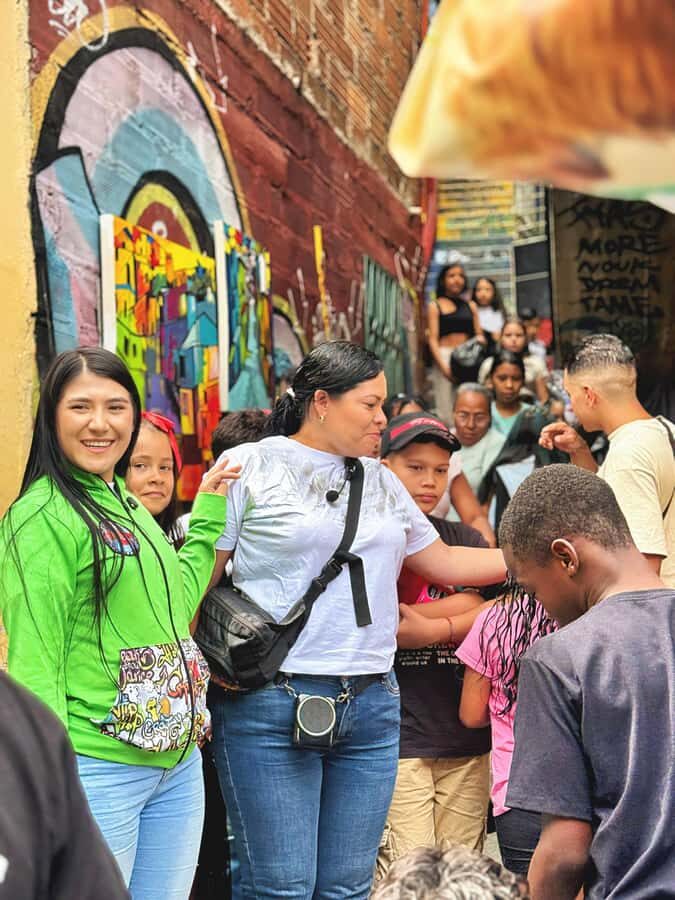
Comuna 13 can be a tricky place to visit if you only expect murals and photos. The strongest part of this tour is the way the guide frames the area as a lived place with a past that matters. Instead of jumping straight to the art, you get the context: why the commune was considered one of Medellín’s most dangerous areas, and how community change helped rewrite the daily experience for residents.
The guides also bring a personal voice. In the feedback you’ll see names like Ana, Paula, and Luisa, and that shows up in the tone: you’re not just receiving a lecture. You’re hearing how growing up there connects to what you’re seeing now. That’s what makes the walk feel like history with breath, not a script.
You’ll also move through the commune with a sense of order. This is a private tour, so the pacing can be adjusted to your group, your questions, and the moment. For many people, that’s the difference between feeling like you’re passing through and feeling like you understand what you’re looking at.
You can also read our reviews of more tours and experiences in Medellin.
20 de Julio and Las Independencias: your route is the point
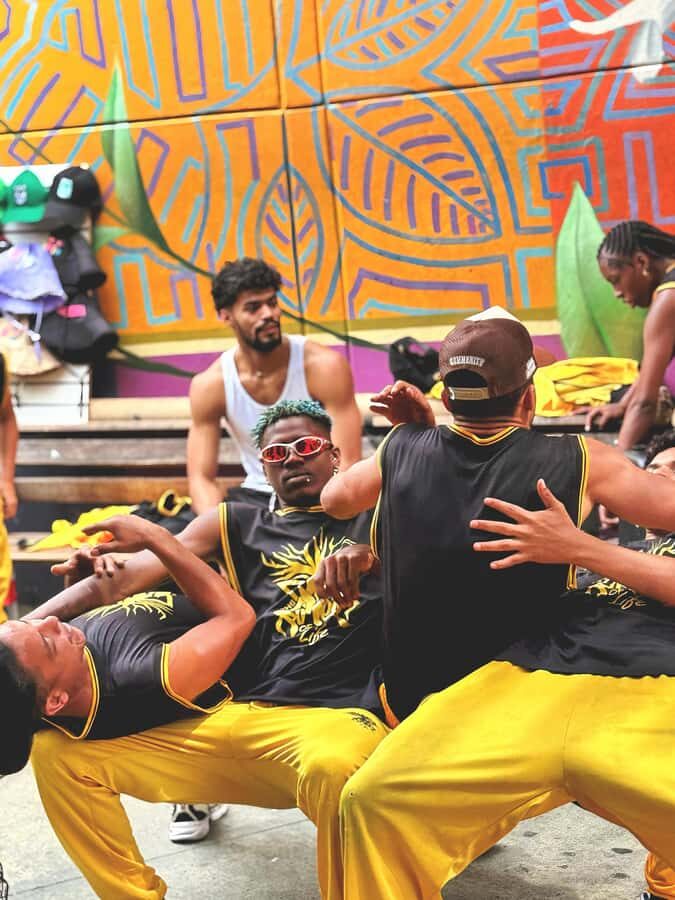
You’ll explore two of Comuna 13’s emblematic neighborhoods: 20 de Julio and Las Independencias. These areas are important because they’re tied to the commune’s public identity—places where the story is visible in streets, murals, and everyday life.
Early on, the guide sets the stage with a short guided orientation. Then you start moving, and the “history lessons” turn into “oh, that’s why that matters” moments. As you approach viewpoints, the guide explains how the transformation happened in real terms: not just art showing up, but access, visibility, and community pride taking hold over time.
One practical note: this is a walking experience. It’s not an auto ride. The itinerary includes multiple short stops and a viewpoint style route, so you should plan to be on your feet. Comfortable clothes is all that’s required, but you’ll enjoy it more if you wear shoes you trust.
The graffiti experience: you make art, not just memories
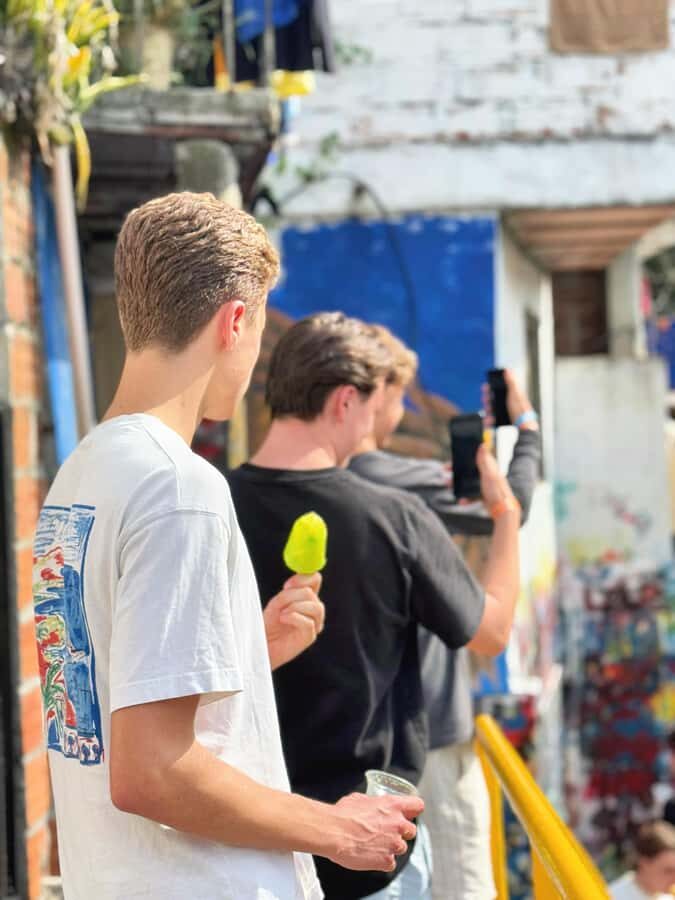
If there’s one activity you should be excited about, it’s the graffiti experience. This is not a “watch someone else do it” moment. You’ll get involved and create something yourself, which changes how you experience the murals around you. After you’ve made your own piece, those giant walls stop being decoration and start being a language.
This matters in a place like Comuna 13. Street art here isn’t just aesthetic. It’s tied to identity, reclaiming space, and expressing a future you can stand in. When you’re holding supplies (and trying your own style), the guide’s explanation clicks faster. You’re not translating from a distance—you’re participating.
From a comfort perspective, this kind of activity works best when you go in expecting mess and play. Keep your expectations light. Your goal isn’t to produce a museum-grade masterpiece. Your goal is to understand why graffiti is part of the commune’s voice.
Medellín’s transformation seen at ground level
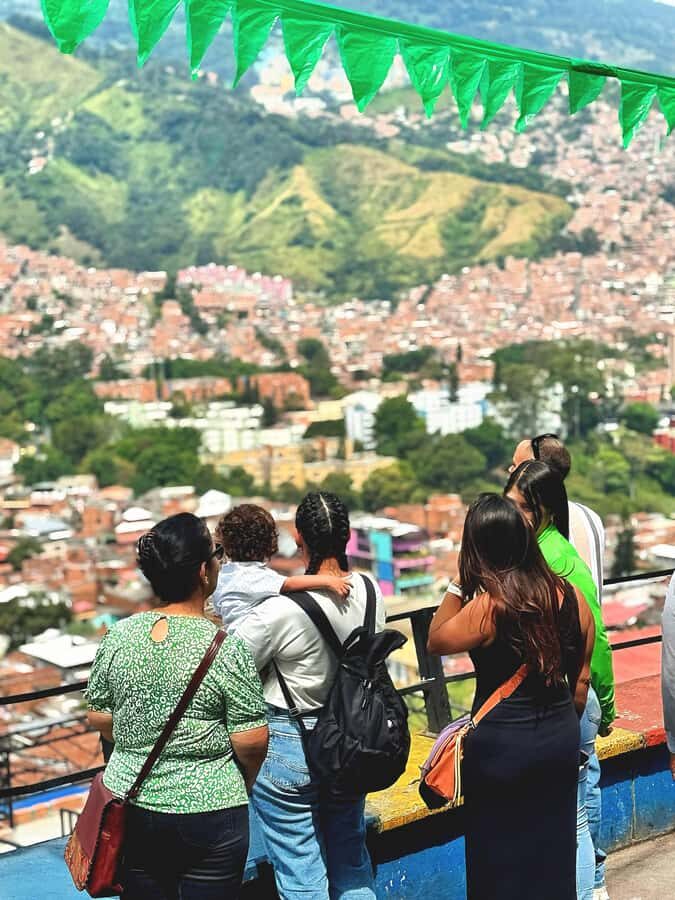
A big chunk of what you’ll learn is why Comuna 13 got labeled dangerous in the first place—and how that reputation shifted. The tour makes the change feel specific, not vague. The guide connects the past to what you can see today: murals, public artistic performances, and spaces where residents show their work.
This kind of storytelling can be emotional, and that’s okay. The best guides know how to pace it. In the feedback, the guides are described as generous and authentic, and you can expect a similar tone: informative, but also human. You’ll likely feel moved by the idea that a community left the worst chapter behind and kept going.
Also, you’re not stuck in “talk only” mode. The tour includes walking viewpoints and key infrastructure made visible—so your understanding isn’t only coming from words. It’s landing through sight lines, street corners, and the way people move through the neighborhood now.
Ice cream, local snacks, and the calm breaks that keep you going
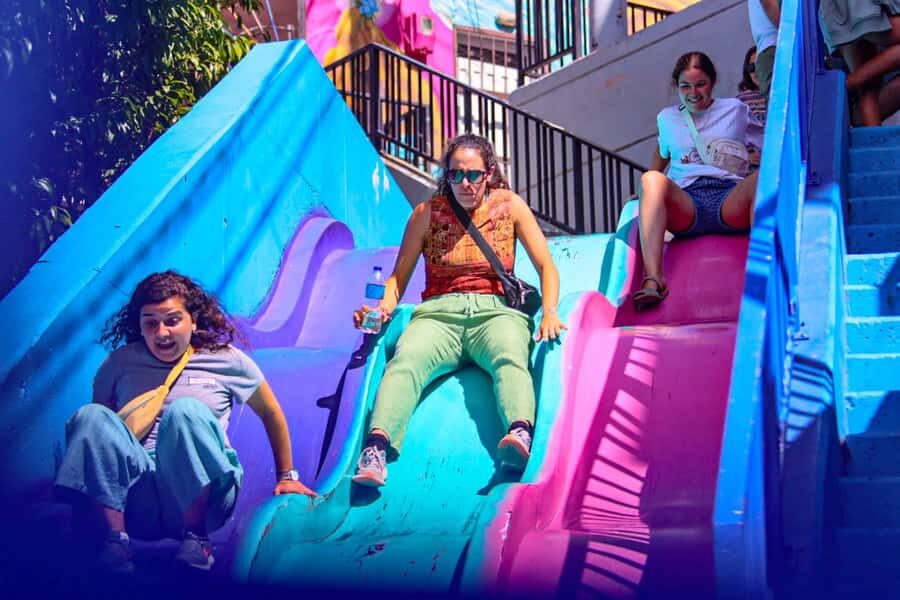
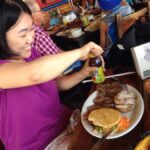
Tour pacing is underrated. Too many tours in busy cities feel like a sprint. Here, the schedule includes a short snack break and typical ice cream, which makes a big difference, especially if you’re dealing with heat or just want a moment to slow down and look around.
Those breaks also help you switch gears. One moment you’re learning history; the next, you’re eating something local and letting the street scenes sink in. You’re more likely to notice details—small signs of creative life, neighborhood energy, and the places where people gather.
Even small things matter in a neighborhood that’s partly defined by resilience. A snack stop is not just food. It’s proof that this area is lived-in and still functioning as a normal community, not a staged attraction.


Dance show time: real artists and voluntary contributions
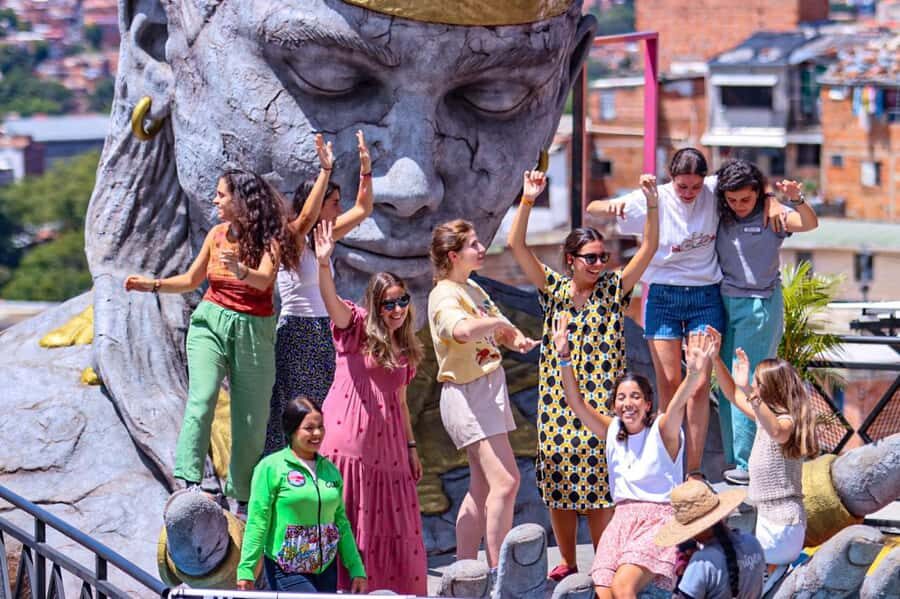
At least one stop includes a dance show (with performances like breakdance and freestyle mentioned). This part of the experience can be where first-timers get nervous: will you feel pressured for money?
The good sign here is how the tour frames it: these shows are described as involving voluntary contributions. That means your participation is optional, and the performers are presenting art first. If you’re worried about the “tip pressure” vibe, I’d treat this as a cultural stop, not a transaction. Watch, appreciate, and only support if you want to.
You’ll also get short “audience pacing.” These performances are time-bounded, so you’re not stuck waiting around for long. You get entertainment without losing the rest of the route.
Escalator project visit: the stop that makes the change visible
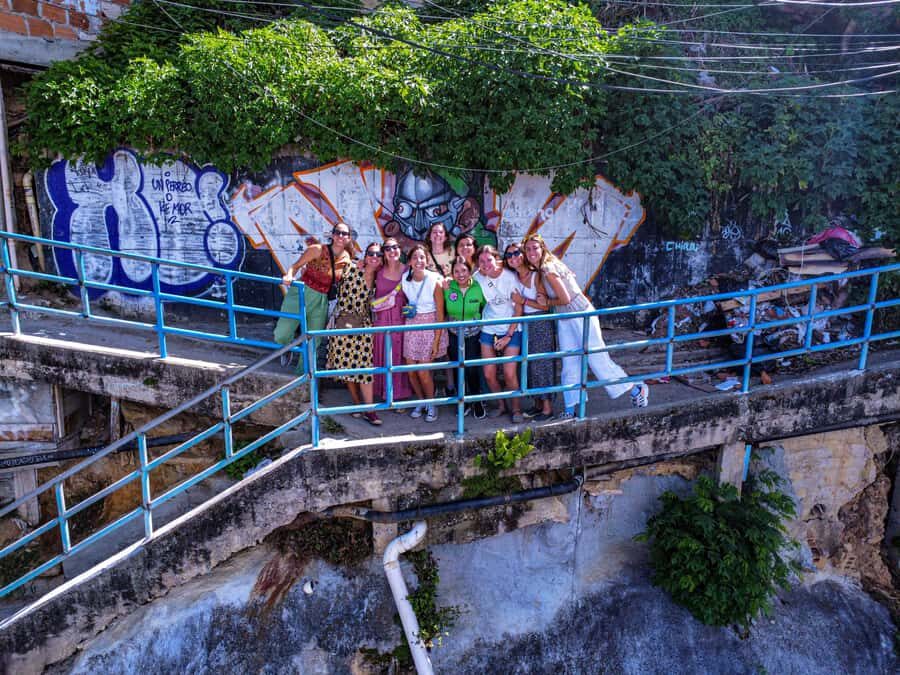
The escalator project visit is one of those moments that helps you understand the transformation beyond murals. Infrastructure changes how people move. It changes who can access public spaces. It changes daily life.
On a tour like this, the escalator stop works because it’s tied to viewpoint walking. You’re looking at a neighborhood where the climb is part of the story—then you see how the commune added an easier route. That’s the kind of change that residents feel every day, even if visitors only notice it for a short time.
If you care about how cities transform—not just how they decorate—this is a strong inclusion. It anchors the tour’s broader theme: the neighborhood’s shift is physical, not only symbolic.
Art galleries of local artists: see the work up close
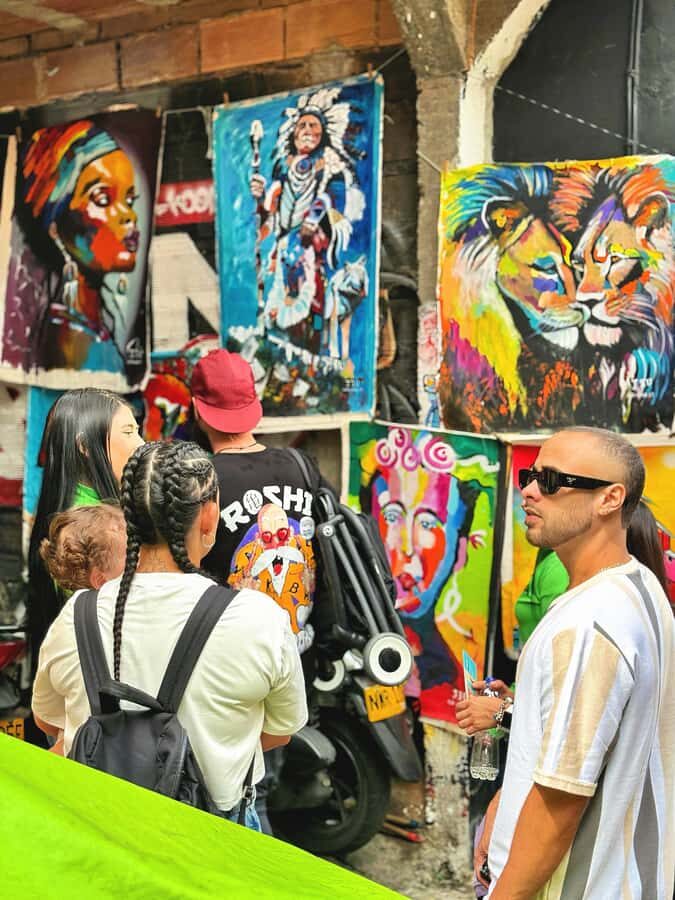
You’ll also enter art galleries of local artists. Some gallery spaces run on voluntary support, which matches the same respectful approach used around the shows.
This part is valuable because it gives you a new lens. Murals are on the street, but galleries help you understand the artists as creators with bodies of work, not just one-off wall pieces. If you buy nothing, you still benefit from seeing the range of styles and the personal choices behind the imagery.
Timing matters here. The tour schedule includes structured time blocks, so don’t expect hours of browsing. You’ll get a guided visit through spaces, with enough time to see what the artists are doing and why it matters to the commune’s identity.
Meeting point and getting there: don’t let the bus part eat your time
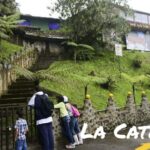
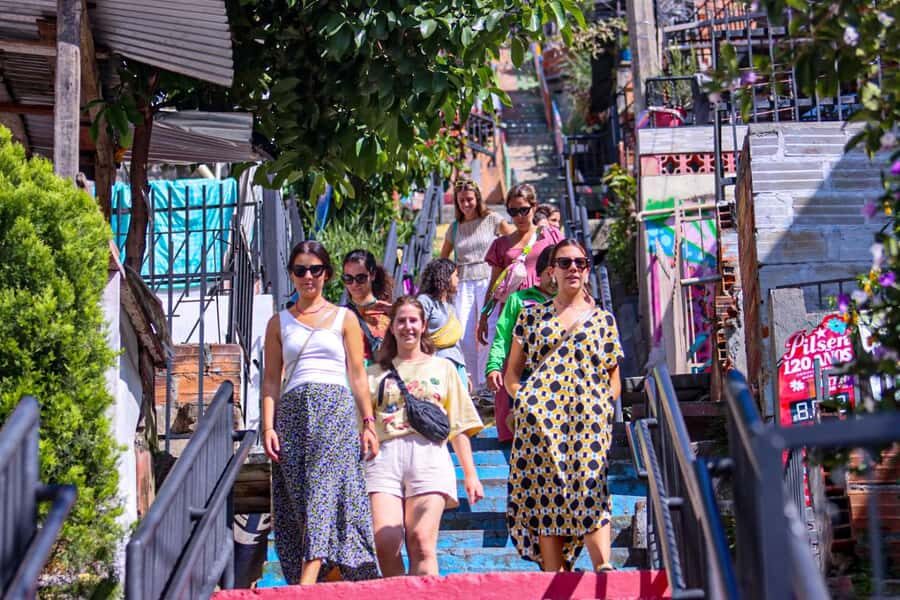
You’ll meet at Cra. 108 #38-12. If you’re arriving by metro and getting off at San Javier station, you’ll take a bus with number 225. That bus is described as dropping you near the meeting point, and you should get off one block before the last stop, close to the colored stairs.
This is exactly the kind of detail that can make or break your start. If you show up late, your guide can’t magically compress the first part of the route. Build in extra time so you can get your bearings calmly.
Also, the tour asks you to leave a contact number so coordination is smooth. Do that. It’s not just admin. In a working neighborhood, quick communication helps everyone.
Price and value: what $22 buys in real experience time
At $22 per person for about 3 hours, this isn’t priced like a quick photo walk. You’re paying for a bundle of value: guided history, private pacing, hands-on graffiti, and multiple cultural stops (shows, galleries, escalator project, viewpoint walking), plus typical ice cream and local snacks.
What makes it good value isn’t just that there are many items. It’s that the activities connect. Graffiti isn’t random. The history framing isn’t separate from the art. The infrastructure stop isn’t a detour. Everything supports the same story of change in Comuna 13.
The only costs you should expect beyond the price are transportation and voluntary contributions at shows and galleries. Since those are optional, you can control your spending. For a 3-hour private guided experience in a neighborhood with complex context, the total package is fairly strong.
Who this tour is best for (and who might skip it)
This tour is a great fit if you want:
- a context-heavy visit to Comuna 13, not just pictures
- a guided route into 20 de Julio and Las Independencias
- hands-on art time with a graffiti experience
- cultural stops including dance performances and local art spaces
It may be less ideal if:
- you have limited mobility and can’t comfortably handle a walking route and viewpoint sections
- you’re traveling with someone for whom the tour is not suitable (it’s noted as not for people over 95 years)
If you’re the kind of traveler who likes to understand why a place changed, and you’re comfortable with emotion mixed into history, you’ll likely love it.
Before you go: simple prep that makes the tour better
Bring comfortable clothes. That’s the main requirement. Beyond that, I’d keep a small mindset checklist:
- You’re in a working neighborhood. Keep your behavior respectful and your questions genuine.
- Expect that parts of the experience are optional support moments (shows/galleries). Bring a considerate attitude.
- If you have a plan to eat after, this guide may also help you think about where to go next, based on how they describe local options.
Should you book Medellín Comuna 13 local guides, snacks and your own graffiti?
I’d book it if you want Comuna 13 as a story with hands-on participation. The mix of expert local guidance, graffiti you personally create, snacks/ice cream, and stops tied to the neighborhood’s transformation makes this feel more grounded than the typical “see murals and leave” version.
Skip it only if you want a low-effort, mostly seated experience, or if you’d rather not engage with voluntary contributions at cultural stops. Otherwise, this is the kind of tour that stays with you because it turns art into understanding—and understanding into a different way to look at the city.
FAQ
How long is the Comuna 13 tour?
The tour lasts 3 hours.
How much does it cost?
It costs $22 per person.
Which neighborhoods are included?
You visit Comuna 13, focusing on 20 de Julio and Las Independencias.
What does the tour include?
The tour includes guide accompaniment, a graffiti experience, typical ice cream, artistic shows in Comuna 13 (breakdance, freestyle, and more), a visit to the escalator project, walking through viewpoints, and entry to art galleries of local artists.
Are the dance shows and art galleries free?
The shows and some gallery experiences involve voluntary contributions, and those contributions are not included in the tour price.
What languages are available for the live guide?
The live tour guide is available in Spanish and English.
Where do I meet the guide?
The meeting point is Cra. 108 #38-12.
If I arrive at San Javier station by metro, how do I get to the meeting point?
You should take bus 225 from San Javier station. Get off one block before the last stop, near the colored stairs (and the meeting point is around Cra. 108 #38-12).