REVIEW · BOGOTA
Bogotá: La Candelaria Graffiti & Urban Art Guided Tour
Book on GetYourGuide →Operated by Gran Colombia Tours · Bookable on GetYourGuide
Street art tells Bogotá’s real story. This guided walk through La Candelaria reads the city through murals, tags, and symbols, with a quick but meaningful intro to the socio-political context behind graffiti. I especially love that you don’t just stop for photos—you get local guidance that points out themes many people miss, including indigenous ancestry woven into the walls.
A second highlight for me is the simple finale: a cup of coca leaf tea at Café Herencia, served as part of the experience (not an afterthought). The one drawback to plan around is that this is a walk-heavy tour in a busy downtown, and the group may run Spanish and English at the same time, so you’ll want to stay close and focused.
In This Review
- Key things to know before you go
- Chorro de Quevedo meet-up: the easiest way to start the right way
- La Candelaria on foot: where murals become a language
- What to look for during the walk (so your photos mean something)
- La Concordia Market: street art next to real downtown life
- Journalists’ Park: reading murals like headlines
- Women in graffiti, indigenous themes, and the names that matter
- The La Candelaria photo stop: time to shoot without rushing
- Café Herencia coca leaf tea: the end you’ll actually remember
- Price and logistics for a 150-minute downtown art walk
- Who this tour is for (and who should choose something else)
- Should you book Bogotá: La Candelaria Graffiti & Urban Art Guided Tour?
- FAQ
- Where does the tour start?
- What time does the tour run?
- How long is the tour?
- How much does it cost?
- How big is the group?
- What languages are available?
- What’s included in the price?
- What should I bring?
Key things to know before you go
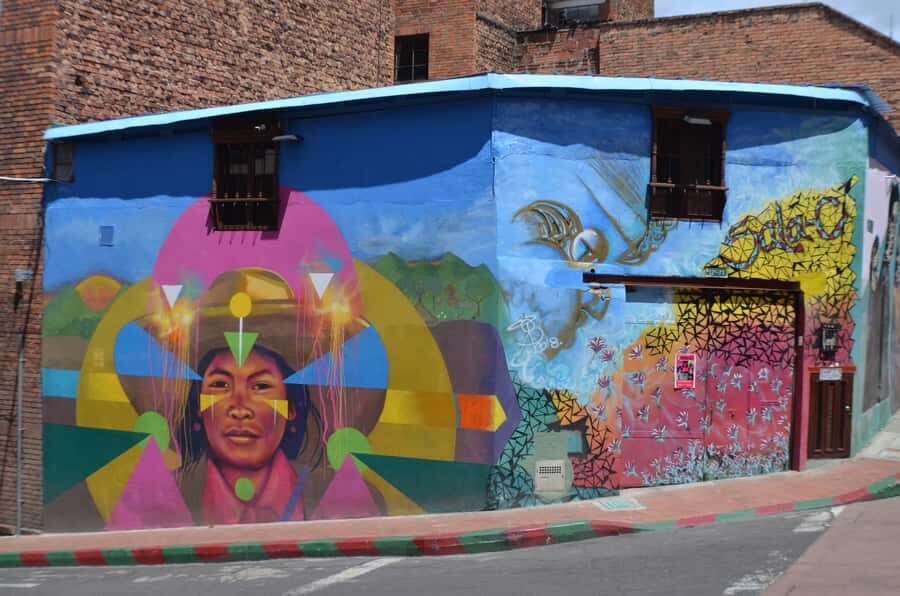
- Small group (up to 10) means you’ll actually hear the stories behind the walls and ask questions.
- Socio-political context first, then art helps you understand why these murals exist.
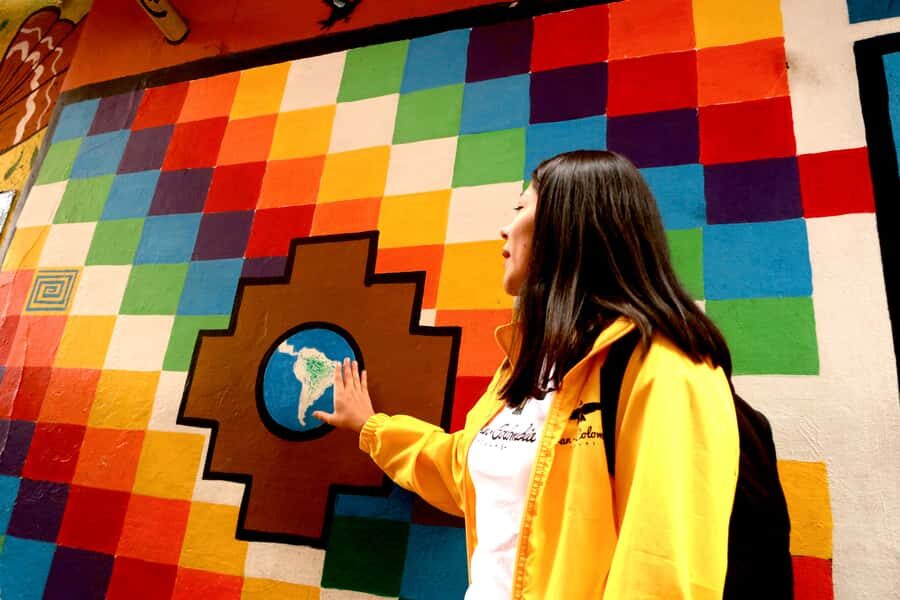
- Indigenous ancestry themes show up often, and your guide helps you read the references.
- Women’s graffiti artists get real attention, including names like Bastardilla, Vera, and Ledania.
- Stops like La Concordia Market and Journalists’ Park connect street art to daily downtown life.
- Umbrella + all-risk insurance lowers the stress if weather turns.
Chorro de Quevedo meet-up: the easiest way to start the right way
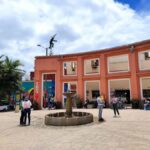
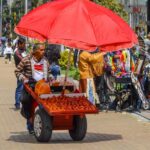
You’ll meet at Plazoleta del Chorro de Quevedo, next to the fountain by the yellow umbrella. Daily departures run at 10am and 2pm, and the tour lasts about 150 minutes, so it fits nicely into a day that’s already packed with city sights.
I like that the meeting point is clear and central. It matters in Bogotá because you’ll get the walk rhythm and momentum right away, instead of spending your first hour hunting for your group.
Bring your basics: comfortable shoes, water, camera, and sunscreen. And yes, you’ll want weather-friendly layers, because the tour includes an umbrella in case it rains, but you’re still outside for most of the time.
You can also read our reviews of more guided tours in Bogota
La Candelaria on foot: where murals become a language
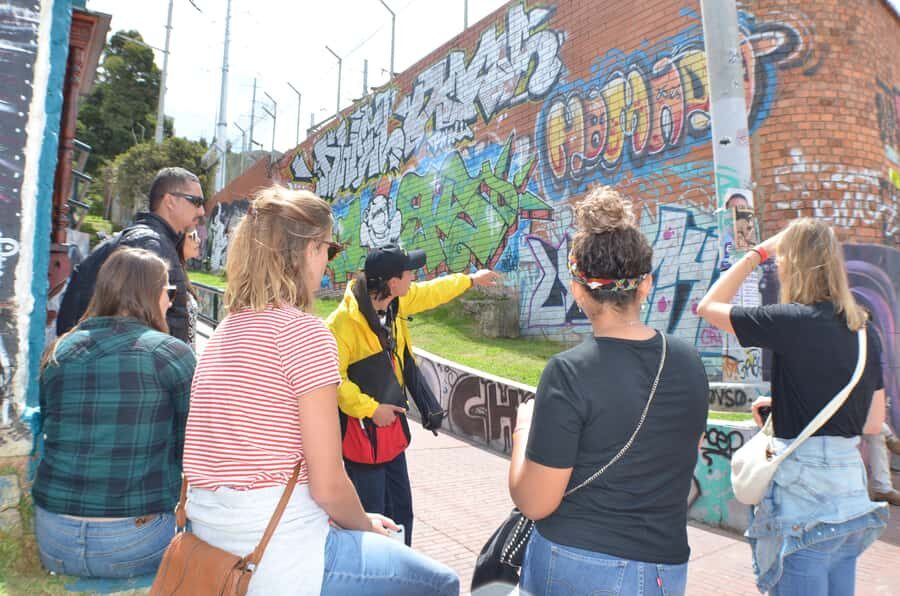
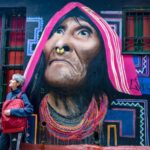
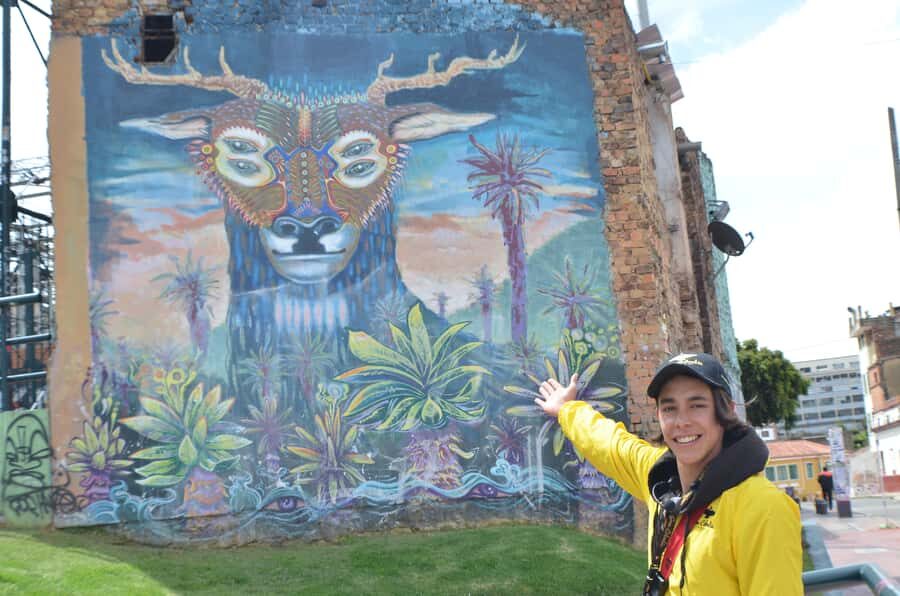
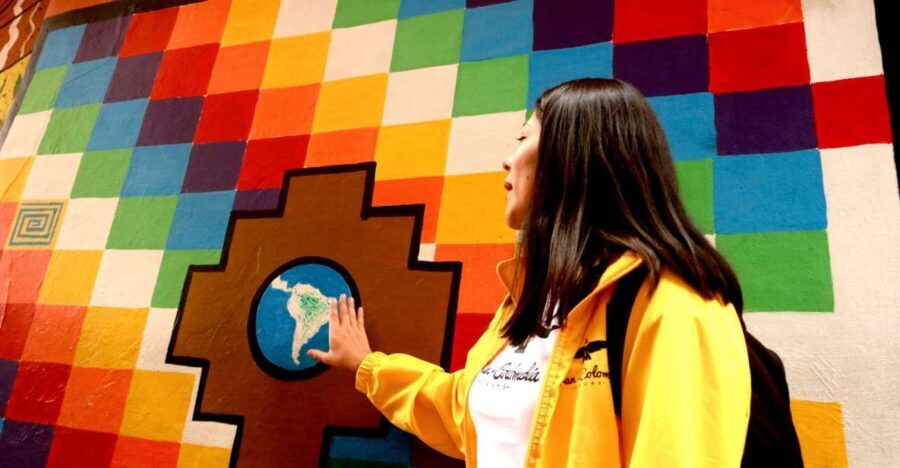
The heart of the tour is a guided walk through La Candelaria, the downtown neighborhood where the walls act like a public bulletin board. You’ll see multiple graffiti works and murals, and your guide ties them to local conversations—especially how street art can reflect social realities and cultural identity.
This is where the tour earns its ticket. I love that the guide gives you a short introduction to the why before you look at the what. With that framing, details like symbols, lettering styles, and recurring themes feel less random and more intentional.
Expect to hear about major local artists and crews, including 3 Manos and Ledania. You’ll also get names in the mix such as Carlos Trilleras, Wosnan, and Ocio 4—useful if you want to track their work after the walk with your camera roll and a quick search later.
What to look for during the walk (so your photos mean something)
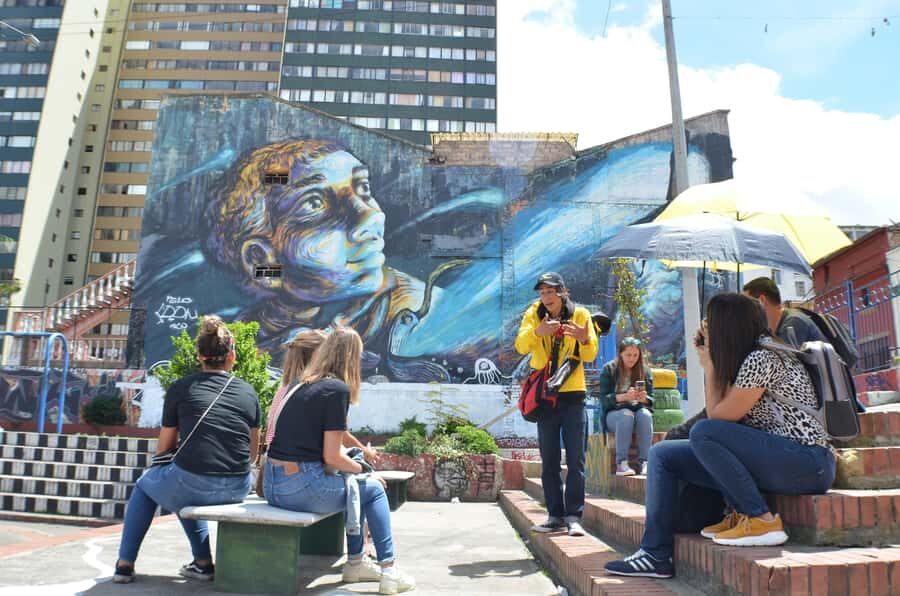
If you’re the kind of person who just shoots pictures, this tour still works. But if you want more from your time, watch for these things as you go.
First, look for repeated motifs—especially those tied to indigenous ancestry and how it relates to the city. Second, pay attention to who gets the space: the guide highlights artists’ roles and, in particular, how women’s graffiti contributes to the spread and visibility of the art.
Finally, don’t only aim at the biggest wall. Some of the strongest storytelling can be in the smaller panels and side surfaces where letters and symbols sit one step off the main line of sight.
A small heads-up from how these tours are commonly run: some guides may use short supplemental videos to help you understand specific murals. Even if that’s not part of every stop, the tour is structured to keep you looking and listening, not just walking.
La Concordia Market: street art next to real downtown life
You’ll pass by La Concordia Market, a quick stop that functions like a bridge between art and everyday Bogotá. The point isn’t shopping. It’s context: markets gather people, trade ideas, and blend influences, which is exactly the kind of energy that shows up on walls.
Even a short visit helps your brain connect the mural messages to something tangible. You see how the neighborhood’s identity is shaped by constant movement, conversation, and small cultural collisions.
One practical note: since this stop is brief, keep your timing tight. If you’re lingering, you might lose the chance to hear what your guide is pointing out nearby.
Journalists’ Park: reading murals like headlines
Next comes Journalists’ Park, another guided stop designed to make you slow down and interpret. The name already hints at the idea: these walls can feel like public reporting, where artists retell stories, comment on society, and push back against silence.
This is one of the stops where you’re likely to get the most meaning-per-minute. The guide’s role here is to help you connect the artwork to themes like identity, power, and community memory—so you leave with more than images.
If you like photography, this is a good moment to take photos from a couple angles. Street art can look very different once you shift your viewpoint, and you’ll notice the layering more clearly.

Women in graffiti, indigenous themes, and the names that matter
A standout part of this experience is how it addresses women graffiti artists and their role in spreading the art. Instead of treating women as an afterthought, the tour builds them into the story of the neighborhood’s artistic voice.
You’ll hear about artists such as Bastardilla, Vera, and Ledania. And you’ll also learn how artists retell their Indigenous ancestry and connect it to city life—less like a museum display, more like a living conversation.
This theme is what makes the tour feel more grounded than a standard “cool street art” walk. It gives you a reason for the colors and styles you’re seeing, and it helps you understand why certain works may feel urgent, personal, or political.
The La Candelaria photo stop: time to shoot without rushing
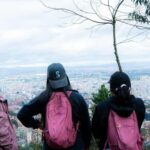
There’s a dedicated photo stop back in La Candelaria, which is a smart move. It lets you return to the area you’ve already been walking through, but now you understand what you’re seeing—so your pictures become a record of meaning, not just aesthetics.
If you’re planning to use your photos later for journaling or sharing, this is the moment to slow down. Take one “wide” shot to show context, then get closer for lettering, texture, and any symbols your guide highlighted earlier.
Also, keep an eye on group pacing. You don’t want to wander off and miss the next explanation—your guide asks the group to stay together, and it keeps the flow smooth for everyone.
Café Herencia coca leaf tea: the end you’ll actually remember
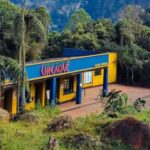
The tour finishes at Café Herencia with a cup of coca leaf tea. It’s more than a drink stop. The café is described as a place that supports local artists, and the setting is part of the experience.
Why does this matter? Because it keeps the day’s theme consistent. Instead of treating street art as something you only see on the street, you get a moment where art culture lives inside a neighborhood business.
If you’re curious, ask the guide when you’re there about what you should notice in the art around the café. Even without extra info, the change of setting gives your eyes a break and helps you process what you saw during the walk.
Price and logistics for a 150-minute downtown art walk
At $16 per person for about 150 minutes, this tour is strong value if street art is one of your Bogotá priorities. You’re paying for a guided walk that includes interpretation, multiple stops in La Candelaria’s core, and the coca tea at the end.
You should plan for the fact that transportation isn’t included. That usually means you’ll want to build this around other nearby activities or keep a taxi/ride option handy if your day starts far away.
Good to know: the tour includes all risk insurance and an umbrella. Those extras don’t change the art itself, but they reduce hassle—especially when downtown weather shifts quickly.
As for language, guides operate in Spanish and English. One caution: the group may run both languages at the same time, so if you’re relying on one language only, stay close and watch your guide’s cues.
Who this tour is for (and who should choose something else)
You’ll love this tour if you want to see Bogotá beyond postcard sights. It’s especially good for people who like context—who want to know what the symbols mean, why certain murals matter, and how street art connects to identity.
It also suits solo travelers because the small group size makes it easier to ask questions. And if you’re a photographer, you’ll likely come away with a lot of shots once you understand what to look for.
Choose a different experience if you prefer long museum-style stops or you struggle with walking. This tour is built around moving through downtown, so comfort footwear matters.
Should you book Bogotá: La Candelaria Graffiti & Urban Art Guided Tour?
If you’re visiting Bogotá for a short time and you want your street art time to feel purposeful, I’d book it. The mix of La Candelaria murals, meaningful socio-political framing, women artists’ perspectives, and the coca tea finale adds up to a trip that feels like you’re learning a new way to read the city.
Do it if your priority is interpretation, not just pictures. It’s also a solid pick if you want to meet the downtown’s energy through La Concordia Market and Journalists’ Park instead of treating the walls like isolated artwork.
FAQ
Where does the tour start?
Meet at Plazoleta del Chorro de Quevedo, next to the fountain by the yellow umbrella.
What time does the tour run?
The tour meets every day at 10am and 2pm.
How long is the tour?
It lasts about 150 minutes.
How much does it cost?
The price is $16 per person.
How big is the group?
It’s a small group limited to 10 participants.
What languages are available?
Live guides speak Spanish and English.
What’s included in the price?
A Gran Colombia Tours guide, socio-political context of street art, visits to several graffiti in downtown Bogotá, a Colombian tea tasting, all-risk insurance, and an umbrella in case of rain.
What should I bring?
Bring comfortable shoes, a camera, sunscreen, and water, plus weather-appropriate clothing.