Bogotá hits you fast, and this tour helps you see the city in a focused burst. I love how it mixes big-icon Bogota (Mount Monserrate and its viewpoints) with real neighborhood texture in La Candelaria. I also like that your guide keeps it practical and adjustable, so the day feels tailored instead of scripted. One thing to consider: it runs in a tight time window, so comfortable shoes and a little altitude planning matter.
The price is $200 per person for a private, 4 to 6 hour experience, and the value comes from what it includes: admission fees and public transportation fares are covered, plus pickup and private transportation. A possible drawback is timing—Museo del Oro is closed on Mondays, and you’ll want to plan around that so your schedule doesn’t get cut.
In This Review
- Key highlights worth knowing
- Bogotá for Your Half-Day: What $200 Buys You
- Mount Monserrate by Cable Car or Funicular: Views and Sacred Corners
- Museo del Oro: A Short Stop with a Big Identity Lesson
- La Candelaria on Foot: Colorful Streets, Theater, and Chorro de Quevedo
- Plaza de Bolívar: Power, Faith, and Big Buildings in 20 Minutes
- The Real Benefit of a Private Guide in Bogotá
- Timing, Crowds, and How to Plan Your Day
- Price and Value: Is This a Smart Move for Your Bogotá Trip?
- Should You Book This Bogotá City Tour?
- FAQ
- FAQ
- How long is the Bogotá city tour?
- Is this tour private or shared?
- What does the tour include?
- Is lunch included?
- Can I choose my start time?
- Which museum is closed on Mondays?
- Is the Botero Museum always open during the tour?
- Where does the tour operate?
- What if I need to cancel?
- Is the tour suitable for most travelers?
Key highlights worth knowing
- Mount Monserrate at 3,172m with options to ride up by cable car or funicular
- Museo del Oro ticket included, with a short, efficient visit
- La Candelaria sights like Chorro de Quevedo and Colonial-era streets
- Plaza de Bolívar photo-and-people-watching around major government landmarks
- Private tour for your group with flexible start times
- Mobile ticket + pickup + transport so you spend less time figuring things out
Bogotá for Your Half-Day: What $200 Buys You
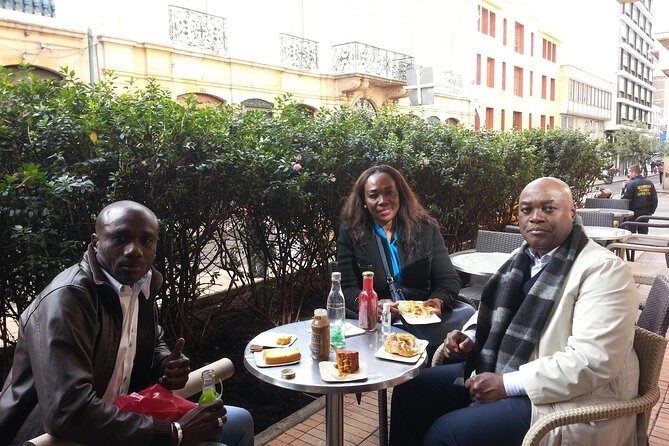
This isn’t a slow, all-day “see everything” plan. It’s a smart half-day format that concentrates the best-known highlights of central Bogotá, then puts them into context through a local guide. For you, that usually means less wandering, fewer wrong turns, and a clearer sense of where you are and why it matters.
I also like how the inclusions reduce friction. Admission fees and public transport fares are part of the package, so you’re not doing mental math every time you stop somewhere. Add pickup and private transportation, and you get more time on the streets and viewpoints, not in transit.
Is it worth $200? For Bogotá, it can be, because it’s private and it bundles several paid stops. If you were to do Monserrate and the Gold Museum on your own, plus hire a guide just to stitch it together, the “hidden costs” add up fast. The tour also leaves you room to customize the day, which is often where private experiences shine.
Where value gets better: if you want to hit the top sites but still prefer guidance over crowd logistics. Where value gets weaker: if you’re the type who loves long self-guided days and you already know your way around central Bogotá.
You can also read our reviews of more city tours in Bogota


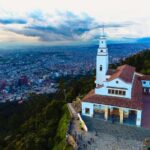
Mount Monserrate by Cable Car or Funicular: Views and Sacred Corners
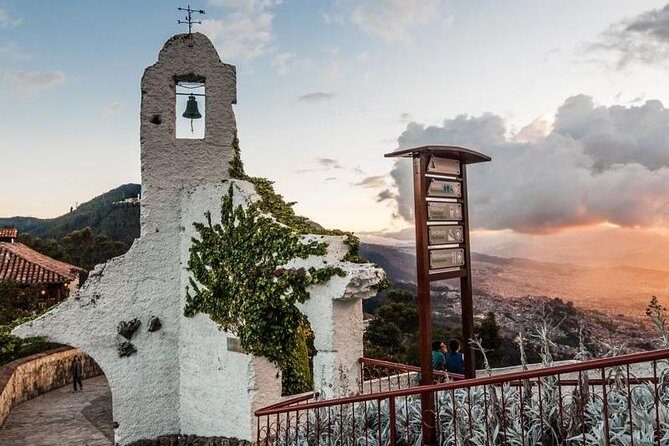
Mount Monserrate is Bogotá’s big signature landmark, and it earns its place early in the tour. You’ll ride to the top at about 3,172 meters above sea level, then spend around an hour taking in the viewpoints and the religious spots around the summit.
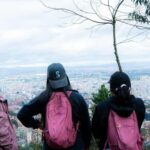
You’ll have two ride options: cable car or funicular. Either way, the payoff is the same: wide city views that make Bogotá feel more like a real world capital and less like a map. From up there, you’ll understand why people get such strong opinions about the city layout—steep hills, dense neighborhoods, and the “how did they build all this?” feeling you can’t get from street level.
Beyond the view, Monserrate has layers of worship and architecture. You can visit a 17th-century chapel, a 20th-century Catholic church, and a shrine connected with El Señor Caído (Fallen Lord). That mix makes the landmark more than a viewpoint. It’s also a reminder that for many locals, this is a pilgrimage place, not an attraction.
A practical note: even on a clear day, the altitude can feel cooler and sharper on your face. Bring a light layer and keep your time at the top unhurried. You’ll want to enjoy the panorama without rushing because you feel chilly or out of breath.
Museo del Oro: A Short Stop with a Big Identity Lesson
Next comes Museo del Oro (Gold Museum). Your visit is around 20 minutes, and the ticket is included. The reason this short stop works is that the museum’s focus is direct: Colombia’s pre-Hispanic goldwork and the long story behind it.
You’ll be looking at what many people describe as the world’s largest pre-Hispanic gold collection. Even if you’re not a museum fanatic, the visual style hits fast—metalwork that shows skill, symbolism, and cultural identity rather than random artifacts. Think of it as a quick “identity read” for the country before you jump into the city’s colonial neighborhood streets.
Two planning details matter here:
- The museum is closed on Mondays.
- If you’re coming on a different day, you can still expect a streamlined visit that fits the half-day tour format.
If you want a slow, deeply analytical museum session, this stop might feel too brief. But if your goal is to get oriented and then spend your time walking Bogotá’s center, it’s a good use of time.
La Candelaria on Foot: Colorful Streets, Theater, and Chorro de Quevedo
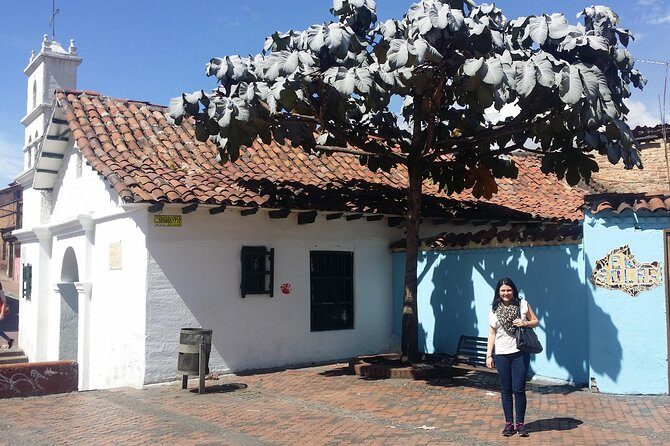
La Candelaria is Bogotá at street level. This part of the tour is about walking through the historic district and letting the neighborhood’s details do the talking: Colonial-era color, tight street geometry, and old landmarks that still shape how locals move through the city.
You’ll spend about one hour here, which is enough time to feel the area without turning it into a “we walked for hours and now I need to lie down” situation. The guide helps you connect dots you’d miss if you just wandered.
What you can expect to see includes:
- Colonial, colorful architecture
- The Botero Museum (but it’s closed on Tuesdays)
- The Colón Theater
- Chorro de Quevedo, where the city is supposed to have been founded in 1538
That last stop is one of the most memorable types of places in older Latin American cities. It’s not just a photo spot—it’s a way to anchor your mental timeline. Standing there, you start to understand Bogotá as something that kept growing outward, changing its center, and building layers on layers.
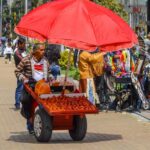
The best part of La Candelaria is that it feels lived in, not staged. You’re not only looking at monuments; you’re moving through the area where people actually go about their day. If your guide adds extra time for small neighborhood moments—like local market-style tastings or a quick neighborhood ride—those can turn this from “highlights” into “I’ll remember this.”
One drawback: you’ll be mixing time walking and time traveling by vehicle. So if you’re expecting a fully walking tour, plan for some in-between transit.
Plaza de Bolívar: Power, Faith, and Big Buildings in 20 Minutes
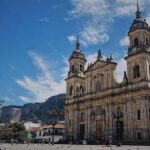
Then you’ll hit Plaza de Bolívar de Bogotá, the historic main square where major institutions stack up around you. This stop is shorter—about 20 minutes—but it’s packed with visual impact because the buildings are huge and formal.
You’ll see several key landmarks, including:
- Catedral Primada
- Presidential Palace
- National Capitol
- Casa 20 de Julio
- Lievano Palace (the Mayor’s Office)
- Justice Palace (Supreme Court Palace)
The value here isn’t spending time reading plaques. It’s getting your bearings about how the city organizes power. Once you’ve looked at the square, Bogotá starts to make more sense as a place where government, history, and public life physically occupy the same space.
A quick tip: use this stop to take a few slow photos and then switch gears. If you treat it like a museum, you’ll feel rushed. If you treat it like a city snapshot, it lands well.

The Real Benefit of a Private Guide in Bogotá
The star of a tour like this is often the guide, because they decide how much context you get and how well you connect the stops. On the best-run versions of this experience, the guide style is friendly and low-pressure—more “let’s make this make sense” than “listen to a lecture.”
You’re not stuck with a rigid group schedule either. With a private format, you can ask questions as you go: what a neighborhood name means, why a building sits where it does, or what to watch for from Monserrate down into the city.
That flexibility is also why the customization matters. You can shape the day around what you care about more—views, museums, history walks, or photo time. In practice, that means your “must-sees” are more likely to match your actual interests, not just what’s efficient for the operator.
One more note: some guides may add small extra touches that aren’t part of the core landmarks, like local fruit tastings or a neighborhood ride segment. Those are the kinds of moments that turn a tour from checklist travel into something more memorable. Don’t assume it will happen every time, but it’s a good sign of what a good guide can do with spare time.
Timing, Crowds, and How to Plan Your Day
This tour runs in a set window: Monday to Wednesday, 9:00 AM to 2:00 PM. So you’ll want to choose days strategically, especially if you care about specific museum closures.
Key schedule checks before you book:
- Museo del Oro is closed Mondays.
- Botero Museum is closed Tuesdays (if it’s on your route that day).
If you want the smoothest day, pick a morning start. It gives you daylight for Monserrate views and keeps you from feeling rushed at the end. Also, daylight helps you see the details in La Candelaria street scenes.
What you should plan to bring:
- Comfortable walking shoes for La Candelaria
- A light layer for Monserrate’s altitude
- A camera or phone with enough storage (you’ll use it)
- Basic hydration—water helps when you’re moving and climbing
Lunch isn’t included. So either plan to eat right after the tour or bring a light plan for before you meet. If you’re prone to low energy, don’t wait until you’re hungry to figure it out.
Price and Value: Is This a Smart Move for Your Bogotá Trip?
At $200 per person for 4 to 6 hours, you’re paying for three things: a guide, private transportation/pickup, and admissions/public transport included. If you compare that to doing the same sites without a guide, the price can feel high. But if you include the cost and hassle of planning and ticketing on your own, it can start to look fair.
Where the value is especially strong:
- You want Monserrate + Gold Museum in one connected day.
- You prefer a guide to explain what you’re looking at, instead of guessing.
- You want the convenience of pickup and private transport.
- You’re traveling with a group that would benefit from staying together.
Where you might rethink:
- If you’re visiting just to wander and don’t care about guided context.
- If you already know exactly how to move between stops efficiently.
- If you’re looking for a long museum-heavy itinerary. This is a highlight-focused half-day.
Should You Book This Bogotá City Tour?
I’d book it if you want a smart first taste of Bogotá: viewpoints up high, a quick but meaningful museum stop, and a walk through the historic heart of the city. It’s especially good for first-timers who want structure without feeling trapped. The private format and included tickets make it easier to trust your day will run smoothly.
I’d skip or rethink if you’re coming only for deep museum study or you’re trying to build a very relaxed, open-ended day with no set stops. In those cases, you’ll likely want either longer museum time or a different kind of tour.
FAQ
FAQ
How long is the Bogotá city tour?
It lasts about 4 to 6 hours.
Is this tour private or shared?
It’s a private tour, so only your group participates.
What does the tour include?
It includes private transportation and pickup, plus admission fees and public transportation fares. A mobile ticket is also part of the experience.
Is lunch included?
No, lunch isn’t included.
Can I choose my start time?
Yes, flexible start times are available.
Which museum is closed on Mondays?
The Museo del Oro is closed on Mondays.
Is the Botero Museum always open during the tour?
No, the Botero Museum is closed on Tuesdays.
Where does the tour operate?
It operates Monday through Wednesday from 9:00 AM to 2:00 PM.
What if I need to cancel?
You can cancel for a full refund if you cancel at least 24 hours before the experience starts. If you cancel within 24 hours, the amount paid isn’t refunded.
Is the tour suitable for most travelers?
Most travelers can participate. Service animals are allowed.