REVIEW · BOGOTA
Bogota: Bicycle City Tour
Book on GetYourGuide →Operated by Bogota Bike Tours · Bookable on GetYourGuide
Pedaling Bogotá turns a first visit into stories. This bike tour threads through La Candelaria, food markets, coffee, street art, and a round of tejo, with bilingual guidance in Spanish or English. You’ll see more of the city in one afternoon than you could manage on foot, and you’ll learn how Colombians live day to day.
I love the hands-on food stops, especially the fruit market, where guides slice, chop, and steer you from stall to stall until you’re tasting far more than you expected. I also love that the route is built around local perspective, so you’re not just checking off famous buildings—you’re riding past neighborhoods, plazas, and parks where the city’s personality shows up fast.
The main drawback is that this is an urban ride with some traffic and a decent amount of cycling time, plus it runs rain or shine. If you’re not comfortable in city cycling, or you need a wheelchair-friendly setup, this likely won’t fit.
In This Review
- Key highlights you’ll feel right away
- Starting in La Candelaria: where the ride makes sense
- How the route blends plazas, history, and everyday neighborhoods
- The fruit market: why this stop is worth the price by itself
- Tejo and the bullfighting stadium: two very different cultural stops
- Coffee roaster visit: seeing how Bogotá’s favorite drink gets made
- Street art and off-the-beaten-path moments you can actually reach
- Safety, bikes, and the real pace (mostly flat, still an urban workout)
- Price and value: what $19 buys in a 4.5-hour ride
- Should you book this Bogotá bicycle city tour?
- FAQ
- How much does the Bogotá bicycle city tour cost?
- How long is the tour?
- Where is the meeting point?
- What is included in the price?
- What should I bring?
- Does the tour run in rain?
- What languages are the guides?
- Can I cancel for a full refund?
- Is this tour suitable for wheelchair users?
Key highlights you’ll feel right away
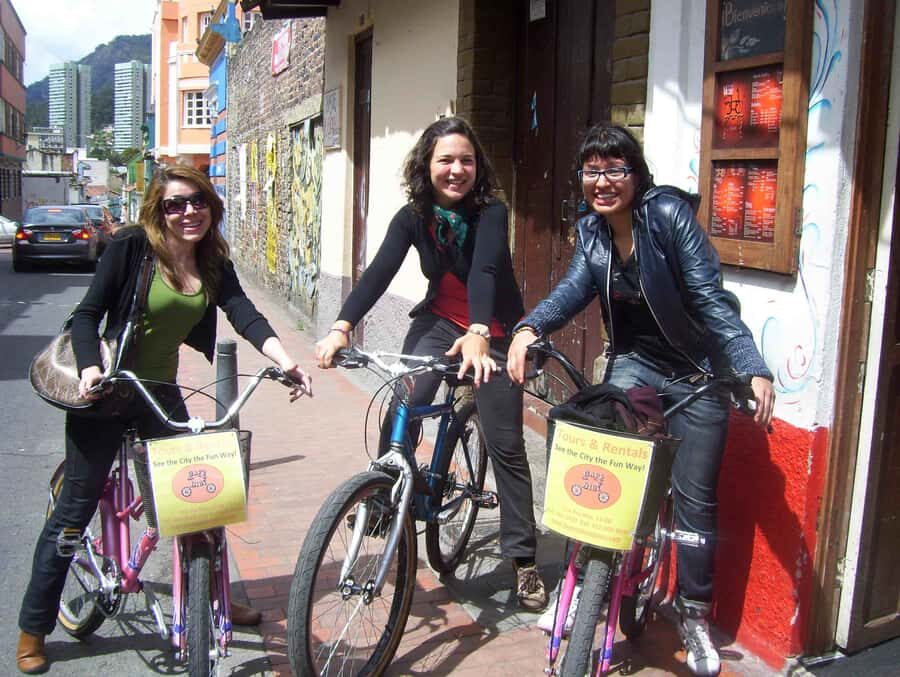
- Fruit market tastings that turn into a full-on snack mission with multiple stops and lots of variety
- Tejo time, giving you a taste of a national sport rather than only watching from the sidelines
- A visit to a traditional coffee roaster, where coffee becomes part of the story, not just a souvenir
- Street art and local viewpoints that you’d miss if you only stayed in the historical core
- Safety-minded bike support, including attentive guides and mechanics like Manuel or Omar (names you may run into on tour)
Starting in La Candelaria: where the ride makes sense
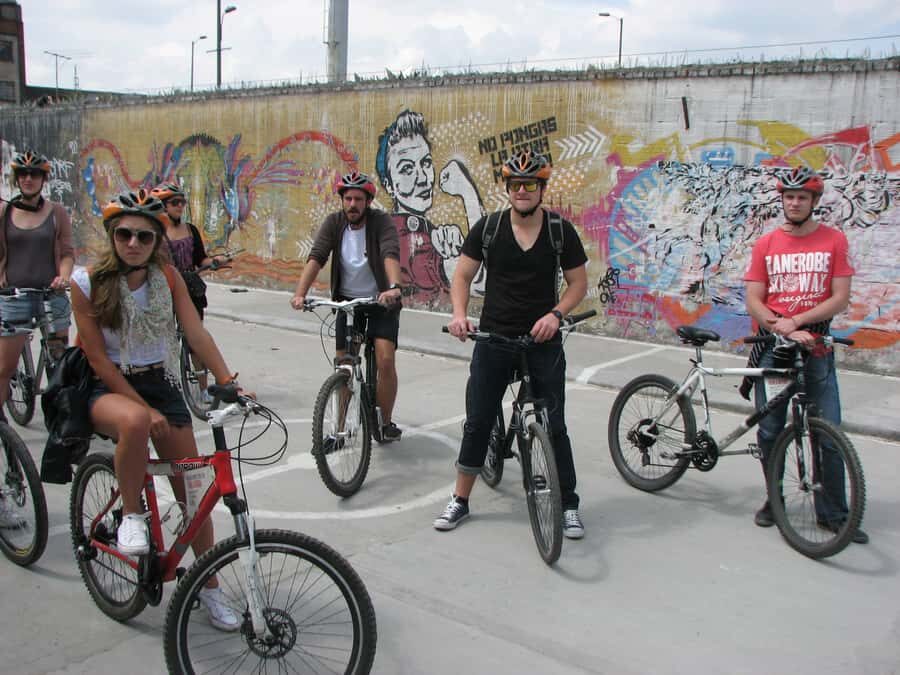
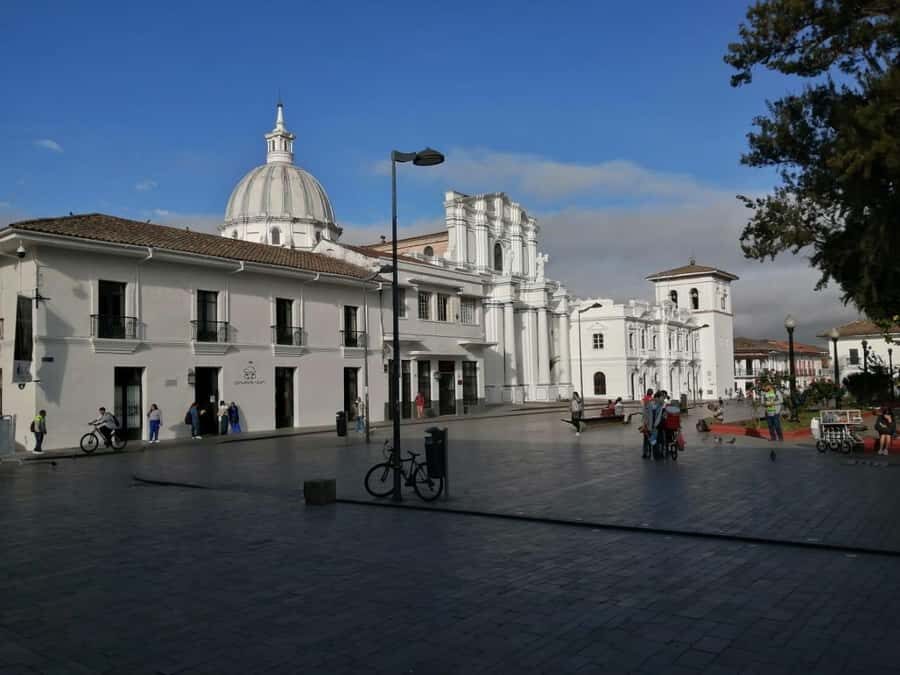
You meet at Carrera 3 No. 12-42 in La Candelaria, which is a smart launch point. It puts you close to Bogotá’s older streets and historical center, so the first minutes already feel like you’ve entered the real city, not an isolated attraction bubble.
This matters because Bogotá is big, and the best early-day strategy is orientation. Once you’re on the bike, you can follow the guide’s rhythm—ride, stop, learn, ride again—without trying to map everything yourself.
Also, the exact route can vary depending on weather, special events, and the day’s conditions. That’s not a problem so long as you know the goal stays the same: a mix of food, culture, and major sights from an on-the-street perspective.
You can also read our reviews of more city tours in Bogota
How the route blends plazas, history, and everyday neighborhoods
This is an urban tour, so think “city ride with culture stops,” not a quiet countryside spin. You’ll cycle through areas that include the historical center, plazas, parks, and different neighborhoods, with plenty of breaks along the way.
Because the terrain is mostly flat, you’re not fighting steep climbs for most of the route. Reviews also point out bikes with gears, so even if you’re not a daily cyclist, you can keep a comfortable pace as long as you pay attention and follow the guide.
One thing to expect is traffic. You’ll still get moments of open-feeling cycling between stops, but you should be mentally ready for cars, buses, and general city motion—especially near major sights.
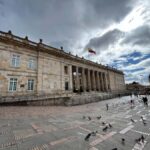
And yes, there are big-name waypoints on the ride. The route includes stops around the Central Cemetery and the bullfighting stadium, plus a run through key areas of Bogotá that help you understand how the city grew into what it is now.
The fruit market: why this stop is worth the price by itself
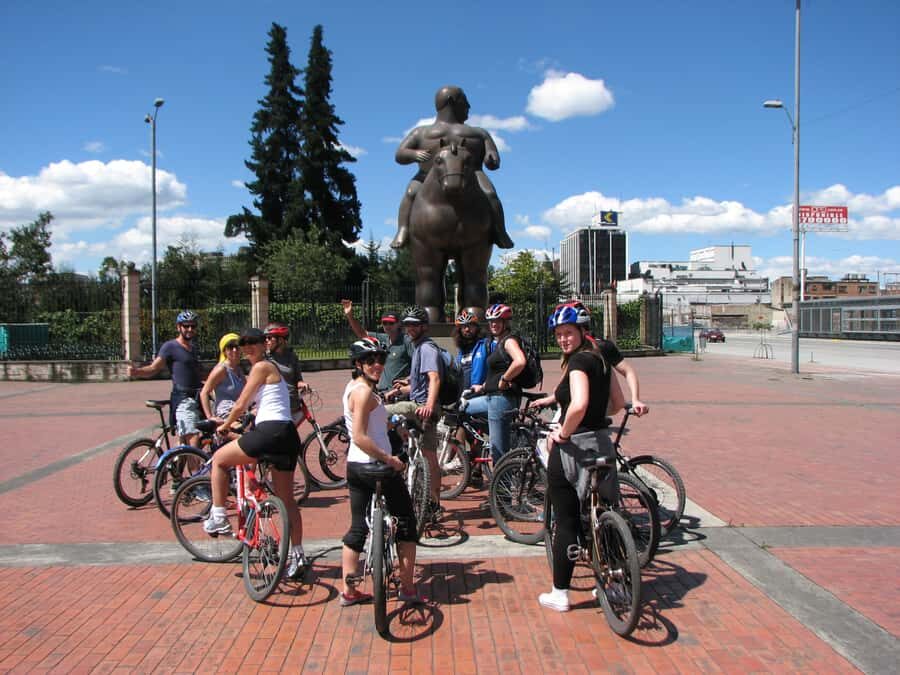
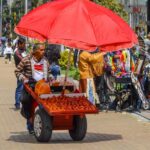
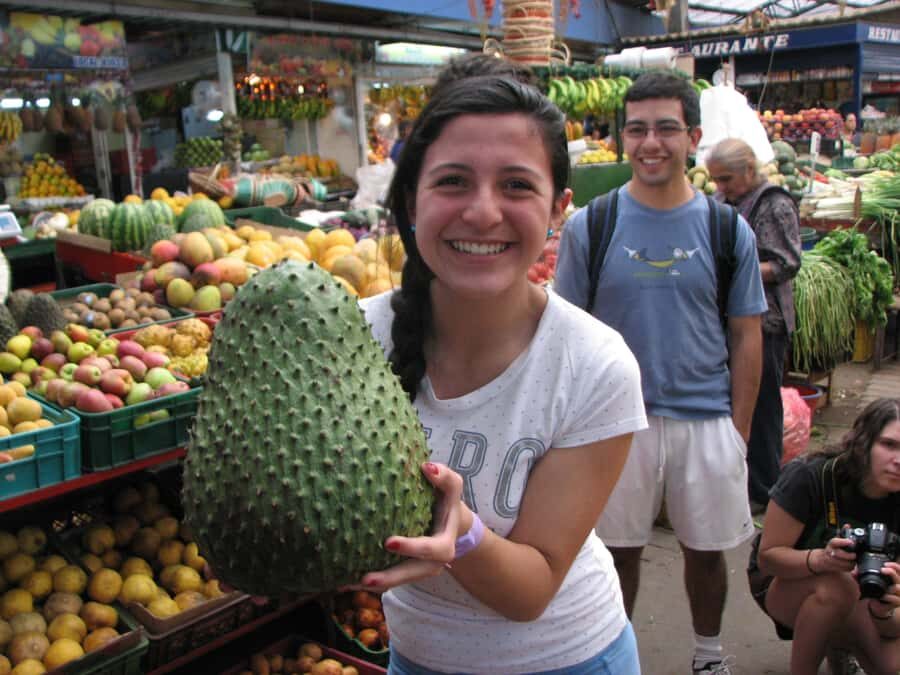
If you’re the type of person who loves food, this is the moment you’ll remember. The tour takes you to a huge fruit and vegetable market where you taste a wide range of exotic fruits that you probably won’t find in your hotel neighborhood.
Guides don’t just point at stalls. They help with slicing and chopping, and the whole tasting becomes a guided tour of flavors—sweet, tangy, watery, aromatic—so you learn what things are called and why locals buy them.
A great sign of value here: this isn’t limited to one tiny sample. The market stop is described as going stall to stall with lots of tastings, and you may find yourself trying dozens of varieties by the time you’re done.
Practical tip: if you’re picky, go slow at first and let your guide help you choose. One review notes a situation where a family member was singled out around fruit tasting guidance, which is a reminder that not everyone’s food comfort level is the same. If you have dietary worries, tell your guide early so they can guide you toward options that feel right.
Tejo and the bullfighting stadium: two very different cultural stops
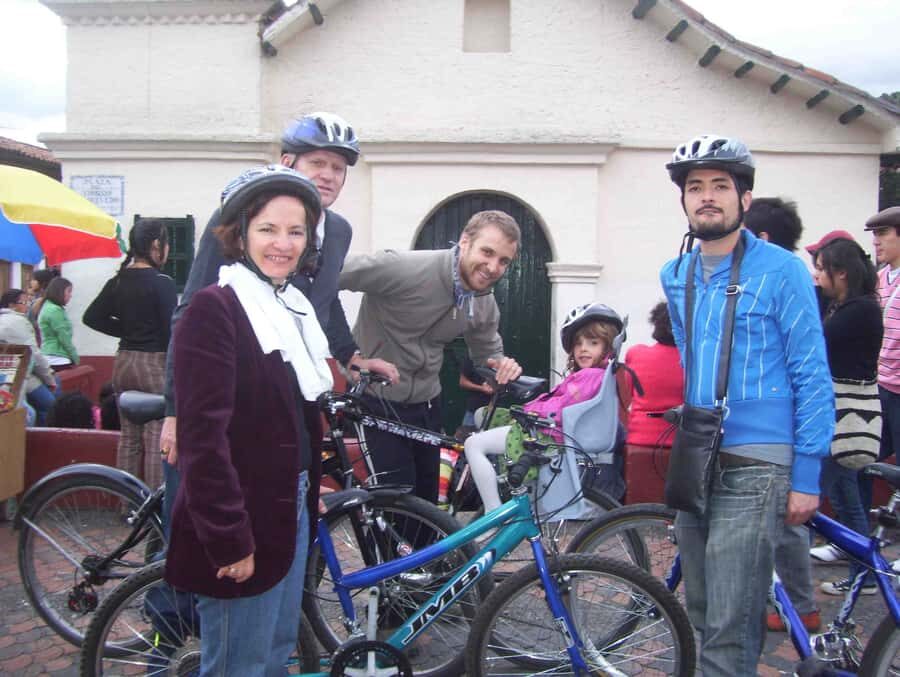
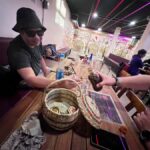
Tejo is one of the headline experiences for this tour, and you don’t just hear about it—you play tejo. That’s a big difference from sitting in a café while someone tells you about culture. Here, you get a hands-on activity that makes the country feel more immediate.
Pair that with a visit around the bullfighting stadium, and you’ll get a contrast. One stop is about a national sport people play; the other connects to a very public historical tradition tied to spectacle.
The value isn’t only the activities. It’s the way the guide helps you connect what you see to Colombian culture and daily life. Reviews mention guides sharing history and social context while they lead you between places, which is exactly what you want from a city tour.
You should also know that some days feel easier than others for biking. One review specifically notes Sundays can be more relaxed because roads may be closed for cycling, which can mean smoother navigation and less stress when you’re moving between stops.
Coffee roaster visit: seeing how Bogotá’s favorite drink gets made
A coffee stop is part of this tour, but it’s not treated like a quick caffeine pit stop. You visit a traditional coffee roaster and get a clearer picture of how coffee moves from bean to cup.
You’ll also get to taste coffee, and the cardamom-and-anise style mentioned in one review is the kind of detail that makes this more than a generic sample. Think of it as a sensory lesson: aroma first, then flavor, then the story behind why locals drink it the way they do.
This matters for value because it’s included in the guided experience. You’re not spending extra time hunting for a good roaster on your own, and you’re not relying on luck for whether the tasting is actually interesting.
If you’re a coffee person, you’ll leave with a sharper sense of what to look for when you see Colombian beans on menus later. If you’re not a coffee person, the benefit is still there: you’ll understand Colombia through one of its most iconic products.

Street art and off-the-beaten-path moments you can actually reach
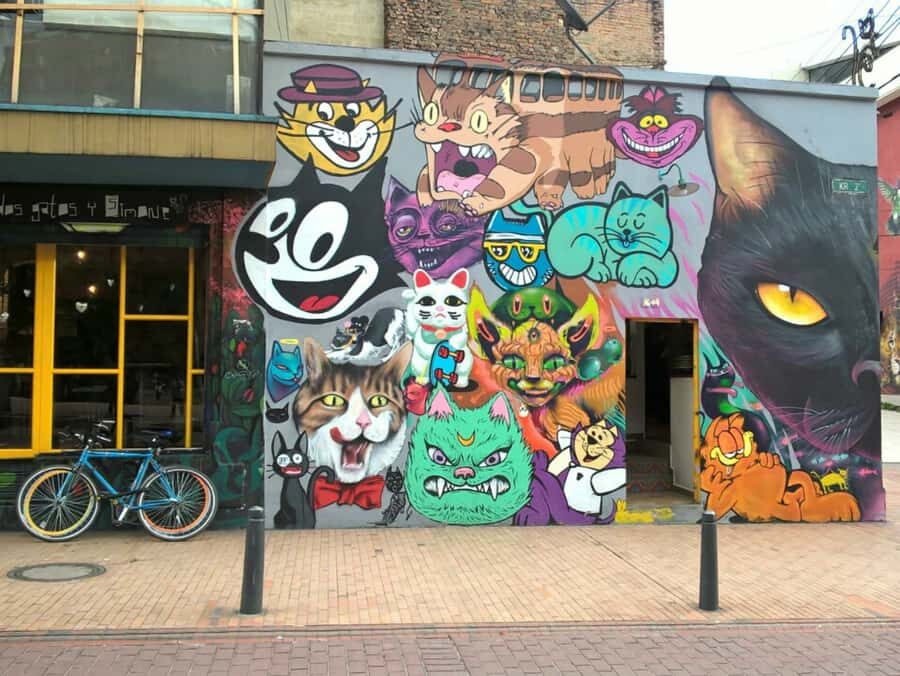
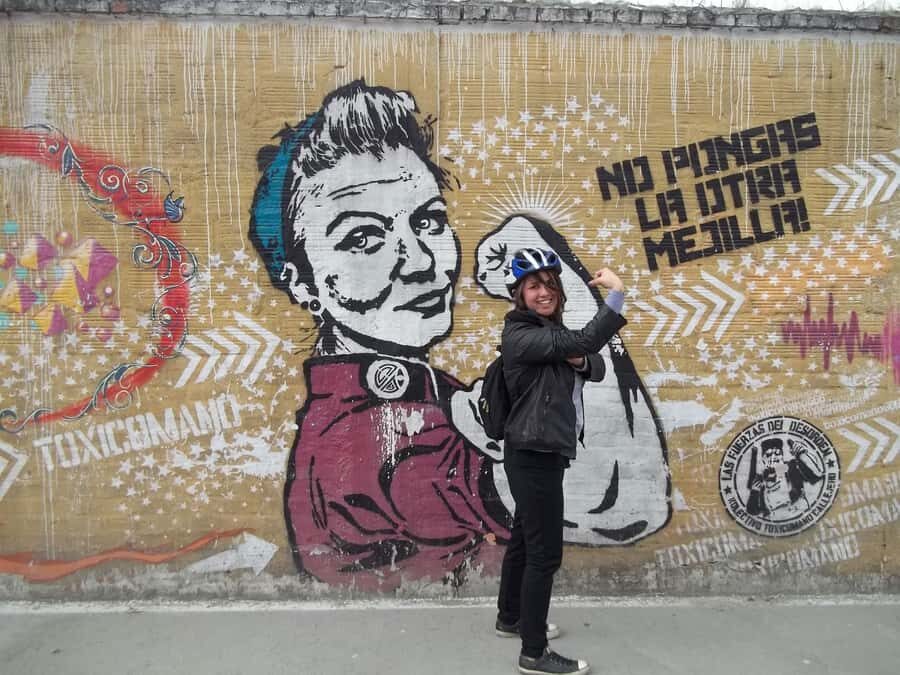
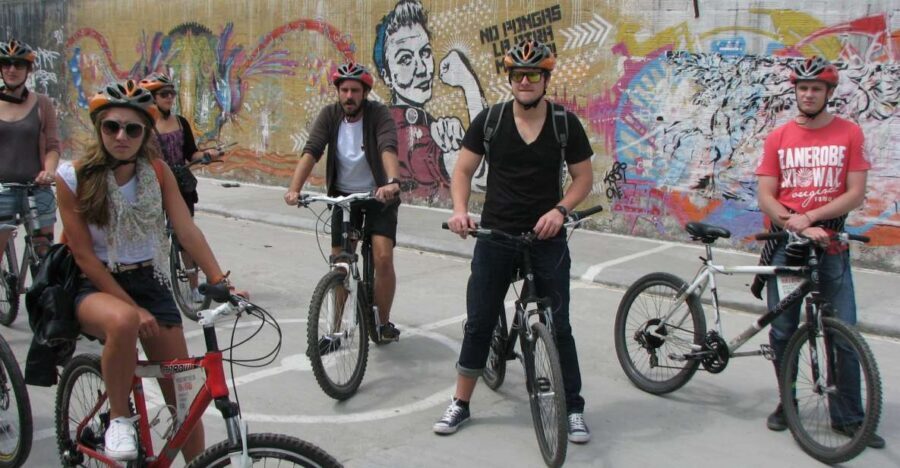
Bogotá’s street art isn’t just decoration here; it’s part of how people communicate. The tour includes stops for great street art, with guide commentary that helps you understand what you’re seeing and how artists fit into the city’s story.
One of the coolest possibilities from the routes you might experience: a street artist studio visit. A review mentions a bonus where the guide brought the group to the artist’s studio, which takes the street art from “wall viewing” into real context.
Even if you don’t get the studio bonus on your day, you’ll still ride through neighborhoods and viewpoints that you wouldn’t naturally stumble into on your own—especially if you’re only planning time around La Candelaria.
This kind of stop is also why a bike tour beats a bus tour. From the saddle, you get closer to the scale of buildings, the flow of sidewalks, and the texture of everyday life.
Safety, bikes, and the real pace (mostly flat, still an urban workout)
You get a bicycle and helmet included, and you’ll have a bilingual guide plus extra support that focuses on safety. Reviews repeatedly mention attentive mechanics and staff who stay close, helping with bike issues, securing equipment during stops, and keeping an eye on the group.
Bike condition looks strong across recent experiences, and guides have helped when someone struggled with gears. That kind of support turns a stressful moment into a quick fix, which is exactly what you want on a ride with traffic.
Now, the honest part: this is not a leisurely stroll. You’ll stop often, but there’s still cycling time across multiple neighborhoods. Terrain is mostly flat, but urban riding means you should be ready for starts, stops, and quick navigation cues.
Rain is another factor. The tour runs rain or shine, and one review mentions ponchos during heavy rain. So bring weather-appropriate clothing even if the morning looks calm.
Not suitable for everyone: the tour is listed as not for people with mobility impairments and not for wheelchair users. If that applies to you, consider a different format like a walking tour or private car-based sightseeing.
Price and value: what $19 buys in a 4.5-hour ride
At about $19 per person for a 270-minute experience, the value comes from what’s bundled. You’re getting bike and helmet, a bilingual guide, multiple culture stops, and several included activities—fruit market tastings, a coffee roaster visit, and tejo.
This price also works because the time is used efficiently. A 4.5-hour guided ride can give you an overview of Bogotá that you can build on for the rest of your trip, especially if it’s your first day.
There’s one catch to keep in mind: insurance is not included. If you rely on travel insurance, make sure your policy covers biking activities, since this is an active tour.
Also note that the tour includes skip-the-ticket-line access. The exact site that benefits isn’t spelled out here, but the point is simple: when a line exists, skipping it saves time so you spend more hours actually riding and tasting.
Finally, this tour has a very high rating—4.9 based on 2,156 reviews—which is a strong signal that most people feel they got what they paid for.
Should you book this Bogotá bicycle city tour?
Book it if you want a first-time Bogotá introduction that mixes food, local culture, and major sights without needing to plan a route. It’s a particularly good match for people who love street art, are curious about Colombian coffee, and enjoy trying national traditions like tejo in real life.
Skip it (or rethink it) if you’re not comfortable riding a bike in an urban environment with traffic. Even with a mostly-flat route and solid support, you still need bike confidence and the ability to handle weather since it runs rain or shine.
If you do have mobility limitations or need wheelchair access, this one isn’t listed as suitable. In that case, pick a different tour format that can meet your needs safely.
FAQ
How much does the Bogotá bicycle city tour cost?
It costs $19 per person.
How long is the tour?
The tour lasts 270 minutes (about 4.5 hours).
Where is the meeting point?
Meet at Carrera 3 No. 12-42, in La Candelaria, Bogotá.
What is included in the price?
The price includes a bicycle and helmet, plus a bilingual tour guide.
What should I bring?
Bring weather-appropriate clothing.
Does the tour run in rain?
Yes. The tour takes place rain or shine.
What languages are the guides?
Guides are available in Spanish and English.
Can I cancel for a full refund?
Yes. You can cancel up to 24 hours in advance for a full refund.
Is this tour suitable for wheelchair users?
No. It is not suitable for people with mobility impairments or wheelchair users.