REVIEW · BOGOTA
Bogota: Guided Colombian Emeralds Tour with Museum Entry
Book on GetYourGuide →Operated by Wontrip Tours · Bookable on GetYourGuide
Emeralds show their truth fast in Bogotá. This short tour through the center of Bogotá mixes city views with real-world gem know-how, and it’s built around learning what separates a worthwhile emerald from a disappointing one. I especially loved the 23rd-floor Bogotá viewpoint and the practical fake-vs-authentic emerald tips you can use right away.
The main thing to consider: the guide experience can feel uneven. If you’re expecting the guide to do all the educating, you may feel disappointed, since the museum itself runs its own explanations and one stop tied to the informal trade can vary depending on the day.
Still, if you want an efficient way to connect the dots between Bogotá street culture, the International Emerald Museum, and what you’ll actually find in jewelry counters, this is a solid 2-hour plan—just go in with the right expectations.
In This Review
- Key things to know before you go
- Finding the Gold Museum and the orange umbrella meetup
- The 23rd-floor Bogotá view that makes emerald talk easier
- Plaza del Rosario and the informal emerald trade reality check
- International Emerald Museum: included entry, museum-led explanations
- The workshop on extraction and carving: where the story becomes believable
- Learning to spot fakes: what you’re really paying for
- The jewelry store stop: useful context for real pricing and finish
- Price check: is $28 worth it for this 2-hour emerald plan?
- What to bring, and what to expect during the day
- Who should book this emerald tour (and who might skip it)
- Should you book? My straight answer
- FAQ
- How long is the Bogotá guided emerald tour with museum entry?
- Where does the tour start?
- Is the museum ticket included?
- What languages are the guides?
- What should I bring for the tour?
- Is hotel pickup included?
Key things to know before you go
- 23rd-floor city panorama to reset your bearings while you learn the gem basics
- Fake vs. real emerald training with clear criteria for quality
- Extraction and carving explanations that make the final jewelry make more sense
- Plaza del Rosario stop tied to the informal emerald trade energy
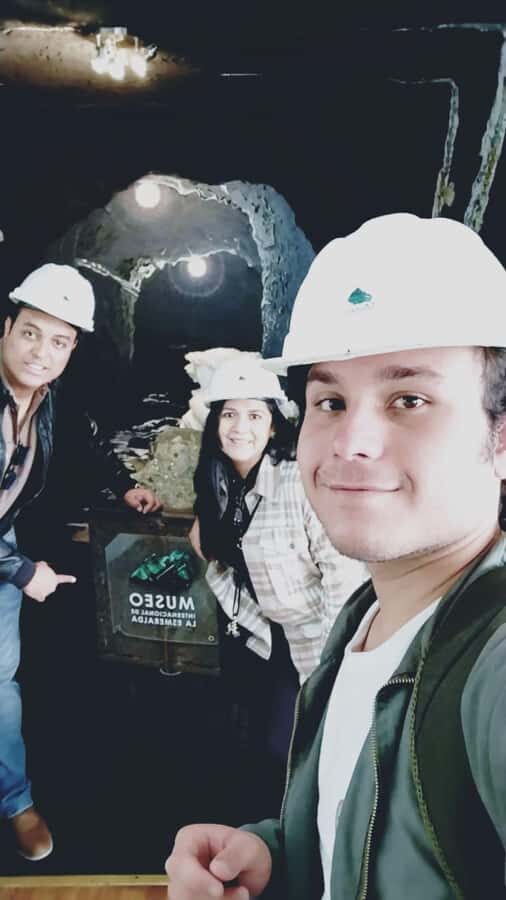
- Museum entry is included, but the museum guides do much of the deep explaining
- English and German guide options, with an orange umbrella at the meetup
Finding the Gold Museum and the orange umbrella meetup
You’ll start at Cra. 7 #15-1, meeting the guide in front of the Gold Museum. Look for the orange umbrella—this matters more than you’d think. Bogotá can be busy and signage can blur together when you’re trying to get a tour group moving on time.
This matters for value. With a tour that lasts about 2 hours, you don’t want to waste minutes regrouping outside. Plan to arrive a few minutes early, and have your ID or passport ready since you’ll be asked for it for entry.
You can also read our reviews of more guided tours in Bogota



The 23rd-floor Bogotá view that makes emerald talk easier
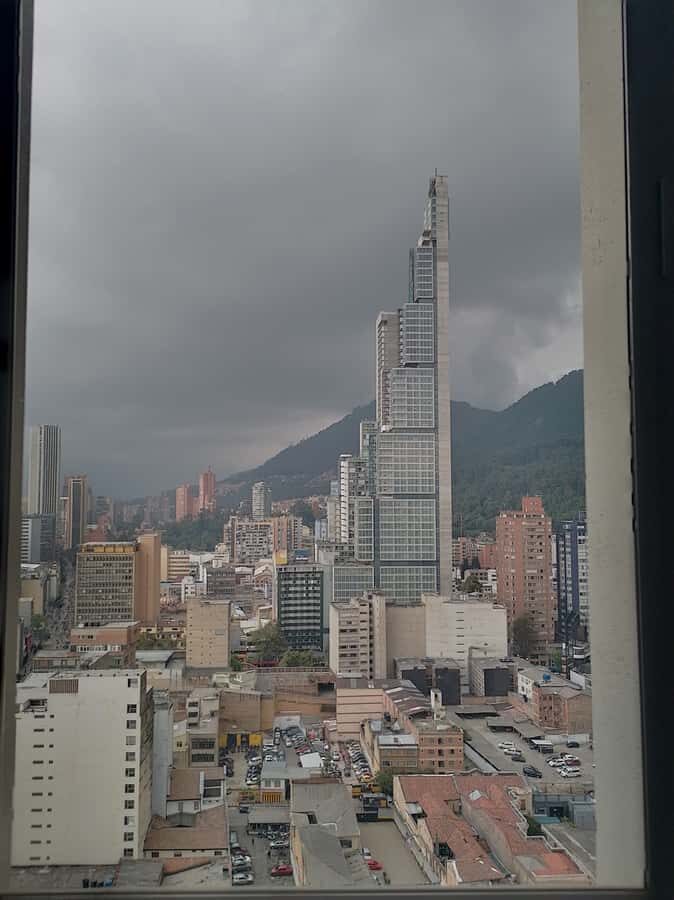
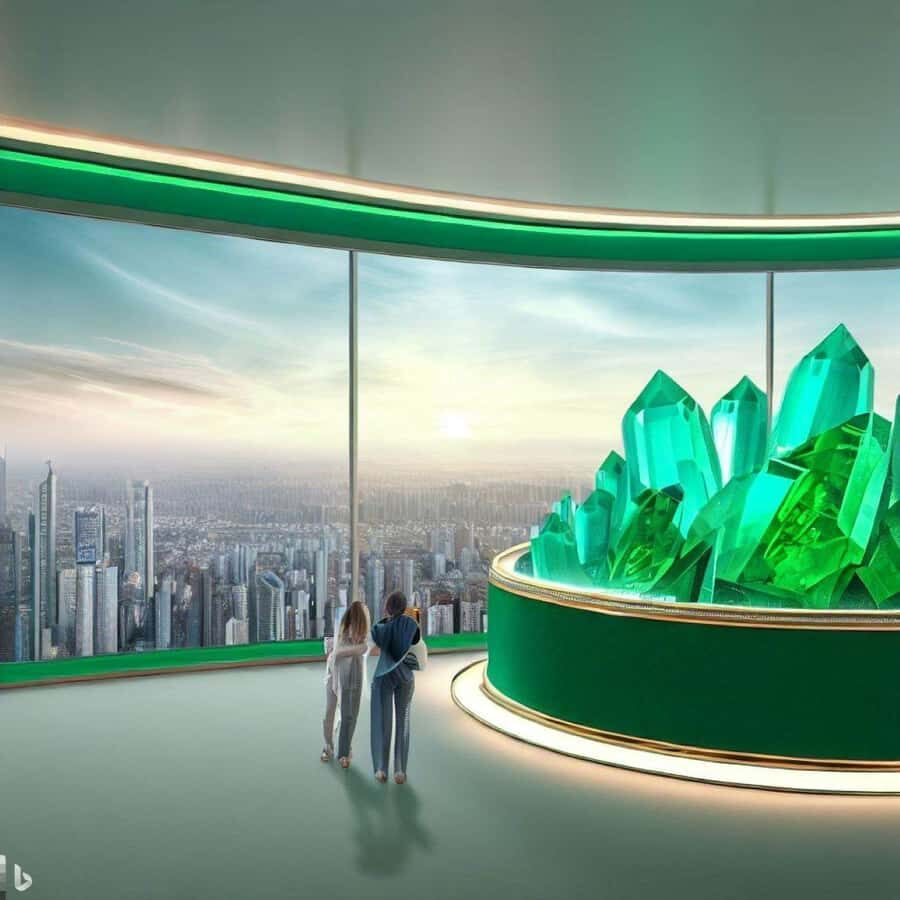
One of the slick parts of this experience is how it starts with height. You’ll get a viewpoint from the 23rd floor of the building included in the program, giving you a fast visual map of Bogotá while the tour stays focused on emerald basics.
That might sound like a random extra, but it actually works. When you can see the city layout, the rest of the stops feel less like disconnected errands and more like a route. It’s also a good mental break—emerald details can get technical quickly, and the view is a clean reset.
Plaza del Rosario and the informal emerald trade reality check
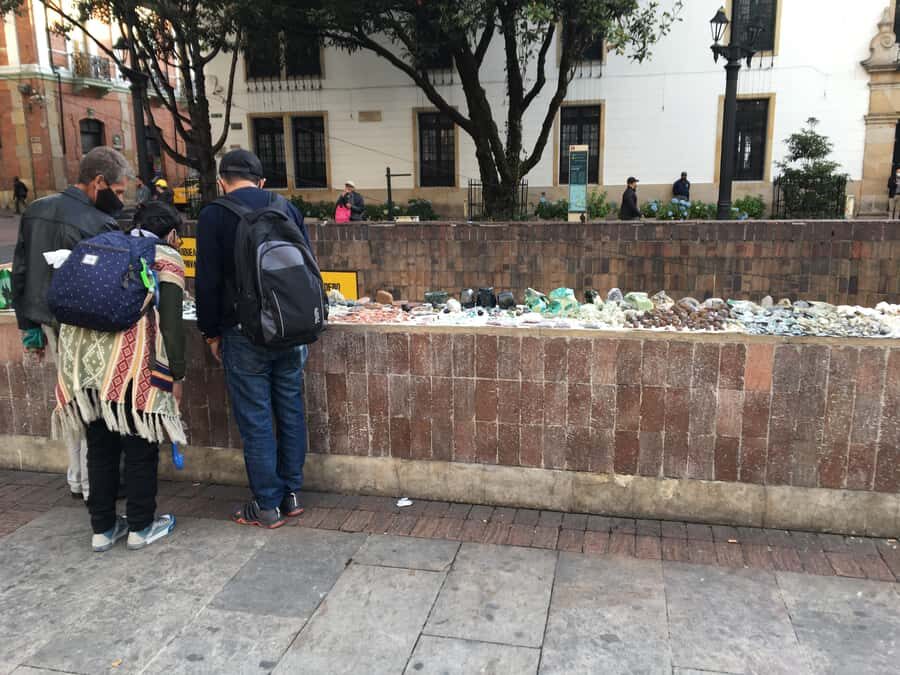
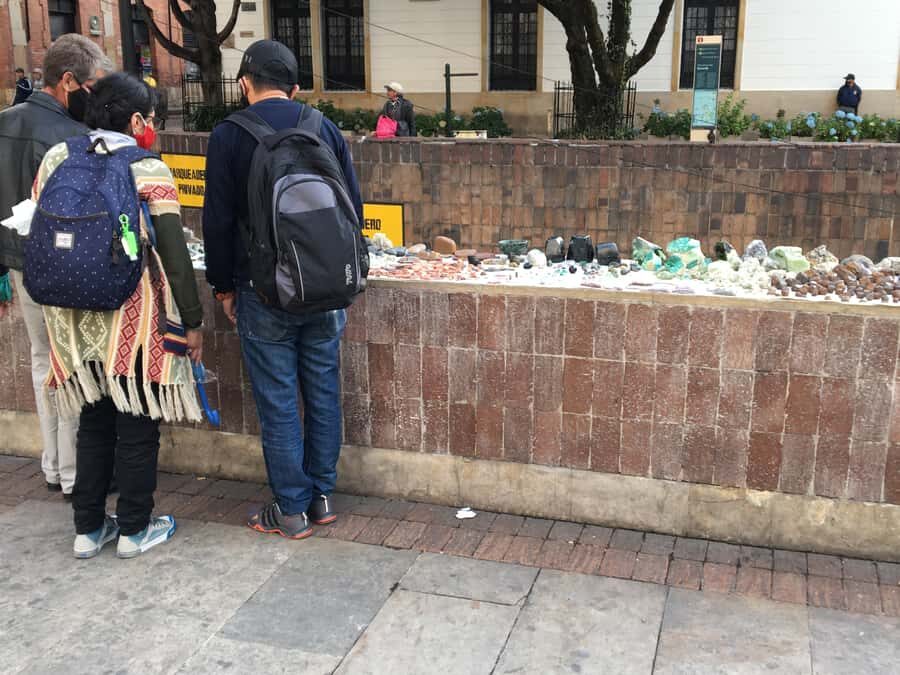
Next comes Plaza del Rosario, where the program explains why you’ll sometimes see people posted up for long stretches. The tour frames it as an informal emerald trade zone, and it’s a good place to learn how emerald culture shows up beyond glossy storefronts.
Here’s the consideration: timing and day-of-week can change the scene. In one booking, the plaza area was described as empty on a Saturday, and that affected the perceived value of this portion. So if you’re booking mainly for the street-trade atmosphere, know that the “energy” isn’t guaranteed the way a museum exhibit is.
Still, even with fewer people around, the context is useful. You’ll understand why emeralds are talked about not just as jewelry, but as something bought, assessed, and priced in daily street-level bargaining.
International Emerald Museum: included entry, museum-led explanations
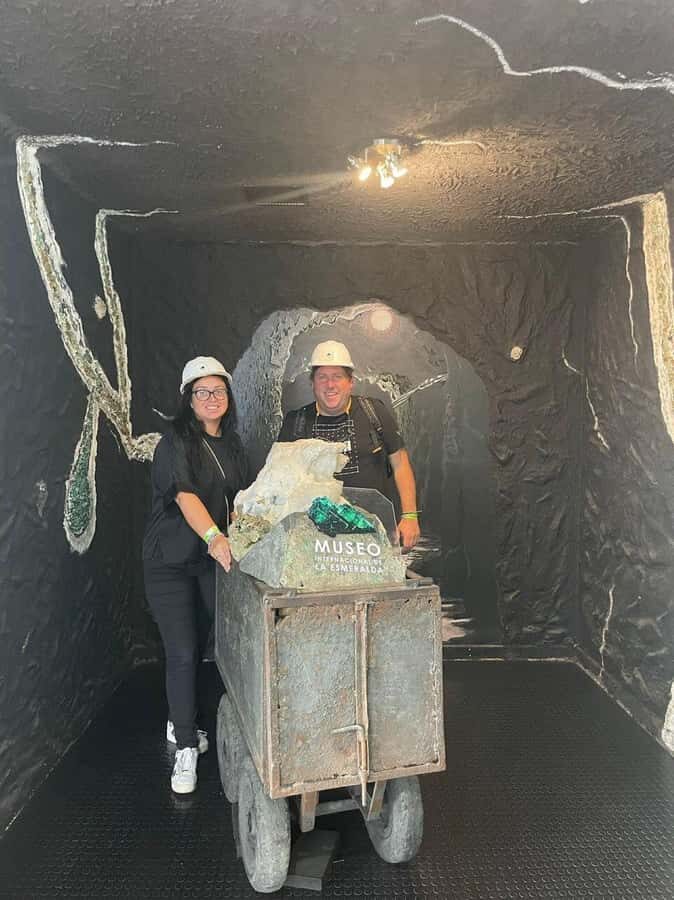
You’ll then head to the International Emerald Museum, with about 1 hour guided time connected to the museum visit. Museum tickets are included, so you’re not stuck figuring out entry or pricing on the fly.
This is also where the experience may split in your expectations. The museum itself has its own approach to interpretation. In one case, the guide mostly handled the walk-in and security, while the museum guides did the real explanatory work. If you’re someone who likes to learn step-by-step inside exhibit rooms, that can be a good setup. If you wanted a guide to teach every detail like a private lecture, you might feel the time is too short.
But the big upside is that you get structure. Emeralds can be confusing at first glance—green can look green, and quality grades aren’t obvious unless someone teaches you what to look for. The museum entry supports the rest of what you’re learning, especially around how emeralds are viewed and evaluated.
The workshop on extraction and carving: where the story becomes believable
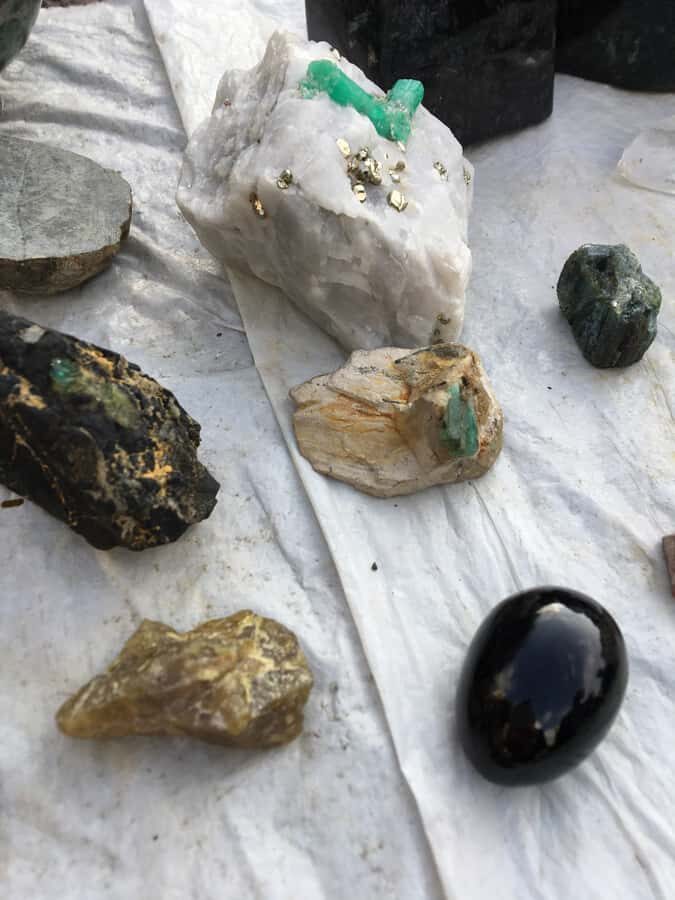
After the plaza and the museum, the program includes a workshop-style stop with representations about extraction and carving. This is one of the most valuable parts of the tour for most people because it explains why emeralds look the way they do once they reach the market.
Quality isn’t only about color. It’s also about how the stone was handled, cut, and finished. When you understand carving, you start seeing why certain stones are shaped the way they are and why the final product can vary so much even when two gems both appear green.
You’ll also hear about related stones and terms used in the trade, including quartz, pyrite, and the idea of the gold of fools. That last one is a common gem-market concept you’ll bump into when people discuss minerals that can look valuable but aren’t priced like the real thing. Even if the tour isn’t a deep geology class, that context helps you read what’s being sold—and what might be hype.
You can also read our reviews of more museum experiences in Bogota






Learning to spot fakes: what you’re really paying for
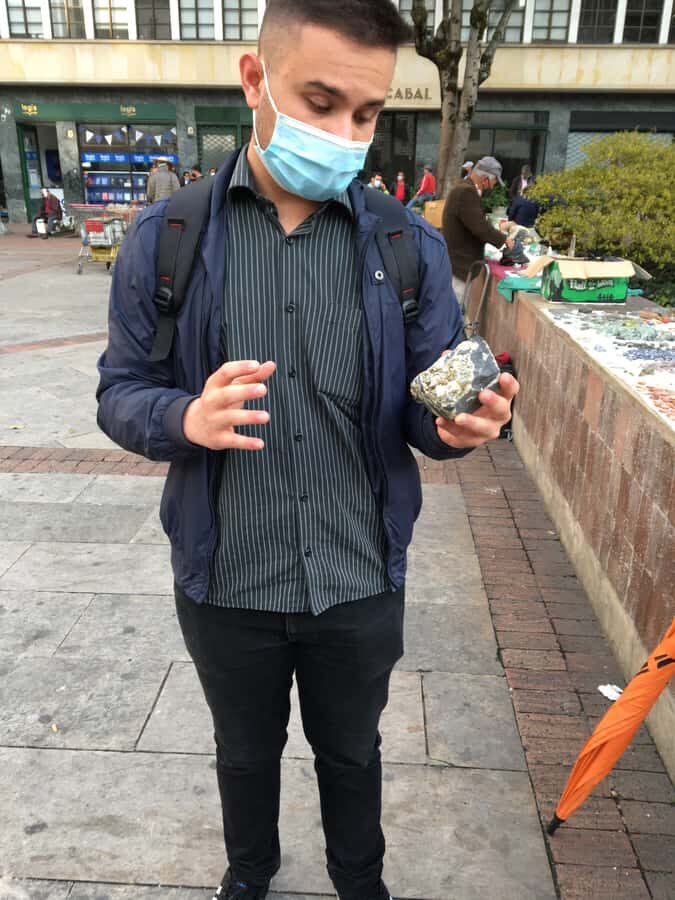
The headline learning goal is clear: you’ll learn how to differentiate a fake and an authentic emerald, and how to recognize a good quality emerald vs. low quality. In practice, this is what you should treat as the core value of the tour.
Why? Because emeralds are one of those gemstones where close inspection changes everything. From the tour’s framing, you’ll come away with criteria you can use to judge credibility, and you’ll understand how sellers talk about factors affecting price.
One booking highlighted that a shop specialist explained what affects emerald costs after the group arrived. That suggests the tour is designed to connect your classroom basics with real pricing logic you’ll hear in commercial settings. In other words, the guide isn’t only bringing you to a museum—it’s also trying to set you up so you can understand what you’re seeing next.
The jewelry store stop: useful context for real pricing and finish
The last major component is a jewelry store visit, where you’ll see emeralds in their final selling form. This part isn’t about learning museum facts; it’s about connecting the dots to what’s actually on display and how stones are presented once they’ve been cut and finished.
If the earlier parts of the tour feel like “information,” this stop turns it into a mental checklist. You start comparing what you’ve learned—authenticity, quality markers, and how emeralds are processed—against the way merchandise is shown.
This is also where you can decide what you personally care about. Some people are chasing color. Others want clarity and visible character. Even in a short tour, this stop helps you notice those differences instead of letting marketing do the thinking for you.
Price check: is $28 worth it for this 2-hour emerald plan?
At $28 per person for roughly 2 hours, the value comes down to expectations.
If you want a guided walk that compresses multiple emerald-related stops—plaza context + museum entry + workshop explanation + store viewing—then the price can feel reasonable. You’re paying for coordination, a route, and someone to frame the meaning of each stop, including authenticity and quality fundamentals.
But if you’re cost-sensitive and you assume you’ll get a full private-lectures experience, you may judge it harshly. One booking called it overpriced because the guide mainly facilitated access (including the museum), while the deeper explanations were handled separately. Another booking argued the guide wasn’t necessary at all because the museum can be done more cheaply.
My take: this isn’t a bad price for what’s included, but it’s not a bargain either. Decide based on whether you’ll actually use the guided authenticity and quality cues, not just the fact that you can enter a museum.
What to bring, and what to expect during the day

You’ll need a passport or ID card (a copy is accepted, per the provided info). Bring it, keep it handy, and you’ll avoid delays.
The tour runs with a live guide in English or German. Also, the program is wheelchair accessible, which is a real plus if you need an easier route through the center of Bogotá.
One more practical note: no hotel pickup or drop-off is included. You’re meeting at the starting point and handling your own return. That’s normal for short city tours, but it’s worth planning if you’re staying far from central Bogotá.
Who should book this emerald tour (and who might skip it)
This tour fits best if you want:
- A short, structured way to learn how emeralds are evaluated for quality and authenticity
- A bridge between museum learning and what you’ll see in stores
- A beginner-friendly intro that explains extraction/carving enough to make the final stones feel less mysterious
It might feel less satisfying if you:
- Are expecting a long, lecture-style guide during the museum rooms
- Want a guaranteed scene in the plaza trade area (that can vary by day)
- Think museum guides alone will cover everything you need at a lower cost
A positive data point from one booking: when the guide was 30 minutes late, the situation was corrected quickly, and the guide—Gabriella—was described as very informative. Another booking noted the company communicated less smoothly when meeting points didn’t match, but the guide still delivered once you got lined up.
Should you book? My straight answer
Book it if you like learning with structure and you’ll use the tour’s main promise: you’ll come away better at spotting emerald quality and fakes. The 23rd-floor city view and the connection between plaza context, museum entry, and store reality make it a neat short package.
Skip it if you’re mainly after museum content and you don’t care about the extraction/carving context or the guided framing for authenticity and pricing. In that case, you might find you can learn just as much inside the museum itself without paying for the extra stops.
FAQ
How long is the Bogotá guided emerald tour with museum entry?
It lasts 2 hours total.
Where does the tour start?
The starting point is Cra. 7 #15-1, meeting in front of the Gold Museum. The guide has an orange umbrella.
Is the museum ticket included?
Yes. Tickets to the International Emerald Museum are included.
What languages are the guides?
The tour guide is available in English and German.
What should I bring for the tour?
Bring a passport or ID card. A copy is accepted.
Is hotel pickup included?
No. Hotel pickup and drop-off are not included. You’ll meet at the starting location.