REVIEW · BOGOTA
Bogotá: Private City Tour, Monserrate, Emerald and Botero
Book on GetYourGuide →Operated by Nomadas Colombia Travel SAS · Bookable on GetYourGuide
Foggy mountains, big-city stories. Bogotá’s highlights come together fast on this private day plan, with Monserrate as your view-and-history launch and the Emerald Museum as your color-filled curveball. Guides such as Camilo, Sergio, David, and Daniel tend to run this like a story—clear explanations, good English, and plenty of room for questions.
What I really like is how the day mixes landmark stops with actual street-level context in La Candelaria, then lands you at the heart of the city around Plaza de Bolívar and the Primate Cathedral. One drawback to plan for: lunch isn’t included, so you’ll want to eat before you start or be ready to pick up food on your own after the tour.
In This Review
- Key takeaways before you go
- Monserrate cable car to 3100m: the view part that actually lands
- Emerald Museum: green stones, Colombian science, and a fun break
- La Candelaria and the Botero Museum: art that feels human
- Plaza de Bolívar and the Primate Cathedral: power, faith, and architecture
- Chorro de Quevedo: where old streets meet new energy
- Price and value: $65 for a whole-day highlight loop
- How to plan your day for comfort (and fewer surprises)
- Who this tour suits best
- Should you book it?
- FAQ
- How long is the Bogotá Private City Tour, Monserrate, Emerald and Botero?
- Is lunch included?
- What’s included in the price?
- Do I skip the line?
- What languages is the guide available in?
- Are the museums open every day?
- What should I bring?
- Is the tour suitable for people with mobility impairments?
Key takeaways before you go
- Cable car to 3100m: a fast way to swap city streets for wide panorama views
- International Emerald Museum: minerals and nature in a green-focused setting (closed Sundays/holidays)
- Botero Museum timing matters: it’s closed on Tuesdays, and your guide will adjust
- Monuments with context: Plaza de Bolívar includes the Palace of Justice area plus the presidential palace and mayor’s office
- Chorro de Quevedo walks: old-and-new street energy with El Dorado legend storytelling
- Private guide pace: you can usually move at a comfortable rhythm instead of being herded
Monserrate cable car to 3100m: the view part that actually lands
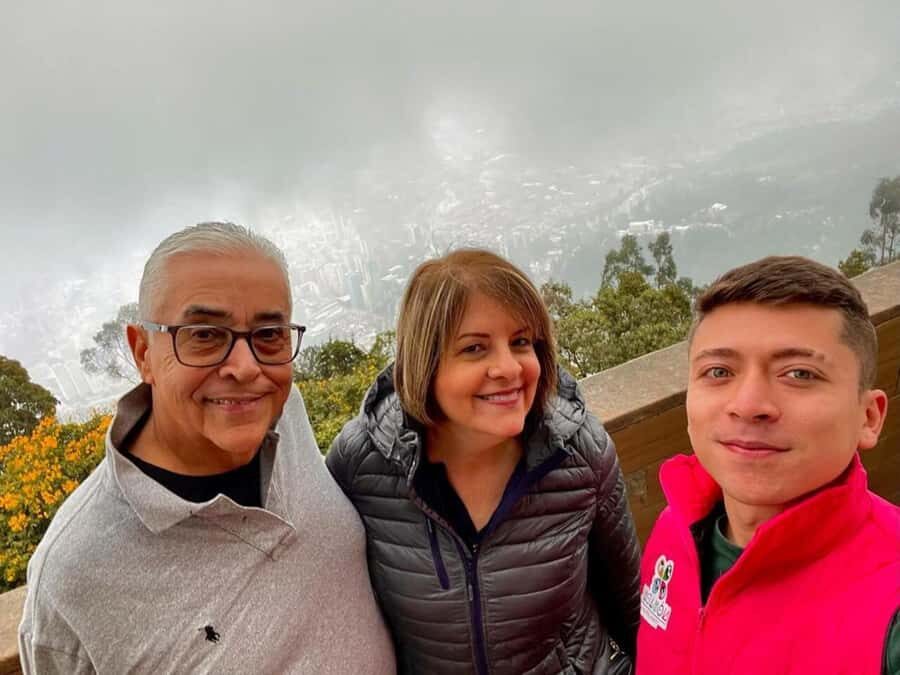
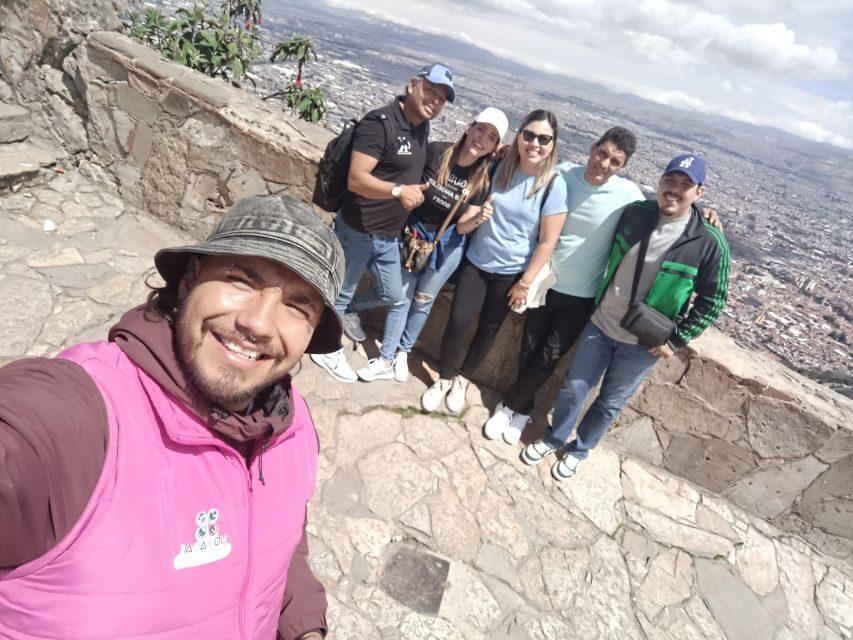
If you’ve only seen Bogotá from photos, Monserrate is where the city starts making sense. The tour begins with pickup from your hotel, then heads up to Cerro de Monserrate and takes the cable car to about 3100 meters. The higher you go, the more the city stops feeling like a patchwork of neighborhoods and starts looking like a single, layered place built around the Andes.
You’ll see the Monserrate Monastery, and it’s worth taking your time here. From street level, the monastery can look like just another hill-top structure. Up close, it’s a good anchor point for the whole day—religious tradition, local identity, and the simple fact that Bogotá residents treat this climb as a normal part of life, not a once-in-a-lifetime event.
Practical note: in light rain, the tour still runs. That can be a win if you hate wasted time, but it also means you should dress for cool air up high. Comfortable shoes matter too. The climb is mainly cable-car scale, but you still do walking once you’re up there.
One more small reason this stop is so effective: it gives you a visual map before you start wandering the center. When you later stand near Plaza de Bolívar, the “where am I?” feeling is much easier to handle.
You can also read our reviews of more city tours in Bogota


Emerald Museum: green stones, Colombian science, and a fun break
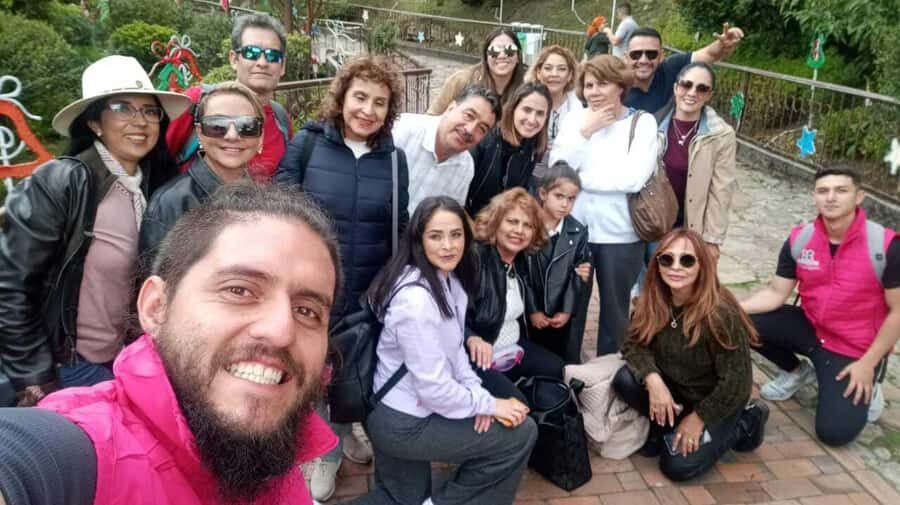
After Monserrate, the day shifts tone in the best way: the International Emerald Museum is a focused stop that’s both educational and oddly relaxing. Instead of another room full of generic exhibits, this one is built around minerals and the story of emeralds—where they come from and why they matter in Colombia.
You get access to the museum, and the setting is designed for seeing stones the way you’re used to seeing art: attention, lighting, and close looking. It’s a great break from city noise, and it pairs well with Monserrate because both stops are about place—just from different angles. One is altitude and outlook. The other is geology and craft.
Two scheduling gotchas you should actually plan around:
- The Emerald Museum is closed on Sundays and holidays.
- If your day falls on a closed day, you’ll want to confirm how your guide rearranges timing.
Also, you shouldn’t treat this as a 10-minute stop. Even if you’re not a crystal person, the guide’s explanations help you connect the stones to Colombia’s longer cultural and economic story. It’s one of those stops where listening makes the exhibits make more sense.
La Candelaria and the Botero Museum: art that feels human
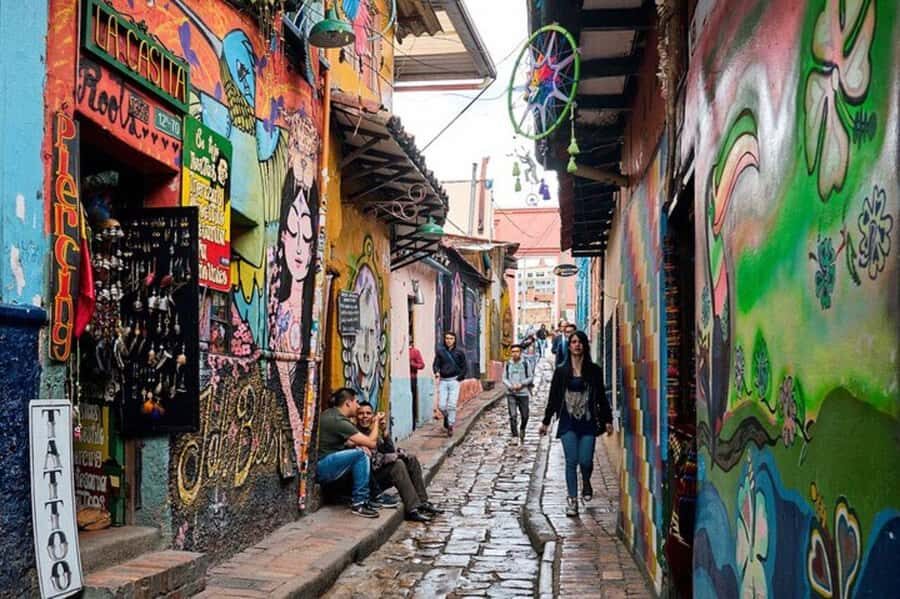
Then you move into Candelaria, Bogotá’s historic neighborhood, where the streets themselves do some of the talking. This part of the tour works because it slows down just enough to let you feel the city’s layers—older architecture and the living street around it.
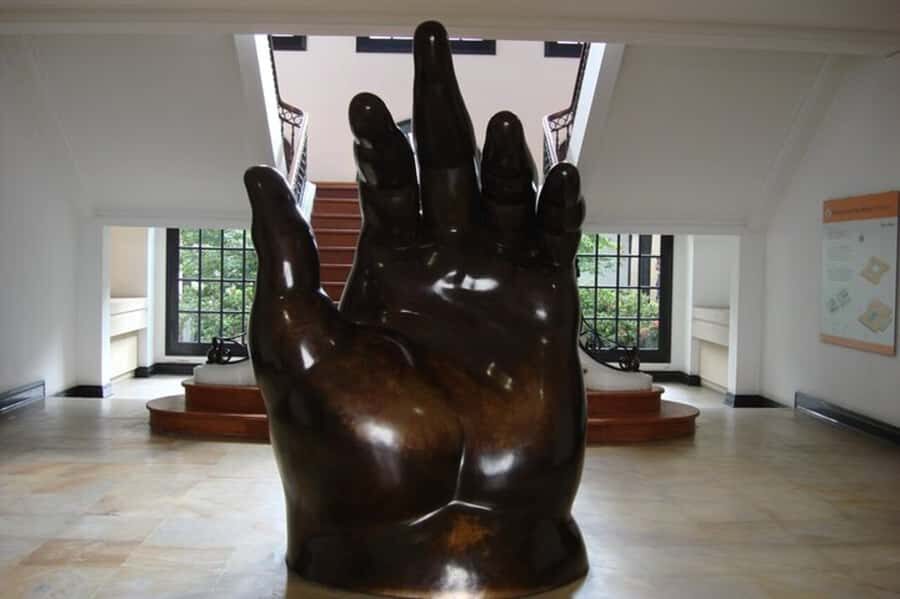
Next comes the Botero Museum, centered on Fernando Botero’s work. If you’ve seen Botero paintings before, you already know the signature style—big forms, playful weight, and a humor that can be both warm and sharp. In person, that style lands differently. It’s not just art on a wall; it’s a lens on culture, politics, and everyday life.
But you must remember the schedule rule: the Botero Museum is closed on Tuesdays. On Tuesday tours, your guide will provide alternatives for another museum. That’s a good safety net, but it also means you may not get the exact same “Botero moment” if your visit lines up with that closure. If Botero is your non-negotiable, try to book any day other than Tuesday.
One more reason I like putting Botero in the middle of the day: it’s a mental reset. After Monserrate’s big view and the Emerald Museum’s focused details, Botero gives you something more emotional and visual. It’s easier to enjoy once you’re not rushing from stop to stop.
Plaza de Bolívar and the Primate Cathedral: power, faith, and architecture
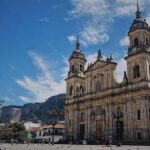
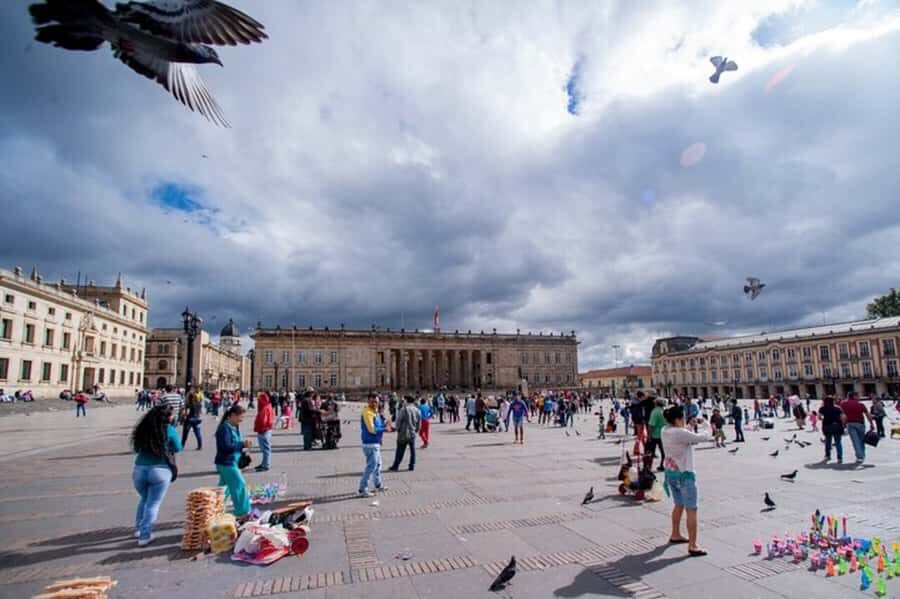
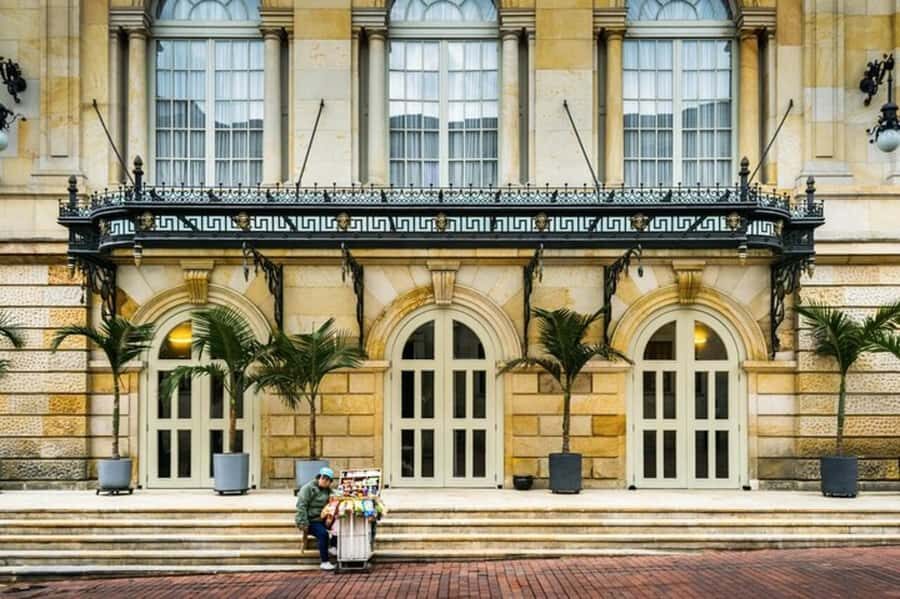
Now you’re at the city’s center of gravity: Plaza de Bolívar. This is one of those places where being there in person makes the symbols click. You’ll be shown the key government and civic locations around the square, including the Palace of Justice, the presidential palace, and the mayor’s office.
The Primate Cathedral sits in this same zone, and that matters because the square isn’t just an artsy photo spot. It’s a functional, symbolic space—where Colombia’s public life and spiritual life meet. With a good guide, you’ll understand why the buildings are arranged the way they are and how power has historically been displayed in architecture.
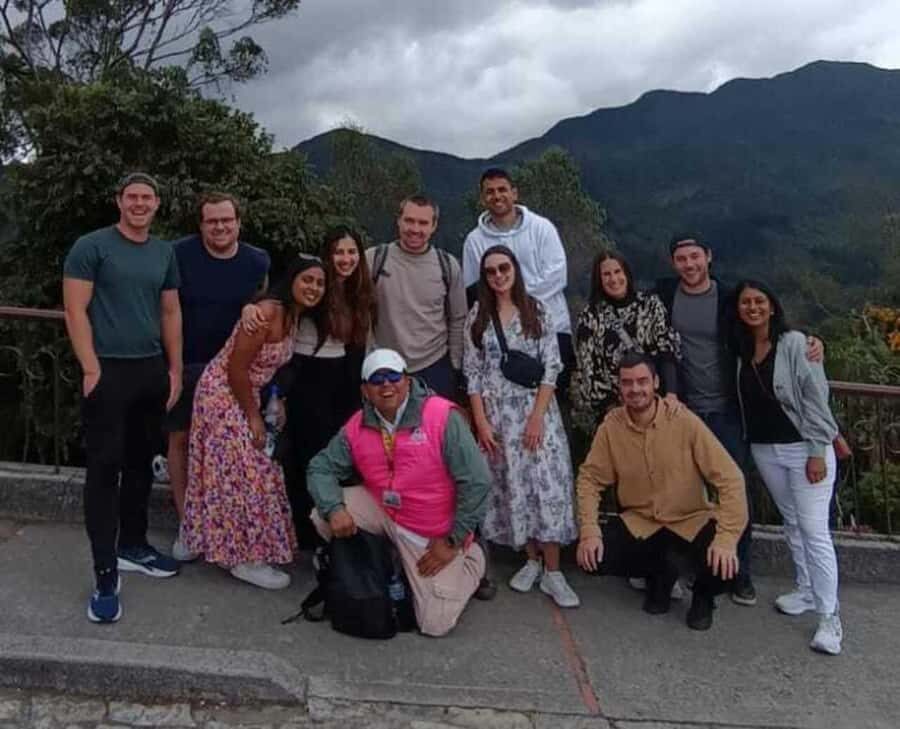
This stop is also where you’ll feel the real value of a private format. In a large group, it’s easy to skim the explanations and just move along. With a private guide, you can ask the question you actually have—Why does this square matter? What does this building represent?—and you can usually get a straight answer without time pressure.
If you care about politics or social history, Plaza de Bolívar is the place where the stories get grounded. If you’re more into scenery, it’s still worth it. The mix of stone, steps, and streets creates a satisfying sense of place.
Chorro de Quevedo: where old streets meet new energy
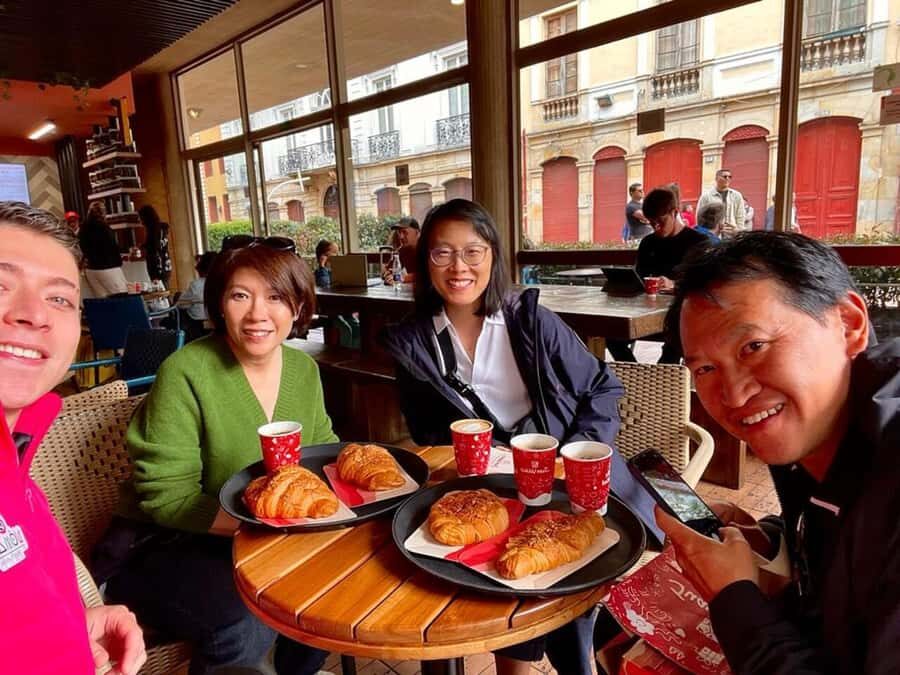
The final walking stretch brings you to the Chorro de Quevedo area. This is where Bogotá shifts from formal landmark mode back into street reality. You’ll walk through an old-and-new vibe, guided through traditions and the character of the neighborhood.
This stop also connects with one of Bogotá’s most famous legends: the story of El Dorado—the lost city legend. You’ll hear the intriguing facts and how the legend ties into local identity and Colombia’s broader history. Even if you know the basic outline, a guide’s version usually adds the cultural logic—how a myth sticks around and keeps changing shape.
Chorro de Quevedo works best if you’re ready to walk. The tour is still paced for a 5–6 hour day, but this is not a stop where you just stand still. It’s a “look, listen, and connect” neighborhood moment. If you like atmosphere and people-watching (from a respectful, safe distance), you’ll enjoy this part more than you expect.
Also, this is a good time to ask for practical suggestions for what to do next. Many guides share good next-stop ideas for food and neighborhoods once they’ve shown you the core.
You can also read our reviews of more private tours in Bogota




Price and value: $65 for a whole-day highlight loop
At $65 per person for a private tour that runs about 5 to 6 hours, the best value isn’t just the sites. It’s the way the day is bundled into one guided route with transportation, skip-the-line access, and multiple focused stops.
Here’s what you’re really paying for:
- Hotel pickup and drop-off, which saves you time and avoids figuring out how to connect the cable car and museums
- A private guide, so you’re not limited to “quick answers” between photo stops
- Entry included for Monserrate (general entry plus cable car or funicular if selected), the Emerald Museum, and the Botero Museum (when open)
- Skip-the-line through a separate entrance so you spend less time waiting
Lunch isn’t included, so you may spend a bit extra on food unless you eat before or after. Still, the rest of the day is structured enough that $65 feels fair for what you get—especially if this is your first time in Bogotá and you want a clean overview.
And the guide quality seems to be the make-or-break factor. In practice, many guides like Camilo, Sergio, David, and Daniel stand out for strong English and for answering real questions. That matters more than people think. A landmark is just a landmark unless someone helps you see what you’re looking at.
How to plan your day for comfort (and fewer surprises)
This tour is designed to run even if it rains. That’s helpful—no “weather cancellation” mood. The trade-off is comfort. Bogotá mornings and higher elevations can feel cooler than you expect, so bring layers.
A few practical points:
- Bring passport or ID card. A copy is accepted for some cases, and you’ll need ID for children too.
- Wear comfortable shoes. You’re doing walking in historic and plaza areas.
- The tour includes a typical snack, but lunch is not included. Plan around that.
- You won’t be able to bring alcohol or drugs, and alcoholic drinks aren’t allowed in the vehicle.
One more practical consideration: the tour is listed as not suitable for people with mobility impairments. If mobility is a factor, it’s worth checking options that reduce walking and steps, since you’ll be moving through multiple areas.
Who this tour suits best
This is a strong fit if:
- You want a first-time Bogotá orientation with the top highlights in one day
- You like museums, but also want landmark context explained (not just “go in, look around, leave”)
- You enjoy good guiding style—clear explanations, good pacing, and room for questions
- You want Monserrate views without having to coordinate everything yourself
It may be less ideal if:
- You hate museum time and prefer long neighborhoods or parks only (this day includes two museum stops)
- You’re visiting on a Tuesday and Botero is your main target—because the Botero Museum is closed that day, even though your guide will switch to another museum.
Should you book it?
Yes, if you want a guided, efficient Bogotá day that hits the big picture: Monserrate views at altitude, emeralds in a museum setting, Botero and art in Candelaria, then Plaza de Bolívar and Chorro de Quevedo for the myth-and-streets finale.
I’d book it especially if you value a guide who can connect dots—history to what you’re seeing right now, and the legend of El Dorado to the way the neighborhood carries stories. With a private format, the day feels calmer, and the explanations stick better than they do when you’re rushing through spots on your own.
FAQ
How long is the Bogotá Private City Tour, Monserrate, Emerald and Botero?
It lasts about 5 to 6 hours.
Is lunch included?
No, lunch is not included.
What’s included in the price?
Hotel pickup and drop-off, a private guide, general entry to Cerro de Monserrate and the cable car or funicular (depending on option selected), entry to the Emerald Museum, entry to the Botero Museum (when open), visits to Chorro de Quevedo, Plaza de Bolívar, and the historic district of La Candelaria, plus a typical snack.
Do I skip the line?
Yes, you get skip-the-line access through a separate entrance.
What languages is the guide available in?
The tour is available in English and Spanish.
Are the museums open every day?
No. The Emerald Museum is closed on Sundays and holidays. The Botero Museum is closed on Tuesdays.
What should I bring?
Bring a passport or ID card. For children, ID is needed too, and a copy is accepted.
Is the tour suitable for people with mobility impairments?
No, it’s not suitable for people with mobility impairments.