REVIEW · BOGOTA
Bogota: Coffee Tasting, Roasting, Filtration & Espresso Tour
Book on GetYourGuide →Operated by Jaguar Tours Agency · Bookable on GetYourGuide
Coffee gets personal in Bogota. This 150-minute Jaguar Coffee House tour near Chorro de Quevedo Plaza turns coffee into a hands-on lesson, from bean prep to brewing. I especially like the live roasting/toasting focus, because you see how aroma and flavor shift while the beans transform.
Second thing I like: you don’t just taste and nod. You practice through a cupping experience and then build your own cups with filtration and espresso methods, plus an art latte segment. That mix is ideal if you want real skills, not only a lecture.
One drawback to consider: this tour doesn’t include food or extra drinks, and people who are caffeine sensitive are not allowed. If you’re hungry or avoiding caffeine, plan around that before you show up.
In This Review
- Key highlights to look for
- A coffee workshop set near Chorro de Quevedo Plaza
- From bean origin to the cup: what the roasting segment teaches
- Cataction: cupping that helps you describe what you taste
- Filtration and espresso: taste the same coffee two ways
- A quick way to get more out of this part
- Art latte experience: the fun side of technique
- What the $85 price covers—and what to plan for
- Who should book this Jaguar Coffee House tour
- Should you book it? My decision guide
- FAQ
- How long is the Bogota coffee tasting and brewing tour?
- Where do I meet for the tour?
- Is the tour in English or Spanish?
- What’s included in the price?
- Is food included?
- Are additional drinks included?
- Is the tour private?
- Is it suitable for children?
- Can people with mobility impairments or wheelchair users join?
- What is the cancellation policy?
Key highlights to look for
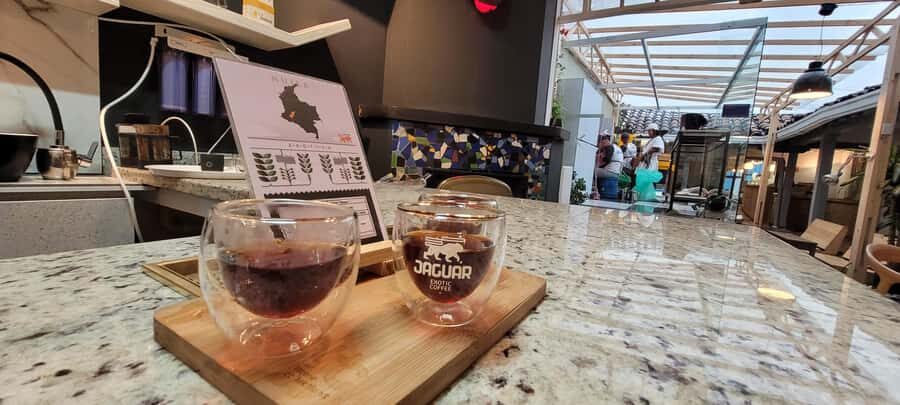
- Live toasting/roasting you can watch as the aroma changes in real time.
- Cupping training that helps you describe flavors instead of guessing.
- Filtration and espresso side-by-side so you taste process differences clearly.
- Hands-on brewing practice rather than passive tasting only.
- Art latte experience that adds a fun, visual skill to the science.
A coffee workshop set near Chorro de Quevedo Plaza
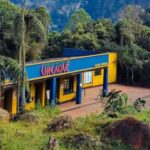
This tour starts close to Chorro de Quevedo Plaza, at a blue house with the Jaguar logo. That’s a handy location because it puts you in the heart of central Bogota, so you can pair the experience with a walk afterward without needing complicated transport.
The session runs 150 minutes and is set up as a private group, with an instructor who speaks English and Spanish. For me, private format matters with coffee, because you can ask quick questions when something doesn’t make sense. And if you’re learning brewing techniques, having attention from the instructor helps you correct small mistakes early.
Before you go, pack like you’re heading to a casual workshop: comfortable shoes, breathable clothes, and a camera. Bring an ID card or passport (a copy is accepted), and consider a hair tie if you have longer hair. The tour also asks you to avoid strong fragrances, and it’s not set up for pets or smoking/vaping.
One small “head’s up” that affects planning: the experience isn’t suitable for children under 10, and it also isn’t right for people with mobility impairments, wheelchair users, or anyone who has vertigo. Hearing-impaired people also aren’t listed as suitable, so it’s worth checking your needs before booking.
You can also read our reviews of more food & drink experiences in Bogota

From bean origin to the cup: what the roasting segment teaches
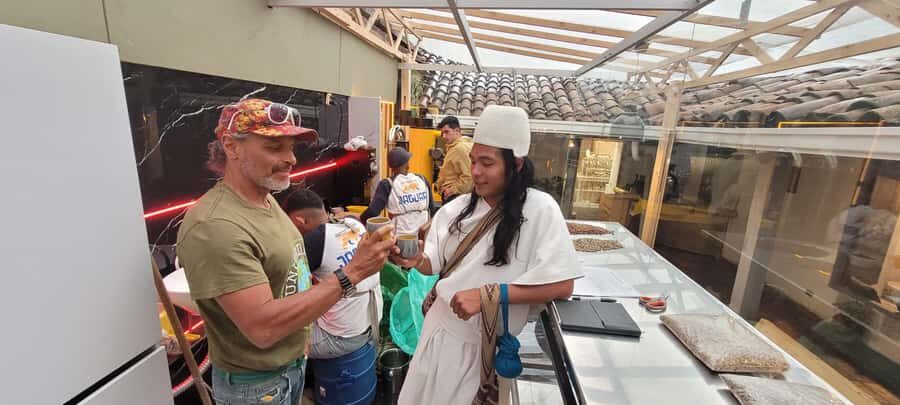
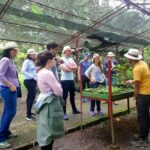
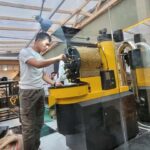
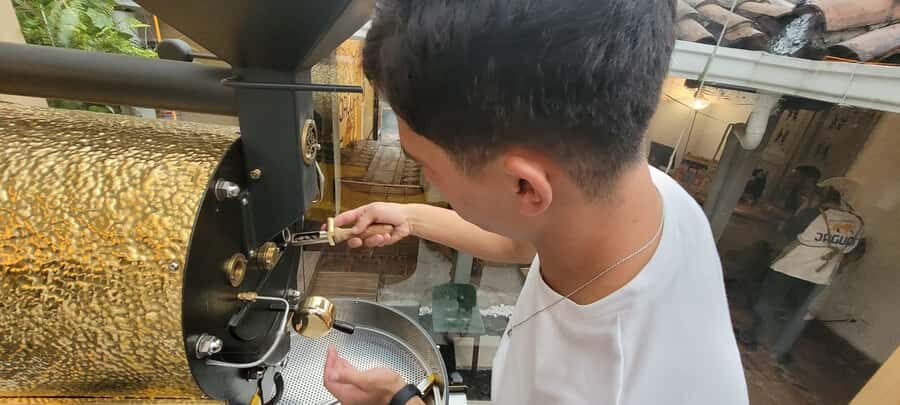
The tour is built as a sensory journey, moving from coffee’s origin through roasting and then into brewing. The most memorable early step is the toasting/roasting experience, where you learn how heat changes the bean’s flavor and aroma over time.
Even without getting technical, roasting is where coffee starts to “make sense.” Lighter roasts typically keep more of the bean’s original character, while darker roasts shift the flavor toward deeper, toastier notes. This tour’s value is that you’ll connect those ideas to what you smell and taste, using your senses instead of memorizing terms.
Watch the roasting/toasting stage with a simple goal: notice how the aroma evolves and how the bean’s transformation affects what ends up in the cup. That’s the kind of practical link you can carry home. When you buy coffee later, you’ll be more likely to ask the right questions, like what roasting level you’re getting and how that should taste.
There’s also a “process payoff” here. Once you understand roasting as flavor development, everything after it—cupping, filtration, espresso—feels less mysterious. You stop treating brewing as magic and start treating it as control.
Cataction: cupping that helps you describe what you taste
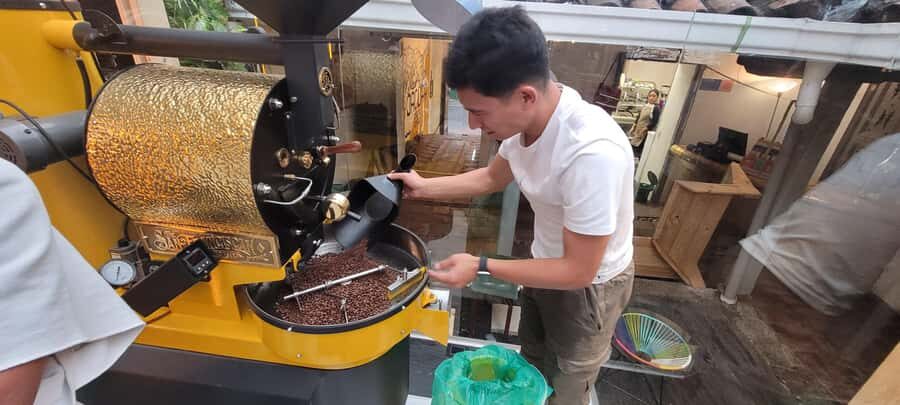
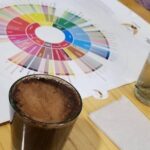
Next comes the cataction/cupping experience, and this is where the tour becomes more than just a tasting session. Cupping is basically structured tasting, so you can compare coffees the same way each time.
You’ll be able to try different coffees, including exotic options and different varieties and processes. You’ll also learn why coffee tastes different even when it comes from the same general region. In practical terms, “process” influences how the fruit is handled before drying and roasting, which can change sweetness, acidity, and overall character.
What I’d take from a good cupping session is not only which coffee you like, but how you can tell. Instead of saying it tastes good (which it might), you’ll get a way to talk about aroma, flavor impressions, and how the cup feels. That makes future purchases easier, because you’ll have a personal “flavor vocabulary” to compare.
Also, cupping sets you up for the brewing practice later. If you can taste differences in the cup, you’ll notice how filtration versus espresso changes extraction once you start making drinks.
Filtration and espresso: taste the same coffee two ways
One of the tour’s core strengths is that it covers filtration and espresso preparation methods. These are not interchangeable. Even if you use the same coffee, the brew method changes extraction and body.
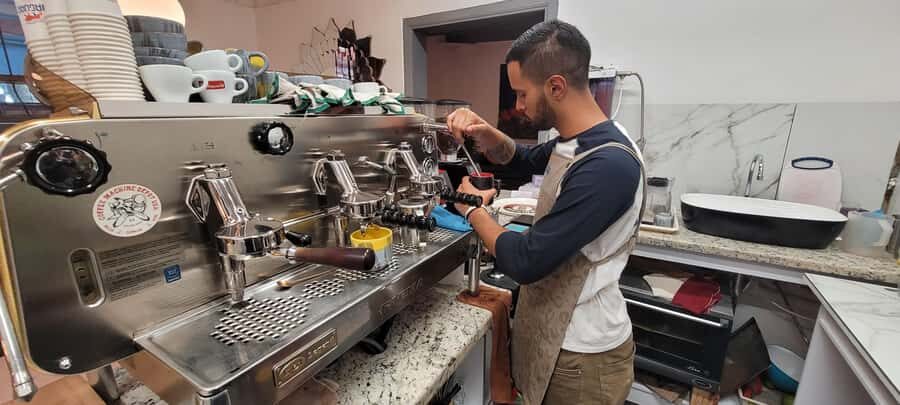
Filtration is often where you notice clarity and separation of flavors. Espresso is where you tend to get a more concentrated feel and a different balance of texture and intensity. In this tour, you get the chance to experience both approaches, which is perfect if you’ve ever wondered why one café makes coffee taste one way and another café makes it completely different.
What makes this section valuable is the hands-on element. You’re not only watching a barista work. You’ll have the chance to hone your filtering and espresso making skills during the filtration, espresso, and art latte portion.
If you’re a newcomer, this is a friendly way to learn, because you’re getting guided steps and feedback. If you’re already a coffee fan, you’ll probably enjoy how the tour pushes you to think about process control: grind consistency (in general terms), brewing method, and how your cup changes when you adjust technique.
A quick way to get more out of this part
Go in ready to compare, not just to drink. Pay attention to what changes when you switch brewing method. Is it aroma first? Is it flavor intensity? Is it texture? When you can answer those questions, you leave with something you can actually use.
A few more Bogota tours and experiences worth a look
Art latte experience: the fun side of technique
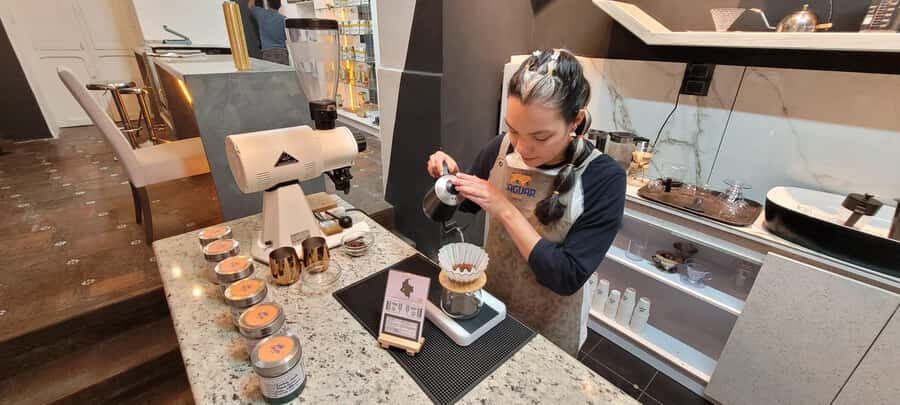
After the tasting and brewing practice, the tour adds an art latte experience. Latte art isn’t just decoration—it forces you to understand pour control and how milk texture behaves once it’s in the cup.
Even if you don’t end up with café-level rosettes, you’ll likely come away with a better sense of milk preparation and timing. That skill also helps you communicate preferences in cafés. You’ll know what you’re asking for when you say you want smoother, silkier milk.
This segment also breaks up the session. Coffee science can be serious, and art latte brings the experience back to human scale: repeat, adjust, try again. It’s a nice match for a private-group setting, because there’s more room for the instructor to respond to your progress.
What the $85 price covers—and what to plan for
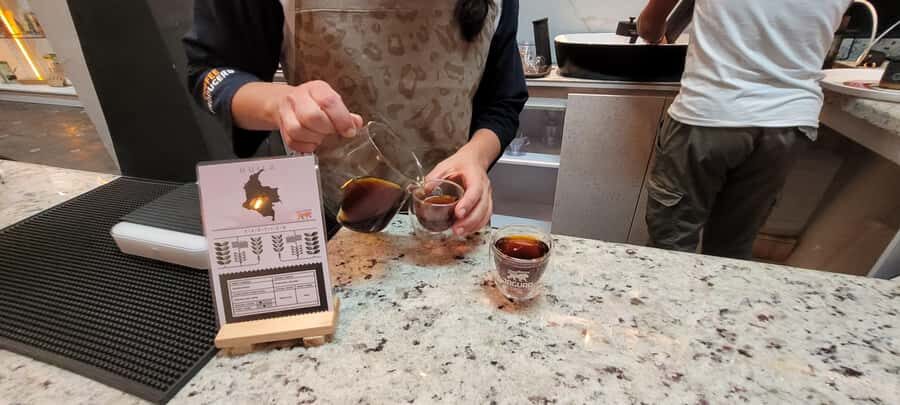
The price is $85 per person for 150 minutes, and the included elements are the reason it feels fair. You’re paying for guided tasting and multiple hands-on components, including:
- Cataction (tasting/ cupping)
- Toasting/roasting experience
- Filtration and espresso practice
- Art latte experience
- A barista/instructor
- Use of the needed resources during the experience
That’s a lot of “instructor time + equipment time” bundled into one workshop. In many situations, if you try to build this level of practice on your own, it ends up costing more once you factor in classes, drinks, and equipment access.
Two things are not included: foods and additional coffee/tea. So if you’re the kind of person who needs a snack to stay sharp, eat before you arrive (or plan for food after). And if you’re hoping for more drinks beyond what’s part of the guided experience, budget for that separately.
One more planning detail: the tour does not allow people with caffeine sensitivity. That’s not a deal-breaker for most people, but it affects who this tour is truly built for.
Who should book this Jaguar Coffee House tour
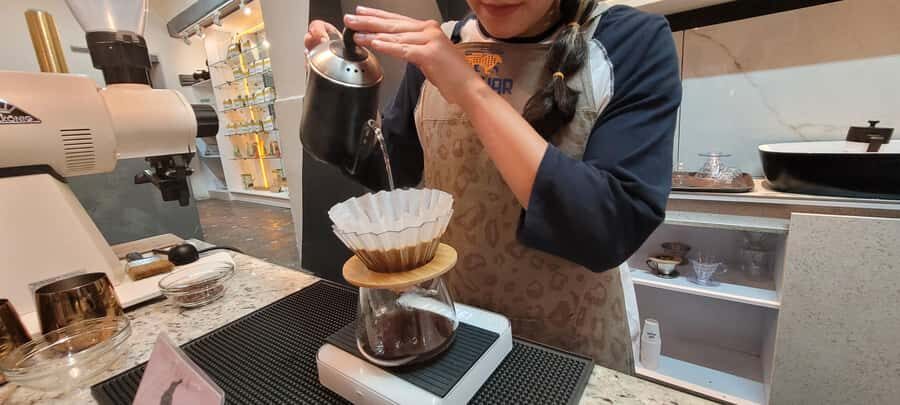
This tour is a great fit if you want to learn coffee as a set of skills. You’ll get cupping, learn how roasting affects flavor, and practice both filtration and espresso methods. That combination suits both beginners and experienced coffee lovers, because you’ll start with sensory fundamentals and then move into technique.
It’s also a good choice if you like structured learning. The workshop format is built to keep you moving through stages, rather than sitting for a long explanation. You taste, you compare, you practice.
It’s not the best choice if any of these apply:
- You’re caffeine sensitive (explicitly not allowed).
- You need wheelchair access or have mobility impairments.
- Vertigo is an issue for you.
- You’re hearing-impaired and need supports not stated as available.
- You’re traveling with small kids under 10.
If you’re traveling solo, couples, or friends, the private group format can be a plus because it reduces the feeling of being rushed through steps.
Should you book it? My decision guide
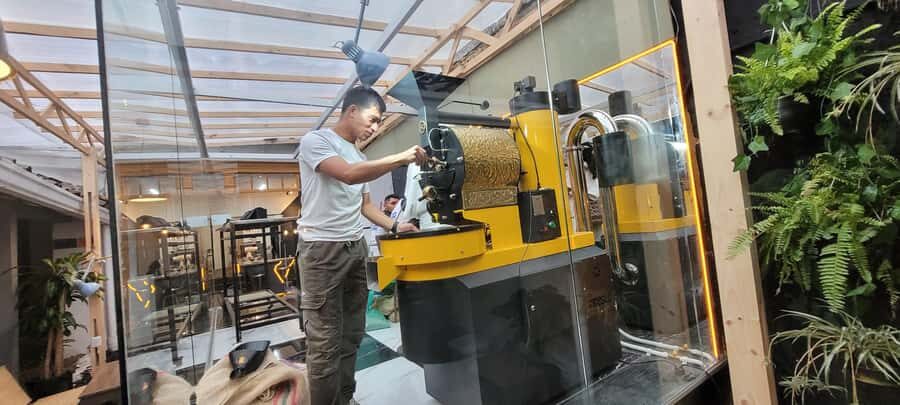
I’d book this tour if you want a coffee experience that’s practical. The value is in the combination: roasting awareness, cupping skills, and real practice with filtration and espresso plus a latte art component. It’s the kind of session that helps you buy coffee with more confidence afterward, because you can connect the process to what ends up in your cup.
I’d skip it (or choose carefully) if you need food included, if you’re caffeine sensitive, or if your mobility/hearing/vertigo needs don’t match the tour’s listed suitability. And if you only want casual sipping with no hands-on work, you might find the format more work than you want.
If you’re somewhere in the middle—curious, eager to learn, and ready to taste and practice—this one is a solid bet near central Bogota.
FAQ
How long is the Bogota coffee tasting and brewing tour?
It lasts 150 minutes.
Where do I meet for the tour?
The meeting point is very near Chorro de Quevedo Plaza, at a blue house with the Jaguar logo.
Is the tour in English or Spanish?
Yes. The instructor speaks both English and Spanish.
What’s included in the price?
The tour includes a tasting/cupping experience, a toasting/roasting experience, filtration and espresso preparation, an art latte experience, a barista/instructor, and use of the resources during the experience.
Is food included?
No, foods are not included.
Are additional drinks included?
No. Additional coffee and tea are not included.
Is the tour private?
Yes, it’s listed as a private group.
Is it suitable for children?
It is not suitable for children under 10 years old.
Can people with mobility impairments or wheelchair users join?
No. It is not suitable for people with mobility impairments or wheelchair users.
What is the cancellation policy?
You can cancel up to 24 hours in advance for a full refund.