REVIEW · BOGOTA
Bogotá City Tour with Monserrate, Gold and Botero Museums
Book on GetYourGuide →Operated by Gran Colombia Tours · Bookable on GetYourGuide
One hill, two museums, and a walk that teaches you the city fast. Bogotá’s contrast comes at you in a good way, from Chorro de Quevedo’s colonial square to Monserrate’s panoramic viewpoint. I like how the tour pairs major landmarks with a clear lesson on Colombia’s recent conflict and peace, and I also like the food stops: chicha, fruit and juice, and coffee. The main catch is simple: it’s a long walking day (rain or shine), so comfortable shoes matter.
You’ll get a private guide and hotel pickup in Bogotá, which makes this feel smoother than trying to stitch together buses, lines, and museum hours on your own. Monserrate is reached by cable car with a two-way ticket, and you’ll also have time for lunch recommendations even though lunch itself is not included. One thing to plan around: the Gold Museum closes on Mondays and the Botero Museum closes on Tuesdays, so your guide will swap in alternatives on those days.
In This Review
- Key Highlights You’ll Feel Immediately
- A Tight, High-Value Route Through the Heart of Bogotá
- La Candelaria Walk: Colonial Streets with a Story Behind Them
- Chorro de Quevedo and the Chicha Moment
- Plaza Bolívar: Where Politics, Conflict, and Peace Become Visible
- Museum Pairing: Botero and the Gold Museum in a Single Flow
- Museo Botero: High-Quality Art with Local and International Reach
- Museo del Oro: Pre-Spanish Metalwork and Its Human Meaning
- Monserrate by Cable Car: Bogotá’s Best View and Its Sacred Weight
- Food, Coffee, and the Small Tastings That Feel Like Real Bogotá
- Price and Logistics: Why $65 Works for the Right Traveler
- Choosing 5 Hours or 7 Hours (and Making It Fit Your Day)
- Safety, Pace, and the Human Touch (Based on Real Guide Behavior)
- Who Should Book This Tour (and Who Should Pass)
- Should You Book This Bogotá City Tour with Monserrate and Museums?
- FAQ
- How long is the tour?
- Is this a walking tour?
- What’s included in the price?
- What if I’m traveling on a day the museums are closed?
- Is lunch included?
- Can I bring large luggage or bags?
- What languages is the tour available in?
Key Highlights You’ll Feel Immediately
- Monserrate views by cable car: the best vantage point over Bogotá’s valley, plus the Basilica area and local significance
- Chicha at Chorro de Quevedo: a taste of an ancestral corn-based fermented drink tied to early roots of the city
- Museo del Oro focus: pre-Spanish metalwork and what it meant to the people who made it
- Museo Botero for art context: a quality art stop that complements the city’s visual identity
- Local tastings that break up the walking: fruit and natural juices plus a Colombian coffee lesson
- Guides who connect history to real places: lessons that tie politics, conflict, and peace agreements to what you see
A Tight, High-Value Route Through the Heart of Bogotá
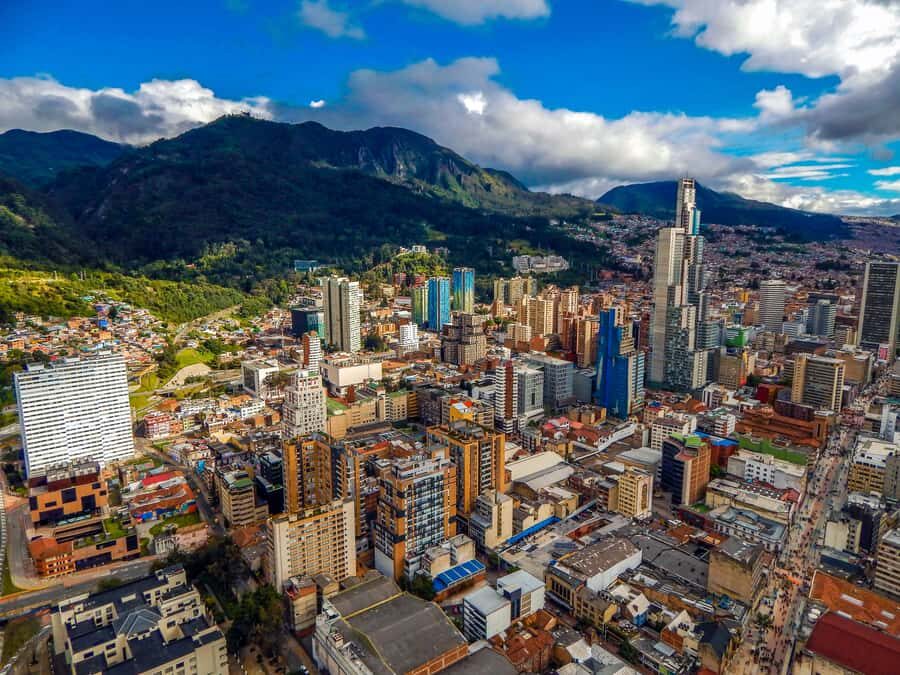
Bogotá can feel like three cities at once: colonial stone streets downtown, serious political space at Plaza Bolívar, and then a sacred hill with thick clouds rolling over the valley. This tour is built to give you all of that in one day without wasting hours guessing where to go next.
The value is in the way the stops connect. You’re not just ticking sights; you’re learning why each place matters, in plain language. And because it’s a private group with pickup included anywhere within Bogotá city, you lose less time navigating. For a first visit, that’s a big deal.
Plan for a lot of moving. There’s walking through cobblestoned streets and multiple museum visits. If you have tight legs or you hate downhill cobbles, you’ll want to take your shoes seriously and pace yourself. The tour does run rain or shine, so pack a light rain layer if your schedule is flexible.
You can also read our reviews of more city tours in Bogota

La Candelaria Walk: Colonial Streets with a Story Behind Them
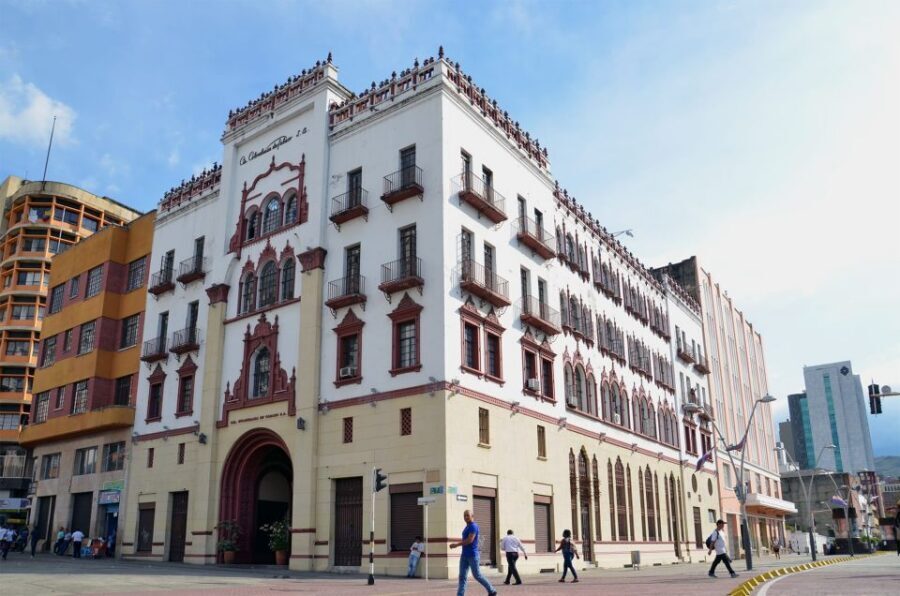
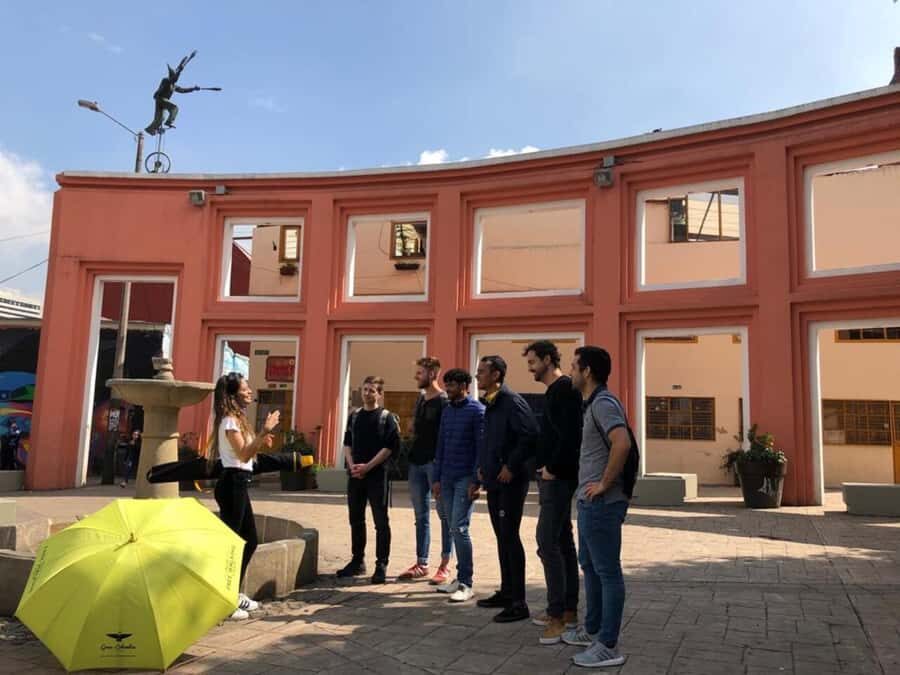
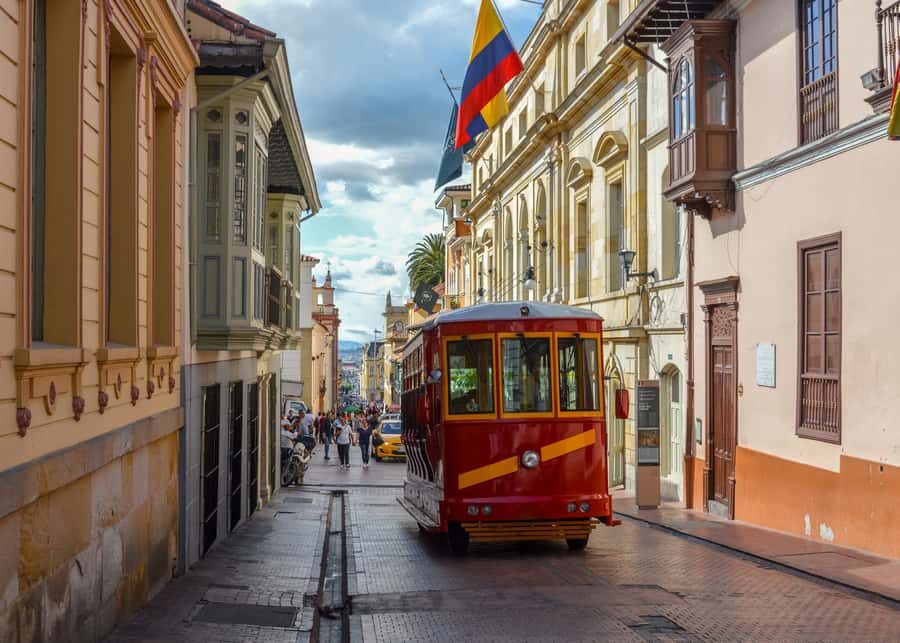
La Candelaria is the part of Bogotá that looks like a postcard on purpose: old colonial architecture, narrow streets, and the kind of street rhythm that makes you slow down. This portion is guided and designed to set the tone for the whole day.
What I like here is that it’s not just pretty buildings. Your guide uses the streets as a timeline—showing how the city’s identity shifted from Indigenous presence to Spanish colonization. Even if you do not know Colombian history yet, the walking route makes it feel understandable, because you’re seeing physical places while the explanation lands.
A practical note: cobblestones can be tough on your ankles after a while. You’ll be happier if you wear shoes you can walk in all day, not just shoes that look good in photos.
Chorro de Quevedo and the Chicha Moment
Chorro de Quevedo is a foundational square stop, and the guide uses it like a classroom with a view. It’s where the story of early Bogotá gets explained in terms you can grasp quickly—how the area developed and how colonization changed what life looked like.
Then you get the kind of tasting that makes history stick. You’ll taste chicha, described as an ancestral corn-based fermented drink. It’s not a random snack. Your guide ties it to the older roots of the region, so it feels like part of the place instead of a tourist detour.
Next, you’ll also try fruit and natural juices nearby. This is one of the best “reset” moments in a walking tour because it slows your pace for a bit and gives you something refreshing that works with Bogotá’s altitude and weather swings.
Plaza Bolívar: Where Politics, Conflict, and Peace Become Visible
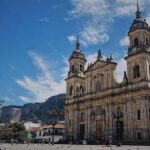
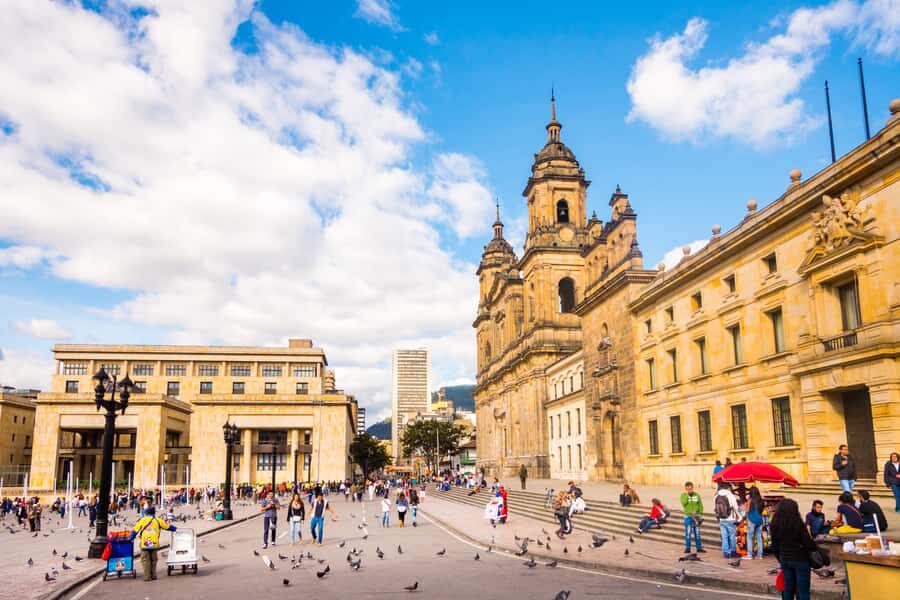
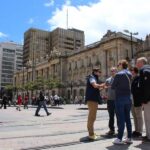
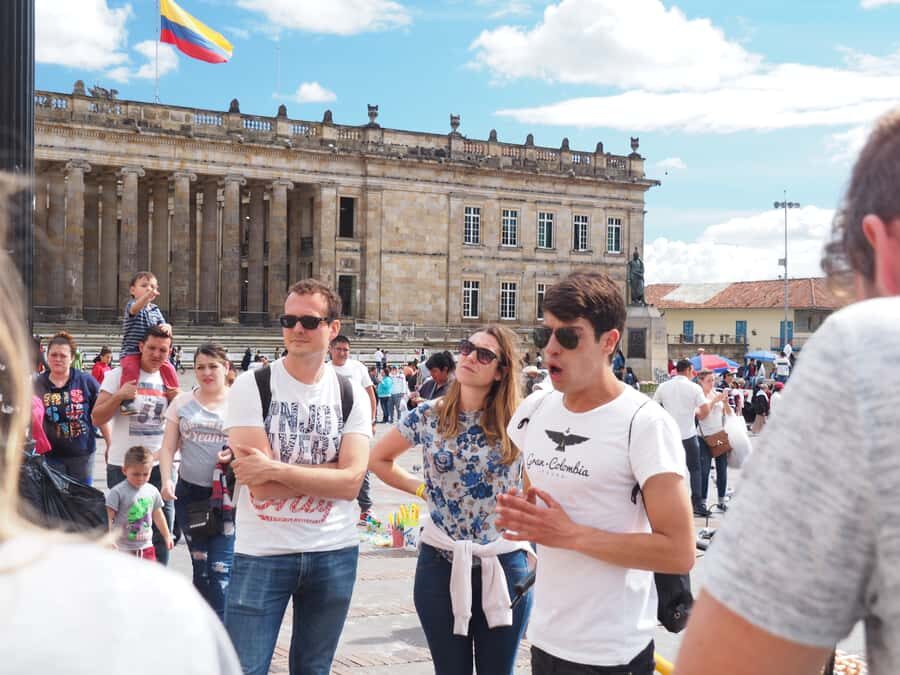
Bolívar Square is where you stop seeing Bogotá as scenery and start seeing it as a living political stage. Your guide walks you through how politics and conflict connect—and how current challenges relate to a peace agreement already signed.
This is not a dry lecture. The point is to help you understand the why behind the buildings around the square. You’ll see key government and civic structures, including the Palace of Justice, the National Capitol, the Town Hall, plus the Presidential Palace and the Primary Cathedral.
If you like history but hate memorizing dates, this stop works well because it’s grounded in physical landmarks. You can literally point at the buildings while the guide explains the tensions and transitions that shaped the modern city.
Museum Pairing: Botero and the Gold Museum in a Single Flow
Museums can turn into “two hours of standing in a big room.” Here, the plan is different: you’re moving from downtown context into art and artifacts that help you understand Colombia through its creativity and craft.
You can also read our reviews of more museum experiences in Bogota

Museo Botero: High-Quality Art with Local and International Reach
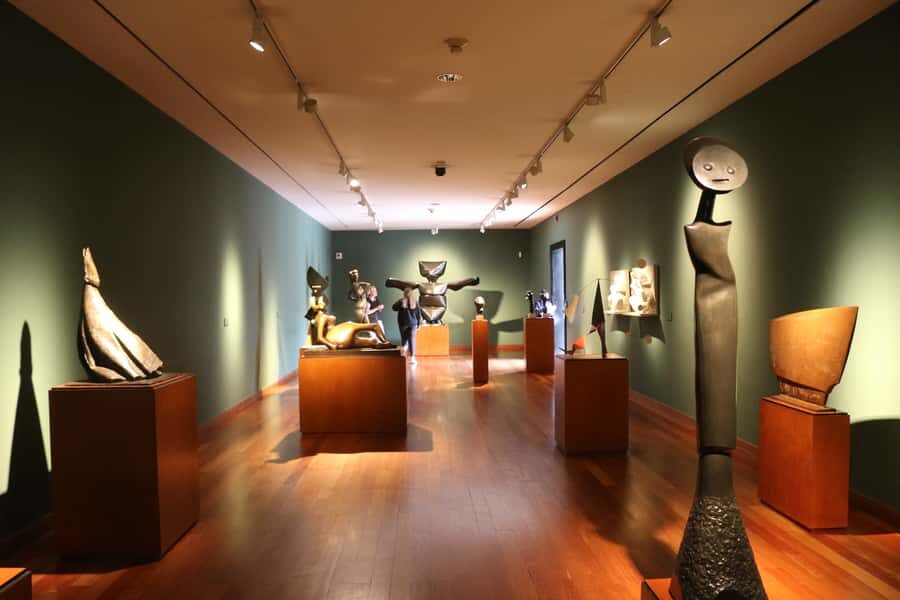
Museo Botero is a major art stop and often a relief after all the street walking. It’s guided, and the tour treats it as more than sightseeing. You get time to look, plus context so you understand what you’re seeing instead of just scanning labels.
This museum can be a great choice if you prefer art that gives you a quick emotional hook. The Botero collection is known for strong visual presence, and with a guide, the visit becomes a coherent part of the day’s “identity” theme—how Colombia expresses itself in images.
One timing reality: the Botero Museum is closed on Tuesdays, and your guide will provide options for another museum if you’re traveling on that day.
Museo del Oro: Pre-Spanish Metalwork and Its Human Meaning
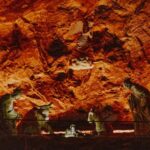
The Gold Museum is where the day tilts toward awe. You’ll learn about ancestors through their metalwork made before Spaniards arrived, and the guide helps you connect craft to culture.
It’s easy to think of a gold museum as just shiny objects. That’s not what this stop is trying to do. The best part is the explanation of what the pieces represented to the communities that made them—so the artifacts don’t feel like museum props. They become evidence of skill, symbolism, and social meaning.
Another timing reality: the Gold Museum is closed on Mondays. If that’s your day, your guide will adjust with other options.
A tip for your own pacing: don’t try to read every label. Your guide will highlight the rooms and items worth your attention, and that helps you avoid spending the museum walk tired and distracted.
Monserrate by Cable Car: Bogotá’s Best View and Its Sacred Weight
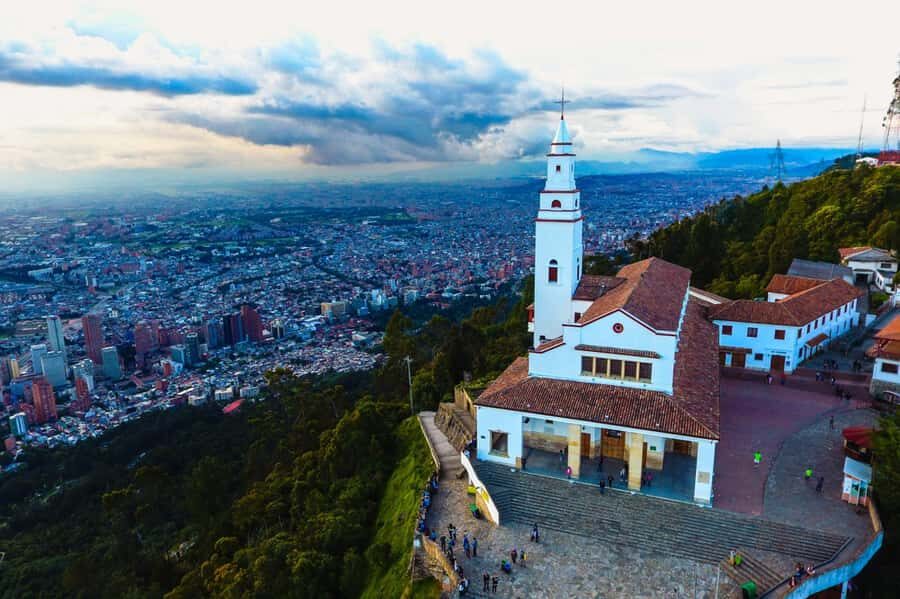
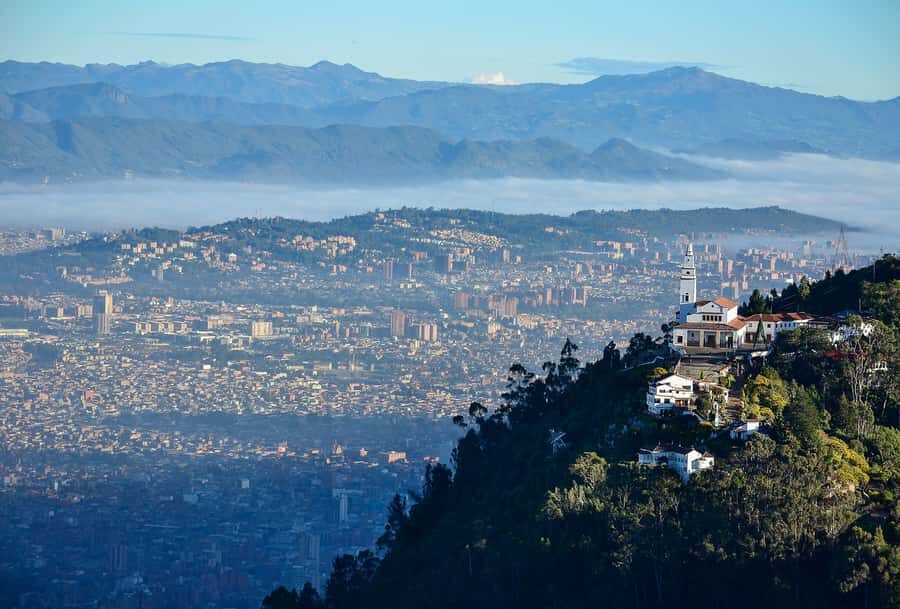
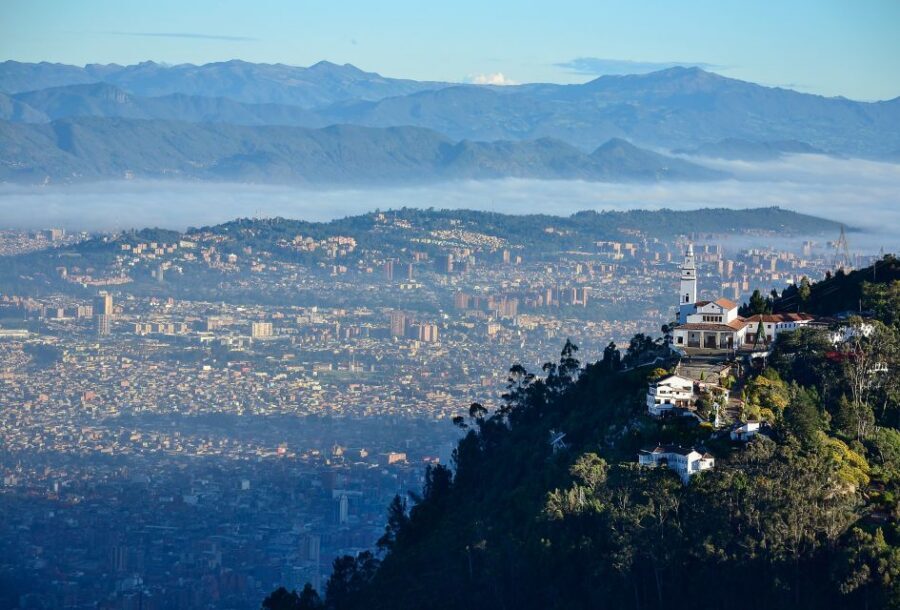
Monserrate is the main hill of Bogotá, and it deserves its reputation. You’ll ride up by cable car (two-way ticket included) and spend time at the top for guided sightseeing and walking around.
The payoff is the view. From here you can look down the length of the valley and get a sense of how the city spreads. It’s the kind of viewpoint that makes the rest of the day feel more connected, because downtown stops looking random on a map.
But Monserrate is not only about views. You’ll also see the Basilica of Monserrate and learn why this place is important for locals. That local meaning is what separates it from a generic viewpoint.
Weather matters up here. Bogotá can shift fast, so give yourself room to enjoy the view even if clouds roll in. Also note that on some days, parts of the church area have been reported as closed, so your guide may adapt the timing or route around what’s accessible.
If you want one photo that actually explains Bogotá, this is it.
Food, Coffee, and the Small Tastings That Feel Like Real Bogotá
The tour does a smart thing: it uses tastings to break up the day’s pace. You’ll try chicha, plus fruit and natural juices. Those stops keep your energy steady without turning the tour into a restaurant crawl.
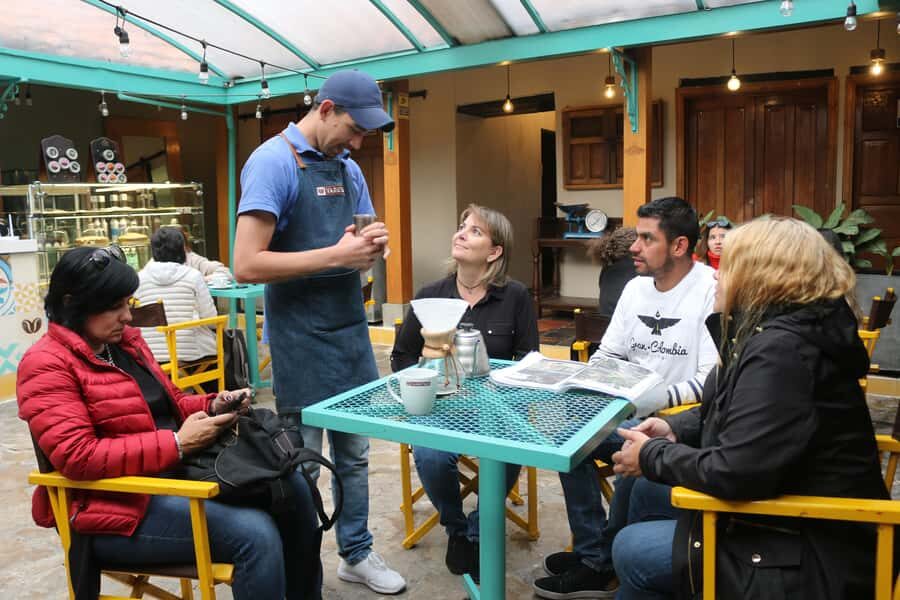
Later, you’ll finish with Colombian coffee. You’ll have a cup of coffee and a basic lesson from baristas on how to appreciate it. This is more useful than it sounds because it gives you language for what you taste, so you can carry the experience forward after the tour ends.
In multiple guide examples from past tours, people specifically praised the friendliness and the way guides explain what to notice—like guiding you toward extra fruit tastes you end up loving, or showing you how coffee flavors can be different. That’s the kind of touch that makes the day feel personal even when the route is set.
Lunch is up to you. The guide gives recommendations, and that’s usually the best setup: you get local direction but you keep control over price and preferences.
Price and Logistics: Why $65 Works for the Right Traveler
At $65 per person for a 5 to 7 hour private experience, the value comes from bundling several things that cost time and money when you do them yourself.
You’re paying for:
- Hotel pickup and drop-off anywhere in Bogotá city
- A live guide in English or Spanish
- Two-way cable car tickets to Monserrate
- Museum entry to Gold and Botero when you choose them
- Chicha, fruit and juice tastings, plus coffee
- All-risks insurance
Doing that solo means you’d still have to arrange pickup or transit, figure out museum hours, buy cable car tickets, and hunt down tasting experiences that match what you want. Even if some parts are cheaper on paper, the tour’s real advantage is the time you save and the guidance that prevents wasted effort.
What about cost versus comfort? The biggest cost you pay is physical. This plan is not “sit and glide.” You’ll be walking a lot. If you’re traveling with mobility limits, this is probably not the best fit. If you’re generally healthy and enjoy walking, $65 can feel like a bargain for how much you get.
Choosing 5 Hours or 7 Hours (and Making It Fit Your Day)
This tour can run as short as about 5 hours or up to about 7 hours depending on your choices.
If you do Monserrate plus the core downtown stops, you’ll get the hill viewpoint and city perspective without the full museum marathon. This is smart for a tight schedule, a layover day, or when your energy is limited.
If you add the Gold Museum and Botero Museum, you’ll get a deeper, more complete Bogotá intro: art plus artifacts plus the hill. This longer version makes sense if you’re coming for the history and culture and you want the tastings and museum context to land properly.
Either way, you’ll want comfortable shoes, because the walking is the real constant.
Safety, Pace, and the Human Touch (Based on Real Guide Behavior)
One reason this tour earns such strong ratings is the way guides show up ready. In past experiences, guides like Nataly and Sara were praised for clear explanations and making the day feel enjoyable right from pickup. Camilo and Rodrigo were praised for organization and adapting to conditions, including one story where a guide helped with altitude sickness by providing comfort and helping with medicine.
Luis and Leslie also come up for being especially helpful with local recommendations and pacing. Even more, a few guides were noted as great photographers, which matters if you want photos that look like you actually belonged in the places you visited.
There’s also a practical safety angle: the tour is structured, guided, and paced, so you’re not stuck trying to figure out what streets are safe or how to get back when the weather changes.
Who Should Book This Tour (and Who Should Pass)
Book it if:
- You’re visiting Bogotá for the first time and want a fast, well-rounded intro
- You like walking tours when they’re guided and contextual
- You want Monserrate’s views without planning the cable car and timing alone
- You want tastings that feel tied to the places, not just handed to you
Consider passing or changing expectations if:
- You need wheelchair access or have mobility impairments, because this is not designed for that
- You hate long walking days or you’re traveling with a lot of luggage (large bags are not allowed)
- You’re counting on a no-stress museum day on a closed day. The guide can adjust, but the schedule can shift because the Gold Museum and Botero Museum have weekly closures (Gold Mondays, Botero Tuesdays)
Should You Book This Bogotá City Tour with Monserrate and Museums?
I’d book it if you want a single-day Bogotá plan that actually teaches you the city instead of just showing you photos. The pairing of downtown landmarks, a serious history lesson tied to visible places, Monserrate’s big views, and museum time is exactly what makes this tour feel efficient.
The deal-breaker is physical effort. If you’re okay with cobblestones, several hours of walking, and rain-or-shine conditions, this is a strong choice. If your plan depends on lots of sitting breaks, you might want the shorter Monserrate-focused option or a different format.
Bottom line: for first-timers and culture-minded walkers, this is the kind of tour that gives you memories with context.
FAQ
How long is the tour?
The tour runs about 5 to 7 hours, depending on whether you add the Gold and Botero museums alongside Monserrate.
Is this a walking tour?
Yes. It includes guided walking through central Bogotá streets, so comfortable shoes are a must.
What’s included in the price?
Pickup and drop-off, a live guide, a two-way cable car ticket to Monserrate, museum entry to the Gold and Botero museums if chosen, chicha and coffee tastings, fruit and juice tasting, and all-risks insurance are included.
What if I’m traveling on a day the museums are closed?
The Gold Museum is closed on Mondays and the Botero Museum is closed on Tuesdays. Your guide will provide options for another museum if needed.
Is lunch included?
No. Lunch is not included, but the guide will give recommendations for places in the area.
Can I bring large luggage or bags?
No. Luggage or large bags are not allowed.
What languages is the tour available in?
The live tour guide speaks English and Spanish.