REVIEW · BOGOTA
Bogota: East Hills Mountain Hike
Book on GetYourGuide →Operated by Impulse Travel · Bookable on GetYourGuide
The East Hills hike turns Bogotá into a backcountry day. From the trail you get an above-the-city perspective, plus hands-on nature talk in the paramo zone near Moyas. It’s a smart add-on if you want something more real than another viewpoint stop.
Two things I really like: the views from Moyas can feel more dramatic than the usual crowds, and the guide focuses on how the reserve’s ecosystems work, including the tug-of-war between native and invasive species. One thing to plan for: the route climbs steadily and can get steep and slippery after rain, so your shoes matter as much as your attitude.
In This Review
- Key Points You’ll Care About
- East Hills Views with More Nature, Less Noise
- Getting There Early: Hotel Pickup and a Smooth Start
- The Climb: 3 km Each Way and a 550 m Elevation Gain
- What the Ground Can Feel Like
- Moyas: Where the City Stops and the Highlands Start
- Photo Tip That Helps in Real Life
- Biodiversity and the Real Environmental Story
- What to Bring (So You Don’t Waste Your Energy)
- After the Hike: Back to Bogotá’s Zona G
- Price and Value: What $80 Really Buys
- The Real Cost Consideration
- Guides and Group Energy: What to Expect From the Human Side
- Who Should Book This (and Who Should Skip)
- Should You Book the Bogotá East Hills Mountain Hike?
- FAQ
- How long is the Bogotá East Hills Mountain Hike?
- What distance and elevation gain should I expect?
- What altitude does the hike reach?
- Are there food or other amenities inside the reserve?
- What language will the guide speak?
- Is pickup included, and how big is the group?
Key Points You’ll Care About
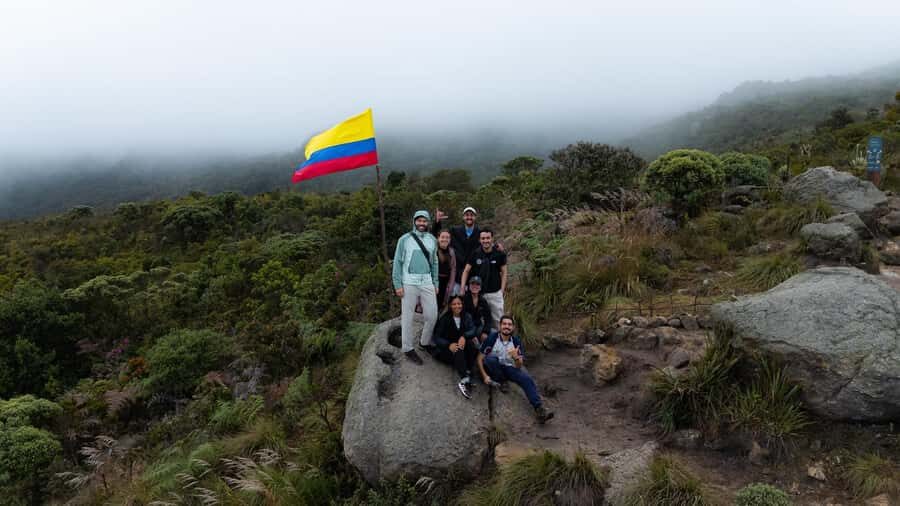
- Moyas stone formations deliver wide Bogotá vistas and an immediate sense of scale
- Moderate-high effort: about 3 km each way with 550 m elevation gain
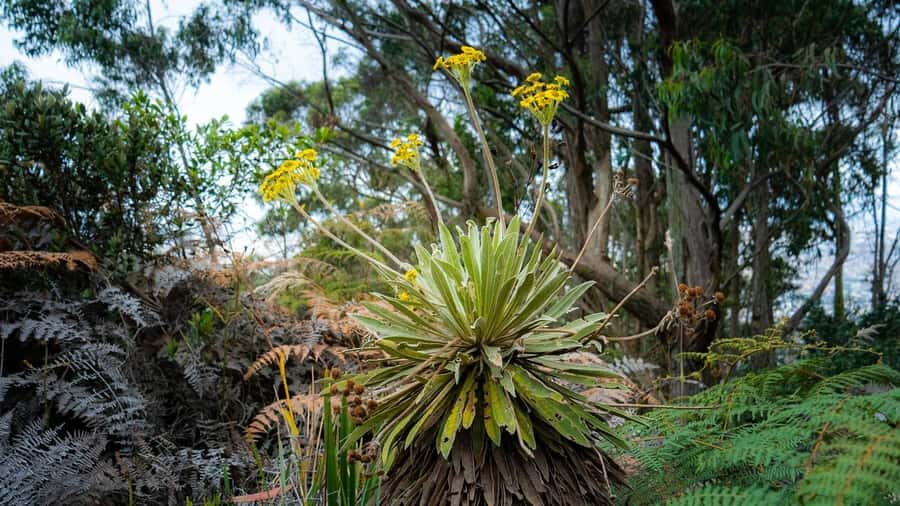
- Paramo vegetation is part of the story, not just scenery
- Biodiversity lessons include natives vs invasive species and local environmental pressures
- Start early (often around 6 a.m.) to avoid heavier late-morning traffic
- No amenities inside the reserve, so pack water and snacks
East Hills Views with More Nature, Less Noise
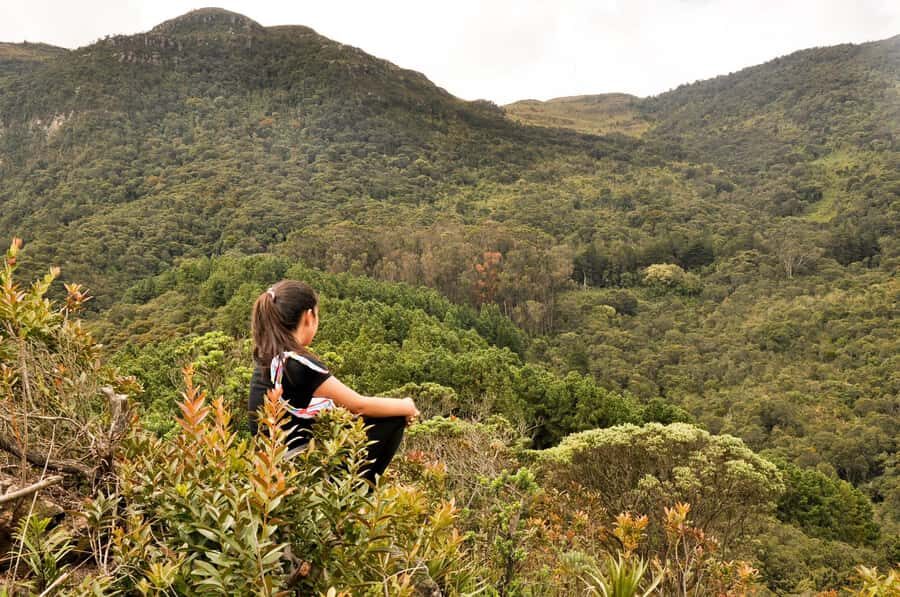
Bogotá sits at around 2,600 meters, but the city’s eastern edge is where the action starts. The Cerros Orientales form a rugged mountain wall that shapes the weather and the walking routes, and the East Hills hike uses that natural stage to give you a real outdoors experience without leaving the region.
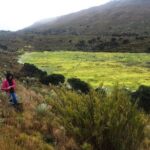
This tour is interesting because it’s not just a workout. You’ll hike into a high-Andean paramo environment and then pause at Moyas, a set of stone formations with sweeping sightlines eastward toward the forest reserve. That combo—effort plus learning—keeps it from feeling like a one-note photo stop.
The other big plus is value for your time. At $80 per person for about four hours, you’re paying for a guide, a small group, and transfers—so you’re not spending your morning figuring out logistics. For many first-timers in Bogotá, that’s where the real cost savings show up.
You can also read our reviews of more hiking tours in Bogota
Getting There Early: Hotel Pickup and a Smooth Start
The day begins with an early start and pickup, so you don’t need to coordinate transport on your own. Your tour includes a private vehicle transfer service, and the schedule is set around the trail, not around city traffic or café plans.
Small group matters here. With a limit of 8 participants, the guide can keep an eye on pace and footing, especially on a steep stretch. It also helps the experience feel more like guided outdoor time than a rushed sightseeing line.
One practical note: starting early is a real advantage. On this route, late morning can get busier, and an early departure (some groups start around 6 a.m.) helps you enjoy the hike when the trail is calmer. If you hate waiting behind other groups at turns or lookouts, this is a good match.
The Climb: 3 km Each Way and a 550 m Elevation Gain
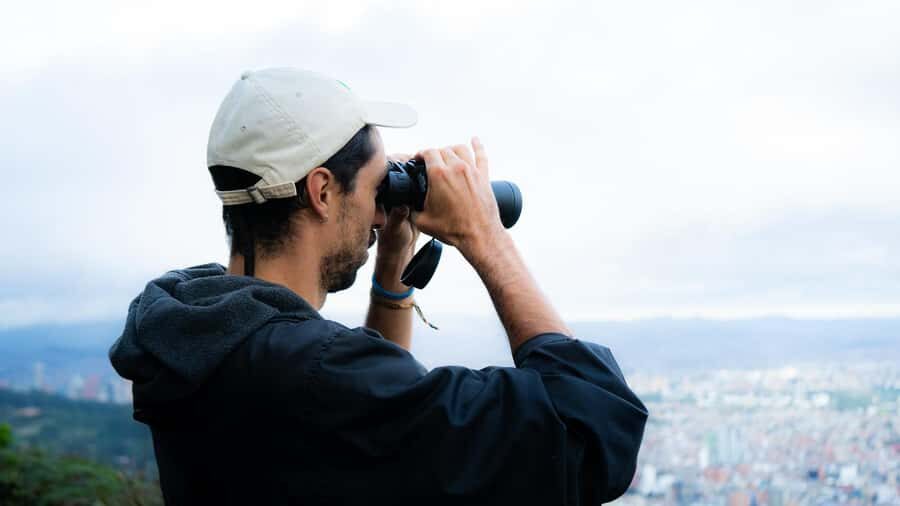
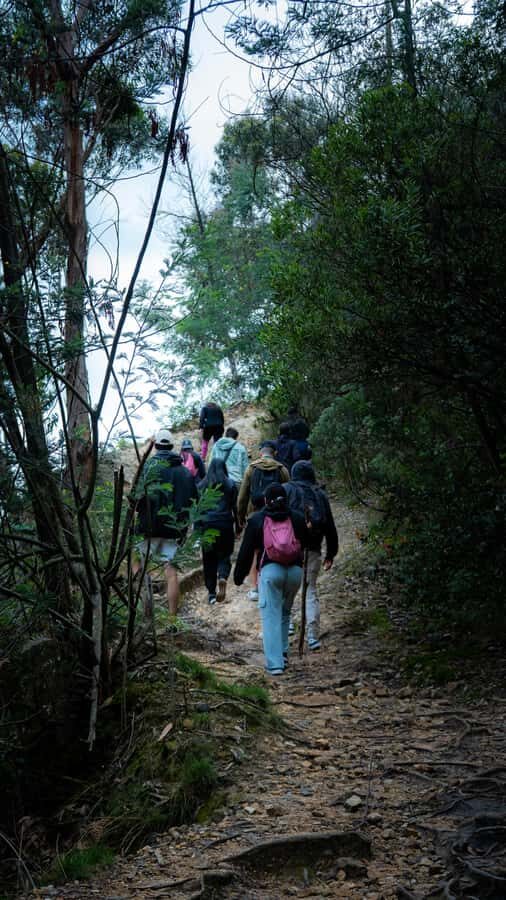
Expect a moderate-high hike. You’ll cover about 3 kilometers each way and gain roughly 550 meters in elevation, which is no joke when you’re already in Bogotá’s altitude range.
The start is typically at the city outskirts, and the hike reaches approximately 3,100 meters above sea level at the higher point near Moyas. Since Bogotá itself sits at about 2,600 meters, your body doesn’t have to travel far to feel the climb, which is why acclimatization matters.
Your best move is timing your tour. You’re advised to have at least 36 hours in Bogotá before going, especially if you’re not used to altitude. If you arrive and do this the next day, you’re more likely to feel winded, slow down more than planned, and risk turning a fun hike into a survival mission.
What the Ground Can Feel Like
One review highlight was the steepness and slippery conditions after rain. If the weather has been wet, you should assume sections can be muddy and rutschig—sticky mud and slick footing. Bring shoes with strong tread so you can move confidently rather than pick your way forward.
And yes, you’ll want to dress for changing conditions. High points can feel cooler and clouds can move fast, so a jacket and a rain layer help you stay comfortable for the full climb and breaks.
Moyas: Where the City Stops and the Highlands Start
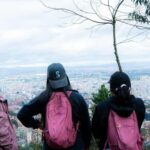
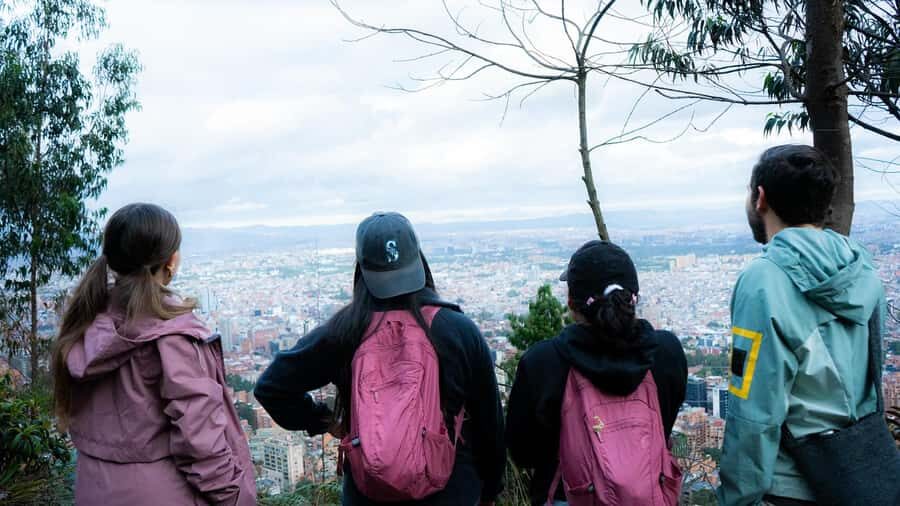
Moyas is your payoff zone. You’ll reach a spot near the stone formations, then pause to take in views over Bogotá and the forest reserve to the east. It’s the kind of viewpoint that makes you understand why the Cerros Orientales feel like a dramatic border to the city.
I like Moyas because it gives context, not just a view. From up here, Bogotá stops looking like a single grid of buildings and starts reading like it’s sitting inside a larger mountain system. You can see how steep terrain funnels movement and how the reserve’s shape influences the natural world beyond the city.
This is also where your guide’s teaching becomes more memorable. When you’re looking out at the terrain, biodiversity lessons land better. Instead of hearing facts in a vacuum, you connect the science to what you’re actually seeing.


Photo Tip That Helps in Real Life
Plan on taking photos while you still have energy. Don’t wait until you’re too tired to stop. The hike is short in distance, but the effort is steady, so it’s smart to time your photo breaks so you’re not rushing the best viewpoints.
Biodiversity and the Real Environmental Story
This tour is clearly built around nature education. You’ll learn about biodiversity and the environmental challenges facing the Bogotá area, and the guide focuses on how native species and invasive species compete in the region.
That might sound like a lecture, but it’s more useful than you’d expect. When you hear why certain plants and animals struggle, you start noticing differences in vegetation and growth patterns during the walk. It turns the trail from a line on a map into a living system with pressures you can actually picture.
It also makes the reserve feel meaningful. The Cerros Orientales aren’t just scenic backdrops; they’re part of a fragile ecosystem shaped by climate and human impact. By the time you leave the reserve, you’ll likely understand why local residents work on creating and connecting hiking trails in the surrounding neighborhoods.
What to Bring (So You Don’t Waste Your Energy)
Because there are no amenities inside the reserve, your pack needs to do real work. You should come ready with drinking water and snacks, plus a rain layer.
Here’s a solid checklist based on the tour guidance:
- comfortable shoes with good tread
- sunglasses and sunscreen
- a jacket and raincoat (Bogotá weather can shift)
- hiking clothes that can handle mud
- passport or ID card
- water and snacks (no food inside the reserve)
If you’re sensitive to altitude, you’ll also feel better if you start with snacks you can actually eat when you’re breathing hard. Keep it simple. A small, easy-to-chew snack beats a complex meal you’ll regret halfway up.
After the Hike: Back to Bogotá’s Zona G
After the walk, your guide will accompany you on foot to Bogotá’s G Zone. This is where the experience turns from physical to practical: you can recharge at cafés and restaurants, and you can arrange transport to your hotel or next destination.
What I like about this setup is that it respects how people really recover. You’re not left scrambling to find something open or figuring out the easiest route back right after a climb.
This timing also suits mixed travel days. If you planned other sightseeing later, you’ll have a reasonable window to shower, eat, and reset rather than spending half the afternoon wrestling with transit.
Price and Value: What $80 Really Buys
At $80 per person for about four hours, this hike can be good value if you factor in the components you usually end up paying separately in Latin America: a guide, small-group structure, trail access, and transfers.
You’re getting:
- access to the Forest Reserve
- an expert English-speaking guide (Spanish also available)
- private vehicle transfer service
- pickup included (hotel)
The price doesn’t include V.A.T. for foreigners entering as tourists, and that’s a detail worth catching early. If you want to benefit from the VAT process, you’ll need to send proof documents, including a copy of your passport and a photo of the entry stamp. If paperwork stresses you out, just treat it as a checklist item you handle before the day.
The Real Cost Consideration
Your biggest potential “extra cost” is buying the wrong shoes or showing up unprepared for rain and mud. This route can be steep, and after wet weather the ground can be slick. If you invest in footwear with good traction, you’ll likely save your legs and enjoy the viewpoint more.
Guides and Group Energy: What to Expect From the Human Side
The tour is designed for a small group, and that tends to shape the vibe. With only up to 8 people, you’ll likely have more back-and-forth with the guide, including questions about biodiversity and the environmental pressures around Bogotá.
From past groups, guides have included people like Rodrigo, who speaks English, French, and Spanish, and Felipe, who brings deep knowledge and a strong sense of company. Even if you don’t meet the same guide, you can expect someone comfortable explaining the natural side of the Cerros Orientales in plain language.
That matters because the hike isn’t long, but the learning is dense. You’ll get the most from it if you’re willing to pause, look around, and ask questions rather than treating it like a race.
Who Should Book This (and Who Should Skip)
This hike is best for travelers who like walking and don’t mind a steady climb at altitude. You should be comfortable with medium-high physical demands and willing to take a slower pace when the trail turns slick.
It’s not suitable for people with mobility impairments, based on the hike format and terrain.
If you’re traveling with limited hiking experience, this still might work—but only if you respect the altitude advice. Do it after you’ve had time to adjust to Bogotá’s elevation, and keep your expectations realistic. The climb is short in distance, but your body will feel it.
Should You Book the Bogotá East Hills Mountain Hike?
Book this tour if you want a Bogotá day that feels outdoorsy and meaningful. You’ll get strong city views from Moyas, an intro to paramo ecology, and a guide who explains why native and invasive species matter here. For $80 and a small group size, it’s also a practical way to access the forest reserve without DIY headaches.
Skip it if steep, slippery trails would be stressful for you, or if you can’t handle moderate-high elevation effort. And if you arrive in Bogotá and feel unsteady with altitude, wait the recommended 36 hours before you hike—this is one of those days where timing directly affects comfort and enjoyment.
FAQ
How long is the Bogotá East Hills Mountain Hike?
The tour lasts about 4 hours.
What distance and elevation gain should I expect?
You’ll hike roughly 3 kilometers each way, with an elevation gain of about 550 meters.
What altitude does the hike reach?
You start in Bogotá’s high-altitude area (around 2,600 meters) and the hike reaches approximately 3,100 meters above sea level near the Moyas viewpoints.
Are there food or other amenities inside the reserve?
No. There are no amenities in the reserve, so you’ll need to bring water and snacks.
What language will the guide speak?
The guide speaks Spanish and English.
Is pickup included, and how big is the group?
Pickup is included, and the group is small, limited to up to 8 participants.