REVIEW · BOGOTA
Bogotá: Guided Coffee Tour with Lunch, and Pickup & Drop-Off
Book on GetYourGuide →Operated by Bogotravel tours · Bookable on GetYourGuide
Bogotá to Fusagasugá is the kind of change of pace I love. You get a real look at how coffee is grown and processed at a working finca, plus tastings that are actually part of the lesson. The private ride from your hotel and the on-site coffee advisor turn a day trip into something you can talk about later.
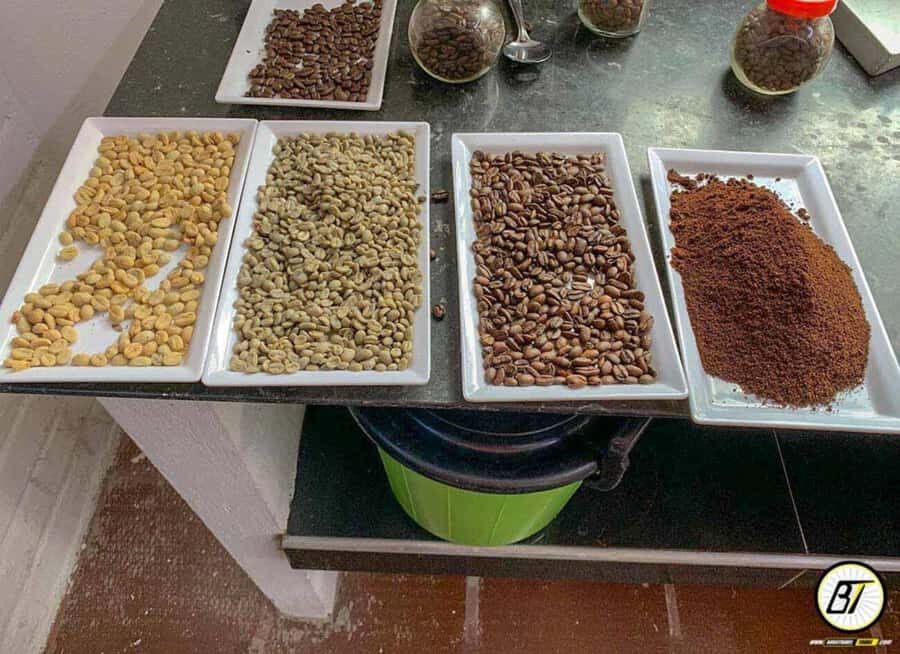
I especially like that the coffee teaching happens where the plants grow. You’ll learn how bean color and size relate to the crop, practice identifying good beans on the plantation, and get walked through stages like pulping, drying, and roasting in the roastery area at the farm. You also get a coffee cup tasting and the fun extra of a coffee liquor tasting.
One thing to plan for: this is a guided, spoken experience, and it isn’t listed as suitable for hearing-impaired guests. If you need audio support, it’s worth asking before you book.
In This Review
- Key highlights worth planning around
- Bogotá to Fusagasugá: a coffee day with real countryside rhythm
- Hotel pickup and the drive timing you should expect
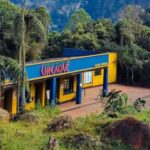
- Entering Coloma: finca gardens and a working coffee estate
- Coffee culture lessons: bean size, color, picking, and plant changes
- The processing path: pulping, drying, and roasting at the plantation roastery
- Coffee tasting and coffee liquor: learning flavor without pretending you’re a barista
- Fruit market test and a typical Colombian lunch that breaks up the day
- Who this private coffee tour is best for
- Price and value: what $1,146 buys for an 8-hour private day
- Should you book the Bogotá to Fusagasugá coffee tour?
- FAQ
- How long is the coffee tour?
- Where does the tour take place?
- Is hotel pickup and drop-off included?
- What’s included in the tastings?
- Is there a lunch included?
- What languages will the guide use?
- What should I bring?
- Is the tour suitable for hearing-impaired guests?
Key highlights worth planning around
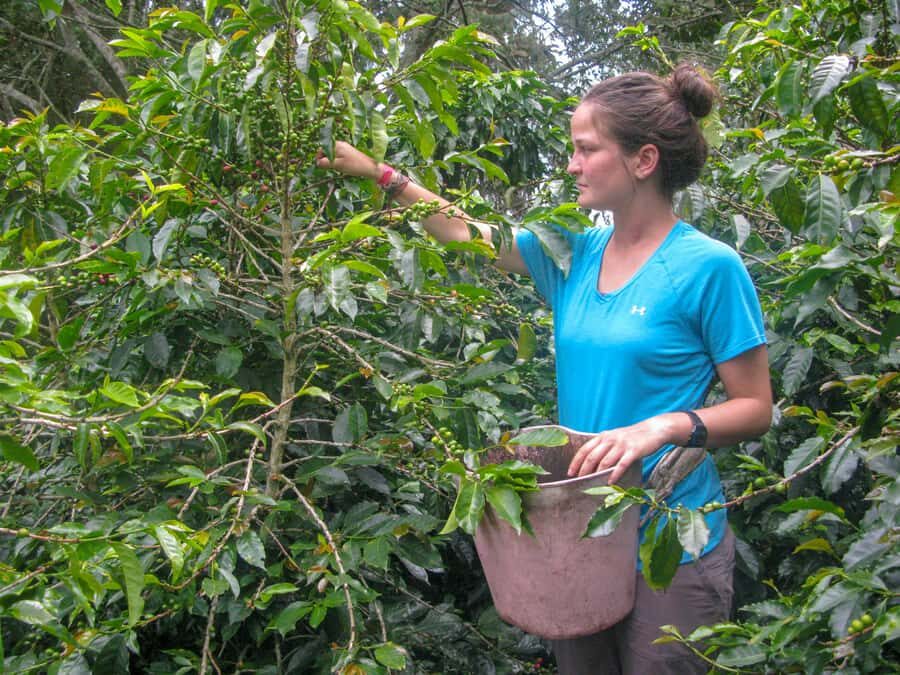
- Coloma finca experience: a real coffee plantation visit, not just a demo room
- Hands-on coffee learning: picking/identifying beans and understanding plant changes
- Coffee cup + coffee liquor tasting: you sample what you learn
- Fruit market stop: typical Colombian fruits with tastings, including passion fruit
- Typical lunch nearby: you eat where the day actually takes place
Bogotá to Fusagasugá: a coffee day with real countryside rhythm
This trip is built around one simple idea: coffee makes more sense when you’re standing in it. You leave Bogotá and head to Fusagasugá, about an hour away on paper, with an average temperature around 20°C. That cooler, gentler pace is welcome after the city pace and altitude.
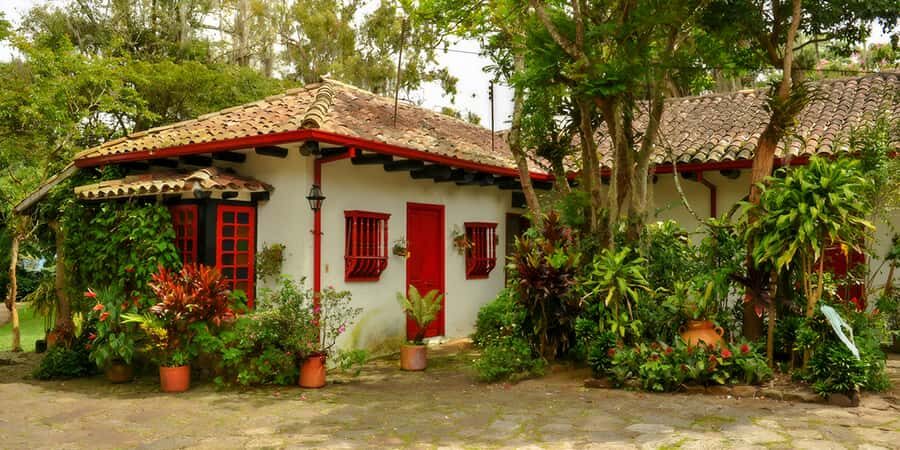
At Coloma, you’re treated like a visitor to a working home, not a crowd in a conveyor belt. The plantation is surrounded by a garden where you can spot native plants from the tropics, including orchids, bromelia, cacao, and bamboo. It’s not just for photos. Seeing the plants helps you understand why coffee farms in this region feel lush and alive even when you’re focusing on beans.
For me, the best part of this setup is that the day stays practical. You’re not only hearing about coffee; you’re learning how farmers think about it from the plant to the cup.
You can also read our reviews of more guided tours in Bogota
Hotel pickup and the drive timing you should expect
Your day starts with private transportation from your Bogotá hotel and return. That’s a real value point here because it saves energy and keeps the day on schedule. The pickup is straightforward: wait in the hotel lobby about 10 minutes before your scheduled time.
Now the honest part: the ride can take longer depending on traffic and road work. One example from a recent booking noted about 2.5 hours each way due to traffic work, even though the region is closer in theory. If you’re the type who plans your whole day around exact minutes, build in cushion.
You’ll be in a private vehicle with a professional driver, which makes this easier if you’re traveling with jet lag, want a calmer start, or simply don’t feel like negotiating taxis for an 8-hour outing.
Entering Coloma: finca gardens and a working coffee estate
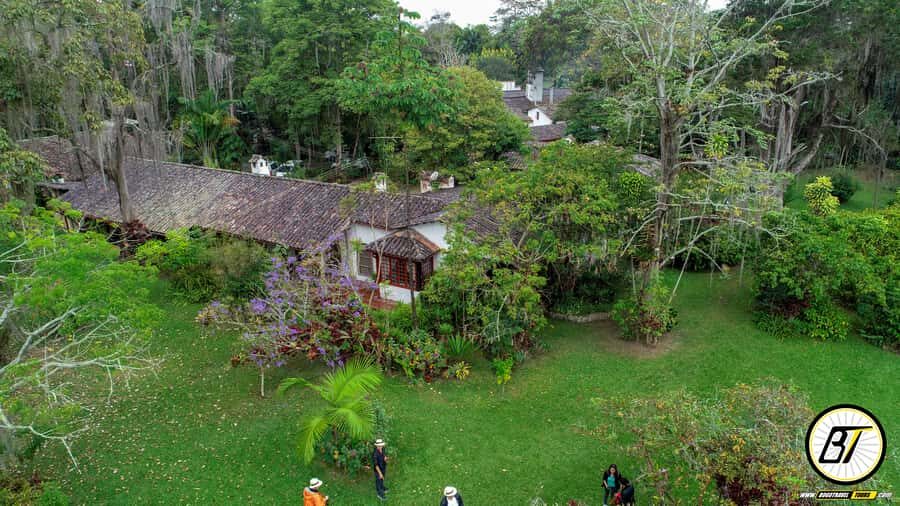
Once you arrive at Coloma, you’ll start at the plantation itself. The farm experience matters because you get to see coffee where it grows. You’ll also meet the people running the place through a bilingual local guide (English and Spanish) and a specialized coffee advisor who knows the details.
Here’s what you can expect to notice quickly:
- Coffee plants aren’t all the same. You’ll see differences tied to crop behavior and how coffee develops.
- The farm includes more than coffee. The garden with native plants (orchids, bromelia, cacao, bamboo) gives you context for the tropical environment around the fields.
- It feels like a true finca, where agriculture and daily life overlap.
The guide work is one of the strongest points of the tour. A past traveler specifically praised the guide at the farm named Jessica for being fantastic and highly informative, and another noted feeling taken care of and made to feel at home.
Coffee culture lessons: bean size, color, picking, and plant changes
After you’re oriented, the learning shifts from scenery to coffee science you can actually picture. You’ll be introduced to coffee culture, including the different types of crops, and how beans can vary in color and size. That’s useful because it gives you a mental framework for what you’ll taste later.
Then comes the plantation part that’s more interactive than most tours. You can learn how to pick coffee and how to identify the best beans directly from the plants. This is the kind of detail you’ll remember because it connects a visible cue (what you see on the plant) to a final product (what ends up in the cup).
The tour also covers what can go wrong in coffee farming. You’ll hear about natural enemies of coffee, including parasites, and you’ll learn about mutations of coffee plants. Even if you’re not a coffee grower, it helps you understand why farmers pay attention to the health and behavior of plants, not just harvesting.
If you’re the type who likes facts you can use at cafés, this section is your payoff.
The processing path: pulping, drying, and roasting at the plantation roastery
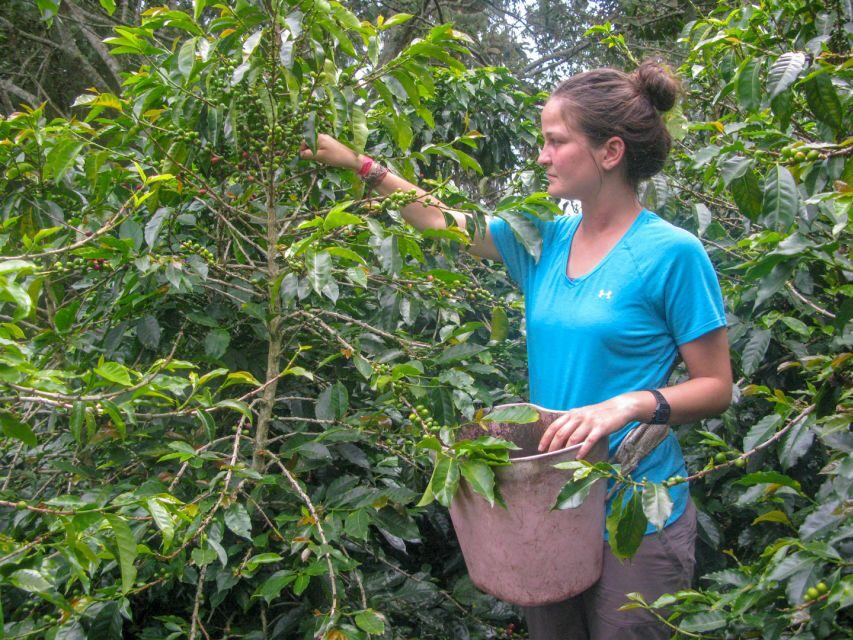
Coffee tasting works best when you understand processing. This tour does that by walking you through the production steps with the logic of how each stage affects the final flavor.
You’ll learn about:
- Pulping: separating the bean from the fruit layer
- Drying: reducing moisture to stabilize the coffee
- Roasting: how the roasting process is handled in a real roastery section at the plantation
One of the smartest parts of including these steps on-site is that it keeps the whole day consistent. Instead of jumping from a farm walk to a generic tasting, you’re building the tasting expectations as you go. If you’ve ever wondered why two coffees with the same origin taste different, processing is a big part of the answer.
A few more Bogota tours and experiences worth a look
Coffee tasting and coffee liquor: learning flavor without pretending you’re a barista
The day ends the coffee side with a coffee cup tasting—included as part of the experience. That’s not just about drinking. It’s the moment to connect what you learned (crops, beans, processing) to what you experience in taste.
You’ll also get to try coffee liquor, which is a fun curveball. It adds a different angle: you’re sampling coffee in a form that’s meant to feel richer and more spirit-like than standard espresso or filter. Even if you’re not a liquor person, it’s a good cultural touch that shows how coffee can be used beyond brewed drinks.
When you taste, don’t force yourself to invent fancy descriptors. The goal is understanding. Ask yourself how the coffee feels: smoother vs. sharper, more chocolatey vs. more earthy, and how roasting and processing might explain what you notice.
Fruit market test and a typical Colombian lunch that breaks up the day
After the coffee segment, you’ll shift from coffee to a broader taste of Colombia. You’ll visit a typical fruit market and do a test with an explanation of many common Colombian fruits, including passion fruit.
This is a valuable stop for two reasons:
- You get variety after coffee. It helps your palate reset.
- Learning the fruits gives you cultural context beyond the farm.
Then lunch comes in nearby. You’ll have a typical Colombian lunch, included in the tour. The key here isn’t a specific menu item you can memorize. It’s that lunch is timed to keep the day flowing and to refuel you after hours outdoors and on the tasting track.
For most people, the best strategy is simple: eat enough to power you through the ride back, even if you’re tempted to graze because you’re still excited about the tastings.
Who this private coffee tour is best for
This is a strong fit if you want a guided day that feels personal. The private group setup means you can ask questions and move at a pace set by the guide and the farm’s workflow.
It’s especially good for:
- Coffee lovers who want more than basic trivia
- People who like practical agriculture education (bean selection, processing stages)
- Travelers who enjoy tastings with cultural context (coffee liquor and fruit samples)
- Anyone who values hotel pickup and a reliable, professional driver
It’s less ideal if you need an experience designed for hearing support, since it’s explicitly not listed as suitable for hearing-impaired guests.
Wheelchair accessibility is listed, which is helpful to know up front if you rely on accessibility planning. Just keep in mind that farms can be uneven, so you’ll still want to be ready for outdoor conditions.
Price and value: what $1,146 buys for an 8-hour private day
At $1,146 per person for an 8-hour outing, this isn’t a budget coffee stop. So the real question is whether you’re paying for something you can’t easily replicate on your own.
In this case, the value comes from three bundled things:
- Private transportation with pickup and drop-off from your hotel in Bogotá
- A hands-on plantation visit with both a bilingual guide and a specialized coffee advisor
- Multiple included tastings: coffee cup, coffee liquor, and fruit market tasting plus typical Colombian lunch
If you were to hire transportation, find a quality farm visit with English support, and cover tastings plus lunch separately, the cost typically adds up. You’re paying for coordination and a guided learning path that stays on-topic from finca to cup.
Is it worth it? For coffee-focused travelers who want a guided, structured day and don’t want the hassle of organizing logistics, the price starts to look more reasonable. If you’re simply curious about coffee and prefer a quick tasting without a full day, you may want a lighter option.
Should you book the Bogotá to Fusagasugá coffee tour?
I’d book this if you want a coffee day that teaches you how coffee turns from plant to cup, with tastings that feel built into the lesson. The Coloma plantation setting, the garden context with orchids and cacao, and the inclusion of fruit testing and a typical lunch make it more than a one-note activity.
I would hesitate if:
- You’re sensitive to long drive times, since traffic can stretch the ride.
- You need an accessibility format designed for hearing support, because this one isn’t listed as suitable for hearing-impaired guests.
- You’re looking for a short, low-commitment activity.
If you fit the right mindset, this tour delivers a grounded, farm-to-tasting experience that’s easy to recommend.
FAQ
How long is the coffee tour?
The tour duration is 8 hours.
Where does the tour take place?
It runs from Bogotá to a coffee plantation in Fusagasugá, in the Cundinamarca region.
Is hotel pickup and drop-off included?
Yes. Private transportation is included from and to your hotel in Bogotá.
What’s included in the tastings?
You’ll have a coffee tasting (coffee cup) and a coffee liquor tasting. You’ll also do fruit tasting at a typical fruit market, including passion fruit.
Is there a lunch included?
Yes. You’ll have a typical Colombian lunch included as part of the experience.
What languages will the guide use?
The tour is offered with a live guide in English and Spanish.
What should I bring?
Bring comfortable shoes, sunscreen, and comfortable clothes.
Is the tour suitable for hearing-impaired guests?
No. It is not listed as suitable for hearing-impaired people.