REVIEW · BOGOTA
Bogotá: Graffiti Tour el mejor recorrido de arte urbano
Book on GetYourGuide →Operated by THE ORIGINAL GRAFFITI TOUR · Bookable on GetYourGuide
Street art reads like a living newspaper. I love the city-wall storytelling and how guides like Lifred help you understand what Bogotá’s graffiti is saying, from social protest to everyday life. You’ll also learn more than just where the murals are, since guides like Ivonne bring in street-art basics as part of the walk.
One thing to consider: this specific tour booking lists English as the guide language. If you want Spanish, German, or French, you’ll need to ask in advance, since those options are mentioned as available.
In This Review
- Key things I’d plan for
- Why Bogotá graffiti turns into a history lesson fast
- Meeting at Parque de los Periodistas and what the first minutes feel like
- Jiménez Avenue to Carrera 4: the route that shows how the movement spreads
- What you learn on the walk: artists, protest, and street-art basics
- The guides: the real reason this tour gets top scores
- Price check: is $13 for 2 hours actually worth it?
- How it fits your schedule (and how to avoid tour-tired disappointment)
- Should you book Bogotá Graffiti Tour at Parque de los Periodistas?
Key things I’d plan for
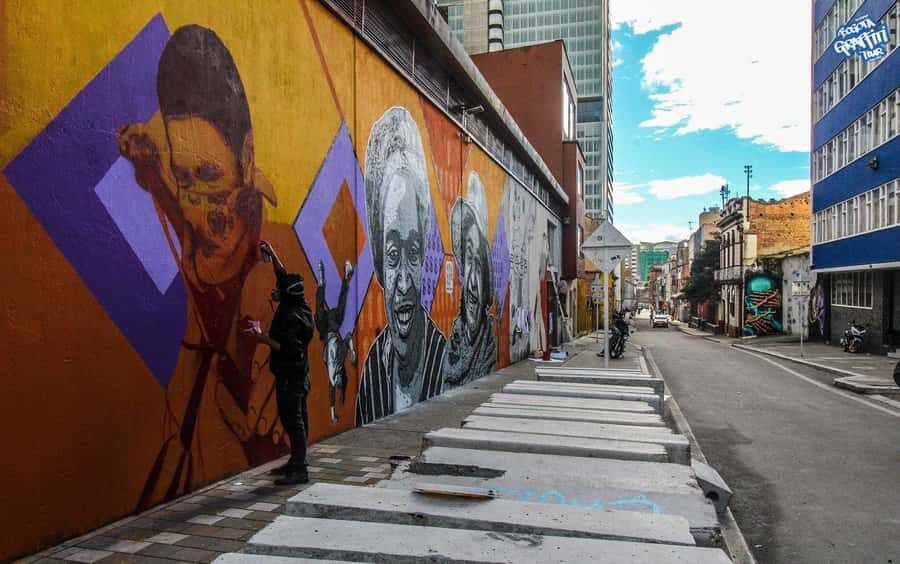
- Original Bogotá Graffiti Tour: described as the #1 graffiti tour in Bogotá, run as a long-running program since 2011.
- Meet at Parque de los Periodistas: your starting point is clearly set, which helps when you’re navigating a new city.
- Jiménez Avenue / Carrera 4 route window: the tour runs in posted blocks like 10:00am–12:30pm and 2:00pm–4:30pm.
- More than photos of walls: the focus is on artists, the graffiti movement, and how it ties into Colombian history.
- Question-friendly guides: multiple guides are praised for being patient and clear when you ask follow-ups (hello, Ivonne and Giovanni).
Why Bogotá graffiti turns into a history lesson fast
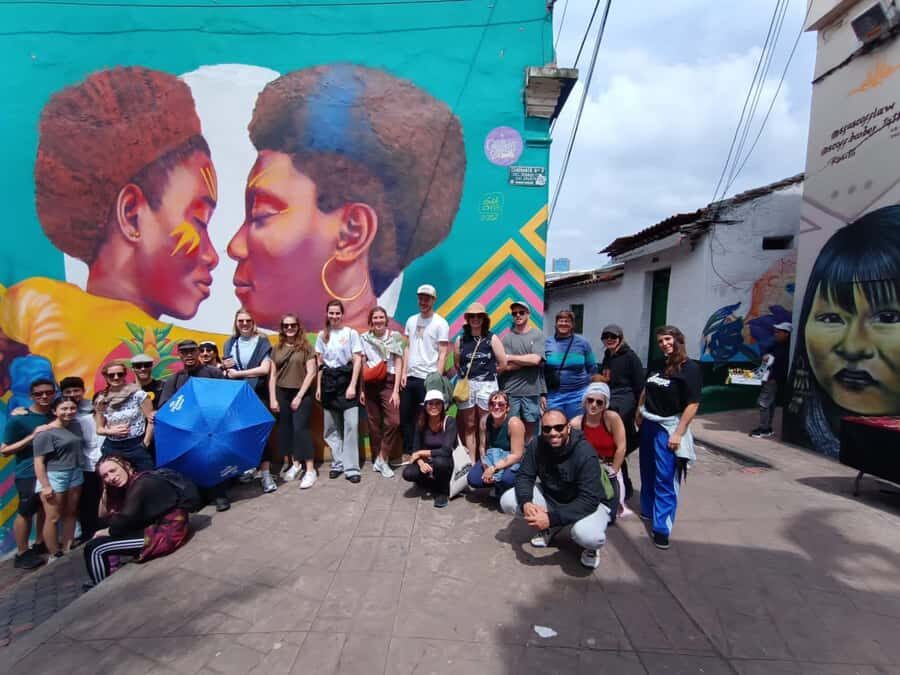
Bogotá graffiti doesn’t behave like decoration. On this tour, you’re meant to read the city like a message board, where each wall can point back to a time, a community, or a change happening in Colombia.
I like that the tour frames street art as something with purpose. The idea is not only to show pretty color, but to explain the graffiti movement in Bogotá, the artists behind it, and how the work connects to Colombia’s wider history. That’s why guides keep talking about meaning, not just location.
If you’ve only seen graffiti as a quick Instagram stop, you’ll get a different way of looking by the end of the 2 hours. And if you like stories that mix art with real-world context, this tour is built for you.
You can also read our reviews of more tours and experiences in Bogota.
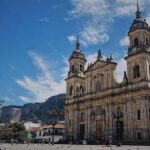
Meeting at Parque de los Periodistas and what the first minutes feel like
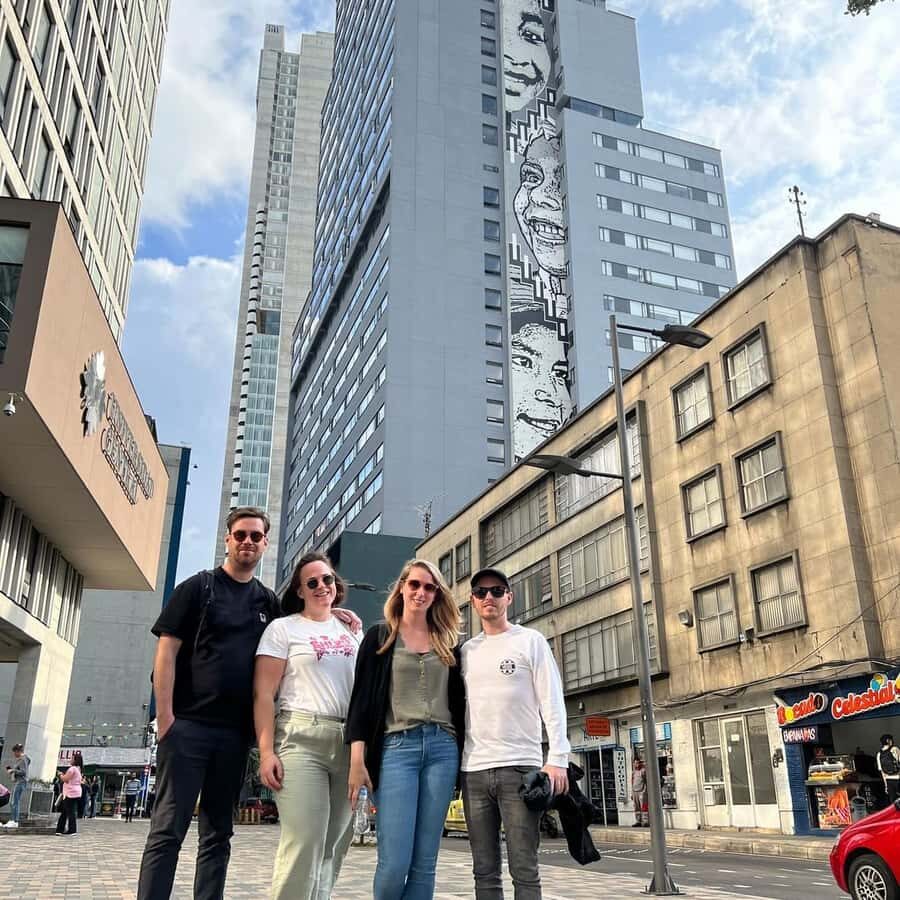
You start at Parque de los Periodistas in Bogotá. That matters more than it sounds. A solid meeting point helps you get oriented without losing time figuring out where the tour actually begins.
From there, you’ll move through the urban art spots that the route highlights, including a posted time window that references Jiménez Avenue with Carrera 4. This is a clue to the style of tour you’re getting: you’re walking city streets, staying close enough to see details clearly, and letting the guide steer the story wall by wall.
Your first stop is usually where the guide sets expectations: what you’re seeing, what makes it “graffiti” versus other street art styles, and how the movement in Bogotá developed. Since multiple guides are praised for teaching street-art basics, the opening minutes often feel like you’re getting a key for understanding what you’ll see next.
Jiménez Avenue to Carrera 4: the route that shows how the movement spreads
The tour includes time blocks that reference Jiménez Avenue with Carrera 4, and that gives you a sense of the route area and energy. This is the kind of route where graffiti isn’t scattered like a few murals. It’s part of the streetscape, showing how urban art works when it’s integrated into daily life.
What makes this portion useful is the pacing. You’re not locked in one neighborhood view for the full 2 hours. Instead, you keep shifting your attention from one painted surface to the next, so you can compare styles, themes, and visual language.
Also, the tour is described as taking you through some of the larger graffiti scenes in Bogotá. That means you’re more likely to see variety: different artists, different techniques, and different messages. One guide (Giovanni) is specifically praised for explaining graffiti as protest and also for pointing out collaborative work between artists and building owners. That kind of contrast is exactly what a route through busy street corridors can reveal.
What you learn on the walk: artists, protest, and street-art basics
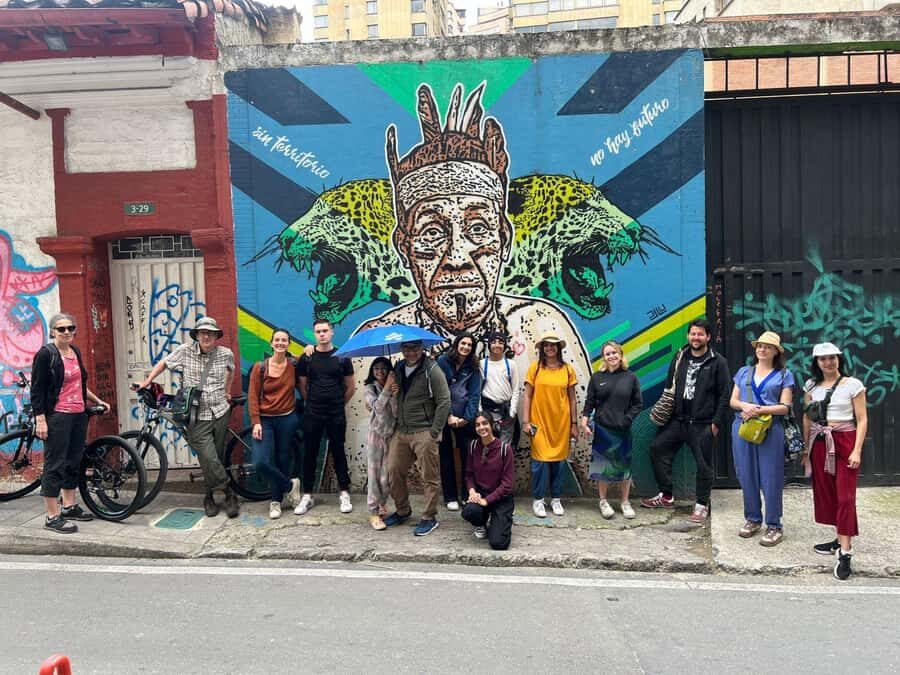
This tour is designed as a guided city read. The walls aren’t treated like random art; they’re treated like chapter headings in Bogotá’s graffiti story.
Here’s what you should expect the guide to emphasize:
- The Bogotá graffiti movement, including how it grew and why it matters locally
- Artists and their work, with explanations behind specific pieces
- Graffiti’s relationship to Colombian history, not just street culture
- Street-art basics, so the visuals make more sense while you’re standing in front of them
In the reviews, guides like Ivonne and others are praised for teaching street-art fundamentals, not just narrating. That’s valuable because it helps you start noticing details on your own after the tour. You’ll likely leave looking at tags, styles, and symbolism with less guessing.
And yes, some themes can be political. Giovanni’s comments highlight graffiti as protest, and that’s consistent with how street art often functions in public space. If you prefer art that avoids politics, you might want to keep that in mind before booking.
The guides: the real reason this tour gets top scores
The guides are where the tour earns its reputation. Almost every positive comment comes back to clarity, kindness, and how well the guide answers questions.
You’ll see names like:
- Lifred, praised for being kind and knowledgeable about the story behind the street art
- Ivonne, praised for teaching street-art basics and sharing stories tying art to Colombia and its artists
- Luis, described as outstanding and enthusiastic in explaining what you’re seeing
- Giovanni, praised for covering background on artists plus graffiti as protest and collaboration
- Christian and Fabian, praised for passion and a relaxed, friendly tone
A big pattern: the guides don’t just talk. They make room for your questions, and they answer patiently. If you like to ask why a piece looks the way it does or what a symbol might mean, this tour is built for that back-and-forth.
Even the “tone” gets attention. Some guides are described as funny and chill. That matters because you’ll be walking and listening for 2 hours, so a calm, human style keeps it enjoyable rather than like a lecture.


Price check: is $13 for 2 hours actually worth it?
$13 for a 2-hour guided walking tour is the kind of price that can go either way in big cities. The difference here is what’s included and what the tour is trying to do.
You’re not only paying for movement and a guide holding a clipboard. The tour is positioned as the “Original Bogotá Graffiti Tour,” linked to a larger initiative that promotes urban art and supports social processes with local and international artists, communities at risk, cultural centers, foundations, and district schools. That mission focus is the reason the guide talks about context, not only visuals.
Also, the guide being in English is a big part of value. If you’re able to follow English commentary, you’re getting a structured explanation as you walk past the real works.
Finally, the ratings matter. The experience is listed with a 4.7 rating from 41 reviews, and the consistent praise is about education and guide quality. When a tour gets that kind of repeat approval, it’s usually because the storytelling lands.
One practical note: the listing also mentions a free graffiti tour and private tours in the operator’s offering. Even if you’re booking this specific version, it’s worth understanding that you may have options later if your group wants a different format.
How it fits your schedule (and how to avoid tour-tired disappointment)
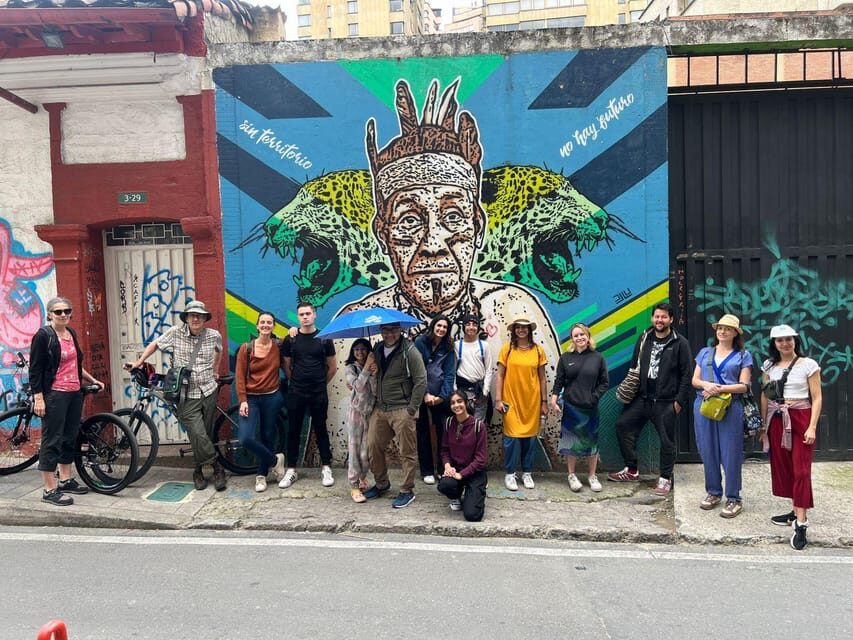
This is a short commitment: 2 hours. That’s ideal if you want something meaningful without eating an entire day.
It also has posted time blocks that include 10:00am–12:30pm and 2:00pm–4:30pm. Planning tip: treat the posted blocks as your window and expect the tour to run within it. If your day is packed, building in buffer time helps so you don’t feel rushed.
Pacing-wise, expect an outdoor walking tour through city streets. Since the tour is listed as wheelchair accessible, the route is at least planned with accessibility in mind, but you’ll still want to consider your comfort with being outside and moving for the full session.
This tour is best for you if:
- you like street art as a way to understand a place
- you want context around Colombian history, not just a wall photo
- you enjoy asking questions and learning how to “read” artwork
It’s less ideal if you only want quick, low-effort sightseeing with minimal walking and no deeper explanation. Two hours can still feel fast if you want to linger at every wall, so if you’re the type who likes to stare quietly for long stretches, you might want to plan extra time after the tour for your own exploring.
Should you book Bogotá Graffiti Tour at Parque de los Periodistas?
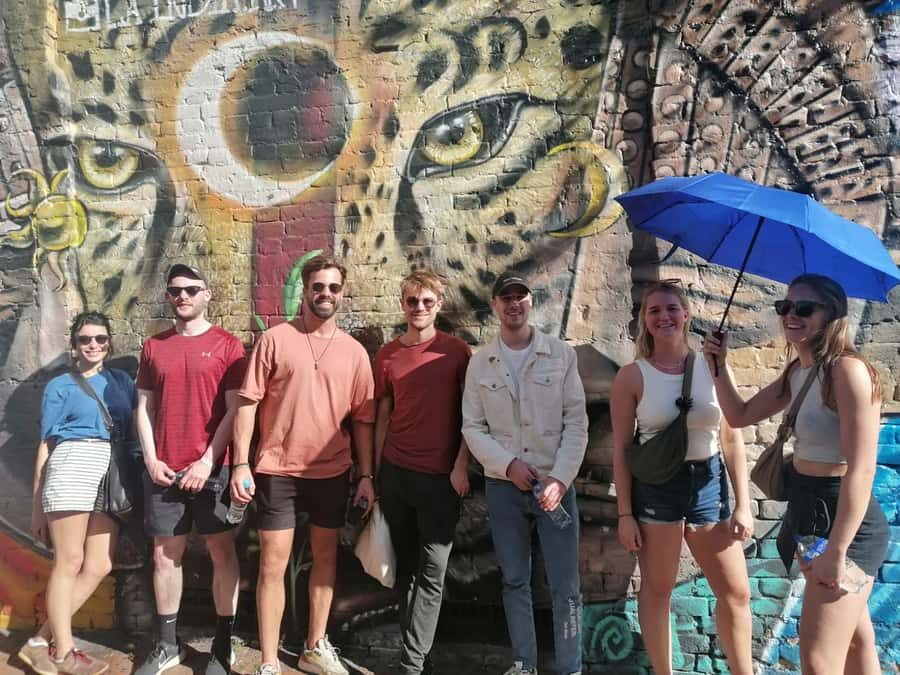
Book it if you want a guided walk that connects Bogotá graffiti to artists, meaning, and Colombia’s broader story. I’d especially recommend it if you care about understanding what you’re looking at and if you value guides who can explain clearly and answer questions with patience. The consistent feedback around guides like Lifred, Ivonne, Luis, and Giovanni is exactly what you want from an experience like this.
Don’t book it if language is a hard constraint and you can’t follow English well. This booking lists English, even though other languages are referenced as available if you ask. Also skip it if you prefer art with little or no social/political framing, since protest themes show up in the way the tour is explained.
If you’re deciding between “see some murals” and “learn how murals work,” this tour is aimed at the second option. And if you’re in Bogotá for a limited time, it’s a strong use of two hours.