REVIEW · BOGOTA
Bogotá: Sumapaz National Park Hike Tour
Book on GetYourGuide →Operated by Gran Colombia Tours · Bookable on GetYourGuide
A páramo hike gets under your skin. This Sumapaz National Park trip takes you up to some of the highest, wettest Andean country with a real sense of place, guided by stories of the Chibcha world and why these ecosystems matter. I especially like the mix of hiking + meaning, not just photos, and how the guide connects what you see—mist, puddled trails, tall frailejones—to water and conservation. The main drawback to plan for: it’s remote and muddy, and waterproof footwear isn’t included, so you’ll want to come ready.
You’ll start in Bogotá, get picked up, and travel out to the Sumapaz region where heights land between 3,500 and 4,000 MSLA (about 13,000 feet). From there it’s a steady walk through slopes in a huge protected area—178,000 hectares—where the terrain can feel cold and damp even when you’re expecting sun.
The good news is the tour is set up for real weather. It runs in all conditions, and your guide (English or Spanish) keeps the day moving while explaining the páramo flora and the human history tied to it. Just don’t treat it like an easy stroll, and bring water and sunscreen even if the air feels chilly.
In This Review
- Key things to know before you go
- Why Sumapaz Páramo feels different from other Bogotá day trips
- The 8-hour rhythm: pickup, altitude, and the hike’s main climb
- What you’ll see up close: frailejones, misty páramo trails, and water wells
- Chibcha myths and indigenous stories you’ll actually use on the trail
- Preservation matters: why the páramo affects stability far beyond the trail
- Price and what you actually get for $136
- Gear, weather, and staying comfortable in cold mist at altitude
- Who this hike suits best (and who should think twice)
- Should you book the Bogotá to Sumapaz National Park hike?
- FAQ
- How long is the Bogotá: Sumapaz National Park Hike Tour?
- What’s included in the price?
- Are meals included?
- What languages are the guides available in?
- What should I bring for the hike?
- Does the tour run in bad weather?
Key things to know before you go
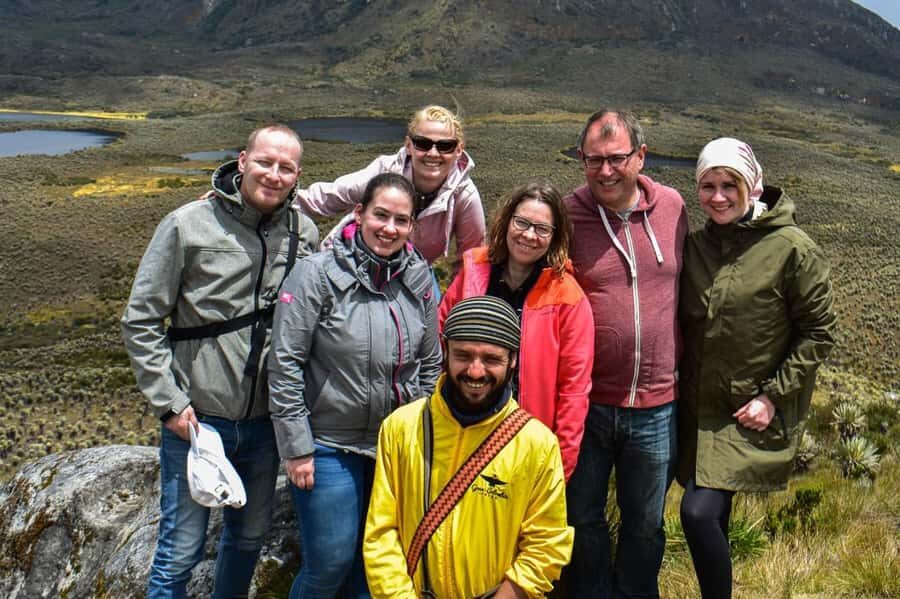
- Highest-plateau feeling at 3,500–4,000 m: thin-air vibes and big sky energy.
- Sumapaz is the “big one”: the largest Andean páramo, protected at 178,000 hectares.
- Frailejones and misty páramo plants: expect tall, iconic vegetation up close.
- Chibcha myths meet ecology: stories help you read the land differently.
- Mud is part of the ticket: muddy trails mean you should plan footwear and pace.
- You learn why páramos protect water: the tour connects preservation to regional stability.
Why Sumapaz Páramo feels different from other Bogotá day trips
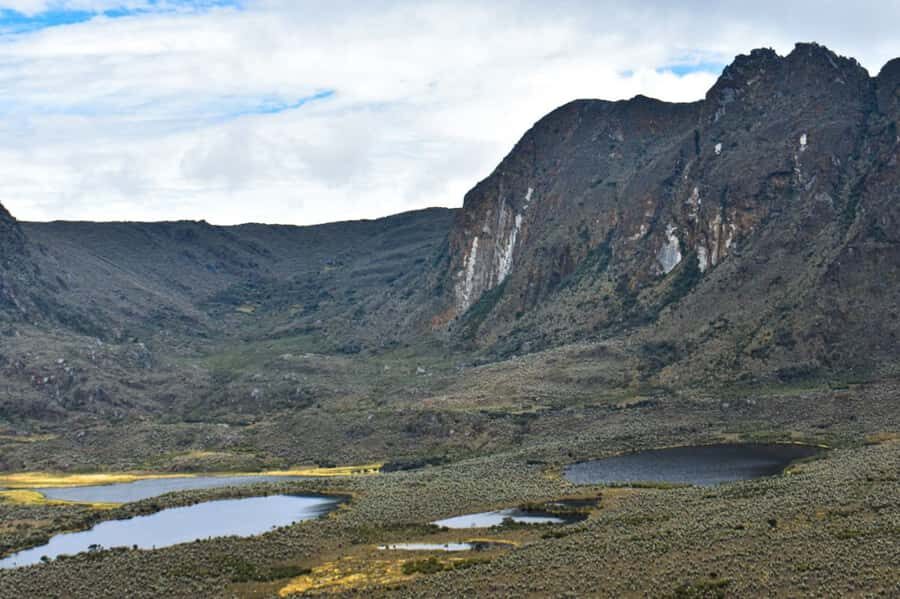
Sumapaz National Park sits in Cundinamarca, just outside Bogotá’s everyday rhythm. But once you climb into the páramo, the world changes. You’re in a high-elevation ecosystem that’s not forest, not pure grassland, and not exactly what most people imagine when they picture Colombia. The air has that cool, misty feel, and the ground—often wet—makes every step feel intentional.
What I like most is that this isn’t just a scenery stop. The tour is built around the páramo’s job in the landscape: holding water, releasing it slowly, and protecting the hydrology that matters to people long after you’re back in town. You’ll also get a cultural layer that’s easy to miss on casual hikes: explanations tied to indigenous traditions practiced before colonization, plus why preservation has faced social and political pressure.
And because it’s a private group, you don’t have to fight the pace of strangers. If you want time for photos or you need a slower rhythm for altitude, you can usually make it work with the guide.
You can also read our reviews of more hiking tours in Bogota
The 8-hour rhythm: pickup, altitude, and the hike’s main climb
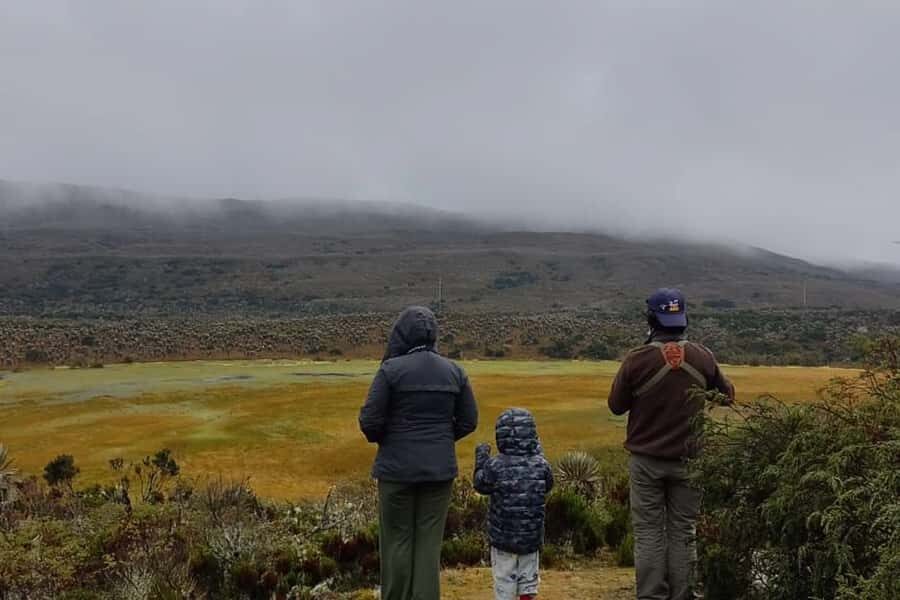
This tour runs for about 8 hours, and it starts with a hotel pickup in Bogotá. Plan to be ready about 10 minutes before the scheduled time. Then you’ll travel out to the Sumapaz region and work your way up into the páramo zone, where elevations fall between 3,500 and 4,000 MSLA.
That altitude range matters. At roughly 13,000 feet, you may notice your breathing gets heavier, especially if you rush the first part of the hike. The best move is to keep your effort steady and let the guide set a pace that makes the day feel manageable.
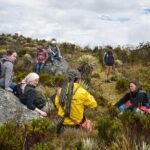
Once you’re at the trail area, the walk begins with a climb up through the slopes of this protected páramo. You’ll spend time listening and looking—because a big part of the experience is identifying what you’re standing on. That includes learning which plants dominate the habitat and why this ecosystem is so sensitive to disturbance.
A practical note: hydration and sunscreen are emphasized for a reason. It’s common to underestimate sun at altitude, even in clouds, and the cooler air can make you forget to drink. The day is remote, so you’re smart to eat beforehand and bring some snack options if your stomach gets grumpy while you’re still at elevation.
What you’ll see up close: frailejones, misty páramo trails, and water wells
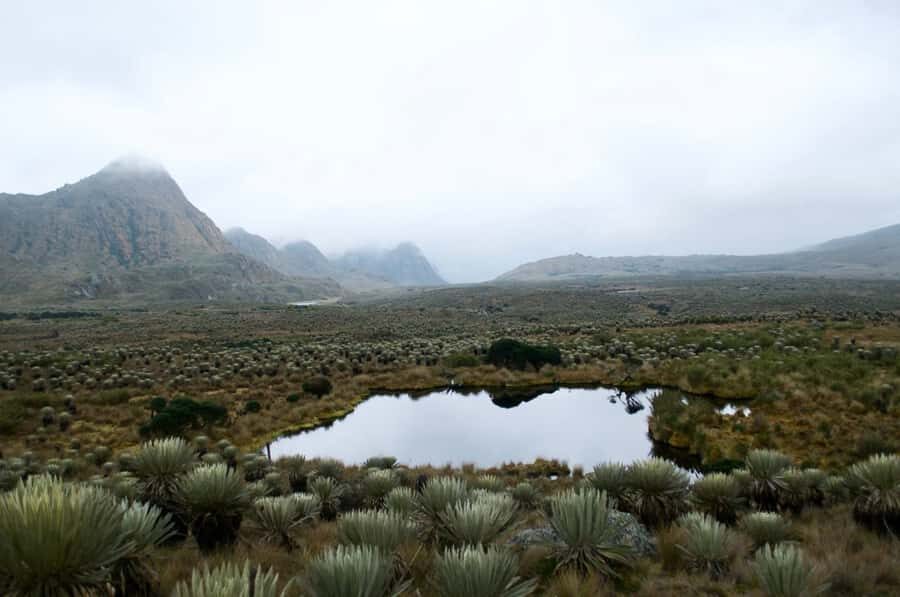
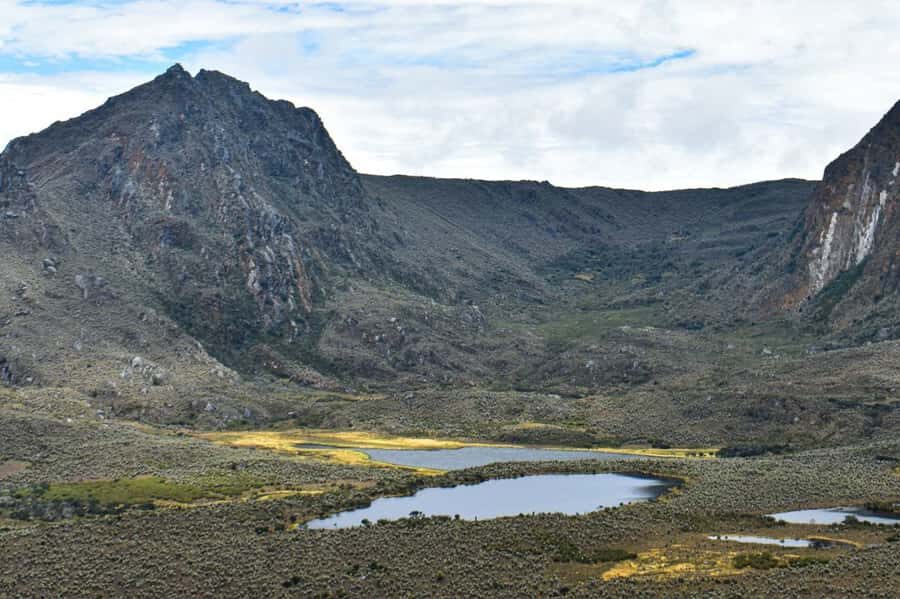
The páramo is known for plants that look almost alien compared to lowland Colombia. On this hike, you’ll get the chance to see the kind of vegetation people travel for: tall frailejones and other páramo flora adapted to high altitude and frequent moisture.
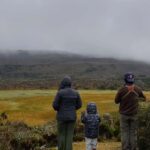
One of the most memorable elements tends to be the combination of misty air and wet ground. Expect muddy trails at some point, which is why you’ll feel the difference between hiking in good traction versus improvising. If you come in regular shoes, you may end up with wet feet quickly. If you come with the right gear, you can focus on the actual scenery: the way the horizon disappears and reappears as fog shifts.
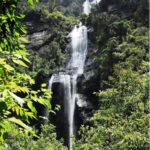
The guide will also point out the páramo’s water features—often described through water wells and natural water sources in the ecosystem. You’ll learn how the wet highlands act like a water system, storing and slowly releasing moisture. It’s a hands-on way to understand why conservation isn’t just “saving nature for nature’s sake.” It’s about protecting a living resource.
If you’re lucky (and many people are), you may get a locally made treat after the hike. Some guides have been known to bring a locally sourced drink and snack back near the end of the day—like arepas and panela tea, sometimes shared with a friendly companion. Don’t plan your meal entirely around it, but it’s the kind of small local detail that makes the day feel warm at the finish.
Chibcha myths and indigenous stories you’ll actually use on the trail
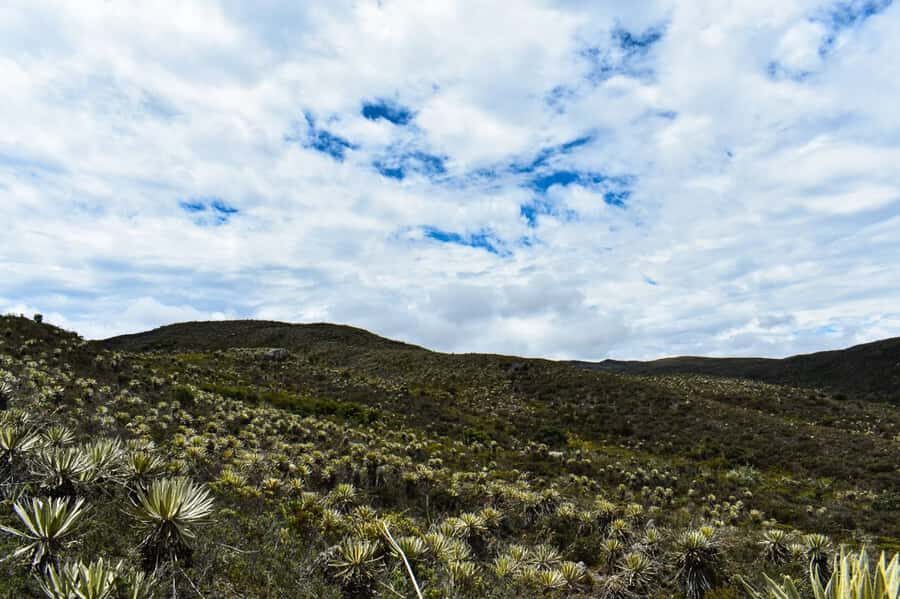
Here’s the difference between a facts-only hike and one that sticks: the guide ties what you’re seeing to indigenous stories and older traditions. You’ll hear about Chibcha myths and history, and you’ll be given context for how people understood and related to this ecosystem before colonization.
That matters because myths are not just folklore in this setting—they’re a way of explaining landscape, water, and resources in a high-elevation environment where survival depends on understanding conditions. When the guide connects a plant or a water pattern to cultural meaning, your brain starts scanning the scenery differently. You stop treating it like background and start treating it like a system.
Guides bring their own style, and you might get a very story-forward experience. For example, names like Liz, Kata, Emilio, Alexander, and José have come up in connection with explaining history and pointing out what’s around you. One guide example also included a fun, friendly approach paired with local treats; another emphasized gentle patience when interpreting the plants and surroundings. Whoever you get, the goal is consistent: you’re not just walking—you’re learning how to read the páramo.
One caution: if you’re short on time or you hate stopping to listen, this can still be a great hike—but you should expect the day to slow down at moments. Those pauses are part of the value.
Preservation matters: why the páramo affects stability far beyond the trail
The páramo isn’t a pretty backdrop. It plays a practical role in the stability of the region, and your guide will explain why. The tour highlights the importance of páramos preservation, tying it to water regulation and long-term environmental resilience.
You’ll also hear that this preservation has faced social and political challenges. That’s an important nuance, because it pushes you beyond the simple idea of protected areas as fixed “nature museums.” Instead, you see that conservation is an ongoing negotiation—about land use, livelihoods, and governance.
When you understand that, the hike becomes more meaningful. You’re not only looking at fog and plants; you’re witnessing a system that people depend on. That makes your photos feel less like a souvenir and more like evidence of something that needs care.
It’s also a reminder that the páramo is fragile. Wet, high-elevation ground can get damaged by repeated foot traffic and poor practices. The guide’s instruction and the tour setup—especially walking within the natural park—help keep the experience responsible without killing the fun.



Price and what you actually get for $136
At about $136 per person for an 8-hour guided hike, you’re paying for more than a walk and a driver. You’re getting:
- Hotel pickup and drop-off in Bogotá
- Entry to Sumapaz
- A guide who talks through both the ecology and the cultural history
- Hike inside the natural park
- All risk insurance
That combination matters in a remote area. You avoid the hassle of figuring out park access and local logistics, and you get local interpretation that turns a physical hike into something you understand.
What’s not included is equally important: breakfast and lunch are on you, and waterproof footwear isn’t provided. If you show up without shoes you trust, you might waste energy dealing with wet feet instead of enjoying the hike.
Also expect extra costs for personal purchases. The tour doesn’t bundle meals, snacks, or gear, so bring what you need to be comfortable for the day.
In terms of value, the price feels fair if you want:
- a guided day with context (not just photos),
- a high-elevation environment experience,
- and easier planning from Bogotá with pickup.
Gear, weather, and staying comfortable in cold mist at altitude
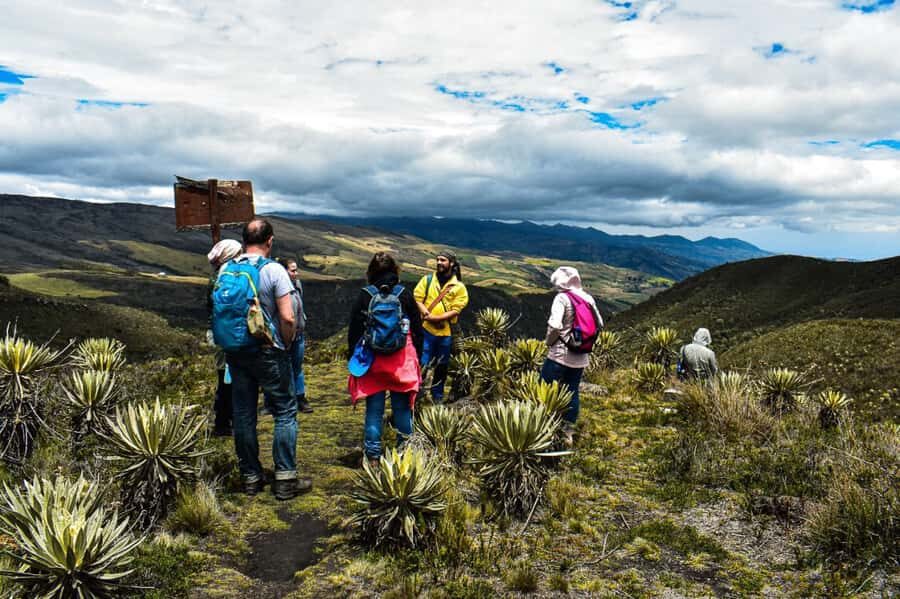
This is an all-weather tour. It operates in all conditions, so you’re not choosing between “sunny hike” and “rain plan.” You’re choosing whether you’re prepared for cold, mist, and wet ground.
Bring:
- Water
- Sunscreen (yes, even if it feels cold)
- Camera
- Weather-appropriate clothing
You should also consider:
- Waterproof footwear even though it’s not included
- A layer system so you can manage temperature changes as the trail climbs
- A small snack strategy since breakfast and lunch aren’t provided
One more practical tip: because this is remote, eat breakfast beforehand. The tour is out of town, and you’ll be walking at altitude. If you delay food, you can feel it faster than you expect.
Finally, if you have any health conditions, notify the guide during booking. That’s not just paperwork—it helps the team plan your pace and make sure you’re safe on a high-elevation hike.
Who this hike suits best (and who should think twice)
This Sumapaz hike is ideal if you want more than a casual nature walk. You’ll like it if you enjoy learning how ecosystems work—especially how the páramo supports water—and you appreciate cultural history tied directly to the land.
It’s also a great fit for:
- people comfortable with a full 8-hour day,
- hikers who don’t mind muddy footing,
- visitors who want a guided explanation in English or Spanish,
- and anyone who prefers a private group format over crowded group logistics.
You might think twice if:
- you’re very sensitive to altitude and you can’t pace yourself on climbs,
- you hate stopping for explanations,
- or you show up with shoes that can’t handle mud and wet conditions.
The biggest factor isn’t toughness—it’s preparation. With waterproof shoes, hydration, and layers, the day turns from stressful to genuinely enjoyable.
Should you book the Bogotá to Sumapaz National Park hike?
I think this is a smart booking if your ideal Bogotá trip includes a real high-altitude ecosystem and you want an explanation that connects plants, water, and indigenous history. The guide-led storytelling—especially the Chibcha cultural layer—adds depth that you won’t get from a simple viewpoint hike. Add the chance to see iconic páramo plants like frailejones, plus the practical conservation focus, and the experience feels worth the time and cost.
I’d book it if you can answer yes to these:
- Do you want an 8-hour guided day with meaning, not just photos?
- Can you handle altitude pacing and wet/muddy terrain?
- Will you bring water, sunscreen, and footwear you trust?
If that’s you, Sumapaz is the kind of day that changes how you look at Colombia’s highlands.
FAQ
How long is the Bogotá: Sumapaz National Park Hike Tour?
The tour duration is 8 hours.
What’s included in the price?
It includes a guide, hotel pickup and drop-off, entry to Sumapaz, the hike inside the natural park, and all risk insurance.
Are meals included?
No. Breakfast and lunch are not included.
What languages are the guides available in?
The live tour guide is available in English and Spanish.
What should I bring for the hike?
Bring a camera, sunscreen, water, and weather-appropriate clothing. You may also want to bring waterproof footwear since it’s not included.
Does the tour run in bad weather?
Yes. It operates in all weather conditions, so you should dress appropriately for cold and wet conditions.