REVIEW · BOGOTA
Free Walking Tour Bogotá: Arte, Historia y Café
Book on GetYourGuide →Operated by Colombia Tours And T · Bookable on GetYourGuide
Bogotá starts as soon as you reach Chorro de Quevedo. This tour threads market flavors and coffee through the city’s real bones: colonial streets, big ideas, and the places where modern Colombia changed. I like that it’s not just photo stops; you get stories tied to what you see, plus tastings that make the walk feel practical, not performative.
My other favorite part is the pacing and variety: La Concordia Market, La Candelaria, key plazas, Teatro Colón, and then a barista-led coffee finish at Varietale. One thing to consider: it’s a history-heavy route, and the walking is continuous—so if you prefer a lighter day, bring a slower rhythm and plan on comfortable shoes.
In This Review
- Key points worth your time
- Chorro de Quevedo: the walk begins where Bogotá takes its first breath
- La Concordia Market Square: fruit and juice tastings with a real point
- La Candelaria on foot: cobblestones, balconies, cafés, and street art stories
- Plazoleta del Rosario and Santander Park: pauses that make the bigger picture click
- Parque de los Periodistas and the eastern hills viewpoint: thinking place, not just scenery
- Plaza Santander: where heritage meets the Gold Museum zone
- El Bogotazo and Plaza de Bolívar: the walk becomes emotionally real
- Teatro Colón and Palacio de San Carlos: architecture tied to peace and power
- Varietale coffee finale: barista prep and why coffee is national culture
- Price and value: why $14 can feel fair here
- Who should book this tour (and who might not love it)
- A note on guides: prompt, dynamic, and question-friendly
- Should you book Free Walking Tour Bogotá: Arte, Historia y Café?
- FAQ
- How long is the walking tour?
- Where do I meet the group?
- What tastings are included?
- What is the price?
- Is hotel pickup included?
- Is lunch included?
- Is entrance to Teatro Colón included?
- What languages are offered by the guide?
- What should I bring?
- Is there insurance and can I cancel for free?
Key points worth your time
- Plaza del Chorro de Quevedo: the Bogotá founding-area vibe with art and legends
- La Concordia Market tastings: exotic fruit and juice flavors with context
- La Candelaria cobblestones: colonial houses, balconies, street art, and cafés
- El Bogotazo + Plaza de Bolívar: you’ll face the story behind the assassination of Jorge Eliécer Gaitán
- Teatro Colón and Palacio de San Carlos: architecture tied to major political moments
- Varietale coffee finale: barista preparation + Colombian coffee culture at the end
Chorro de Quevedo: the walk begins where Bogotá takes its first breath
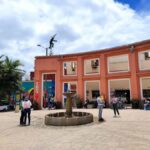
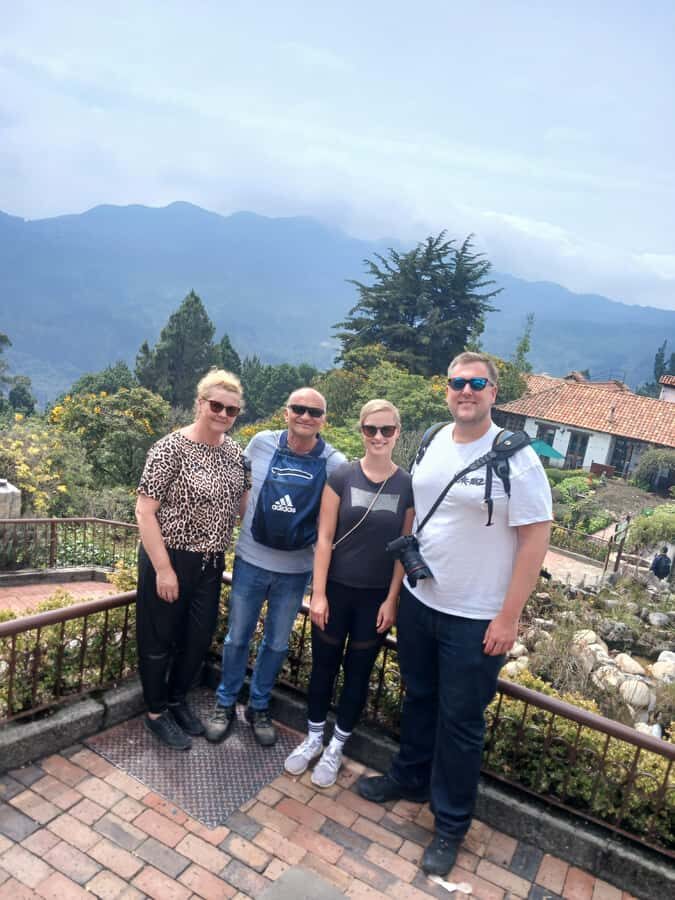
You start at Plaza del Chorro de Quevedo, widely treated as the spot where Bogotá traces its founding. That matters because it sets the tone: this isn’t a generic city tour. From the first minutes, you’re surrounded by urban art, colonial-style architecture cues, and the bohemian energy of La Candelaria.
The guide gets you oriented quickly—where you are, why this area matters, and what kind of stories you’ll be hearing as you move through town. Even if history isn’t your main interest, this stop gives you a mental map for the rest of the day: plazas, hills, and institutions aren’t random. They’re linked.
Practical note: bring sunscreen and water early. Bogotá sun can feel sharper than you expect, especially when you’re moving through open plazas.
You can also read our reviews of more walking tours in Bogota
La Concordia Market Square: fruit and juice tastings with a real point
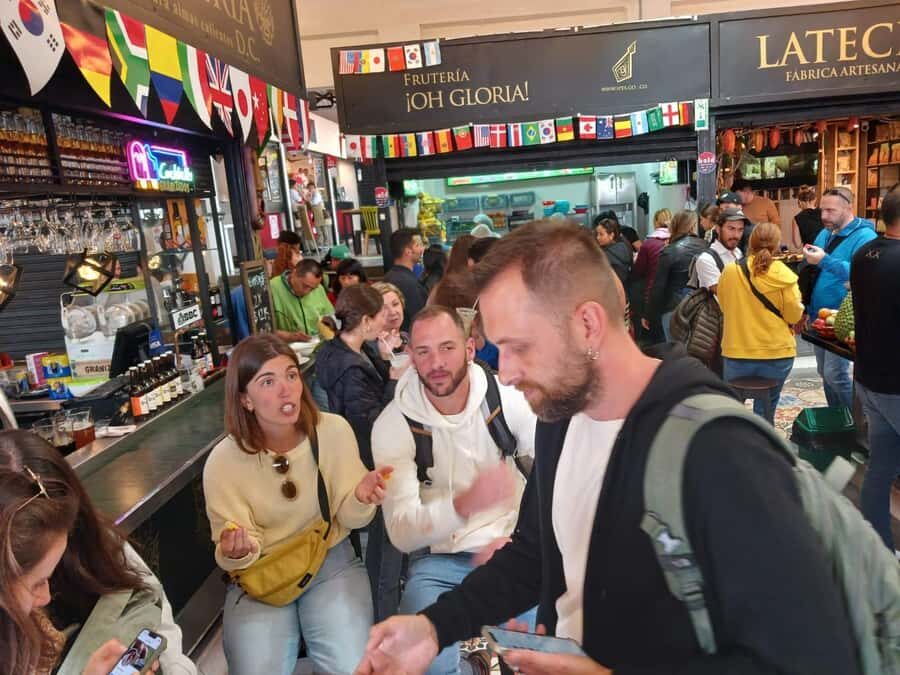
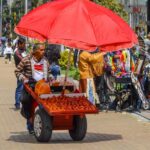
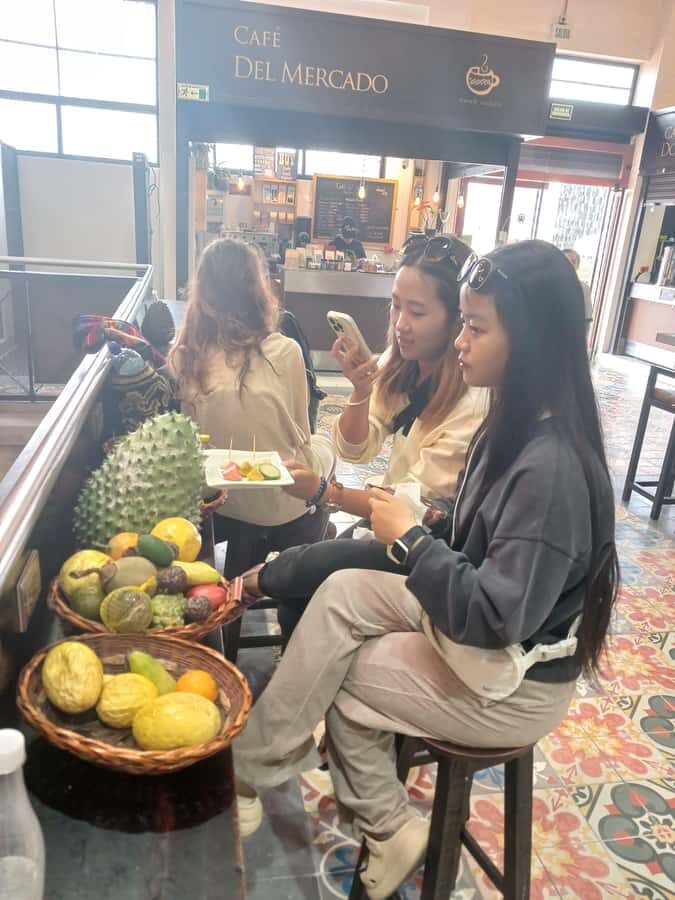
Next comes La Concordia Market Square, one of those places where eating is part of learning. You’ll taste exotic Colombian fruits and juices, and you’ll hear where they come from and why they matter locally.
What I like about this stop is how it avoids the usual tourist trap of tasting only for taste’s sake. You’re not just trying flavors. You’re getting a sense of Colombia’s agricultural variety and how people build daily culture around what’s in season and what’s available.
A drawback to keep in mind: market energy can be intense—busy smells, quick-moving crowds, and lots happening at once. If you get overwhelmed in busy indoor/outdoor settings, arrive with a calm mindset and take your time with the tastings.
Tip for you: pace yourself. Fruit and juice can hit fast. If you’re sensitive, try a smaller portion first, then decide what to go back for.
La Candelaria on foot: cobblestones, balconies, cafés, and street art stories
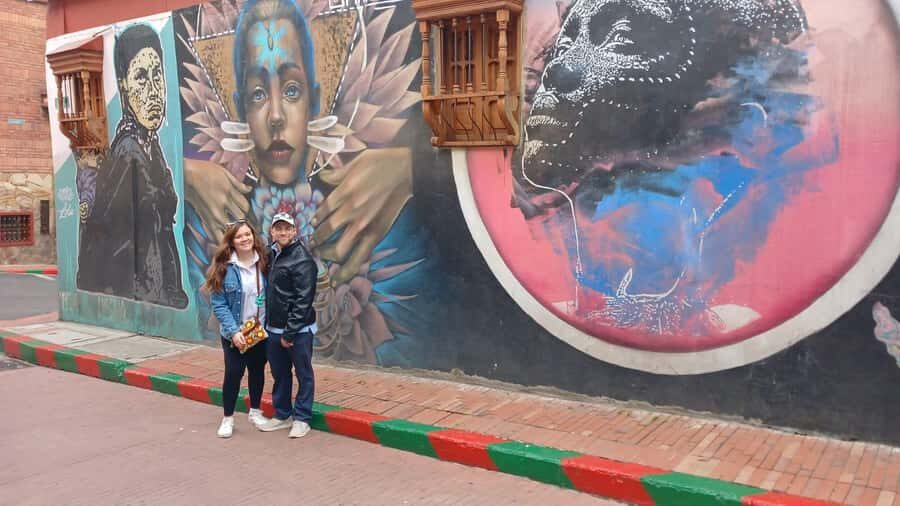
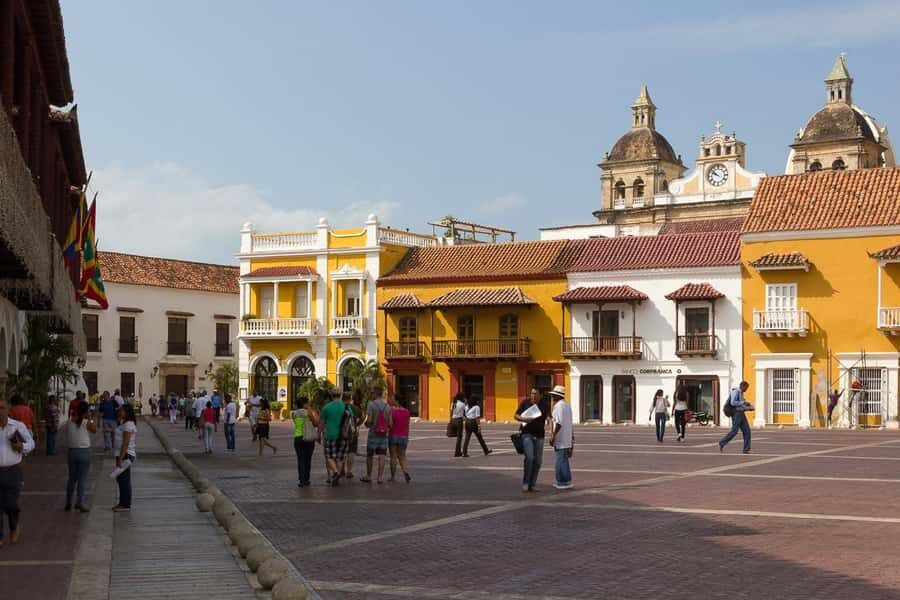
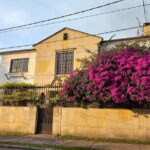
Then you settle into La Candelaria, the part of Bogotá that feels like it was designed for walking: cobblestone streets, colonial-style houses, and wooden balconies that create that classic postcard rhythm—only it’s real life, not staged.
You’ll also notice street art throughout. Instead of treating graffiti as decoration, the guide ties it to identity and cultural storytelling. The area’s literary and cultural reputation isn’t just a slogan here; you’ll see why people associate this neighborhood with ideas, debate, and creative energy.
This long stretch (the tour gives it a generous chunk of time) is where you can feel the city’s texture. It’s not only sights. It’s sound, movement, and small pauses outside cafés as you learn what to look for.
Potential consideration: because it’s a walking-heavy block, keep an eye on your feet. Even if you bring comfortable shoes, cobblestones don’t care about fashion.
Plazoleta del Rosario and Santander Park: pauses that make the bigger picture click
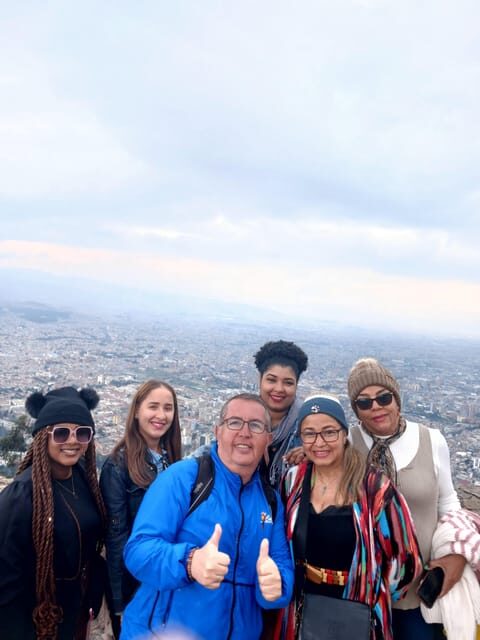
After La Candelaria, the tour continues with stops that act like breathing spaces and context anchors—Plazoleta del Rosario and then Santander Park.
These areas are useful because they connect neighborhood color to national culture. You’ll be close to institutional landmarks and central public spaces, which helps when you later hit the political sites. In other words, these stops aren’t filler. They’re there so the history makes sense when it gets heavier.
I also like that the guide uses these pauses to point you toward viewpoints and the general layout of the area. It makes you feel like you understand Bogotá, not just walked through it.
Parque de los Periodistas and the eastern hills viewpoint: thinking place, not just scenery
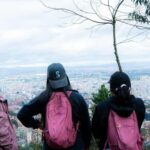
One of the more interesting stops in the route is Parque de los Periodistas. This is described as a meeting point for critical thinking, surrounded by historic buildings, with a privileged view toward the eastern hills.
Why you’ll likely enjoy this part: it’s a mental reset. After markets and street-level life, you look outward. The city’s geography starts to explain why history and politics move the way they do. You get a sense of how places in Bogotá create conversation—literally and politically.
If you’re the kind of traveler who likes to understand context, you’ll appreciate that this isn’t a random viewpoint. It’s framed as a public space tied to intellectual and political life.

Plaza Santander: where heritage meets the Gold Museum zone
From there, you move toward Plaza Santander, in front of the Gold Museum area and Banco de la República. This stop combines history and financial culture, with explanation of how those institutions influenced Colombia’s economic and cultural development.
This is a good moment to tune in, because Colombia’s story isn’t only dates and revolutions. It’s also systems: how money, institutions, and cultural identity grew over time.
A tip for you: if you love museum content but don’t want to commit to long indoor visits, this stop gives you a “why” before you ever step into a gallery elsewhere later. It helps you make smarter choices with future museum time.
El Bogotazo and Plaza de Bolívar: the walk becomes emotionally real
Then the tour hits one of the most serious historical segments in modern Colombia: the assassination of Jorge Eliécer Gaitán and the event called El Bogotazo.
This is the point where you should expect the tone to shift. The tour frames the assassination as a turning moment that triggered one of the most turbulent periods in modern Colombian history. You’ll learn how the event changed the course of what happened next.
I appreciate this approach because it doesn’t try to soften the truth into generic “politics happened here” language. It gives you the human and national stakes tied to the place. You’ll leave with a clearer idea of why Colombia’s public memory and civic spaces feel the way they do.
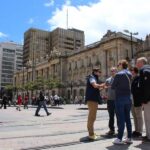
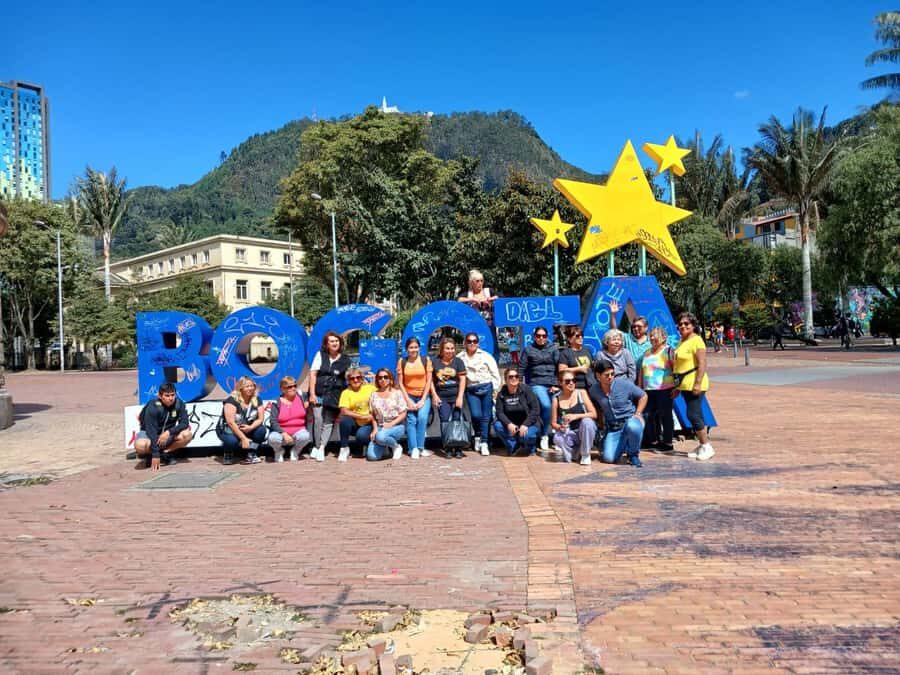
Next comes Plaza de Bolívar, Bogotá’s political and symbolic heart. Around you are major anchors of the republic and contemporary life: the National Capitol, Palace of Justice, Primada Cathedral, and Liévano Palace. The guide explains how this space has witnessed key moments—so you understand it as a living stage for the country, not only an architectural set.
Practical consideration: this portion can make people want to stop and absorb quietly. If you’re traveling with someone who likes talking nonstop, you may need to plan a little together-time downtime.
Teatro Colón and Palacio de San Carlos: architecture tied to peace and power
After that intensity, the tour continues toward Teatro Colón and nearby Palacio de San Carlos.
Teatro Colón is described as an architectural and cultural icon, and the tour includes its connection to a major peace treaty moment with FARC guerrillas—framed as a before-and-after on the road to national reconciliation. That’s big context tied to a specific place, which is exactly what makes guided walking tours worth doing.
Nearby, Palacio de San Carlos is highlighted as the country’s first presidential headquarters, with stories about the development of executive power in Colombia. So you get culture on one side and governance on the other, both tied to the same walk.
One key practical note from the tour details: entrance to Teatro Colón is not included. That means you’ll likely view it from the outside or as guided, but you shouldn’t expect a full inside visit unless you add it separately.
Varietale coffee finale: barista prep and why coffee is national culture
The ending is the part you’ll remember in a warmer way. The tour closes at Varietale La Candelaria with a coffee session prepared by a professional barista.
You’ll learn about the preparation process and what makes Colombian coffee distinctive, plus why coffee matters culturally and economically. This is a smart finish because it connects to earlier tasting stops—but now the focus is a national product with deep roots, not just a snack.
What I love about finishing here: it gives your brain a reward after the heavier history. You’ll also likely pick up practical coffee ideas you can use later—like what to notice in taste and how preparation changes the cup.
Also, there’s a break-and-shopping window built into the schedule at Varietale. If you want beans or coffee gear, this is your chance.
Price and value: why $14 can feel fair here
At $14 per person for a 3-hour walk, you’re paying for more than walking guidance. You’re covered by health insurance, you get fruit and coffee tastings, and you have a live guide. The guide is listed as bilingual (while the live tour guide language is listed as Spanish), so if you need a specific second language, it’s worth checking before you go.
Does it include everything? No. Lunch isn’t included, there’s no pickup or return to your hotel, and entrance to Teatro Colón isn’t included. But the core experience is built around paid value items: tastings plus structured storytelling plus insurance.
For you, the real question is this: do you want a guided route that connects Bogotá’s food culture with its political landmarks? If yes, the price looks like solid value. If you’re only interested in one half—either the coffee or the history—you could spend less elsewhere. But this tour aims to blend both.
Who should book this tour (and who might not love it)
This one fits best if you:
- want a short, focused overview of Bogotá’s center without hopping through multiple neighborhoods
- like learning context while you walk, rather than doing separate museum-only days
- enjoy food tastings that come with explanations, not just sample sizes
- want a guided ending with Colombian coffee
It might feel less perfect if you:
- hate serious historical topics (the El Bogotazo segment is real and heavy)
- need lots of quiet downtime
- dislike cobblestones or have very limited walking tolerance
A note on guides: prompt, dynamic, and question-friendly
The experience quality seems to hinge on the guide, and the good news is that you’ll often get energetic, responsive guidance. I’ve seen multiple names associated with excellent tours—Juan in particular stands out for being quick to answer lots of questions, and guides like Ruby and Ruvy are described as lively and easy to follow.
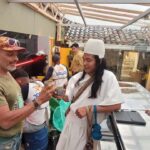
The meeting point process is also clear: you’ll recognize the team by their blue jacket and blue cap with the Colombia Tours And Trips logo. That simple detail matters when you’re meeting a group in a busy neighborhood.
Should you book Free Walking Tour Bogotá: Arte, Historia y Café?
If you want a Bogotá day that mixes street life, serious historical context, and a satisfying coffee finish, I think you should book it. The tastings add tangible value, and the route connects places so you start understanding how Bogotá “fits together.”
Book it especially if you’re arriving in the city with limited time and you want one outing that covers both cultural vibe and political landmarks. Just do two things first: wear comfortable shoes, and go in prepared for the history to get emotional.
FAQ
How long is the walking tour?
It lasts 3 hours.
Where do I meet the group?
You meet at Plaza del Chorro de Quevedo. The team recognizes participants by their blue jacket and blue cap with the Colombia Tours And Trips logo.
What tastings are included?
The tour includes fruit tasting and coffee tasting.
What is the price?
The price is listed as $14 per person.
Is hotel pickup included?
No. Pickup and return to your hotel are not included.
Is lunch included?
No, lunch is not included.
Is entrance to Teatro Colón included?
No. Entrance to the Colon Theater is not included.
What languages are offered by the guide?
The tour lists a bilingual guide, and the live tour guide is listed as Spanish. If you need a specific second language, confirm ahead of time.
What should I bring?
Bring comfortable shoes, sunscreen, and water.
Is there insurance and can I cancel for free?
Health insurance is included. You can cancel up to 24 hours in advance for a full refund.