REVIEW · BOGOTA
Hiking to the largest paramo on earth : Sumapaz
Book on Viator →Operated by Rolombia Trips · Bookable on Viator
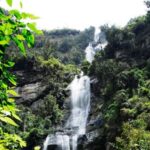
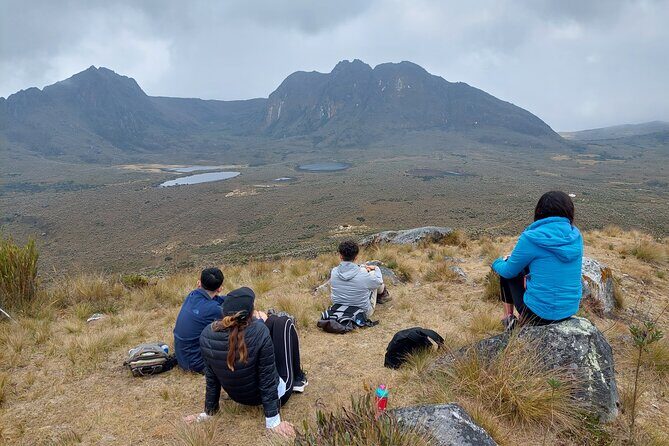
Foggy cold steps up the biggest páramo. This is Sumapaz, the giant high plateau that feeds water to Bogotá and hosts plants you won’t see anywhere else. I like the small-group setup and the way the guides (Juan, Andrea, Gabi, Jacky, Alejandro, depending on the day) explain what you’re actually seeing up there, not just where you’ll stand.
I also love the included farm breakfast plus the post-hike comfort food like arepa and agua de panela. After hours in cool, high-altitude air, that simple routine feels genuinely local.
One caution: expect the altitude and often cold, windy weather. The climb is short on paper, but you can get out of breath fast, and mud or loose steps can make certain parts slower than you planned.
In This Review
- Key highlights worth knowing before you go
- Why Sumapaz is the big deal for Bogotá
- A 7:30 AM start and a small-group hike into Parque Nacional Natural Sumapaz
- The páramo world you’ll meet: water, plants, and high-altitude survival
- Altitude, wind, and mud: how the hike really feels at 3,500–4,000m
- Breakfast, arepa, and agua de panela: the included food that makes the day worth it
- What to pack for a cold, wet páramo day near Bogotá
- Price and value of a $130 Sumapaz day trip
- Should you book the Sumapaz páramo hike?
- FAQ
- What time does the Sumapaz hike start?
- Where does the tour meet and where does it end?
- How long is the experience?
- How many people are in the group?
- What fitness level do I need?
- Is the park entry ticket included?
- What weather should I expect?
- What is included for food?
- What is the cancellation policy?
Key highlights worth knowing before you go
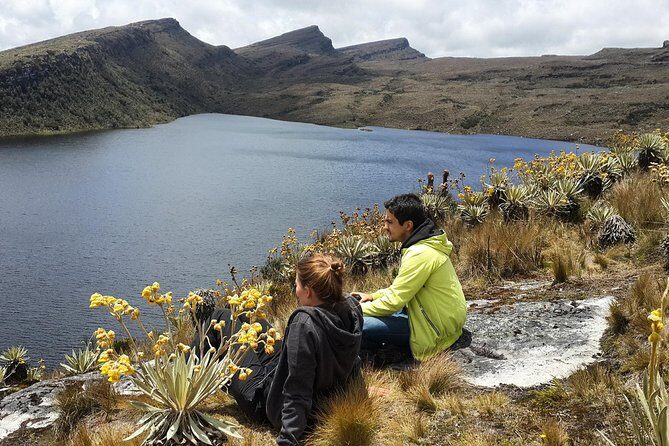
- Sumapaz páramo size: the world’s largest high plateau, right outside Bogotá in feel and in access.
- Water story that matters: this protected area is tied to Bogotá’s water supply.
- Small group (max 4): more patience, more questions, less waiting around.
- Included park entry: you don’t have to figure out tickets on your own.
- Guides with real passion: names you may meet include Juan, Andrea, Gabi, Jacky, and Alejandro.
- Cold-weather reality: wind, rain, and wet ground are part of the deal at high altitude.
Why Sumapaz is the big deal for Bogotá
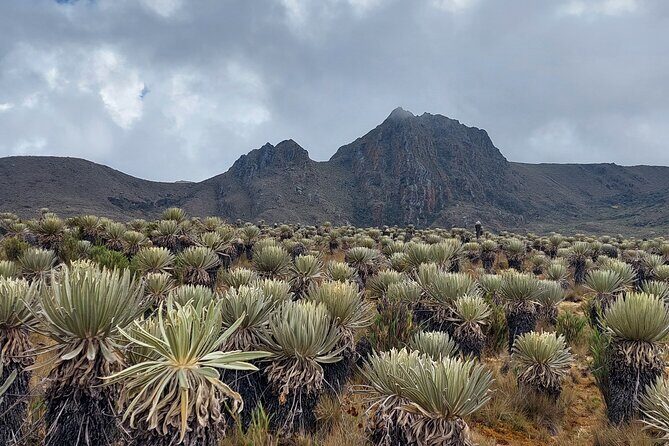
Sumapaz is one of those places that makes Bogotá feel tiny. You leave the city’s rhythm and climb into a high-altitude páramo where the air gets thin, clouds move fast, and plants have adapted to survive serious cold and humidity. It’s a protected natural area, and it also plays a practical role: Sumapaz helps supply primary water for Bogotá. That link gives the whole day extra meaning, because you’re not just hiking for views.
What I appreciate is that the day is built around the páramo ecosystem as a system. You’re walking through a world where water and temperature shape what can live there. You’ll notice how the vegetation changes as you gain elevation, and guides tend to connect those plant changes to survival strategies—how these species manage cold nights, wet days, and windy exposure.
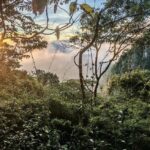
And yes, the “otherworldly” feeling is real. Multiple guides talk you through a place that looks almost surreal when the clouds drift in and out. Even if you’re not an expert in ecosystems, the guide explanations make it easier to read the environment with your own eyes.
You can also read our reviews of more hiking tours in Bogota
A 7:30 AM start and a small-group hike into Parque Nacional Natural Sumapaz
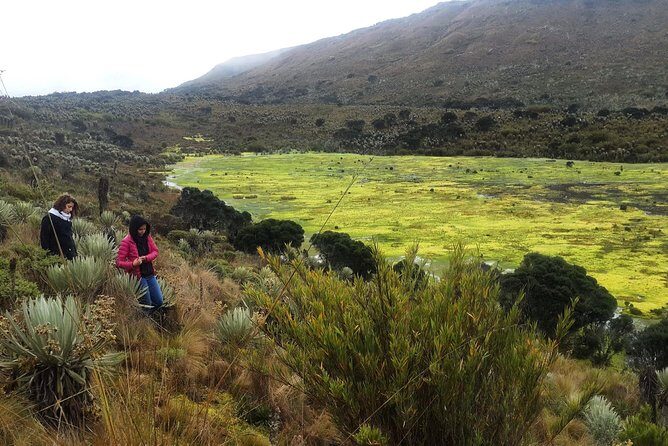
Your day begins at Panadería NicolfCra, Cra. 35a #35-99 with a 7:30 am start, and you return to the same spot. The group stays very small—up to 4 travelers—which changes the vibe. You can ask questions without shouting, and if you need slower pacing, it’s easier for the guide to adjust.
The drive is part of the experience. Expect roughly 45 minutes to an hour and a half out of Bogotá, then you transition to more rural roads. One key moment: the vehicle often can’t go all the way to the hiking start. You may get dropped on a dirt road and begin your climb from there.
Timing-wise, you’re typically looking at a 6–8 hour day total. The park segment runs about 4 hours, with the rest of the time going to transport and the pre-hike meal routine. Starting early also helps with weather, since high areas can get wet and windy as the day goes on.
If you care about communication, this matters too. Some guides are English-fluent, and the best ones keep the information practical: what you’re seeing, why it’s there, and how the páramo works as you climb.
The páramo world you’ll meet: water, plants, and high-altitude survival
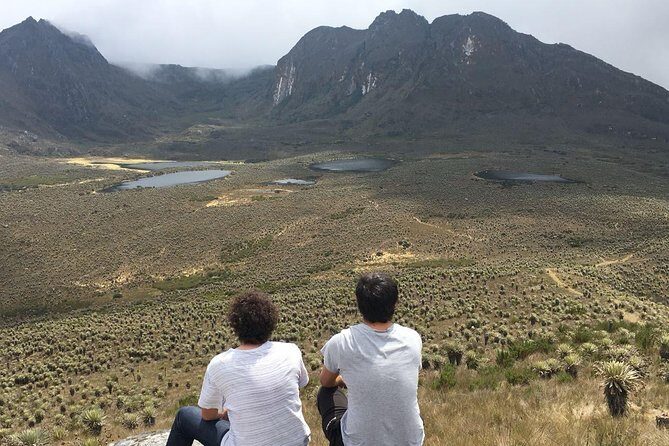
In Sumapaz, the big lesson is that the páramo is a living water system. This ecosystem holds water and regulates conditions in a way that’s crucial to the region. That’s not a trivia fact for the guide to toss out and move on from. You’ll see why it matters when the air is damp, when clouds sit low, and when the ground tells you the environment is wet and cool more often than it’s dry.
As you gain altitude, plants shift. High above, only species that can handle cold, humidity, and wind thrive. That gradual change is one of the most rewarding parts of the hike because it turns elevation into something you can observe directly. You won’t just be walking uphill; you’ll be tracking a natural “ladder” of survival.
Fauna also enters the story. Guides point out unique species in ways that make you look slower, not faster. Even if visibility is limited due to cloud cover, the guide narration helps you understand the setting. When visibility improves, the views can feel almost unreal—mountains with cloud layers, plus a high plateau that spreads out like another world.
Another practical benefit of having a guide: they typically explain local context around Bogotá’s edge and the outer areas you pass on the way. It helps the day connect to the country you came for, instead of feeling like you only touched the outdoors.
Altitude, wind, and mud: how the hike really feels at 3,500–4,000m
Here’s the honest part. Even when the hike isn’t described as long, it can be strenuous because of the altitude. Reviews put the elevation range around 3,500–4,000 meters, and that’s where your breathing does the negotiating. You might think you can “power up” until your lungs remind you this is real altitude.
Pacing is everything. A few people noted guides hiking briskly and not stopping as often as they wanted. On the other hand, the most positive experiences highlight patient guides who encourage you to take breaks and move at your pace. Your best bet: go slow on purpose. Take the first part easy, then see how your body settles.
Weather is another major factor. Even when the forecast looks fine, you can get cold air and on-and-off rain. The top can be windy and chilly, and wet conditions mean the ground can be muddy with loose rocks or slippery stretches. That turns a simple trek into a careful footwork exercise, especially on descent.
What helps: wear proper hiking boots with good grip, and bring waterproof layers. One review even highlights getting burned on a cloudy day—so don’t treat cloud cover as “safe weather” for your skin. Also bring something warm, because high-altitude wind can strip comfort fast.
Breakfast, arepa, and agua de panela: the included food that makes the day worth it
One reason people rave about this trip is the rhythm of food and timing. You start with breakfast included, often at a restaurant or farm-style stop before the hike begins. Choices mentioned include costilla de res soup with a tinto (coffee). That’s a hearty way to fuel a high-altitude climb.
Then there’s the post-hike comfort. You’ll likely stop for something simple and warm, like arepa and agua de panela (a sweet hot drink made with panela). After the cold and the wind, this kind of food feels like more than a snack. It’s the moment your body stops bracing and starts recovering.
One detail I appreciate: food isn’t treated as an afterthought. Some guides have accommodated dietary restrictions for their groups when possible. That’s not a guarantee for every situation, but it’s a good sign that the organizers take care of real needs.
And from a value standpoint, this matters. A $130 day trip can feel steep if it’s only transport plus a trek. Including a solid breakfast and a warm finish helps justify the price and makes the day feel complete.


What to pack for a cold, wet páramo day near Bogotá
You’re hiking at high altitude, and that means the weather can switch fast. Use the reviews as a packing checklist, because people get burned, chilled, and splattered if they underpack.
Bring:
- Warm layers for wind and cold at the top
- Waterproof jacket (and consider a poncho-style layer if rain is heavy)
- Hiking boots with traction; the ground can be muddy and slippery
- Sunscreen and a hat, even if it’s cloudy
- Lots of water (high altitude plus cool wind still dehydrates you)
- Rain-friendly clothing (pants that can handle mud and wet)
Footwear is worth taking seriously. One guide note calls out waterproof or properly water-ready boots, and another recommends rain boots depending on conditions. If you only have one pair of shoes, make sure they handle wet steps and mud without slipping.
Also, plan mental energy. If you get out of breath in the first stretch, that’s normal. Don’t treat it like failure. The best approach is steady effort plus short pauses.
Price and value of a $130 Sumapaz day trip
At $130 per person, this isn’t a “cheap and cheerful” activity. But it’s also not just a guided walk. You’re paying for a small-group guide, a private-style vehicle pickup and drop-off from Bogotá, and park entry included for the Sumapaz segment.
The day is also structured around the full experience. It includes:
- Transport time from Bogotá to the park area
- A 4-hour park hike window
- Included breakfast
- Additional warm food after the hike is common
- A max of 4 travelers, which makes the guide’s attention more personal
For many people, the real value is the combination of scale and access. Sumapaz is massive, and not every operator brings you into the high páramo with enough care for altitude and conditions. The small group size and the guide’s ecosystem focus (Juan, Andrea, Gabi, Jacky, Alejandro) are part of what makes the hike feel meaningful.
So here’s my practical take: if you want a guided, structured day with a real ecosystem explanation and you’re comfortable with altitude, the price starts to feel fair. If you’re hoping for an easy stroll with minimal climbing, you might be better off choosing something at lower elevation.
Should you book the Sumapaz páramo hike?
Book it if you want an authentic high-altitude nature day near Bogotá, with small group attention, a guide who cares about the páramo, and food that feels locally grounded. This is especially great for you if you’re the type who likes learning while walking—watching how vegetation changes with altitude, asking questions about water and species, and staying present even when clouds roll in.
Skip it or choose another option if altitude is a hard no for you, or if muddy footing makes you anxious. This hike can be challenging on the descent as well as the climb, and the weather can turn cold and wet fast.
If you do book, go in with patience. The summit feeling is tied to consistency, not speed. You’ll get a lot more out of Sumapaz by moving slower than your ego wants, dressing for cold rain, and letting the guide’s stories help you read the páramo with your eyes.
FAQ
What time does the Sumapaz hike start?
The tour starts at 7:30 am at the meeting point in Bogotá.
Where does the tour meet and where does it end?
It meets and ends at Panadería NicolfCra, Cra. 35a #35-99, Bogotá, Colombia.
How long is the experience?
The total experience is about 6 to 8 hours, with the park hiking segment listed as about 4 hours.
How many people are in the group?
The tour has a maximum of 4 travelers.
What fitness level do I need?
You should have moderate physical fitness for this hike, because you’ll face altitude and uneven conditions.
Is the park entry ticket included?
Yes. Admission ticket for Parque Nacional Natural Sumapaz is included.
What weather should I expect?
This experience requires good weather. High areas can be cold, windy, and can include rain, so you should plan for wet conditions.
What is included for food?
Breakfast is included, and after the hike you may have additional snacks such as arepa and agua de panela, depending on the day’s flow.
What is the cancellation policy?
You can cancel for a full refund if you cancel at least 24 hours before the experience start time. Free cancellation is available up to 24 hours in advance. If it’s canceled due to poor weather, you’ll be offered a different date or a full refund.