REVIEW · BOGOTA
Complete Walking Tour in Bogota’s Downtown
Book on GetYourGuide →Operated by Wontrip Tours · Bookable on GetYourGuide
Bogotá’s downtown hits fast. You get the El Dorado legend in context, then move through major squares and colonial streets, finishing with fruit tasting at La Concordia. I love how the guide ties myths, Spanish colonization, and 20th-century events into one walking story. I also like that you’re not stuck looking at buildings only—you get tastes and street-level culture. One thing to watch: downtown weather changes fast, and the walk depends on you being at the meeting point on time and in the right spot.
This is a short, focused tour built for first-time orientation. You’ll hit the main city square area, pass through La Candelaria, and see where modern street art meets older architecture. It’s also a practical way to learn what to look for once you go off on your own.
Plan for light walking and small stops (photo pauses, viewpoints, and some free time). Lunch isn’t included, so if you’re hungry afterward, have a plan. An umbrella helps a lot.
In This Review
- Key highlights worth your attention
- Where You Meet: the Gold Museum and a dark blue umbrella
- El Dorado Legend and the gold obsession you’ll learn to read
- Plaza del Rosario and the informal emerald market thread
- Carrera 7ma and El Bogotazo: a 1948 turning point
- Plaza de Bolívar: where politics lives in the open
- La Candelaria streets: colonial contrasts, urban art, and Chicha
- Chorro de Quevedo Plaza: street food, a dance show, and free time
- La Concordia Market: fruit tasting in a real food stop
- Price and value: why $25 makes sense for this exact format
- Who this tour fits best (and who should think twice)
- Should you book the Complete Walking Tour in Bogotá’s Downtown?
- FAQ
- How long is the Complete Walking Tour in Bogotá’s Downtown?
- How much does the tour cost?
- Where do I meet the tour guide?
- What languages are available for the guide?
- Is fruit tasting included?
- Is lunch included?
- Do I need to bring anything?
- Is hotel pickup and drop-off included?
- Is the tour wheelchair accessible?
Key highlights worth your attention
- El Dorado legend explained with real gold-collection context so the myth isn’t just a bedtime story
- Plazas that matter: you’ll see why Plaza de Bolívar is the city’s political core
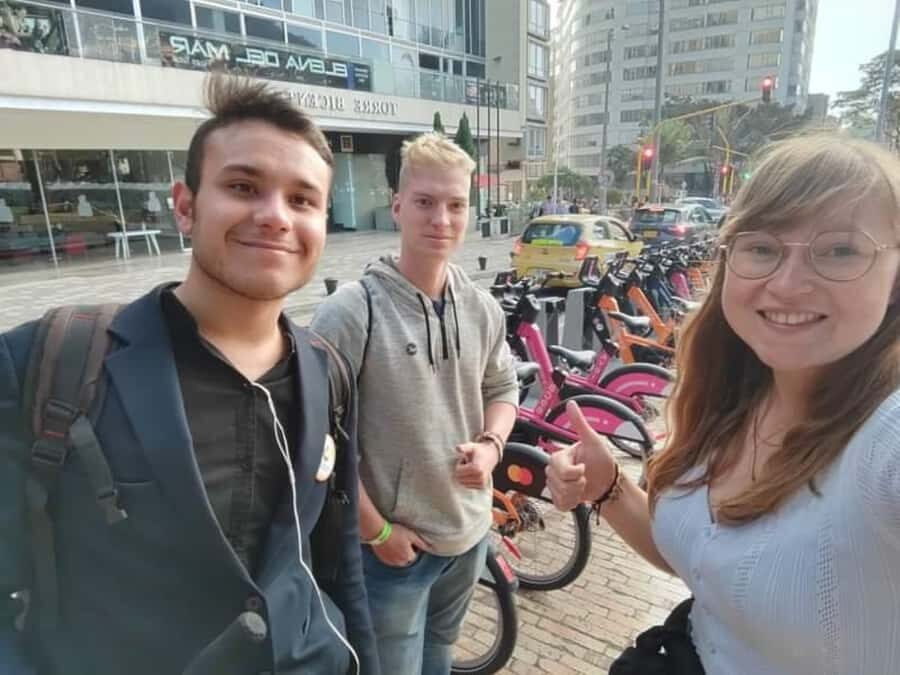
- La Candelaria plus Chicha for a firsthand look at pre-Columbian roots still heard today
- Chorro de Quevedo energy with street food moments and a short traditional dance show
- La Concordia fruit tasting that turns a market stop into a memorable finish
Where You Meet: the Gold Museum and a dark blue umbrella
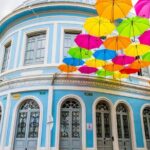
You’ll meet in front of the Gold Museum, waiting for your guide from Wontrip Tours. The guide carries a dark blue umbrella that says Walking Tours. Show up a few minutes early, and keep your eyes up—downtown Bogotá is active, and the meeting point is one of those spots where a minute matters.
The tour starts on foot, with a bilingual guide. You can join in English, Spanish, or German, depending on the group. That language setup is genuinely useful here, because the best parts of the tour are the explanations: legends, historical turning points, and the meaning behind neighborhood details.
If you’re the type who hates missed connections, this is your workaround. Be at the right place, at the right time, and you’ll avoid the most common problem people run into on walking tours: not finding each other in a big city center.
And yes—bring an umbrella. Weather shifts quickly. One minute it’s fine, the next you’re doing the classic rain shuffle while trying not to ruin your phone.
You can also read our reviews of more walking tours in Bogota
El Dorado Legend and the gold obsession you’ll learn to read
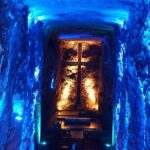
At the start, the story goes straight for the headline: El Dorado. You’ll hear how the legend of gold traveled through Spanish colonization and what it meant for the way people imagined Bogotá and the region. The tour then connects the myth to what you can actually see in the golden pieces collection tied to this legend.
What I like about this part is that it gives you a lens. Without it, you’ll just see gold-themed references around town. With it, you start noticing why certain stories stick, how rumors become motivation, and why gold symbolism shows up again and again in Colombia’s colonial-era timeline.
This is also a smart opening because it’s memorable. After you hear the legend, the rest of the walk has meaning. When you reach plazas later, you understand that Bogotá’s story isn’t only about architecture—it’s about power, belief, and conflict played out in public space.
Plaza del Rosario and the informal emerald market thread
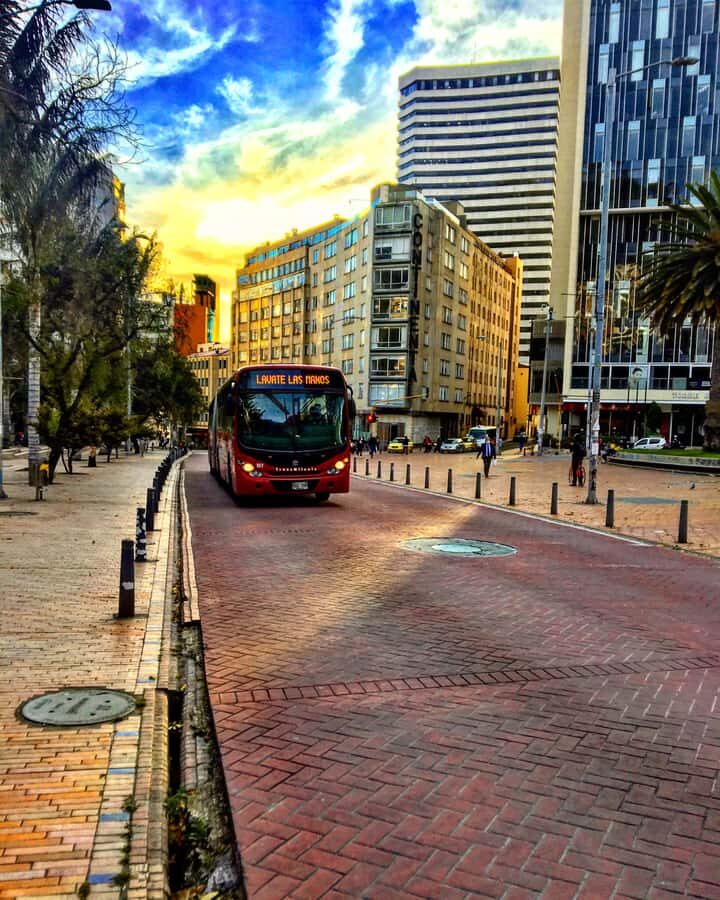
Next, you’ll move toward Plaza del Rosario. This stop is less about a single building and more about an idea: the informal emerald market in Colombia. Your guide points you toward what’s happening around the area and helps you understand how emerald commerce became part of the country’s everyday reality and reputation.
Even if you’re not shopping, you’ll benefit. This is one of those “how the economy becomes culture” moments. You learn how resources shape street-level life—prices, stories, and the kind of hustle that shows up when demand is high.
A practical note: if you’re tempted to buy something, keep it simple and don’t rush. Walk, look, compare. A tour guide can help you frame what you’re seeing, but you still control your own decisions.
Carrera 7ma and El Bogotazo: a 1948 turning point
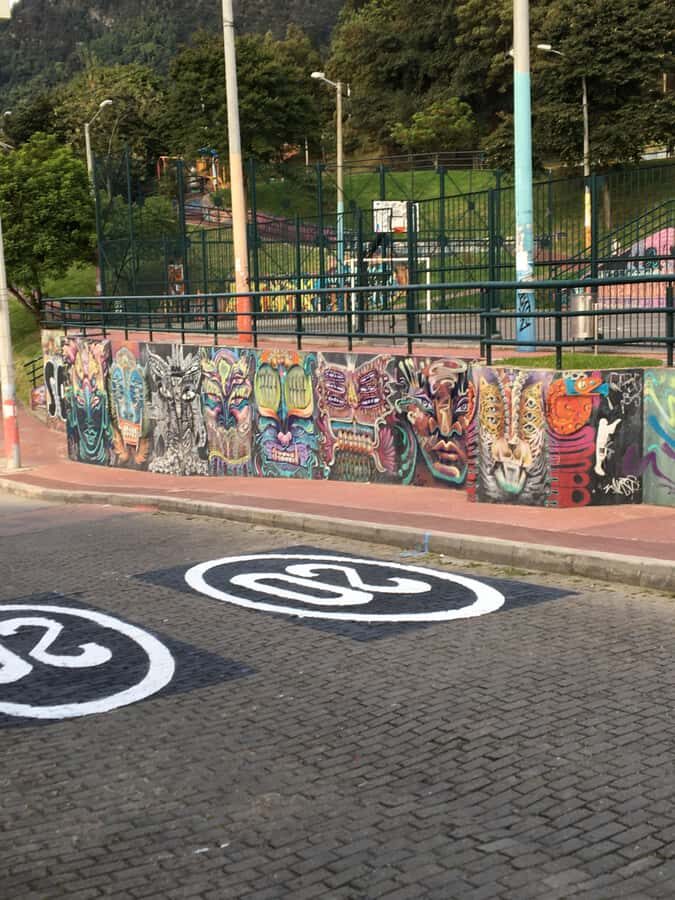
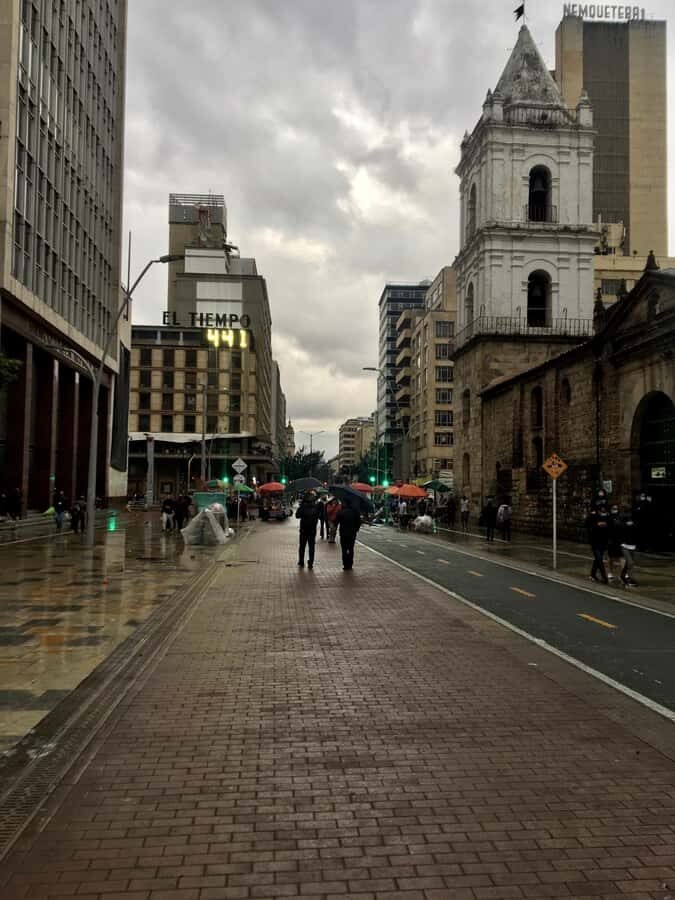
Walking along Carrera 7ma, you’ll learn about El Bogotazo, the uprising that wreaked havoc in 1948. This is where the tour stops being “pretty plazas and legends” and turns into “why this city looks like this.”
I like this stop because it doesn’t treat history like a textbook. You get the human scale: a public event that changed daily life and left lasting marks. And because you’re walking through the center, the lesson sticks better than if you just read it somewhere.
Drawback to consider: this part is heavier, and it’s easy to miss details if you’re distracted by phone photos. So do one thing: listen first, then photograph. You’ll thank yourself later when you’re explaining what you saw to friends.
Plaza de Bolívar: where politics lives in the open
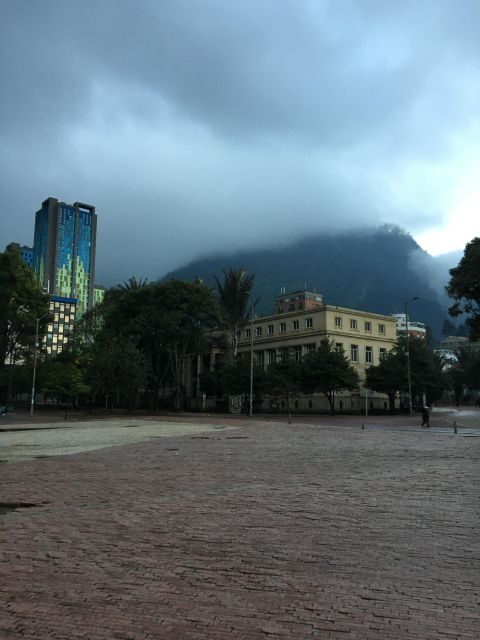
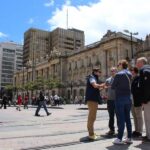
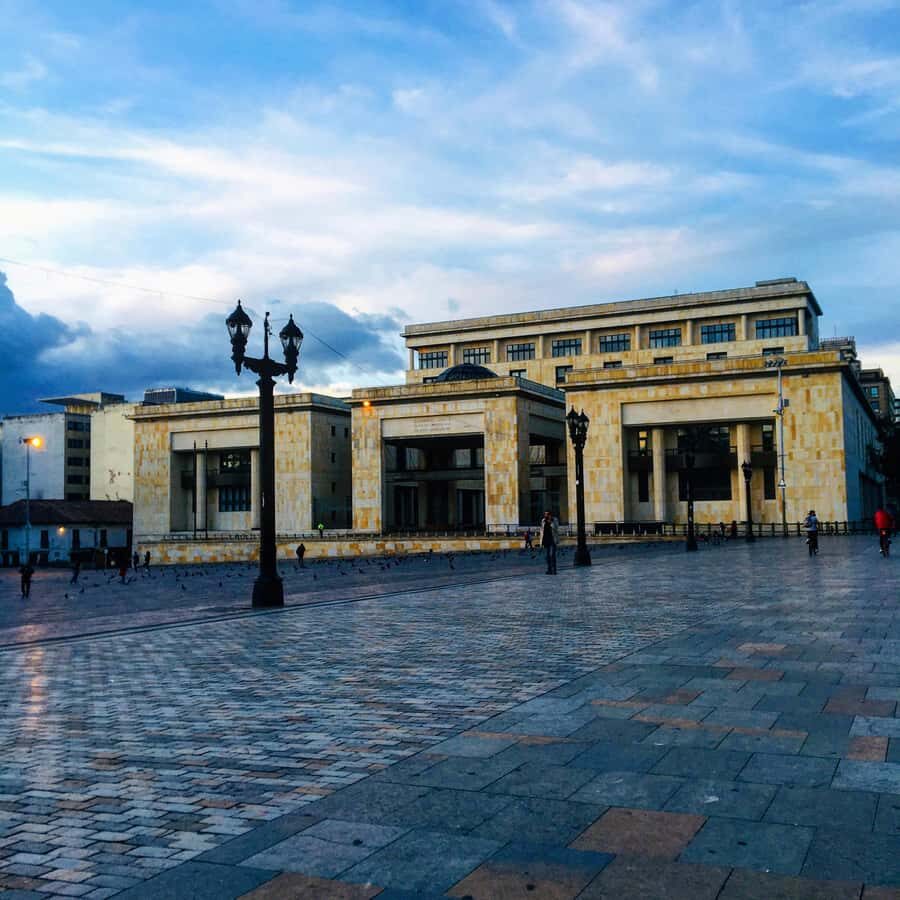
Plaza de Bolívar is the kind of place that makes you slow down. You’ll get time for a photo stop, plus a guided tour and sightseeing around major government buildings. This square is where Bogotá’s political heartbeat shows up in plain sight.
For me, the value here isn’t just the view. It’s the clarity. After the earlier stops (legend, market, uprising), Plaza de Bolívar puts everything into a “this is how power shows up” box. You start noticing how public squares work as stages: for decisions, for conflict, and for national identity.
Shopping may happen around the area, depending on timing and how your group moves. Keep an eye on the guide and the group pace. This tour runs at a tight 150-minute length, so it’s not built for wandering off for long.
If you’re someone who likes to understand a city quickly, this is one of your strongest stops.


La Candelaria streets: colonial contrasts, urban art, and Chicha
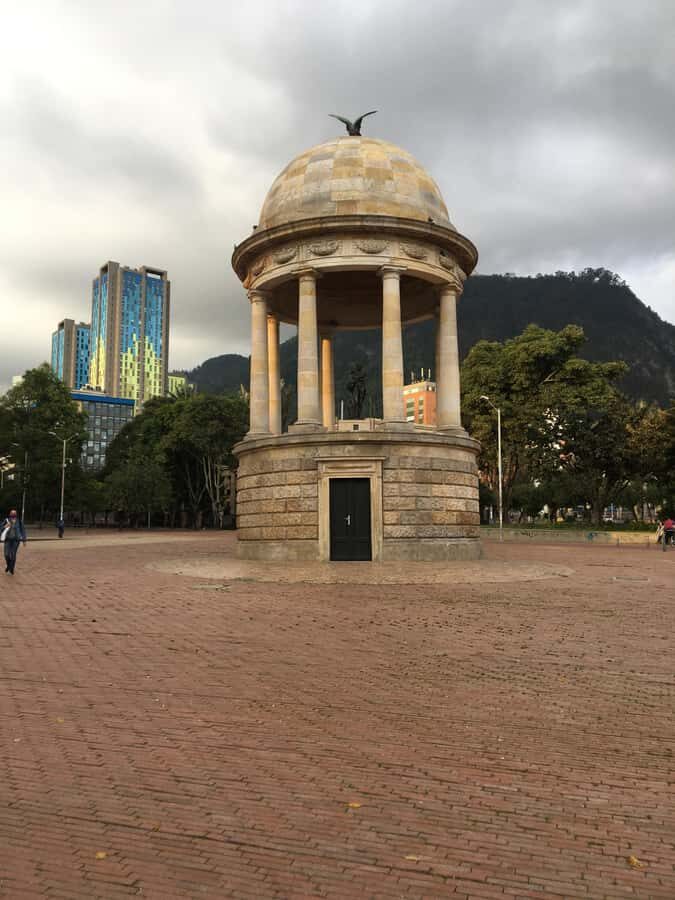
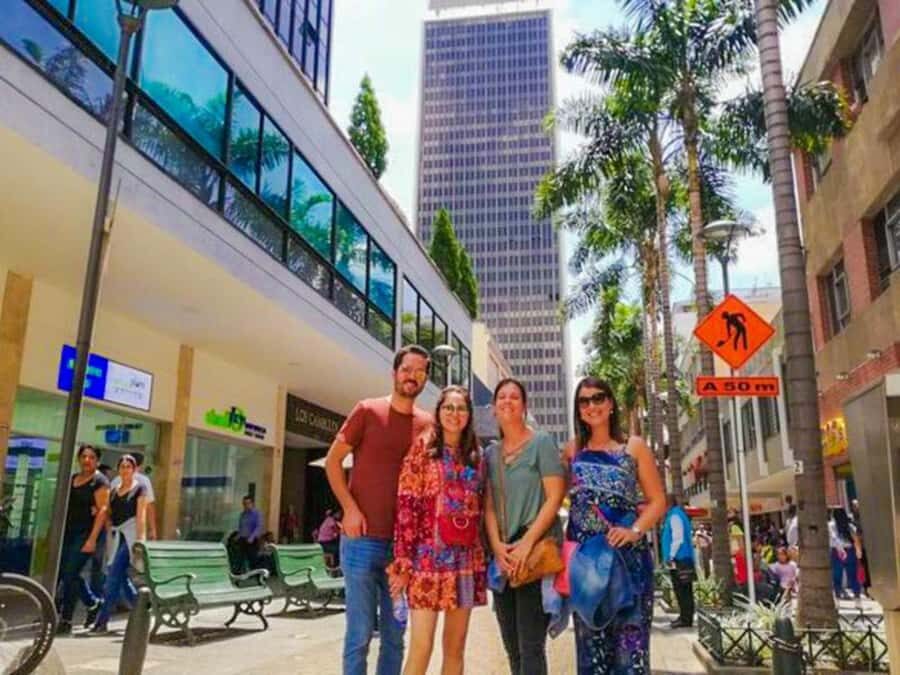
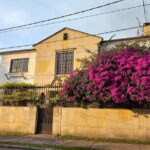
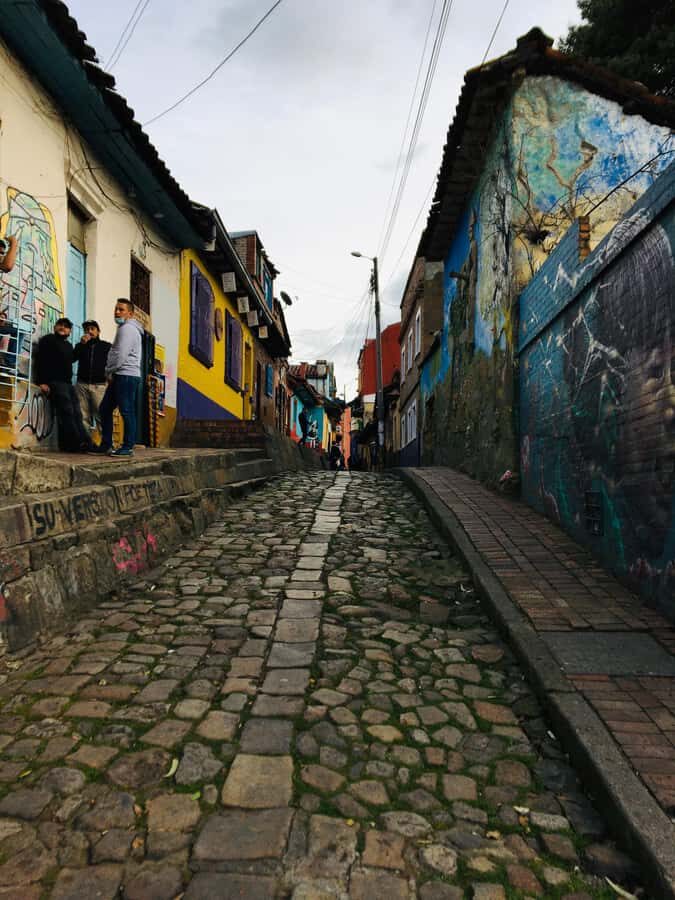
La Candelaria is the colonial neighborhood portion of the walk. You’ll pass old architecture, take photo stops, and get guided sightseeing as the area changes from formal landmarks to more lived-in streets.
Here’s the part I found most memorable: you’ll learn about Chicha, a drink with roots since pre-Columbian times. The guide connects it to how indigenous culture survived and adapted through centuries. It’s not just a drink stop. It’s a cultural thread.
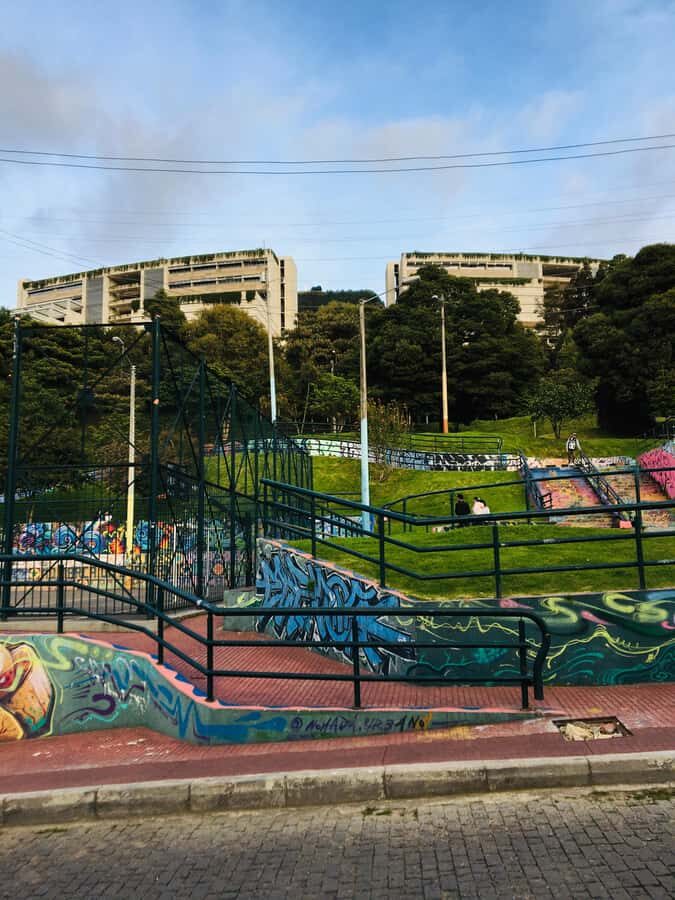
You’ll also get an introduction to urban art in Colombia. That matters because Bogotá doesn’t stay stuck in old stone. Street art and murals often carry political commentary and neighborhood identity, and seeing it next to older architecture helps you understand the contrast.
Practical tip: La Candelaria sections can feel more like “walk and watch your step.” If it’s wet, take your time. This isn’t a museum floor; it’s real neighborhood ground.
And timing-wise, this is also where people often start to notice the group rhythm: photo stops, guided explanations, then short breaks. If you’re hoping to chat a lot, this is your best window.
Chorro de Quevedo Plaza: street food, a dance show, and free time
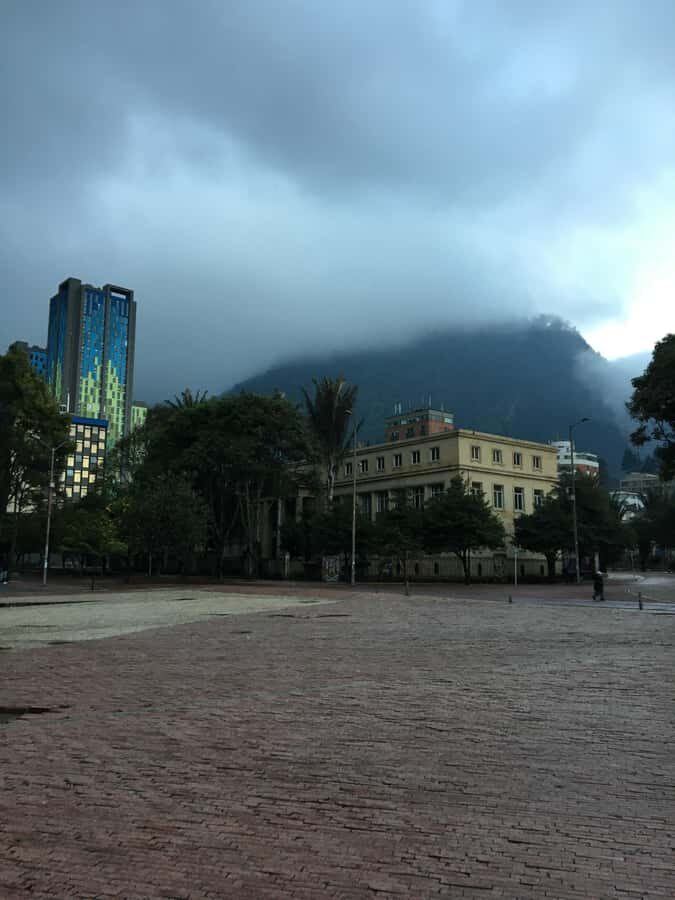
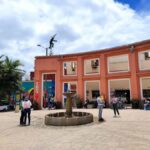
Chorro de Quevedo Plaza is where the tour gets more playful. You’ll have a photo stop, some guided time, and then a mix of dessert, street food, and free time. There’s also a short traditional dance show during this segment.
This stop is a nice balance after the heavier history. It shows another side of Bogotá: the ability to celebrate while still living through complex layers of the past. Even if you’re not a dance-show person, it’s usually short and easy to watch while you soak up the atmosphere.
The free time matters, too. It gives you room to reset and choose what you want to try. Just keep track of the group and the time window—150 minutes moves quickly.
If rain hits, this area can still work, but you’ll want that umbrella. The tour stays flexible, but you don’t want to be constantly rushing because you’re uncomfortable.
La Concordia Market: fruit tasting in a real food stop
The finish is at La Concordia Market, where you’ll do a fruit tasting. This is one of the most “on value” parts of the tour, because you get a guided taste experience included in the price, and you’re in an active market setting rather than a staged stop.
On a practical level, the fruit tasting helps you end the tour feeling satisfied and ready to continue exploring. On a cultural level, it turns Colombian market life into something you can experience with your senses—not only your eyes.
You’ll also have some free time and shopping opportunities during this segment. If you’ve been busy taking photos earlier, this is a good moment to slow down and look more closely at what’s actually for sale.
If you’re sensitive to strong flavors or unfamiliar textures, you can ask the guide what to try first. The tour is designed to include the tasting, so you won’t be left guessing.
Price and value: why $25 makes sense for this exact format
For $25 per person, you’re paying for three things: a guided route through major downtown landmarks, a bilingual guide, and an included fruit tasting. That combination matters more than it sounds.
A lot of low-cost city walking tours hand you a map and a vague story. This one gives you a clear sequence—from El Dorado and colonial founding threads, to the Bogotazo and Plaza de Bolívar, then to neighborhood culture like Chicha and urban art. You’re not only sightseeing; you’re learning what ties it together.
The short duration (150 minutes) also helps. You can fit it into an arrival day or a day where you still want energy for other plans. It’s enough time to get orientation without eating up your whole day.
Only consideration: there’s no lunch included. Fruit tasting is included, and you may have dessert and street food earlier, but it still won’t replace a full meal if you need one.
Who this tour fits best (and who should think twice)
This tour works well if you want a tight introduction to downtown Bogotá with guided context. I’d especially recommend it if you:
- like walking tours with clear historical storytelling
- want neighborhood context from La Candelaria and Chorro de Quevedo, not just landmarks
- enjoy hands-on culture, like Chicha and fruit tasting
- can handle light walking and a few short time windows at each stop
It might be less ideal if you want a slow, relaxed meander with lots of free wandering. The pace is built around covering multiple key areas in 150 minutes. It also isn’t a food tour only—food is included, but the center focus stays on understanding the city.
Also, if you know you struggle with finding meeting points or arriving on time, double-check the exact location and look for the dark blue Walking Tours umbrella.
Should you book the Complete Walking Tour in Bogotá’s Downtown?
If you want an efficient, story-driven way to understand Bogotá’s core—legend, colonial influence, a major 20th-century event, then neighborhood culture—you should book it. The biggest strengths are the guided historical details and the variety of experiences, from squares to Chicha learning to fruit tasting in La Concordia.
Book it if you’ll arrive ready to walk, bring an umbrella, and listen for the meaning behind each stop. Skip it only if you need a guaranteed long food experience or you’re planning to take it too slowly—this tour is built for momentum.
FAQ
How long is the Complete Walking Tour in Bogotá’s Downtown?
The tour lasts 150 minutes.
How much does the tour cost?
It costs $25 per person.
Where do I meet the tour guide?
Meet in front of the Gold Museum. The guide will have a dark blue umbrella that says Walking Tours.
What languages are available for the guide?
The tour guide is available in English, Spanish, and German.
Is fruit tasting included?
Yes. Fruit tasting is included.
Is lunch included?
No, lunch is not included.
Do I need to bring anything?
Bring an umbrella, since Bogotá’s weather can change quickly and rain is possible.
Is hotel pickup and drop-off included?
No. Hotel pickup and drop-off are not included.
Is the tour wheelchair accessible?
Yes, the tour is listed as wheelchair accessible.