REVIEW · BOGOTA
Bogota Walking Tour Teusaquillo a different part of the city
Book on GetYourGuide →Operated by Condor Tours · Bookable on GetYourGuide
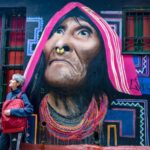
Teusaquillo stories show up fast on foot. This Bogotá walking tour is built around local places—galleries, cafés, pubs, and street art—plus the political story of Colombia told through the buildings you pass. What I really liked was how street art and independent projects sit side-by-side with the serious stuff, and how the walk turns a neighborhood into a living lesson about the country’s modern formation.
One thing to keep in mind: it’s a 3-hour walking experience in a real city district, so plan for a steady pace and bring comfortable shoes. Also, like any group activity, if anything goes off-script at the meeting point, you’ll want to confirm with the operator right away.
In This Review
- Key highlights you’ll feel in Teusaquillo
- Why Teusaquillo feels different from the main tourist loop
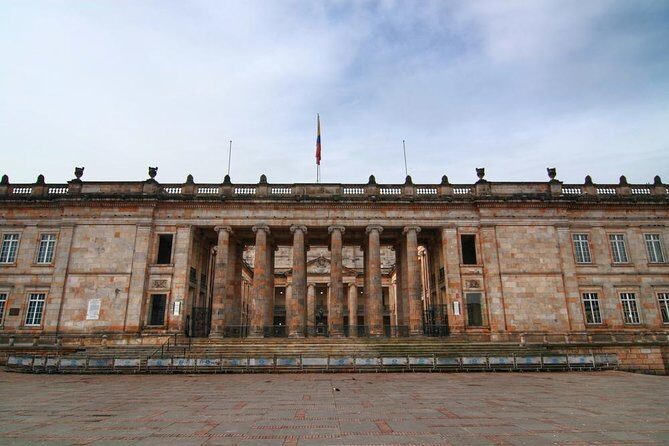
- Museo Nacional de Colombia: the meeting point that sets the tone
- Bavaria Central Park: a quick orientation with real neighborhood energy
- Casa Celo and Nunciatura Apostólica: architecture as a political clue
- Parque Público and the Jorge Eliécer Gaitán Museum stop
- Casa de Betty La Fea: a pop-culture pause that still feels local
- El Parche ropa y accesorios and Prosa del mundo: local markets and small shops
- Visaje Graffiti: photos, a workshop, and that coffee graffiti vibe
- ParkWay strolls and the Lubianka Pub beer break
- Value for $19: what you’re really paying for
- Guides, small-group feel, and a couple of memorable human touches
- Who should book this Teusaquillo walking tour
- When you should consider passing
- Should you book this Teusaquillo tour?
- FAQ
- How long is the Bogota walking tour in Teusaquillo?
- Where does the tour start?
- What’s the price per person?
- What tastings are included?
- Are museum or gallery entrances included?
- What languages are the tours offered in?
- Is this tour wheelchair accessible?
- Is it a private group tour?
Key highlights you’ll feel in Teusaquillo
- Museo Nacional de Colombia start: you begin with context, not just directions.
- Galleries + cultural houses included: you don’t just look from the sidewalk.
- Coffee graffiti, chocolate, and craft beer: tastings are part of how you get the flavor of the area.
- Street art stops with a workshop: you get more than photos.
- Political history you can see: buildings and institutions help explain Colombia from 1819 to 2016.
- Small, private-group feel: easier conversation with your guide, in English/Portuguese/Spanish.
Why Teusaquillo feels different from the main tourist loop
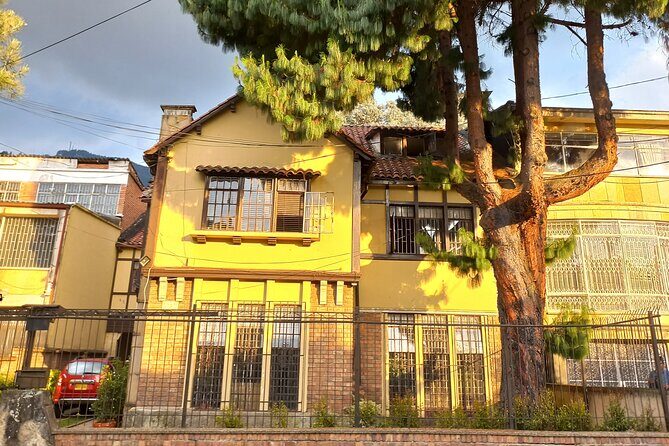
Teusaquillo is a Bogotá district you can enjoy even if you’ve already seen the big-name sights. It has a “live here” feel: parks where people pause, cafés and small cultural spaces, and streets where you notice details you’d normally speed past.
On this tour, that local texture isn’t accidental. The whole point is to show you Bogota beyond the postcard route. You’ll move through areas where the neighborhood’s character comes through—architecture, street art, and everyday stops—so you’re not just collecting attractions. You’re learning how modern Bogotá grew its identity.
And because the tour includes hands-on moments (tastings and a workshop), it’s a good fit if you prefer experiences that involve more than looking. You’ll still get stories, but you’ll also taste, see, and create a little along the way.
You can also read our reviews of more walking tours in Bogota
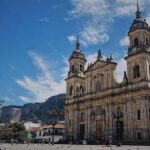
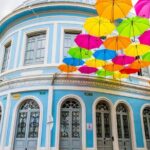
Museo Nacional de Colombia: the meeting point that sets the tone
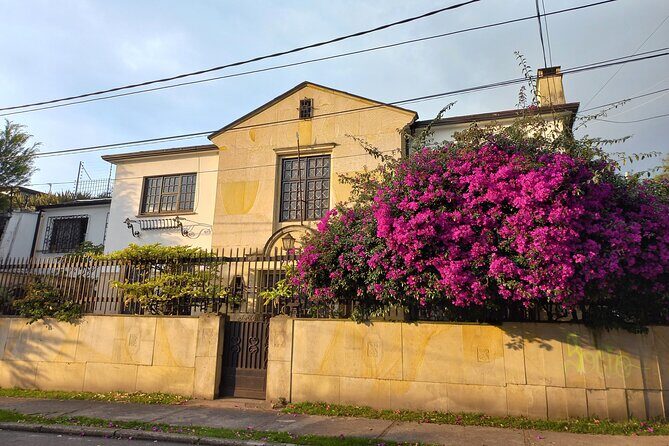
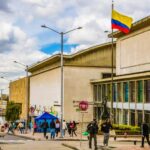
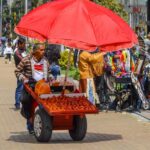
You’ll meet in front of the entrance of Museo Nacional de Colombia, and your guide will be easy to spot: a red hat and a red umbrella with the tour logo. That matters more than you’d think in Bogotá, where streets can feel confusing if you’re trying to find the right group while also figuring out crossings and pace.
Starting at the national museum gives the tour momentum. It’s not just a random start time and then you’re off. You’re already standing at a place connected to Colombia’s public story, so the neighborhood walk that follows feels grounded. It helps you understand why the tour spends time linking buildings and institutions to the country’s political timeline.
If you like a trip with structure—clear start, clear rhythm, a guide leading you through the logic of the area—this beginning works.
Bavaria Central Park: a quick orientation with real neighborhood energy
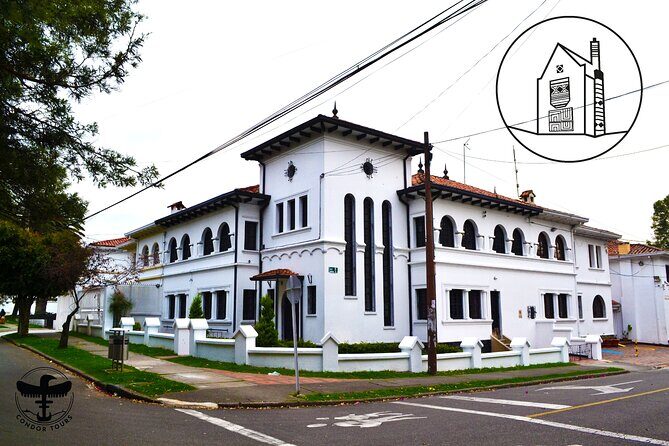
Your first park stop is Bavaria Central Park, with a short guided introduction and then a photo/sightseeing moment. Parks are good “reading rooms” for a city. In 10 minutes, you can understand how people use the space: where they pause, where they meet, and what kind of movement defines the streets around you.
This stop also works as a reset. After meeting at the museum, you get to slow down for a moment, take in the surrounding blocks, and get your bearings before the tour switches gears into galleries and cultural interiors.
Potential drawback? Because the time is short, you won’t have long to wander off on your own. You’ll get the orientation and then you’ll be moving again.
Casa Celo and Nunciatura Apostólica: architecture as a political clue
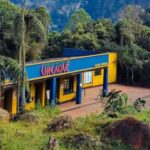
Next comes Casa Celo, followed by a pass-by stop for Nunciatura Apostólica. These aren’t random architecture photos. The guide connects what you’re seeing to Colombia’s wider political development—the kind of context that can be hard to grasp when you only read history books.
Here’s what makes these stops worth your attention: buildings aren’t just scenery in Bogotá. They’re part of how power, institutions, and national identity evolved. When you stand close enough to notice details, you start to understand why the tour links the story from independence in 1819 all the way to the peace agreement in 2016.
If you prefer your history straight and visual, this section clicks. If you hate brief photo stops and quick transitions, you’ll want to pace yourself mentally because the tour keeps moving.
Parque Público and the Jorge Eliécer Gaitán Museum stop
After more walking, you’ll have a photo stop at Público Park and then you’ll visit the area connected to the Jorge Eliécer Gaitán Museum (with guided time, sightseeing, and a pass-by moment). Even the park pause is useful. It breaks up the institutional feel of the route and lets you see how public space functions in the district.
The museum-related stop is where the tour’s political story gets sharper. The name alone signals why it’s important, but the better part is how the tour keeps your attention on the people and ideas tied to Colombia’s formation as a modern country.
This is also one of the “story stops” that makes a neighborhood walk feel like more than casual sightseeing. You’re not only seeing places; you’re understanding why those places matter.
You can also read our reviews of more city tours in Bogota
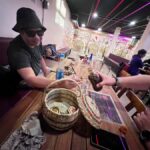
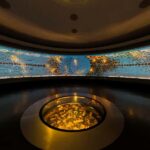
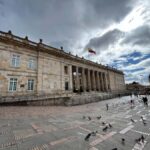
Casa de Betty La Fea: a pop-culture pause that still feels local
Then you’ll step into Casa de Betty La Fea, with a brief visit and sightseeing. This stop can be surprising—in a good way—because it reminds you that local life isn’t only politics and museums. Bogotá’s cultural identity also shows up through TV, stories, and places connected to popular characters.
You’ll get a short moment here (about 10 minutes), so think of it as a quick color-changing point in the route. It helps reset your brain. After serious context, a pop-culture stop can make the rest of the walk easier to digest.
El Parche ropa y accesorios and Prosa del mundo: local markets and small shops
At El Parche ropa y accesorios, you’ll get a visit that blends shopping with an arts-and-crafts market feel. This is where you can see the district as a working neighborhood, not a museum corridor. If you like supporting small makers and picking up something you actually want to use, this is your chance.
Then comes Prosa del mundo Librería, which you’ll visit with guided time and browsing/shopping opportunities. Bookstores in Bogotá aren’t always silent and academic. They can be cultural meeting points, and this stop fits the tour’s theme: independent spaces, local creativity, and everyday places that shape how a neighborhood feels.
A practical note: both of these stops involve some browsing time, but the tour still moves on schedule. If you’re serious about shopping, keep an eye on your priorities and don’t assume you’ll have unlimited time.
Visaje Graffiti: photos, a workshop, and that coffee graffiti vibe
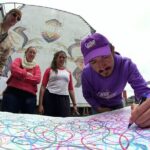
The tour’s street-art side becomes real at Visaje Graffiti. You’ll have a photo stop, guided time, an arts-and-crafts market visit, and a workshop lasting around 20 minutes.
This is one of the standout pieces because it turns street art from a distant visual into an activity. Even if you’re not an artist, a workshop gives you context: how artists think, what they’re trying to communicate, and why the neighborhood walls matter.
And the tour has a theme tied to the area’s flavor—coffee graffiti and more. It’s the kind of detail that makes the stop memorable because it connects art with daily Colombian rituals like coffee culture.
When you leave this stop, you’ll likely look at other walls in Bogotá differently. The city becomes a canvas with reasons behind the colors.
ParkWay strolls and the Lubianka Pub beer break
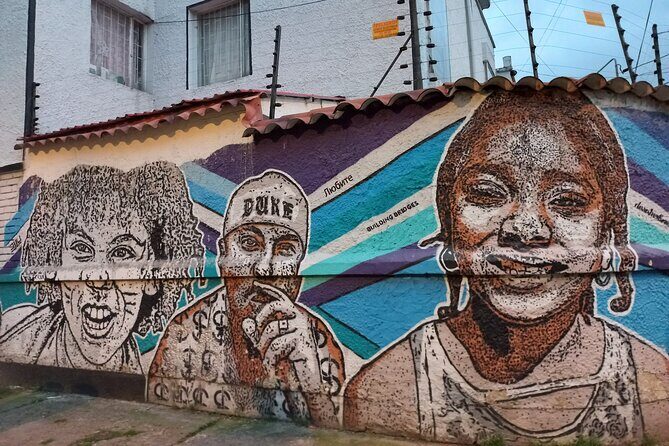
After more photo and sightseeing time at ParkWay, the tour finishes with a longer stop at Lubianka Pub, where you’ll have beer (around 30 minutes).
This is a smart pacing move. The tour mixes serious context, then creative stops, then finishes with something social. A pub ending also gives you space to talk with your guide and compare notes on what you noticed.
If you drink alcohol, this is your structured tasting moment. If you don’t, you’ll still get the social break, but the tasting options are part of the tour inclusions—so it’s worth checking what’s offered for coffee or craft beer tastings ahead of time.
Value for $19: what you’re really paying for
At $19 per person for a 3-hour walk, the value comes from combination, not just price.
You’re getting:
- Coffee or craft beer tasting as part of the experience
- Chocolate tasting
- Entrance to galleries and cultural houses
- A sticker
- A guided route that connects everyday stops to Colombia’s political timeline
That matters because it shifts the tour away from a typical “walk-and-tell” style. The included entrances help you avoid paying individual admission costs, and tastings act like cultural shortcuts—you don’t have to search for a local coffee moment or a casual beer stop. Your guide builds them into the experience.
Also, the private group format helps. You get more chance for questions and a smoother pace through the stops, instead of feeling shuffled with a big crowd.
One more value detail: the tour runs in English, Portuguese, and Spanish. If you’re traveling with mixed language comfort levels, that’s a real advantage.
Guides, small-group feel, and a couple of memorable human touches
The experience is driven by the guide. In one instance, the tour included a guide named Luis Bonilla, and the standout point was the level of detail about the area and Bogotá’s story. That kind of guide makes a neighborhood walk feel purposeful, not random.
There’s also a surprisingly sweet moment in the tour’s history: the presence of Appa, a very friendly dog that joined the group during one tour. It’s not the kind of detail you plan around, but it’s the kind of local-personality moment that makes a walk feel less like a script and more like a day out with people who care.
As a balance, keep in mind there was at least one reported issue where a guide did not show up and the tour wasn’t canceled. This isn’t something you can predict, but it’s a reminder to double-check the guide meeting point close to start time.
Who should book this Teusaquillo walking tour
This is a good match if you:
- Want a different side of Bogotá than the headline attractions
- Like street art plus political context in the same day
- Enjoy small cultural stops like independent galleries, bookshops, and local markets
- Prefer a guided plan with tastings rather than a free-form day
It’s also a nice option if you’re traveling with people who like different things. Art lovers get graffiti and a workshop. History-minded travelers get the timeline linking buildings and institutions. Food-and-coffee people get tastings at multiple moments.
When you should consider passing
If you’re only interested in major landmarks and big photo vistas, this tour may feel more subtle. It’s a neighborhood-focused experience. Also, because there are a few short stops and quick transitions, it’s best for travelers who enjoy moving through an area with a guide rather than lingering at every corner.
And if you’re the type who hates any risk of schedule hiccups, keep a little flexibility in your day. The one no-show report is rare, but it’s enough to suggest having a calm, proactive approach.
Should you book this Teusaquillo tour?
If you want a walk that mixes local culture, street art, and a clear political storyline, I think this tour is a strong pick—especially at $19. The included tastings and gallery/cultural-house entrances make it feel like more than a generic stroll, and the Visaje Graffiti workshop is the kind of stop you’ll remember after the photos fade.
I’d book it if you’re curious about how Bogotá’s identity shows up block by block. I’d also go in with one expectation set: this is about noticing, listening, and tasting—not checking off towering sights.
FAQ
How long is the Bogota walking tour in Teusaquillo?
It lasts about 3 hours.
Where does the tour start?
The meeting point is in front of the entrance of Museo Nacional de Colombia, with a guide wearing a red hat and carrying a red umbrella with the logo.
What’s the price per person?
The price is $19 per person.
What tastings are included?
You’ll have coffee or craft beer tasting, plus chocolate tasting.
Are museum or gallery entrances included?
Yes. Entrance to galleries and cultural houses is included.
What languages are the tours offered in?
The live tour guide speaks English, Portuguese, and Spanish.
Is this tour wheelchair accessible?
Yes, it is wheelchair accessible.
Is it a private group tour?
Yes, it’s offered as a private group.