REVIEW · BOGOTA
Breaking Borders: Bogota Gansters Story
Book on Viator →Operated by Impulse Travel · Bookable on Viator
Bogotá changes you fast. This Breaking Borders walk from La Candelaria’s Chorro de Quevedo to Barrio Egipto is guided by bilingual storytellers, including former gang members, who explain what violence did—and how change is trying to work. You leave with a clearer read on Bogotá beyond the usual postcards.
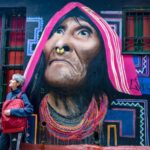
I also love the way the neighborhood teaches through art and place. You’ll track graffiti and murals tied to the community’s story, then visit the Nuestra Señora de Egipto church area and the community football field, both linked to hope and youth.
One heads-up: this is emotional material, and you’ll be climbing hills. If you want light and easy sightseeing, this may feel too real—and if your legs are limited, wear supportive shoes and pace yourself.
In This Review
- Key things I’d mark on your map
- Breaking Borders Bogotá Gansters Story: what you’re actually signing up for
- Chorro de Quevedo meeting point: the right start before the climb
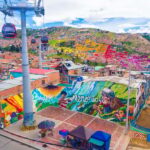
- Murals, graffiti, and the Egipto transformation story in La Candelaria
- Barrio Egipto hills: Iglesia de Egipto and the football field symbol
- Who’s guiding you: former gang leaders and bilingual storytelling
- Included snacks and chicha: small breaks, human pacing
- Walk time, comfort, and safety: what to plan for on the ground
- Price and value: is $91 worth it?
- What the tour gets right (and what to consider before booking)
- Who should book Breaking Borders Bogotá, and who might pass
- FAQ
- How long is Breaking Borders: Bogota Gansters Story?
- Where does the tour start and end?
- Is hotel pick-up and drop-off included?
- Are there any admission tickets you need to pay?
- What language is the guide?
- What food and drinks are included?
- Is this a private tour?
- What should I wear or bring?
- Is it suitable for children?
- What’s the cancellation policy?
- Is there anything I can buy during the tour?
- Should you book this Breaking Borders Bogotá tour?
Key things I’d mark on your map
- Chorro de Quevedo to Barrio Egipto: start in Bogotá’s founding-area energy, then climb into a very different lived reality
- Graffiti with meaning: murals explain the neighborhood’s turning points, not just pretty street art
- Guides with lived experience: you may hear from people like Harold, Monkey, Gigio, Andrea, Raul, or Mr. Pumpkin
- Nuestra Señora de Egipto church connection: you’ll learn why the 6th of January festivities matter here
- Community football field stop: a concrete symbol of progress for local youth
- A included snack and chicha: small comfort breaks that keep the tone human
Breaking Borders Bogotá Gansters Story: what you’re actually signing up for
This isn’t a “look at the sights” tour. It’s a social change experience built around one neighborhood’s past with gangs and drugs—and what people are doing now to break the cycle. Instead of asking you to admire from a distance, it brings you into the story through the eyes of people who live there.
For me, the best part is that it doesn’t reduce Egipto to tragedy. Yes, crime and trauma are part of the conversation, but so are options: youth programs, community projects, and a growing sense of agency. That’s why the tour feels more like a guided conversation than a checklist.
And it comes with structure that makes it easier to follow. You start in La Candelaria at Chorro de Quevedo, learn the Breaking Borders initiative, then move through key stops in Egipto—so you’re not just wandering and hoping it makes sense.
You can also read our reviews of more tours and experiences in Bogota.
Chorro de Quevedo meeting point: the right start before the climb
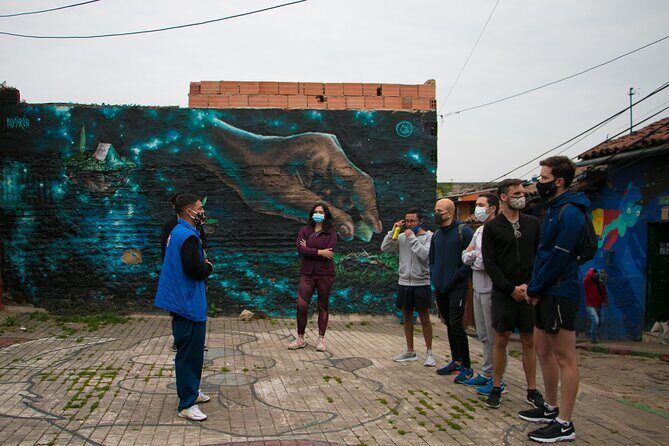
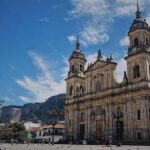
Your tour begins at Plazoleta Chorro de Quevedo (Cl. 12b #2-98, Antonio Nariño, Bogotá). This is a solid place to orient yourself because it sits right in the La Candelaria area, described as a birthplace spot for Bogotá. You meet your group there and get briefed on how Breaking Borders connects tourism with community change.
This first stage matters more than you might think. It sets expectations, so when you later see the murals and hear the stories, you know what you’re looking at and why it’s there. You also get your bilingual expert guide on board early (English and Spanish), which helps a lot with pacing and comprehension on topics that need context.
If you opted for private transport, you’ll have hotel pickup and drop-off. That’s a real value add in Bogotá, where getting around efficiently can save time and energy before you start climbing hills.
Murals, graffiti, and the Egipto transformation story in La Candelaria
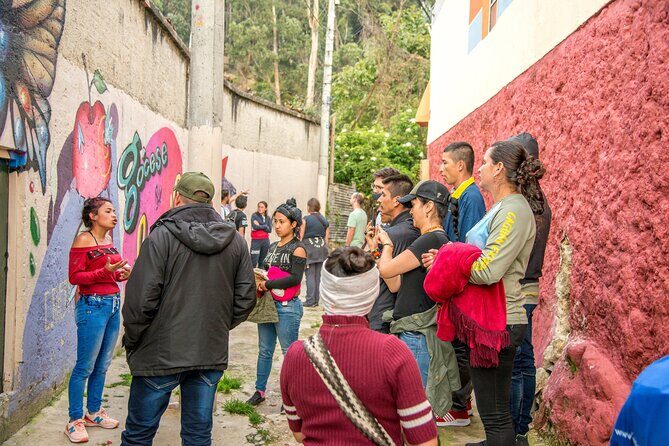
After the briefing, you head toward Nuestra Señora de Egipto, the church located at the entrance of Barrio Egipto. This stop is also tied to festivities on the 6th of January, so the area isn’t only about daily life—it has a calendar and traditions too.
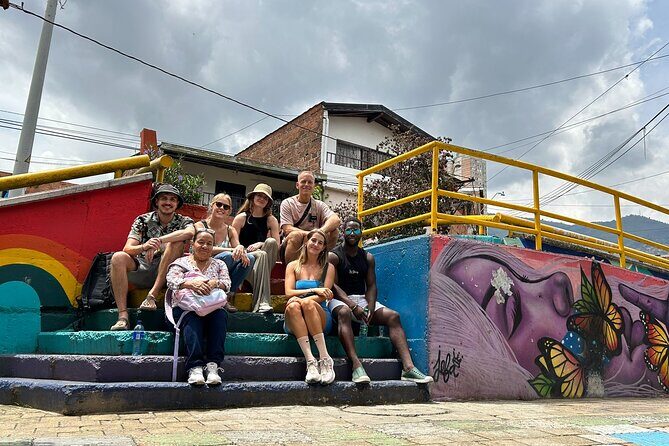
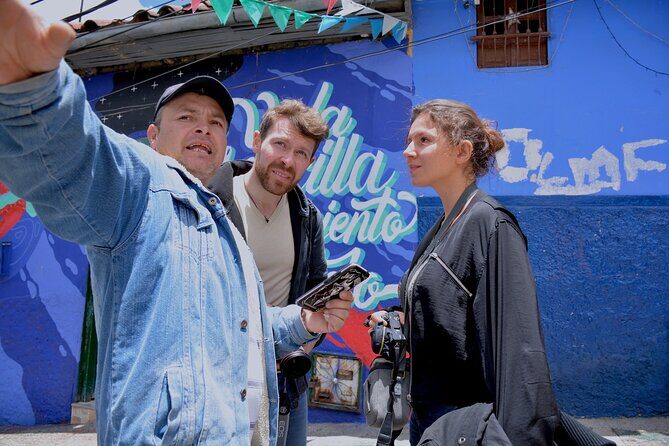
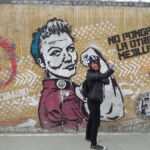
Along the way, you’ll see history explained on walls. The graffiti and murals are not random decorations; your guide shares meanings and stories behind them, and you connect the images to the community’s transformation. It’s a good reminder that art can be documentation—sometimes the only documentation that still feels close to real life.
Here’s what to watch for: the tour treats the visuals like chapters. As you move, the guide links what you’re seeing with what the neighborhood went through and what changed. If you go in expecting a quick photo stop, you’ll miss the point. Give it your attention and you’ll start reading the walls like a timeline.
Practical tip: bring your phone for photos, but also be ready to put it away. When guides talk about violence, loss, and survival, the most respectful move is to listen first.
Barrio Egipto hills: Iglesia de Egipto and the football field symbol
Once you reach Egipto, the tour shifts from explanations on the route to walking inside the community itself. You’ll climb the hills of Egipto and explore a neighborhood that—despite ongoing challenges—holds strong culture and hope.
You’ll visit Iglesia de Egipto and also the new community football field. The field is highlighted as more than sports. It’s described as a symbol of progress and the neighborhood’s commitment to its youth, and your guide explains how it helps strengthen social fabric.
That matters because it shows change that’s visible and repeatable. A mural is a statement. A field is something kids can use again and again. It’s the kind of project that can keep young people occupied, connected, and feeling like they belong to a future.
There’s also a strong “you are here” feeling. You aren’t touring a museum exhibit. You’re walking through a lived neighborhood, with real spaces that matter to residents.
Who’s guiding you: former gang leaders and bilingual storytelling
The heart of Breaking Borders is the people telling the story. The tour is led by a bilingual expert guide (English/Spanish) and also a personal guide from the Egipto neighborhood. In the reviews, you’ll see names like Harold, Monkey, Gigio, Andrea, Raul, Mr. Pumpkin, and Gildardo Arango tied to past tours.
What stands out is the tone: honest, personal, and grounded. Several accounts mention former gang members sharing why they joined that life, what they experienced, and why they chose to leave. You also hear how they feel now—often framed around relief, safety, and a sense of family/community rather than fear.
Some groups even mention a closing moment like a freestyle rap performed just for the group. You should treat that as “depending on the day,” not as a guaranteed feature, but it gives you a sense of how the tour can feel more like connection than performance.
How to make this work for you: ask questions if the guide invites them, and don’t rush your listening. If something feels heavy, it’s okay to pause, breathe, and continue when you’re ready.

Included snacks and chicha: small breaks, human pacing
This tour includes a local snack and a traditional chicha drink. That sounds minor until you experience it, because it gives your brain a reset during a walking route that includes emotional topics and uphill effort.
Chicha also fits the tone of the tour. It’s local, it’s shared, and it signals that this experience is about community life—not just commentary. If you have dietary needs, the tour data doesn’t list details, so it’s smart to mention any restrictions in advance when you book.
Also remember: alcoholic drinks are not included. If you want alcohol, it’s available to purchase.
Walk time, comfort, and safety: what to plan for on the ground
The tour runs about 3 hours. There’s no mention of a big museum-style schedule; it’s a walking experience with two main stops. Expect time for getting oriented at Chorro de Quevedo, moving to the church entrance area, climbing into Egipto, and visiting the football field.
Comfort is a big deal here. The itinerary includes climbing the hills of Egipto. The tour recommends comfortable clothes and shoes for a reason—this isn’t a flat stroll.
On safety, multiple reviews describe feeling safe during the tour and credit the guides for providing important information and answering questions. Still, treat this like any neighborhood walk: stay with your group, follow the guide’s lead, and avoid wandering off for photos.
If you’re traveling with kids, it can work well for families because the focus includes youth-focused projects like the football field. But because the background includes gang violence and drug issues, you’ll want to gauge what age and sensitivity level fits your group.
Price and value: is $91 worth it?
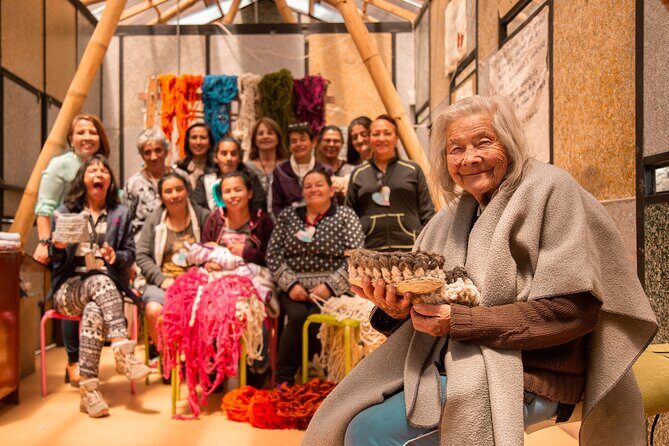
At $91 per person for roughly 3 hours, the price is best understood as paying for three things at once: specialized guiding, community access, and direct support of people working to change the narrative.
You’re not just paying for interpretation. You’re paying for a bilingual expert guide plus a personal guide from Egipto, and you’re getting entry to meaningful places like Iglesia de Egipto and the community football field area. Both stops are listed with admission ticket free, so you’re not hit with extra gate fees.
Value also depends on transport. If you choose the private transport option, you get hotel pick-up and drop-off. For many travelers, that alone makes the tour easier to say yes to because it removes Bogotá logistics from your day.
What about the “feel” of it? Reviews repeatedly frame this as more than sightseeing and highlight that former gang members guide the experience, sharing honest personal stories. If that kind of storytelling resonates with you, you’ll likely feel the cost matches the access you’re receiving.
One practical check: if you’re booking as a solo traveler, confirm the exact quote you receive. Some people in past experiences noted price didn’t feel fully aligned with what they expected, so it’s worth double-checking what’s included in your specific booking.
What the tour gets right (and what to consider before booking)
Let’s be fair. This tour is strong for people who want depth. It’s also not trying to be neutral. It’s built around breaking a cycle, so the emotional content isn’t background noise—it’s the point.
The biggest strengths
- You get a grounded view of crime, recovery, and why youth-focused projects matter
- You learn through murals and local landmarks, so the story sticks
- You hear from named guides from the community network, including former gang members
- You also come away with practical Bogotá perspective, not just history
The main considerations
- The topics can be heavy: violence, drugs, trauma, and injustice are part of the conversation
- You’ll climb hills, so your comfort level matters
- It’s a smaller-format walking experience; if you want lots of time for independent roaming or shopping, you might feel time is tight
- You may want extra cash for tips, optional souvenir photos, and any purchases like alcoholic drinks
If you can handle real stories and you’re open to seeing Bogotá from a less touristic angle, this tour tends to land as a standout experience.
Who should book Breaking Borders Bogotá, and who might pass
This is a great fit if:
- you like tours that connect people, not just places
- you’re comfortable with emotional topics and want honest context
- you prefer guided structure to “figure it out alone” wandering
- you want to support a local initiative in a way that goes beyond donating from afar
It may be less ideal if:
- you want only light, short sightseeing with no heavy subject matter
- you struggle with uphill walking or long periods on your feet
- you need a strict schedule with minimal walking and minimal conversation
And it’s worth saying: this kind of tour works best when you show up ready to listen. The payoff isn’t just what you learn. It’s the respect you build for how hard change is—and how people still try.
FAQ
How long is Breaking Borders: Bogota Gansters Story?
The tour is about 3 hours (approx.).
Where does the tour start and end?
It starts at Plazoleta Chorro de Quevedo (Cl. 12b #2-98, Antonio Nariño, Bogotá, Colombia). It ends back at the same meeting point.
Is hotel pick-up and drop-off included?
Private transportation to and from your hotel is included if you select the transportation option.
Are there any admission tickets you need to pay?
Admission tickets are listed as free for the main stops.
What language is the guide?
The tour includes a bilingual expert guide in English and Spanish, plus a personal guide from the Egipto neighborhood.
What food and drinks are included?
A local snack and a traditional chicha drink are included. Lunch is not included, and alcoholic drinks are not included (but available to purchase).
Is this a private tour?
Yes. It’s a private tour/activity, and only your group participates.
What should I wear or bring?
Wear comfortable clothes and shoes since you’ll be climbing hills. The tour also recommends taking cash for personal expenses.
Is it suitable for children?
Children must be accompanied by an adult. Most travelers can participate overall, but the tour does involve walking and climbing.
What’s the cancellation policy?
You can cancel up to 24 hours in advance for a full refund, and cancellation is free under that window.
Is there anything I can buy during the tour?
Souvenir photos may be available to purchase, and alcoholic drinks can be purchased.
Should you book this Breaking Borders Bogotá tour?
If you want Bogotá with meaning, I’d book it. Breaking Borders is built around real people and real change in Barrio Egipto, with murals, the Iglesia de Egipto area, and the community football field giving you both story and visible proof of progress. You also get a human touch with the included snack and chicha, plus hotel transport if you choose it.
Just go in with the right mindset. This isn’t a casual photo walk. It’s honest and sometimes heavy, and the day includes uphill walking. If that matches how you like to travel—curious, respectful, and ready to listen—you’ll likely come away with a story you won’t forget.