REVIEW · BOGOTA
Private Zipaquira Salt Cathedral and Guatavita Lagoon Tour from Bogota
Book on Viator →Operated by Impulse Travel · Bookable on Viator
Bogotá has a lot going on, but this day trip takes you underground fast. You get the Catedral de Sal inside an old salt mine, then spend the afternoon at the Laguna de Guatavita with Muisca legend in the air. I especially like how the route is built around big, memorable contrasts, and you even get lunch handled. The one thing to plan for is the walking and the altitude swings, plus weather can change quickly.
Two highlights are hard to beat: the cathedral’s salt-mining setting paired with Via Crucis sculptural scenes, and the Guatavita viewpoint hike that turns mythology into a real sense of place. I also like that hotel pickup and drop-off in Bogotá make it feel low-stress. The drawback is that conditions can vary (rain, road quality, and who you get as a guide), so you’ll want the right shoes and a little patience.
In This Review
- Key things that make this tour worth your time
- First stop: slipping into the salt mine at Catedral de Sal
- The Via Crucis details you’ll actually remember
- Zipaquirá town stop: a breather between cathedral and lagoon
- Laguna de Guatavita: the El Dorado myth meets real air and altitude
- A Monday reality check
- Lunch and timing: where the day feels long (and where it doesn’t)
- Getting there: private pickup, private car, and why road conditions matter
- Price and value: what $368 buys you on a day like this
- What to wear and bring for a smooth day
- Guides: why the right commentary matters here
- Who should book this tour
- Should you book? My practical take
- FAQ
- FAQ
- What time does the tour start?
- How long is the tour?
- Is hotel pickup and drop-off included?
- What’s included in the tour price?
- Are the entrance tickets included?
- Where is the tour going first?
- Is Laguna de Guatavita open every day?
- How much walking is involved?
- What should I wear or bring?
Key things that make this tour worth your time
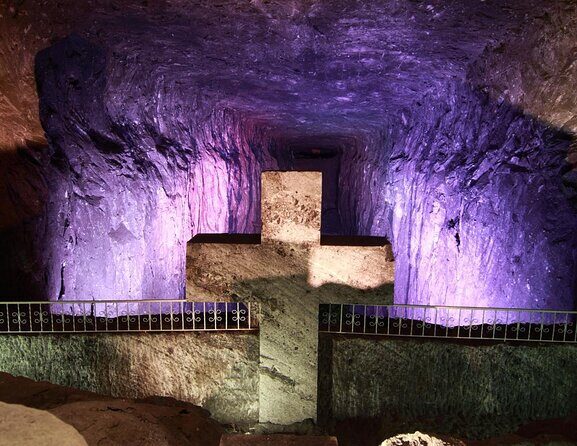
- Underground scale at Catedral de Sal: a church carved into salt rock with major engineering and dramatic lighting.
- Via Crucis sculpted stations: you’ll see creative Catholic symbolism reworked in salt, light, and form.
- Town stop in Zipaquirá: a quick look at a colonial village with buildings declared national monuments.
- Guatavita Lagoon + Muisca legend: the El Dorado story tied to the sacred lake and the paramo ecosystem.
- Lunch included: a real break between the cathedral and the countryside drive.
- Private format: only your group, with a guide in your language of choice.
First stop: slipping into the salt mine at Catedral de Sal
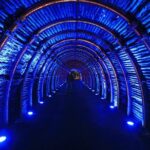
Catedral de Sal is the kind of place that makes you pause at the entrance, then keep pausing as you move deeper in. It started as a salt mine, with the original church opening in 1954 inside a 75 m (246-foot) long deposit. After it closed in 1991 for reconstruction, it reopened with a grander interior and additional salt removed—reported as about 250,000 tons.
What you’ll feel most here is the blend of old and new. The cathedral uses materials from the salt mine, plus lighting effects that bring the underground space to life. Inside, you’ll follow the Via Crucis through sculpted scenes—called out as an innovative interpretation of the stations. Even if you’re not big on Catholic ritual, the craft still lands because it’s built into the salt environment, not just placed next to it.
Timing-wise, plan on about 2 hours at the cathedral, and think of that as a mix of entry, walking through the main areas, and time for the guide’s explanations. One practical note: you’ll likely notice how cool or damp it can feel underground. Bring a layer even if Bogotá is warm when you leave.
You can also read our reviews of more private tours in Bogota

The Via Crucis details you’ll actually remember
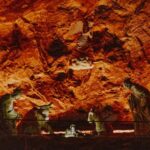
The cathedral isn’t just impressive because it’s underground. It’s memorable because the symbolism is physically carved into salt and staged with light. As you move through the cathedral, you’ll hear how Catholic imagery was translated into the language of rock, sculpture, and engineered space.
This is also where your guide can make or break the experience. In positive moments from past travelers, the best guides explain the meaning behind the stations and connect the artistry to what you’re seeing. In less great cases, people felt the commentary was rushed or didn’t go far enough. My advice: if you want this stop to feel like a story (not a checklist), ask your guide questions on the spot. Questions like What are they emphasizing with this station’s design? or How did they solve the engineering challenges in salt? tend to get the best answers.
Zipaquirá town stop: a breather between cathedral and lagoon
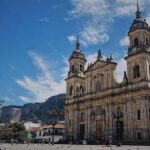
After you exit the cathedral, the tour shifts gears. You’ll head toward Guatavita through the colonial village of Zipaquirá, and you’ll get about 1 hour here. The selling point is that the area includes buildings that have been declared national monuments, which gives the stop a sense of continuity with the broader region’s story.
This isn’t a long museum day, and that’s okay. It’s more like a palate cleanser—street views, old-world architecture, and a quick reset before the countryside drive. If you’re trying to balance “big-ticket sights” with actual local texture, this hour helps. Just don’t plan on doing much beyond walking, photos, and a short stop with your guide.
Laguna de Guatavita: the El Dorado myth meets real air and altitude
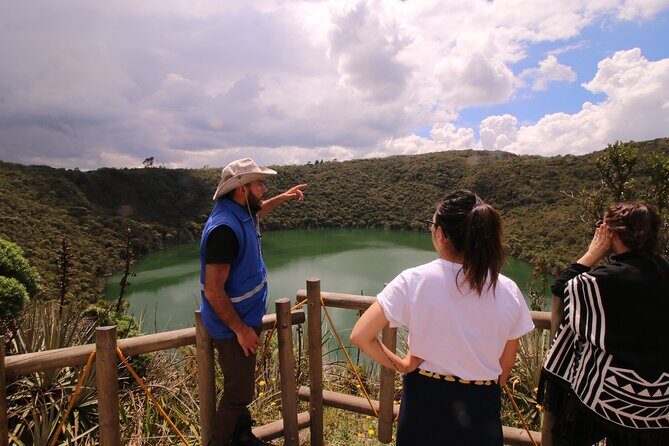
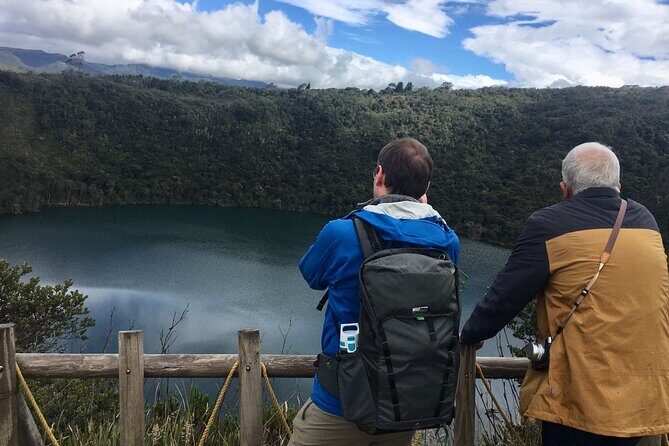
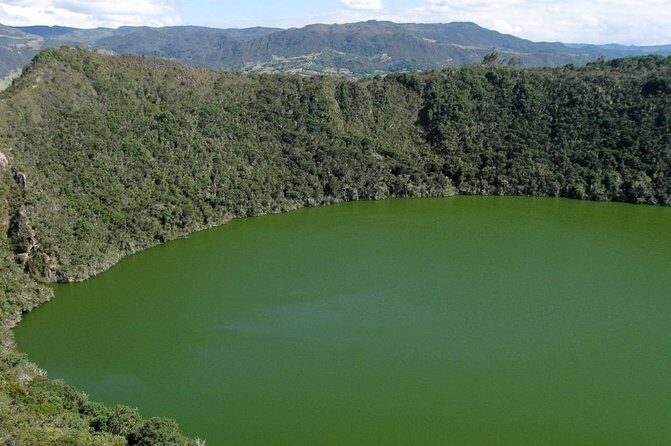
The afternoon highlight is Laguna de Guatavita, a sacred site linked to the Muisca. This is where the story becomes more than legend. You’ll learn how the lake was tied to Muisca cosmology and religious practices, then how the Colonial-era El Dorado tale grew from the belief that gold offerings were hidden beneath the water.
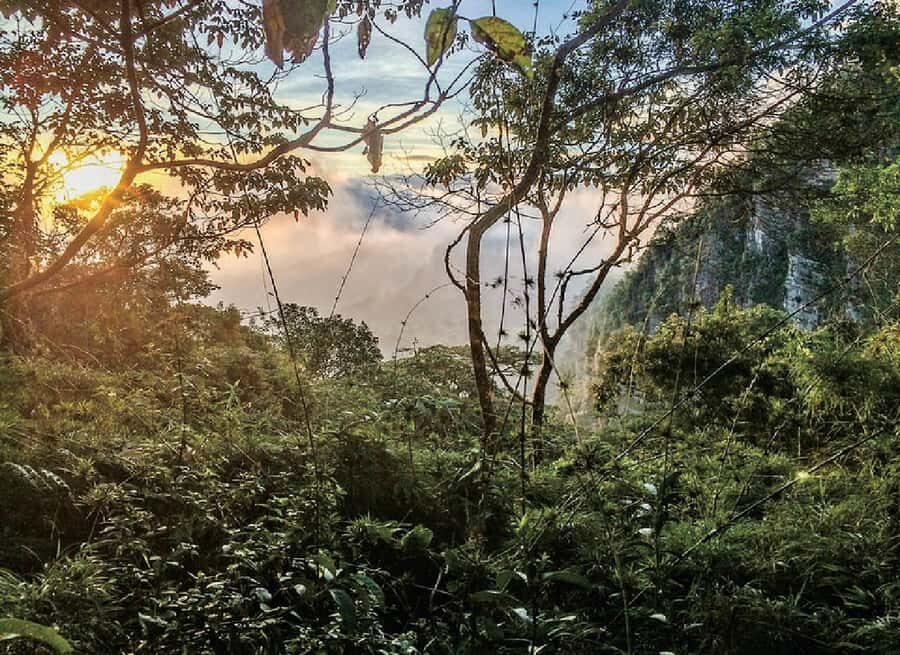
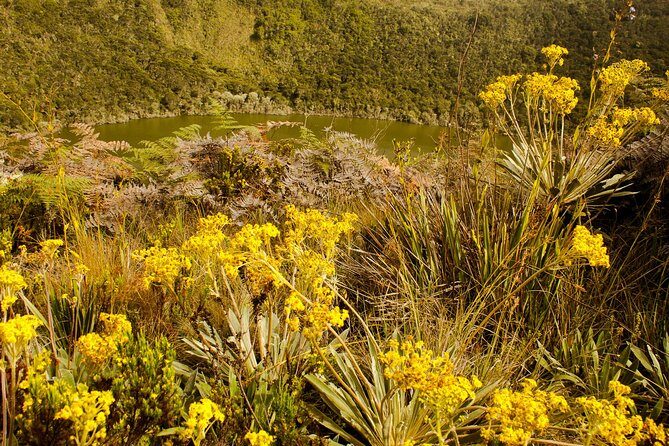
The tour also connects Guatavita to the paramo ecosystem. That matters, because the weather here is part of the experience, not just an inconvenience. Past travelers have warned about chilly wind and rapid shifts—rain, then sun, then rain again. When conditions cooperate, you’ll get classic “mountains around a high lake” views from the viewpoint area. When conditions don’t cooperate, you’ll still get the sense that you’ve climbed into a different world from Bogotá’s streets.
Expect about 3 hours total time at the lagoon area, including the park reserve experience and the walking up to viewpoints. The walk can be tough at altitude. If you’re coming from Bogotá already acclimated to some extent, you’ll still feel it, especially if the wind is strong. Wear shoes with grip and pace yourself on the ascent.
A Monday reality check
One important detail you can’t ignore: Laguna de Guatavita is closed on Mondays (or Tuesdays if Monday is a bank holiday). If your trip lines up with that schedule, you’ll either need an alternate date or be ready for a changed plan. In one case, the operator offered another half-day option at their own expense after a Monday closure. Don’t count on that every time, though—so check dates carefully before you book.

Lunch and timing: where the day feels long (and where it doesn’t)
This is an ~10-hour day trip, starting at 8:30 am. That long day is mainly about drive time and pacing between two very different environments: an underground mine-church and a high-altitude lakeside reserve.
Lunch is included, and it’s scheduled between the cathedral and the countryside portion toward Guatavita. I like this order because it keeps your energy steady before the hike. The lunch itself has been described as delicious by past travelers, including options that were vegetarian-friendly at a local place. Even so, since the meal details aren’t spelled out in advance here, treat it as a Colombian lunch that you should enjoy without expecting a specific cuisine subtype.
Weather can complicate timing. If rain hits, you might feel it in the wind and on the ground near viewpoints. Bringing a light rain layer isn’t about comfort—it’s about keeping your walk manageable.
Getting there: private pickup, private car, and why road conditions matter
Hotel pickup and drop-off in Bogotá are included, and your guide comes with you in your language of preference. The drive is about 50 km (31 miles) toward Zipaquirá for the cathedral visit, and then the route continues north toward Guatavita through countryside roads.
Because this is private, you don’t share the experience with strangers. That helps with questions, pace, and comfort. But privacy doesn’t always fix the realities of roads and weather. One traveler reported that rain and a road in bad condition prevented them from reaching the lagoon because the vehicle wasn’t suitable. Another mentioned cramped seating in a compact car for a small group. Translation for you: if you’re sensitive to tight spaces or you’re traveling with someone who needs extra comfort, mention it. And if you’re going during a rainy stretch, be mentally ready for delays.
Price and value: what $368 buys you on a day like this
At $368 per person, this isn’t a cheap add-on. So ask: what are you paying for?
You’re paying for a package that removes several headaches:
- Hotel pickup and drop-off in Bogotá
- An expert guide in your language
- Lunch included
- Entrance tickets for the Salt Cathedral and the natural reserve
In other words, you’re buying transportation, time, and interpretation. The best value shows up when you care about meaning, not just photos—especially at the Salt Cathedral where the Via Crucis symbolism benefits from a guided explanation. It also makes sense if you want a day that feels organized rather than self-planned, given that you’re hopping between a mining site and a high-altitude reserve.
If you’re the kind of traveler who just wants the top sights fast, you might feel it’s pricey. If you like stories tied to what you’re standing in front of, it starts to look like a fair deal.
What to wear and bring for a smooth day
Comfort isn’t optional on this one. The tour calls for moderate physical fitness and notes a medium-high amount of walking. Guatavita especially can be demanding due to the climb and altitude.
Bring:
- Comfortable, grippy shoes (not just for comfort—also for safety on uneven ground)
- Layers for wind and temperature changes
- A rain layer if the forecast looks unsettled
Also pace your breathing. Even if you’ve been walking around Bogotá, the altitude and wind at Guatavita can make a normal pace feel slower. Go steady, take short breaks when you need them, and don’t feel pressured to keep up with someone faster.
Guides: why the right commentary matters here
This tour lives or dies on your guide’s delivery, because both stops are story-heavy. The cathedral is a technical-art space with religious symbolism, and the lagoon is myth + environment.
From past experiences, some guides stood out by name. People praised Felipe for making the trip extra special, Juan for helpful explanations throughout, Patricia for friendly professionalism, and Luis for being both funny and knowledgeable. Others highlighted Claudia specifically, with strong commentary at both the cathedral and Guatavita.
A word of caution: there are also reports of guides who rushed explanations or didn’t provide the depth other guides offered, and one case where the tone included topics some guests didn’t want. You can’t control your guide assignment, but you can control your approach—be clear with questions early. If you want the meaning behind the Via Crucis and the legend at Guatavita, ask for it.
Who should book this tour
This day trip is a good fit if you want:
- A memorable contrast day: underground church + sacred high lake
- A guide to connect what you see to why it matters
- A low-planning day with pickup, lunch, and entry tickets handled
It’s less ideal if:
- You struggle with hikes at altitude or long walking days
- You need fully predictable weather with no changes
- You dislike religious or philosophical discussion themes from your guide (since interpretations are part of the experience)
Should you book? My practical take
If your time in Bogotá is limited and you want two signature “wow” stops outside the city, I’d say this tour is worth considering. The Salt Cathedral alone is a standout because it’s underground and intentionally designed, not just a historic building. Add Guatavita’s Muisca sacred-lake setting and El Dorado legend, and you get a day that feels more like a guided story than a bus ride.
I’d book it if you can handle walking, can dress for wind and quick weather shifts, and you’re going on a day when the lagoon is open (avoid Mondays). I’d think twice if you’re very altitude-sensitive or if you’re traveling during heavy rain seasons when road conditions can create problems.
FAQ
FAQ
What time does the tour start?
The tour start time is 8:30 am.
How long is the tour?
It runs for about 10 hours.
Is hotel pickup and drop-off included?
Yes. Pickup and drop-off in Bogotá are included.
What’s included in the tour price?
You get hotel pickup/drop-off, an expert guide in your language of preference, lunch, and entry tickets for the Salt Cathedral and the natural reserve.
Are the entrance tickets included?
Yes. Admission to the Salt Cathedral and the Guatavita natural reserve is included.
Where is the tour going first?
You start with Catedral de Sal in Zipaquirá, then you head onward toward Guatavita.
Is Laguna de Guatavita open every day?
No. Laguna de Guatavita is closed on Mondays (or Tuesdays if Monday is a bank holiday).
How much walking is involved?
There’s a medium-high amount of walking. You should have average fitness and be able to walk comfortably.
What should I wear or bring?
Wear comfortable clothes and shoes. It’s also smart to plan for changing weather, including possible rain and wind.