REVIEW · BOGOTA
Shared Tour Bogota’s Street Local Food
Book on GetYourGuide →Operated by Beyond Colombia · Bookable on GetYourGuide
Street food tells Bogotá’s real story. In 150 minutes, this Candelaria walk-and-taste mixes the origins of classic snacks with hands-on flavors like empanadas and obleas and the surprisingly famous hot chocolate with cheese.
I also like how the guide connects food to culture, not just recipes. You get the “why” behind what you’re eating, from indigenous roots to European influence. One thing to weigh: you’ll walk about 7 km, and there are several tasting stops—so if you prefer light meals (especially less sweet), plan your energy accordingly.
In This Review
- Key things to know before you go
- Starting in Candelaria, with the right hunger level
- What you actually pay for: $13 tour plus food you choose
- The route philosophy: culture first, then bites
- Empanadas and obleas: origins plus the toppings you shouldn’t skip
- Ajiaco: how to eat Colombia’s best-known comfort bowl
- The hot chocolate with cheese moment you’ll remember
- Coffee origin stop: tasting with a story behind it
- Aguardiente: the nickname lesson for ordering confidently
- European influence shows up in more than one place
- Vegetarian options: about 70% of the tastings can work
- Group energy, pace, and the guide factor (Leo stands out)
- The one potential drawback: too much sweet for some people
- Where you’ll end up: recommendations and discounts
- Practical tips so you get the most from it
- Is this Bogotá street food tour worth your time?
- FAQ
- How long is the Bogota street local food tour?
- Where do I meet the guide?
- Is the tour in English?
- Is hotel pickup or drop-off included?
- Are food and drinks included in the price?
- Are there vegetarian options?
- What should I bring?
- Can I record video or audio during the tour?
- Who is the tour not suitable for?
- What’s the cancellation policy?
Key things to know before you go
- Candelaria street-food route: Historic center focus, with multiple small tastings across different local spots
- Food origin stories, not just menus: You’ll hear where dishes like empanadas and obleas come from and why toppings matter
- A aguardiente nickname lesson: You’ll learn what locals call it so you know how to order confidently
- The cheese hot chocolate stop: One of the most distinctive Colombian food moments on the route
- Ajiaco how-to advice: Not just tasting—learning the best way to eat it
- Vegetarian-friendly options: About 70% of the tour’s choices can work for vegetarians
Starting in Candelaria, with the right hunger level
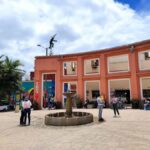
This tour is built for an afternoon when you want more than a museum day. You meet right in front of the Museo del Oro, with Beyond Colombia’s red umbrellas—an easy landmark if you’re already in the historic center.
From there, you’re walking through Bogotá’s center at a steady pace, with guided stops built in. The tour is English-speaking, and the guide’s job isn’t just to point at food. It’s to connect the dots between what you’re tasting and how Colombia’s gastronomy developed, including indigenous influence and European touches.
One practical note I’d take seriously: you’ll walk about 7 km. That’s not crazy, but it’s enough that comfortable shoes and a weather-ready layer matter. If it’s raining, you’ll want your own rain protection, since the weather is out of the operator’s control.
You can also read our reviews of more food & drink experiences in Bogota


What you actually pay for: $13 tour plus food you choose
The listed price is $13 per person, and the tour includes the guide and the walking route. But the food and drinks are not included.
Instead, the expectation is that you’ll pay for what you eat during the tastings—often around $9–10 USD depending on what you choose. For me, this is part of the value. You’re not locked into a set tasting menu. You can go heavier on what you’re curious about (like ajiaco or pastries) and skip a stop that you’re not feeling that day.
Also check the group-style reality. This isn’t a sit-down, plated meal experience. It’s an eating tour where “sampling” means smaller bites across multiple places. If you want one big dinner, you can treat this as a pre-dinner crawl, then finish with a proper meal afterward.
The route philosophy: culture first, then bites
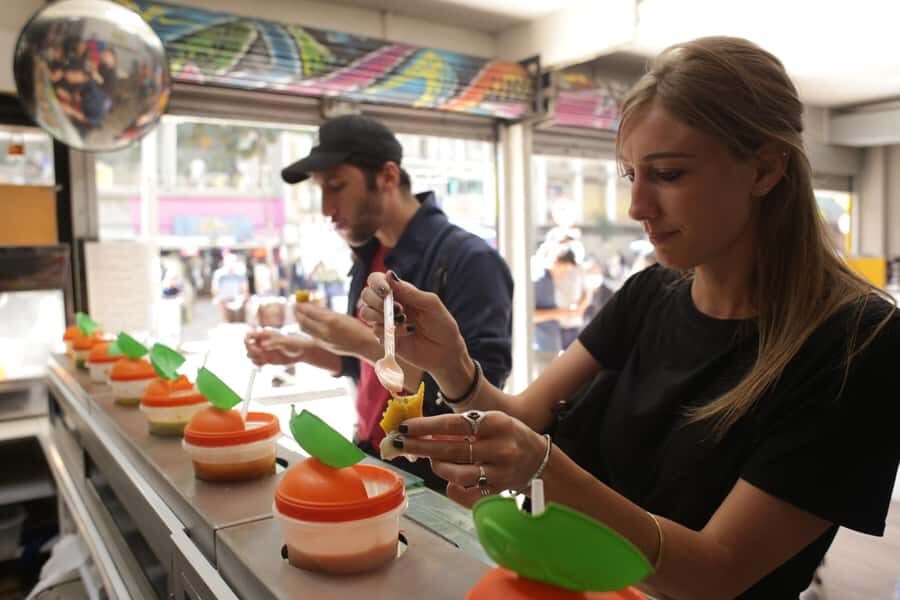
What makes this tour feel different from a basic food list is the way the guide frames each stop. You’re not just learning what something is; you’re learning how it got here and how people traditionally eat it.
The tour focuses on the city center—especially the Candelaria area—so you’re combining food with a sense of place. As you walk through non-touristy feeling streets, the guide also shares stories that help you understand the food’s background when indigenous communities shaped the early culinary base.
You’ll also hear about European influence on Colombian gastronomy. That’s not just trivia. It helps you notice patterns in pastry textures, hot drink styles, and how certain ingredients became part of everyday Colombian eating.
Empanadas and obleas: origins plus the toppings you shouldn’t skip
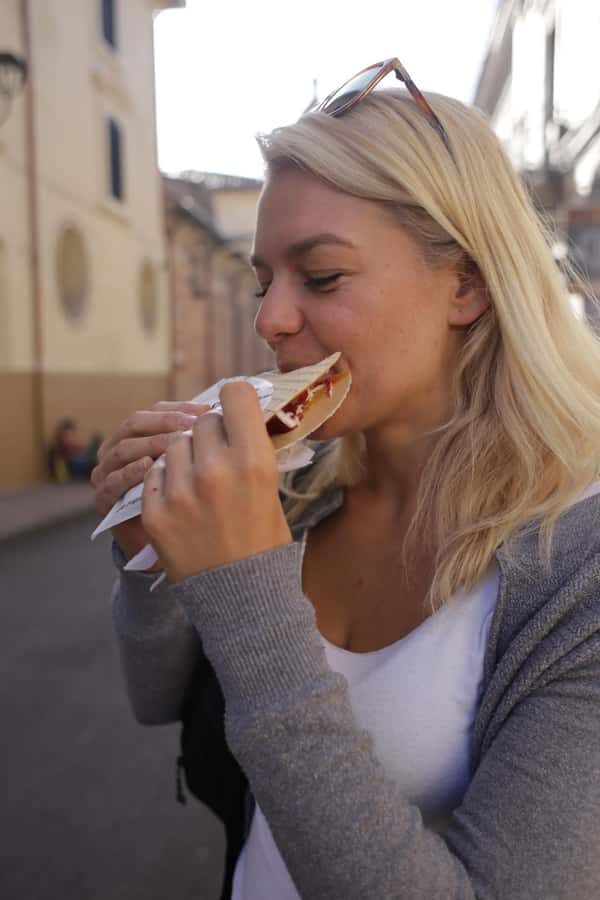
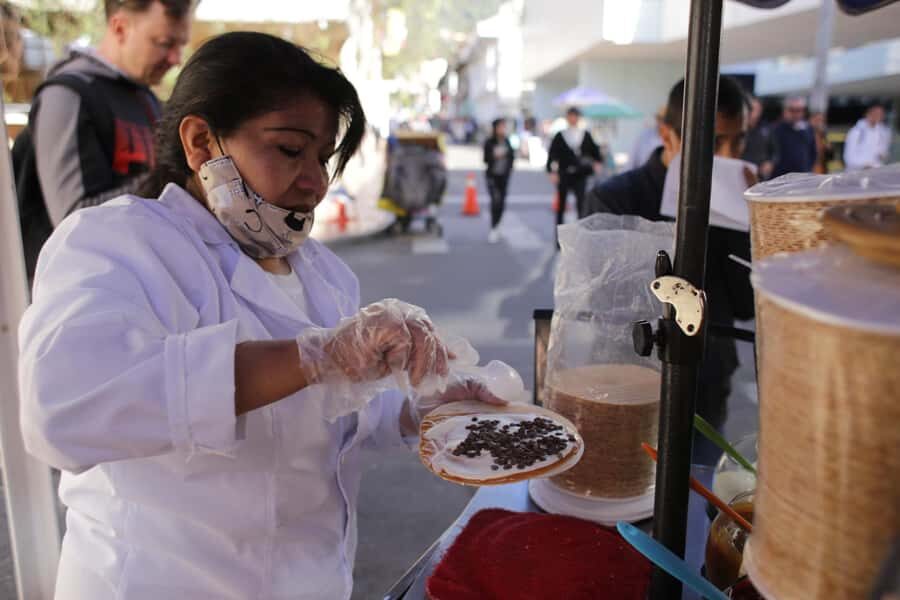
One of the headline moments is the explanation around the origin of empanadas and obleas. You’ll learn not only what they are, but how they connect to wider food traditions.
More importantly, you’ll get guidance on what to pay attention to when you order. The tour highlights the toppings you can’t miss, which is where these snacks can jump from fine to memorable. In practice, this means you’re not just grabbing whatever looks familiar—you’re ordering with intent.
If you’re the type who usually thinks food tours are repetitive, this stop is the fix. Empanadas and obleas are everywhere once you start traveling in Colombia. The difference here is that you’re learning what makes the local versions distinct and what balance to look for.
Ajiaco: how to eat Colombia’s best-known comfort bowl
Ajiaco is one of those dishes that sounds simple until you realize there’s a correct rhythm to eating it. This tour includes the best way to eat ajiaco, not just a taste.
Why that matters: ajiaco can feel like a generic soup if you eat it without context. But if you know what to combine and how locals build the bowl, it stops being “a soup you tried” and becomes a real flavor experience.
This is also where the tour’s culture-to-plate approach really pays off. You’re not only tasting starches, herbs, and comforting broth. You’re learning how locals treat it as a meal—something meant for sharing, warming you up, and showing up at the right moment.
A few more Bogota tours and experiences worth a look

The hot chocolate with cheese moment you’ll remember
If you only remember one “what on earth is that” item, make it this: hot chocolate with cheese.
This is listed as the most exotic Colombian meal on the route, and I get why. It’s not the kind of combo most people expect when they hear hot chocolate. But the tour frames it in a way that makes sense of the pairing. You’re not just eating something strange; you’re understanding a local way of balancing richness and texture.
Expect this stop to be a conversation starter in your head for days afterward. It’s also the kind of item that can work even if you’re not a big sweets person, because the cheese adds a savory counterpoint to the drink.
Coffee origin stop: tasting with a story behind it
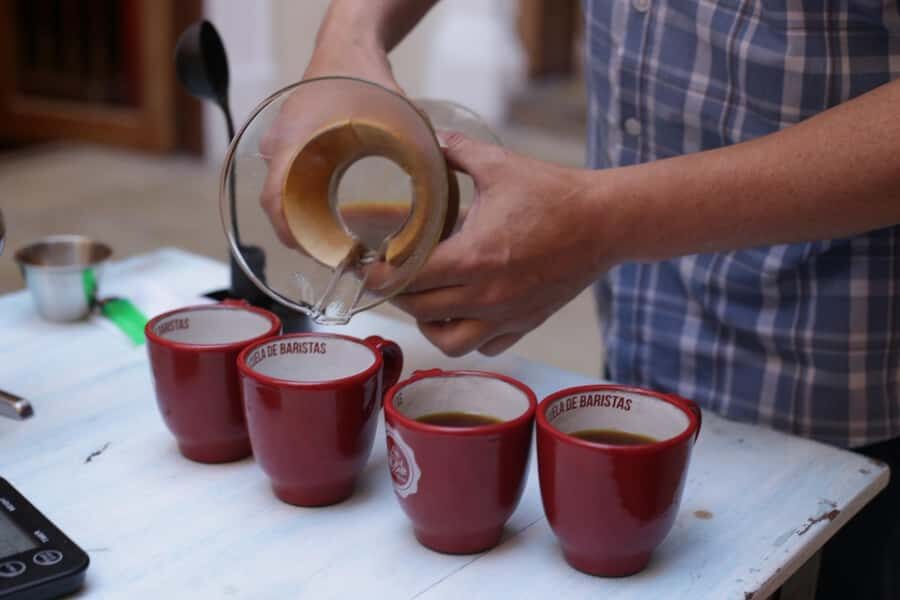
The tour includes origin coffee, which is useful if you care about more than just the flavor. You’ll get a bit of context so the cup feels earned, not random.
Since the tour is happening in Bogotá’s historic center, this stop also gives you a nice contrast. You’re tasting something rooted far beyond the city while still exploring Colombia’s day-to-day food culture. It’s a small move, but it helps you remember the country as more than just one city’s street scenes.
Aguardiente: the nickname lesson for ordering confidently
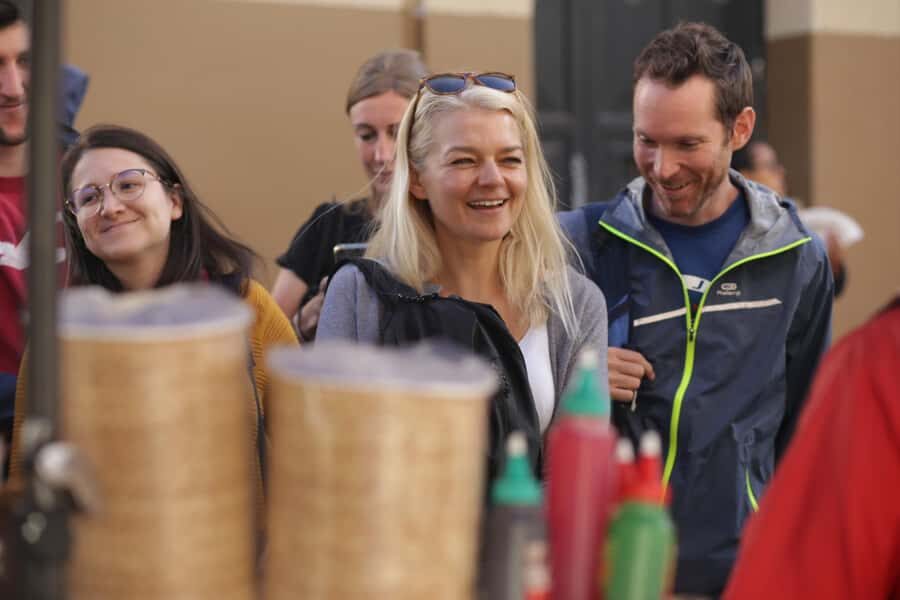
There’s a highlight about the secret name of aguardiente to drink it at any time of the day.
Even though I can’t fill in the nickname (it isn’t spelled out in the info I have), the practical value is clear: you’ll learn how people refer to it locally. That makes a difference when you’re standing in front of a menu and your Spanish is still warming up.
Also, this is one of those cultural signals. Learning when and how locals drink a spirit is part of understanding Bogotá nightlife and everyday habits, not just ordering alcohol for the sake of it.
European influence shows up in more than one place
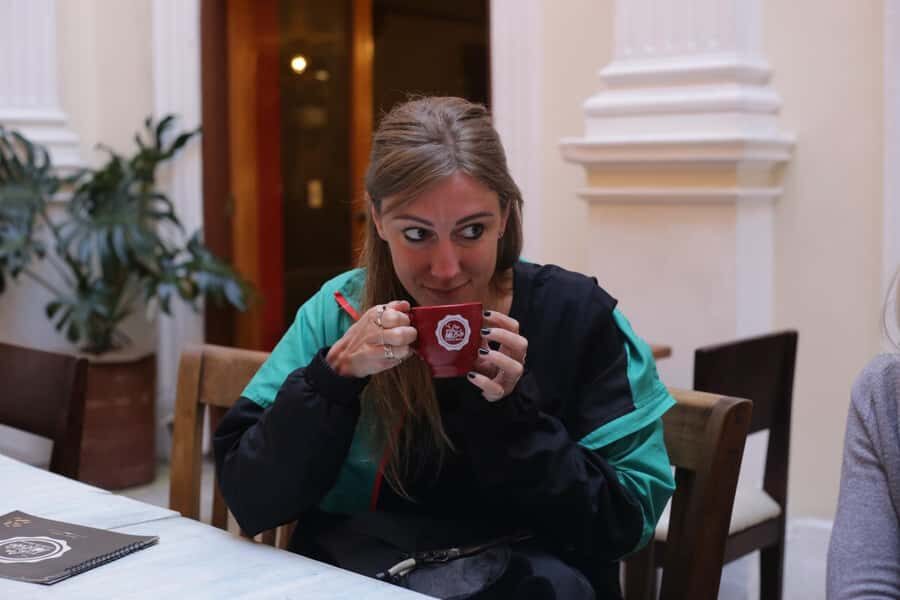
This tour doesn’t treat European influence as a separate topic. It shows up through how certain food traditions look and taste. You’ll connect that influence to what you’re ordering across the walk: snack formats, hot drinks, and the way certain sweet-and-baked traditions became part of daily Colombian eating.
This is one reason the tour works well for first-timers. You’re getting the “map” in your head. Later, when you see similar foods in markets or other neighborhoods, you’ll recognize patterns faster.
Vegetarian options: about 70% of the tastings can work
If you’re vegetarian, this is a big plus. The tour states that vegetarian options make up about 70% of what you’ll have access to.
Food tours can be awkward if you end up eating mostly bread or sides. Here, the tour is designed so you’re still part of the tastings, not stuck with a consolation plate.
If you’re vegetarian, I’d still show up ready to be flexible. Street food varies by day and by shop. But knowing the tour is structured with vegetarian options is reassuring.
Group energy, pace, and the guide factor (Leo stands out)
The tour experience depends a lot on the guide’s flow—how they balance walking, explanations, and tastings.
Two names come up from recent experiences: Leo and Patricia. With Leo, people highlight how fun and informative he was, and how the tour kept a workable rhythm between story time and eating time. One person even noted the mix felt right, including some free time in between.
With Patricia, at least one feedback point was about sweetness volume. That’s not a dealbreaker. It just means you should think of the route as a series of tastes, some of them on the sweeter side. If that’s your weakness, pace yourself and pick the stops you want most.
The one potential drawback: too much sweet for some people
A common point of friction for some eaters is that the route can feel heavy on sweet items. If that’s you, solve it with two strategies.
First, prioritize savory and comfort stops like ajiaco and pastry/tortilla-style snacks where you can. Second, don’t force yourself to finish every sweet bite. Sample, don’t suffer. You’re paying for what you eat, so it’s reasonable to adjust on the fly.
Also remember: you’re walking and tasting, not dining. If you’re coming off a light lunch, you might feel great. If you’re coming off a sugar-heavy morning, this might tip over into too much.
Where you’ll end up: recommendations and discounts
By the end, you get a wristband that unlocks benefits and discounts with recommended partners. That’s useful because food tours often leave you at the moment you still want dessert or a real meal.
The tour also provides recommendations of local allies for lunch, coffee, souvenirs, and more. That kind of guidance matters in Bogotá because some neighborhoods feel busy and some feel calm, and it’s hard to know where to go without local help.
Practical tips so you get the most from it
- Bring comfortable shoes. The tour includes about 7 km of walking.
- Bring rain protection. Umbrellas or capes aren’t guaranteed by the operator, so go with what you trust.
- Bring water or your hydration. It’s a walking tour and you’ll feel thirsty.
- Expect crowded areas. Keep belongings secure.
- Leave your filming plans at home. Video and audio recording aren’t allowed.
Is this Bogotá street food tour worth your time?
If you want a guided street-food experience that includes real context, not just a snack checklist, I think it’s a strong pick. The standout value is the combination of tastings with explanations: origins of empanadas and obleas, the hot chocolate with cheese stop, advice on ajiaco, and learning how to talk about aguardiente like a local.
If you’re someone who hates walking or you want a quiet, seated meal with minimal stops, you might prefer a different format. And if you’re very sensitive to sweets, go in with a plan and let your appetite control the pace.
FAQ
How long is the Bogota street local food tour?
The tour lasts about 150 minutes.
Where do I meet the guide?
Meet right in front of the Museo del Oro, with Beyond Colombia’s red umbrellas.
Is the tour in English?
Yes, it’s an English-speaking tour guide.
Is hotel pickup or drop-off included?
No, hotel pickup and drop-off are not included.
Are food and drinks included in the price?
Food and drinks are not included. You pay for what you eat, often around 9–10 USD.
Are there vegetarian options?
Yes. Vegetarian options are available (about 70%).
What should I bring?
Comfortable shoes and comfortable clothes. Also bring water or your preferred hydration.
Can I record video or audio during the tour?
No. Video recording and audio recording are not allowed.
Who is the tour not suitable for?
It isn’t suitable for children under 12 and people over 65.
What’s the cancellation policy?
You can cancel up to 24 hours in advance for a full refund.
If you tell me your travel dates and whether you’re more into savory or sweet, I can help you decide if this route fits your appetite on that day.